
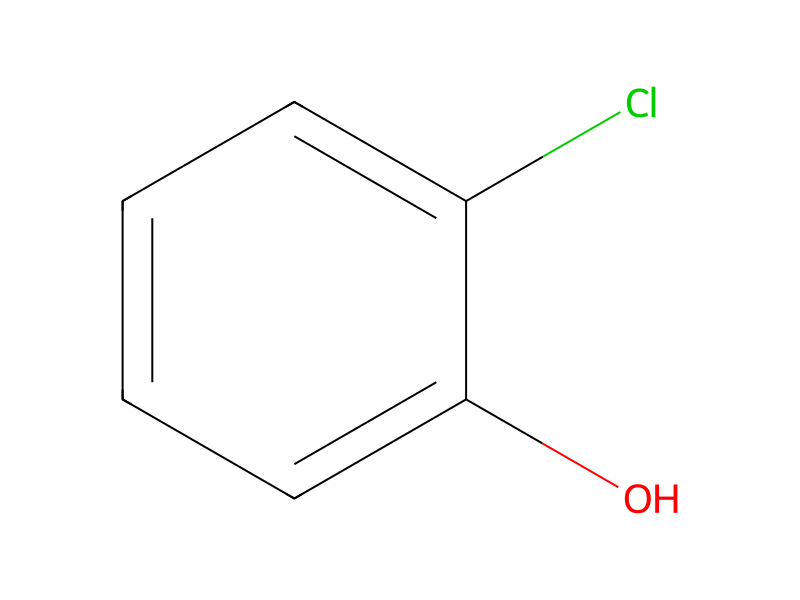
Basic information
- Standard SMILES
Oc1ccccc1Cl- InChIKey
ISPYQTSUDJAMAB-UHFFFAOYSA-N- Molecular formula
- C6H5ClO
- Average molar mass
- 128.55 g/mol
- Monoisotopic mass
- 128.00289246
Overview
2-chlorophenol appears as a colorless to amber liquid with an unpleasant, penetrating odor. Density 1.265 g / cm3. Sinks in water and slowly dissolves. Freezing point 7 °C (46 °F). Boiling point 175 °C (347 °F).
Names & identifiers
- Preferred name
- 2-Chlorophenol
- IUPAC
- 2-chlorophenol
- English name
- 2-Chlorophenol
- Molecular formula
- C6H5ClO
- Molecular weight
- 128.56
Names & synonyms
2-CHLOROPHENOL95-57-8o-ChlorophenolPhenol, 2-chloro-2-Hydroxychlorobenzeneo-Chlorphenol2-Chloro-1-hydroxybenzeneo-Chlorophenic acidPhenol, o-chloro-Septi-KleenPine-O Disinfectantortho-chlorophenol
Show more names
ORTHO CHLORO PHENOL2-Chlorphenol2-chlorophenol(o-chlorophenol)orophenoL2-chloro-pheno
DTXSID5021544K9KAV4K6BN1-Chloro-2-hydroxybenzeneNSC-2870DTXCID901544CHEBI:47083o-monochlorophenol2-monochlorophenol
Database identifiers
- CAS
25167-80-0、95-57-8- PubChem CID
- 7245
- DTXSID
DTXSID5021544- ChEMBL
CHEMBL108877- ChEBI
CHEBI:47083- UNII
- K9KAV4K6BN
- EC Number
- 202-433-2、246-691-4
- Nikkaji
- J3.566A
Properties
Computed structural properties
- XLogP
- 2.1
- Topological polar surface area
- 20.2 Ų
- Hydrogen bond donors
- 1
- Hydrogen bond acceptors
- 1
- Rotatable bonds
- 0
- Heavy atoms
- 8
- Formal charge
- 0
- Complexity
- 74.9
Experimental & physicochemical properties
Chemical Classes
Other Classes -> Chlorophenols
Flammable agents - 2nd degree
Semi-Volatile Organic Compound (SVOC)
DrugsPharmaceuticals -> Listed in ZINC15
pHweakly acidic
SpringerMaterials Properties13C nuclear magnetic resonance spectrum
PesticidesPesticide -> EPA IRIS
LogP
log Kow = 2.15
2.15
Odor
Unpleasant penetrating odor
Carbolic odor
TasteStrong medicinal taste and odor
Density
1.25 at 77 °F (USCG, 1999) - Denser than water; will sink
1.2634 at 20 °C/4 °C
Relative density (water = 1): 1.3
1.257 @ 23°C
Viscosity3.579 cP at 25 °C
Color/Form
Light amber liquid
Colorless to yellow brown liquid
Solubility
10 to 50 mg/mL at 59 °F (NTP, 1992)
Sol in ethanol, ethyl ether; slightly soluble in chloroform; very sol in benzene
Sol in aqueous sodium hydroxide, alcohol, ether
2.85 PARTS SOL IN 100 PARTS WATER @ 20 °C
Freely soluble in alcohol, ether, caustic alkali solutions
For more Solubility (Complete) data for 2-CHLOROPHENOL (6 total), please visit the HSDB record page.
Physicochemical properties
- Melting point
- 8 °C · 8 °C (lit.)
- Boiling point
- 175 · 175-176 °C (lit.)
- Density
- 1.241 g/mL · 1.241 g/mL at 25 °C (lit.)
- vapor pressure
- 13.3 hPa · 13.3 hPa (50 °C)
- refractive index
- 20 · n20/D 1.558(lit.)
- Flash point
- 147 °F · 147 °F
- storage temp.
- under inert gas (Argon)
- solubility
- alcohol: freely soluble
- pka
- 8.49 · 8.49(at 25℃)
- form
- liquid
- color
- Clear Colourless to Pale Orange
- Water Solubility
- 28.5 g/L · 28.5 g/L (20 ºC)
- Specific Heat Capacity
- 1.47 J/ · Cp(liquid): 1.47 J/(g·K), at 25℃
- Merck
- 14 · 14,2154
- BRN
- 1905114 · 1905114
- Henry's Law Constant
- 6.44 x · 6.44 x 10-6 atmm3/mol at 20 °C (Sheikheldin et al., 2001)
- Dielectric constant
- 8.2 · 8.2(19℃)
- Stability
- Stable. Hygroscopic. Combustible. Incompatible with oxidizing agents, acid anhydrides, acid chlorides.
- Major Application
- agricultureenvironmental
- InChI
- 1S/C6H5ClO/c7-5-3-1-2-4-6(5)8/h1-4,8H
- InChIKey
- ISPYQTSUDJAMAB-UHFFFAOYSA-N
- SMILES
- Oc1ccccc1Cl
- LogP
- 2.18 at · 2.18 at 20℃
- CAS DataBase Reference
- 95 · 95-57-8(CAS DataBase Reference)
- EWG's Food Scores
- 1 · 1
- FDA UNII
- 9 KAV4K6BN · K9KAV4K6BN
- NIST Chemistry Reference
- 2 · 2-Chlorophenol(95-57-8)
- EPA Substance Registry System
- o-Chlorophenol (95-57-8)
- Toxicological Profile|ATSDR
- 2 · 2-Chlorophenol|Toxicological Profile|ATSDR
- UNSPSC Code
- 41116107 · 41116107
- NACRES
- 24 · NA.24
- Symbol(GHS)
- 5 · GHS05,GHS06,GHS08,GHS09
- Signal word
- Danger
- Hazard statements
- 330 · H330-H302+H312-H314-H360-H370-H411-H227
- Precautionary statements
- 501 · P501-P273-P270-P202-P260-P210-P201-P271-P264-P280-P284-P370+P378-P391-P308+P311-P362+P364-P303+P361+P353-P301+P330+P331-P301+P312+P330-P304+P340+P310-P305+P351+P338+P310-P403+P233-P403+P235-P405
- PPE
- Eyeshields, Faceshields, Gloves, type ABEK (EN14387) respirator filter
- Hazard Codes
- Xn,N,T,F
- Risk Statements
- 20 · 20/21/22-51/53-39/23/24/25-23/24/25-11
- Safety Statements
- 28 · 28-61-28A-45-36/37-16-7
- RIDADR
- 2021 · UN 2021 6.1/PG 3
- WGK Germany
- 2 · 2
- RTECS
- 2625000 · SK2625000
- F
- 9 · 9
- Autoignition Temperature
- 550 °C · 550 °C
- TSCA
- TSCA listed
- HazardClass
- 6.1 · 6.1
- PackingGroup
- III
- HS Code
- 29081000 · 29081000
- Storage Class
- 6.1 C · 6.1C - Combustible acute toxic Cat.3toxic compounds or compounds which causing chronic effects
- Hazard Classifications
- 4 DermalAcute · Acute Tox. 4 DermalAcute Tox. 4 InhalationAcute Tox. 4 OralAquatic Chronic 2Eye Dam. 1Skin Corr. 1B
- Hazardous Substances Data
- 95 · 95-57-8(Hazardous Substances Data)
- Toxicity
- 50 orally · LD50 orally in rats: 0.67 g/kg (Deichmann)
- REACH Registrations
- Active
- Limited Quantities
- 5 L · 5.0 L (1.3 gallons) (liquid) or 5.0 kg (11 lbs) (solid)
- Excepted Quantities
- Max Inner Pack (30g or 30ml) and Max Outer Pack (1Kg or 1L)
Safety & regulation
GHS classification
GHS Classification
Warning
H302: Harmful if swallowed [Warning Acute toxicity, oral]
P261, P264, P270, P271, P273, P280, P301+P317, P302+P352, P304+P340, P317, P321, P330, P362+P364, P391, and P501 (click each P-code to see the statement)
Warning
H302: Harmful if swallowed [Warning Acute toxicity, oral]
P261, P264, P270, P271, P273, P280, P301+P317, P302+P352, P304+P340, P317, P321, P330, P362+P364, P391, and P501 (click each P-code to see the statement)
Hazard information
Regulatory Information
Chemical: Phenol, 2-chloro-
Hazard Traits - Reproductive Toxicity
TP - indicates a substance that is the subject of a proposed TSCA section 4 test rule.
Status: Active Update: 01-03-2017 https://echa.europa.eu/registration-dossier/-/registered-dossier/19031
2-Chlorophenol: Does not have an individual approval but may be used under an appropriate group standard
The New Jersey Worker and Community Right to Know Act requires public and private employers to provide information about hazardous substances at their workplaces. (N.J.S.A. 34:5A-1 et. seq.)
DOT LabelPoison
Fire Hazards
Special Hazards of Combustion Products: Contain poisonous chloride fumes.
Combustible. Gives off irritating or toxic fumes (or gases) in a fire. Above 64 °C explosive vapour/air mixtures may be formed.
Fire Potential
Combustible liquid.
MODERATE, WHEN EXPOSED TO HEAT, FLAMES OR OXIDIZERS
Health Hazards
Poisonous; may be fatal if inhaled, swallowed or absorbed through skin. Irritating to skin and eyes; direct contact may cause burns. Rats receiving lethal doses via oral, subcutaneous or intraperitoneal routes displayed similar symptoms: restlessness, increased breathing rate and motor weakness followed by tremors, chronic convulsions, dyspnea, coma and death. (USCG, 1999)
Hazards Summary
A severe skin, eye, and respiratory tract irritant; May cause pulmonary edema; Inhalation may cause CNS effects; [ICSC] May be fatal by inhalation, ingestion, and skin absorption; [CAMEO] Corrosive to skin and eyes based on animal studies; [CHEMINFO] A strong irritant that may cause burns to skin and eyes; Inhalation may cause liver and kidney injury; [CHRIS] Causes burns; Inhalation may cause corrosive injuries to upper respiratory tract and lungs; Harmful by ingestion, inhalation, and skin absorption; [Sigma-Aldrich MSDS] See CHLOROPHENOLS.
The major hazards encountered in the use and handling of 2-chlorophenol stem from its toxicologic properties. Toxic by all routes (ie, ingestion, inhalation, dermal contact), exposure to this colorless to yellow-brown liquid may occur from its use as an intermediate in the manufacture of dyes and higher chlorinated phenols, and as solvent or as a disinfectant. Effects from exposure include burns to the skin and eyes, weakness, headache, dizziness, damage to the lung, liver, and kidneys, and death from cardiac or pulmonary failure. Persons handling 2-chlorophenol should wear a self-contained breathing apparatus and chemical protective clothing specifically recommended by the shipper or producer. No skin surface should be exposed. However, if contact does occur, immediately flush affected skin or eyes with running water for at least 15 minutes, and remove and isolate contaminated clothing. While 2-chlorophenol requires moderate heating to ignite (flash point 64 °C, closed cup), it can burn, with the production of irritating and poisonous gases, and containers of the substance may explode in the heat of a fire. For small fires involving 2-chlorophenol, extinguish with dry chemical, CO2, Halon, water spray, or standard foam, and for large fires, use water spray, fog or standard fo~r. Runoff from fire control water may give off poisonous gases and should be controlled by diking, as necessary. 2-Chlorophenol should be stored away from oxidizing materials, and may be shipped via air, rail, road, or water in containers bearing the label, "Keep away from food." Small spills of 2-chlorophenol may be taken up with sand or other noncombustible absorbent and placed into containers for later disposal. Dike far ahead of large spills for later disposal. 2-Chlorophenol is a good candidate for rotary kiln or liquid injection forms of incineration. Prior to implementing land disposal of waste residue (including waste sludge), consult with environmental regulatory agencies for guidance.
Reactive GroupPhenols and Cresols
EC ClassificationSymbol: Xn, N; R: 20/21/22-51/53; S: (2)-28-61; Note: C
UN ClassificationUN Hazard Class: 6.1; UN Pack Group: III
Special Reports
U.S. Dept Health & Human Services/Agency for Toxic Substances & Disease Registry; Toxicological Profile for Chlorophenols PB/99/166639 (July 1999). Available from the Database Query page at: http://www.atsdr.cdc.gov/toxpro2.html# as of October 28, 2008
WHO; Environmental Health Criteria Document No. 93: Chlorophenols other than Pentachlorophenol (95-57-8). Available from http://www.inchem.org/pages/ehc.html as of November 11, 2008.
USEPA; Ambient Water Quality Criteria Doc: Chlorinated Phenols (1980) EPA 440/5-80-032
USEPA; Ambient Water Quality Criteria Doc: 2-Chlorophenol (1980) EPA 440/5-80-034
RCRA Requirements
U048; As stipulated in 40 CFR 261.33, when 2-chlorophenol, as a commercial chemical product or manufacturing chemical intermediate or an off-specification commercial chemical product or a manufacturing chemical intermediate, becomes a waste, it must be managed according to Federal and/or State hazardous waste regulations. Also defined as a hazardous waste is any residue, contaminated soil, water, or other debris resulting from the cleanup of a spill, into water or on dry land, of this waste. Generators of small quantities of this waste may qualify for partial exclusion from hazardous waste regulations (40 CFR 261.5).
Reactivity Profile2-CHLOROPHENOL is a weak acid. Neutralizes bases in exothermic reactions. Incompatible with oxidizing agents. Incompatible with acid chlorides and acid anhydrides. Forms ethers, esters and salts with metals and amines (NTP, 1992).
Safety & protection
Fire Fighting
Fire Extinguishing Agents: Small fires: dry chemical, carbon dioxide, water spray or foam. Large Fires: Alcohol foam. (USCG, 1999)
Use water spray, powder, foam, carbon dioxide. In case of fire: keep drums, etc., cool by spraying with water.
First Aid Measures
Fresh air, rest. Half-upright position. Artificial respiration may be needed. Refer for medical attention.
Remove contaminated clothes. Rinse and then wash skin with water and soap. Refer for medical attention .
First rinse with plenty of water for several minutes (remove contact lenses if easily possible), then refer for medical attention.
Rinse mouth. Do NOT induce vomiting. Refer for medical attention .
First Aid
EYES: First check the victim for contact lenses and remove if present. Flush victim's eyes with water or normal saline solution for 20 to 30 minutes while simultaneously calling a hospital or poison control center. Do not put any ointments, oils, or medication in the victim's eyes without specific instructions from a physician. IMMEDIATELY transport the victim after flushing eyes to a hospital even if no symptoms (such as redness or irritation) develop.
Safe StorageSeparated from strong oxidants and food and feedstuffs. Well closed.
Fire Fighting Procedures
Alcohol foam.
Use dry chemical, carbon dioxide, or foam extinguishers. Vapors are heavier than air and well collect in low areas. Vapors from 2-Chlorophenol may travel long distances to ignition sources and flashback. Vapors in confined areas may explode when exposed to fire. Containers may explode in fire. Storage containers and parts of containers may rocket great distances, in many directions. ...From a secure, explosion-proof location, use water spray to cool exposed containers. If cooling streams are ineffective (venting sound increases in volume and pitch, tank discolors, or shows any signs of deforming), withdraw immediately to a secure position.
Use dry chemical, foam, carbon dioxide, ot water spray. Approach fire from upwind to avoid hazardous vapors and toxic decomposition products. Use water sprays to keep fire-exposed containers cool.
Storage Conditions
Store in tightly closed containers in a cool, well ventilated area. Metal containers involving the transfer of this chemical should be grounded and bonded. Where possible, automatically pump liquid from drums or other storage containers to precess containers. Drums must be equipped with self-closing valves, pressure vacuum bungs, and flame arresters. Use only non-sparking tools and equipment, especially when opening and closing containers of this chemical. Sources of ignition such as smoking and open flames, are prohibited where this chemical is used, handled, or stored in a manner that could create a potential fire or explosion hazard. /Monochlorophenols/
Cleanup Methods
Phenolic cmpds in wastewater are oxidized with hydrogen peroxide catalyzed by iron(3+)-iron(2+) When the wt ratio of phenol:hydrogen peroxide is 1:3 and iron 5-100 ppm, more than 95% of the phenols are removed in 30 min from a 500 ppm phenol soln at pH 5-6 and 25-50 °C. /Phenolic cmpd/
Evacuate and restrict persons not wearing protective equipment from area of spill or leak until cleanup is complete. Remove all ignition sources. Ventilate area of spill or leak. Absorb liquids in vermiculite, dry sand, earth, peat, carbon, or a similar material and deposit in sealed containers. Collect powdered material in the most convenient and safe manner and deposit in sealed containers. It may be necessary to contain and dispose of this chemical as a hazardous waste. /Monochlorophenols/
Stop or control the leak, if this can be done without undue risk. Use water spray to cool and disperse vapors and protect personnel. Absorb in non combustible material for proper disposal.
Nonfire Spill ResponseNeutralizing Agents for Acids and Caustics: Sodium bicarbonate (USCG, 1999)
Disposal Methods
Generators of waste (equal to or greater than 100 kg/mo) containing this contaminant, EPA hazardous waste number U048, must conform with USEPA regulations in storage, transportation, treatment and disposal of waste.
Good candidate for rotary kiln incineration, with a temperature range of 820 to 1600 °C and a residence time of seconds. Also, a good candidate for liquid injection incineration, with a temperature range of 650 to 1600 °C and a residence time of 0.1 to 2 seconds.
This paper reports a three-step approach to remove 2-chlorophenol from dilute aqueous solution and compares each technique. The first step utilizes Horse Radish Peroxidase (HRP) in presence of hydrogen peroxide to oxidize this organic pollutant (enzyme treatment). For a more efficient removal of 2-chlorophenol, it is necessary to add the enzyme solution gradually to the contents of the reactor instead of rapid addition. The second step, involving ultrasonic waves eliminated 2-chlorophenol through hydroxyl radical generated by the cavitation process (sono-degradation). In the third step, a combination of ultrasonic waves and enzyme was used (sono-enzyme degradation).
Wet oxidation of a 100 ppm aqueous solution of o-chlorophenol (o-CP) was performed in a lab-scale batch reactor using 3% Ru/TiO(2) catalyst at 373 and 413 K, and a partial oxygen pressure of 0.1 MPa. The experiments were conducted by varying the initial pH values of o-CP solution from pH 6.3 to 9.8 and 11.8. From the results, it was revealed that the catalytic decomposition of o-CP occurred most effectively at 413 K and at the initial pH of 9.8. Complete decomposition and dechlorination of o-CP were almost achieved within 1hr, and about 85% of TOC was removed in 3.0 hr...
For more Disposal Methods (Complete) data for 2-CHLOROPHENOL (14 total), please visit the HSDB record page.
Spillage Disposal
Personal protection: chemical protection suit and filter respirator for organic gases and vapours adapted to the airborne concentration of the substance. Do NOT let this chemical enter the environment. Collect leaking and spilled liquid in covered containers as far as possible. Carefully collect remainder. Then store and dispose of according to local regulations.
Preventive Measures
SRP: The scientific literature for the use of contact lenses in industry is conflicting. The benefit or detrimental effects of wearing contact lenses depend not only upon the substance, but also on factors including the form of the substance, characteristics and duration of the exposure, the uses of other eye protection equipment, and the hygiene of the lenses. However, there may be individual substances whose irritating or corrosive properties are such that the wearing of contact lenses would be harmful to the eye. In those specific cases, contact lenses should not be worn. In any event, the usual eye protection equipment should be worn even when contact lenses are in place.
SRP: Local exhaust ventilation should be applied wherever there is an incidence of point source emissions or dispersion of regulated contaminants in the work area. Ventilation control of the contaminant as close to its point of generation is both the most economical and safest method to minimize personnel exposure to airborne contaminants. SRP: Contaminated protective clothing should be segregated in such a manner so that there is no direct personal contact by personnel who handle, dispose, or clean the clothing. Quality assurance to ascertain the completeness of the cleaning procedures should be implemented before the decontaminated protective clothing is returned for reuse by the workers. Contaminated clothing should not be taken home at end of shift, but should remain at employee's place of work for cleaning.
SRP: Contaminated protective clothing should be segregated in such a manner so that there is no direct personal contact by personnel who handle, dispose, or clean the clothing. Quality assurance to ascertain the completeness of the cleaning procedures should be implemented before the decontaminated protective clothing is returned for reuse by the workers. Contaminated clothing should not be taken home at end of shift, but should remain at employee's place of work for cleaning.
Immediately wash contaminated areas of skin with concentrated soap solution. Contaminated gloves, clothing, shoes should be removed without delay and disposed by incineration.
Isolation and EvacuationExcerpt from ERG Guide 153 [Substances - Toxic and/or Corrosive (Combustible)]:
Toxicology
Treatment
Avoid dilution following oral exposure; instead, administer charcoal as a slurry. Following inhalation, move patient to fresh air. Monitor for respiratory distress. If cough or difficulty breathing develops, evaluate for respiratory tract irritation, bronchitis, or pneumonitis. Administer oxygen and assist ventilation as required. Treat bronchospasm with inhaled beta2 agonist and oral or parenteral corticosteroids. In case the exposure occurs through eye contact, irrigate exposed eyes with copious amounts of room temperature water for at least 15 minutes. Following dermal exposure, remove phenol with undiluted polyethylene glycol 300 to 400 or isopropyl alcohol prior to washing, if readily available. Wash exposed areas twice or for at least 10 minutes with large quantities of soapy water. Water alone may be harmful. (T36)
Interactions
Tumor incidence incr (69%) in rats receiving 2-chlorophenol (5 ppm) and ethylnitrosourea, as compared to 58% for rats receiving ethylnitrosourea only. The effects of 2-chlorophenol on reproduction might be related to the transplacental transfer of 2-chlorophenol.
Target OrgansReproductive
Health Effects
2-chlorophenol is corrosive to epithelial tissue. It produce effects ranging from slight hyperemia to severe corrosion when applied to the corneas. Acute inhalation exposure may lead to hemorrhage in the lungs and tachypnea. Oral exposure to 2-chlorophenol can produce a variety of neurological effects, including tremors, myoclonic convulsions, a hunched posture, dyspnea, collapse, and coma (L159).
Ecotoxicity Values
LD50 Redwinged blackbird oral > 113 mg/kg
LC50; Eisenia fetida (earthworm, adult, 300-500 mg) dermal, filter paper 2.2 ug/sq cm (95% confidence interval: 1.9-2.4 ug/sq cm) for 48 hr
EC50; Species: Chlorella vulgaris (Green algae, exponential growth phase, 50000 cells/mL); Conditions: freshwater, static, 21 °C; Concentration: 170000 ug/L for 96 hr; Effect: growth inhibition, general /formulated product/
EC50; Species: Pseudokirchneriella subcapitata (Green algae, exponential growth phase, 50000 cells/mL); Conditions: freshwater, static, 21 °C; Concentration: 70000 ug/L for 96 hr; Effect: growth inhibition, /formulated product/
For more Ecotoxicity Values (Complete) data for 2-CHLOROPHENOL (40 total), please visit the HSDB record page.
Environmental Fate
TERRESTRIAL FATE: Based on a classification scheme(1), Koc values from 50-150 (clay loam soil)(2) indicate that 2-chlorophenol will be highly mobile, whereas values of 5000 or greater (measured in fine sediments)(2) indicate that 2-chlorophenol will be immobile in soils. Volatilization of 2-chlorophenol from moist soil surfaces is expected to be an important fate process(SRC) given a Henry's Law constant of 1.12X10⁻⁵ atm-cu m/mole(3). 2-Chlorophenol is expected to volatilize from dry soil surfaces(SRC) based upon a vapor pressure of 2.53 mm Hg(4). Biodegradation data reporting losses of 94% after 6.5 hrs(5), 100% after 14-47 days(6) and 67% after 10 days(7) indicate that biodegradation may be an important fate process in soil(SRC).
AQUATIC FATE: Based on a classification scheme(1), a Koc range of 50-5,012 in various soil types(2), indicates that 2-chlorophenol may adsorb to suspended solids and sediment, depending on sediment conditions(SRC). Volatilization from water surfaces is expected(3) based upon a Henry's Law constant of 1.12X10⁻⁵ atm-cu m/mole for the neutral species(4). Using this Henry's Law constant and an estimation method(3), volatilization half-lives for a model river and model lake are 2.5 days and 31 days, respectively(SRC). According to a classification scheme(5), a BCF range of 6 to 215(6-8), suggests the potential for bioconcentration in aquatic organisms may be low to high depending upon the species(SRC). Biodegradation of 2-chlorophenol in water may be an important fate process based reported complete losses in 10-36 days(9-12).
ATMOSPHERIC FATE: According to a model of gas/particle partitioning of semivolatile organic compounds in the atmosphere(1), 2-chlorophenol, which has a vapor pressure of 2.53 mm Hg at 25 °C(2), is expected to exist solely as a vapor in the ambient atmosphere. Vapor-phase 2-chlorophenol is degraded in the atmosphere by reaction with photochemically-produced hydroxyl radicals(SRC); the half-life for this reaction in air is estimated to be 3.3 days(SRC), calculated from its rate constant of 9.9X10⁻¹² cu cm/molecule-sec at 25 °C(SRC) that was derived using a structure estimation method(3). The suggested half-life of 2-chlorophenol in air is 55 hrs(4). Photolysis of 2-chlorophenol is affected by pH as the quantum yields for the disappearance of the undissociated form was 10 times less than that for the dissociated form when 2-chlorophenol was irradiated at 296 nm in aqueous solution at pH 8-13. The main product of photolysis of the undissociated form was pyrocatechol and cyclopentadienic acid from the dissociated form(5).
Adverse EffectsNeurotoxin - Other CNS neurotoxin
Exposure Routes
The substance can be absorbed into the body by inhalation of its vapour, through the skin and by ingestion.
Inhalation (L723) ; oral (L723) ; dermal (L723)
Toxicity Summary
2-chlorophenol works as a weak uncoupler of oxidative phosphorylation and inhibitors of cellular respiration. The ability of chlorophenols to uncouple oxidative phosphorylation increases with increasing chlorination. In fact, studies indicate a concentration-dependent triphasic effect of chlorophenols on phosphorylation and cellular respiration. At low concentrations, uncoupling produces stimulation of the resting state respiration as a result of increased adenosine triphosphatase (ATPase) activity in the absence of a phosphate acceptor.Inhibition of active respiration is also observed. At moderate concentrations, resting respiration is neither stimulated nor inhibited. Significant inhibition of respiration, associated with a breakdown of the electron transport process and decreased ATPase activity, occurs at very high concentrations. Uncoupling activity has been attributed to a protonophoric effect (a disruption of the energy gradient across the mitochondrial membrane resulting from distribution of chlorophenols in the phospholipid bilayer of the membrane), whereas inhibition of cellular respiration has been attributed to a direct action on intracellular proteins (L159).
Ecotoxicity Excerpts
/BIRDS and MAMMALS/ The acute oral toxicity, repellency and hazard potential of 2-chlorophenol to one or more of 68 species of wild and domestic birds was determined by standardized testing procedures. Redwinged blackbirds were the most sensitive of the bird species tested.
/AQUATIC SPECIES/ The toxic effects of photoproducts formed upon the photolysis of 2- and 4-chlorophenol (CP) frozen solutions in polycrystalline ice phase were determined with a bacterial luminescence test (Vibrio fisheri), and in vitro biomarker assay for dioxin-like effects (inductions of AhR-dependent luciferase in H4IIE-luc cells) and compared to the toxic effects of products of the same photoreaction in aquatic phase. Coupling photoproducts formed in ice samples (3'-chlorobiphenyl-2,4'-diol and 3-chlorobiphenyl-2,2'-diol from 2-CP photolysis and 5-chlorobiphenyl-2,4'-diol from 4-CP photolysis) were found to be more toxic to V. fisheri than parent CPs and elicited significant inductions of dioxin-like effects (the effective concentrations EC50 approximately 3 x 10⁻⁵ mol/L corresponded to known weaker ligands of AhR, such as nonplanar polychlorinated biphenyls or polycyclic aromatic hydrocarbons). To complete the picture, a photoproduct formed from 4-CP (5-chlorobiphenyl-2,4'-diol) was synthesized, and a detailed toxicity assessment with purified compound confirmed the results obtained with irradiated samples. /The/ findings support a recently proposed model according to which solar radiation can trigger the formation of new types of organic pollutants in polar ice or tropospheric ice cloud particles, presenting possibly greater risk to the environment than the parent compounds.
/AQUATIC SPECIES/ BF-2 cells, an established cell line derived from bluegill sunfish, (Lepomis macrochirus), were exposed to 18 organic toxicants, with cytotoxicity being assayed by the neutral red (NR) technique. Based on the concentration of toxicant that reduced lysosomal uptake of neutral red by 50% (NR50), the rank order of cytotoxicity was methyl mercury greater than pentachlorophenol greater than 2,3,5,6-tetrachlorophenol greater than 2,3,5-trichlorophenol greater than 2,3-dinitrotoluene greater than 2,4,6-trichlorophenol greater than 2,4-dichlorophenol greater than 2,4-dichlorotoluene greater than 6-chloro-3-hydroxytoluene greater than o-chlorotoluene greater than 4-chlorophenol greater than 2-chlorophenol, 2,4-dimethylphenol greater than 2,4-dinitrophenol greater than 4-nitrophenol greater than 3-methylphenol greater than phenol greater than toluene. Published in vivo LC50 values were identified for 11 of the 18 test agents and, with the exception of 2,4-dinitrophenol, there was a good correlation between the in vitro cytotoxicity of the test agents and their in vivo waterborne acute toxocity. The potencies of the substituted phenolics and chlorinated toluenes as determined by the in vitro cytotoxicity assay correlated strongly with their log octanol/water partition coefficients (log P). However, the toxicity of 2,3-dinitrotoluene in vitro, and apparently also in vivo, was not a function of its log P value.
/AQUATIC SPECIES/ ... A secondary spin trapping technique was used followed by electron paramagnetic resonance (EPR) analysis, to study the potential of reactive oxygen species (ROS) production after fish (Carassius auratus) were injected ip with different doses (50, 100, 200, 250, 500 mg/kg) of 2-chlorophenol (2-CP). The ROS signal intensity of the EPR spectrum showed a significant increase (p<0.05, compared with the control) when the 2-CP dose was as low as 50 mg/kg. There is a good relationship between the 2-CP administered doses and ROS generation. ... SOD and CAT activities were found to be induced at lower doses of 2-CP. GSH levels fell below the control level following all treatments with 2-CP, and GSSG levels changed along with those of GSH. These observations indicated that the fish experienced oxidative stress. The strong positive correlation (r = 0.966, p<0.005) between OH radical and lipid peroxidation suggested that lipid peroxidation was possibly induced by OH radical. The phase II detoxification enzyme glutathione-S-transferase (GST) may play an important role in 2-CP metabolism or excretion and, consequently, reduce ROS production. This study provides strong evidence that level of ROS is significantly increased in 2-CP stressed fish, and ROS may serve as a potential biomarker to indicate 2-CP contamination.
Plant ConcentrationsA field study of industrial organic uptake by growing crops was conducted during 1990 at the St. David Coal Refuse Pile Reclamation Site, Fulton County, IL; 2-chlorophenol was detected in coal refuse and plant materials, concns unknown(1).
Signs and Symptoms
Cough. Shortness of breath. Sore throat. See Ingestion. Symptoms may be delayed.
MAY BE ABSORBED! Redness. Pain.
Redness. Pain. Blurred vision.
Abdominal pain. Drowsiness. Weakness. Convulsions.
Cough, shortness of breath and sore throat can result from inhalation of 2-chlorophenol. These symptoms may be delayed. Abdominal pain, drowsiness, weakness, and convulsions can result from ingestion as well as inhalation. Moreover, ingestion of 2-chlorophenol can cause restlessness, tremors, or central nervous system depression to occur. Eye exposure to 2-chlorophenol can lead to redness, pain, and blurred vision, while dermal contact can lead to redness and pain of the skin. Moreover, the substance can be rapidily absorbed after derma exposure (L723).
Regulatory information
RCRA Requirements
U048; As stipulated in 40 CFR 261.33, when 2-chlorophenol, as a commercial chemical product or manufacturing chemical intermediate or an off-specification commercial chemical product or a manufacturing chemical intermediate, becomes a waste, it must be managed according to Federal and/or State hazardous waste regulations. Also defined as a hazardous waste is any residue, contaminated soil, water, or other debris resulting from the cleanup of a spill, into water or on dry land, of this waste. Generators of small quantities of this waste may qualify for partial exclusion from hazardous waste regulations (40 CFR 261.5).
Atmospheric Standards
This action promulgates standards of performance for equipment leaks of Volatile Organic Compounds (VOC) in the Synthetic Organic Chemical Manufacturing Industry (SOCMI). The intended effect of these standards is to require all newly constructed, modified, and reconstructed SOCMI process units to use the best demonstrated system of continuous emission reduction for equipment leaks of VOC, considering costs, non air quality health and environmental impact and energy requirements. Chlorophenols are produced, as an intermediate or final product, by process units covered under this subpart. /Chlorophenols/
CERCLA Reportable Quantities
Persons in charge of vessels or facilities are required to notify the National Response Center (NRC) immediately, when there is a release of this designated hazardous substance, in an amount equal to or greater than its reportable quantity of 100 lb or 45.4 kg. The toll free number of the NRC is (800) 424-8802. The rule for determining when notification is required is stated in 40 CFR 302.4 (section IV. D.3.b).
Clean Water Act RequirementsToxic pollutant designated pursuant to section 307(a)(1) of the Federal Water Pollution Control Act and is subject to effluent limitations.
State Drinking Water Guidelines
(FL) FLORIDA 35 ug/L
(MN) MINNESOTA 30 ug/L
(ME) MAINE 35 ug/L
Federal Drinking Water GuidelinesEPA 40 ug/L
Safety data
- F
- 9
- PPE
- Eyeshields, Faceshields, Gloves, type ABEK (EN14387) respirator filter
- wgk
- 2
- tsca
- TSCA listed
- rtecs
- SK2625000
- ridadr
- UN 2021 6.1/PG 3
- hs_code
- 29081000
- Toxicity
- LD50 orally in rats: 0.67 g/kg (Deichmann)
- risk_code
- 20/21/22-51/53-39/23/24/25-23/24/25-11
- Signal word
- Danger
- Symbol(GHS)
- GHS05,GHS06,GHS08,GHS09
- hazard_code
- Xn,N,T,F
- safety_code
- 28-61-28A-45-36/37-16-7
- hazard_class
- 6.1
- Storage Class
- 6.1C - Combustible acute toxic Cat.3toxic compounds or compounds which causing chronic effects
- packing_group
- III
- Hazard statements
- H330-H302+H312-H314-H360-H370-H411-H227
- Limited Quantities
- 5.0 L (1.3 gallons) (liquid) or 5.0 kg (11 lbs) (solid)
- Excepted Quantities
- Max Inner Pack (30g or 30ml) and Max Outer Pack (1Kg or 1L)
- REACH Registrations
- Active
- Hazard Classifications
- Acute Tox. 4 DermalAcute Tox. 4 InhalationAcute Tox. 4 OralAquatic Chronic 2Eye Dam. 1Skin Corr. 1B
- Autoignition Temperature
- 550 °C
- Precautionary statements
- P501-P273-P270-P202-P260-P210-P201-P271-P264-P280-P284-P370+P378-P391-P308+P311-P362+P364-P303+P361+P353-P301+P330+P331-P301+P312+P330-P304+P340+P310-P305+P351+P338+P310-P403+P233-P403+P235-P405
- Hazardous Substances Data
- 95-57-8(Hazardous Substances Data)
Chemistry & industry
Pharmacology
Mechanism of Action
The major mode of action of chlorophenols appears to be the uncoupling of oxidative phosphorylation. The strength of the uncoupling effect is related to the degree of chlorination: PCP is the strongest inhibitor of oxidative phosphorylation, MCP the weakest. To a lesser extent, inhibition of oxidative phosphorylation is affected by the positions of the chlorine atoms on the molecule. There appears to be a relationship between chlorination and the toxicity of PCP and T4CP, although there is no clear-cut relationship between the degree of chlorination and toxicityin MCP, DCP, and the T3CP series. /chlorophenols/
Metabolism/Metabolites
O-Chlorophenol yields o-chloroanisole in guinea pigs. /In rabbits/ o-chlorophenol yields 3-chlorocatechol. Yields o-chlorophenyl-beta-d-glucuronide & o-chlorophenyl sulfate. O-chlorophenol yields chloroquinol probably in rats.
The urinary and biliary excretion of (14)C-labeled o-chlorophenol were investigated in 12 species of freshwater fish when immersed in sublethal concentrations of the cmpd in the aquarium water for 48 hr. o-Chlorophenol sulfate and o-chlorophenol glucuronide were detected in both the aquarium water and the bile of all the fish species.
... Various chlorophenols are formed as intermediate metabolites during the microbiological degradation of the herbicides 2,4-D & 2,4,5-T and the pesticides Silvex, Ronnel, lindane, and benzene hexachloride. /Chlorophenols/
Mammalian metabolism of chlorobenzene yields 2-chlorophenol as /one of/ the major products.
Absorption of 2-chlorophenol is favored in the stomach and the intestine. Absorption through the gastrointestinal tract is by simple diffusion and is expected to be both rapid and virtually complete.The metabolism of the 2-chlorophenol is principally via conjugation. The principal metabolite excreted is the glucuronide. Other metabolites are sulfate conjugates such as the ethereal sulfate. The metabobites are excreted in urine (L159).
Absorption, Distribution and Excretion
A number of rabbit studies have shown that metabolism of the monochlorophenols is principally via conjugation. In /one/ study, groups of 6 rabbits were treated by gavage with 171.3 mg/kg of 2-CP or 4-CP emulsified in water as a single dose. For both isomers, the 24-hour urine analysis indicated that between 78.1 and 88.3% of the administered dose was excreted as the glucuronide, and between 12.8 and 20.6% of the administered dose was excreted as the ethereal sulfate. A total of 101.7 and 101.1% of the administered 2-CP or 4-CP doses, respectively, was accounted for as urinary glucuronide and sulfate conjugates.
... Absorbed from ... gastrointestinal tract & ... parenteral sites of injection. ... Excreted as conjugates of sulfuric & glucuronic acid. ... Urine darkens after standing. /Chlorophenols/
In general, chlorophenols are readily absorbed through the skin. Using the skin of the hairless mouse, aqueous solutions of 2-MCP, 2,4-DCP, and 2,4,6- T3CP readily penetrated the skin, provided that the compound was not ionized. In vitro studies on epidermal membranes from human skin taken at autopsy showed penetration by 2-MCP, 4-MCP, 2,4-DCP, and 2,4,6-T3CP. The lipophilic character of the solutes and their hydrogen-bonding capacity are the 2 main features determining this penetration.
Uses & manufacturing
Uses
Used in the production of higher chlorinated phenols, catechol, profenofos, dyestuffs, and preservatives; Also used to extract sulfur and nitrogen compounds from coal and as a soil sterilant, disinfectant, antiseptic, and phenolic resin comonomer; [HSDB] Used as a polymer intermediate for fire-retardant varnishes and as a cotton fabric treatment to provide rot resistance; [INCHEM] Found in textile samples of cotton and wool; Used to protect textiles during transport and storage; [ExPub: Danish Ministry of the Environment]
Using Disinfectants or Biocides [Category: Clean]
For 2-chlorophenol (USEPA/OPP Pesticide Code: 062204) there are 0 labels match. /SRP: Not registered for current use in the U.S., but approved pesticide uses may change periodically and so federal, state and local authorities must be consulted for currently approved uses./
At one time, chlorophenol-treatment was widely used in agriculture, to prevent wood decay in buildings, food containers, and horticultural timbers. Recently, such chlorophenol applications have been considerably restricted in some countries, and as a result, the quantities of non-PCP chlorophenols used in agriculture are minor. /chlorophenols/
Biocide; disinfectant for home, hospital, and farm /Former/
Organic synthesis (dyes)
Impurities
... Chlorinated 2-phenoxyphenols, chlorinated diphenylethers, and chlorinated dibenzofurans occur as impurities in technical grade of chlorophenols. /Chlorophenols/
AS A BY-PRODUCT IN PRODUCTION OF 4-CHLOROPHENOL BY DIRECT CHLORINATION OF PHENOL
The impurities include polychlorinated dibenzo-pdioxins (PCDDs), polychlorinated dibenzofurans (PCDFs), polychlorinated phenoxyphenols, polychlorinated diphenyl ethers, polychlorinated benzenes, and polychlorinated biphenyls. Because the higher chlorinated phenols are produced at higher temperature, the contamination of the higher chlorinated phenols is greater than that of the lower chlorinated phenols. /Chlorophenols/
U.S. Imports
(1978) 8.29X10+6 G (PRINCPL CUSTMS DISTS)
(1982) 1.00X10+7 G (PRINCPL CUSTMS DISTS)
(1983) 3.33X10+7 g
U.S. Production
(1978) PROBABLY GREATER THAN 2.27X10+6 G
(1982) PROBABLY GREATER THAN 2.27X10+6 G
Production volumes for non-confidential chemicals reported under the Inventory Update Rule. [Table#3139]
Methods of Manufacturing
FROM DIAZOTIZED O-CHLOROANILINE; FROM PHENOL; CIS-TRANS EQUILIBRIA IN O-HALOPHENOLS.
o-Chlorocumenes are oxidized to peroxides and then hydrated to produce o-chlorophenol.
o-Chlorophenol is produced in 22% yields from the reaction of chlorine monoxide with phenol in carbon tetrachloride.
Chlorination of phenol
For more Methods of Manufacturing (Complete) data for 2-CHLOROPHENOL (8 total), please visit the HSDB record page.
Formulations/Preparations
Septi-Kleen, soluble concentrate; 10.0% isopropanol, 5.0% chlorophenol, 2.0% methyl salicyalate, 6.5% soap.
Pine-O Disinfectant, emulsifiable concentrate; 3.5% chlorophenol, 22.0% pine oil, 7.5% soap.
General Manufacturing Information
Phenol, 2-chloro-: ACTIVE
2-Chlorophenol, in its molecular form is converted into pyrocatechol ... in the anionic form ... it is reduced in a cyclopentadienic acid which dimerizes according to a Diels-Alder reaction.
Distributed by Aldrich
Applications
DescriptionAll have a characteristic odor. Odor threshold =1.24 ppm (pure). Molecular weight (all isomers) =128.56.m-isomerColorless (in pure state) to pink or amber (technical grade,due to impurities) crystalline solid or liquid. Boilingpoint =214℃; Freezing/Melting point =32.8℃; Specificgravity (H2O:1) =1.245; Vapor pressure =5 mmHg at70℃; Flash point =112℃. Solubility in water=2.6-2.8.5% at 20℃. Hazard Identification (based onNFPA 704 M Rating System): Health 2, Flammability 0,Reactivity 0.o-isomerWhite crystalline (needle-like) solid. Boilingpoint =175.6℃; Freezing/Melting point =9.3-9.8℃;Specific gravity (H2O:1) =1.3; Vapor pressure, Pa at20℃ =230; Relative vapor density (air =1) =4.4; Flashpoint =64℃ (cc). Hazard Identification (based on NFPA704 M Rating System): Health 3, Flammability 2,Reactivity 0. Solubility in water =2.7% at 20℃.p-isomerWhite to straw-colored, needle-like crystalline solid.Boiling point =218℃; Freezing/Melting point =43℃;Vapor pressure =10 mmHg at 20℃; Vapor density (air=1) =4.44; Flash point = 121℃ (cc). HazardIdentification (based on NFPA 704 M Rating System):Health 3, Flammability 1, Reactivity 0. Solubility inwater =2.71% at 20℃.
Uses2-Chlorophenol is used to synthesize various organic intermediates and compounds including several polycyclic aromatic hydrocarbons and pharmacologically active molecules. It is used as a precursor to synthesize polychlorinated dibenzo p-dioxins and dibenzofurans (PCDD/Fs).
General Description2-chlorophenol appears as a colorless to amber liquid with an unpleasant, penetrating odor. Density 1.265 g / cm3. Sinks in water and slowly dissolves. Freezing point 7°C (46°F). Boiling point 175°C (347°F).
Preparation methods
Preparation2-chlorophenol is produced in 22% yields from the reaction of chlorine monoxide with phenol in carbon tetrachloride: 0.5 mole of tert-butyl hypochlorite is dropped, with stirring, into a solution or suspension of the 0.5 mole of phenol in 150-300 ml of carbon tetrachloride, the temperature being allowed to rise to the boiling point of the solvent. The mixture is then boiled under reflux for a further 2 hours, the carbon tetrachloride and the tert-butyl alcohol are distilled off, and the residue is fractionated collecting fraction boiling at 174.9 °C.
Upstream & downstream products
Upstream raw materials
Downstream products
Suppliers2 total
HONEST JOY HOLDINGS LIMITED[email protected]
Portail Substances Chimiques[email protected]
Additional notes
DefinitionChEBI: 2-chlorophenol is a monochlorophenol and a 2-halophenol.
Related reactions
231 records
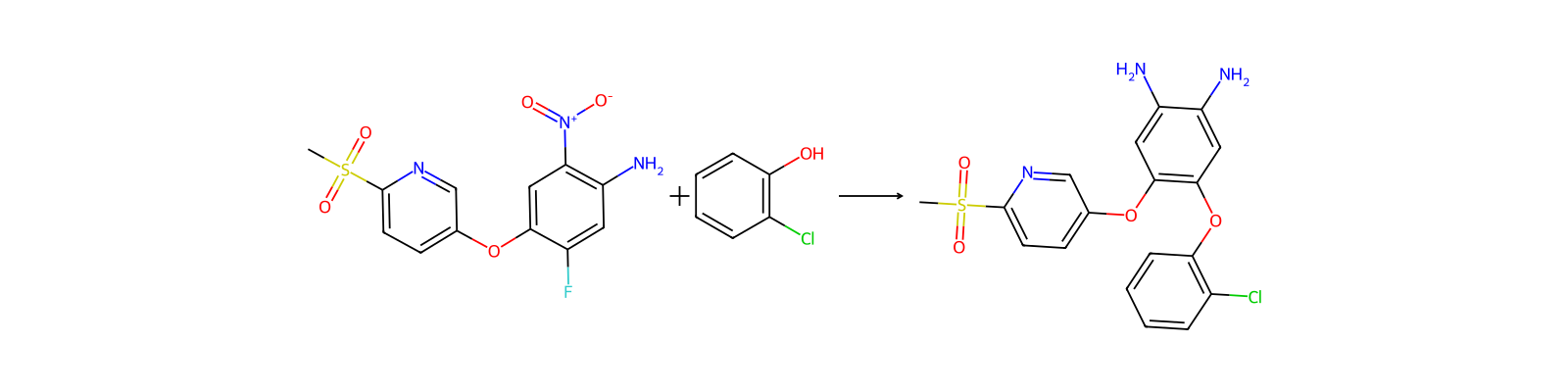
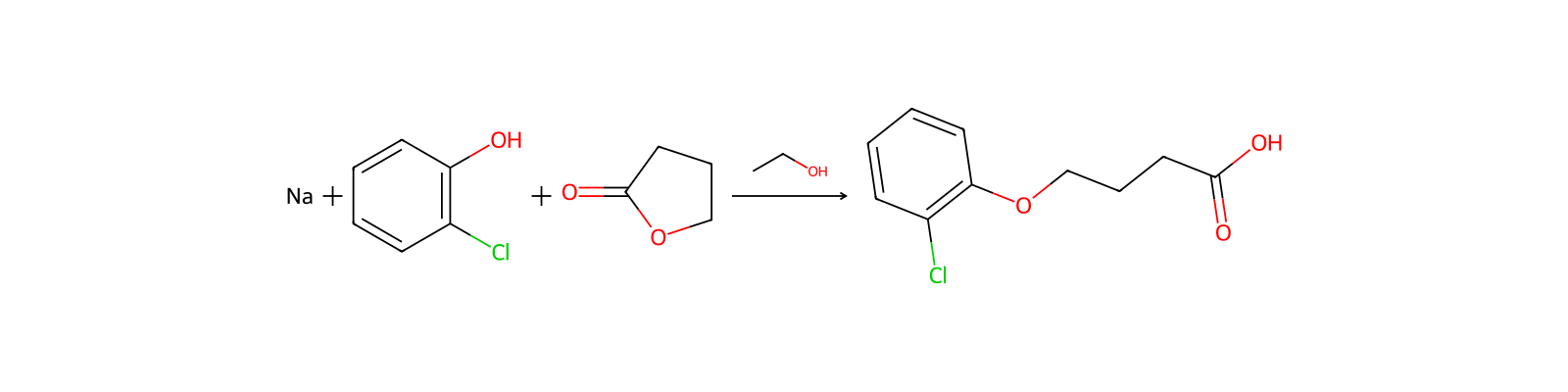
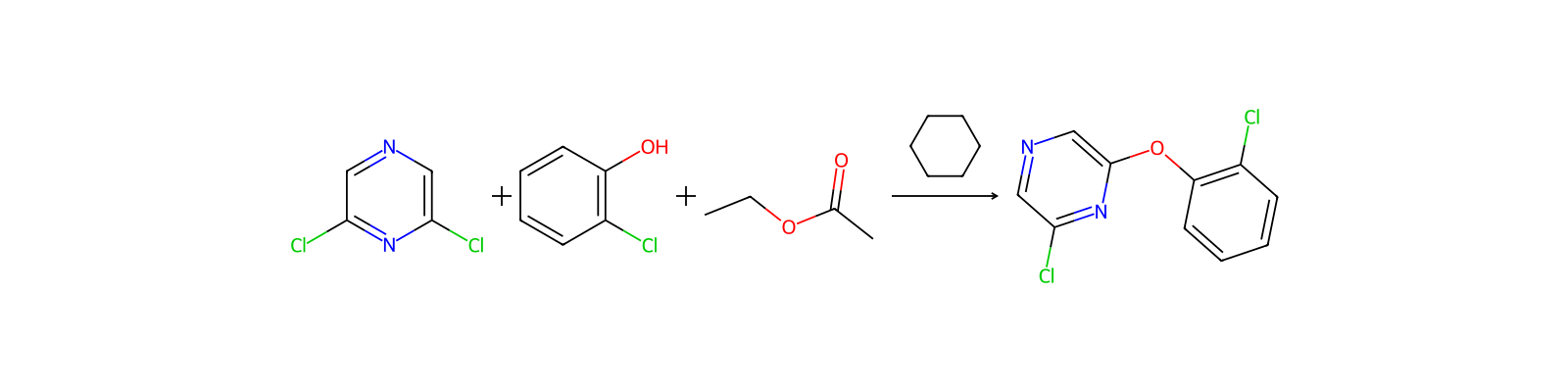
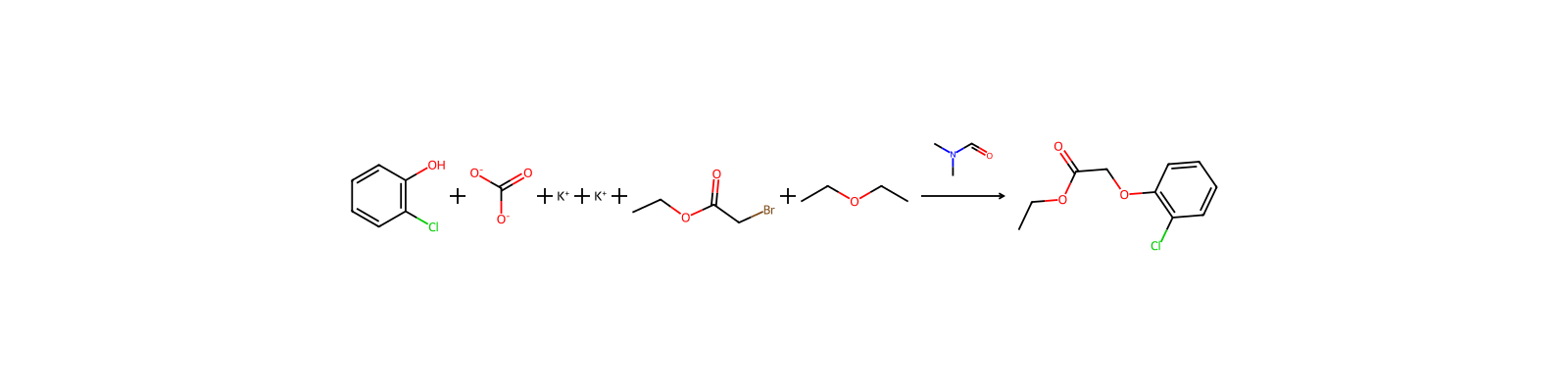


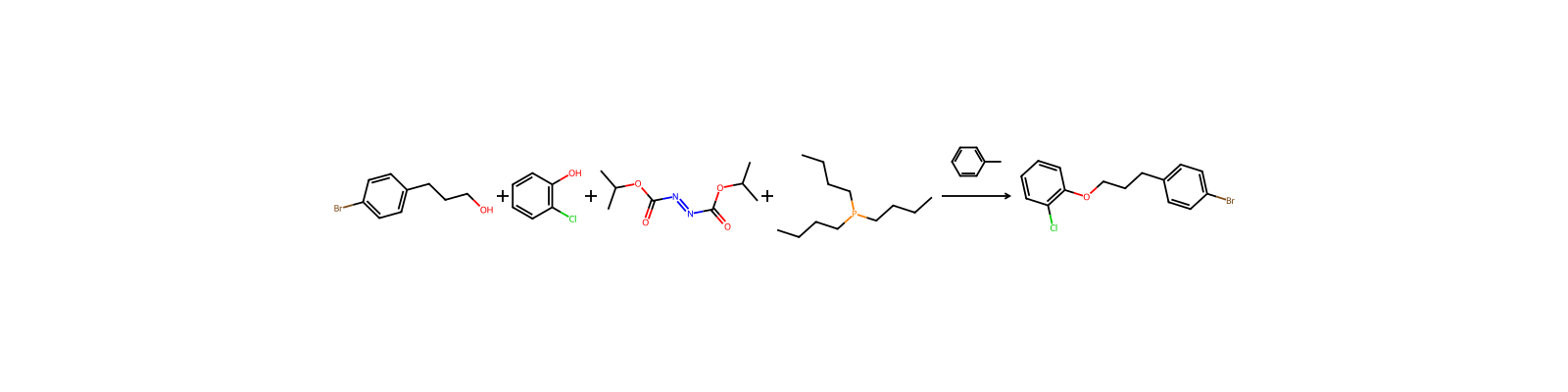
Linked notes
Loading…