HRID 1152As reactant

95-92-1CCOC(=O)C(=O)OCCWYACBZDAHNBPPB-UHFFFAOYSA-NEthyl oxalate appears as a colorless liquid. Slightly denser than water and insoluble in water. Hence sinks in water. May irritate skin and mucous membranes; may be mildly toxic by ingestion; may emit irritating fumes in a fire. Vapors are much heavier than air. Used as a solvent for plastics and in the manufacture of perfumes and pharmaceuticals.
95-92-1DTXSID2044472CHEMBL3183226Other Classes -> Esters, Other
Flammable agents - 2nd degree
1.0785 @ 20 °C/4 °C
1.079 @ 20°C
SPARINGLY SOL IN WATER WHICH DECOMP IT GRADUALLY; MISCIBLE WITH USUAL ORG SOLVENTS
SOL IN ALL PROPORTIONS IN ALCOHOL, ETHER, ACETONE
Safety information is for reference only and does not replace the supplier’s Safety Data Sheet (SDS), applicable regulations, or professional assessment.
Warning
H302: Harmful if swallowed [Warning Acute toxicity, oral]
P264, P264+P265, P270, P280, P301+P317, P305+P351+P338, P330, P337+P317, and P501 (click each P-code to see the statement)
Danger
H302 (100%): Harmful if swallowed [Warning Acute toxicity, oral]
P260, P264, P264+P265, P270, P280, P301+P317, P301+P330+P331, P302+P361+P354, P304+P340, P305+P351+P338, P305+P354+P338, P316, P319, P321, P330, P337+P317, P363, P405, and P501 (click each P-code to see the statement)
Chemical: Ethanedioic acid, diethyl ester
Commission Regulation (EC) No 1565/2000 (Repealed by Com. Implementing Reg. (EU) No 872/2012)
Ethanedioic acid, 1,2-diethyl ester is listed on the EPA's Chemical Data Reporting (CDR) system. Manufacturers and importers of Ethanedioic acid, 1,2-diethyl ester are required to report information about their production and use of this chemical to the EPA under the Toxic Substances Control Act (TSCA). (40 eCFR Part 711)
REACH registered substance: Diethyl oxalate (EC: 202-464-1)
Diethyl oxalate: Does not have an individual approval but may be used under an appropriate group standard
The New Jersey Worker and Community Right to Know Act requires public and private employers to provide information about hazardous substances at their workplaces. (N.J.S.A. 34:5A-1 et. seq.)
Excerpt from ERG Guide 156 [Substances - Toxic and/or Corrosive (Combustible / Water-Sensitive)]:
Used to make pharmaceuticals, plastics, dyes, and dyestuff intermediates; Also used as a solvent for cellulose esters, ethers, resins, perfumes, and lacquers for electronics; [HSDB]
Semiconductor Manufacturing [Category: Industry]
MANUFACTURE OF PHENOBARBITAL, ETHYLBENZYL MALONATE, TRIETHYLAMINE, & SIMILAR CHEMICALS; MANUFACTURE OF PLASTICS, DYESTUFF INTERMEDIATES; SOLVENT FOR CELLULOSE ESTERS
ORGANIC SYNTHESES, ESP IN MFR OF PHARMACEUTICALS; SOLVENT FOR ETHERS & RESINS
RADIO TUBE CATHODE FIXING LACQUERS
SOLVENT FOR PERFUMES & FOR NATURAL & SYNTHETIC RESINS (CELLULOSE ESTERS); AGENT IN RADIO TUBE CATHODE FIXING LACQUERS; CHEM INT FOR PHARMACEUTICALS, PLASTICS & DYES
(1972) No Data
(1975) No Data
(1972) No Data
(1975) No Data
2023: 70,547 lb
(1972) PROBABLY GREATER THAN 4.54X10+5 GRAMS
(1975) PROBABLY GREATER THAN 1.36X10+6 GRAMS
ESTERIFICATION OF OXALIC ACID WITH ETHANOL
PREPN: CLARKE, DAVIS, ORG SYN 2, 23 (1922); COLL VOL I, 256; KENYON, COLL VOL I, 258 (P 261 IN 2ND ED).
ETHYL OXALATE IS PRODUCED BY STANDARD ESTERIFICATION PROCEDURE, USING ETHYL ALCOHOL AND OXALIC ACID.
MISCIBLE WITH ETHYL ACETATE
168 °F (NFPA, 2010)
168 °F CC
185.7 °C @ 760 MM HG
185.4 °C @760 [mm Hg]
· Combustible material: may burn but does not ignite readily.
MODERATE WHEN EXPOSED TO HEAT OR FLAME
THIS ESTER IS A COMBUSTIBLE LIQ, BUT IT DOES NOT PRODUCE A FLAMMABLE CONCN OF VAPOR @ ROOM TEMP.
SOME ESTERS WITH HIGHER FLASH POINTS, LIKE...ETHYL OXALATE, ARE NOT SO DANGEROUS AT ROOM TEMP. THEY ARE NEVERTHELESS READILY IGNITED AS FLAMMABLE LIQ, & SOURCE OF IGNITION MUST NOT BE ALLOWED TO COME IN CONTACT WITH THEM.
Excerpt from ERG Guide 156 [Substances - Toxic and/or Corrosive (Combustible / Water-Sensitive)]:
· TOXIC and/or CORROSIVE; inhalation, ingestion or contact (skin, eyes) with vapors, dusts or substance may cause severe injury, burns or death.
ETHYL OXALATE is an ester. Esters react with acids to liberate heat along with alcohols and acids. Strong oxidizing acids may cause a vigorous reaction that is sufficiently exothermic to ignite the reaction products. Heat is also generated by the interaction of esters with caustic solutions. Flammable hydrogen is generated by mixing esters with alkali metals and hydrides
/GUIDE 156: SUBSTANCES - TOXIC AND/OR CORROSIVE (COMBUSTIBLE/WATER-SENSITIVE)/ Fire or Explosion: Combustible material: may burn but does not ignite readily. Substance will react with water (some violently) releasing flammable, toxic or corrosive gases and runoff. When heated, vapors may form explosive mixtures with air: indoors, outdoors and sewers explosion hazards. Most vapors are heavier than air. They will spread along ground and collect in low or confined areas (sewers, basements, tanks). Vapors may travel to source of ignition and flash back. Contact with metals may evolve flammable hydrogen gas. Containers may explode when heated or if contaminated with water.
/GUIDE 156: SUBSTANCES - TOXIC AND/OR CORROSIVE (COMBUSTIBLE/WATER-SENSITIVE)/ Health: TOXIC; inhalation, ingestion or contact (skin, eyes) with vapors, dusts or substance may cause severe injury, burns or death. Contact with molten substance may cause severe burns to skin and eyes. Reaction with water or moist air will release toxic, corrosive or flammable gases. Reaction with water may generate much heat which will increase the concentration of fumes in the air. Fire will produce irritating, corrosive and/or toxic gases. Runoff from fire control or dilution water may be corrosive and/or toxic and cause pollution.
/GUIDE 156: SUBSTANCES - TOXIC AND/OR CORROSIVE (COMBUSTIBLE/WATER-SENSITIVE)/ Public Safety: CALL Emergency Response Telephone Number ... . As an immediate precautionary measure, isolate spill or leak area in all directions for at least 50 meters (150 feet) for liquids and at least 25 meters (75 feet) for solids. Keep unauthorized personnel away. Stay upwind. Keep out of low areas. Ventilate enclosed areas.
/GUIDE 156: SUBSTANCES - TOXIC AND/OR CORROSIVE (COMBUSTIBLE/WATER-SENSITIVE)/ Protective Clothing: Wear positive pressure self-contained breathing apparatus (SCBA). Wear chemical protective clothing that is specifically recommended by the manufacturer. It may provide little or no thermal protection. Structural firefighters' protective clothing provides limited protection in fire situations ONLY; it is not effective in spill situations where direct contact with the substance is possible.
For more DOT Emergency Guidelines (Complete) data for DIETHYL OXALATE (8 total), please visit the HSDB record page.
Ethyl oxalate
UN2525
Div 6.1 Poisonous materials (49 eCFR § 173.132)
PG III: the degree of danger presented by the material is minor
· CALL 911. Then call emergency response telephone number on shipping paper. If shipping paper not available or no answer, refer to appropriate telephone number listed on the inside back cover.
· ELIMINATE all ignition sources (no smoking, flares, sparks or flames) from immediate area.
Excerpt from ERG Guide 156 [Substances - Toxic and/or Corrosive (Combustible / Water-Sensitive)]:
General First Aid:
STORAGE TANKS CONTAINING FLAMMABLE ESTERS SHOULD BE SITUATED IN MOUNDED COMPOUND CONSTRUCTED TO RETAIN MAX QUANTITY OF LIQ THAT COULD ESCAPE FROM TANKS. /ESTERS/
...DRUMS & OTHER SMALLER RECEPTACLES CONTAINING ESTERS SHOULD BE KEPT IN /FIRE RESISTANT/ STOREROOM...WITH MOUNDED OR RAMPED DOORWAY TO PREVENT ESCAPE OF SPILLED LIQ. /ESTERS/
...PROVISION SHOULD BE MADE FOR REMOVAL OF VAPORS AS THEY ARE EVOLVED &...HEATING SHOULD NOT BE SUCH AS TO EXPOSE VAPOR TO OPEN FLAME. /ESTERS/
BEFORE HEAT (EG IN FORM OF WELDING OR CUTTING FLAME) IS USED TO CUT OR REPAIR A VESSEL THAT HAS CONTAINED ORGANIC ESTER, ANY SLUDGE...MUST BE REMOVED & VESSEL PURGED WITH STEAM TO INSURE THAT EXPLOSIVE CONCN OF VAPOR WILL NOT FORM IN COURSE OF WORK. /ESTERS/
ATMOSPHERE SHOULD BE TESTED FOR PRESENCE OF FLAMMABLE VAPOR & ONLY WHEN TESTING ESTABLISHES THAT VESSEL IS SAFE SHOULD HEAT BE APPLIED. /ESTERS/
Excerpt from ERG Guide 156 [Substances - Toxic and/or Corrosive (Combustible / Water-Sensitive)]:
Immediate precautionary measure
1.2 [mg/m3]
13 [mg/m3]
79 [mg/m3]
Excerpt from ERG Guide 156 [Substances - Toxic and/or Corrosive (Combustible / Water-Sensitive)]:
EYE & FACE PROTECTION & RESPIRATORY PROTECTIVE EQUIPMENT SHOULD BE AVAILABLE...IN CASE OF EXPOSURE TO THESE ESTERS IN EMERGENCIES ASSOC, FOR EXAMPLE, WITH SERIOUS ESCAPE OF LIQUID. /ESTERS/
...COMPLAINTS OF WEAKNESS, HEADACHE, AND NAUSEA, TOGETHER WITH EVIDENCE OF SOME SLIGHT ANEMIA AND LEUKOPENIA, NEUTROPENIA, AND EOSINOPHILIA WERE ENCOUNTERED IN WORKMEN WHO HAD BEEN EXPOSED FOR SEVERAL MONTHS TO CONCN OF 0.76 MG/L. ...SYMPTOMS REGRESSED WHEN EXPOSURE CEASED.
SYMPTOMATOLOGY: 1. BURNING PAIN IN THROAT, ESOPHAGUS, & STOMACH. ... 2. VOMITING...BURNING PAIN, SEVERE PURGING. 3. PULSE...WEAK, IRREGULAR... SOMETIMES IMPERCEPTIBLE. HYPOTENSION &...SIGNS OF CARDIOVASCULAR COLLAPSE APPEAR. 5. ...OLIGURIA, ALBUMINURIA, & HEMATURIA MAY PERSIST FOR WK. /OXALATE/
SYMPTOMATOLOGY: 4. IF DEATH IS DELAYED FOR FEW HR, NERVOUS OR NEUROMUSCULAR SYMPTOMS DEVELOP: HEADACHE, MUSCLE CRAMP (PARTICULARLY OF JAWS & EXTREMITIES), TETANY, SOMETIMES CONVULSIONS, STUPOR, COMA, & DEATH. /OXALATE/
WHILE EVIDENCE FOR TOXICITY...REMAINS OBSCURE, IT WOULD SEEM REASONABLE TO USE STRICT PRECAUTIONS TO AVOID PROLONGED INHALATION OR SKIN CONTACT...
STRONG IRRITANT TO SKIN AND MUCOUS MEMBRANES, ESP BY INGESTION.
DOSES OF 10 ML/KG ON GUINEA PIG SKIN CAUSED NO FATALITIES AND LITTLE IRRITATION.
RAT ORAL LD50 IS 0.4-1.6 G/KG WITH DISTURBANCE OF RESPIRATION AND MUSCLE TWITCHING NOTED AS PROMINENT SYMPTOMS. MASSIVE RENAL OXALATE DEPOSITS AND DILATATION OF TUBULES WERE SEEN AFTER ORAL DOSE OF 400 MG/KG IN RAT.
Pesticide, Fertilizer, and Other Agricultural Chemical Manufacturing
Ethanedioic acid, 1,2-diethyl ester: ACTIVE
Usesmanufacture of phenobarbital, ethylbenzyl malonate, triethylamine, and similar chemicals, plastics, dyestuff intermediates. Solvent for cellulose esters, perfumes.
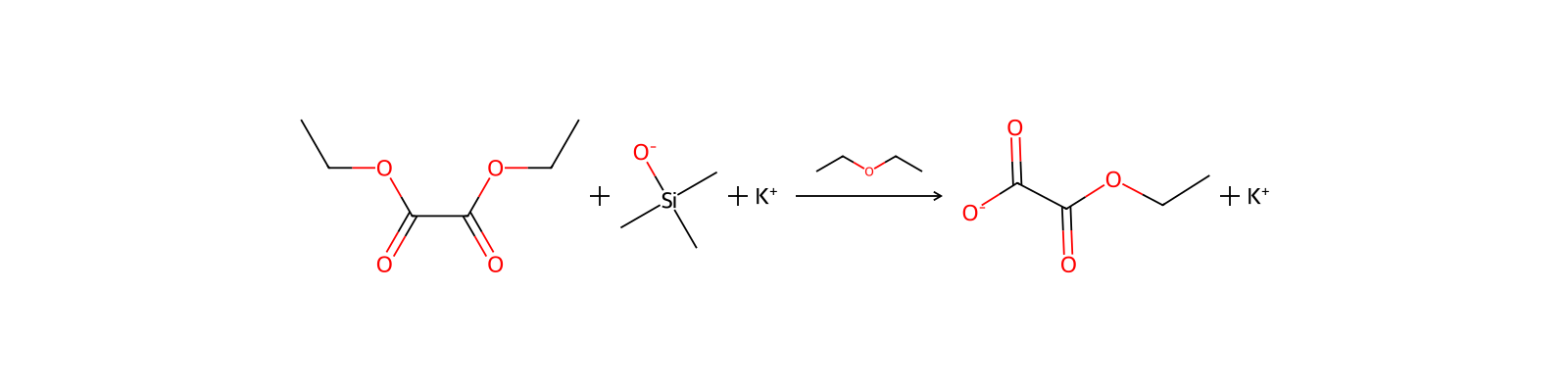
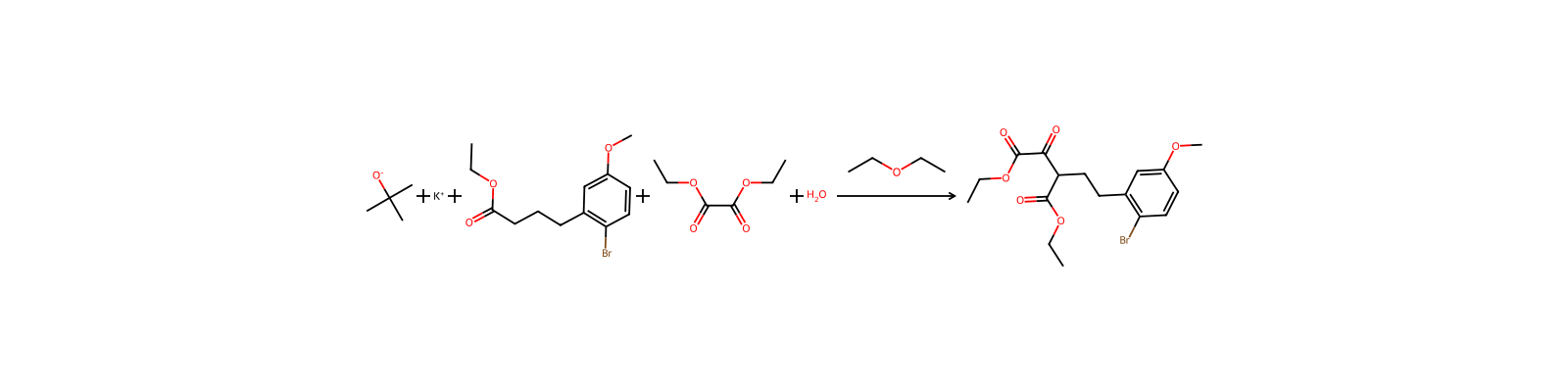
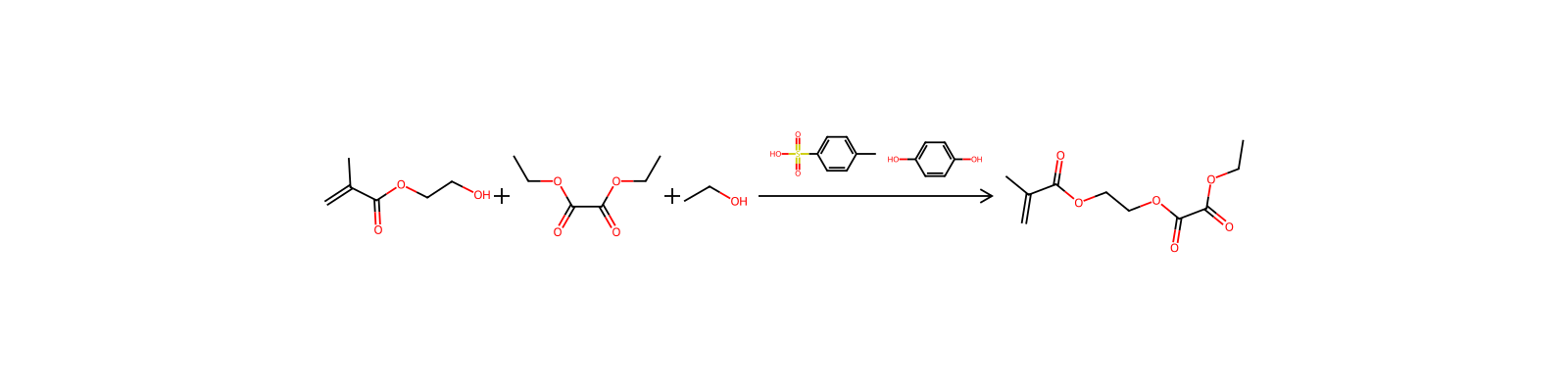
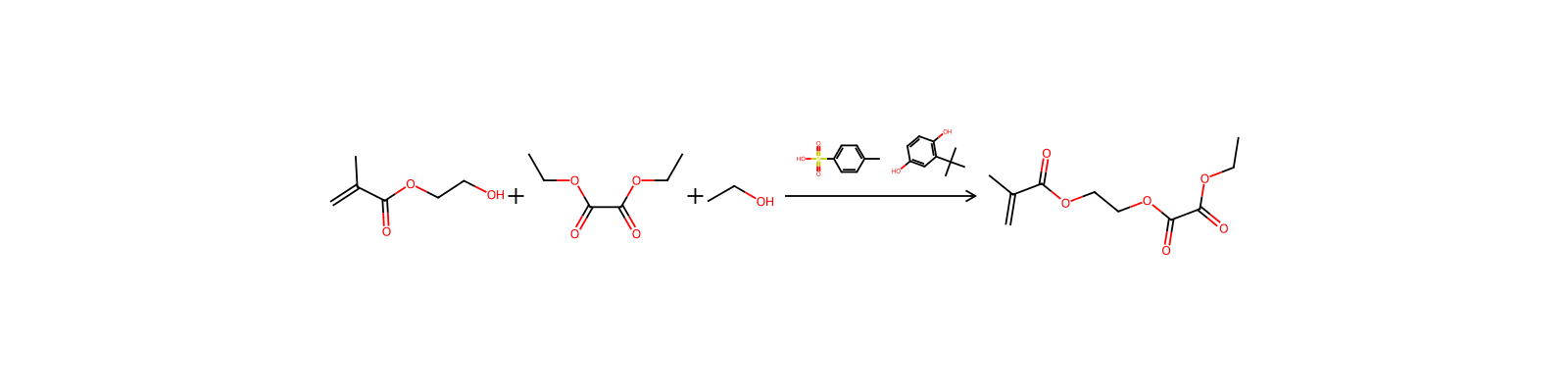
UsesDiethyl oxalate is used to prepare active pharmaceutical ingredients (API), plastics and dyestuff intermediates. It is also used as a solvent for cellulose esters, ethers, resins, perfumes and lacquers for electronics. It is involved in the transesterification reaction with phenol to get dipheny oxalate. It is also involved in the Claisen condensation ketosteroids to prepare glyoxalyl derivatives. Further, it is used to prepare sym-1,4-diphenyl-1,4-dihydro-1,2,4,5-polytetrazine. In addition to this, it is utilized in the microemulsion synthesis of zinc oxide nanoparticles.
General DescriptionEthyl oxalate appears as a colorless liquid. Slightly denser than water and insoluble in water. Hence sinks in water. May irritate skin and mucous membranes; may be mildly toxic by ingestion; may emit irritating fumes in a fire. Vapors are much heavier than air. Used as a solvent for plastics and in the manufacture of perfumes and pharmaceuticals.
PreparationAnhydrous oxalic acid and ethanol were esterified in the presence of toluene to produce crude diethyl oxalate. The crude ester was distilled to obtain the finished product. The raw material consumption per ton of product was: 985 kg of oxalic acid, 744 kg of ethanol (95%), and 73.4 kg of toluene.Another preparation method was as follows: Ethanol, benzene, and oxalic acid were added into the reactor and heated to 68 °C for azeotropic reflux dehydration. The reaction endpoint was determined by the cessation of water separation. Benzene was then recovered to yield crude diethyl oxalate, which was distilled under reduced pressure, with the fraction collected at 103 °C / 6 kPa being diethyl oxalate. The product was purified by washing with a dilute sodium carbonate solution, drying over anhydrous potassium carbonate or sodium sulfate, and vacuum distillation.Another preparation method involved adding 45 g (0.5 mol) of anhydrous oxalic acid ①, 81 g (1.76 mol) of anhydrous ethanol, 200 mL of benzene, and 10 mL of concentrated sulfuric acid into a reaction flask equipped with a stirrer and a water separator. The mixture was heated under stirring and refluxed at 68–70 °C for azeotropic dehydration. After most of the water had been evaporated, ethanol and benzene were removed by evaporation. The crude product was washed with water after cooling, then washed with a saturated sodium bicarbonate solution, followed by another water wash, and finally dried with anhydrous sodium sulfate. Diethyl oxalate (57 g) was obtained by atmospheric distillation, with the fraction collected at 182–184 °C, giving a yield of 78%.① Preparation of anhydrous oxalic acid: Oxalic acid was dehydrated with anhydrous chloroform until crystallization occurred, as follows: The mixture was steamed with anhydrous oxalic acid and injected into a powder containing carbon. The product was filtered by suction, dried, and stored in a desiccator for later use. Anhydrous oxalic acid could also be prepared by drying directly in an oven. In this experiment, a corresponding amount of oxalic acid containing water of crystallization could also be used, but the reaction time was longer.