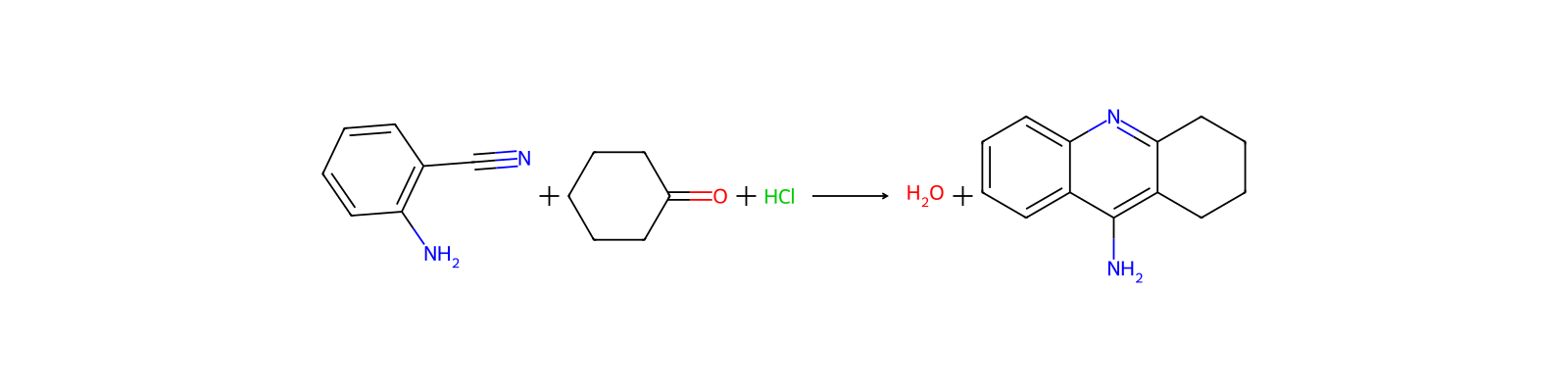
HRID 2412As reactant

1885-29-6N#Cc1ccccc1NHLCPWBZNUKCSBN-UHFFFAOYSA-N1885-29-6DTXSID9051824CHEMBL3561681Safety information is for reference only and does not replace the supplier’s Safety Data Sheet (SDS), applicable regulations, or professional assessment.
Warning
H302 (31%): Harmful if swallowed [Warning Acute toxicity, oral]
P261, P264, P264+P265, P270, P271, P272, P280, P301+P317, P302+P352, P304+P340, P305+P351+P338, P317, P319, P321, P330, P332+P317, P333+P317, P337+P317, P362+P364, P403+P233, P405, and P501 (click each P-code to see the statement)
Aggregated GHS information provided per 158 reports by companies from 12 notifications to the ECHA C&L Inventory. Each notification may be associated with multiple companies.
Chemical: Benzonitrile, 2-amino-
REACH registered substance: Anthranilonitrile (EC: 217-549-9)
Benzonitrile, 2-amino-: Does not have an individual approval but may be used under an appropriate group standard
Uses2-Aminobenzonitrile is used for induction of nitrilase activity in Arthrobacter and for radioprotective agent.
PreparationSynthesis of 2-Aminobenzonitrile: 2-Aminobenzamide was dehydrated to 2-aminobenzonitrile without protection of the amino group in the presence of phenylphosphonyl dichloride and pyridine. The highest yield of 96% was obtained using reagent 2d, while reagents 2a-c yielded less than 60%.The reagents used for the reaction included phosphoryl chloride (2a), phenyl phosphoryl dichloride (2b), 4-chlorophenyl phosphoryl dichloride (2c), and phenylphosphonic dichloride (2d) in pyridine.synthesis of aminobenzonitrile by dehydration of aminobenzamide using phenylphosphonic dichloride in pyridine