HomeMCPWorkbenchSkills
HomeWorkbenchNotificationsMe
llms.txt · MCP GuidePrivacy Policy · Terms of Service · Supportv1.8.0
  1. Home
  2. /Compound

Methyl Acrylate

HCID 7294
New noteNew reactionRequest quotes
Print preview

Completing data — refresh the page later to see the latest

Basic informationOverviewNames & identifiersPropertiesSafety & regulationChemistry & industryRelated reactionsCompound notes
Substructure searchFind similar structures

Basic information

CAS
96-33-3
Standard SMILES
C=CC(=O)OC
InChIKey
BAPJBEWLBFYGME-UHFFFAOYSA-N
Molecular formula
C4H6O2
Average molar mass
86.09 g/mol
Monoisotopic mass
86.03677943

Overview

Methyl acrylate can cause cancer according to California Labor Code and the World Health Organization's International Agency for Research on Cancer (IARC).

Names & identifiers

Preferred name
Methyl Acrylate
IUPAC
methyl prop-2-enoate
English name
Methyl acrylate
Molecular formula
C4H6O2
Molecular weight
86.08924

Names & synonyms

METHYL ACRYLATE96-33-3Methyl prop-2-enoate2-Propenoic acid, methyl esterMethyl propenoateMethyl 2-propenoateMethylacrylaatMetilacrilatoMethyl-acrylatMethoxycarbonylethyleneAcrylate de methyleAcrylic acid, methyl ester
Show more names
Curithane 103AcrylsaeuremethylesterMethyl propenateMethylester kyseliny akrylove2-propenoic acid methyl esterDTXSID0024183WC487PR91HNSC-24146

Database identifiers

CAS
96-33-3
PubChem CID
7294
DTXSID
DTXSID0024183
ChEMBL
CHEMBL9019
ChEBI
CHEBI:82482
UNII
WC487PR91H
EC Number
202-500-6
Nikkaji
J3.967E

Properties

Computed structural propertiesFilling in

XLogP
0.8
Topological polar surface area
26.3 Ų
Hydrogen bond donors
0
Hydrogen bond acceptors
2
Rotatable bonds
2
Heavy atoms
6
Formal charge
0
Complexity
65.9

Experimental & physicochemical properties

Chemical Classes · 2 items

Flammable agents - 3rd degree

Volatile Organic Compound (VOC)

PolymersPlastics & Rubber -> (Meth)acrylates
Cosmetics · 2 items

Cosmetics ingredient -> Bulking/Viscosity

Film forming

SpringerMaterials PropertiesSchoenflies notation
PesticidesPesticide -> EPA IRIS
LogP · 4 items

log Kow = 0.80

0.80

0.8

0.74

OdorAcrid odor
Food AdditivesUse unspecified -> FDA Substance added to food
Density · 6 items

0.956 at 68 °F (USCG, 1999) - Less dense than water; will float

0.9535 g/cu cm at 20 °C

Bulk density: 8.0 lb/gal; readily polymerized

Safety & regulation

Safety information is for reference only and does not replace the supplier’s Safety Data Sheet (SDS), applicable regulations, or professional assessment.

GHS classification

GHS Classification · 6 items

Danger

H225: Highly Flammable liquid and vapor [Danger Flammable liquids]

P210, P233, P240, P241, P242, P243, P261, P264, P264+P265, P270, P271, P272, P280, P301+P317, P302+P352, P303+P361+P353, P304+P340, P305+P351+P338, P316, P317, P319, P321, P330, P332+P317, P333+P317, P337+P317, P362+P364, P370+P378, P403+P233, P403+P235, P405, and P501 (click each P-code to see the statement)

This chemical does not meet GHS hazard criteria for < 0.1% (1 of 1195) of reports.

Danger

H225 (> 99.9%): Highly Flammable liquid and vapor [Danger Flammable liquids]

Hazard information

Regulatory Information · 6 items

Chemical: 2-Propenoic acid, methyl ester

Hazard Traits - Carcinogenicity

Regulation (EC) No 1935/2004 (amended)

2-Propenoic acid, methyl ester is listed on the EPA's Chemical Data Reporting (CDR) system. Manufacturers and importers of 2-Propenoic acid, methyl ester are required to report information about their production and use of this chemical to the EPA under the Toxic Substances Control Act (TSCA). (40 eCFR Part 711)

REACH registered substance: methyl acrylate; methyl propenoate (EC: 202-500-6)

2-Propenoic acid, methyl ester: HSNO Approval: HSR001189 Approved with controls

Other Safety InformationIMAP assessments - 2-Propenoic acid, methyl ester: Human health tier II assessment
DOT LabelFlammable Liquid
Fire Hazards · 3 items

Special Hazards of Combustion Products: Irritating vapors are generated in fires.

· HIGHLY FLAMMABLE: Will be easily ignited by heat, sparks or flames.

Highly flammable. Vapour/air mixtures are explosive.

Chemistry & industry

Pharmacology

Metabolism/Metabolites · 5 items

Conjugation with sulfhydryl groups appears to be an important detoxification process for methyl acrylate in the guinea-pig. The thioethers were identified as N-acetyl-S-(2- carboxyethyl)-L-cysteine and the corresponding monomethyl ester, with a ratio between the two metabolites of 20:1. In male rats exposed to methyl acrylate by inhalation, depletion of nonprotein sulfhydryl compounds was most pronounced in the lung, compared to liver, kidney and blood. After administration of methyl acrylate to Wistar rats, no hydroxymercapturic acid that might be derived from the epoxide of methyl acrylate was detected. It seems unlikely, therefore, that epoxidation of the acrylic esters occurs in vivo

/Researchers/ studied the biotransformation of methyl acrylate in rats. The total amount of thioesters in urine was low, with increased levels of two mercapturic acids (2-carboethylmercapturic and 2 alkoxycarbonyl ethyl mercapturic acids); this suggests the presence of unidentified sulfur-containing metabolites. These observation confirm findings of /another study/ that rats administered methyl acrylate intraperitoneally 5 days/week for 3 weeks produced significant amounts of mercapturic acids in urine; this was postulated to be due to a Michael-type reaction, such that during the biotransformation of methyl acrylate, glutathione is added to the ethylene group.

Acrylates and methacrylates are detoxified predominantly via conjugation with glutathione via the Michael addition reaction or glutathione-S-transferase. They are also likely to be hydrolyzed via carboxylesterases. The lower molecular weight esters are rapidly metabolized and eliminated, therefore, will not likely cause cumulative toxicity.

Methylacrylate is hydrolyzed to acrylic acid in rat liver, kidney, and lung homogenates. Disappearance in blood in vitro could be due at least in part to binding with nonprotein sulfhydryls in RBC rather than to hydrolysis.

For more Metabolism/Metabolites (Complete) data for Methyl acrylate (7 total), please visit the HSDB record page.

Absorption, Distribution and Excretion · 5 items

It is readily absorbed by mucous membranes and through the intact skin.

Whole-body autoradiology was performed in the guinea pigs with 2,3-(14)C-labeled methyl acrylate. 2,3-(14)C-methyl acrylate quickly disappeared from guinea pigs after oral and, somewhat slower, after ip admin. After admin in a closed cup on skin a slow penetration in dermis occurred. Internal organs showed a slow rise in radioactivity.

Related reactions

1,773 records
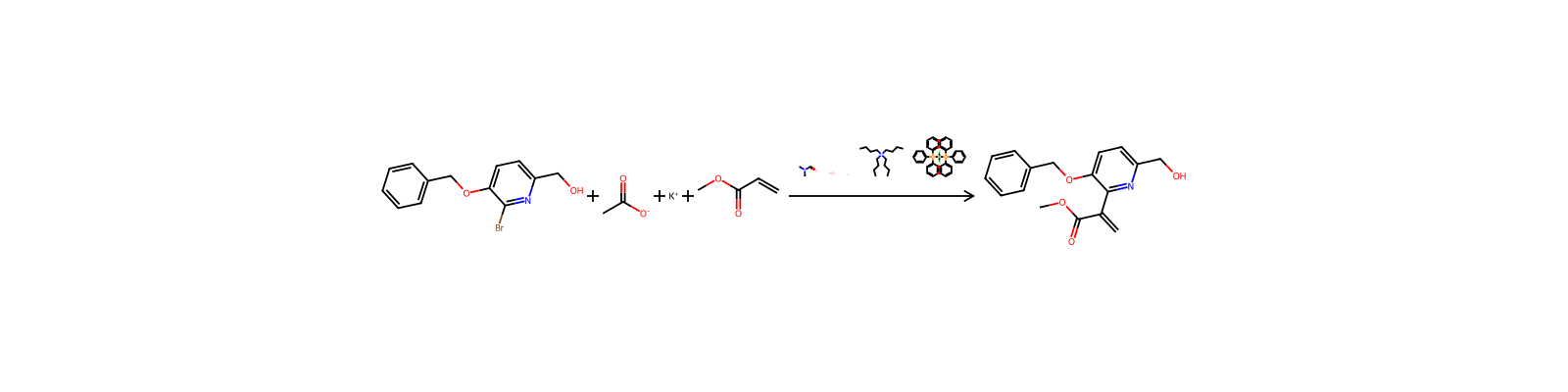
New reaction record
HRID 1669 reaction equation
HRID 1669As reactantuspto-grants-1998_03
HRID 1758 reaction equation
HRID 1758As reactantuspto-grants-1998_03
HRID 3051 reaction equation
HRID 3051As reactantuspto-grants-1998_03
HRID 4404 reaction equation
HRID 4404As reactantuspto-grants-1988_02
HRID 8105 reaction equation
HRID 8105As reactantuspto-grants-2006_08
HRID 8252 reaction equation
HRID 8252As reactantuspto-grants-2006_08
HRID 8305 reaction equation
HRID 8305As reactantuspto-grants-2006_08
HRID 9778 reaction equation
HRID 9778As reactantuspto-grants-2006_08
Page 1 of 222

Compound notes

Loading…

On this pageBasic informationOverviewNames & identifiersPropertiesSafety & regulationChemistry & industryRelated reactionsCompound notes
More actions
New noteNew reactionRequest quotes

Liquid heat capacity = 0.449 Btu/lb-F at 70 °F; Liquid thermal conductivity = 1.117 Btu-in/hr-sq ft-F at 70 °F; Saturated vapor density = 0.02049 lb/cu ft at 70 °F; Ideal gas heat capacity = 0.251 Btu/lb-F at 75 °F

Readily polymerized; bulk density: 8.0 lb/gal

Relative density (water = 1): 0.95

Viscosity0.517 cP at 60 °F
Color/FormColorless volatile liquid
Solubility · 6 items

10 to 50 mg/mL at 72 °F (NTP, 1992)

In water, 4.94X10+4 mg/L at 25 °C

Slightly soluble in water

Soluble in ethanol, ethyl ether, acetone, chloroform, benzene

Solubility of water in methyl acrylate at 20 °C = 1.8 mL/100 g

49.4 mg/mL at 25 °C

Physicochemical properties

Melting point
-75 °C · -75 °C
Boiling point
80 °C · 80 °C
Density
0.956 · 0.956
vapor density
2.97 · 2.97 (vs air)
vapor pressure
115.5 hPa · 115.5 hPa at 20°C
refractive index
1.4015 · 1.4015-1.4025
Flash point
-3 °C · -3 °C
form
Liquid
color
Clear Colorless
explosive limit
2.1 · 2.10-14.50%
Water Solubility
50 g/l · 50 g/l at 20 °C
Symbol(GHS)
2 · GHS02,GHS06
Signal word
Danger
Hazard statements
225 · H225-H301-H312-H315-H317-H319-H332-H335
Precautionary statements
210 · P210-P261-P280-P301+P310-P305+P351+P338
RIDADR
1919 · UN 1919
Autoignition Temperature
468 °C · 468 °C
HazardClass
3 · 3
PackingGroup
II
Fire Potential · 2 items

Flammable and combustible liquid

Dangerously flammable when exposed to heat, flame, or oxidizers.

Health Hazards · 2 items

May irritate skin, eyes, respiratory system, and gastro- intestinal tract. Fumes cause tears. (USCG, 1999)

· May cause toxic effects if inhaled or absorbed through skin.

Hazards Summary · 1 item

Lethal concentrations are 237 ppm in rabbits and guinea pigs and 578 ppm in rats with animals showing dyspnea, convulsions, and microscopic evidence of pulmonary congestion. [ACGIH] Liquid causes first degree burns on short exposure. [CHRIS] Repeated or prolonged contact may cause skin sensitization. [ICSC] A lachrymator; [CHEMINFO] Methyl acrylate, stabilized (UN1919) has warning of explosive polymerization; [ERG 2016]

DOT ID and Guide · 2 items

1919 129P

1919 129P(inhibited)

FDA RequirementsHomopolymers and copolymers of methyl acrylate are an indirect food additive for use only as a component of adhesives.
Reactive GroupPolymerizable Compounds
EC ClassificationSymbol: F, Xn; R: 11-20/21/22-36/37/38-43; S: (2)-9-25-26-33-36/37-43; Note: D
UN ClassificationUN Hazard Class: 3; UN Pack Group: II

Safety & protection

Fire Fighting · 2 items

Excerpt from ERG Guide 129 [Flammable Liquids (Water-Miscible / Noxious); polymerization hazard]:

Use foam, powder, carbon dioxide. In case of fire: keep drums, etc., cool by spraying with water.

First Aid Measures · 4 items

Fresh air, rest. Refer for medical attention.

Remove contaminated clothes. Rinse skin with plenty of water or shower. Refer for medical attention .

First rinse with plenty of water for several minutes (remove contact lenses if easily possible), then refer for medical attention.

Rinse mouth. Give one or two glasses of water to drink. Do NOT induce vomiting. Refer for medical attention .

Accidental Release Measures · 2 items

· CALL 911. Then call emergency response telephone number on shipping paper. If shipping paper not available or no answer, refer to appropriate telephone number listed on the inside back cover.

· ELIMINATE all ignition sources (no smoking, flares, sparks or flames) from immediate area.

First Aid · 3 items

EYES: First check the victim for contact lenses and remove if present. Flush victim's eyes with water or normal saline solution for 20 to 30 minutes while simultaneously calling a hospital or poison control center. Do not put any ointments, oils, or medication in the victim's eyes without specific instructions from a physician. IMMEDIATELY transport the victim after flushing eyes to a hospital even if no symptoms (such as redness or irritation) develop.

General First Aid:

(General first aid procedures)

Safe StorageFireproof. See Chemical Dangers. Cooled. Keep in the dark. Well closed. Store only if stabilized.
Firefighting HazardsVapors are heavier than air and may travel to a source of ignition and flash back. Liquid floats on water and may travel to a source of ignition and spread fire. /Methyl acrylate, inhibited/
Exposure Control and Personal Protection · 2 items

· Wear positive pressure self-contained breathing apparatus (SCBA).

2.0 [ppm]

Fire Fighting Procedures · 5 items

Suitable extinguishing media: Use water spray, alcohol-resistant foam, dry chemical or carbon dioxide.

Advice for firefighters: Wear self-contained breathing apparatus for firefighting if necessary.

Use water spray to cool unopened containers.

Use water spray, dry chemical, foam, or carbon dioxide. Use water spray to keep fire-exposed containers cool. Fight fire from protected location or maximum possible distance. /Methyl acrylate, inhibited/

For more Fire Fighting Procedures (Complete) data for Methyl acrylate (7 total), please visit the HSDB record page.

Storage Conditions · 5 items

Keep container tightly closed in a dry and well-ventilated place. Containers which are opened must be carefully resealed and kept upright to prevent leakage. Recommended storage temperature 2-8 °C. Light sensitive.

Before entering confined space where this chemical may be present, check to make sure that an explosive concentration does not exist. Methyl acrylate must be stored to avoid contact with oxidizers (such as perchlorates, peroxides, permanganates, chlorates, and nitrates) since violent reactions occur. Store in tightly closed containers in a cool, well ventilated area away from heat and moisture. At temperatures above 20 °C a violent reation could take place. Methyl acrylate should always be used with an inhibitor. Check that the correct concentration of inhibitor is used; if it is not, a violent reaction could occur. Sources of ignition, such as smoking and open flames, are prohibited where methyl acrylate is handled, used, or stored. Metal containers involving the transfer of 5 gallons or more of methyl acrylate should be grounded and bonded. Drums must be equipped with self-closing valves, pressure vacuum bungs, and flame arresters. Use only non-sparking tools and equipment, especially when opening and closing containers of methyl acrylate. Wherever methyl acrylate is used, handled, manufactured, or stored, use explosion-proof electrical equipment and fittings.

Separate from oxidizers, peroxides, or other initiators. Store in cool, dry, well-ventilated place. /Methyl acrylate, inhibited/

If pure, monomer can be stored below +10 °C without incurring polymerization.

For more Storage Conditions (Complete) data for Methyl acrylate (7 total), please visit the HSDB record page.

Cleanup Methods · 5 items

ACCIDENTAL RELEASE MEASURES: Personal precautions, protective equipment and emergency procedures: Wear respiratory protection. Avoid breathing vapors, mist or gas. Ensure adequate ventilation. Remove all sources of ignition. Evacuate personnel to safe areas. Beware of vapors accumulating to form explosive concentrations. Vapors can accumulate in low areas. Environmental precautions: Prevent further leakage or spillage if safe to do so. Do not let product enter drains. Discharge into the environment must be avoided. Methods and materials for containment and cleaning up: Contain spillage, and then collect with an electrically protected vacuum cleaner or by wet-brushing and place in container for disposal according to local regulations.

SRP: Wastewater from contaminant suppression, cleaning of protective clothing/equipment, or contaminated sites should be contained and evaluated for subject chemical or decomposition product concentrations. Concentrations shall be lower than applicable environmental discharge or disposal criteria. Alternatively, pretreatment and/or discharge to a permitted wastewater treatment facility is acceptable only after review by the governing authority and assurance that "pass through" violations will not occur. Due consideration shall be given to remediation worker exposure (inhalation, dermal and ingestion) as well as fate during treatment, transfer and disposal. If it is not practicable to manage the chemical in this fashion, it must be evaluated in accordance with EPA 40 CFR Part 261, specifically Subpart B, in order to determine the appropriate local, state and federal requirements for disposal.

Spill Handling: Evacuate and restrict persons not wearing protective equipment from area of spill or leak until cleanup is complete. Remove all ignition sources. Establish forced ventilation to keep levels below explosive limit. Absorb liquids in vermiculite, dry sand, earth, peat, carbon, or a similar material and deposit in sealed containers. Keep this chemical out of a confined space, such as a sewer, because of the possibility of an explosion, unless the sewer is designed to prevent the build-up of explosive concentrations. It may be necessary to contain and dispose of this chemical as a hazardous waste. If material or contaminated runoff enters waterways, notify downstream users of potentially contaminated waters.

Eliminate all ignition sources. Stop or control the leak, if this can be done without undue risk. Use water spray to cool and disperse vapors and protect personnel. Control runoff and isolate discharged material for proper disposal. /Methyl acrylate, inhibited/

For small quantities, absorb on paper towels. Evaporate in safe place (such as fume hood). Allow sufficient time for evaporating vapors to completely clear hood ductwork. Burn paper in suitable location away from combustible materials. Large quantities can be collected & atomized in suitable combustion chamber. Methyl acrylate should not be allowed to enter a confined space, such as a sewer, because of possibility of an explosion.

Nonfire Spill ResponseExcerpt from ERG Guide 129 [Flammable Liquids (Water-Miscible / Noxious); polymerization hazard]:
Disposal Methods · 4 items

SRP: Recycle any unused portion of the material for its approved use or return it to the manufacturer or supplier. Ultimate disposal of the chemical must consider: the material's impact on air quality; potential migration in air, soil or water; effects on animal, aquatic and plant life; and conformance with environmental and public health regulations. If it is possible or reasonable use an alternative chemical product with less inherent propensity for occupational harm/injury/toxicity or environmental contamination.

SRP: Wastewater from contaminant suppression, cleaning of protective clothing/equipment, or contaminated sites should be contained and evaluated for subject chemical or decomposition product concentrations. Concentrations shall be lower than applicable environmental discharge or disposal criteria. Alternatively, pretreatment and/or discharge to a permitted wastewater treatment facility is acceptable only after review by the governing authority and assurance that "pass through" violations will not occur. Due consideration shall be given to remediation worker exposure (inhalation, dermal and ingestion) as well as fate during treatment, transfer and disposal. If it is not practicable to manage the chemical in this fashion, it must be evaluated in accordance with EPA 40 CFR Part 261, specifically Subpart B, in order to determine the appropriate local, state and federal requirements for disposal.

Product: Burn in a chemical incinerator equipped with an afterburner and scrubber but exert extra care in igniting as this material is highly flammable. Offer surplus and non-recyclable solutions to a licensed disposal company. Contact a licensed professional waste disposal service to dispose of this material. Contaminated packaging: Dispose of as unused product.

1. By absorbing it in vermiculite, dry sand, earth or a similar material and disposing in a secured sanitary landfill in an area where odor will not be objectionable. 2. By atomizing in suitable combustion chamber.

Toxicology

Interactions · 1 item

Pretreatment of rats with triorthotolyl phosphate potentiated the lethal action of inhaled methyl and ethyl acrylate. Carboxylesterases are important in detoxification of methyl and ethyl acrylate and the exposure to inhibitors of carboxylesterase may potentiate the adverse effects of acrylate esters.

Target OrgansEyes, skin, respiratory system
Ecotoxicity Values · 3 items

EC50; Species: Chlorococcales (Green algae order); Conditions: freshwater, static; Concentration: 55.0 mg/L for 24 hr; Effect: physiology, assimilation efficiency /formulation/

EC50; Species: Pseudokirchneriella subcapitata (Green algae) age 3-7 days; Conditions: freshwater, static, 24 °C, pH 6.3-9.3; Concentration: 15.53 mg/L for 96 hr (95% confidence interval: 0-46.78 mg/L); Effect: decreased population biomass

EC50; Species: Pseudokirchneriella subcapitata (Green algae, age 3-7 days); Conditions: freshwater, static, 24 °C, pH 7.19-9.05; Concentration: 18.57 mg/L for 96 hr (95% confidence interval: 3.74-33.41 mg/L); Effect: decreased population biomass

Environmental Fate · 3 items

TERRESTRIAL FATE: Based on a classification scheme(1), an estimated Koc value of 6(SRC), determined from a structure estimation method(2), indicates that methyl acrylate is expected to have very high mobility in soil(SRC). Volatilization of methyl acrylate from moist soil surfaces is expected(SRC) given an estimated Henry's Law constant of 2.0X10⁻⁴ atm-cu m/mole(SRC) based upon its vapor pressure, 86.6 mm Hg(3), and water solubility, 49,400 mg/L(4). Methyl acrylate is expected to volatilize from dry soil surfaces(SRC) based upon its vapor pressure(3). Utilizing the Japanese MITI test, 37% of the Theoretical BOD was reached in 2 weeks indicating that biodegradation is an important environmental fate process in soil(5). The degradation rate of methyl acrylate in soil was 3.0X10⁻⁷/s based on calculations using a chemical pollution footprint methodology(6).

AQUATIC FATE: Based on a classification scheme(1), an estimated Koc value of 6(SRC), determined from a structure estimation method(2), indicates that methyl acrylate is not expected to adsorb to suspended solids and sediment(SRC). Volatilization from water surfaces is expected(3) based upon an estimated Henry's Law constant of 2.0X10⁻⁴ atm-cu m/mole(SRC) derived from its vapor pressure, 86.6 mm Hg(4), and water solubility, 49,400 mg/L(5). Using this Henry's Law constant and an estimation method(3), volatilization half-lives for a model river and model lake are 7 hours and 5 days, respectively(SRC). Hydrolysis half-lives of 8.5 and 0.85 years at pH values of 7 and 8, respectively, were estimated for methyl acrylate(2). According to a classification scheme(6), an estimated BCF of 3(SRC), from its log Kow of 0.80(7) and a regression-derived equation(2), suggests the potential for bioconcentration in aquatic organisms is low. Utilizing the Japanese MITI test, 37% of the Theoretical BOD was reached in 2 weeks indicating that biodegradation is an important environmental fate process in water(8). Degradation rates of methyl acrylate in water and sediment were 6.0X10⁻⁷/s and 6.6X10⁻⁸/s, respectively, based on calculations using a chemical pollution footprint methodology(9).

ATMOSPHERIC FATE: According to a model of gas/particle partitioning of semivolatile organic compounds in the atmosphere(1), methyl acrylate, which has a vapor pressure of 86.6 mm Hg at 25 °C(2), is expected to exist solely as a vapor in the ambient atmosphere. Vapor-phase methyl acrylate is degraded in the atmosphere by reaction with photochemically-produced hydroxyl radicals, ozone and nitrate radicals(SRC); the half-lives for these reactions in air are estimated to be 30 hours, 11 days and 334 days(SRC), calculated from its respective rate constants of 1.3X10⁻¹¹, 1.05X10⁻¹⁸ and 1.0X10⁻¹⁶ cu cm/molecule-sec at 25 °C(3). Methyl acrylate contains chromophores that absorb at wavelengths >290 nm(4) and, therefore, may be susceptible to direct photolysis by sunlight(SRC). The degradation rate of methyl acrylate in air was 7.8X10⁻⁶/s based on calculations using a chemical pollution footprint methodology(5).

Food Survey ValuesMethyl acrylate has been reported to be a volatile component of pineapple concentrate(1).
Adverse EffectsDermatotoxin - Skin burns.
Exposure Routes · 2 items

The substance can be absorbed into the body by inhalation, through the skin and by ingestion.

inhalation, skin absorption, ingestion, skin and/or eye contact

Toxicity Summary · 1 item

IDENTIFICATION AND USE: Methyl acrylate is a colorless volatile liquid. It's primary use is production of acrylic and modacrylic fibers, also used as a comonomer with acrylonitrile in such fibers. It is used in dental, medical, and pharmaceutical sciences. Utilized as monomer, polymer, or copolymer, as microencapsulation mixture component or for polymerization of radioactive waste, as resin in purification and decolorization of industrial effluents or aid in timed release and disintegration of pesticides. HUMAN STUDIES: Methyl acrylate is an irritant in patients at 20 pph in olive oil. It is also an allergen. Because of its irritating properties, the concentration of 2 pph is proposed for allergenic investigation, a risk of sensitization due to test repetition exists. Methyl acrylate is highly irritating to the GI tract. Chronic absorption may affect liver and kidney tissue. A case has been documented where a dose of 1000 mg/kg administered subcutaneously proved to be fatal. Methyl acrylate in nail lacquer has been suggested to be a possible cause of contact dermatitis. ANIMAL STUDIES: Methyl acrylate is a reversible irritant to skin and mucous membranes. In guinea pigs, topical application of methyl acrylate causes skin sensitization, with cross reactivity to other acrylates and related compounds. Researchers exposed rats, rabbits, guinea pigs, and one monkey to methyl acrylate in air for up to 7 hours at varying concentrations for 1 to 130 days. No deaths were reported in rabbits or guinea pigs at 95 ppm, in rats at 237 ppm, or in monkeys at 31 ppm. Deaths occurred in rabbits and guinea pigs inhaling 237 ppm and in rats at 578 ppm. All animals exposed to the highest concentrations suffered from irritation of mucous membranes, lethargy, dyspnea, and convulsion. Single oral dose of 280 mg/kg bw to rabbits resulted in fatal poisoning, characterized by dyspnea, cyanosis, convulsions, and hypothermia. Oral administration to male rats of 86 and 172 mg/kg methyl acrylate by gavage resulted in dose-dependent gastric toxicity. Topical application caused in rats and mice hyperemia, hemorrhages, and sores. A 2-year inhalation study of male and female rats was carried out 6 hr/day, 5 days/wk in whole body inhalation chambers at 0, 15, 45, or 135 ppm of methyl acrylate. Statistically significant increases in benign hypophyseal tumors were reported for both sexes, and epithelial and leukemic neoplasms were found in the male rats. However, there was no dose-response relationship. Fetal toxicity, indicated by reduced fetal body weight, was observed after exposure to 100 ppm methyl acrylate in the presence of maternal toxicity. Methyl acrylate does not appear to induce detectable gene mutations in bacteria; it does induce micronuclei in mammals in vivo at toxic dosages, and it induces mutations and chromosomal aberrations in mammalian cells at levels causing high cytotoxicity in vitro. ECOTOXICITY STUDIES: Toxicity tests were conducted using freshwater and marine fish, invertebrates, and algae. Effect concentrations (LC50 or EC50) for fish and invertebrates using methyl acrylate, ethyl acrylate, and butyl acrylate ranged from 1.1 to 8.2 mg/L.

Ecotoxicity Excerpts · 1 item

/AQUATIC SPECIES/ ... Toxicity tests were conducted using freshwater and marine fish, invertebrates, and algae. Effect concentrations (LC50 or EC50) for fish and invertebrates using methyl acrylate, ethyl acrylate, and butyl acrylate ranged from 1.1 to 8.2 mg/L...

Signs and Symptoms · 5 items

Cough. Cough. Shortness of breath. Sore throat.

Redness. Pain.

Redness. Pain.

Abdominal pain. Diarrhoea. Nausea. Vomiting.

irritation eyes, skin, upper respiratory system

Ongoing Test Status · 2 items

EPA has released the Interactive Chemical Safety for Sustainability (iCSS) Dashboard. The iCSS Dashboard provides an interactive tool to explore rapid, automated (or in vitro high-throughput) chemical screening data generated by the Toxicity Forecaster (ToxCast) project and the federal Toxicity Testing in the 21st century (Tox21) collaboration. /The title compound was tested by ToxCast and/or Tox21 assays/[USEPA; ICSS Dashboard Application; Available from, as of August 9, 2018: http://actor.epa.gov/dashboard/]

The following link will take the user to the National Toxicology Program (NTP) Test Status of Agents Search page, which tabulates the results and current status of tests such as "Short-Term Toxicity Studies", "Long-term Carcinogenicity Studies", "Developmental Studies", "Genetic Toxicology Studies", etc., performed with this chemical. Testing status for methyl acrylate is available.[Available from, as of August 8, 2018: https://ntpsearch.niehs.nih.gov/?e=True&ContentType=Testing+Status]

Effluent Concentrations · 1 item

Methyl acrylate emission concentrations from polyethylene, ethylene-vinyl acetate, and ethylene-methyl acrylate resins were <0.01 ug/g(1). Methyl acrylate was detected in the exhaust of a truck running on biodiesel or biodiesel/diesel blend fuel, it was not detected when diesel fuel alone was used(2).

Regulatory information

FDA RequirementsHomopolymers and copolymers of methyl acrylate are an indirect food additive for use only as a component of adhesives.
State Drinking Water Guidelines(FL) FLORIDA 210 ug/L

Safety data

ridadr
UN 1919
Signal word
Danger
Symbol(GHS)
GHS02,GHS06
hazard_class
3
packing_group
II
Hazard statements
H225-H301-H312-H315-H317-H319-H332-H335
Autoignition Temperature
468 °C
Precautionary statements
P210-P261-P280-P301+P310-P305+P351+P338

Organ damage was observed in test animals when they were exposed to methyl and ethyl acrylate and methyl methacrylate vapors. This shows that acrylate compounds are absorbed from the lungs. Ethyl acrylate vapor was efficiently absorbed from the lungs of the rat (63% on an average); the proportion retained was the same at different concentration levels up to 1000 mg/cu m.

When guinea pigs were given radioactively labeled methyl acrylate intraperitoneally, about 35% of the dose was excreted in expired air as carbon dioxide in 3 days; the main part during the first few hours. Almost an equal proportion of the given dose was excreted in urine as thioethers in 3 days after administration.

For more Absorption, Distribution and Excretion (Complete) data for Methyl acrylate (10 total), please visit the HSDB record page.

Cellular LocationsCytoplasm

Uses & manufacturing

Uses · 6 items

Acrylates and methacrylates are monomers that are combined with other monomers or polymers to produce plastics used in cosmetics, medicine, dentistry, and manufacturing industries. [Marks, p. 181] Workers in dental and surgical laboratories may be exposed; Used as a comonomer with acrylonitrile to produce acrylic and modacrylic fibers to make clothing and home furnishings; Also used to prepare paperboard, thermoplastic coatings, adhesives, sealants, surfactants, medical and dental prostheses, contact lenses, latex coatings, fabric finishes, and resins for purification of industrial effluents; [ACGIH]

Pulp and Paper Processing [Category: Industry]

Primary use is production of acrylic and modacrylic fibers; used as a comonomer with acrylonitrile in such fibers.

Methyl acrylate has been used in the preparation of thermoplastic coating, adhesives, sealants, and amphoteric surfactants for shampoos. It is used to produce medical and dental prostheses, contact lenses, and other specialty plastics such as latex coatings and floor and fabric finishes. It can serve as a resin in the purification of industrial effluents or aid in the timed release and disintegration of pesticides.

In dental, medical, and pharmaceutical sciences; utilized as monomer, polymer, or copolymer; as microencapsulation mixture component or for polymerization of radioactive waste; as resin in purification and decolorization of industrial effluents or aid in timed release and disintegration of pesticides.

The monomer in manufacturing leather finish resins, textile and paper coatings, and plastic films. Produces the hardest resin of the acrylate ester series.

ImpuritiesWater content-0.1% (max), acid content as acrylic acid-0.01% (max)
U.S. Exports(1972) 1.29 X 10+10 g
U.S. Imports · 3 items

(1972) 4.54 X 10+7 g

(1975) 2.8 X 10+6 g

(1983) 1.36 X 10+9 g /Acrylates & Acrylic Acid/

U.S. Production · 6 items

2023: 100,000,000 - <500,000,000 lb

(1972) 1.73 X 10+10 g

(1976) 2.04 X 10+10 g

2-Propenoic acid, methyl ester is listed as a High Production Volume (HPV) chemical (65FR81686). Chemicals listed as HPV were produced in or imported into the U.S. in >1 million pounds in 1990 and/or 1994. The HPV list is based on the 1990 Inventory Update Rule. (IUR) (40 CFR part 710 subpart B; 51FR21438).

Production volumes for non-confidential chemicals reported under the Inventory Update Rule. [Table#746]

For more U.S. Production (Complete) data for Methyl acrylate (7 total), please visit the HSDB record page.

Consumption Patterns · 4 items

(All acrylate esters, of which n-butyl acetate is the largest volume): surface coatings 44%; adhesives/sealants 18%; textiles 15%, plastics additives 9%, paper 5%, other 9% (2000)

(All acrylic acid esters) 46% as a monomer for emulsion polymers and solution polymers in latex paints; 26% as a monomer for emulsion polymers in textile applications; 6% as a comonomer for acrylic fibers; 6% as a monomer for emulsion polymers in polishes; 6% as a monomer for emulsion polymers in paper applications; 4% as a monomer for emulsion polymers used in base coatings and surface impregnation of natural leather; 6% in misc applications (1973)

47% for surface coatings; 22% for textiles; 7% for paper; 7% for polishes; 3% for leather; 9% for acrylic fibers; and 5% for misc applications (1969) /All acrylic esters/

45% for coatings, 16% for textiles and leather finishes, 9% for paper coatings, 8% for adhesives, 6% for polyacrylates, 5% for polishes, 5% for acrylic fibers, 6% other (1983 est) /Acrylates and acrylic acid/

Consumer UsesMonomers
Industry UsesMonomers
Methods of Manufacturing · 3 items

Convenient preparation from ethylene chlorohydrin: German patent 571123 (1928 to Rohm & Haas).

In ... propylene oxidation process acrolein is first formed by the catalytic oxidation of propylene vapor at high temp in the presence of steam. The acrolein is then oxidized to acrylic acid. ... The acrylic acid is esterified with alcohol to the ... acrylic ester in a separate process. /Acrylic ester monomers/

(1) Ethylene cyanohydrin, methanol, and dilute sulfuric acid; (2) Oxo reaction of acetylene, carbon monoxide, and methanol in the presence of nickel or cobalt catalyst; (3) from beta-propiolactone.

Formulations/Preparations · 3 items

Grades: Technical (inhibited)

Methyl acrylate available commercially in US has the following typical properties: purity, 98.9%; acidity (as acrylic acid), 0.0008%; water, 0.06%; inhibitor (hydroquinine monomethyl ether), 15, 200 or 1000 mg/kg (ppm) ...

Stabilized against polymerization with hydroquinone monomethyl ether or a similar inhibitor

Household ProductsCosmetics product ingredient: Methyl acrylate
Use ClassificationCosmetics -> Film forming