
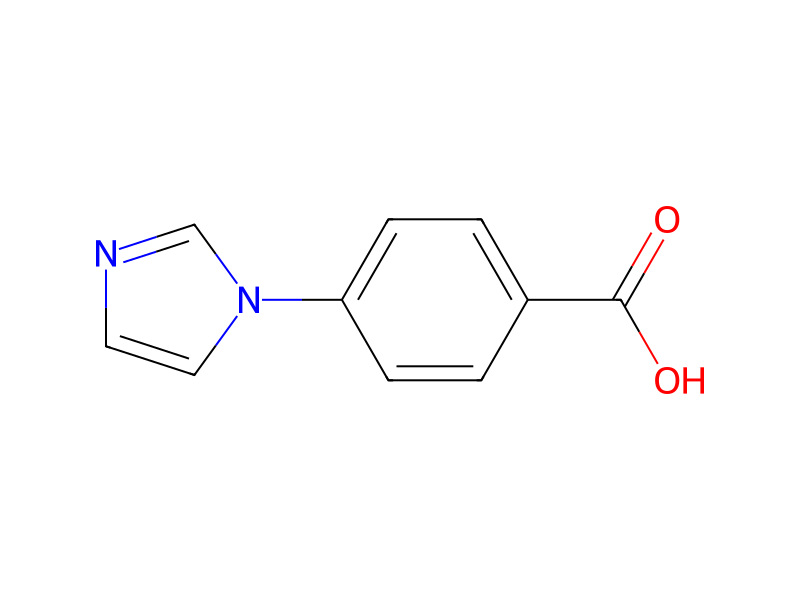
Basic information
- Standard SMILES
O=C(O)c1ccc(-n2ccnc2)cc1- InChIKey
LFIDZIWWYNTQOQ-UHFFFAOYSA-N- Molecular formula
- C10H8N2O2
- Average molar mass
- 188.18 g/mol
- Monoisotopic mass
- 188.0585775
Names & identifiers
- Preferred name
- 4-(1-Imidazolyl)benzoic Acid
- IUPAC
- 4-imidazol-1-ylbenzoic acid
- English name
- 4-(1H-Imidazol-1-yl)benzoic acid
- Molecular formula
- C10H8N2O2
- Molecular weight
- 188.18
Names & synonyms
4-(1-imidazolyl)benzoic acidRefChem:510323625-499-84-(1H-Imidazol-1-yl)benzoic acid17616-04-54-imidazol-1-ylbenzoic acid4-(imidazol-1-yl)benzoic acidMFCD005866454-(IMIDAZOL-1-YL)-BENZOIC ACID4-imidazolylbenzoic acidBenzoic acid, 4-(1H-imidazol-1-yl)-4-(1H-imidazol-1-yl)benzoicacid
Show more names
BUTTPARK 98\50-48RARECHEM AL BO 16574-(IMidazole-1-yl) benzoic acid4-(1H-IMIDAZOLE-1-YL)BENZOICACID1-(4-Carboxyphenyl)-1H-imidazole4-(1-imidazoleyl)benzenemacetic acid
4-(1H-Imidazole-1-yl)benzoic acidSDCCGMLS-0066008.P001Oprea1_400367SCHEMBL620494-imidazol-1-yl benzoic acid4-imidazol-1-yl-benzoic acidSCHEMBL9173270CHEMBL4543910
Database identifiers
- CAS
17616-04-5- PubChem CID
- 736529
- DTXSID
DTXSID90353057- ChEMBL
CHEMBL4543910- EC Number
- 625-499-8
- Nikkaji
- J1.952.483C
Properties
Computed structural properties
- XLogP
- 1.2
- Topological polar surface area
- 55.1 Ų
- Hydrogen bond donors
- 1
- Hydrogen bond acceptors
- 3
- Rotatable bonds
- 2
- Heavy atoms
- 14
- Formal charge
- 0
- Complexity
- 212
Physicochemical properties
- Melting point
- 305 °C · 305 °C (dec.)(lit.)
- Boiling point
- 403.6 · 403.6±28.0 °C(Predicted)
- Density
- 1.28 · 1.28±0.1 g/cm3(Predicted)
- storage temp.
- Sealed in dry,Room Temperature
- form
- powder to crystal
- pka
- 3.65 · 3.65±0.10(Predicted)
- color
- White to Almost white
- InChI
- InChI=1S/C10H8N2O2/c13-10(14)8-1-3-9(4-2-8)12-6-5-11-7-12/h1-7H,(H,13,14)
- InChIKey
- LFIDZIWWYNTQOQ-UHFFFAOYSA-N
- SMILES
- C(O)(=O)C1=CC=C(N2C=NC=C2)C=C1
- CAS DataBase Reference
- 17616 · 17616-04-5(CAS DataBase Reference)
- Symbol(GHS)
- 7 · GHS07
- Signal word
- Warning
- Hazard statements
- 315 · H315-H319-H335
- Precautionary statements
- 261 · P261-P305+P351+P338
- Hazard Codes
- Xi
- Risk Statements
- 36 · 36/37/38
- Safety Statements
- 26 · 26-36-37/39-36/37/39-22
- WGK Germany
- 3 · 3
- Hazard Note
- Irritant
- HS Code
- 29332900 · 29332900
Safety & regulation
GHS classification
GHS Classification
Warning
H315 (100%): Causes skin irritation [Warning Skin corrosion/irritation];H319 (100%): Causes serious eye irritation [Warning Serious eye damage/eye irritation];H335 (97.6%): May cause respiratory irritation [Warning Specific target organ toxicity, single exposure; Respiratory tract irritation]
P261, P264, P264+P265, P271, P280, P302+P352, P304+P340, P305+P351+P338, P319, P321, P332+P317, P337+P317, P362+P364, P403+P233, P405, and P501 (click each P-code to see the statement)
Aggregated GHS information provided per 41 reports by companies from 4 notifications to the ECHA C&L Inventory. Each notification may be associated with multiple companies.;Information may vary between notifications depending on impurities, additives, and other factors. The percentage value in parenthesis indicates the notified classification ratio from companies that provide hazard codes. Only hazard codes with percentage values above 10% are shown. For more detailed information, please visit ECHA C&L website.
Hazard information
Hazard Classes and CategoriesSkin Irrit. 2 (100%);Eye Irrit. 2A (100%);STOT SE 3 (97.6%)
Safety data
- wgk
- 3
- hs_code
- 29332900
- risk_code
- 36/37/38
- Signal word
- Warning
- Symbol(GHS)
- GHS07
- hazard_code
- Xi
- hazard_note
- Irritant
- safety_code
- 26-36-37/39-36/37/39-22
- Hazard statements
- H315-H319-H335
- Precautionary statements
- P261-P305+P351+P338
Chemistry & industry
Applications
UsesThe series of difunctional organic linkers combining anionic carboxylates and neutral 1H-imidazol-1-yl donors such as 4-(1H-imidazol-1-yl)benzoic acid (HIBA) and 3,5-di(imidazol-1-yl)benzoic acid, which are employed as good candidates for the construction of MOFs[1].
Upstream & downstream products
Upstream raw materials
Suppliers50 total
上海康恩博医药科技有限公司17510465506 · [email protected]
Hebei Chuanghai Biotechnology Co., Ltd+86-17732866630 · [email protected]
毕佳索(上海毕得医药科技股份有限公司)400-6005915 · [email protected]
上海毕得医药科技股份有限公司400-1647117 13681763483 · [email protected]
Henan Rane Chemical Co., Ltd.+86-18738066252 · [email protected]
普善实业(陕西)有限公司029-81310890 18165209495 · [email protected]
爱斯特(成都)生物制药股份有限公司+86-28-85122536 85324413 · [email protected]
上海仲因实业有限公司2537653158 16621191650 · [email protected]
Dayang Chem (Hangzhou) Co.,Ltd.+86-0571-88938639 17705817739 · [email protected]
郑州鸿晟医药科技有限公司0371-55695890 15637198702 · [email protected]
韶远科技(上海)有限公司021-50795510 4000665055 · [email protected]
郑州德元凯化工有限公司17837139533 · [email protected]
Syntechem Co.,Ltd[email protected]
Wuhan Konberd Biotech Co., Ltd+undefined-18986093962 · [email protected]
北京索莱宝科技有限公司010-50973130 17801761073 · [email protected]
上海辅欣医药科技有限公司+86-021-021-50872116 · [email protected]
常州科化生物科技有限公司0519-68985668 13685222090 · [email protected]
上海瀚鸿科技股份有限公司021-54306202 13764082696 · [email protected]
Shangchem Co., Ltd.+86-21-68182121
上海景颜化工科技有限公司13817811078 · [email protected]
郑州研德生物科技有限公司0371-63682289 15538176268 · [email protected]
上海辅欣医药科技有限公司021-50872116 13391048226 · [email protected]
skychemical Co.Ltd021-20958197 20965099 · [email protected]
湖南汇百侍生物科技有限公司0731-85526065 13308475853 · [email protected]
上海思域化工科技有限公司86-21-34053660 · [email protected]
赛默飞世尔科技(中国)有限公司800-810-5118 · [email protected]
TCI AMERICA800-4238616 · [email protected]
TOKYO CHEMICAL INDUSTRY CO., LTD.03-36680489 · [email protected]
TCI Europe320-37350700 · [email protected]
苏州爱玛特生物科技有限公司0512-56316828 4008675858 · [email protected]
上海毕得医药科技股份有限公司400-164-7117 18317119277 · [email protected]
成都零六生物科技有限公司400-1166-196 13458535857 · [email protected]
安庆东禾生物技术有限公司15056029383 · [email protected]
上海纳谦化学科技有限公司13598610367 13598610367 · [email protected]
河南东元化工科技有限公司16696119288 · [email protected]
吉林中科研伸科技有限公司0431-80534353 19917294565 · [email protected]
Accela ChemBio Inc.+1(858) 699-3322 · [email protected]
Alfa Chemistry1-516-6625404 · [email protected]
九鼎化学(上海)科技有限公司4009209199 · [email protected]
河南普赛化工产品有限公司0371-63357898 · [email protected]
安耐吉化学&3A(安徽泽升科技股份有限公司)400-0056266 · [email protected]
Alfa Chemistry+1-5166625404 · [email protected]
上海大然化学有限公司021-64478606 15900664856 · [email protected]
上海阿拉丁生化科技股份有限公司6206333 13167063860 · [email protected]
南京科晟祥科技有限公司18252089365 · [email protected]
成都市佳和彬科技有限公司028-61186694 15608078506 · [email protected]
上海百韧生物科技有限公司13564638271 · [email protected]
上海天习化工有限公司021-20960837,QQ1332204249 · [email protected]
天津康利欣科技有限公司18622939839
北京华威锐科化工科技有限公司89508211 18501085097 · [email protected]
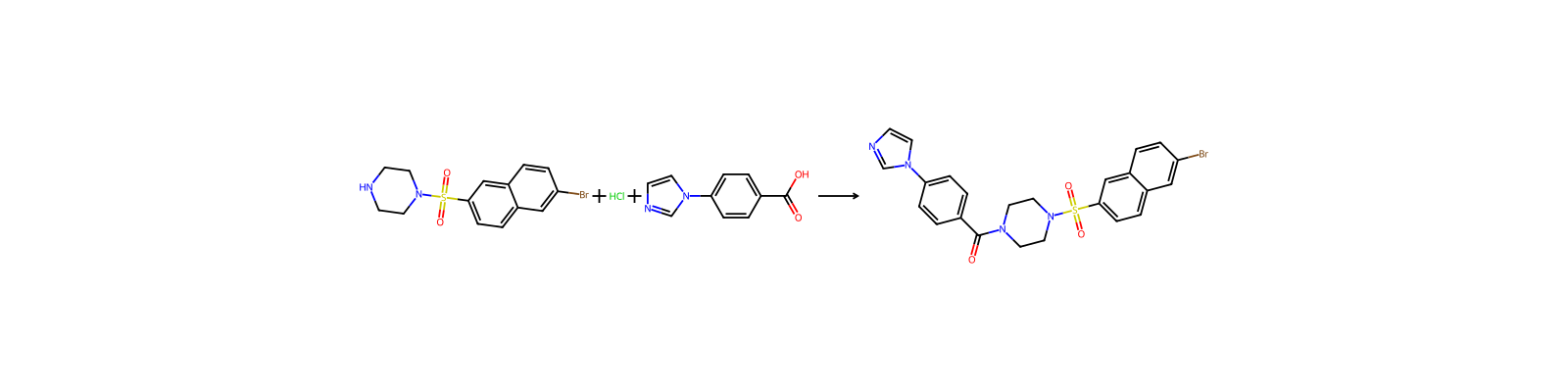
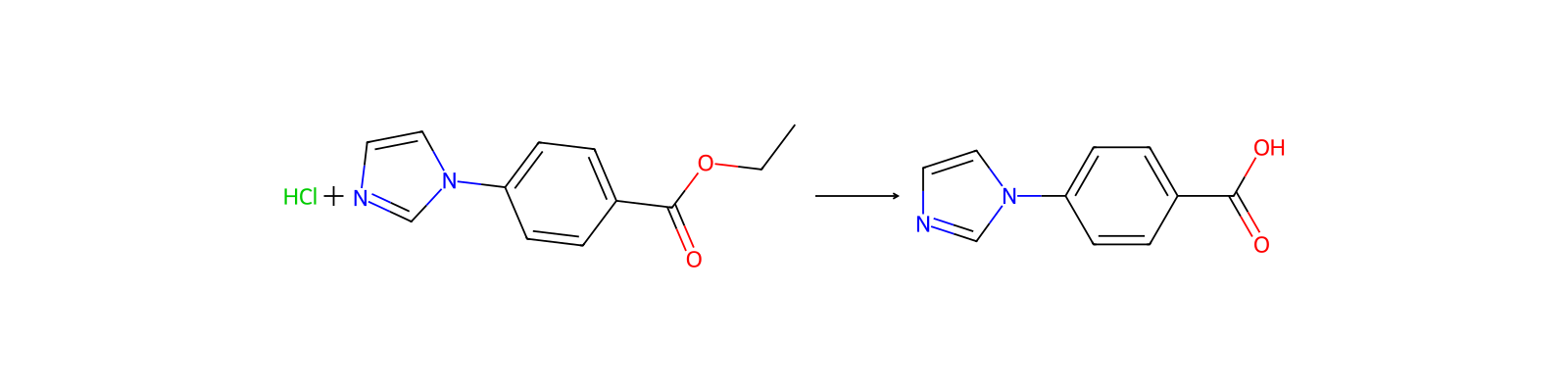
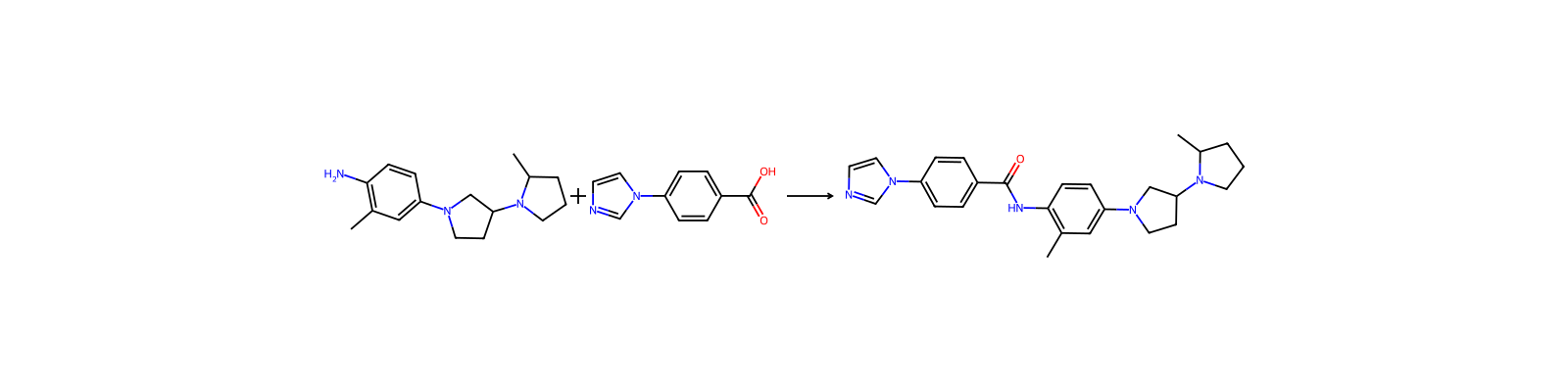
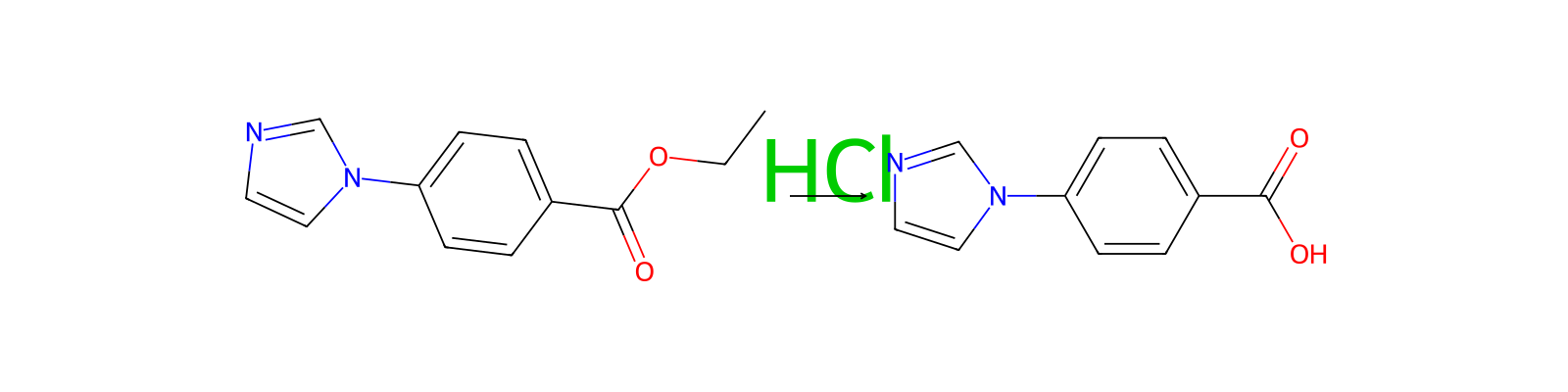
Related reactions
29 records


Linked notes
Loading…