Basic information
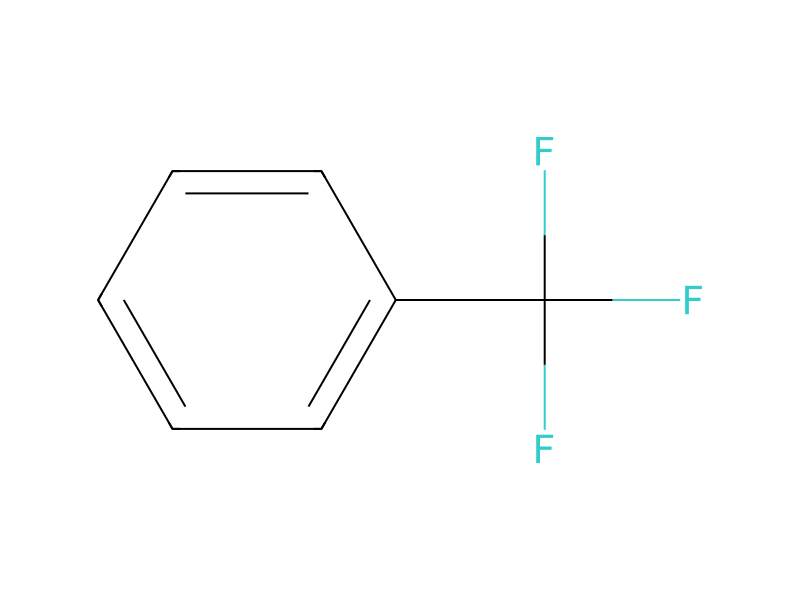
- Standard SMILES
FC(F)(F)c1ccccc1- InChIKey
GETTZEONDQJALK-UHFFFAOYSA-N- Molecular formula
- C7H5F3
- Average molar mass
- 146.11 g/mol
- Monoisotopic mass
- 146.03433465
Names & identifiers
- Preferred name
- (Trifluoromethyl)benzene
- IUPAC
- trifluoromethylbenzene
- English name
- Benzotrifluoride
- Molecular formula
- C7H5F3
- Molecular weight
- 146.11
Names & synonyms
BENZOTRIFLUORIDE98-08-8(Trifluoromethyl)benzeneTrifluoromethylbenzenePhenylfluoroformBenzene, (trifluoromethyl)-Benzylidyne fluorideBenzenyl fluorideUSAF MA-16Toluene trifluorideomega-TrifluorotolueneUN2338
Show more names
α,α,α-TrifluorotolueneTRIFLUORO TOLUENEA,A,A-TRIFLUOROTOLUENEBenzotrifluoideTriflorotolueneBENZOTRIFLOURIDEBenzenyltrifluoride(TRIFLUOROMETHYL)-BENZENEBenzene,(trifluoromethyl)-ALPHA,ALPHA,ALPHA-TRIFLUOROTOLUENE
DTXSID2024589Toluene, alpha,alpha,alpha-trifluoro-NSC-8038DTXCID40458949R6421K89CHEBI:368101',1',1'-TRIFLUOROTOLUENEUN-2338
Database identifiers
- CAS
98-08-8- PubChem CID
- 7368
- DTXSID
DTXSID2024589- ChEMBL
CHEMBL15897- ChEBI
CHEBI:36810- UNII
- 49R6421K89
- EC Number
- 202-635-0
- Nikkaji
- J4.734A
Properties
Computed structural properties
- XLogP
- 3
- Topological polar surface area
- 0 Ų
- Hydrogen bond donors
- 0
- Hydrogen bond acceptors
- 3
- Rotatable bonds
- 0
- Heavy atoms
- 10
- Formal charge
- 0
- Complexity
- 99
Experimental & physicochemical properties
OdorAROMATIC ODOR
Density
1.1812 at 77 °F (NTP, 1992) - Denser than water; will sink
1.1886 @ 20 °C
1.189 @ 20°C
Color/FormWATER WHITE LIQUID
Solubility
less than 1 mg/mL at 70 °F (NTP, 1992)
SOL IN ALL PROPORTIONS IN ETHANOL, BENZENE, ETHER, ACETONE
Miscible in n-heptane, carbon tetrachloride.
Water solubility = 451.5 mg/L at 25 °C
Flash Point
54 °F (NTP, 1992)
54 °F (12 °C) (CLOSED CUP)
Boiling Point
208 to 210 °F at 760 mmHg (NTP, 1992)
103.46 °C
102.1 °C @760 [mm Hg]
DecompositionDecomposition may release hydrogen fluoride.
Melting Point
-20.4 °F (NTP, 1992)
-29.05 °C
Heat of fusion at melting point = 1.3782X10+7 J/kmol
-28.95 °C
Vapor Density
5.04 (NTP, 1992) - Heavier than air; will sink (Relative to Air)
5.04 (AIR=1)
Vapor Pressure
11 mmHg at 32 °F (NTP, 1992)
38.8 [mmHg]
Vapor pressure = 11 MM HG @ 0 °C
38.83 mm Hg at 25 °C
38.83 [mm Hg] @25 °C
Refractive IndexINDEX OF REFRACTION: 1.41486 @ 13.3 °C/D
Physical Description
Benzotrifluoride appears as a clear colorless liquid with an aromatic odor. Flash point of 54 °F. Vapors are heavier than air. Insoluble in water and slightly denser than water. May be toxic by inhalation.
Liquid; [Hawley]
Physicochemical properties
- Melting point
- 29 °C · −29 °C(lit.)
- Boiling point
- 102 °C · 102 °C(lit.)
- Density
- 1.19 g/mL · 1.19 g/mL at 20 °C(lit.)
- vapor density
- 5.04 · 5.04
- vapor pressure
- 53 hPa · 53 hPa (25 °C)
- refractive index
- 20 · n20/D 1.414(lit.)
- Flash point
- 54 °F · 54 °F
- storage temp.
- 30 °C · Store below +30°C.
- solubility
- 0.45 g/l · 0.45g/l Hydrolysis
- form
- Liquid
- color
- Clear colorless
- Specific Gravity
- 1.199 · 1.199
- Odor
- aromatic odor
- explosive limit
- 1.4 · 1.4-9.3%(V)
- Water Solubility
- 0.1 g/100 · <0.1 g/100 mL at 21 ºC
- Specific Heat Capacity
- 1.29 J/ · Cp(liquid): 1.29 J/(g·K), at 25℃
- Merck
- 14 · 14,1110
- BRN
- 1906908 · 1906908
- Henry's Law Constant
- 6 · 6.0×10-4 mol/(m3Pa) at 25℃, Duchowicz et al. (2020)
- Dielectric constant
- 39 · 39.0(20℃)
- Exposure limits
- 2.5 mg/m3NIOSH: · ACGIH: TWA 2.5 mg/m3NIOSH: IDLH 250 mg/m3
- Stability
- Stable. Highly flammable. Incompatible with strong oxidizing agents, strong bases, strong reducing agents.
- InChI
- 1S/C7H5F3/c8-7(9,10)6-4-2-1-3-5-6/h1-5H
- InChIKey
- GETTZEONDQJALK-UHFFFAOYSA-N
- SMILES
- FC(F)(F)c1ccccc1
- LogP
- 3.01 at · 3.01 at 20℃
- CAS DataBase Reference
- 98 · 98-08-8(CAS DataBase Reference)
- EWG's Food Scores
- 1 · 1
- FDA UNII
- 49 R6421K89 · 49R6421K89
- NIST Chemistry Reference
- Benzene, (trifluoromethyl)-(98-08-8)
- EPA Substance Registry System
- Benzotrifluoride (98-08-8)
- UNSPSC Code
- 12352101 · 12352101
- NACRES
- 24 · NA.24
- Symbol(GHS)
- 2 · GHS02,GHS07,GHS09
- Signal word
- Danger
- Hazard statements
- 332 · H332-H411-H225
- Precautionary statements
- 501 · P501-P261-P273-P240-P210-P233-P243-P241-P242-P271-P280-P370+P378-P391-P303+P361+P353-P304+P340+P312-P403+P235
- target organs
- Central nervous system, Liver,Kidney
- Hazard Codes
- F,T,C,N,Xn
- Risk Statements
- 45 · 45-46-11-36/38-48/23/24/25-65-51/53-39/23/24/25-23/24/25-48/20/22-40-38-22
- Safety Statements
- 53 · 53-26-36/37-45-62-61-23-16
- RIDADR
- 2338 · UN 2338
- WGK Germany
- 3 · 3
- RTECS
- 9450000 · XT9450000
- Autoignition Temperature
- 650 °C · 650 °C
- Hazard Note
- Flammable/Corrosive
- TSCA
- TSCA listed
- HazardClass
- 3 · 3
- PackingGroup
- II
- HS Code
- 29049090 · 29049090
- Storage Class
- 6.1 D · 6.1D - Non-combustible acute toxic Cat.3toxic hazardous materials or hazardous materials causing chronic effects
- Hazard Classifications
- 3 InhalationAcute · Acute Tox. 3 InhalationAcute Tox. 4 OralCarc. 2Eye Irrit. 2Repr. 2Skin Irrit. 2STOT RE 1 OralSTOT SE 3
- Hazardous Substances Data
- 98 · 98-08-8(Hazardous Substances Data)
- Toxicity
- 50 orally · LD50 orally in Rabbit: 15000 mg/kg LD50 dermal Rat > 2000 mg/kg
- REACH Registrations
- Active
- Limited Quantities
- 1 L · 1.0 L (0.3 gallon) (liquid)
- Excepted Quantities
- Max Inner Pack (30g or 30ml) and Max Outer Pack (500g or 500ml)
Safety & regulation
GHS classification
GHS Classification
Danger
H225: Highly Flammable liquid and vapor [Danger Flammable liquids];H411: Toxic to aquatic life with long lasting effects [Hazardous to the aquatic environment, long-term hazard]
P210, P233, P240, P241, P242, P243, P273, P280, P303+P361+P353, P370+P378, P391, P403+P235, and P501 (click each P-code to see the statement)
Danger
Hazard information
Regulatory Information
Status: Active Update: 05-03-2021 https://echa.europa.eu/registration-dossier/-/registered-dossier/29639;Status: Active Update: 16-10-2019 https://echa.europa.eu/registration-dossier/-/registered-dossier/29713
Benzene, (trifluoromethyl)-: Does not have an individual approval but may be used under an appropriate group standard
The New Jersey Worker and Community Right to Know Act requires public and private employers to provide information about hazardous substances at their workplaces. (N.J.S.A. 34:5A-1 et. seq.)
DOT LabelFlammable Liquid
Fire Hazards
Excerpt from ERG Guide 127 [Flammable Liquids (Water-Miscible)]:;HIGHLY FLAMMABLE: Will be easily ignited by heat, sparks or flames. CAUTION: Ethanol (UN1170) can burn with an invisible flame. Use an alternate method of detection (thermal camera, broom handle, etc.) Vapors may form explosive mixtures with air. Vapors may travel to source of ignition and flash back. Most vapors are heavier than air. They will spread along the ground and collect in low or confined areas (sewers, basements, tanks, etc.). Vapor explosion hazard indoors, outdoors or in sewers. Those substances designated with a (P) may polymerize explosively when heated or involved in a fire. Runoff to sewer may create fire or explosion hazard. Containers may explode when heated. Many liquids will float on water. (ERG, 2024)
· HIGHLY FLAMMABLE: Will be easily ignited by heat, sparks or flames.;CAUTION: Ethanol (UN1170) can burn with an invisible flame. Use an alternate method of detection (thermal camera, broom handle, etc.);· Vapors may form explosive mixtures with air.;· Vapors may travel to source of ignition and flash back.;· Most vapors are heavier than air. They will spread along the ground and collect in low or confined areas (sewers, basements, tanks, etc.).;· Vapor explosion hazard indoors, outdoors or in sewers.;· Those substances designated with a (P) may polymerize explosively when heated or involved in a fire.;· Runoff to sewer may create fire or explosion hazard.;· Containers may explode when heated.;· Many liquids will float on water.
Health Hazards
Excerpt from ERG Guide 127 [Flammable Liquids (Water-Miscible)]:;Inhalation or contact with material may irritate or burn skin and eyes. Fire may produce irritating, corrosive and/or toxic gases. Vapors may cause dizziness or asphyxiation, especially when in closed or confined areas. Runoff from fire control or dilution water may cause environmental contamination. (ERG, 2024)
· Inhalation or contact with material may irritate or burn skin and eyes.;· Fire may produce irritating, corrosive and/or toxic gases.;· Vapors may cause dizziness or asphyxiation, especially when in closed or confined areas.;· Runoff from fire control or dilution water may cause environmental contamination.
Hazards SummaryMay cause irritation or burns to skin and eyes; [CAMEO] An irritant; Effects in high-dose animal studies include general anesthesia; [MSDSonline]
DOT ID and Guide2338 127
Reactive GroupFluorinated Organic Compounds
Reactivity AlertsHighly Flammable
Reactivity ProfileBENZOTRIFLUORIDE may react with oxidizing materials, strong bases and reducing agents. (NTP, 1992)
DOT Emergency Guidelines
/GUIDE 127: FLAMMABLE LIQUIDS (Polar/Water-Miscible)/ Fire or Explosion: HIGHLY FLAMMABLE: Will be easily ignited by heat, sparks or flames. Vapors may form explosive mixtures with air. Vapors may travel to source of ignition and flash back. Most vapors are heavier than air. They will spread along ground and collect in low or confined areas (sewers, basements, tanks). Vapor explosion hazard indoors, outdoors or in sewers. Those substances designated with a (P) may polymerize explosively when heated or involved in a fire. Runoff to sewer may create fire or explosion hazard. Containers may explode when heated. Many liquids are lighter than water.
/GUIDE 127: FLAMMABLE LIQUIDS (Polar/Water-Miscible)/ Health: Inhalation or contact with material may irritate or burn skin and eyes. Fire may produce irritating, corrosive and/or toxic gases. Vapors may cause dizziness or suffocation. Runoff from fire control may cause pollution.
/GUIDE 127: FLAMMABLE LIQUIDS (Polar/Water-Miscible)/ Public Safety: CALL Emergency Response Telephone Number on Shipping Paper first. If Shipping Paper not available or no answer, refer to appropriate telephone number listed on the inside back cover. As an immediate precautionary measure, isolate spill or leak area for at least 50 meters (150 feet) in all directions. Keep unauthorized personnel away. Stay upwind. Keep out of low areas. Ventilate closed spaces before entering.
/GUIDE 127: FLAMMABLE LIQUIDS (Polar/Water-Miscible)/ Protective Clothing: Wear positive pressure self-contained breathing apparatus (SCBA). Structural firefighters' protective clothing will only provide limited protection.
For more DOT Emergency Guidelines (Complete) data for BENZOTRIFLUORIDE (8 total), please visit the HSDB record page.
DOT Hazard Classification
Benzotrifluoride
UN2338
Class 3 Flammable and combustible liquid (49 eCFR § 173.120)
PG II: the degree of danger presented by the material is medium;For more information about the packing group assignment, please visit 49 eCFR § 173
Air and Water ReactionsHighly flammable. Insoluble in water.
Safety & protection
Fire Fighting
Excerpt from ERG Guide 127 [Flammable Liquids (Water-Miscible)]:;CAUTION: The majority of these products have a very low flash point. Use of water spray when fighting fire may be inefficient. CAUTION: For fire involving UN1170, UN1987 or UN3475, alcohol-resistant foam should be used. CAUTION: Ethanol (UN1170) can burn with an invisible flame. Use an alternate method of detection (thermal camera, broom handle, etc.).;SMALL FIRE: Dry chemical, CO2, water spray or alcohol-resistant foam.;LARGE FIRE: Water spray, fog or alcohol-resistant foam. Avoid aiming straight or solid streams directly onto the product. If it can be done safely, move undamaged containers away from the area around the fire.;FIRE INVOLVING TANKS, RAIL TANK CARS OR HIGHWAY TANKS: Fight fire from maximum distance or use unmanned master stream devices or monitor nozzles. Cool containers with flooding quantities of water until well after fire is out. Withdraw immediately in case of rising sound from venting safety devices or discoloration of tank. ALWAYS stay away from tanks in direct contact with flames. For massive fire, use unmanned master stream devices or monitor nozzles; if this is impossible, withdraw from area and let fire burn. (ERG, 2024)
Accidental Release Measures
· CALL 911. Then call emergency response telephone number on shipping paper. If shipping paper not available or no answer, refer to appropriate telephone number listed on the inside back cover.;· Keep unauthorized personnel away.;· Stay upwind, uphill and/or upstream.;· Ventilate closed spaces before entering, but only if properly trained and equipped.
· ELIMINATE all ignition sources (no smoking, flares, sparks or flames) from immediate area.;· All equipment used when handling the product must be grounded.;· Do not touch or walk through spilled material.;· Stop leak if you can do it without risk.;· Prevent entry into waterways, sewers, basements or confined areas.;· A vapor-suppressing foam may be used to reduce vapors.;· Absorb or cover with dry earth, sand or other non-combustible material and transfer to containers.;· Use clean, non-sparking tools to collect absorbed material.;Large Spill;· Dike far ahead of liquid spill for later disposal.;· Water spray may reduce vapor, but may not prevent ignition in closed spaces.
First Aid
EYES: First check the victim for contact lenses and remove if present. Flush victim's eyes with water or normal saline solution for 20 to 30 minutes while simultaneously calling a hospital or poison control center. Do not put any ointments, oils, or medication in the victim's eyes without specific instructions from a physician. IMMEDIATELY transport the victim after flushing eyes to a hospital even if no symptoms (such as redness or irritation) develop.;SKIN: IMMEDIATELY flood affected skin with water while removing and isolating all contaminated clothing. Gently wash all affected skin areas thoroughly with soap and water. IMMEDIATELY call a hospital or poison control center even if no symptoms (such as redness or irritation) develop. IMMEDIATELY transport the victim to a hospital for treatment after washing the affected areas.;INHALATION: IMMEDIATELY leave the contaminated area; take deep breaths of fresh air. If symptoms (such as wheezing, coughing, shortness of breath, or burning in the mouth, throat, or chest) develop, call a physician and be prepared to transport the victim to a hospital. Provide proper respiratory protection to rescuers entering an unknown atmosphere. Whenever possible, Self-Contained Breathing Apparatus (SCBA) should be used; if not available, use a level of protection greater than or equal to that advised under Protective Clothing.;INGESTION: DO NOT INDUCE VOMITING. Corrosive chemicals will destroy the membranes of the mouth, throat, and esophagus and volatile chemicals have a high risk of being aspirated into the victim's lungs during vomiting. Thus, the risk of increasing the medical problems by inducing vomiting of a volatile corrosive chemical is very high. If the victim is conscious and not convulsing, give 1 or 2 glasses of water to dilute the chemical and IMMEDIATELY call a hospital or poison control center. IMMEDIATELY transport the victim to a hospital. If the victim is convulsing or unconscious, do not give anything by mouth, ensure that the victim's airway is open and lay the victim on his/her side with the head lower than the body. DO NOT INDUCE VOMITING. IMMEDIATELY transport the victim to a hospital. (NTP, 1992)
General First Aid:;· Call 911 or emergency medical service.;· Ensure that medical personnel are aware of the material(s) involved, take precautions to protect themselves and avoid contamination.;· Move victim to fresh air if it can be done safely.;· Administer oxygen if breathing is difficult.;· If victim is not breathing:;-- DO NOT perform mouth-to-mouth resuscitation; the victim may have ingested or inhaled the substance.;-- If equipped and pulse detected, wash face and mouth, then give artificial respiration using a proper respiratory medical device (bag-valve mask, pocket mask equipped with a one-way valve or other device).;-- If no pulse detected or no respiratory medical device available, provide continuous compressions. Conduct a pulse check every two minutes or monitor for any signs of spontaneous respirations.;· Remove and isolate contaminated clothing and shoes.;· For minor skin contact, avoid spreading material on unaffected skin.;· In case of contact with substance, remove immediately by flushing skin or eyes with running water for at least 20 minutes.;· For severe burns, immediate medical attention is required.;· Effects of exposure (inhalation, ingestion, or skin contact) to substance may be delayed.;· Keep victim calm and warm.;· Keep victim under observation.;· For further assistance, contact your local Poison Control Center.;· Note: Basic Life Support (BLS) and Advanced Life Support (ALS) should be done by trained professionals.;Specific First Aid:;· Wash skin with soap and water.
Firefighting HazardsVapors are heavier than air and may travel to a source of ignition and flash back.
Exposure Control and Personal Protection· Wear positive pressure self-contained breathing apparatus (SCBA).;· Structural firefighters' protective clothing provides thermal protection but only limited chemical protection.
Fire Fighting Procedures
If material on fire or involved in fire: Do not extinguish fire unless flow can be stopped or safely confined. Use water in flooding quantities as fog. Solid streams of water may be ineffective. Cool all affected containers with flooding quantities of water. Use foam, dry chemical, or carbon dioxide. Keep run-off water out of sewers and water sources.
Use water spray, dry chemical, foam, or carbon dioxide. Water may be ineffective. Approach fire from upwind to avoid hazardous vapors and toxic decomposition products. Use water spray to keep fire-exposed containers cool.
Storage Conditions
Store in a cool, dry, well-ventilated location. Inside storage should be in a standard flammable liquids storage warehouse, room, or cabinet. Separate from oxidizing materials.
...ACID & ACID FUME SENSITIVE MATERIALS...ARE MATERIALS WHICH REACT WITH ACID & ACID FUMES TO EVOLVE HEAT, HYDROGEN, & FLAMMABLE &/OR EXPLOSIVE GASES...THEREFORE...ACIDS SHOULD NOT BE STORED...CLOSE...TO /BENZOTRIFLUORIDE/.
Nonfire Spill Response
Excerpt from ERG Guide 127 [Flammable Liquids (Water-Miscible)]:;ELIMINATE all ignition sources (no smoking, flares, sparks or flames) from immediate area. All equipment used when handling the product must be grounded. Do not touch or walk through spilled material. Stop leak if you can do it without risk. Prevent entry into waterways, sewers, basements or confined areas. A vapor-suppressing foam may be used to reduce vapors. Absorb or cover with dry earth, sand or other non-combustible material and transfer to containers. Use clean, non-sparking tools to collect absorbed material.;LARGE SPILL: Dike far ahead of liquid spill for later disposal. Water spray may reduce vapor, but may not prevent ignition in closed spaces. (ERG, 2024)
Disposal Methods
SRP: At the time of review, criteria for land treatment or burial (sanitary landfill) disposal practices are subject to significant revision. Prior to implementing land disposal of waste residue (including waste sludge), consult with environmental regulatory agencies for guidance on acceptable disposal practices.
Preventive Measures
If material not on fire and not involved in fire: Keep sparks, flames, and other sources of ignition away. Keep material out of water sources and sewers. Build dikes to contain flow as necessary. Attempt to stop leak if without undue personnel hazard. Use water spray to knock-down vapors.
Personnel protection: Avoid breathing vapors. Keep upwind. ... Do not handle broken packages unless wearing appropriate personal protective equipment. If contact with the material anticipated, wear appropriate chemical protective clothing.
Evacuation: If material leaking (not on fire) consider evacuation from downwind area based on amount of material spilled, location and weather conditions.
Isolation and Evacuation
Excerpt from ERG Guide 127 [Flammable Liquids (Water-Miscible)]:;IMMEDIATE PRECAUTIONARY MEASURE: Isolate spill or leak area for at least 50 meters (150 feet) in all directions.;LARGE SPILL: Consider initial downwind evacuation for at least 300 meters (1000 feet).;FIRE: If tank, rail tank car or highway tank is involved in a fire, ISOLATE for 800 meters (1/2 mile) in all directions; also, consider initial evacuation for 800 meters (1/2 mile) in all directions. (ERG, 2024)
Immediate precautionary measure;· Isolate spill or leak area for at least 50 meters (150 feet) in all directions.;Large Spill;· Consider initial downwind evacuation for at least 300 meters (1000 feet).;Fire;· If tank, rail tank car or highway tank is involved in a fire, ISOLATE for 800 meters (1/2 mile) in all directions; also, consider initial evacuation for 800 meters (1/2 mile) in all directions.
Protective Action Criteria (PAC)
47 [mg/m3]
520 [mg/m3]
3100 [mg/m3]
Toxicology
Environmental Fate
TERRESTRIAL FATE: Based on a recommended classification scheme(1), an estimated Koc value of 1030(SRC), determined from an experimental log Kow(2) and a recommended regression-derived equation(3), indicates that benzotrifluoride will have low mobility in soil(SRC). Volatilization of benzotrifluoride may be important from moist soil surfaces(SRC) given an estimated Henry's Law constant of 0.017 atm-cu m/mole(SRC), calculated from experimental values of vapor pressure(4) and water solubility(5), and from dry soil surfaces(SRC) based on an experimental vapor pressure of 38.83 mm Hg(4). Benzotrifluoride will not be susceptible to direct photolysis on soil surfaces based upon its lack of absorption of light at wavelengths >290 nm(6). Biodegradation of benzotriflouride will not be an important fate process in soil according to two aqueous biodegradation tests(7).
AQUATIC FATE: Based on a recommended classification scheme(1), an estimated Koc value of 1030(SRC), determined from an experimental log Kow(2) and a recommended regression-derived equation(3), indicates that benzotrifluoride may adsorb to suspended solids and sediment(SRC) in water. Benzotrifluoride may volatilize from water surfaces based on an estimated Henry's Law constant of 0.017 atm-cu m/mole(SRC), calculated from experimental values of vapor pressure(4) and water solubility(5). Estimated half-lives for a model river and model lake are 3.6 hours and 4.8 days, respectively(3,SRC). Experimental BCF values of 26-54 and 31-58(7) suggest that benzotrifluoride will bioconcentrate in aquatic organisms(SRC) according to a classification scheme(6). Benzotrifluoride will not be susceptible to direct photolysis on water surfaces based upon its lack of absorption of light at wavelengths >290 nm(8). Biodegradation will not be an important fate process in water based on two biodegradation tests(9).
ATMOSPHERIC FATE: According to a suggested classification scheme(1), an experimental vapor pressure of 38.83 mm Hg at 25 °C(2,SRC) indicates that benzotrifluoride will exist in the vapor phase in the ambient atmosphere. Vapor-phase benzotrifluoride is degraded in the atmosphere by reaction with photochemically produced hydroxyl radicals(3); the half-life for this reaction in air is estimated to be about 35 days(3,SRC). Vapor-phase benzotrifluoride is also degraded in the atmosphere by reaction with ozone(4); the half-life for this reaction in air is estimated to be about 6.3 years(4,SRC). Particulate-phase benzotrifluoride may be physically removed from the air by wet and dry deposition(SRC). Benzotrifluoride will not be susceptible to direct photolysis based upon its lack of absorption of light at wavelengths >290 nm(5).
Adverse EffectsNeurotoxin - Acute solvent syndrome;Dermatotoxin - Skin burns.
Effluent Concentrations
Benzotrifluoride was detected in Bloody Run Creek water (downstream from the Hyde Park landfill) in Niagara Falls, NY at a level of 0.1-1 ppb or in sediment at a level of 0.5-2 ppm(1). Benzotrifluoride has been detected in one out of 63 industrial effluent samples taken from Ohio, West Virginia, Pennsylvania, New Jersey, New York, Louisiana, Kentucky, Delaware, and Texas at a concentration less than 10 ug/L(2).
Soil Adsorption/Mobility
The Koc of benzotrifluoride is estimated as approximately 1030(SRC), using an experimental log Kow of 3.01(1) and a regression-derived equation(2,SRC). According to a recommended classification scheme(3), this estimated Koc value suggests that benzotrifluoride has low mobility in soil(SRC).
Human Toxicity ExcerptsTOXIC BY INHALATION.
Artificial Pollution Sources
Benzotrifluoride's production and use in dye chemistry(1), high polymer chemistry(1), as a solvent(2), dielectric fluid(2), vulcanizing agent(2), insecticide(2), and as an intermediate for pharmaceuticals(2), may result in its release to the environment through various waste streams(SRC).
Environmental BiodegradationTwo four-week biodegradation studies using 2 mg/L sludge and benzotrifluoride concentrations of 2.4 and 11.9 mg/L gave theoretical BODs of 0%(1).
Environmental Bioconcentration
An estimated BCF value of 110 was calculated for benzotrifluoride(SRC), using an experimental log Kow of 3.01(1) and a recommended regression-derived equation(2). Bioconcentration factors determined from a six week study in carp using 100 and 10 ug/L benzotrifluoride were 26-54 and 31-58, respectively(3). According to a classification scheme(4), these BCF values suggest that bioconcentration in aquatic organisms will be an important fate process(SRC).
Volatilization from Water/Soil
The Henry's Law constant for benzotrifluoride is estimated as 0.017 atm-cu m/mole(SRC) from its experimental values for vapor pressure, 38.83 mm Hg(1), and water solubility, 451 mg/l(2). This value indicates that benzotrifluoride will volatilize rapidly from water surfaces(3,SRC). Based on this Henry's Law constant, the volatilization half-life from a model river (1 m deep, flowing 1 m/sec, wind velocity of 3 m/sec) is estimated as approximately 3.6 hours(3,SRC). The volatilization half-life from a model lake (1 m deep, flowing 0.05 m/sec, wind velocity of 0.5 m/sec) is estimated as approximately 4.8 days(3,SRC). Benzotrifluoride's high vapor pressure(1) and high Henry's Law constant(1,2,SRC) indicate that volatilization from dry and moist soil may occur(SRC).
Non-Human Toxicity ExcerptsModerate toxic by animal-experiment; effective to central nervous system.
Environmental Abiotic Degradation
The rate constant for the vapor-phase reaction of benzotrifluoride with photochemically produced hydroxyl radicals has been experimentally determined to be 4.6X10⁻¹³ cu cm/molecule-sec at 25 °C(1). This corresponds to an atmospheric half-life of about 35 days at an atmospheric concentration of 5X10+5 hydroxyl radicals per cu cm(1,SRC). The rate constant for the vapor-phase reaction of benzotrifluoride with ozone has been experimentally determined to be less than 5X10-21 cu cm/molecule-sec at 25 °C(2). This corresponds to an atmospheric half-life of about 6.3 years at an atmospheric concentration of 7X10+11 ozone molecules per cu cm(2,SRC). Benzotrifluoride will not be susceptible to direct photolysis based upon its lack of absorption of light at wavelengths >290 nm(3).
Environmental Water ConcentrationsSURFACE WATER: Benzotrifluoride has been qualitatively identified in the Niagara River(1).
Regulatory information
Regulatory Information
Status: Active Update: 05-03-2021 https://echa.europa.eu/registration-dossier/-/registered-dossier/29639;Status: Active Update: 16-10-2019 https://echa.europa.eu/registration-dossier/-/registered-dossier/29713
Benzene, (trifluoromethyl)-: Does not have an individual approval but may be used under an appropriate group standard
The New Jersey Worker and Community Right to Know Act requires public and private employers to provide information about hazardous substances at their workplaces. (N.J.S.A. 34:5A-1 et. seq.)
Safety data
- wgk
- 3
- tsca
- TSCA listed
- rtecs
- XT9450000
- ridadr
- UN 2338
- hs_code
- 29049090
- Toxicity
- LD50 orally in Rabbit: 15000 mg/kg LD50 dermal Rat > 2000 mg/kg
- risk_code
- 45-46-11-36/38-48/23/24/25-65-51/53-39/23/24/25-23/24/25-48/20/22-40-38-22
- Signal word
- Danger
- Symbol(GHS)
- GHS02,GHS07,GHS09
- hazard_code
- F,T,C,N,Xn
- hazard_note
- Flammable/Corrosive
- safety_code
- 53-26-36/37-45-62-61-23-16
- hazard_class
- 3
- Storage Class
- 6.1D - Non-combustible acute toxic Cat.3toxic hazardous materials or hazardous materials causing chronic effects
- packing_group
- II
- target organs
- Central nervous system, Liver,Kidney
- Hazard statements
- H332-H411-H225
- Limited Quantities
- 1.0 L (0.3 gallon) (liquid)
- Excepted Quantities
- Max Inner Pack (30g or 30ml) and Max Outer Pack (500g or 500ml)
- REACH Registrations
- Active
- Hazard Classifications
- Acute Tox. 3 InhalationAcute Tox. 4 OralCarc. 2Eye Irrit. 2Repr. 2Skin Irrit. 2STOT RE 1 OralSTOT SE 3
- Autoignition Temperature
- 650 °C
- Precautionary statements
- P501-P261-P273-P240-P210-P233-P243-P241-P242-P271-P280-P370+P378-P391-P303+P361+P353-P304+P340+P312-P403+P235
- Hazardous Substances Data
- 98-08-8(Hazardous Substances Data)
Chemistry & industry
Uses & manufacturing
Uses
Used in organic synthesis, dielectric fluids, solvents, and vulcanizing agents; [HSDB]
IN MANUFACTURE OF SUBSTITUTED BENZOTRIFLUORIDES
CHEM INT FOR LAMPREYCIDE, 3-HYDROXY-6-NITROBENZOFLUORIDE; AGENT IN DIELECTRIC FLUIDS; CHEM INT FOR DYES, PHARMACEUTICALS, COMPD USED IN HIGH POLYMER CHEMISTRY & INT IN OTHER MISC APPLICATIONS
SOLVENT; VULCANIZING AGENT; INSECTICIDES
U.S. Imports
(1972) 5.36X10+7 GRAMS (PRINCPL CUSTMS DISTS)
(1975) 2.8X10+8 GRAMS (PRINCPL CUSTMS DISTS)
U.S. Production
(1972) PROBABLY GREATER THAN 4.54X10+5 GRAMS
(1974) PROBABLY GREATER THAN 4.54X10+5 GRAMS
Methods of Manufacturing
PREPARED BY ACTION OF HYDROGEN FLUORIDE ON BENZOTRICHLORIDE
...BY ACTION OF ANTIMONY TRIFLUORIDE ON BENZOTRICHLORIDE
General Manufacturing InformationBenzene, (trifluoromethyl)-: ACTIVE
Applications
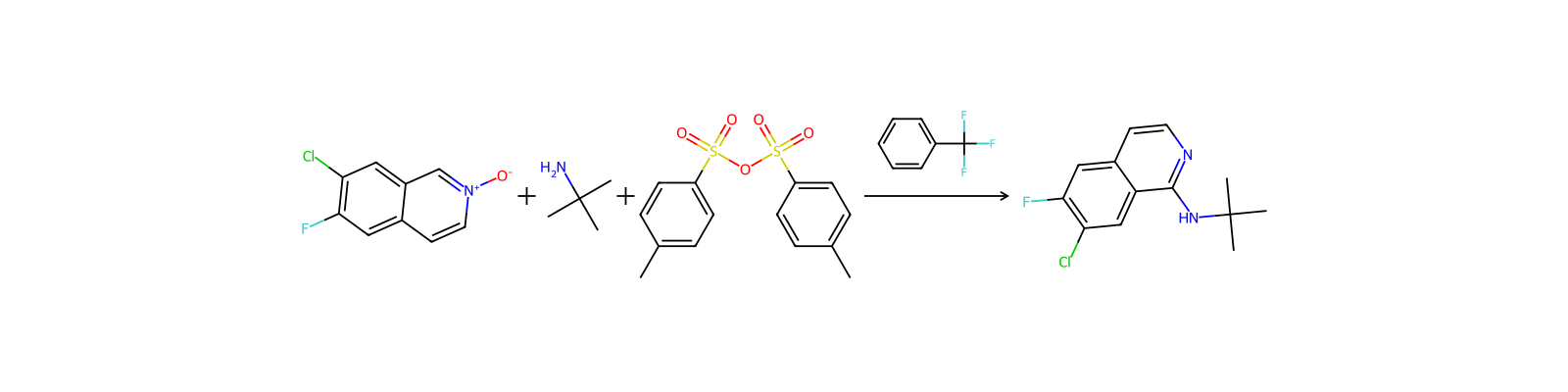
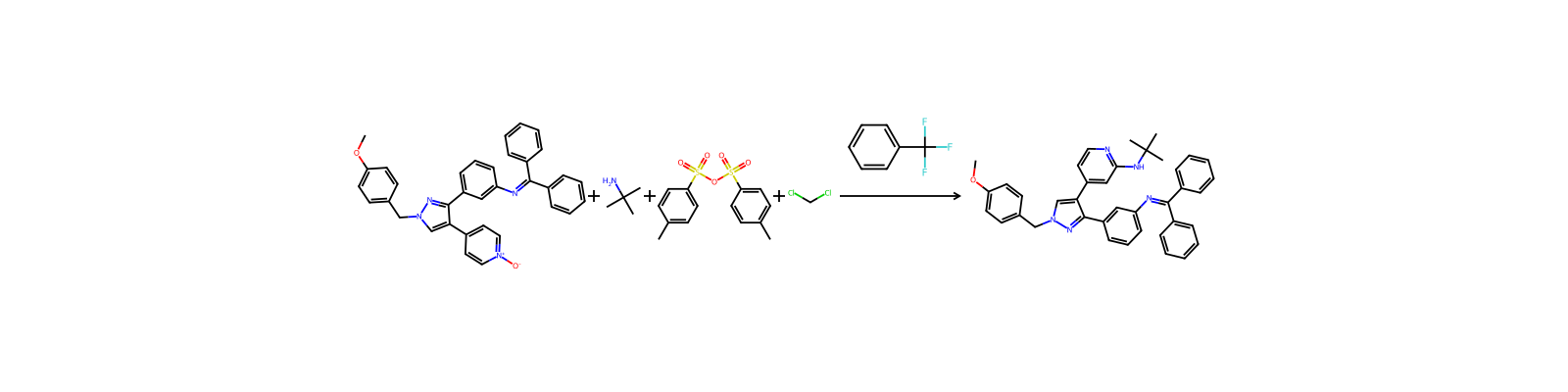
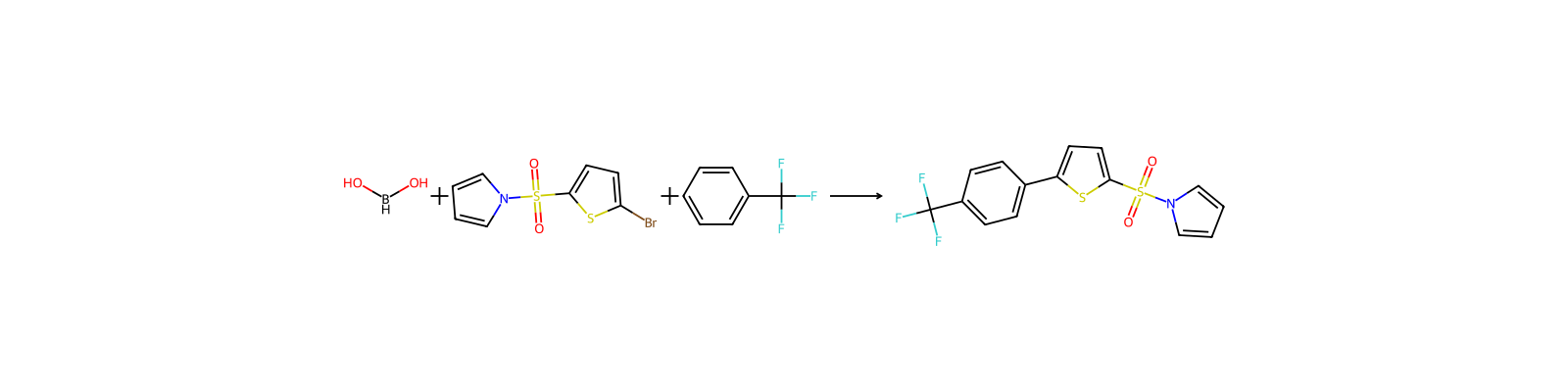
UsesBenzotrifluoride is a useful alternative solvent for organic reactions currently conducted in dichloromethane and related solvents.
UsesIt is applied as an alternative solvent to dichloromethane, where it has a higher bp. It is used as an intermediate for dyes and pharmaceuticals, as a solvent and a dielectric fluid, a vulcanizing agent.
UsesIn dye chemistry; in the manufacture of substituted benzotrifluorides contg an ethylenic group, used in high polymer chemistry; in dielectric fluids, such as transformer oils.
General DescriptionA clear colorless liquid with an aromatic odor. Flash point of 54°F. Vapors are heavier than air. Insoluble in water and slightly denser than water. May be toxic by inhalation.
Upstream & downstream products
Upstream raw materials
Downstream products
Suppliers50 total
国药集团化学试剂有限公司86-21-63210123 · [email protected]
梯希爱(上海)化成工业发展有限公司021-67121386 · [email protected]
衢州润东化工有限公司0570-8789886 18892685668 · [email protected]
上海阿拉丁生化科技股份有限公司400-6206333 13167063860 · [email protected]
T&W GROUP021-61551611 13296011611 · [email protected]
爱斯特(成都)生物制药股份有限公司+86-28-85122536 85324413 · [email protected]
科瑞迪化学400-821-5857 021-64326257 · [email protected]
上海迈瑞尔生化科技有限公司4006356688 18621169109 · [email protected]
武汉易泰科技有限公司上海分公司18930552037 · [email protected]
阿法埃莎(中国)化学有限公司400-6106006 · [email protected]
上海德默医药科技有限公司400-021-7337 2355568890 · [email protected]
安耐吉化学&3A(安徽泽升科技股份有限公司)400-0056266 · [email protected]
武汉凯威斯科技有限公司86-027-67849912 · [email protected]
Allfluoro Pharmaceutical Company Limited+86-400-0216110 +86-15958047586 · [email protected]
常州市程益生物科技有限公司13338800824 · [email protected]
上海瀚鸿科技股份有限公司021-54306202 13764082696 · [email protected]
嘉兴市艾森化工有限公司0573-85285100 18627885956 · [email protected]
山东西亚化学有限公司13355009207 13355009207 · [email protected]
玛雅试剂+86 (573) 82222445 (0)18006601000 452520369 · [email protected]
四川库利南科技有限公司400-1166-196 18981987031 · [email protected]
天津希恩思生化科技有限公司400 638 7771 · [email protected]
南京维奥化工有限公司Please Send Email 18652950785 · [email protected]
斯百全化学(上海)有限公司021-021-021-67601398-809-809-809 15221380277 · [email protected]
艾科试剂4008-755-333 18080918076 · [email protected]
上海思域化工科技有限公司86-21-34053660 · [email protected]
赛默飞世尔科技(中国)有限公司800-810-5118 · [email protected]
北京伊诺凯科技有限公司400-810-7969 010-59572699 · [email protected]
南京诺利斯医药科技有限公司13901585132 · [email protected]
TOKYO CHEMICAL INDUSTRY CO., LTD.03-36680489 · [email protected]
卡迪亚医药科技有限公司0371-86615086 18203638366 0371-86159066 13526786601
上海贤鼎生物科技有限公司4009209199 · [email protected]
深圳康特腾科技有限公司86-0755-86635001 · [email protected]
山东艾特化工有限公司18615658326 18615658326 · [email protected]
无锡中坤生化科技有限公司+86 0510-85629785
上海将来实业股份有限公司021-61552785 · [email protected]
HBCChem, Inc.+1-510-219-6317 · [email protected]
日照力德士化工有限公司010-51268198 · [email protected]
美岚实业(上海)有限公司021-58958189 · [email protected]
上海石洋化工有限公司021-56795766 · [email protected]
上海爱蝶实业有限公司021-58957966 18930537195 · [email protected]
成都零六生物科技有限公司400-1166-196 13458535857 · [email protected]
广拓化学(上海)有限公司021-60899189-8001 18918189673 · [email protected]
雷丁试剂0510-85629785 18013409632 · [email protected]
上海恒岳化工科技有限公司51691706 13391095697 · [email protected]
上海麦克林生化科技股份有限公司15221275939 15221275939 · [email protected]
上海嵩爰化工科技有限公司010-1234567 18521000990 · [email protected]
上海有朋化工有限公司021-69005955 13701776567 · [email protected]
上海凯赛化工有限公司021-33516722 13701817765 · [email protected]
上海彤源化工有限公司021-021-69182866 13701855675 · [email protected]
成都润泽本土化工有限公司13096311329 028-88469284 616445927 · [email protected]
Additional notes
DefinitionChEBI: (trifluoromethyl)benzene is a fluorohydrocarbon that is fluoroform in which the hydrogen is substituted by a phenyl group. It has a role as a solvent and an environmental contaminant. It is a fluorohydrocarbon and a member of (trifluoromethyl)benzenes. It derives from a fluoroform.
Related reactions
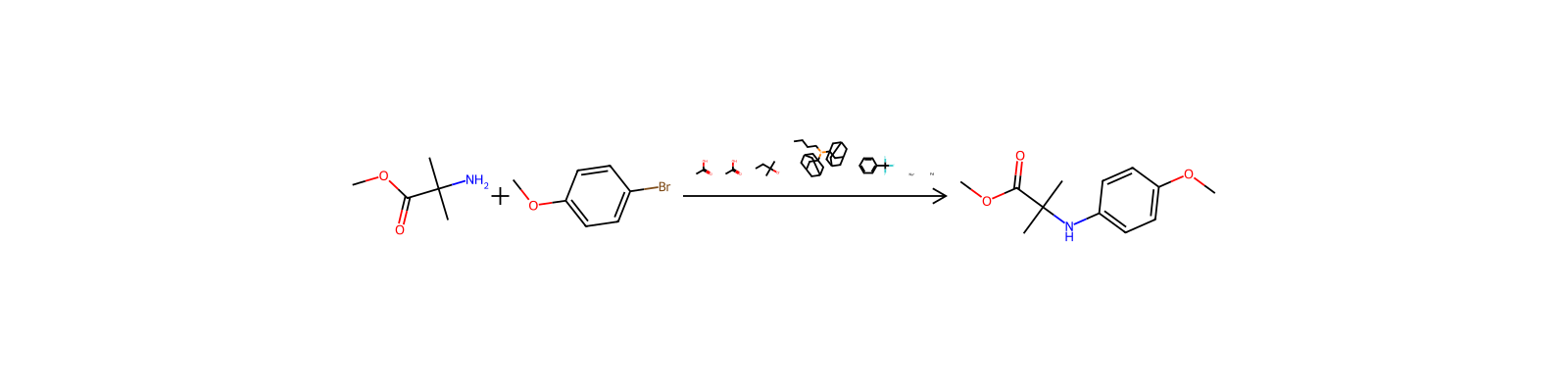
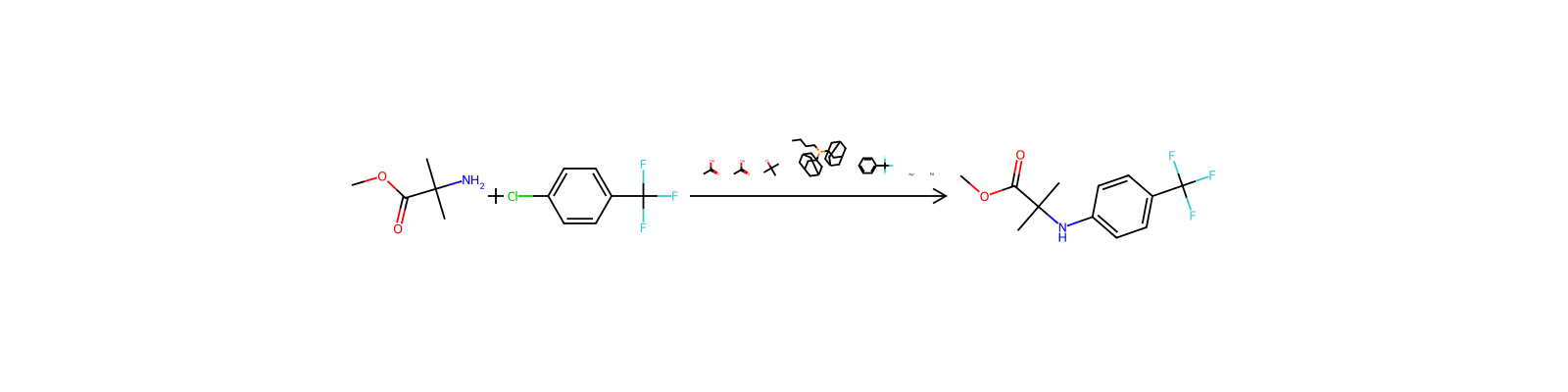
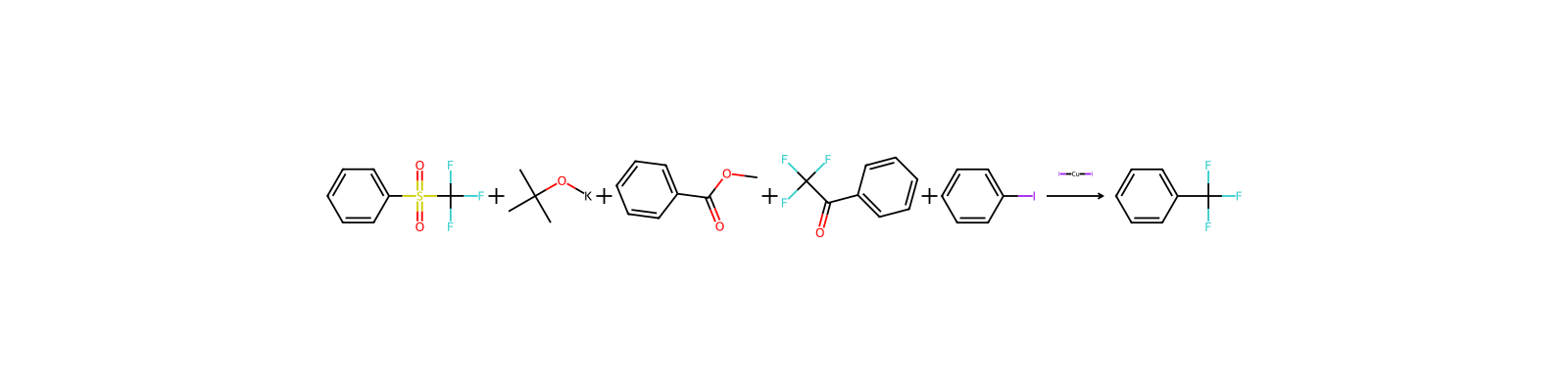
174 records


Linked notes
Loading…