3-Pyridinecarboxaldehyde, 2-amino-
Completing data — refresh the page later to see the latest
Basic information
- CAS
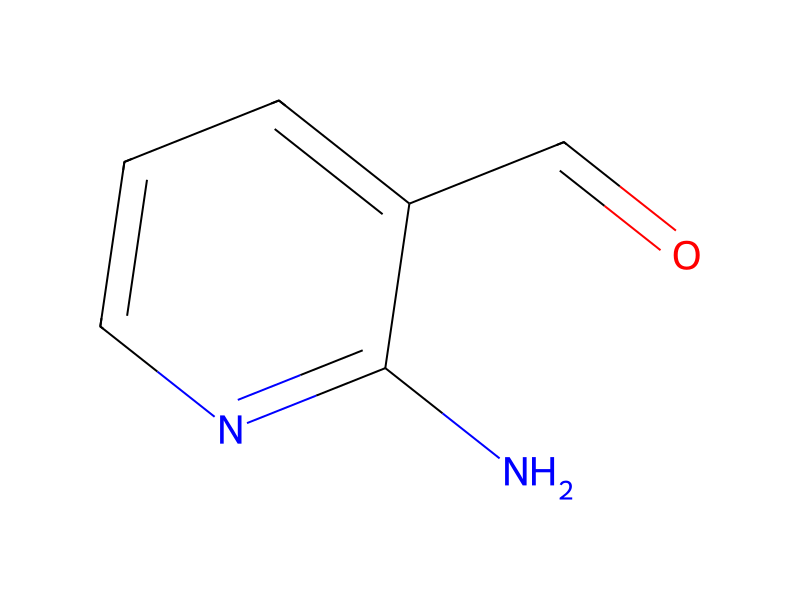
7521-41-7- Standard SMILES
Nc1ncccc1C=O- InChIKey
NXMFJCRMSDRXLD-UHFFFAOYSA-N- Molecular formula
- C6H6N2O
- Average molar mass
- 122.12 g/mol
- Monoisotopic mass
- 122.04801282
Names & identifiers
- Preferred name
- 3-Pyridinecarboxaldehyde, 2-amino-
- IUPAC
- 2-aminopyridine-3-carbaldehyde
- English name
- 2-Amino-3-pyridinecarboxaldehyde
- Molecular formula
- C6H6N2O
- Molecular weight
- 122.12
Names & synonyms
7521-41-72-Amino-3-pyridinecarboxaldehyde3-Pyridinecarboxaldehyde, 2-amino-DTXSID20226184RefChem:95394DTXCID20148675NXMFJCRMSDRXLD-UHFFFAOYSA-N2-Aminonicotinaldehyde2-aminopyridine-3-carbaldehyde2-Amino-3-formylpyridine2-Aminopyridine-3-carboxaldehydeMFCD01830382
Show more names
3-formylpyridin-2-amine2-aminonicotinaldehyde 12-Aminonicotinaldehyde 99%2-Aminonicotinaldehyde >2-Aminopyridine-3-carboxaL2-AMINO-PYRIDIN-3-CARBALDEHYDE
2-amino-pyridine-3-carbaldehydeZINC197024772-Amino-3-pyridine carboxaldehyde2-amino nicotinaldehyde2-amino-3 formylpyridine2aminopyridine3carbaldehyde2-amino-3-formyl-pyridine2AMINONICOTINALDEHYDE
Database identifiers
- CAS
7521-41-7- PubChem CID
- 737633
- DTXSID
DTXSID20226184- EC Number
- 626-730-5
- Nikkaji
- J886.528K
Properties
Computed structural propertiesFilling in
- XLogP
- 0.5
- Topological polar surface area
- 56 Ų
- Hydrogen bond donors
- 1
- Hydrogen bond acceptors
- 3
- Rotatable bonds
- 1
- Heavy atoms
- 9
- Formal charge
- 0
- Complexity
- 105
Physicochemical properties
- Melting point
- 98 · 98-102 °C (lit.)
- Boiling point
- 290.7 · 290.7±25.0 °C(Predicted)
- Density
- 1.264 · 1.264±0.06 g/cm3(Predicted)
- Flash point
- 300 ℃ · >300℃
- storage temp.
- Keep in dark place,Sealed in dry,Room Temperature
- solubility
- Soluble in Ether, Ethyl acetate, Chloroform (Slightly), Methanol (Slightly)
- pka
- 4.99 · 4.99±0.36(Predicted)
- form
- Powder, Crystals and/or Chunks
- color
- Yellow to light brown
- Water Solubility
- insoluble
- Sensitive
- Air Sensitive
- BRN
- 109598 · 109598
- InChI
- InChI=1S/C6H6N2O/c7-6-5(4-9)2-1-3-8-6/h1-4H,(H2,7,8)
- InChIKey
- NXMFJCRMSDRXLD-UHFFFAOYSA-N
- SMILES
- C1(N)=NC=CC=C1C=O
Safety & regulation
Safety information is for reference only and does not replace the supplier’s Safety Data Sheet (SDS), applicable regulations, or professional assessment.
GHS classification
GHS Classification
Warning
H315 (100%): Causes skin irritation [Warning Skin corrosion/irritation]
P261, P264, P264+P265, P271, P280, P302+P352, P304+P340, P305+P351+P338, P319, P321, P332+P317, P337+P317, P362+P364, P403+P233, P405, and P501 (click each P-code to see the statement)
Aggregated GHS information provided per 50 reports by companies from 10 notifications to the ECHA C&L Inventory. Each notification may be associated with multiple companies.
Hazard information
Hazard Classes and CategoriesSkin Irrit. 2 (100%)
Safety data
- PPE
- dust mask type N95 (US), Eyeshields, Gloves
- wgk
- 3
- hs_code
- 29339900
- risk_code
- 36/37/38-20/21/22
- Signal word
- Warning
- Symbol(GHS)
- GHS07
- hazard_code
- Xi,Xn
- safety_code
- 26-36-36/37/39
- hazard_class
- IRRITANT
- Storage Class
- 11 - Combustible Solids
- packing_group
- II
- target organs
- Respiratory system
- Hazard statements
- H315-H319-H335
- Hazard Classifications
- Eye Irrit. 2Skin Irrit. 2STOT SE 3
Chemistry & industry
Applications
Uses2-Aminonicotinaldehyde is commonly employed as a starting material for a wide variety of N-heterocyclic compounds (e.g. β-nicotyrine [N445000]) . 2-Aminonicotinaldehyde is also used as a reagent to synthesize hydrazones (e.g.thionaphthenquinone 3-hydrazone [T367720]), which possess antituburcular properties.
Preparation methods
PreparationPreparative Methods of 2-Amino-3-pyridinecarboxaldehyde: the reagent is best when freshly prepared. A multistep procedure starting from 2-amino-3- picoline has been improved upon by a simple two-step approach. Sulfamation of nicotinamide with ammonium sulfamate (both commercially available) provides 2-(3′-pyridyl)pyrido[2,3-d]pyridimine which may be hydrolyzed in 2 N HCl to provide the reagent (eq 1)[1]. Substituted derivatives of the reagent may be prepared via a similar intermediate.
Upstream & downstream products
Upstream raw materials
Downstream products
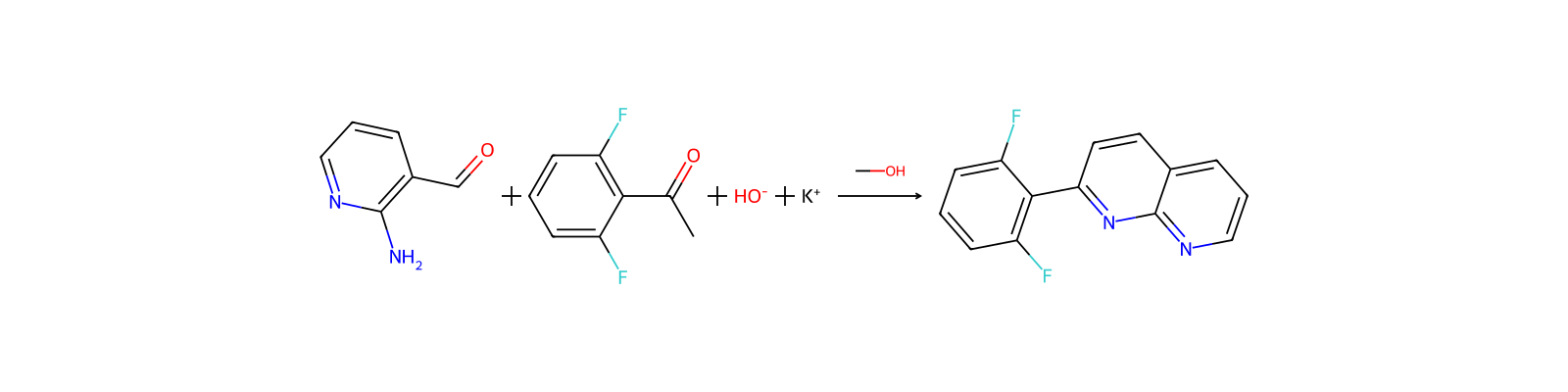
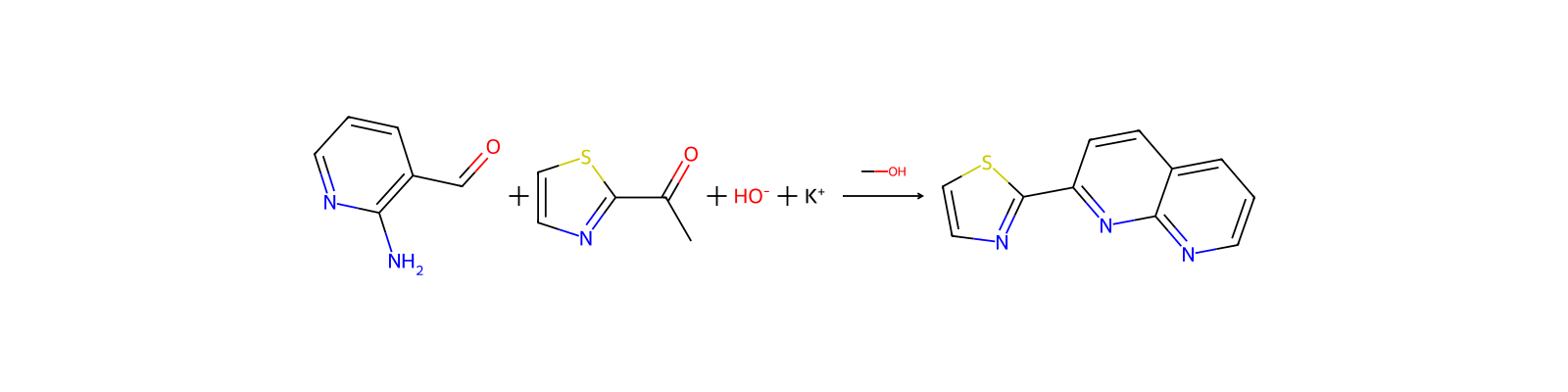
Related reactions
121 records


Compound notes
Loading…