
3-Nitrobenzaldehyde

Basic information
- CAS
99-61-6- Standard SMILES
O=Cc1cccc([N+](=O)[O-])c1- InChIKey
ZETIVVHRRQLWFW-UHFFFAOYSA-N- Molecular formula
- C7H5NO3
- Average molar mass
- 151.12 g/mol
- Monoisotopic mass
- 151.02694302
Overview
3-nitrobenzaldehyde is a benzaldehyde carrying a nitro group at the 3-position. It is a member of benzaldehydes and a C-nitro compound.
Names & identifiers
- Preferred name
- 3-Nitrobenzaldehyde
- IUPAC
- 3-nitrobenzaldehyde
- English name
- 3-Nitrobenzaldehyde
- Molecular formula
- C7H5NO3
- Molecular weight
- 151.12
Names & synonyms
3-NITROBENZALDEHYDE99-61-6m-NitrobenzaldehydeBenzaldehyde, 3-nitro-meta-nitrobenzaldehydeDTXSID8049383NSC-5504G4O92KO71ZDTXCID5029342RefChem:95017202-772-63-Formylnitrobenzene
Show more names
META NITRO BENZALDEHYDE3-Nitrobenzaldehyde99%M-Nitrobenzldehydem-NITROBENZALDEHYDE pure3-NitrobenzaLAKOS BBS-000031973-nitro-benzaldehyd
5-NitrobenzaldehydeBenzaldehyde, m-nitro-3-nitro-benzaldehydeMFCD000072493-nitrobenzenealdehydeBenidipine Impurity ANitrendipine Impurity 113-Nitrobenzenecarboxaldehyde
Database identifiers
- CAS
99-61-6- PubChem CID
- 7449
- DTXSID
DTXSID8049383- ChEMBL
CHEMBL238132- ChEBI
CHEBI:231487- UNII
- G4O92KO71Z
- EC Number
- 202-772-6
- Nikkaji
- J43.345D
Properties
Computed structural properties
- XLogP
- 1.5
- Topological polar surface area
- 62.9 Ų
- Hydrogen bond donors
- 0
- Hydrogen bond acceptors
- 3
- Rotatable bonds
- 1
- Heavy atoms
- 11
- Formal charge
- 0
- Complexity
- 164
Experimental & physicochemical properties
Chemical ClassesNitrogen Compounds -> Other Aromatics (Nitrogen)
SpringerMaterials Properties13C nuclear magnetic resonance spectrum
LogP1.47
Physical DescriptionLight yellow powder; [MSDSonline]
Ionization Efficiency
Positive
0.09
2.7
Agilent XCT
Electrospray ionization
formic acid (5.3nM)
Physicochemical properties
- Melting point
- 56 °C · 56 °C
- Boiling point
- 285 · 285-290 °C
- Density
- 1.2792 · 1.2792
- vapor density
- 5.21 · 5.21 (vs air)
- refractive index
- 1.58 · 1.5800 (estimate)
- Flash point
- 164 °C/23mm · 164°C/23mm
Safety & regulation
Safety information is for reference only and does not replace the supplier’s Safety Data Sheet (SDS), applicable regulations, or professional assessment.
GHS classification
GHS Classification
Warning
H302 (77.5%): Harmful if swallowed [Warning Acute toxicity, oral]
P261, P264, P264+P265, P270, P271, P273, P280, P301+P317, P302+P352, P304+P340, P305+P351+P338, P319, P321, P330, P332+P317, P337+P317, P362+P364, P391, P403+P233, P405, and P501 (click each P-code to see the statement)
Aggregated GHS information provided per 204 reports by companies from 15 notifications to the ECHA C&L Inventory. Each notification may be associated with multiple companies.
Hazard information
Regulatory Information
Chemical: Benzaldehyde, 3-nitro-
REACH registered substance: 3-nitrobenzaldehyde (EC: 202-772-6)
Benzaldehyde, 3-nitro-: Does not have an individual approval but may be used under an appropriate group standard
Hazards SummaryAn irritant; [MSDSonline]
Hazard Classes and CategoriesAcute Tox. 4 (77.5%)
Safety data
- PPE
- dust mask type N95 (US), Eyeshields, Gloves
- wgk
- 3
- tsca
- TSCA listed
- rtecs
- CU7250000
- ridadr
- UN3077
- hs_code
- 29130000
- Toxicity
- LD50 orally in Rabbit: 1075 mg/kg
- risk_code
- 36/37/38-51/53-22
- Signal word
- Warning
- Symbol(GHS)
Chemistry & industry
Uses & manufacturing
General Manufacturing InformationBenzaldehyde, 3-nitro-: ACTIVE
Applications
Description3-Nitrobenzaldehyde, meta-nitrobenzaldehyde or m-nitrobenzaldehyde is an organic aromatic compound containing a nitro group meta-substituted to an aldehyde. 3-Nitrobenzaldehyde is the primary product obtained via the mono-nitration of benzaldehyde with nitric acid.
Uses3-Nitrobenzaldehyde is used in the synthesis of other organic compounds, ranging from pharmaceuticals to plastic additives and intermediate for the processing of perfume and flavoring compounds and in the preparation of certain aniline dyes.
Uses3-Nitrobenzaldehyde is a benzaldhyde with a nitro group in the meta position.
Preparation methods
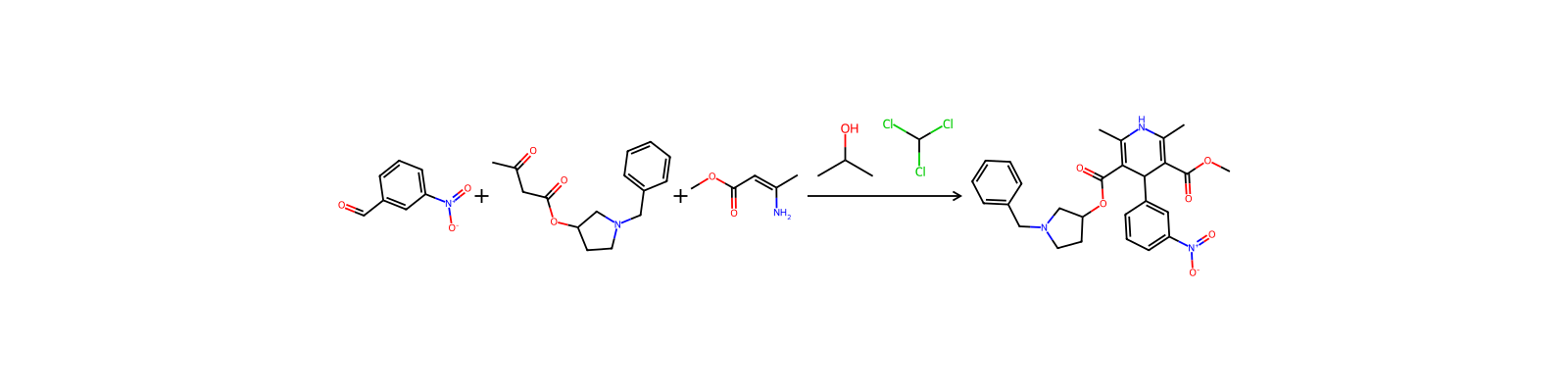
Preparation89 mL (1.7 mol) concentrated H2SO4 are filled in a 500 mL three-neck flask equipped with an internal thermometer and an addition funnel with pressure balance. Whilst cooling with an ice bath 45 mL (0.95 mol) fuming HNO3 are added carefully under stirring, the temperature must not exceed 10 °C. To this nitrating acid, 10.6 g (10.2 mL, 100 mmol) benzaldehyde are added under further cooling so that the temperature can be constantly kept at 15 °C (about 1 hour). The ice bath is removed and the reaction mixture is stored over night at room temperature.The reaction mixture is poured in a 1 L beaker on 500 g crunched ice, the yellow precipitation is sucked off at 16 hPa over a Buechner funnel and washed with 200 mL of cold water. Crude yield (humid): 14.4 gThe humid crude product is dissolved in 125 mL tert-butyl methyl ether and then shaken out with 125 mL of a 5% NaHCO3 solution. The organic phase is dried over sodium sulfate, filtered and the solvent evaporated at a rotary evaporator. The residue is recrystallized from toluene / petroleumether (60-80 °C) by dissolving it in toluene whilst heating and then adding the double amount of petroleum ether in portions under ice cooling. The crystalllized light yellow 3-nitrobenzaldehyde is sucked off over a Buechner funnel. The product is dried over silica gel in an evacuated desiccator.Yield: 8.0 g (53 mmol, 53%); mp 56 °C
Related reactions
500 records






Compound notes
Loading…