

Basic information
- Standard SMILES
Cc1ccc(C(C)C)cc1- InChIKey
HFPZCAJZSCWRBC-UHFFFAOYSA-N- Molecular formula
- C10H14
- Average molar mass
- 134.22 g/mol
- Monoisotopic mass
- 134.10955045
Overview
P-cymene is a colorless liquid with a mild pleasant odor. Floats on water. (USCG, 1999)
Names & identifiers
- Preferred name
- P-Cymene
- IUPAC
- 1-methyl-4-propan-2-ylbenzene
- English name
- p-Cymene
- Molecular formula
- C10H14
- Molecular weight
- 134.21816
Names & synonyms
P-CYMENE4-Isopropyltoluene99-87-6p-IsopropyltolueneDolcymene1-Isopropyl-4-methylbenzenep-CymolPara-cymeneCamphogenParacymenep-Methylcumene4-Cymene
Show more names
2-p-TolylpropaneCymolp-Cimene1-Methyl-4-isopropylbenzenep-MethylisopropylbenzeneBenzene, 1-methyl-4-(1-methylethyl)-Paracymol4-Isopropyl-1-methylbenzene
Database identifiers
- CAS
4939-75-7、99-87-6- PubChem CID
- 7463
- DTXSID
DTXSID3026645- ChEMBL
CHEMBL442915- ChEBI
CHEBI:28768- UNII
- 1G1C8T1N7Q
- EC Number
- 202-796-7
- Nikkaji
- J11.621A
Properties
Computed structural properties
- XLogP
- 4.1
- Topological polar surface area
- 0 Ų
- Hydrogen bond donors
- 0
- Hydrogen bond acceptors
- 0
- Rotatable bonds
- 1
- Heavy atoms
- 10
- Formal charge
- 0
- Complexity
- 86.2
Experimental & physicochemical properties
Chemical ClassesVolatile Organic Compound (VOC)
LipidsLipids -> Prenol Lipids [PR] -> Isoprenoids [PR01] -> C10 isoprenoids (monoterpenes) [PR0102]
SolventsSolvents -> Aromatic Solvents
CosmeticsMasking
FragrancesFragrance Ingredient (p-Cymene) -> IFRA transparency List
LogP
log Kow = 4.10
4.10
4.1
Odor
Sweetish aromatic odor
Mild pleasant odor
When pure, has a weak citrus odor
Food AdditivesFLAVORING AGENT OR ADJUVANT -> FDA Substance added to food
Density
0.857 at 68 °F (USCG, 1999) - Less dense than water; will float
0.8573 g/cu cm at 20 °C
Relative density (water = 1): 0.85
0.853-0.855
0.853 @25 °C
Flavoring AgentsEU Flavoring substances
Color/FormColorless transparent liquid
Solubility
In water, 23.4 mg/L at 25 °C
Miscible with ethanol, acetone, benzene, carbon tetrachloride and petroleum ether
0.0234 mg/mL at 25 °C
Solubility in water, g/100ml at 25 °C: 0.002
Insoluble in water; soluble in oils
Soluble (in ethanol)
Physicochemical properties
- Melting point
- -68.9 °C · -68.9 °C
- Boiling point
- 177.1 °C · 177.10 °C
- Density
- 0.861 g/cm3 · 0.8610 g/cm3
- Symbol(GHS)
- 2 · GHS02,GHS08,GHS09
- Signal word
- Danger
- Hazard statements
- 226 · H226-H304-H361f-H411
- Precautionary statements
- 201 · P201-P202-P210-P273-P301+P310-P331
Safety & regulation
GHS classification
GHS Classification
Danger
H226: Flammable liquid and vapor [Warning Flammable liquids]
P210, P233, P240, P241, P242, P243, P261, P271, P273, P280, P301+P316, P303+P361+P353, P304+P340, P316, P321, P331, P370+P378, P391, P403+P233, P403+P235, P405, and P501 (click each P-code to see the statement)
This chemical does not meet GHS hazard criteria for < 0.1% (1 of 2209) of reports.
Danger
H226 (99.7%): Flammable liquid and vapor [Warning Flammable liquids]
Hazard information
Regulatory Information
Chemical: Benzene, 1-methyl-4-(1-methylethyl)-
Commission Regulation (EC) No 1565/2000 (Repealed by Com. Implementing Reg. (EU) No 872/2012)
Benzene, 1-methyl-4-(1-methylethyl)- is listed on the EPA's Chemical Data Reporting (CDR) system. Manufacturers and importers of Benzene, 1-methyl-4-(1-methylethyl)- are required to report information about their production and use of this chemical to the EPA under the Toxic Substances Control Act (TSCA). (40 eCFR Part 711)
Status: Active Update: 11-01-2023 https://echa.europa.eu/registration-dossier/-/registered-dossier/28185
Benzene, 1-methyl-4-(1-methylethyl)-: HSNO Approval: HSR001114 Approved with controls
DOT LabelFlammable Liquid
Fire Hazards
Excerpt from ERG Guide 130 [Flammable Liquids (Water-Immiscible / Noxious)]:
Flammable. Above 47 °C explosive vapour/air mixtures may be formed.
Fire PotentialFlammable liquid.
Health HazardsInhalation causes impairment of coordination, headache. Contact with liquid causes mild irritation of eyes and skin. Ingestion causes irritation of mouth and stomach. (USCG, 1999)
Hazards SummaryA skin and eye irritant; Defats the skin; [ICSC]; A mild skin and eye irritant; [CAMEO] A skin and eye irritant; [eChemPortal: ERMA] An irritant; [MSDSonline]
FDA Requirements
p-Cymene is a food additive permitted for direct addition to food for human consumption as a synthetic flavoring substance and adjuvant in accordance with the following conditions: a) they are used in the minimum quantity required to produce their intended effect, and otherwise in accordance with all the principles of good manufacturing practice, and 2) they consist of one or more of the following, used alone or in combination with flavoring substances and adjuvants generally recognized as safe in food, prior-sanctioned for such use, or regulated by an appropriate section in this part.
Reactive GroupHydrocarbons, Aromatic
UN ClassificationUN Hazard Class: 3; UN Pack Group: III
Reactivity Profile
Vigorous reactions, sometimes amounting to explosions, can result from the contact between aromatic hydrocarbons, such as P-CYMENE, and strong oxidizing agents. They can react exothermically with bases and with diazo compounds. Substitution at the benzene nucleus occurs by halogenation (acid catalyst), nitration, sulfonation, and the Friedel-Crafts reaction.
Chemical DangersReacts with oxidants. Attacks rubber.
Flammable LimitsLower flammable limit: 0.7% at 212 °F (100 °C) by volume; Upper flammable limit: 5.6% by volume
Safety & protection
Fire Fighting
Fire Extinguishing Agents Not to Be Used: Water may be ineffective.
Use powder, AFFF, foam, carbon dioxide. In case of fire: keep drums, etc., cool by spraying with water.
First Aid Measures
Fresh air, rest. Half-upright position. Artificial respiration may be needed. Refer for medical attention.
Remove contaminated clothes. Rinse and then wash skin with water and soap. Wear protective gloves when administering first aid.
First rinse with plenty of water for several minutes (remove contact lenses if easily possible), then refer for medical attention.
Rinse mouth. Do NOT induce vomiting. Rest. Refer for medical attention .
First AidINHALATION: remove victim from contaminated area; administer artificial respiration if necessary; call physician.
Safe StorageFireproof.
Fire Fighting Procedures
If material on fire or involved in fire: Do not extinguish fire unless flow can be stopped or safely confined. Use water in flooding quantities as fog. Solid streams of water may spread fire. Cool all affected containers with flooding quantities of water. Apply water from as far a distance as possible. Use foam, dry chemical, or carbon dioxide. /Cymenes/
Storage ConditionsSafe storage: Fireproof.
Cleanup Methods
Environmental considerations: Air spill: Apply water spray or mist to knock down vapors. /Cymenes/
Environmental considerations: Water spill: use natural barriers or oil spill control booms to limit spill travel. Remove trapped material with suction hoses. /Cymenes/
Environmental considerations: Land spill: dig a pit, pond, lagoon, holding area to contain liquid or solid material. /SRP: If time permits, pits, ponds, lagoons, soak holes, or holding areas should be sealed with an impermeable flexible membrane liner./ Dike surface flow using soil, sand bags, foamed polyurethane, or foamed concrete. Absorb bulk liquid with fly ash, cement powder, or commercial sorbents. /Cymenes/
Collect leaking and spilled liquid in sealable containers as far as possible. Absorb remaining liquid in sand or inert absorbent. Then store and dispose of according to local regulations. Personal protection: filter respirator for organic gases and vapors adapted to the airborne concentration of the substance.
Nonfire Spill ResponseExcerpt from ERG Guide 130 [Flammable Liquids (Water-Immiscible / Noxious)]:
Disposal Methods
SRP: The most favorable course of action is to use an alternative chemical product with less inherent propensity for occupational harm/injury/toxicity or environmental contamination. Recycle any unused portion of the material for its approved use or return it to the manufacturer or supplier. Ultimate disposal of the chemical must consider: the material's impact on air quality; potential migration in soil or water; effects on animal and plant life; and conformance with environmental and public health regulations.
Spillage Disposal
Collect leaking and spilled liquid in sealable containers as far as possible. Absorb remaining liquid in sand or inert absorbent. Then store and dispose of according to local regulations. Personal protection: filter respirator for organic gases and vapours adapted to the airborne concentration of the substance.
Preventive Measures
If material not on fire and not involved in fire: Keep sparks, flames, and other sources of ignition away. Keep material out of water sources and sewers. Build dikes to contain flow as necessary. Use water spray to knock-down vapors. /Cymenes/
Personnel protection: Avoid breathing vapors. Keep upwind. ... Do not handle broken packages unless wearing appropriate personal protective equipment. Wash away any material which may have contacted the body with copious amounts of water or soap and water. /Cymenes/
Do not eat, drink, or smoke during work.
SRP: Local exhaust ventilation should be applied wherever there is an incidence of point source emissions or dispersion of regulated contaminants in the work area. Ventilation control of the contaminant as close to its point of generation is both the most economical and safest method to minimize personnel exposure to airborne contaminants. Ensure that the local ventilation moves the contaminant away from the worker.
Isolation and EvacuationExcerpt from ERG Guide 130 [Flammable Liquids (Water-Immiscible / Noxious)]:
Toxicology
Interactions
Previously, /the researchers/ have demonstrated the analgesic-like property of p-cymene in rodents. Short half-life is a limitation for p-cymene application and several approaches have been used to improve pharmaceutical properties of monoterpenes, including the employment of drug-delivery systems. Here, we used p-cymene/beta-cyclodextrin (beta-CD) complex and p-cymene (PC) isolated to evaluated whether the complex formulation is able to improve the antinociceptive activity of this monoterpene. Male mice (26-30 g) were pretreated with PC/beta-CD (20 or 40 mg/kg, p.o.), PC (20 or 40 mg/kg, p.o.) or vehicle (distilled water), 0.5 hr before painful tests and antinociceptive effect was evaluated at times: 0.5, 1, 2, 4, 8, and 16 hr after treatment. We evaluated the analgesic-like effect of PC/beta-CD and PC in acetic acid-induced abdominal writhes, hot-plate, carrageenan-induced paw edema and in rota-rod apparatus. ... Results demonstrated that acute treatment with complex PC/beta-CD produced an antinocicepitve effect (p < 0.01 or p < 0.001) for 8 hr followed whereas isolated PC produced the same effect for 2 hr. Similar results were obtained in hot-plate test, PC/beta-CD, in all doses, significantly reduces (p < 0.01 or p < 0.001) nociceptive behavior for 8 hr while isolated PC for 1 hr, did so only in higher dose. Such results were unlikely to be caused by motor abnormality. Systemic pretreatment with PC/beta-CD and PC inhibited the development paw edema by carrageenan 1%, but PC/beta-CD did so during a longer period when compared with isolated monoterpene alone. ... Results provide evidence to propose that the complex with beta-CD improved analgesic and anti-inflammatory effects of p-cymene.
Ecotoxicity Values
EC50; Species: Pseudokirchneriella subcapitata (Green Algae); Conditions: freshwater, static; Concentration: 49000 ug/L for 96 hr; Effect: population, chlorophyll A concentration /formulation/
EC50; Species: Skeletonema costatum (Diatom); Conditions: saltwater, static; Concentration: 22000 ug/L for 96 hr; Effect: population, chlorophyll A concentration /formulation/
LC50; Species: Americamysis bahia (Opossum Shrimp); Conditions: saltwater, static; Concentration: 4400 ug/L for 96 hr /formulation/
LC50; Species: Daphnia magna (Water Flea) age < or =24 hr; Conditions: freshwater, static, 22 °C, pH 7.4-9.4, dissolved oxygen 6.5-9.1 mg/L; Concentration: 9400 ug/L for 24 hr (95% confidence interval: 7900-11000 ug/L) /> or =80% purity/
For more Ecotoxicity Values (Complete) data for P-CYMENE (10 total), please visit the HSDB record page.
Environmental Fate
TERRESTRIAL FATE: Based on a classification scheme(1), an estimated Koc value of 1120(SRC), determined from a structure estimation method(2), indicates that p-cymene is expected to have low mobility in soil(SRC). Volatilization of p-cymene from moist soil surfaces is expected to be an important fate process(SRC) given an estimated Henry's Law constant of 0.011 atm-cu m/mole(SRC), derived from its vapor pressure, 1.50 mm Hg(3), and water solubility, 23.4 mg/L(4). However, adsorption may attenuate this process. p-Cymene is expected to volatilize from dry soil based on its vapor pressure(4). p-Cymene, present at 100 mg/L, reached 83-95% of its theoretical BOD in 2 weeks using an activated sludge inoculum at 30 mg/L with the Japanese MITI test(5,6) which classifies p-cymene as readily biodegradable(6).
AQUATIC FATE: Based on a classification scheme(1), an estimated Koc value of 1120(SRC), determined from a structure estimation method(2), indicates that p-cymene is expected to adsorb to suspended solids and sediment(SRC). Volatilization from water surfaces is expected(3) based upon an estimated Henry's Law constant of 0.011 atm-cu m/mole(SRC), derived from its vapor pressure, 1.50 mm Hg(4), and water solubility, 23.4 mg/L(5). Using this Henry's Law constant and an estimation method(3), volatilization half-lives for a model river and model lake are 3.5 hours and 4.6 days, respectively if adsorption is ignored(SRC). The volatilization half-life from a model pond is estimated as 30 days if adsorption is considered(6). According to a classification scheme(7), an estimated BCF of 236(SRC), from its log Kow of 4.10(8) suggests the potential for bioconcentration in aquatic organisms is high. p-Cymene, present at 100 mg/L, reached 83-95% of its theoretical BOD in 2 weeks using an activated sludge inoculum at 30 mg/L with the Japanese MITI test(9,10) which classifies p-cymene as readily biodegradable(10). p-Cymene is not expected to undergo hydrolysis in the environment due to the lack of hydrolyzable functional groups(3).
ATMOSPHERIC FATE: According to a model of gas/particle partitioning of semivolatile organic compounds in the atmosphere(1), p-cymene, which has a vapor pressure of 1.50 mm Hg at 25 °C(2), is expected to exist solely as a vapor in the ambient atmosphere. Vapor-phase p-cymene is degraded in the atmosphere by reaction with photochemically-produced hydroxyl radicals and nitrate radicals(SRC); the half-life for the reaction with hydroxyl radicals is estimated to be about 1 day(SRC), calculated from its measured rate constant of 1.51X10⁻¹¹ cu cm/molecule-sec at 22 °C(3). The half-life for the reaction with nitrate radicals is estimated to be 34 days(SRC), calculated from its rate constant of 9.9X10⁻¹⁶ cu cm/molecule-sec at 25 °C(3). p-Cymene's detection in snow(4) suggests that removal from air by wet deposition occurs(SRC).
Food Survey Values
A p-cymene concentration of 0.1 ug/g was detected in fresh, ripe mangos(1). p-Cymene has been identified, not quantified, as a volatile constituent of nectarines(2), orange essence(3), chickpea flour(4), and roasted filbert nuts(5). p-Cymene was identified, not quantified, in peanut oil(6). p-Cymene was detected in the volatile odors of frankfurter sausages(7).
Adverse EffectsNeurotoxin - Acute solvent syndrome
Exposure RoutesThe substance can be absorbed into the body by inhalation of its vapour and by ingestion.
Milk Concentrations
ENVIRONMENTAL: An analysis of 35 samples of cow's milk collected from 8 grocery stores in Las Vegas, NV in Jan and Feb 2002 found an average p-cymene concentration of 72.4 ng/mL in whole milk, 2.77 ng/mL in 2% milk and 1.24 ng/L in 1% milk(1).
Plant Concentrations
p-Cymene is emitted to the biosphere from natural sources such as California black sage and "disturbed" eucalyptus foliage(1); it is found in the gum terpentines of scotch pine and loblolly pine(1). p-Cymene is emitted from oak species, Quercus ilex L(2) and Japanese hinoki cypress and firs(3). p-Cymene has been found in a variety of arboreous plants including, European larch, Scots pine, European fir, Siberian pine, silver fir, common juniper, Zeravshan juniper, pencil cedar, evergreen cypress, northern white cedar and Chinese arbor vitae(4). p-Cymene was detected as a component in the aroma of fresh wild mushrooms(5). A p-cymene emission rate of approximately 10-20 nmol/sq m/min was measured at 30 °C from several Australian species of Eucalypts(6). p-Cymene has been identified in >1800 essential oils and plant extracts(7). p-Cymene is a component of citrus oils and essences(8).
Signs and Symptoms
Dizziness. Drowsiness. Vomiting.
Dry skin. Redness.
Redness.
Diarrhoea. Drowsiness. Headache. Nausea. Vomiting. Unconsciousness.
Effluent Concentrations
p-Cymene concentration of 15.4 ug/L was detected in the effluent from a large, 5-yr-old community septic tank located near Tacoma, WA(1). p-Cymene levels as high as 80 ug/L were detected in wastewaters from two pulp mills in WA and OR(2). p-Cymene has been qualitatively detected in various wastewaters from the following industries: iron and steel manufacturing, petroleum refining, nonferrous metals, coal mining, pulp and paper, rubber processing, auto amd other laundries, electronics, and mechanical products(3). p-Cymene was identified, not quantified, in water samples collected from an advanced waste treatment facility in Pomona, CA on Sep 25, 1974(4). p-Cymene was identified, not quantified, in landfill gas at 7 waste disposal sites in the UK(5) and in common household waste(6). The average concentration of p-cymene detected in landfill gas emissions from the Fresh Kills Landfill in New York City was 13.14 ppm(7).
Soil Adsorption/Mobility
Using a structure estimation method based on molecular connectivity indices(1), the Koc of p-cymene can be estimated to be 1120(SRC). According to a classification scheme(2), this estimated Koc value suggests that p-cymene is expected to have low mobility in soil.
Natural Pollution Sources
p-Cymene is emitted to the biosphere from natural sources such as California black sage and "disturbed" eucalyptus foliage(1); it is found in the gum terpentines of scotch pine and loblolly pine(1). p-Cymene is emitted from oak species, Quercus ilex L(2) and Japanese hinoki cypress and firs(3). p-Cymene has been found in a variety of arboreous plants including, European larch, Scots pine, European fir, Siberian pine, silver fir, common juniper, Zeravshan juniper, pencil cedar, evergreen cypress, northern white cedar and Chinese arbor vitae(4). p-Cymene has been identified in >1800 essential oils and plant extracts(5). p-Cymene emission rates have been measured from several Australian species of Eucalypts(6).
Regulatory information
FDA Requirements
p-Cymene is a food additive permitted for direct addition to food for human consumption as a synthetic flavoring substance and adjuvant in accordance with the following conditions: a) they are used in the minimum quantity required to produce their intended effect, and otherwise in accordance with all the principles of good manufacturing practice, and 2) they consist of one or more of the following, used alone or in combination with flavoring substances and adjuvants generally recognized as safe in food, prior-sanctioned for such use, or regulated by an appropriate section in this part.
State Drinking Water Guidelines
(ME) MAINE 70 ug/l
(NH) NEW HAMPSHIRE 260 ug/L
Safety data
- Signal word
- Danger
- Symbol(GHS)
- GHS02,GHS08,GHS09
- Hazard statements
- H226-H304-H361f-H411
- Precautionary statements
- P201-P202-P210-P273-P301+P310-P331
Chemistry & industry
Pharmacology
Mechanism of Action
The objective of this study was to test the hypothesis that p-cymene can attenuate acute lung injury induced by lipopolysaccharide (LPS) in vivo. In the mouse model of LPS-induced acute lung injury, intraperitoneal preconditioning with p-cymene resulted in a significant reduction of pro-inflammatory cytokines (TNF-alpha, IL-1beta and IL-6), lung water gain, inflammatory cell infiltration, lung tissue myeloperoxidase activity. In addition, p-cymene blocked the phosphorylation of IkBalpha protein and mitogen-activated protein kinases (MAPK) signaling pathway activation. Histopathologic examination of lung tissue indicated that p-cymene treatment markedly decreased focal thickening, congestion, pulmonary edema, and inflammatory cells infiltration. The results showed that p-cymene had a protective effect on LPS-induced ALI in mice.
The present study was designed to investigate the effects of p-cymene on lipopolysaccharide (LPS)-induced inflammatory cytokine production both in vitro and in vivo. The production of tumor necrosis factor-a (TNF-a), interleukin-1beta (IL-1beta), interleukin-6 (IL-6), and interleukin-10 (IL-10) in LPS-stimulated RAW 264.7 cells and C57BL/6 mice was evaluated by sandwich ELISA. Meanwhile, the mRNA levels of cytokine genes were examined in vitro by semiquantitative RT-PCR. In a further study, we analyzed the activation of nuclear factor-kB (NF-kB) and mitogen-activated protein kinase (MAPK) signaling pathways by western blotting. We found that p-cymene significantly regulated TNF-alpha, IL-1beta, and IL-6 production in LPS-stimulated RAW 264.7 cells. Furthermore, the levels of relative mRNAs were also found to be downregulated. In in vivo trail, p-cymene markedly suppressed the production of TNF-a and IL-1beta and increased IL-10 secretion. We also found that p-cymene inhibited LPS-induced activation of extracellular signal receptor-activated kinase 1/2, p38, c-Jun N-terminal kinase, and IkBalpha. These results suggest that p-cymene may have a potential anti-inflammatory action on cytokine production by blocking NF-kB and MAPK signaling pathways.
Metabolism/Metabolites
Yields cumyl alcohol in pseudomonas ... . /From table/
Only small part is excreted unchanged, remainder being oxidized to water-soluble metabolites. Suggested that readily oxidized propyl side chain formed carboxyl-group ... ultimate product, in case of dogs and sheep, is cumic acid which is probably excreted as conjugate with glycine.
The metabolism of p-cymene was studied in rats and guinea-pigs. Following intragastric or inhalation dosage (100 mg/kg) urinary metabolite excretion was nearly complete within 48 hr, amounting to 60-80% dose. The inhalation experiments gave the lowest values. 18 urinary metabolites were detected and identified. Of these, rats did not excrete two and guinea-pigs did not excrete a third. No ring-hydroxylation of p-cymene was detected in rats, but guinea-pigs formed small amounts of carvacrol and hydroxycarvacrol. Oxidation of both the methyl and isopropyl groups of p-cymene occurred extensively in both species. The following types of metabolites were formed: monohydric alcohols, diols, mono- and di-carboxylic acids and hydroxyacids. Conjugation with glycine of the cumic acid formed was extensive in guinea-pigs.
Metabolites of the food additive eucalyptus maculata oil were investigated in the urine and feces of brushtail possum. p-Cymene was metabolized to p-cresol and cumic acid.
p-Cymene was metabolized in rabbits and the following four optically active metabolites, 2-(p-tolyl)-1-propanol (3': R/S = 65:35), 2-(p-tolyl)propanoic acid (5': R/S = 0:100), p-(2-hydroxy-1-methylethyl)benzoic acid (6': R/S = 91:9) and p-(1-carboxyethyl)benzoic acid (8': R/S = 30:70), were isolated in addition to three optically inactive metabolites, 2-(p-tolyl)-2-propanol, p-isopropylbenzoic acid (4'), and p-(1-hydroxy-1-methylethyl)benzoic acid (7'). The presumed metabolic pathways of p-cymene in rabbits were confirmed by the administration of the intermediate metabolites (2, 3', 4', and 5'). The enantiomeric ratios of the metabolites, 3' and 6', suggested that omega-hydroxylations of the isopropyl group in 1 and 4' occurred preferentially at the pro-S methyl group. In the metabolism of 1, the S-isomers are predominant in the propanoic acid derivatives, but the R-isomers are rich in the propanol derivatives. It is of interest that the metabolism of 4', however, produced predominantly the corresponding propanol derivative (6'; R/S = 91:9) and propanoic acid derivative (8'; R/S = 80:20) possessing the same R-configuration. Some optically active p-cymene derivatives were also synthesized as standard compounds.
Absorption, Distribution and Excretionp-Cymene is well absorbed through the skin. In studies with (14)C-labelled p-cymene the penetration observed was 254 ug/sq cm in 60 minutes
Cellular LocationsExtracellular
Uses & manufacturing
Uses
Occurs in essential oils; [Merck Index] Used in heat-exchange media, metal polishes, and thinners for lacquers/varnishes; Also used to make para-cresol, carvacrol, and synthetic resins; [HSDB]
Painting (Solvents) [Category: Paint]
For p-cymene (USEPA/OPP Pesticide Code: 122103) there are 0 labels match. /SRP: Not registered for current use in the U.S., but approved pesticide uses may change periodically and so federal, state and local authorities must be consulted for currently approved uses./
As thinner for lacquers and varnishes usually with other solvents and aromatic hydrocarbons
Pure p-cresol and carvacrol are made from p-cymene.
Component of commercial terpene solvent mixtures
U.S. Imports
(1979) 6.51X10+7 GRAMS-MIXT OF CYMENE ISOMERS
(1981) 1.81X10+8 GRAMS-MIXT OF CYMENE ISOMERS
U.S. Production
2023: 29,185 lb
(1979) PROBABLY GREATER THAN 2.27X10+6 GRAMS
(1981) PROBABLY GREATER THAN 2.27X10+6 GRAMS
p-Cymene is listed as a High Production Volume (HPV) chemical (65FR81686). Chemicals listed as HPV were produced in or imported into the U.S. in >1 million pounds in 1990 and/or 1994. The HPV list is based on the 1990 Inventory Update Rule. (IUR) (40 CFR part 710 subpart B; 51FR21438).
Production volumes for non-confidential chemicals reported under the Inventory Update Rule.[Table#5178]
For more U.S. Production (Complete) data for P-CYMENE (6 total), please visit the HSDB record page.
Consumer UsesOdor agents
Industry UsesOdor agents
Methods of Manufacturing
Mixtures of 3-isopropyltoluene (m-cymene) and 4-isopropyltoluene (p-cymene) can be obtained by propylation of toluene in the presence of an isomerization-active Friedel-Crafts catalyst. These two isomers can be separated by distillation only with difficulty.
Usually prepd by alkylation of toluene; meta-, ortho- and para-isomers obtained. /Cymene/
... Made from monocyclic terpenes by dehydrogenation. These terpenes can be made from turpentine or obtained as a byproduct from the sulfite digestion of spruce pulp in paper manufacture.
Formulations/Preparations
Grade: Technical /Cymene/
Grades of purity: 95+%
Household ProductsInformation on 29 consumer products that contain P-Cymene in the following categories is provided:
Use Classification
Fragrance Ingredients
Flavouring Agent -> FLAVOURING_AGENT -> JECFA Functional Classes
Flavoring Agents -> JECFA Flavorings Index
Flavouring Agent -> FLAVOURING_AGENT -> JECFA Functional Classes
Flavouring Agent -> FLAVOURING_AGENT -> JECFA Functional Classes
Cosmetics -> Masking
General Manufacturing Information
All Other Basic Organic Chemical Manufacturing
Benzene, 1-methyl-4-(1-methylethyl)-: ACTIVE
Suppliers50 total
国药集团化学试剂有限公司86-21-63210123 · [email protected]
北京华美互利生物化工010-56205725 · [email protected]
梯希爱(上海)化成工业发展有限公司021-67121386 · [email protected]
上海阿拉丁生化科技股份有限公司400-6206333 13167063860 · [email protected]
Shandong chuangyingchemical Co., Ltd.18853181302 · [email protected]
河北创海生物科技有限公司+86-86-13131129325 · [email protected]
爱斯特(成都)生物制药股份有限公司+86-28-85122536 85324413 · [email protected]
上海如吉生物科技发展有限公司+86-21-65211385-8001 36031160 · [email protected]
Dayang Chem (Hangzhou) Co.,Ltd.+86-0571-88938639 17705817739 · [email protected]
Syntechem Co.,Ltd[email protected]
上海迈瑞尔生化科技有限公司4006356688 18621169109 · [email protected]
上海晶抗生物工程有限公司021-54721350 13524668266 · [email protected]
阿法埃莎(中国)化学有限公司400-6106006 · [email protected]
太原市瑞和丰科贸有限公司+86 351 7031519 · [email protected]
安耐吉化学&3A(安徽泽升科技股份有限公司)400-0056266 · [email protected]
武汉卡诺斯科技有限公司027-83238443 15327105076 · [email protected]
上海瀚鸿科技股份有限公司021-54306202 13764082696 · [email protected]
江西林缘香料有限公司13879661494 13879661494
吉良化学21-62165282 · [email protected]
上海沃化化工有限公司021-57681602-802 17302146015 · [email protected]
Pure Chemistry Scientific Inc.001-857-928-2050 or 1-888-588-9418 · [email protected]
山东西亚化学有限公司13355009207 13355009207 · [email protected]
玛雅试剂+86 (573) 82222445 (0)18006601000 452520369 · [email protected]
四川库利南科技有限公司400-1166-196 18981987031 · [email protected]
天津希恩思生化科技有限公司400 638 7771 · [email protected]
Xiamen AmoyChem Co., Ltd+86-86-5926051114 · [email protected]
斯百全化学(上海)有限公司021-021-021-67601398-809-809-809 15221380277 · [email protected]
上海源叶生物科技有限公司13636370518 · [email protected]
艾科试剂4008-755-333 18080918076 · [email protected]
上海思域化工科技有限公司86-21-34053660 · [email protected]
赛默飞世尔科技(中国)有限公司800-810-5118 · [email protected]
北京伊诺凯科技有限公司400-810-7969 010-59572699 · [email protected]
TCI AMERICA800-4238616 · [email protected]
TOKYO CHEMICAL INDUSTRY CO., LTD.03-36680489 · [email protected]
TCI Europe320-37350700 · [email protected]
上海贤鼎生物科技有限公司4009209199 · [email protected]
上海倍卓生物科技有限公司021-61119791,13386096464 · [email protected]
北京环宇世纪化学科技有限公司hysj_bj.com
上海将来实业股份有限公司400-0066400 13621662912 · [email protected]
HBCChem, Inc.+1-510-219-6317 · [email protected]
日照力德士化工有限公司010-51268198 · [email protected]
美岚实业(上海)有限公司021-58958189 · [email protected]
上海爱蝶实业有限公司021-58957966 18930537195 · [email protected]
成都零六生物科技有限公司400-1166-196 13458535857 · [email protected]
广拓化学(上海)有限公司021-60899189-8001 18918189673 · [email protected]
雷丁试剂0510-85629785 18013409632 · [email protected]
上海麦克林生化科技股份有限公司15221275939 15221275939 · [email protected]
上海永叶生物科技有限公司86-021-61559134 15921386130 · [email protected]
成都润泽本土化工有限公司13096311329 028-88469284 616445927 · [email protected]
Sigma-Aldrich西格玛奥德里奇(上海)贸易有限公司021-61415566 800-8193336 · [email protected]
Additional notes
DefinitionChEBI: P-cymene is a monoterpene that is toluene substituted by an isopropyl group at position 4. It has a role as a plant metabolite, a volatile oil component and a human urinary metabolite. It is a member of toluenes and a monoterpene.
Related reactions
78 records



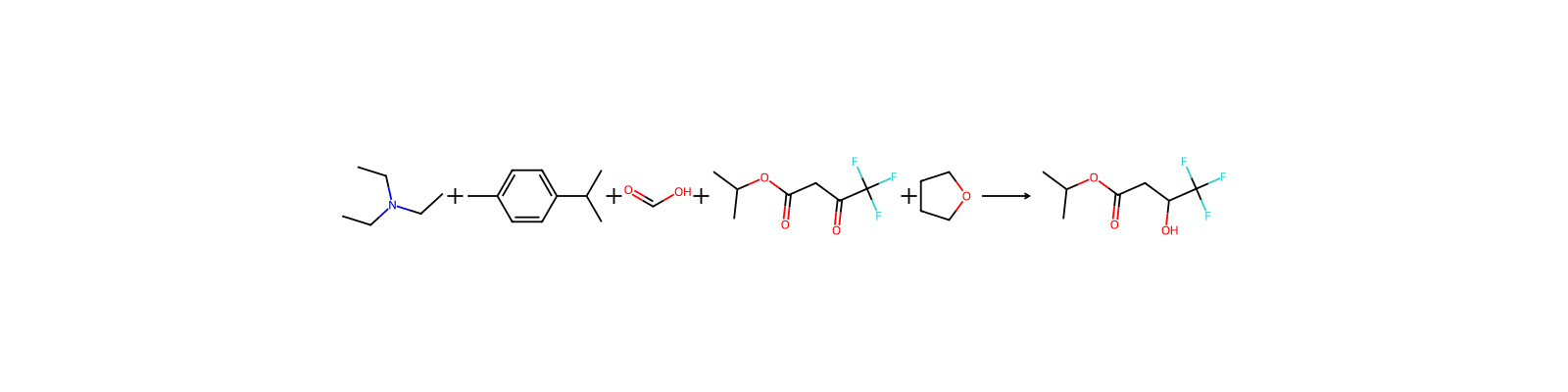

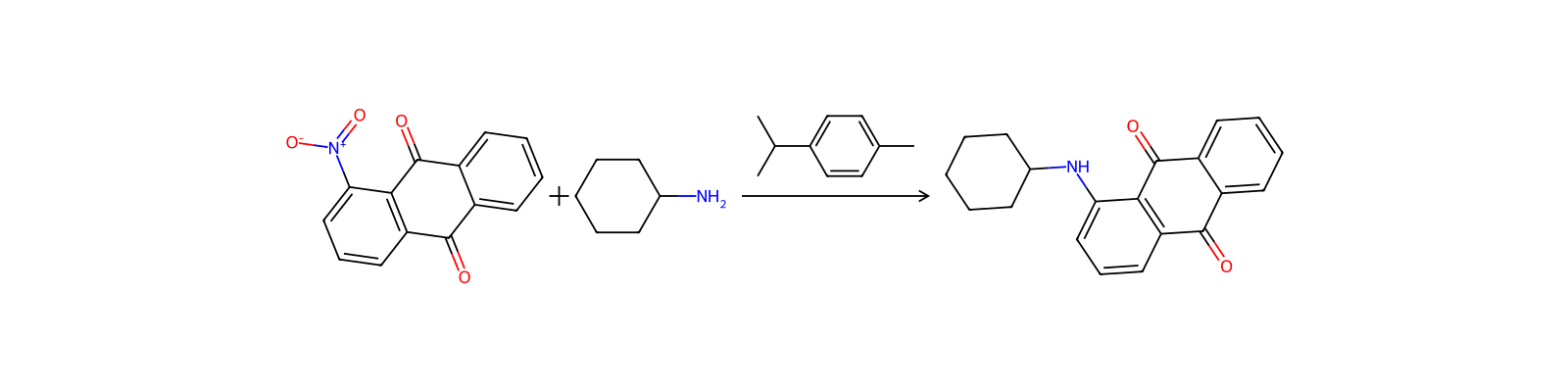
Linked notes
Loading…