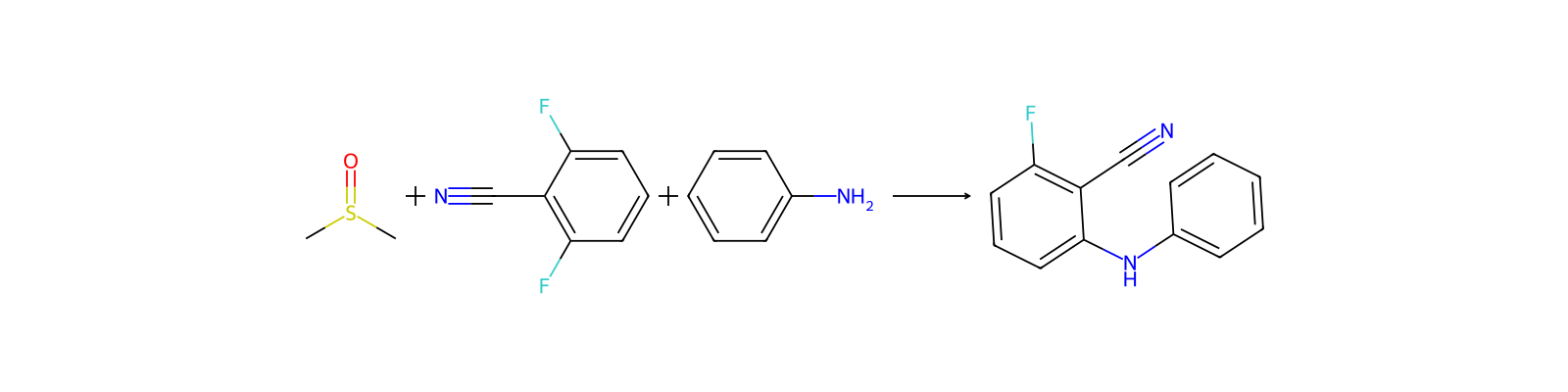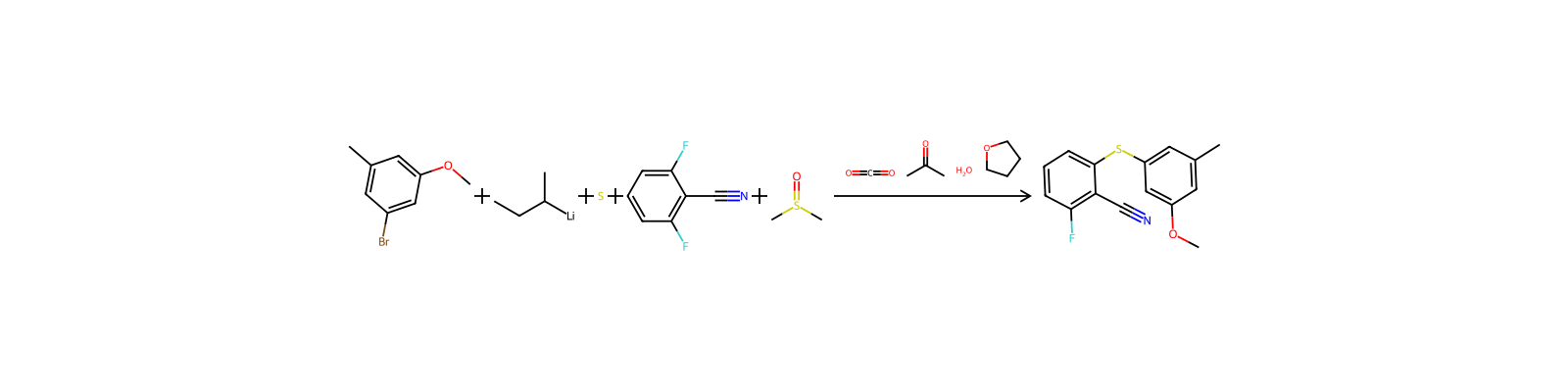
HRID 845As reactant

1897-52-5N#Cc1c(F)cccc1FBNBRIFIJRKJGEI-UHFFFAOYSA-Nstructure given in first source
1897-52-5DTXSID5044609CHEMBL3185302Safety information is for reference only and does not replace the supplier’s Safety Data Sheet (SDS), applicable regulations, or professional assessment.
This chemical does not meet GHS hazard criteria for 0.8% (1 of 119) of reports.
Warning
H302 (97.5%): Harmful if swallowed [Warning Acute toxicity, oral]
P261, P264, P264+P265, P270, P271, P280, P301+P317, P302+P352, P304+P340, P305+P351+P338, P317, P319, P321, P330, P332+P317, P337+P317, P362+P364, P403+P233, P405, and P501 (click each P-code to see the statement)
Aggregated GHS information provided per 119 reports by companies from 12 notifications to the ECHA C&L Inventory. Each notification may be associated with multiple companies.
Uses2,6-Difluorobenzonitrile was used in the synthesis of:poly(cyanoaryl ethers) via silyl-method2-dimethylamino-6-fluorobenzamidephenolphthalein-modified polyarylene ether nitrile copolymers
Uses2,6-Difluorobenzonitrile is a halogenated benzonitrile with fungacidal activity. 2,6-Difluorobenzonitrile is the difluoro analogue of the herbicide Dichlobenil.