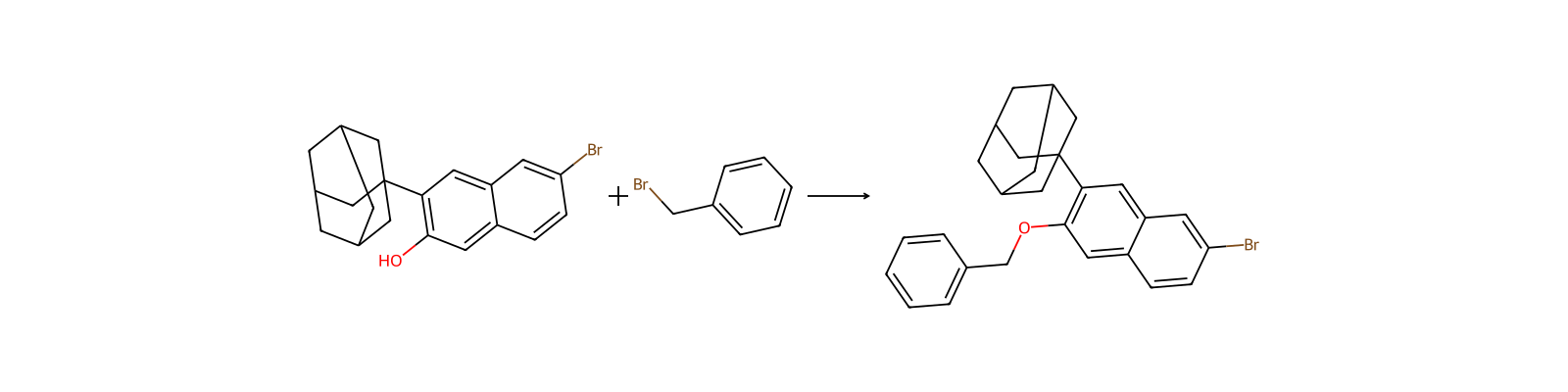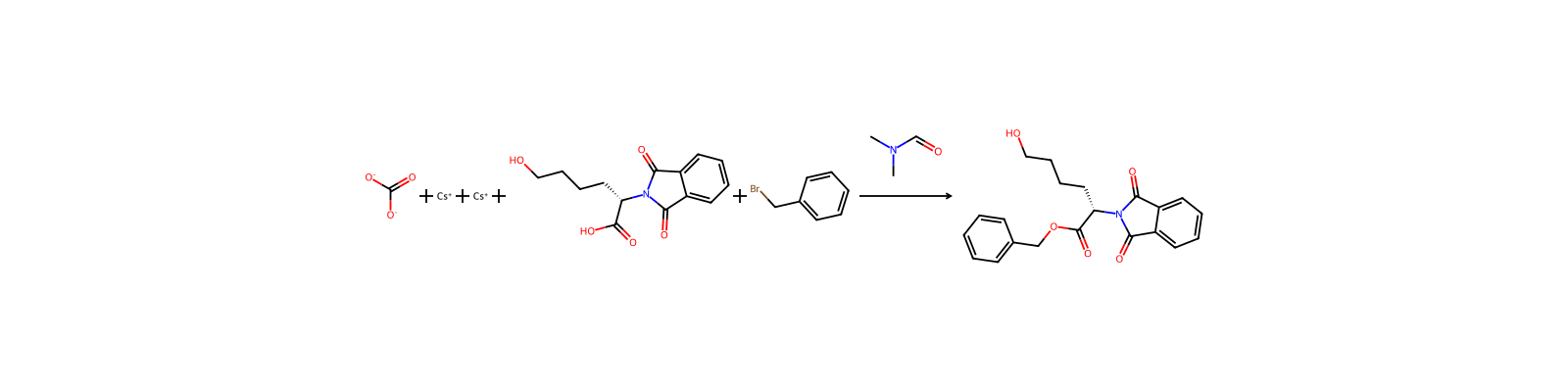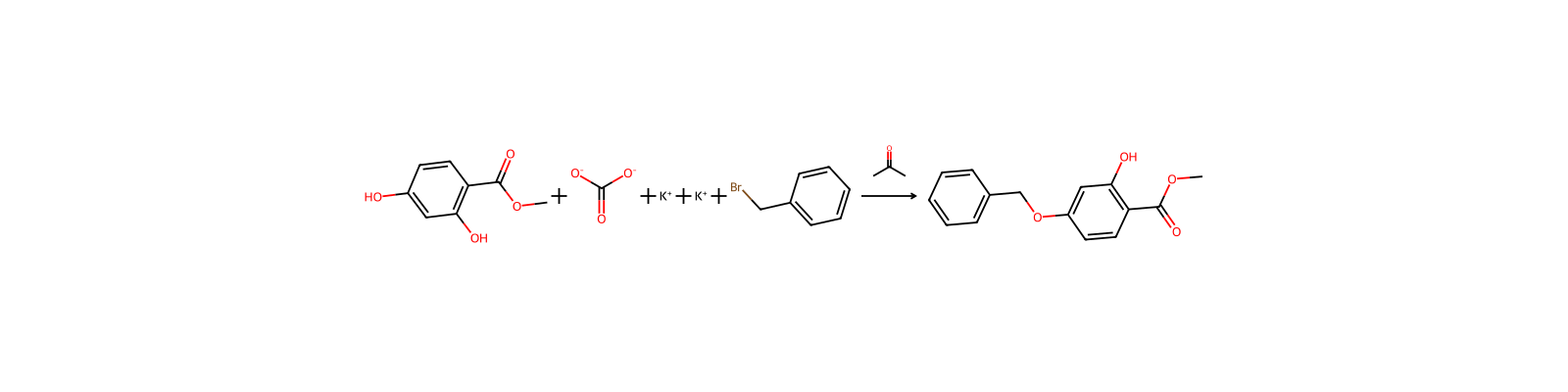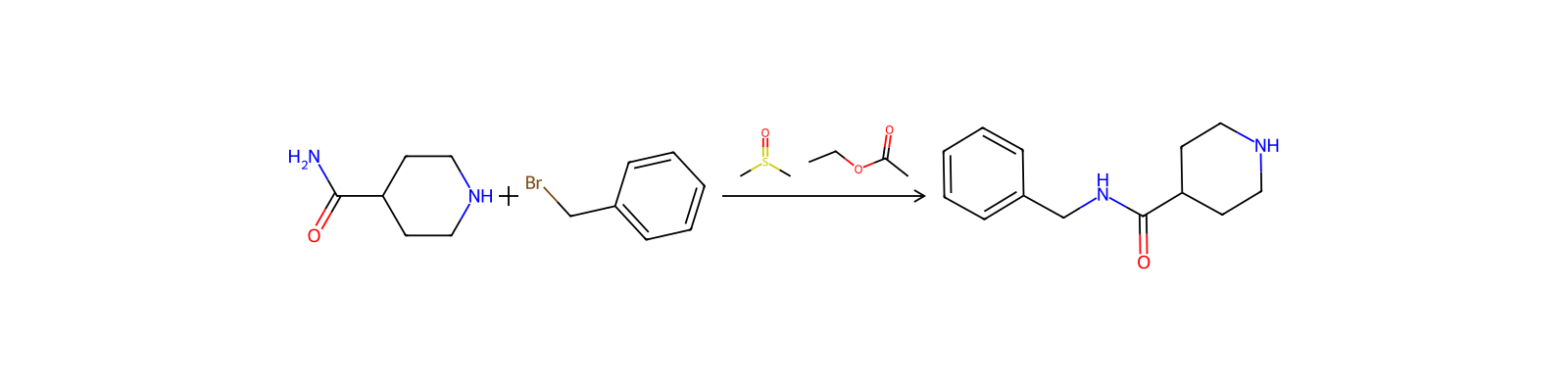
HRID 1075As reactant

100-39-0BrCc1ccccc1AGEZXYOZHKGVCM-UHFFFAOYSA-NBenzyl bromide appears as a colorless liquid with an agreeable odor. Toxic by inhalation and by skin absorption. It is slightly soluble in water and denser than water (density 1.44 g / cm3 (Aldrich)). A lachrymator. Corrosive to metals and tissue.
100-39-0、28807-97-8DTXSID8024658CHEMBL1085946CHEBI:59858Other Classes -> Halogenated Monoaromatics
Corrosives
log Kow = 2.92
2.92
2.92
1.441 at 71.6 °F (USCG, 1999) - Denser than water; will sink
1.4380 at 20 °C
Relative density (water = 1): 1.438
1.738 @25 °C
Clear, refractive liquid
Colorless to yellow liquid
Lacrimatory liquid
Reaction (NTP, 1992)
Miscible in ethanol and ether; soluble in carbon tetrachloride
Sol in benzene
Solubility in water: reaction
Corrosive to metal ... .
Corrosive
188 °F (NTP, 1992)
79 °C
86 °C (187 °F) - closed cup
79 °C (closed cup)
79 °C c.c.
388 to 390 °F at 760 mmHg (NTP, 1992)
191 °C
198-199 °C
201 °C @760 [mm Hg]
The substance decomposes slowly on contact with water producing hydrogen bromide.
When strongly heated, they emit highly toxic fumes of /hydrogen bromide/. /bromides/
On combustion, forms toxic fumes including hydrogen bromide.
27 to 30 °F (NTP, 1992)
-1.5 °C
-4.0 °C
Safety information is for reference only and does not replace the supplier’s Safety Data Sheet (SDS), applicable regulations, or professional assessment.
Warning
H315: Causes skin irritation [Warning Skin corrosion/irritation]
P261, P264, P264+P265, P271, P280, P302+P352, P304+P340, P305+P351+P338, P319, P321, P332+P317, P337+P317, P362+P364, P403+P233, P405, and P501 (click each P-code to see the statement)
Warning
H315 (99.2%): Causes skin irritation [Warning Skin corrosion/irritation]
P261, P264, P264+P265, P271, P280, P302+P352, P304+P340, P305+P351+P338, P319, P321, P332+P317, P337+P317, P362+P364, P403+P233, P405, and P501 (click each P-code to see the statement)
Chemical: Benzene, (bromomethyl)-
REACH registered substance: α-bromotoluene (EC: 202-847-3)
Benzyl bromide: Does not have an individual approval but may be used under an appropriate group standard
The New Jersey Worker and Community Right to Know Act requires public and private employers to provide information about hazardous substances at their workplaces. (N.J.S.A. 34:5A-1 et. seq.)
Special Hazards of Combustion Products: Irritating hydrogen bromide gas may be formed.
· Combustible material: may burn but does not ignite readily.
Combustible. Gives off irritating or toxic fumes (or gases) in a fire. Above 79 °C explosive vapour/air mixtures may be formed.
Inhalation causes irritation of nose and throat; severe exposure may cause pulmonary edema. Vapors cause severe eye irritation; liquid can burn eyes. Skin contact causes irritation. Ingestion causes irritation of mouth and stomach. (USCG, 1999)
· TOXIC and/or CORROSIVE; inhalation, ingestion or contact (skin, eyes) with vapors, dusts or substance may cause severe injury, burns or death.
A severe skin, eye, and respiratory tract irritant; Skin contact can cause redness and pain; A lachrymator; [ICSC] May cause pulmonary edema; [HSDB] Causes lacrimation; High concentrations can cause CNS depression; [Merck Index] Causes skin and eye burns; May be harmful if ingested, absorbed through skin, or inhaled; [MSDSonline]
The major hazards encountered in the use and handling of benzyl bromide stem from both its toxicologic and physical/chemical properties. Toxic by all routes (ie, oral, dermal, inhalation), exposure to benzyl bromide may occur environmentally from inhaling air contaminated by exhaust from automobiles using leaded gasoline, or occupationally from its use in research. This colorless to slightly yellow liquid is an intense irritant to skin, eyes, and mucous membranes; and, in large doses, can cause CNS depression. Local exhaust ventilation should be applied wherever there is an incidence of point source emissions or dispersion of the pungent smelling, benzyl bromide. If contact is anticipated (eg, if handling broken benzyl bromide containers), wear a self-contained breathing apparatus, goggles, rubber gloves, and full protective clothing. Any material which contacts the body must be washed away with copious amounts of water. Benzyl bromide does not ignite readily, and burns only with great difficulty. However, when strongly heated, it emits highly toxic fumes and gases. Fire fighters should wear a positive-pressure breathing apparatus and protective clothing, and extinguish benzyl bromide fires with alcohol foam, CO2, or dry chemical agents. Water also may be used particularly in flooding quantities as a spray or fog (solid streams may be ineffective), to reduce vapor and to cool containers. However, care must be taken because benzyl bromide may react with water to form hydrogen bromide gas. Because runoff from fire control water may be toxic or corrosive, it should be diked or otherwise contained. Store benzyl bromide in cool, well-ventilated areas, out of the sun, and away from potential fire hazard and combustibles (wood, paper, oil, etc). It is also important that the location be dry, because benzyl bromide will react slowly with water to generate hydrogen bromide. Packaging materials are limited by the fact benzyl bromide is corrosive to metal (it decomposes rapidly in the presence of all common metals except nickel and lead; liberating heat and hydrogen bromide). Containers of benzyl bromide may be shipped by air, rail, road, or water, and should be affixed with labels stating, "Poison and Corrosive". Regulatory requirements of the DOT should be consulted before transport. For all benzyl bromide spills, water spray may be needed to knock down vapor. Small spills of benzyl bromide should be taken up with sand or other noncombustible absorbent and placed in containers for later disposal. Large land spills should be deposited in excavated pits, ponds, or other holding areas (fitted with impermeable flexible membrane liners, if possible) for later disposal. Any surface flow should be diked with soil or sand bags, and a "universal" gelling agent applied to immobilize the spill. For water spills, trap the substance at the bottom with sand bag barriers and remove with suction hoses, or apply activated carbon and remove immobilized masses of pollutants and precipitates with mechanical dredges of lifts. Prior to implementing land disposal of waste residue (including waste sludge), consult with environmental regulatory agencies for guidance.
Excerpt from ERG Guide 156 [Substances - Toxic and/or Corrosive (Combustible / Water-Sensitive)]:
Use water spray, powder, foam, carbon dioxide. In case of fire: keep drums, etc., cool by spraying with water.
Fresh air, rest. Refer for medical attention.
Remove contaminated clothes. Rinse and then wash skin with water and soap.
First rinse with plenty of water for several minutes (remove contact lenses if easily possible), then refer for medical attention.
Rinse mouth. Do NOT induce vomiting. Give one or two glasses of water to drink. Refer for medical attention .
· CALL 911. Then call emergency response telephone number on shipping paper. If shipping paper not available or no answer, refer to appropriate telephone number listed on the inside back cover.
· ELIMINATE all ignition sources (no smoking, flares, sparks or flames) from immediate area.
EYES: First check the victim for contact lenses and remove if present. Flush victim's eyes with water or normal saline solution for 20 to 30 minutes while simultaneously calling a hospital or poison control center. Do not put any ointments, oils, or medication in the victim's eyes without specific instructions from a physician. IMMEDIATELY transport the victim after flushing eyes to a hospital even if no symptoms (such as redness or irritation) develop.
General First Aid:
Water spray, dry chemical, foam or carbon dioxide is effective. Water is effective not only for dispersing of leaked chemicals prior to its ignition, but also for cooling fire-exposed containers.
If material on fire or involved in fire: Extinguish fire using agent suitable for type of surrounding fire. (Material itself does not burn or burns with difficulty.) Use water in flooding quantities as fog. Cool all affected containers with flooding quantities of water. Apply water from as far a distance as possible. Solid streams of water may be ineffective. Use "alcohol" foam, dry chemical or carbon dioxide.
Powder, water spray, foam, carbon dioxide.
In case of fire: keep drums, etc., cool by spraying with water.
For more Fire Fighting Procedures (Complete) data for BENZYL BROMIDE (9 total), please visit the HSDB record page.
In general, materials which are toxic as stored or which can decomposition into toxic components due to heat, moisture, acids, or acid fumes, should be stored in cool, well ventilated place, out of sun, away from area of high fire hazard and should be periodically inspected and monitored. Incompatible materials should be isolated.
... Store in dry, cool place preferably in segregated store.
Separated from strong oxidants, strong bases, food and feedstuffs. Dry. Well closed.
Keep container tightly closed in a dry and well-ventilated place. Containers which are opened must be carefully resealed and kept upright to prevent leakage. Light sensitive. Moisture sensitive.
Evacuate and restrict persons not wearing protective equipment from area of spill or leak until cleanup is complete. Remove all ignition sources. Ventilate area of spill or leak. ... If material or contaminated runoff enters waterways, notify downstream users of potentially contaminated waters.
Collect leaking and spilled liquid in sealable containers as far as possible. Absorb remaining liquid in sand or inert absorbent and remove to safe place. Chemical protection suit including self-contained breathing apparatus.
Prevent further leakage or spillage if safe to do so. Do not let product enter drains.
Contain spillage, and then collect with an electrically protected vacuum cleaner or by wet-brushing and place in container for disposal according to local regulations (see section 13). Keep in suitable, closed containers for disposal.
Use personal protective equipment. Avoid breathing vapors, mist or gas. Ensure adequate ventilation. Remove all sources of ignition. Evacuate personnel to safe areas. Beware of vapors accumulating to form explosive concentrations. Vapors can accumulate in low areas.
SRP: The most favorable course of action is to use an alternative chemical product with less inherent propensity for occupational harm/injury/toxicity or environmental contamination. Recycle any unused portion of the material for its approved use or return it to the manufacturer or supplier. Ultimate disposal of the chemical must consider: the material's impact on air quality; potential migration in soil or water; effects on animal and plant life; and conformance with environmental and public health regulations.
SRP: Wastewater from contaminant suppression, cleaning of protective clothing/equipment, or contaminated sites should be contained and evaluated for subject chemical or decomposition product concentrations. Concentrations shall be lower than applicable environmental discharge or disposal criteria. Alternatively, pretreatment and/or discharge to a permitted wastewater treatment facility is acceptable only after review by the governing authority and assurance that "pass through" violations will not occur. Due consideration shall be given to remediation worker exposure (inhalation, dermal and ingestion) as well as fate during treatment, transfer and disposal. If it is not practicable to manage the chemical in this fashion, it must be evaluated in accordance with EPA 40 CFR Part 261, specifically Subpart B, in order to determine the appropriate local, state and federal requirements for disposal.
Spillage Disposal: Wear eye protection, laboratory coat and nitrile rubber gloves. Depending on the size of the spill, breathing apparatus may be required. Cover the spill with a 1:1:1 mixture by weight of sodium carbonate or calcium carbonate. Clay cat litter (bentonite) and sand. When the benzyl bromide has been absorbed, scoop the mixture into a plastic container and package for disposal by burning /in incinerator equipped with air pollution control equipment/. Wash site of spillage with soap and water.
Waste Disposal: Package Lots. Place in a separate, labeled container for recycling or disposal by burning. Dissolve the compound in a flammable solvent and burn in a furnace /incinerator/ equipped with an afterburner and scrubber.
For more Disposal Methods (Complete) data for BENZYL BROMIDE (8 total), please visit the HSDB record page.
Collect leaking and spilled liquid in sealable containers as far as possible. Absorb remaining liquid in sand or inert absorbent. Then store and dispose of according to local regulations. Personal protection: chemical protection suit including self-contained breathing apparatus.
EYES: irrigate opened eyes for several minutes under running water. INGESTION: do not induce vomiting. Rinse mouth with water (never give anything by mouth to an unconscious person). Seek immediate medical advice. SKIN: should be treated immediately by rinsing the affected parts in cold running water for at least 15 minutes, followed by thorough washing with soap and water. If necessary, the person should shower and change contaminated clothing and shoes, and then must seek medical attention. INHALATION: supply fresh air. If required provide artificial respiration.
Bromine vapour causes irritation and direct damage to the mucous membranes. Elemental bromine also burns the skin. The bromide ion is a central nervous system depressant and chronic exposure produces neuronal effects. This is called bromism and can result in central reactions reaching from somnolence to coma, cachexia, exicosis, loss of reflexes or pathologic reflexes, clonic seizures, tremor, ataxia, loss of neural sensitivity, paresis, papillar edema of the eyes, abnormal speech, cerebral edema, delirium, aggressiveness, and psychoses. (L625, L626, L627)
TERRESTRIAL FATE: Based on a classification scheme(1), an estimated Koc value of 340(SRC), determined from a log Kow of 2.92(2) and a regression-derived equation(3), indicates that benzyl bromide is expected to have moderate mobility in soil(SRC). Volatilization of benzyl bromide from moist soil surfaces is expected to be an important fate process(SRC) given an estimated Henry's Law constant of 6.9X10⁻⁴ atm-cu m/mole(SRC), using a fragment constant estimation method(4). However, due to a calculated half-life of 79 minutes for benzyl bromide(5), adsorption, volatilization, bioconcentration, and biodegradation are not expected to be important environmental fate processes in moist soil(SRC). Benzyl bromide is expected to volatilize from dry soil surfaces(SRC) based upon a vapor pressure of 0.45 mm Hg at 25 °C(6). Biodegradation data in soil were not available(SRC, 2014).
AQUATIC FATE: Based on a classification scheme(1), an estimated Koc value of 340(SRC), determined from a log Kow of 2.92(2) and a regression-derived equation(3), indicates that benzyl bromide is expected to adsorb to suspended solids and sediment(SRC). Volatilization from water surfaces is expected(4) based upon an estimated Henry's Law constant of 6.9X10⁻⁴ atm-cu m/mole(SRC), developed using a fragment constant estimation method(5). Using this Henry's Law constant and an estimation method(4), volatilization half-lives for a model river and model lake are 5 hrs and 6 days, respectively(SRC). According to a classification scheme(67), an estimated BCF of 39(SRC), from its log Kow(2) and a regression-derived equation(3), suggests the potential for bioconcentration in aquatic organisms is moderate(SRC). However, due to a calculated half-life of 79 minutes for benzyl bromide(7), adsorption, volatilization, bioconcentration, and biodegradation are not expected to be important environmental fate processes in water(SRC). Biodegradation data in water were not available(SRC, 2014).
ATMOSPHERIC FATE: According to a model of gas/particle partitioning of semivolatile organic compounds in the atmosphere(1), benzyl bromide, which has a vapor pressure of 0.45 mm Hg at 25 °C(2), is expected to exist solely as a vapor in the ambient atmosphere. Vapor-phase benzyl bromide is degraded in the atmosphere by reaction with photochemically-produced hydroxyl radicals(SRC); the half-life for this reaction in air is estimated to be 7 days(SRC), calculated from its rate constant of 2.3X10⁻¹² cu cm/molecule-sec at 25 °C(SRC) that was derived using a structure estimation method(3). Benzyl bromide in methanol at low concentration (59.4 mg/L) does not absorb light at wavelengths >290 nm but does at high concentration (297 mg/L)(4); therefore, benzyl bromide is not expected to be susceptible to direct photolysis by sunlight(SRC).
The substance can be absorbed into the body by inhalation and by ingestion.
Oral (L626) ; inhalation (L626) ; dermal (L626)
IDENTIFICATION AND USE: Benzyl bromide is a colorless to yellow lacrimatory liquid with a very sharp pungent tear gas odor. It is miscible in ethanol and ether, and soluble in carbon tetrachloride, benzene, and water. It is used as a chemical intermediate for foaming and frothing agents and other organic chemicals. HUMAN EXPOSURE AND TOXICITY: Liquid benzyl bromide can burn the eyes; skin contact causes irritation. Inhalation causes irritation of nose and throat; severe exposure may cause pulmonary edema. It is intensely corrosive to skin, eyes, and mucous membranes. Occupational exposure to this chemical may occur through inhalation, and dermal contact with this compound at workplaces where it is produced or used. Monitoring data indicated that the general population may have been exposed to benzyl bromide by inhalation of automobile exhaust from vehicles using leaded gasoline. ANIMAL STUDIES: Benzyl bromide was inactive as a carcinogen at doses in rats. Benzyl bromide was negative for mutagenic results in Salmonella typhimurium strains TA 98 and TA 100 . This chemical was used to study chemical reactivity with 4-(p-nitrobenzyl)pyridine, and guanosine in vitro, in relation to mutagenic potency in Salmonella typhimurium and sister chromatid exchange induction in Chinese hamster cells. Benzyl bromide was found to be reactive, causing base-pair mutations in Salmonella typhimurium and also inducing sister chromatid exchange in Chinese hamster cells.
Bromine is a powerful oxidizing agent and is able to release oxygen free radicals from the water in mucous membranes. These free radicals are also potent oxidizers and produce tissue damage. In additon, the formation of hydrobromic and bromic acids will result in secondary irritation. The bromide ion is also known to affect the central nervous system, causing bromism. This is believed to be a result of bromide ions substituting for chloride ions in the in actions of neurotransmitters and transport systems, thus affecting numerous synaptic processes. (L626, L627, A543)
Cough. Sore throat.
Redness. Pain.
Redness. Pain. Watering of the eyes.
Burning sensation. Abdominal pain. Diarrhoea. Nausea. Vomiting.
Bromine vapour causes irritation and direct damage to the mucous membranes. Symptoms include lacrimation, rhinorrhoea, eye irritation with mucous secretions from the oropharyngeal and upper airways, coughing, dyspnoea, choking, wheezing, epistaxis, and headache. The bromide ion is a central nervous system depressant producing ataxia, slurred speech, tremor, nausea, vomiting, lethargy, dizziness, visual disturbances, unsteadiness, headaches, impaired memory and concentration, disorientation and hallucinations. This is called bromism. (L626, L627)
The following link will take the user to the National Toxicology Program (NTP) Test Agent Search Results page, which tabulates all of the "Standard Toxicology & Carcinogenesis Studies", "Developmental Studies", and "Genetic Toxicity Studies" performed with this chemical. Clicking on the "Testing Status" link will take the user to the status (i.e., in review, in progress, in preparation, on test, completed, etc.) and results of all the studies that the NTP has done on this chemical.[Available from, as of February 18, 2014: http://ntp-apps.niehs.nih.gov/ntp_tox/index.cfm?fuseaction=ntpsearch.searchresults&searchterm=100-39-0]
The Koc of benzyl bromide is estimated as 340(SRC), using a log Kow of 2.92(1) and a regression-derived equation(2). According to a classification scheme(3), this estimated Koc value suggests that benzyl bromide is expected to have moderate mobility in soil. However, adsorption on moist soil is expected to be attenuated by hydrolysis(SRC), with a calucalted chemical hydrolysis half-life of 79 minutes(4).
/SIGNS AND SYMPTOMS/ ... Liquid can burn eyes; skin contact causes irritation.
/SIGNS AND SYMPTOMS/ Inhalation causes irritation of nose and throat; severe exposure may cause pulmonary edema.
/SIGNS AND SYMPTOMS/ Redness, pain, Cough, sore throat, lacrimation, burning sensation, abdominal pain, diarrhea, nausea, vomiting.
/SIGNS AND SYMPTOMS/ Skin contact can cause severe, irritation, redness, swelling and sores. High level can cause dizziness because it attacks the nervous system.
Benzyl bromide's production and use in the manufacture of foaming and frothing agents, and in organic synthesis(1) may result in its release to the environment through various waste streams(SRC). Its former use in leaded gasoline(2) resulted in its direct release to the environment(SRC).
Bromine is mainly absorbed via inhalation, but may also enter the body through dermal contact. Bromine salts can be ingested. Due to its reactivity, bromine quickly forms bromide and may be deposited in the tissues, displacing other halogens. (L626)
Used to make foaming agents and other organic chemicals; [Hawley]
Making foaming and frothing agents, organic synthesis
It is used in organic synthesis for the introduction of the benzyl protecting group for alcohols and carboxylic acids. Because of these properties, it has been used as a war gas. Diatomic bromine does not occur naturally, but bromine salts can be found in crustal rock.
(1972) GREATER THAN 9.08X10+5 GRAMS
(1975) GREATER THAN 9.08X10+5 GRAMS
Production volumes for non-confidential chemicals reported under the Inventory Update Rule.[Table#1124]
Bromination of toluene; interaction of benzyl alcohol and hydrobromic acid.
... By action of bromine on toluene in UV light.
... By action of bromine on dibenzyl ether.
Grade: commercial
Grades: Purified grades.
Grade: 98% purity
Benzene, (bromomethyl)-: ACTIVE
Benzene, bromomethyl-: INACTIVE
Benzyl bromide originates in automobile exhaust from ethylene dibromide (a lead scavenger) in leaded gasoline, presumably via radical halogenation during or after combustion of fuel in the engine.
DescriptionBenzyl bromide is a combustible, colorless toyellow liquid with a pleasant odor. Molecularweight=171.05;Specific gravity (H2O:1) =1.438; Boilingpoint= 198℃; Freezing/Melting point =-4.0℃;Flashpoint =79℃ (cc). Hazard Identification (based on NFPA-704 M Rating System): Health 3, Flammability 2,Reactivity 1. Insoluble in water (slowly decomposes).
UsesMaking foaming and frothing agents, organic synthesis.
UsesBenzyl bromide is widely useful in organic synthesis as a benzyl protecting group for alcohols and carboxylic acids. It is used in the preparation of foaming and frothing agents, quaternary ammonium compounds, peniclins, photographic chemicals, synthetic resins, dyes and plasticizers and esters. It is also involved in the synthesis of (E)-(2-Iodovinyl)benzene by reacting it with diiodomethane.
General DescriptionBenzyl bromide appears as a colorless liquid with an agreeable odor. Toxic by inhalation and by skin absorption. It is slightly soluble in water and denser than water (density 1.44 g / cm3 (Aldrich)). A lachrymator. Corrosive to metals and tissue.
PreparationBenzyl bromide is synthesized by toluene bromination. Toluene heated to 50°C, add bromine reaction, the reaction temperature of 75-80°C, reaction 6h, fractional distillation at atmospheric pressure to remove the fraction before 140°C, and then distillation under reduced pressure, collect 112-114°C(2.0kPa) fraction, to get benzyl bromide.
DefinitionChEBI: Benzyl bromide is a member of the class of benzyl bromides that is toluene substituted on the alpha-carbon with bromine. It has a role as a lachrymator.