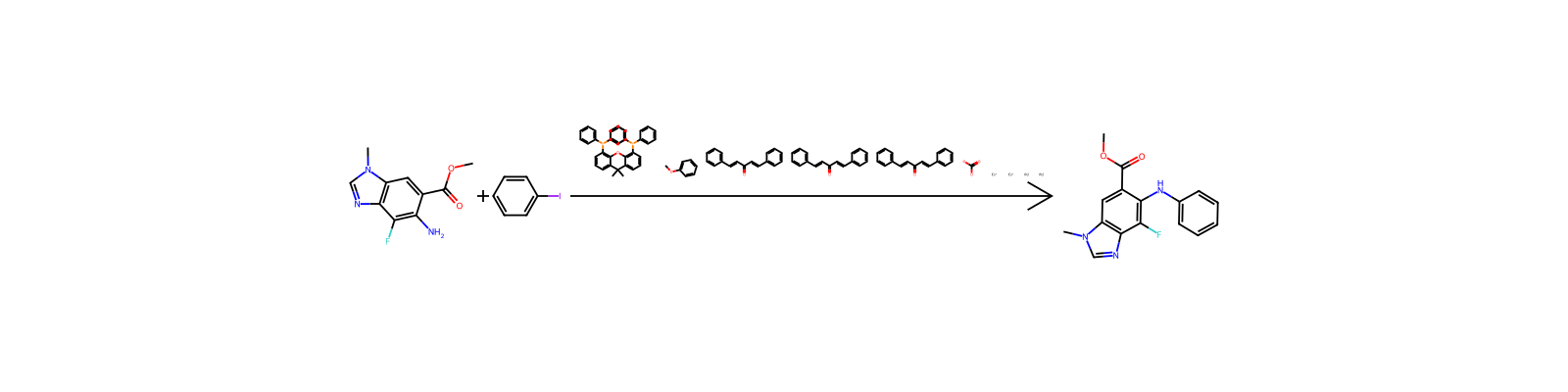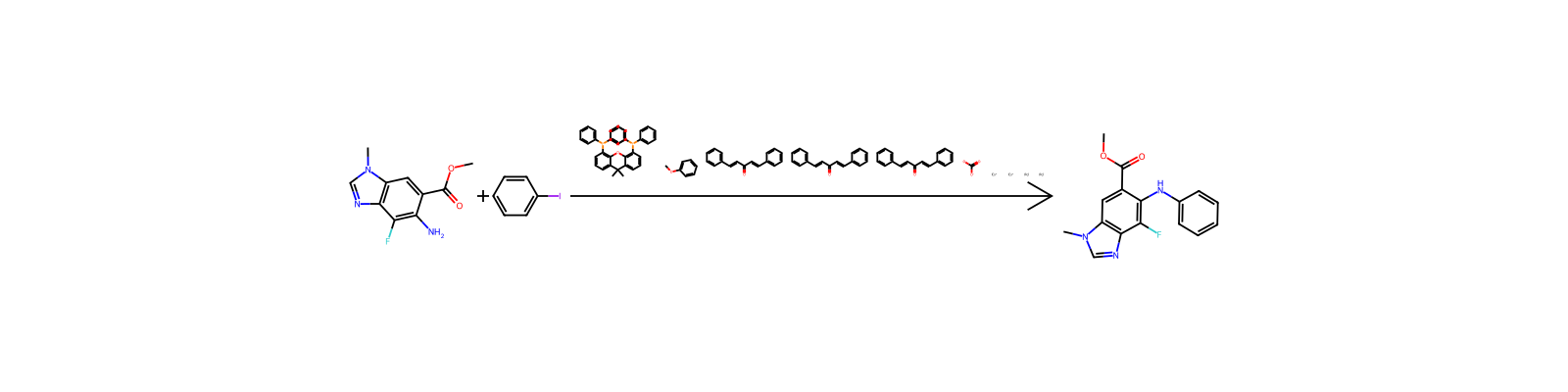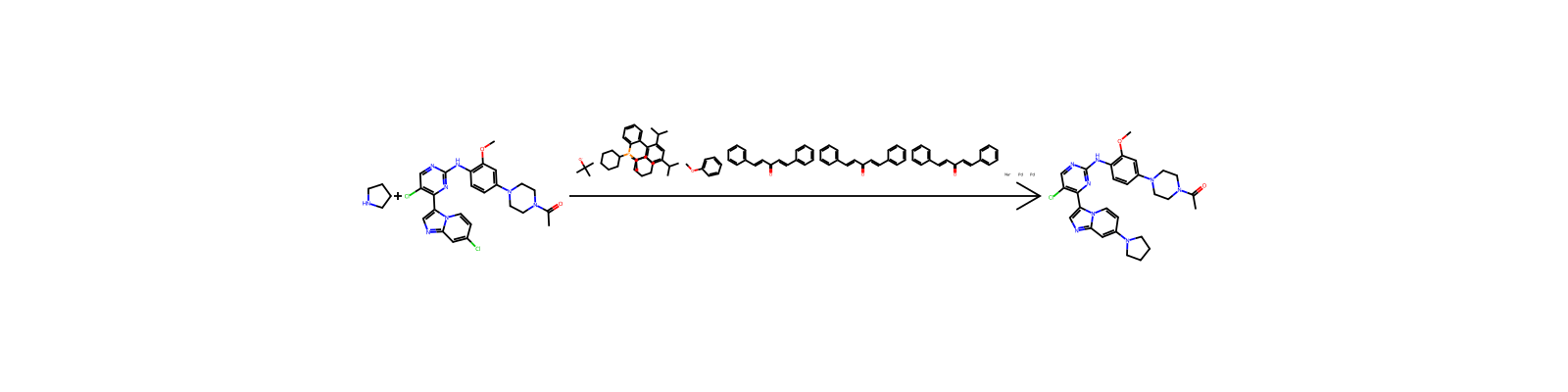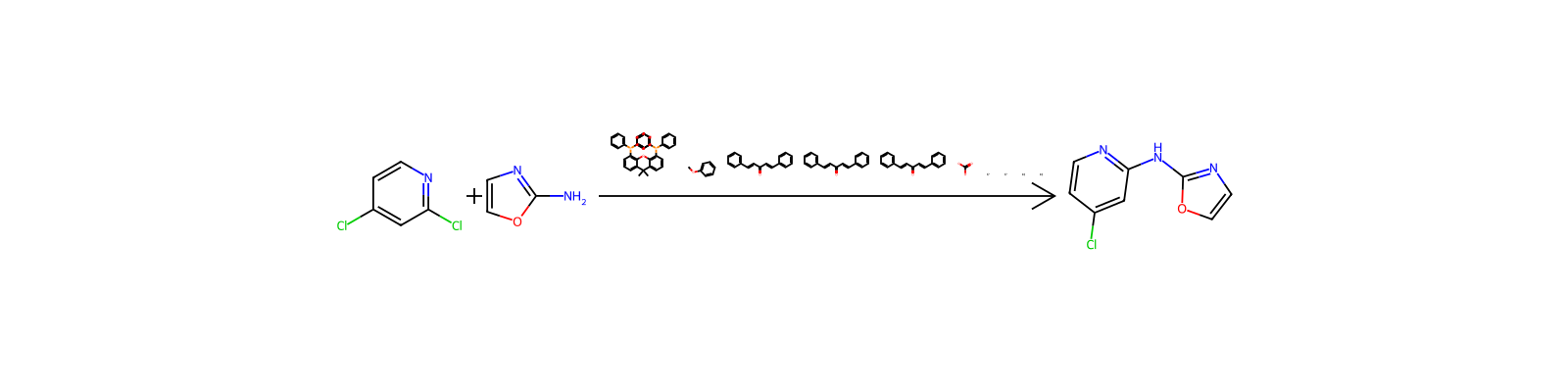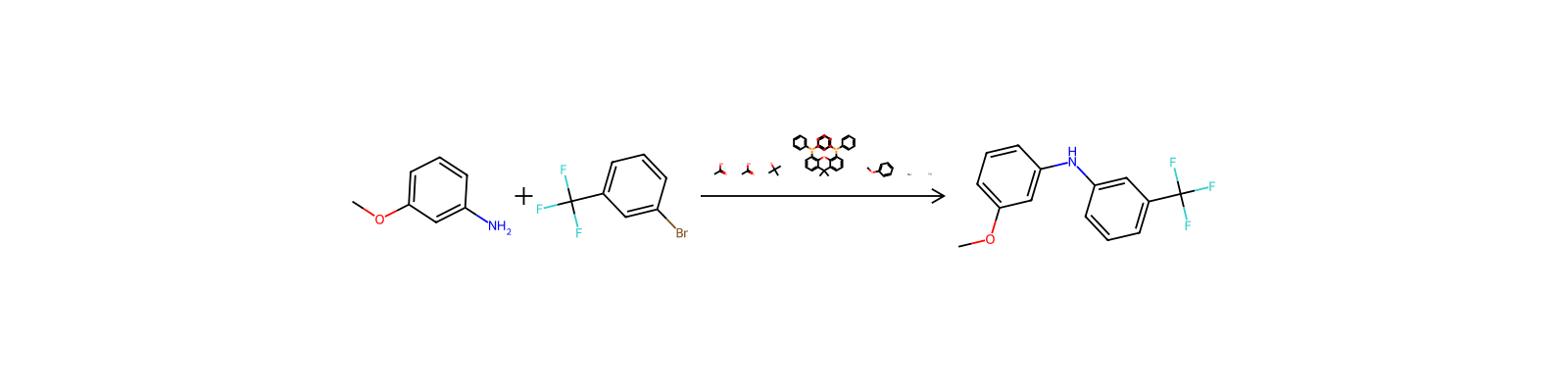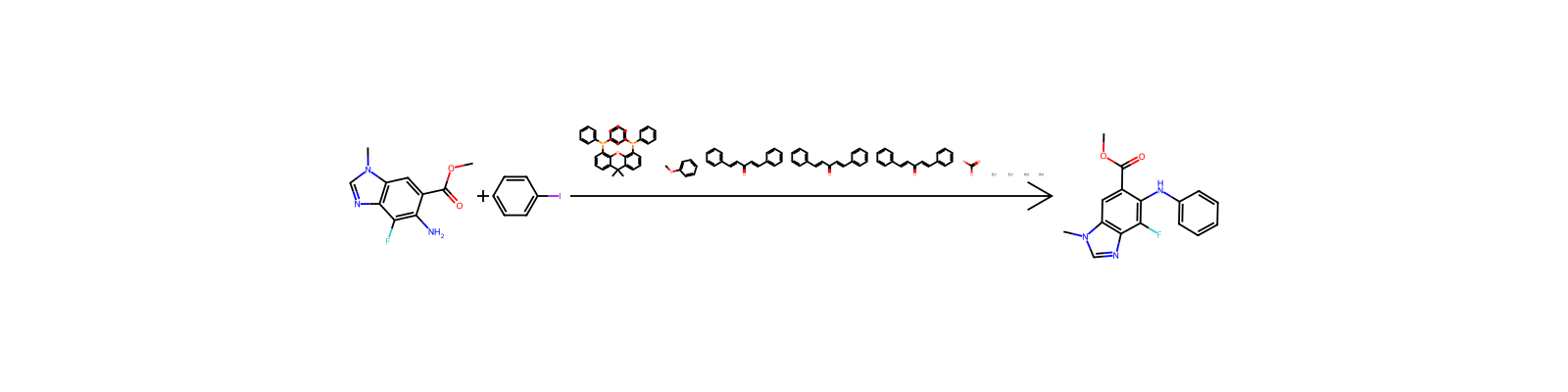
HRID 2As solvent
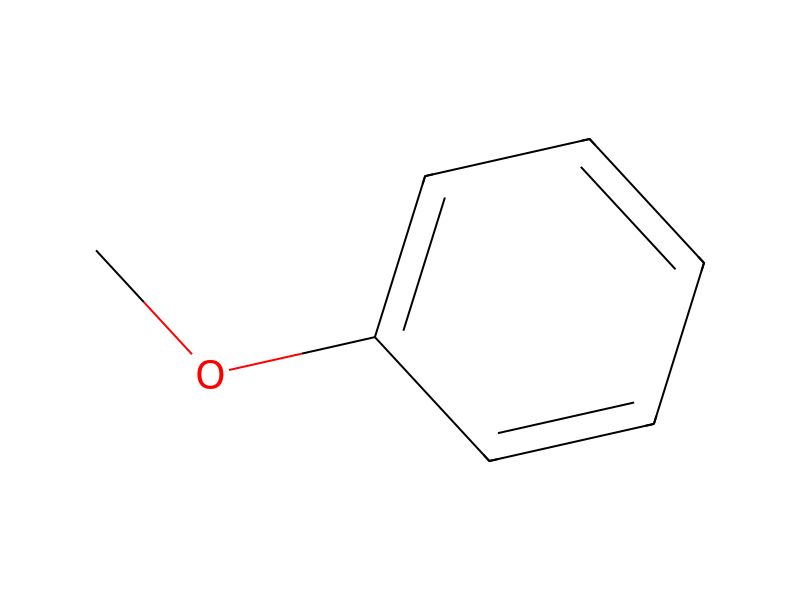
100-66-3COc1ccccc1RDOXTESZEPMUJZ-UHFFFAOYSA-NAnisole appears as a clear straw-colored liquid with an aromatic odor. Insoluble in water and the same density as water. Vapors heavier than air. Moderately toxic by ingestion. A skin irritant. Used to make perfumes, flavorings and as a solvent.
100-66-3DTXSID4041608CHEMBL278024CHEBI:16579Other Classes -> Ethers, Other
Flammable agents - 2nd degree
Log Kow = 2.11
2.11
2.11
2.15
SWEET ANISE-LIKE ODOR
Agreeable aromatic odor
Spicy-sweet
0.9956 AT 18 °C/4 °C
PER CENT IN SATURATED AIR: 0.41; DENSITY OF SATURATED AIR: 1.1 (AIR= 1)
Relative density (water = 1): 0.99
0.990-0.993
1.515 @25 °C
Safety information is for reference only and does not replace the supplier’s Safety Data Sheet (SDS), applicable regulations, or professional assessment.
This chemical does not meet GHS hazard criteria for < 0.1% (1 of 2013) of reports.
Warning
H226 (> 99.9%): Flammable liquid and vapor [Warning Flammable liquids]
P210, P233, P240, P241, P242, P243, P261, P264, P264+P265, P271, P280, P302+P352, P303+P361+P353, P304+P340, P305+P351+P338, P319, P321, P332+P317, P337+P317, P362+P364, P370+P378, P403+P233, P403+P235, P405, and P501 (click each P-code to see the statement)
Aggregated GHS information provided per 2013 reports by companies from 29 notifications to the ECHA C&L Inventory. Each notification may be associated with multiple companies.
Warning
Chemical: Benzene, methoxy-
Commission Regulation (EC) No 1565/2000 (Repealed by Com. Implementing Reg. (EU) No 872/2012)
Benzene, methoxy- is listed on the EPA's Chemical Data Reporting (CDR) system. Manufacturers and importers of Benzene, methoxy- are required to report information about their production and use of this chemical to the EPA under the Toxic Substances Control Act (TSCA). (40 eCFR Part 711)
REACH registered substance: Anisole (EC: 202-876-1)
Benzene, methoxy-: HSNO Approval: HSR001037 Approved with controls
The New Jersey Worker and Community Right to Know Act requires public and private employers to provide information about hazardous substances at their workplaces. (N.J.S.A. 34:5A-1 et. seq.)
Excerpt from ERG Guide 128 [Flammable Liquids (Water-Immiscible)]:
· HIGHLY FLAMMABLE: Will be easily ignited by heat, sparks or flames.
Flammable. Above 52 °C explosive vapour/air mixtures may be formed.
ANISOLE YIELDS GUAIACOL, P-METHOXYPHENOL, AND PHENOL IN RABBITS. /FROM TABLE/
SEVERAL STRAINS OF ASPERGILLUS NIGER HYDROXYLATED ANISOLE TO GIVE O-HYDROXYANISOLE AS THE MAIN PRODUCT.
... THE MAJOR METABOLITE OF ANISOLE ... /IS/ P-HYDROXYPHENYL METHYL ETHER, WHICH WAS EXCRETED UNCONJUGATED (2%) AND CONJUGATED WITH GLUCURONIC ACID (48%) AND SULFURIC ACID (29%).
... ADMINISTERING ANISOLE TO THE DOG CAUSED AN INCREASE IN THE EXCRETION OF ETHEREAL SULFATE.
For more Metabolism/Metabolites (Complete) data for ANISOLE (7 total), please visit the HSDB record page.
IN SITU PERFUSION IN RAT USED TO STUDY GASTROINTESTINAL ABSORPTION OF 4 FOOD ADDITIVES DERIVED FROM METHOXYBENZENE INCL ANISOLE. CMPD LARGELY WERE ABSORBED FROM DIGESTIVE TRACT BY PASSIVE DIFFUSION. ABSORPTION KINETICS VARY & ARE EXPLAINED BY DIFFERENCES IN LIPOSOLUBILITY.
Used as a vermicide, flavoring agent, solvent, and heat transfer medium; Used in the production of fragrances, pharmaceuticals, and other organic compounds; [HSDB]
IN PERFUMERY; IN ORGANIC SYNTHESES
VERMICIDE; FLAVORING
Important intermediate in the manufacture of organic compounds, for example fragrances and pharmaceuticals. It is also used as a solvent and heat transfer medium.
2023: 50,000 - <250,000 lb
(1972) 8.85X10+7 GRAMS
(1975) PROBABLY GREATER THAN 9.1X10+5 GRAMS
MOBILE LIQUID, CLEAR STRAW COLOR
Colorless liquid
SOLUBLE IN ALCOHOL AND ETHER
VERY SOLUBLE IN ACETONE
Water solubility = 1520 mg/L
Water solubility = 10,400 mg/L
Water solubility = 143 mg/L
1.04 mg/mL at 25 °C
Excerpt from ERG Guide 128 [Flammable Liquids (Water-Immiscible)]:
CAUTION: Petroleum crude oil (UN1267) may contain TOXIC hydrogen sulphide gas.
Anisole is a food additive permitted for direct addition to food for human consumption as a synthetic flavoring substance and adjuvant in accordance with the following conditions: 1) the quantity added to food does not exceed the amount reasonably required to accomplish its intended physical, nutritive, or other technical effect in food, and 2) when intended for use in or on food it is of appropriate food grade and is prepared and handled as a food ingredient.
OPDYKE DL J; MONOGRAPHS ON FRAGRANCE RAW MATERIALS. ANISOLE; FOOD TOXICOL 17(3) 243 (1979). A REVIEW WITH 37 REF ON ANISOLE INCLUDING TOXICITY, IRRITATION, SENSITIZATION, METAB, PHARMACOLOGY, TUMOR PROMOTING ACTIVITY, & CYTOTOXICITY.
Schultz TW et al; J Appl Toxicol 13 (6): 429-34 (1993). Predicted toxicities of aryl alkanols and related compounds /including anisole to Tetrahymena pyriformis in a population growth impairment assay/.
Ethers, such as ANISOLE can act as bases. They form salts with strong acids and addition complexes with Lewis acids. The complex between diethyl ether and boron trifluoride is an example. Ethers may react violently with strong oxidizing agents. In other reactions, which typically involve the breaking of the carbon-oxygen bond, ethers are relatively inert.
Excerpt from ERG Guide 128 [Flammable Liquids (Water-Immiscible)]:
Use foam, powder, carbon dioxide. In case of fire: keep drums, etc., cool by spraying with water.
Fresh air, rest.
Remove contaminated clothes. Rinse and then wash skin with water and soap.
First rinse with plenty of water for several minutes (remove contact lenses if easily possible), then refer for medical attention.
Rinse mouth. Do NOT induce vomiting. Refer for medical attention .
· CALL 911. Then call emergency response telephone number on shipping paper. If shipping paper not available or no answer, refer to appropriate telephone number listed on the inside back cover.
· ELIMINATE all ignition sources (no smoking, flares, sparks or flames) from immediate area.
Excerpt from ERG Guide 128 [Flammable Liquids (Water-Immiscible)]:
General First Aid:
If material on fir or involved in fire: Do not extinguish fire unless flow can be stopped or safely confined. Use water in flooding quantities as fog. Solid streams of water may be ineffective. Cool all affected containers with flooding quantities of water. Apply water from as far a distance as possible. Use foam, dry chemical, or carbon dioxide. Keep run-off water out of sewers and water sources.
SRP: At the time of review, criteria for land treatment or burial (sanitary landfill) disposal practices are subject to significant revision. Prior to implementing land disposal of waste residue (including waste sludge), consult with environmental regulatory agencies for guidance on acceptable disposal practices.
If material not on fire and not involved in fire: keep sparks, flames, and other sources of ignition away. Keep material out of water sources and sewers. Build dikes to contain flow as necessary. Attempt to stop leak if without undue personnel hazard. Use water spray to knock-down vapors.
Personnel protection: Avoid breathing vapors. Keep upwind. Avoid bodily contact with the material. ... Do not handle broken packages unless wearing appropriate personal protective equipment. Wash away any material which may have contacted the body with copious amounts of water or soap and water. ... If contact with the material anticipated, wear appropriate chemical protective clothing.
Excerpt from ERG Guide 128 [Flammable Liquids (Water-Immiscible)]:
Immediate precautionary measure
TERRESTRIAL FATE: Based on a recommended classification scheme(2), the experimentally-determined Koc value for anisole of 35(1) suggests that it will be highly mobile in soil and may leach(SRC). Its estimated Henry's Law constant(3), 4.35X10⁻³ atm-cu m/mole(SRC), vapor pressure, 3.4 mm Hg at 25 °C(5), and low adsorptivity to soil indicate that volatilization may be an important fate process from both moist and dry soil surfaces(4,SRC). Anisole has been demonstrated to be readily biodegradable in screening tests(6-8) and therefore may readily biodegrade in soil(SRC).
AQUATIC FATE: Anisole should volatilize from water based on its estimated Henry's Law constant of 4.4X10⁻³ atm-cu m/mole(SRC), derived from a fragment constant estimation method(3). Estimated half-lives for a model river and model lake are 3.2 hr and 4.2 days, respectively(4,SRC). Anisole has been demonstrated to be readily biodegradable in screening tests(5,6) and therefore may biodegrade in natural water(SRC). When anisole was added to a model aquatic ecosystem with fish, mosquito larva, alga, daphnia, and snails and incubated for 24 hr, the concentration of anisole was considerably reduced (by approximately 93%) and degradation products were found in the water(1). A Russian study reported that anisole was stable in water for 4 days(2). The details of the study were not available. According to a recommended classification scheme(8), experimental bioaccumulation factors obtained from a model aquatic ecosystem along with evidence of metabolism in aquatic organisms(1) suggests that bioaccumulation of anisole should not be a concern(SRC).
ATMOSPHERIC FATE: According to a theory of gas/particle partitioning of semivolatile organic compounds in the atmosphere(2), anisole, which has a vapor pressure of 3.5 mm Hg at 25 °C(3) will exist in the ambient atmosphere as a vapor(SRC). Vapor-phase anisole is degraded in the atmosphere by reaction with photochemically-produced hydroxyl radicals(SRC); the half-life for this reaction in air is estimated to be 22 hr(1,SRC). Anisole's water solubility in water is 1520 mg/L(4), and therefore it may be washed out of the atmosphere by rain(SRC).
Burning sensation. Cough. Sore throat.
Dry skin. Redness.
Redness. Pain.
In a comprehensive survey of wastewater from 4000 industrial and publicly owned treatment works (POTWs) sponsored by the Effluent Guidelines Division of the U.S. EPA, anisole was identified in discharges of the following industrial category (positive occurrences, median concn in ppb): organics and plastics (5; 64.8) and organic chemicals (30; 25.4)(1). The highest effluent concn in these industrial categories was 8660 ppb and 753 ppb, respectively(1). Anisole was found in 1 of 3 samples of trench leachate from the West Valley waste disposal site at a concn of 2.7 mg/L(2). Anisole was found in ponds holding wastes from olive oil production(3). It has also been detected in wastewater from coal gasification plants(4,5) and in one case reported to be 0.2 mg/L(4). Anisole was present in raw wastewater and final effluent from a dye manufacturing plant at levels of 37-190 ppb and 5-71 ppb, respectively(6).
An experimental Koc of 35 has been reported for anisole(1). Using an estimation method based on molecular connectivity indices(2), the Koc for anisole is estimated to be 118(SRC). According to a suggested classification scheme(3), these Koc values respectively suggest that anisole would be very highly mobile and highly mobile in soil and would readily leach(SRC).
Anisole was identified as a compound isolated from essential oil of ocmum selloi.
Anisole has been found in lakes in the vicinity of Mount St Helens that received pyroclastic flow resulting from the volcanic eruption(1). It may also be formed during the combustion of hydrocarbons(2-4). This suggests that anisole may be formed naturally in the environment when hydrocarbons are burned(SRC). Since anisole has been reported as a meat flavor volatile(5), it may naturally occur in meat or be formed during cooking(SRC).
Anisole may be released to the environment during its manufacture, transport, disposal, and use(SRC) as an intermediate in the manufacture of organic compounds, for example fragrances and pharmaceuticals, and as a solvent and heat transfer medium(2). Anisole is formed as an impurity in the production of o-cresol and 2,6-xylenol by the alkylation of phenol with methanol(1). Anisole may be emitted from kerosine space heaters(3) and may occur in automobile exhaust(4,5).
In a 2-week biodegradation screening test (MITI test) using anisole (100 ppm) and an activated sludge inoculum, 56% of BOD was removed and at the end of the 2-week period there was an upward trend in BOD consumption(1). Anisole was readily biodegradable in another screening test; >70% DOC and >60% BOD were removed in this test(3). Anisole completely degraded in a biodegradation test that utilized a soil inoculum(2).
Using its log Kow, 2.11(2), one estimates a BCF of 24 for anisole using a recommended regression equation(3). The bioconcentration of anisole in aquatic organisms was determined in a model aquatic ecosystem maintained at 26.7 °C with 12 hr of simulated daylight exposure(1). After 24 hr exposure, the ecological magnification for anisole was (organism, bioaccumulation factor): fish, 22; mosquito larva, 27; algae, 563; daphnia, 771; snails, 899(1). There were signs of considerable metabolism in all species. O-dealkylate occurred in fish and snail, hydroxylation to o- and p-methoxyphenols occurred in all species except daphnia, and conjugation occurred in alga and snails(1). According to a recommended classification scheme(4), this BCF value and its metabolism in aquatic organisms would indicate that anisole has a low potential for bioconcentration in fish and aquatic organisms(SRC).
Anisole is a food additive permitted for direct addition to food for human consumption as a synthetic flavoring substance and adjuvant in accordance with the following conditions: 1) the quantity added to food does not exceed the amount reasonably required to accomplish its intended physical, nutritive, or other technical effect in food, and 2) when intended for use in or on food it is of appropriate food grade and is prepared and handled as a food ingredient.
REACTION OF PHENOL AND METHYL CHLORIDE IN THE PRESENCE OF SODIUM HYDROXIDE
FROM BROMOBENZENE; BY PASSING METHYL CHLORIDE INTO SUSPENSION OF SODIUM PHENOLATE IN LIQ AMMONIA. ...
Fragrance Ingredients
Flavouring Agent -> FLAVOURING_AGENT -> JECFA Functional Classes
Flavoring Agents -> JECFA Flavorings Index
Flavouring Agent -> FLAVOURING_AGENT -> JECFA Functional Classes
Flavouring Agent -> FLAVOURING_AGENT -> JECFA Functional Classes
Flavouring Agent -> FLAVOURING_AGENT -> JECFA Functional Classes
Computer and Electronic Product Manufacturing
Benzene, methoxy-: ACTIVE
18 ORG SOLVENTS INCL ANISOLE WERE SELECTED ON BASIS OF SUITABILITY FOR TOPICAL APPLICATION TECHNIQUE, SOLVENT POWER OVER RANGE OF ACARICIDES, & TOXICITY TO MITES TO BE TESTED AGAINST TETRANYCHUS URTICAE. 9 ACARICIDES WERE TESTED. ANISOLE WAS AN OUTSTANDING SOLVENT.
ANISOLE WAS IDENTIFIED AS A COMPD ISOLATED FROM ESSENTIAL OIL OF OCMUM SELLOI.
For the manufacture of phenol ethers with short-chained aliphatic groups, dialkyl sulfates are often used as alkylating agents.
Uses1. Anisole is a solvent used in the synthesis of organic compounds and in large-scale applications such as the production of perfumes.2. GB2760-1996 stipulates it as allowable usable spices in food. It is mainly used for the preparation of vanilla, fennel and beer flavor.3. It is used for analyzing the reagents, solvents, and used for preparing perfumery and enteral pesticides.4. Anisole has been used directly in the synthesis of the marine pyrrole alkaloids polycitone A and B and the nonylphenol isomer 4-(3',6'-dimethyl-3-heptyl)phenol.5. It is used as solvents for recrystallization, fillers of thermostat, and used for measuring refractive index, as spices and organic synthesis intermediates.
DescriptionAnisole is a colorless liquid with a spicy-sweet smell. Anisole can be produced by all the aforementioned methods. It is an important intermediate in the synthesis of organic compounds, for example fragrances and pharmaceuticals. The compound is also used as a solvent and as a heat transfer medium.
OccurrenceAnisole is a natural product found in apple juice and in the oil of Artemisia dracunculus var. turkestanica; also reported found in butter, Camembert cheese, roasted beef, olive (Olea europae), Malay apple, Jerusalem artichoke (Helianthus tuberosus), Bourbon vanilla, truffles, crab and sopadilla fruit (Achras sapota L.).
UsesAnisole is widely used as a solvent for the synthesis of various organic compounds, anethole, nonylphenol isomer 4-(3',6'-dimethyl-3-heptyl)phenol, perfumes, insect pheromones and pharmaceuticals. It finds application in the preparation of inorganic complexes and materials such as tin-core/tin oxide nanoparticles.
General DescriptionA clear straw-colored liquid with an aromatic odor. Insoluble in water and the same density as water. Vapors heavier than air. Flash point 125°F. Boiling point 307°F. Moderately toxic by ingestion. A skin irritant. Used to make perfumes, flavorings and as a solvent.
PreparationAnisole is synthesized by reacting phenol and dimethyl sulfate in the presence of aqueous NaOH; by passing methyl chloride into a suspension of sodium phenolate in liquid ammonia.
DefinitionChEBI: Anisole is a monomethoxybenzene that is benzene substituted by a methoxy group. It has a role as a plant metabolite.