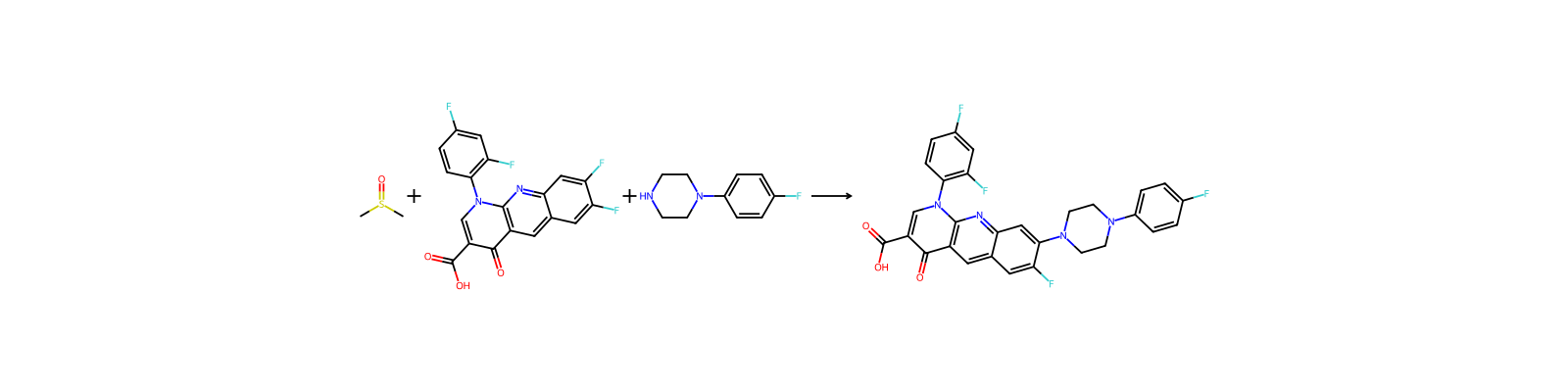
HRID 8653As reactant

2252-63-3Fc1ccc(N2CCNCC2)cc1AVJKDKWRVSSJPK-UHFFFAOYSA-N2252-63-3DTXSID50177039CHEMBL1184236DEA NFLIS-Drug Category -> Piperazines (Hallucinogen)
Pharmaceuticals -> Synthetic Cannabinoids or Psychoactive Compounds
Safety information is for reference only and does not replace the supplier’s Safety Data Sheet (SDS), applicable regulations, or professional assessment.
Danger
H301 (10.9%): Toxic if swallowed [Danger Acute toxicity, oral]
P260, P261, P264, P264+P265, P270, P271, P280, P301+P316, P301+P317, P301+P330+P331, P302+P352, P302+P361+P354, P304+P340, P305+P351+P338, P305+P354+P338, P316, P319, P321, P330, P332+P317, P337+P317, P362+P364, P363, P403+P233, P405, and P501 (click each P-code to see the statement)
Aggregated GHS information provided per 46 reports by companies from 6 notifications to the ECHA C&L Inventory. Each notification may be associated with multiple companies.
Uses1-(4-Fluorophenyl)piperazine was used in the synthesis of N,N-disubstituted piperazine. It is a major metabolite of niaparazine, a sedative, a hypnotic drug.
Uses1-(4-Fluorophenyl)piperazine is a major metabolite of Niaparazine, a sedative, hypnotic drug. Metabolites of Niaprazine occurred by N-dealkylation, N-dearylation, aromatic hydroxylation and N-oxidatio n.