
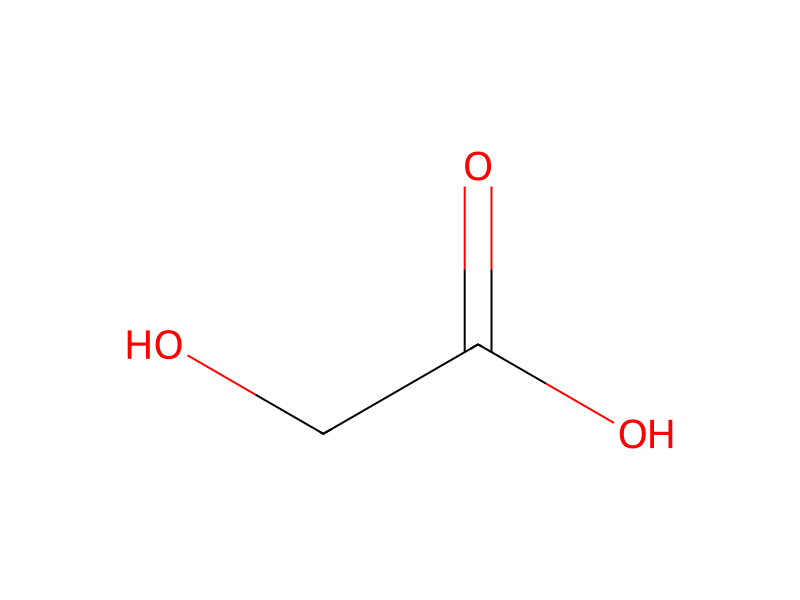
Basic information
- Standard SMILES
O=C(O)CO- InChIKey
AEMRFAOFKBGASW-UHFFFAOYSA-N- Molecular formula
- C2H4O3
- Average molar mass
- 76.05 g/mol
- Monoisotopic mass
- 76.01604399
Overview
Glycolic acid is a 2-hydroxy monocarboxylic acid that is acetic acid where the methyl group has been hydroxylated. It has a role as a metabolite and a keratolytic drug. It is a primary alcohol and a 2-hydroxy monocarboxylic acid. It is functionally related to an acetic acid. It is a conjugate acid of a glycolate.
Names & identifiers
- Preferred name
- Glycolic Acid
- IUPAC
- 2-hydroxyacetic acid
- English name
- POLYGLYCOLIDE
- Molecular formula
- C2H4O3
- Molecular weight
- 76.05136
Names & synonyms
glycolic acid2-Hydroxyacetic acid79-14-1hydroxyacetic acidHydroxyethanoic acidGlycollic acidglycolatealpha-Hydroxyacetic acid2-Hydroxyethanoic acidKyselina glykolovaKyselina hydroxyoctovaGLYCOLLATE
Show more names
POLY(GLYCOLIC ACID)Polyglycolide,PGABP-0700GlycolaciGlycol acidPOLYGLYCOLIDEPURASORB(R) PGPOLYGLYCOLLIC ACIDPGA, Poly(glycolic acid)hydroxy-aceticacihomopolymer
DTXSID0025363NSC-1660WT12SX38SDTXCID105363CHEBI:174974-03-00-00571 (Beilstein Handbook Reference)2-oxonioacetateCHEBI:29805
Database identifiers
- CAS
26124-68-5、79-14-1- PubChem CID
- 757
- DTXSID
DTXSID0025363- ChEMBL
CHEMBL252557- ChEBI
CHEBI:17497- UNII
- 0WT12SX38S
- EC Number
- 201-180-5
- Nikkaji
- J1.494J
Properties
Computed structural properties
- XLogP
- -1.1
- Topological polar surface area
- 57.5 Ų
- Hydrogen bond donors
- 2
- Hydrogen bond acceptors
- 3
- Rotatable bonds
- 1
- Heavy atoms
- 5
- Formal charge
- 0
- Complexity
- 40.2
Experimental & physicochemical properties
Chemical ClassesOther Classes -> Organic Acids
DrugsPharmaceuticals -> Listed in ZINC15
Cosmetics
Cosmetic ingredients (Glycolic Acid) -> CIR (Cosmetic Ingredient Review)
Buffering
pHpH = 2.5 (0.5%); 2.33 (1.0%); 2.16 (2.0%); 1.91 (5.0%); 1.73 (10.0%)
LogP
log Kow = -1.11
-1.11
-1.11
-1.11
OdorOdorless
Density
1.49 at 25 °C/4 °C
Relative density (water = 1): 1.49
1.49 @25 °C
Color/Form
Colorless, translucent solid
Solid glycolic acid forms colorless, monoclinic, prismatic crystals.
Orthorhombic needles from water; leaves from diethyl ether
Solubility
Soluble in ethanol, ethyl ether
Soluble in methanol, acetone, acetic acid
Solubility in water: very good
CorrosivityCorrosive
Human DrugsBreast Feeding; Lactation; Dermatologic Agents; Keratolytic Agents
Boiling Point
100 °C
BP: decomposes
Physicochemical properties
- Melting point
- 200 · 200-220 °C
- Density
- 1.53 g/mL · 1.53 g/mL at 25 °C(lit.)
- storage temp.
- 2 · 2-8°C
- solubility
- hexafluoroisopropanol: soluble
- form
- solid
- InChI
- InChI=1S/C2H4O3/c3-1-2(4)5/h3H,1H2,(H,4,5)
- InChIKey
- AEMRFAOFKBGASW-UHFFFAOYSA-N
- SMILES
- C(O)(=O)CO
- FDA UNII
- 1 IL6F7KB8 · H1IL6F7KB8
- EPA Substance Registry System
- Acetic acid, hydroxy-, homopolymer (26124-68-5)
- UNSPSC Code
- 12162002 · 12162002
- NACRES
- 23 · NA.23
- Symbol(GHS)
- 7 · GHS07
- Signal word
- Warning
- Hazard statements
- 315 · H315-H319-H335
- Precautionary statements
- 280 · P280-P302+P352-P304+P340-P305+P351+P338-P312-P321
- PPE
- 95 · Eyeshields, Gloves, type N95 (US)
- WGK Germany
- 3 · 3
- F
- 3 · 3-10
- TSCA
- TSCA listed
- HS Code
- 3907998090 · 3907998090
- Storage Class
- 11 · 11 - Combustible Solids
Safety & regulation
GHS classification
GHS Classification
This chemical does not meet GHS hazard criteria for 0.3% (10 of 3312) of reports.
Danger
H302 (82.6%): Harmful if swallowed [Warning Acute toxicity, oral]
P260, P261, P264, P264+P265, P270, P271, P280, P301+P317, P301+P330+P331, P302+P361+P354, P304+P340, P305+P354+P338, P316, P317, P321, P330, P363, P405, and P501 (click each P-code to see the statement)
Aggregated GHS information provided per 3312 reports by companies from 35 notifications to the ECHA C&L Inventory. Each notification may be associated with multiple companies.
Danger
Hazard information
Regulatory Information
Chemical: Acetic acid, 2-hydroxy-
Regulation (EC) No 1935/2004 (amended)
Acetic acid, 2-hydroxy- is listed on the EPA's Chemical Data Reporting (CDR) system. Manufacturers and importers of Acetic acid, 2-hydroxy- are required to report information about their production and use of this chemical to the EPA under the Toxic Substances Control Act (TSCA). (40 eCFR Part 711)
Status: Active Update: 12-05-2023 https://echa.europa.eu/registration-dossier/-/registered-dossier/14561
Glycolic acid: Does not have an individual approval but may be used under an appropriate group standard
Other Safety InformationPEC / SN / Other assessments - Glycolic acid in cosmetics: Health
Fire HazardsCombustible.
Fire PotentialCombustible.
Hazards Summary
Corrosive to skin; [Quick CPC] 70% technical solutions cause severe burns of the skin and eyes. [HSDB] Corrosive to skin and eyes; A respiratory tract irritant; May have effects on kidneys, leading to kidney failure; [ICSC] Causes burns; Inhalation may cause corrosive injuries to upper respiratory tract and lungs; Harmful by ingestion; [Alfa Aesar MSDS]
FDA RequirementsHydroxyacetic acid is an indirect food additive for use as a component of adhesives.
UN ClassificationUN Hazard Class: 8; UN Pack Group: II
Special Reports
DHHS/NTP; NTP Technical Report on the Photocarcinogenesis Study of Glycolic Acid and Salicylic Acid (CAS NOS. 79-14-1 and 69-72-7) in SKH-1 Mice (Simulated Solar LIght and Topical Application Study). NTP TR-524 244 pp. (September 2007)[Available from, as of July 31, 2008: http://ntp.niehs.nih.gov/files/524_web1.pdf]
DHHS/NTP-CERHR; Monograph on the Potential Human Reproductive and Developmental Effects. 51: (11): 1-III36. January 2004. NTP-CERHR monographs are available electronically in PDF format on the CERHR web site and in printed text or CD-ROM from the CERHR (National Institute of Environmental Health Sciences, P.O. Box 12233, MD EC-32, Research Triangle Park, NC; fax: 919-316-4511).[Available from, as of July 3, 2008: http://cerhr.niehs.nih.gov]
Cosmetic Ingredient Review; Final Report on the Safety Assessment of Glycolic Acid, Ammonium, Calcium, Potassium, and Sodium Glycolates, Methyl, Ethyl, Propyl, and Butyl Glycolates, and Lactic Acid, Ammonium, Calcium, Potassium, Sodium, and TEA-Lactates, Methyl, Ethyl, Isopropyl, and Butyl Lactate, and Lauryl, Myristyl, and Cetyl Lactates; Journal of American College of Toxicology 17(Suppl 1):1-242 (1998)
FIFRA Requirements
As the federal pesticide law FIFRA directs, EPA is conducting a comprehensive review of older pesticides to consider their health and environmental effects and make decisions about their continued use. Under this pesticide reregistration program, EPA examines newer health and safety data for pesticide active ingredients initially registered before November 1, 1984, and determines whether the use of the pesticide does not pose unreasonable risk in accordance to newer saftey standards, such as those described in the Food Quality Protection Act of 1996. Pesticides for which EPA had not issued Registration Standards prior to the effective date of FIFRA '88 were divided into three lists based upon their potential for human exposure and other factors, with List B containing pesticides of greater concern than those on List C, and with List C containing pesticides of greater concern than those on List D. Glycolic acid is found on List D. Case No: 4045; Pesticide type: antimicrobial; Case Status: No products containing the pesticide are actively registered ... The case /is characterized/ as "cancelled." Under FIFRA, pesticide producers may voluntarily cancel their registered products. EPA also may cancel pesticide registrations if registrants fail to pay required fees or make/meet certain reregistration commitments, or if EPA reaches findings of unreasonable adverse effects.; Active ingredient (AI): Glycolic acid; AI Status: The active ingredient is no longer contained in any registered pesticide products ... "cancelled."
Chemical DangersReacts with strong oxidants, cyanides and sulfides. Reacts violently with aluminium, zinc and tin. This generates fire and explosion hazard. The solution in water is a medium strong acid.
Packaging and LabellingDo not transport with food and feedstuffs.
Toxic Combustion ProductsHazardous decomposition prod ucts formed under fire conditions. - Carbon oxides
Safety & protection
Fire FightingUse water spray, powder, foam, carbon dioxide.
First Aid Measures
Half-upright position. Fresh air, rest. Refer for medical attention.
First rinse with plenty of water for at least 15 minutes, then remove contaminated clothes and rinse again.
First rinse with plenty of water for several minutes (remove contact lenses if easily possible), then refer for medical attention.
Do NOT induce vomiting. Give one or two glasses of water to drink. Refer for medical attention .
Safe StorageSeparated from strong oxidants, metals, sulfides, cyanides, strong bases and food and feedstuffs. Dry.
Firefighting HazardsEmits toxic fumes under fire conditions. /99% Glycolic acid/
Fire Fighting Procedures
Suitable extinguishing media: Use water spray, alcohol - resistant foam, dry chemical or carbon dioxide.
Special protective equipment for firefighters Wear self contained breathing apparatus for fire fighting if necessary.
Use water spray, powder, foam, carbon dioxide.
Storage Conditions
Separated from strong oxidants, metals, sulfides, cyanides, strong bases and food and feedstuffs. Dry.
Keep container tightly closed in a dry and well - ventilated place.
Do not contaminate water, food, or feed by storage ... . Store out of reach of children.
Cleanup Methods
Accidental Release Measures. Personal precautions, protective equipment and emergency procedures: Use personal protective equipment. Avoid dust formation. Avoid breathing vapors, mist or gas. Ensure adequate ventilation. Evacuate personnel to safe areas. Avoid breathing dust. Environmental precautions: Do not let product enter drains. Methods and materials for containment and clean up: Pick up and arrange disposal without creating dust. Sweep up and shovel. Keep in suitable, closed containers for disposal.
Do not contaminate water, food, or feed by ... disposal. ... Do not re-use empty container. Wrap empty bottle and put in trash or recycle. /5% Glycolic acid/
Neutralize spills with lime or soda ash. /70% Glycolic acid/
Disposal Methods
SRP: The most favorable course of action is to use an alternative chemical product with less inherent propensity for occupational harm/injury/toxicity or environmental contamination. Recycle any unused portion of the material for its approved use or return it to the manufacturer or supplier. Ultimate disposal of the chemical must consider: the material's impact on air quality; potential migration in soil or water; effects on animal and plant life; and conformance with environmental and public health regulations.
SRP: Wastewater from contaminant suppression, cleaning of protective clothing/equipment, or contaminated sites should be contained and evaluated for subject chemical or decomposition product concentrations. Concentrations shall be lower than applicable environmental discharge or disposal criteria. Alternatively, pretreatment and/or discharge to a permitted wastewater treatment facility is acceptable only after review by the governing authority and assurance that "pass through" violations will not occur. Due consideration shall be given to remediation worker exposure (inhalation, dermal and ingestion) as well as fate during treatment, transfer and disposal. If it is not practicable to manage the chemical in this fashion, it must be evaluated in accordance with EPA 40 CFR Part 261, specifically Subpart B, in order to determine the appropriate local, state and federal requirements for disposal.
Waste Treatment Methods. Product: Offer surplus and non - recyclable solutions to a licensed disposal company. Contact a licensed professional waste disposal service to dispose of this material. Dissolve or mix the material with a combustible solvent and burn in a chemical incinerator equipp ed with an afterburner and scrubber. Contaminated packaging: Dispose of as unused product.
Spillage DisposalPersonal protection: chemical protection suit including self-contained breathing apparatus. Sweep spilled substance into covered containers.
Preventive Measures
SRP: The scientific literature for the use of contact lenses by industrial workers is inconsistent. The benefits or detrimental effects of wearing contact lenses depend not only upon the substance, but also on factors including the form of the substance, characteristics and duration of the exposure, the uses of other eye protection equipment, and the hygiene of the lenses. However, there may be individual substances whose irritating or corrosive properties are such that the wearing of contact lenses would be harmful to the eye. In those specific cases, contact lenses should not be worn. In any event, the usual eye protection equipment should be worn even when contact lenses are in place.
SRP: Contaminated protective clothing should be segregated in a manner such that there is no direct personal contact by personnel who handle, dispose, or clean the clothing. The completeness of the cleaning procedures should be considered before the decontaminated protective clothing is returned for reuse by the workers. Contaminated clothing should not be taken home at the end of shift, but should remain at employee's place of work for cleaning.
SRP: Local exhaust ventilation should be applied wherever there is an incidence of point source emissions or dispersion of regulated contaminants in the work area. Ventilation control of the contaminant as close to its point of generation is both the most economical and safest method to minimize personnel exposure to airborne contaminants. Ensure that the local ventilation moves the contaminant away from the worker.
When chemicals containing glycolic acid are used on a daily basis, protection for the skin and eyes is advised to prevent localized irritation. Child-proof packaging is available to prevent children from ingesting these products. Overall, the evidence indicates there is minimal risk of adverse health effects from glycolic acid during the normal use of commercially available cleaning products.
For more Preventive Measures (Complete) data for HYDROXYACETIC ACID (14 total), please visit the HSDB record page.
Eye PreventionWear safety goggles or eye protection in combination with breathing protection.
Fire PreventionNO open flames.
Toxicology
Treatment
Chronic Exposure: In some patients with primary hyperoxaluria type 1, pyridoxine treatment (vitamin B6) may decrease oxalate excretion and prevent kidney stone formation. Acute Exposure: EYES: irrigate opened eyes for several minutes under running water. INGESTION: do not induce vomiting. Rinse mouth with water (never give anything by mouth to an unconscious person). Seek immediate medical advice.
Interactions
The effect of 0.35 to 0.8 mmol/kg glycolic acid and 1.0 to 4.4 mmol/kg sodium glycolate on cyclopropane-epinephrine induced cardiac arrhythmias was examined using dogs. Doses of 0.35 to 0.5 mmol/kg glycolic acid increased the duration of arrhythmias in the 13 dogs tested, whereas doses >0.5 mmol/kg decreased or totally eliminated the arrhythmias in each of 11 dogs. Depression was observed for many of the dogs at higher doses. Sodium glycolate was much less effective in decreasing the arrhythmias, with 3 mmol/kg being required and its action being transient.
... This study was performed in order to determine whether short-term dermal treatment with glycolic acid, a representative alpha-hydroxy acid (AHA), can enhance the damaging effects of UV light. The duration of the effect of AHAs on the sensitivity of skin to UV light was also examined. ... The backs of 29 Caucasian subjects were treated, once daily, 6 days per week with either 10% glycolic acid (pH 3.5) or placebo in a randomized double-blinded study. At the end of 4 weeks, sites within each treated area were exposed to 1.5 MED of UV light, determined on previously untreated skin. Specimens were obtained for enumeration of sunburn cells (SBCs) in the first group of subjects (n = 16), whereas cyclobutyl pyrimidine dimers (CPDs) in DNA were determined in the second group (n = 13). The minimal erythema dose (MED) in each site was also determined in the first group of subjects. Sunburn cells and MEDs were re-evaluated in the first group 1 week after discontinuing AHA applications. ... Glycolic acid caused enhanced sensitivity to UV light measured as increased SBC induction and lowered MEDs. Cyclobutyl pyrimidine dimers were elevated but not to a statistically significant level. No differences in SBCs or MEDs were evident after a week of discontinued treatments...
Hairless mice were irradiated thrice weekly for 10 weeks with UVB. In the 10-week postirradiation period, the mice were treated topically five times per week with tretinoin (0.05%), glycolic acid (10%), benzalkonium chloride (1.0%), sodium lauryl sulfate (5%), croton oil (5%) and the water - propylene glycol vehicle... Tretinoin-treated skin had increased amounts of collagen and type III procollagen whereas irritant- and peeling agent-treated skins were similar to vehicle-treated controls.
Glycolic acid, a depressant antagonizing the convulsant action of strychnine in spinal cord of cats.
For more Interactions (Complete) data for HYDROXYACETIC ACID (11 total), please visit the HSDB record page.
Health Effects
Glycolic acid metabolizes to oxalic acid, which reacts with calcium and forms calcium oxalate crystals in the kidney. This can cause kidney injury, leading to acute kidney failure. (L1023) Chronically high levels of glycolic acid are associated with the inborn error of metabolism known as Type I primary hyperoxaluria. Oxalate stones in primary hyperoxaluria tend to be severe, resulting in relatively early kidney damage (before age 20), which impairs the excretion of oxalate leading to a further acceleration in accumulation of oxalate in the body. After the development of renal failure patients may develop oxalate deposits in the bones, joints and bone marrow. Severe cases may develop haematological problems such as anaemia and thrombocytopaenia. The deposition of oxalate in the body is sometimes called "oxalosis" to be distinguished from "oxaluria" which refers to oxalate in the urine.
Ecotoxicity Values
LC50; Species: Pimephales promelas (Fathead minnows); Conditions: static; Concentration: 164 mg/L for 96 hr (nominal)
EC50; Species: Pseudokirchneriella subcapitata (Green algae); Conditions: static; Concentration: 21.6 mg/L for 72 hr; Effect: biomass
EC50; Species: Pseudokirchneriella subcapitata (Green algae); Conditions: static; Concentration: 44.0 mg/L for 72 hr; Effect: growth rate
LC50; Species: Lepomis sp. (sunfish); Concentration: 93 mg/L for 48 hr /Conditions of bioassay not specified in source examined/ /70% purity/
For more Ecotoxicity Values (Complete) data for HYDROXYACETIC ACID (8 total), please visit the HSDB record page.
Environmental Fate
TERRESTRIAL FATE: Based on a classification scheme(1), an estimated Koc value of 0.14(SRC), determined from a log Kow of -1.11(2) and a regression-derived equation(3), indicates that hydroxyacetic acid is expected to have very high mobility in soil(SRC). The pKa of hydroxyacetic acid is 3.6(4), indicating that this compound will exist almost entirely in the anion form in the environment and anions generally do not adsorb more strongly to soils containing organic carbon and clay than their neutral counterparts(5). Volatilization of hydroxyacetic acid from moist soil surfaces is not expected to be an important fate process because the compound exists as an anion and ions do not volatilize. Hydroxyacetic acid is not expected to volatilize from dry soil surfaces(SRC) based upon an extrapolated vapor pressure of 0.02 mm Hg at 25 °C(6). Utilizing the Japanese MITI test, 86% of the Theoretical BOD was reached in 2 weeks(7) indicating that biodegradation is an important environmental fate process in soil(SRC).
AQUATIC FATE: Based on a classification scheme(1), an estimated Koc value of 0.14(SRC), determined from a log Kow of -1.11(2) and a regression-derived equation(3), indicates that hydroxyacetic acid is not expected to adsorb to suspended solids and sediment(SRC). A pKa of 3.6(4) indicates hydroxyacetic acid will exist almost entirely in the anion form at pH values of 5 to 9 and, therefore, volatilization from water surfaces is not expected to be an important fate process(SRC). According to a classification scheme(5), an estimated BCF of 3(SRC), from its log Kow(2) and a regression-derived equation(3), suggests the potential for bioconcentration in aquatic organisms is low(SRC). Utilizing the Japanese MITI test, 86% of the Theoretical BOD was reached in 2 weeks(6) indicating that biodegradation is an important environmental fate process in water(SRC).
ATMOSPHERIC FATE: According to a model of gas/particle partitioning of semivolatile organic compounds in the atmosphere(1), hydroxyacetic acid, which has an extrapolated vapor pressure of 0.02 mm Hg at 25 °C (2), is expected to exist solely as a vapor in the ambient atmosphere. Vapor-phase hydroxyacetic acid is degraded in the atmosphere by reaction with photochemically-produced hydroxyl radicals(SRC); the half-life for this reaction in air is estimated to be 3.4 days(SRC), calculated from its estimated rate constant of 3.1X10⁻¹² cu cm/molecule-sec at 25 °C(SRC) that was derived using a structure estimation method(3). Hydroxyacetic acid does not contain chromophores that absorb at wavelengths >290 nm(4) and, therefore, is not expected to be susceptible to direct photolysis by sunlight(SRC).
Adverse EffectsNephrotoxin - The chemical is potentially toxic to the kidneys in the occupational setting.
Exposure Routes
The substance can be absorbed into the body by inhalation and by ingestion.
Oral (L1909) ; dermal (L1909)
Toxicity Summary
Based on the available information included in this report, the CIR Expert Panel concludes that Glycolic and Lactic Acid, their common salts and their simple esters, are safe for use in cosmetic products at concentrations less than or equal to 10%, at final formulation pH greater than or equal to 3.5, when formulated to avoid increasing sun sensitivity or when directions for use include the daily use of sun protection. These ingredients are safe for use in salon products at concentrations less than or equal to 30%, at final formulation pH greater than or equal to 3.0, in products designed for brief, discontinuous use followed by thorough rinsing from the skin, when applied by trained professionals, and when application is accompanied by directions for the daily use of sun protection...Glycolic Acid...
Safe for use in cosmetics, with qualifications
IDENTIFICATION AND USE: Hydroxyacetic (glycolic) acid is an odorless, colorless and translucent solid. The primary uses of hydroxyacetic acid are in cleaning and metal processing. Other specialized applications include biomedical uses, printed wire board flux, adhesives, textiles, hydrogen sulfide abatement, tanning, oil well acidification, and biodegradable polymers and copolymers for absorbable sutures and drug delivery systems. It is also used in skin care products as exfolliant and keratolytic. HUMAN EXPOSURE AND TOXICITY: Inhalation may cause irritation of mucous membranes with upper respiratory and bronchial irritation. Skin contact may cause severe skin irritation with discomfort or rash. Higher or prolonged exposure may cause skin burns or ulceration. Eye contact may cause eye corrosion with corneal or conjunctival ulceration. Permanent eye damage can occur. Ingestion may cause corrosion of mucous membranes with stomach discomfort, nausea, and prostration. Kidney damage or fatality may occur from gross overexposure. ANIMAL TOXICITY STUDIES: A basal diet with 3% glycolic acid for 3 weeks in rats resulted in a high incidence of oxalate urolithiasis (mostly in the kidneys, but some animals also had uroliths in the ureter and urinary bladder. Also, fine crystalline depositions were present throughout the cortex and medulla and clusters of concretions were on the surface or embedded in the renal papilla. In dogs given daily oral doses of 1000 mg glycolic acid for 35 days, no abnormal secretions of oxalic acid were found and no damage to the gastroenteric tract or kidneys was reported. In other experiment, rats were administered up to 600 mg/kg/day of the test substance by gavage for 90 days. Two deaths occurred in males at 600 mg/kg/day. Decreased mean body weight, overall body weight gain, food consumption, and food efficiency occurred in males and females of the 300 and 600 mg/kg/day groups. Microscopic findings of oxalate crystal nephrosis and unilateral hydronephrosis, and hyperplasia of the transitional epithelium of the renal pelvis were also observed (in males only) at these dose levels. No organ weight, gross or microscopic findings indicative of systemic toxicity were observed in female rats exposed to 300 or 600 mg/kg/day. The developmental toxicity of glycolic acid was assessed in rats over days 7-21 of gestation. Groups of mated female rats were gavaged at daily dose levels of up to 600 mg/kg. Clear evidence of maternal toxicity was demonstrated at 600 mg/kg. There was marked evidence of developmental toxicity at 600 mg/kg. Mean fetal weight was statistically significantly reduced while the incidences of skeletal (ribs, vertebra, and sternebra) malformations and variations were statistically significantly increased. Glycolic acid was not found to be genotoxic based on negative Ames test with and without activation using Salmonella typhimurium TA98, TA100, TA1535, TA1537, and TA1538. ECOTOXICITY STUDIES: Green Algae were exposed to glycolic acid for 72 hours. At the end of the exposure period, a control replicate and samples from the test concentrations exhibiting a 50% or greater inhibition of cell counts were selected for a recovery test and exposed to nutrient medium for an additional 144 hours. The effects upon growth rate and biomass were found to be algistatic. Fathead minnows were exposed to glycolic acid for 96 hours under static conditions. All deaths occurred within 24 hours. Daphnia magna were exposed to glycolic acid for 48 hours under static conditions. There were no sublethal effects observed in the surviving daphnids.
Glycolic acid's toxicity is due to its metabolism to oxalic acid. Glycolic and oxalic acid, along with excess lactic acid, are responsible for the anion gap metabolic acidosis. Oxalic acid readily precipitates with calcium to form insoluble calcium oxalate crystals. Tissue injury is caused by widespread deposition of oxalate crystals and the toxic effects of glycolic acid. (A612, A613)
Ecotoxicity Excerpts
/AQUATIC SPECIES/ /Green algae (Pseudokirchnerie lla subcapitata; 3 replicates/concentration) were exposed to /glycolic acid/ at mean measured concentrations of 7.52, 14.5, 30.3, 54.6 and 73.6 mg/L for 72 hours. At the end of the 72-hour exposure period, a control replicate and samples from the test concentrations exhibiting a 50% or greater inhibition of cell counts were selected for a recovery test and exposed to nutrient medium for an additional 144 hours. The effects upon growth rate and biomass were found to be algistatic. 72-hr EC50 (growth) = 44.0 mg/L; 72-hr EC50 (biomass) = 21.6 mg/L
/AQUATIC SPECIES/ Fathead minnows (Pimephales promelas; 10/concentration) were exposed to /glycolic acid/ at nominal concentrations of 0.0064, 0. 0081, 0.010, 0.013, 0.016 or 0.020% (v/v) for 96 hours under static conditions. All deaths occurred within 24 hours. 96-hr LC50 = 164 mg/L.
/AQUATIC SPECIES/ Water fleas (Daphnia magna; 5/replicate, 4 replicates/concentration) were exposed to /glycolic acid/ at nominal concentrations of 0, 25, 50, 100, 200, 400 or 800 mg/L for 48 hours under static conditions. There were no sublethal effects observed in the surviving daphnids. 48-hr EC50 = 141 mg/L.
Plant ConcentrationsPlants containing hydroxyacetic acid(1).[Table#5288]
Signs and Symptoms
Cough. Shortness of breath. Sore throat.
Redness. Pain. Serious skin burns.
Redness. Pain. Blurred vision. Severe deep burns.
Abdominal pain. Burning sensation. Shock or collapse.
Glycolic acid is a strong irritant. Accumulation of glycolic acid and its metabolite, oxalic acid, causes tachycardia, hypertension, hyperventilation, and metabolic acidosis. (L1023, L1909)
Ongoing Test Status
EPA has released the first beta version (version 0.5) of the Interactive Chemical Safety for Sustainability (iCSS) Dashboard. The beta version of the iCSS Dashboard provides an interactive tool to explore rapid, automated (or in vitro high-throughput) chemical screening data generated by the Toxicity Forecaster (ToxCast) project and the federal Toxicity Testing in the 21st century (Tox21) collaboration. /The title compound was tested by ToxCast and/or Tox21 assays; See the data in Chemical Explorer/[USEPA; ICSS Dashboard Application; Available from, as of June 27, 2014: http://actor.epa.gov/dashboard/]
The following link will take the user to the National Toxicology Program (NTP) Test Agent Search Results page, which tabulates all of the "Standard Toxicology & Carcinogenesis Studies", "Developmental Studies", and "Genetic Toxicity Studies" performed with this chemical. Clicking on the "Testing Status" link will take the user to the status (i.e., in review, in progress, in preparation, on test, completed, etc.) and results of all the studies that the NTP has done on this chemical.[Available from, as of June 30, 2014: http://ntp-apps.niehs.nih.gov/ntp_tox/index.cfm?fuseaction=ntpsearch.searchresults&searchterm=79-14-1]
Regulatory information
FDA RequirementsHydroxyacetic acid is an indirect food additive for use as a component of adhesives.
FIFRA Requirements
As the federal pesticide law FIFRA directs, EPA is conducting a comprehensive review of older pesticides to consider their health and environmental effects and make decisions about their continued use. Under this pesticide reregistration program, EPA examines newer health and safety data for pesticide active ingredients initially registered before November 1, 1984, and determines whether the use of the pesticide does not pose unreasonable risk in accordance to newer saftey standards, such as those described in the Food Quality Protection Act of 1996. Pesticides for which EPA had not issued Registration Standards prior to the effective date of FIFRA '88 were divided into three lists based upon their potential for human exposure and other factors, with List B containing pesticides of greater concern than those on List C, and with List C containing pesticides of greater concern than those on List D. Glycolic acid is found on List D. Case No: 4045; Pesticide type: antimicrobial; Case Status: No products containing the pesticide are actively registered ... The case /is characterized/ as "cancelled." Under FIFRA, pesticide producers may voluntarily cancel their registered products. EPA also may cancel pesticide registrations if registrants fail to pay required fees or make/meet certain reregistration commitments, or if EPA reaches findings of unreasonable adverse effects.; Active ingredient (AI): Glycolic acid; AI Status: The active ingredient is no longer contained in any registered pesticide products ... "cancelled."
Safety data
- F
- 3-10
- PPE
- Eyeshields, Gloves, type N95 (US)
- wgk
- 3
- tsca
- TSCA listed
- hs_code
- 3907998090
- Signal word
- Warning
- Symbol(GHS)
- GHS07
- Storage Class
- 11 - Combustible Solids
- Hazard statements
- H315-H319-H335
- Precautionary statements
- P280-P302+P352-P304+P340-P305+P351+P338-P312-P321
Chemistry & industry
Pharmacology
Mechanism of Action
Ethylene glycol toxicity results from its metabolism to glycolic acid and other toxic metabolites. The accumulation of glycolate and the elimination kinetics of ethylene glycol and its metabolites are not well understood, so studies with male Sprague-Dawley rats and mixed breed dogs have been carried out. Ethylene glycol was administered by gavage to rats and dogs which were placed in metabolic cages for urine and blood sample collection at timed intervals. The peak plasma level of ethylene glycol occurred at 2 hr after dosing and that of glycolate between 4-6 hr. The rate of ethylene glycol elimination was somewhat faster in rats with a half-life of 1.7 hr compared to 3.4 hr in dogs. The maximum plasma level of glycolate was greater in rats although the pattern of accumulation was similar to that in dogs. Glycolate disappeared from the plasma at the same time as ethylene glycol, suggesting a slower rate of elimination of the metabolite than that of ethylene glycol. Renal excretion of ethylene glycol was an important route for its elimination accounting for 20-30% of the dose. Renal excretion of glycolate represented about 5% of the dose. Ethylene glycol induced an immediate, but short lived diuresis compared to that in control rats. Minimal clinical effects (mild acidosis with no sedation) were noted at these doses of ethylene glycol (1-2 g/kg) in both rats and dogs. The results indicate that the toxicokinetics of ethylene glycol and glycolate were similar in both species.
The effect of 0.35 to 0.8 mmol/kg glycolic acid and 1.0 to 4.4 mmol/kg sodium glycolate on cyclopropane-epinephrine induced cardiac arrhythmias was examined using dogs. Doses of 0.35 to 0.5 mmol/kg glycolic acid increased the duration of arrhythmias in the 13 dogs tested, whereas doses >0.5 mmol/kg decreased or totally eliminated the arrhythmias in each of 11 dogs. Depression was observed for many of the dogs at higher doses. Sodium glycolate was much less effective in decreasing the arrhythmias, with 3 mmol/kg being required and its action being transient.
Biological Half-Life
... ethylene glycol and glycolate were distributed in total body water with plasma half-lives of 8.4 and 7.0 hr respectively.
Rats given 1, 5, and 10 mL/kg diethylene glycol eliminated diethylene glycol in their urine with half lives of 6, 6, and 12 hr assuming first order kinetics. More detailed analysis showed that 6, 9, and 18 hr after dosing with 1, 5, and 10 mL/kg diethylene glycol elimination of (14)C activity followed zero order kinetics then changed to first order kinetics with a half life of 3 hr. Rats dosed with 3 and 5 mL/kg ethylene glycol excreted unchanged ethylene glycol in their urine with half lives of 4.5 and 4.1 hr respectively.
Metabolism/Metabolites
The kinetics of orally administered ethylene glycol (EG) and its major metabolites, glycolic acid (GA) and oxalic acid (OX), in pregnant (P; gestation day 10 at dosing, GD 10) rats were compared across doses, and between pregnant and nonpregnant (NP) rats. Groups of 4 jugular vein-cannulated female rats were administered 10 (P and NP), 150 (P), 500 (P), 1000 (P), or 2500 (P and NP) mg (13)C-labelled EG/kg body weight. Serial blood samples and urine were collected over 24-hr postdosing, and analyzed for EG, GA, and OX using GC/MS techniques. Pharmacokinetic parameters including Cmax, Tmax, AUC, and beta-t(1/2) were determined for EG and GA. Pregnancy status (GD 10-11) had no impact on the pharmacokinetic parameters investigated. Blood levels of GA were roughly dose-proportional from 10 to 150 mg EG/kg, but increased disproportionately from 500 to 1000 mg EG/kg. EG and GA exhibited dose-dependent urinary elimination at doses > or = 500 mg EG/kg, probably due to saturation of metabolic conversion of EG to GA, and of GA to downstream metabolites. The shift to nonlinear kinetics encompassed the NOEL (500 mg EG/kg) and LOEL (1000 mg EG/kg) for developmental toxicity of EG in rats, providing additional evidence for the role of GA in EG developmental toxicity. The peak maternal blood concentration of GA associated with the LOEL for developmental toxicity in the rat was quite high (363 microg/g or 4.8 mM blood). OX was a very minor metabolite in both blood and urine at all dose levels, suggesting that OX is not important for EG developmental toxicity.
The disposition of dichloroacetic acid (DCA) was investigated in Fischer 344 rats over the 48 hr after oral gavage of 282 mg/kg of 1- or 2-(14C)DCA (1-DCA or 2-DCA) and 28.2 mg/kg of 2-DCA... The major urinary metabolites were glycolic acid, glyoxylic acid, and oxalic acid. DCA and its metabolites accumulated in the tissues and were eliminated slowly....
The accumulation of glycolate and the elimination kinetics of ethylene glycol (EG) /was examined in/ ... male Sprague-Dawley rats and mixed breed dogs... . EG was administered by gavage ... . The peak plasma level of EG occurred at 2 hr after dosing and that of glycolate between 4-6 hr. The rate of EG elimination was somewhat faster in rats with a half-life of 1.7 hr compared to 3.4 hr in dogs. The maximum plasma level of glycolate was greater in rats, although the pattern of accumulation was similar to that in dogs. Glycolate disappeared from the plasma at the same time as EG, suggesting a slower rate of elimination of the metabolite than that of EG. Renal excretion of EG was an important route for its elimination, accounting for 20-30% of the dose. Renal excretion of glycolate represented about 5% of the dose... /Glycolate/
1,2-(14)C-Ethylene glycol (EG) was given to female CD (Sprague-Dawley) rats and CD-1 mice in order to determine tissue distribution and metabolic fate after intravenous (iv), peroral (po), and percutaneous (pc) doses. Rats were given doses of 10 or 1000 mg/kg by each route, and additional pc doses of 400, 600 or 800 mg/kg. Mice were also given iv and po doses of 10 or 1000 mg/kg, and intermediate po doses of 100, 200 or 400 mg/kg. Mice were given po doses of 100 or 1000 mg/kg, and both species were given a 50% (w/w) aqueous po dose to simulate antifreeze exposure. For both species, EG is very rapidly and almost completely adsorbed after po doses. ... The tissue distribution of EG following either iv or po routes was essentially the same, with similar percentages recovered for each dose by both routes and for either species. Cutaneously-applied EG was slowly and rather poorly adsorbed in both species, in comparison with po-dose administration, and urinalysis after undiluted po doses indicated that EG probably penetrates rat skin in the parent form. There was an absence in both species of dose-dependent changes in disposition and elimination following the pc application of EG. (14)C-labelled EG, glycolic acid and/or oxalic acid accounted for the majority of the detectable radioactivity in the urine samples from all dose routes in the rat, while glycoaldehyde and glyoxylic acid were not detected in any of the urine fractions evaluated. Similar increases in glycolate production with increasing dose were also observed in mouse urine samples from iv and po dosing. Also, glyoxylate and oxalate were absent from mouse urine...
For more Metabolism/Metabolites (Complete) data for HYDROXYACETIC ACID (9 total), please visit the HSDB record page.
The main path of the degradation of glycolic acid is to glyoxylic acid. This reaction is mediated by lactic dehydrogenase or glycolic acid oxidase. Once glyoxylic acid is formed, it is apparently degraded very rapidly to a variety of products, a few of which have been observed. Its breakdown to 2-hydroxy-3-oxoadipate it is thought, is mediated by thiamine pyrophosphate in the presence of magnesium ions. The formation of glycine involves pyridoxal phosphate and glyoxylate transaminase, whereas the formation of carbon dioxide and water via formic acid apparently involves coenzyme A (CoA) and flavin mononucleotides. (T29)
MeSH Pharmacological ClassificationAgents that soften, separate, and cause desquamation of the cornified epithelium or horny layer of skin. They are used to expose mycelia of infecting fungi or to treat corns, warts, and certain other skin diseases.
Absorption, Distribution and Excretion
The penetration of 10% aq. glycolic acid, adjusted to pH 3.8 using either ammonium or sodium hydroxide, was examined using separated Yucatan minipig epidermis and full thickness hairless mouse skin. A 200 uL-aliquot of each formulation was applied to an area of a Franz diffusion cell, and glycolic acid was analyzed using liquid scintillation counting. Using an occlusive patch, penetration was linear with a lag time of less than 15 mm. After 8 hr, 0.8 and 1.6% of the ammonium and sodium salts penetrated, respectively, using the pig skin model and 1.8 and 2.3% of the ammonium and sodium salts penetrated, respectively, using the mouse skin model. Under open patch conditions, penetration was not linear and lag time was greater than 15 mm. Using the pig skin model, 1.1 and 0.7% of the ammonium and sodium salts penetrated, respectively, and using the mouse skin model, 0.6 and 0.9% of the ammonium and sodium salts penetrated, respectively.
The skin penetration of (14)C-glycolic acid was studied using an in vitro system in which a cream formulation was applied to pig skin at a dose of 5 mg/0.79 sq cm skin without an occlusive patch. It was determined that 3.1% of the applied glycolic acid penetrated the skin.
Two female rhesus monkeys were dosed orally with 4 mL/kg of 500 mg/kg homogenous 1-(14)C-glycolic acid, 0.73 uC/mmol, in aq. solution via stomach tube. Urine was collected at intervals of 0-8, 8-24, 24-48, 48-72, and, for one monkey, 72-96 hr. Over a 72 hr period one animal excreted, as a percentage of the dose, 53.2% (14)C, 51.4% of which was excreted in the urine; 51.4% of the dose was excreted in the first 24 hr. The second animal excreted a total of 42.2% (14)C over 96 hr, 36.6% of which was excreted in the urine; 34.1% of the dose was excreted in the first 24 hr. (The greater amount of fecal radioactivity observed for this monkey could have been due to urinary radioactivity contamination.) Very little of the dose was converted to radioactive glyoxylic, hippuric, or oxalic acid.
Skin penetration of 10% aq. Glycolic acid was determined in vitro using human female (age 87 years) abdominal skin. The aq. solution was prepared by adding 0.8 mL 12.473% glycolic acid solution to 0.2 mL of (2-(14)C) glycolic acid solution, 44 mCi/mmol or 250 iCi/mL that contained 0.216 mg glycolic acid. The pH of a mixture containing 0.8 mL of the 12.473% glycolic acid solution and 0.2 mL of water was 3.72. Skin integrity was assessed by determining the permeability coefficient of tritiated water. Twenty uL of 10% aq. glycolic acid solution, 2 mg active, was placed on the stratum corneum surface; 13 replicates were used. Samples of 200 uL, which were taken 1, 2, 4, 6, 8, and 24 hr after application, were counted using a liquid scintillation counter. The skin surface was rinsed 3 times after the 24 hr sample was taken. The average total absorption over 24 hr 2.6 +/= 0.37 ug/sq cm representing 0.15 +/= 0.02% of the applied dose. A lag time of approximately 3.8 hr was followed by a period of steady-state diffusion at a rate of 0.13 ug/sq cm/hr. After 24 hr, 48 +/= 0.05% of the dose was recovered in the skin and 0.15 +/= 0.02% was found in the receptor phase. Total recovery was 102.9% +/= 2.9%.
For more Absorption, Distribution and Excretion (Complete) data for HYDROXYACETIC ACID (14 total), please visit the HSDB record page.
Tissue LocationsBladder
Cellular LocationsMitochondria
Uses & manufacturing
Uses
CIR ingredient: Glycolic Acid
Used as a cheap organic acid to manufacture adhesives; to dye, print, and crease-proof textiles; to clean metals, water wells, and dairy equipment; and to delime hides and process furs; Also used in leather dyeing, adhesives, electroplating, pH control, copper pickling, printed wire board flux, oil well acidification, biodegradable polymers, soldering compounds, iron chelating, chemical milling, etching lithographic plates, and dermatology; [HSDB] Active product registrations for uses in cleaning products; [NPRIS]
Acid and Alkali Cleaning of Metals [Category: Clean]
Lithography printing [Category: Hobbies]
For hydroxyacetic acid (USEPA/OPP Pesticide Code: 000101) ACTIVE products with label matches. /SRP: Registered for use in the USA but approved pesticide uses may change periodically and so federal, state and local authorities must be consulted for currently approved uses./
The active ingredient is no longer contained in any registered pesticide products ... "cancelled."
U.S. Production
2023: 25,000,000 - <40,000,000 lb
Acetic acid, hydroxy- is listed as a High Production Volume (HPV) chemical (65FR81686). Chemicals listed as HPV were produced in or imported into the U.S. in >1 million pounds in 1990 and/or 1994. The HPV list is based on the 1990 Inventory Update Rule. (IUR) (40 CFR part 710 subpart B; 51FR21438).
Production volumes for non-confidential chemicals reported under the Inventory Update Rule.[Table#5289]
Production volume for non-confidential chemicals reported under the 2006 Inventory Update Rule. Chemical: Acetic acid, 2-hydroxy-. Aggregated National Production Volume: 10 to < 50 million pounds.
Non-confidential 2014 Chemical Data Reporting (CDR) information on the production and use of chemicals manufactured or imported into the United States. Chemical: Acetic acid, 2-hydroxy-. National Production Volume: 25,532,497 lb/yr.
Consumption PatternsTotal annual consumption worldwide is ca. 2000-3000 t of solution
Consumer UsesNot Known or Reasonably Ascertainable
Industry UsesDye
Methods of Manufacturing
Hydroxyacetic acid is produced commercially in the United States (Du Pont) by treating formaldehyde or trioxymethylene with carbon monoxide and water in the presence of acid catalysts at >30 MPa.
Glycolic acid is usually produced by hydrolysis of molten monochloroacetic acid with 50% aqueous sodium hydroxide at 90-130 °C. The resulting glycolic acid solution has a concentration of ca. 60% and contains 12-14% sodium chloride. The salt may be removed by evaporative concentration, followed by extraction of the acid with acetone. Attempts have also been made to conduct the hydrolysis with acid catalysts at 150-200 °C with water or steam under pressure. In this case, the byproduct is hydrogen chloride, rather than sodium chloride, which can be removed by distillation. The principal disadvantage of the method is the need for relatively large volumes of water.
Made by action of sodium hydroxide on monochloroacetic acid; also by electrolytic reduction of oxalic acid.
From chloroacetic acid by reaction with sodium hydroxide, or by reduction of oxalic acid.
For more Methods of Manufacturing (Complete) data for HYDROXYACETIC ACID (7 total), please visit the HSDB record page.
Formulations/Preparations
GRADES: TECHNICAL, 70% SOLN; PURE CRYSTALS. AVAIL COMMERCIALLY AS 70% SOLN.
Available commercially as either a 57% (Hoechst) or a 70% (Du Pont) aqueous solution
Clorox Patch (Clorox Co., The): Active ingredient: glycolic acid 1.5%.
CBW (Clorox Co., The): Active ingredient: glycolic acid 11.185%.
For more Formulations/Preparations (Complete) data for HYDROXYACETIC ACID (10 total), please visit the HSDB record page.
Household ProductsInformation on 117 consumer products that contain Hydroxyacetic acid in the following categories is provided:
Use ClassificationCosmetics -> Buffering
General Manufacturing Information
Food, beverage, and tobacco product manufacturing
Acetic acid, 2-hydroxy-: ACTIVE
Constituent of sugar cane juice
Hydroxyacetic acid is produced commercially in the United States as an intermediate in the manufacture of ethylene glycol
Applications
Usesmedical device
General DescriptionBiodegradable and biocompatible PGA could be potentially useful for bone regeneration. High molecular weight polyglycolide (PGA) can be prepared by ring opening polymerization of diglycolide in the presence of diphenyl bismuth bromide.
Suppliers50 total
湖北永阔科技有限公司027-59223108 15972152991 · [email protected]
Shandong chuangyingchemical Co., Ltd.18853181302 · [email protected]
湖北万得化工有限公司15377098680 15377098680 · [email protected]
山东泰诚生物科技有限公司18769832557 18769832557 · [email protected]
上海麦克林生化科技股份有限公司021-50706066 15221275939 · [email protected]
河北展药生物科技有限公司15369953316 +8615369953316 · [email protected]
Baoji Guokang Healthchem co.,ltd+8615604608665 15604608665 · [email protected]
武汉绿景丰华生物科技有限公司19972070065 · [email protected]
湖北广奥生物科技有限公司027-02702759223056 18162699093 · [email protected]
深圳市优酯生物材料有限公司18138859716 · [email protected]
湖北成海化工有限公司027-59220433 18327245847 · [email protected]
天津普西唐生物医药科技有限公司010-60605840 · [email protected]
杭州杰恒化工有限公司0571-87396432 · [email protected]
湖北巨胜科技有限公司027-59599241 18871490274 · [email protected]
Sigma-Aldrich西格玛奥德里奇(上海)贸易有限公司021-61415566 800-8193336 · [email protected]
湖北康恩化学有限公司180-64105258 18064105258
海南瀚海致远生物科技有限公司18171012772 · [email protected]
湖北世腾化工科技有限公司18971850150 19086915685 · [email protected]
安耐吉化学&3A(安徽泽升科技股份有限公司)400-0056266 · [email protected]
湖北川合化工有限公司187-7130-7593 18672969259 · [email protected]
Alfa Chemistry+1-5166625404 · [email protected]
上海珈得尔化学技术有限公司021-4007787-550 400-7787-550 · [email protected]
武汉匠信生物科技有限公司19272768272 18007157445 · [email protected]
上海阿拉丁生化科技股份有限公司6206333 13167063860 · [email protected]
江西弗莱医药科技有限公司15870833005 · [email protected]
启源(广东)医药化工有限公司18026564465 · [email protected]
河南沃咖斯生物科技有限公司18537671377 · [email protected]
上海源叶生物科技有限公司13636370518 · [email protected]
湖北阡陌生物科技有限公司0711-3812399 18062309155 · [email protected]
武汉市承天精细化工有限公司18164098996 · [email protected]
上海颖心实验室设备有限公司021-021-59178156 15300768757 · [email protected]
湖北齐飞医药化工有限公司027-59322506 18071128681 · [email protected]
武汉克米克生物医药技术有限公司027-13163388153 13163388153 · [email protected]
安泰精细化工技术有限公司18503026267 · [email protected]
湖北世腾化工科技有限公司19086915685 18971850150 · [email protected]
广州卡芬生物科技有限公司18029243487 2355327168 · [email protected]
山东英朗化工有限公司15763463371 15265310975 · [email protected]
Shaanxi Dideu New Materials Co. Ltd18192503167 · [email protected]
Shanghai Acmec Biochemical Technology Co., Ltd.+86-18621343501 · [email protected]
盼得(上海)国际贸易有限公司80159919 18662931292 · [email protected]
巴师傅(上海)生物医药科技有限公司60662071 18117346937 · [email protected]
湖北诺纳科技有限公司59209883 17386169806 · [email protected]
珠海嘉亿生物科技有限公司18578209868 2355327026 · [email protected]
河南天孚化工有限公司+86-0371-55170693 +86-19937530512 · [email protected]
career henan chemical co+86-0371-86658258 · [email protected]
河南阿尔法化工有限公司0371-55051623 18137891487 · [email protected]
武汉海山科技有限公司17720597715 · [email protected]
武汉海山科技有限公司027-86637880 17720597715 · [email protected]
Aladdin Scientific[email protected]
湖北摆渡化学有限公司027-59106051 13627137652 · [email protected]
Additional notes
DefinitionChEBI: Glycolic acid is a 2-hydroxy monocarboxylic acid that is acetic acid where the methyl group has been hydroxylated. It has a role as a metabolite and a keratolytic drug. It is a 2-hydroxy monocarboxylic acid and a primary alcohol. It is functionally related to an acetic acid. It is a conjugate acid of a glycolate.
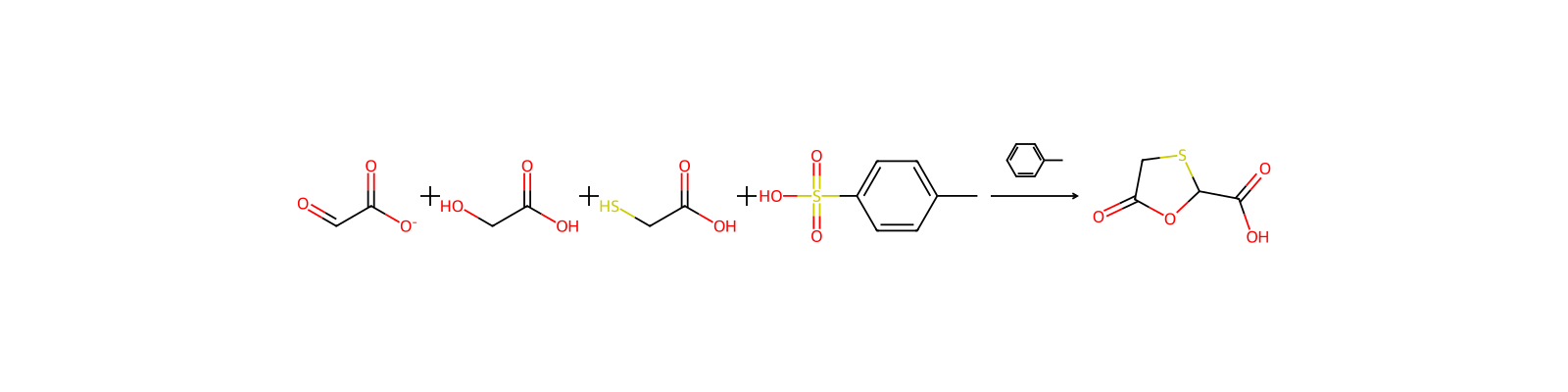
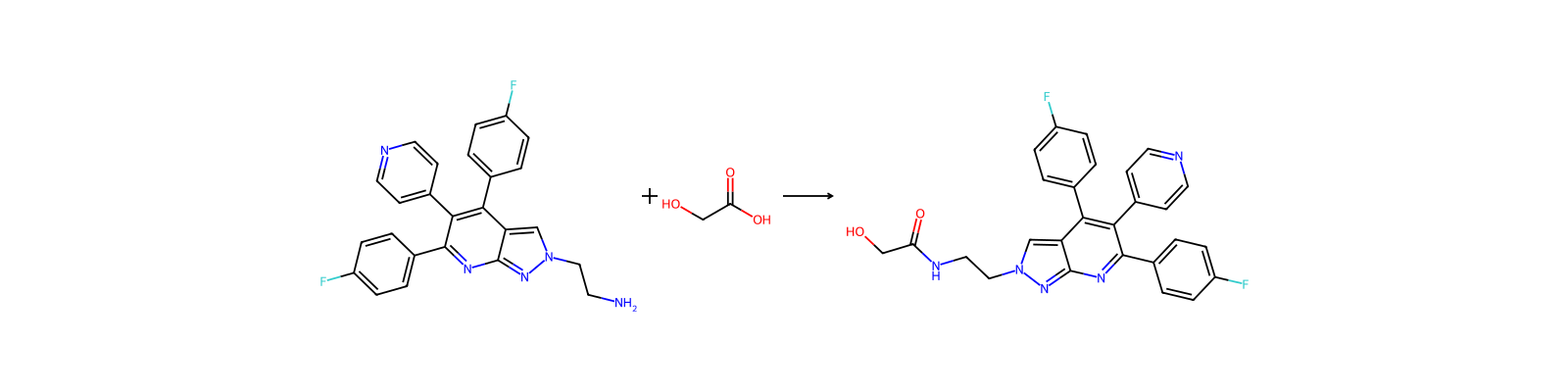
Related reactions
584 records




Linked notes
Loading…