
Basic information
- Standard SMILES
c1ccc(Oc2ccccc2)cc1- InChIKey
USIUVYZYUHIAEV-UHFFFAOYSA-N- Molecular formula
- C12H10O
- Average molar mass
- 170.21 g/mol
- Monoisotopic mass
- 170.07316494
Names & identifiers
- Preferred name
- Diphenyl Ether
- IUPAC
- phenoxybenzene
- English name
- Diphenyl ether
- Molecular formula
- C12H10O
- Molecular weight
- 170.21
Names & synonyms
DIPHENYL ETHERDiphenyl oxide101-84-8PhenoxybenzenePhenyl etherBenzene, 1,1'-oxybis-DiphenyletherOxybisbenzenePhenyl oxideBiphenyl oxideGeranium crystalsOxydiphenyl
Show more names
OxydibenzeneFEMA 3667Diphenyl etheether,diphenylDEPHENYL OXIDE
Chemcryl JK-EBBenzene, phenoxy-1,1'-Oxybis(benzene)1,1'-OxybisbenzeneEther, diphenylFEMA No. 3667DTXSID90218473O695R5M1U
Database identifiers
- CAS
101-84-8、32576-61-7- PubChem CID
- 7583
- DTXSID
DTXSID9021847- ChEMBL
CHEMBL38934- ChEBI
CHEBI:39258- UNII
- 3O695R5M1U
- EC Number
- 202-981-2
- Nikkaji
- J3.598J
Properties
Computed structural properties
- XLogP
- 4.2
- Topological polar surface area
- 9.2 Ų
- Hydrogen bond donors
- 0
- Hydrogen bond acceptors
- 1
- Rotatable bonds
- 2
- Heavy atoms
- 13
- Formal charge
- 0
- Complexity
- 116
Experimental & physicochemical properties
LogP
log Kow = 4.21
4.21
4.21
OdorGeranium-like odor
Density
1.07 at 80.6 °F (USCG, 1999) - Denser than water; will sink
1.0661 g/cu cm at 30 °C
Percent in saturated air: 0.0028; Density of saturated air: 1.0014 (Air = 1)
Relative density (water = 1): 1.08
1.071-1.075
1.08
Viscosity3.4909X10-3 Pa-sec at melting point
Color/Form
Colorless crystals or liquid
Colorless, crystalline solid or liquid (above 82 degrees F)
Solubility
Insoluble (NTP, 1992)
In water, 18 mg/L at 25 °C
Soluble in ethanol, ether, benzene, acetic acid; slightly soluble in chloroform
0.018 mg/mL at 25 °C
Solubility in water, g/100ml: 0.002 (very poor)
Insoluble in water, soluble in oils
Flash Point
239 °F (NTP, 1992)
[ACGIH] 115 °C
239 °F (115 °C) (Closed cup)
115 °C (Closed cup); 96.11 °C (Open cup)
115 °C c.c.
239 °F
Boiling Point
496.27 °F at 760 mmHg (NTP, 1992)
258 °C
258.00 to 259.00 °C. @ 760.00 mm Hg
257 °C
259 °C
498 °F
DecompositionWhen heated to decomposition it emits acrid smoke and irritating fumes.
Melting Point
80.3 °F (NTP, 1992)
26.865 °C
37 - 39 °C
28 °C
82 °F
82 °F
Vapor Density
5.86 (Air = 1)
Relative vapor density (air = 1): 5.9
Odor Threshold
Odor Threshold Low: 0.0012 [ppm];Reported odor threshold
0.1 ppm
Physicochemical properties
- Melting point
- 26 °C · 26 °C
- Boiling point
- 259 °C · 259 °C(lit.)
- Density
- 1.073 g/mL · 1.073 g/mL at 25 °C(lit.)
- vapor density
- 5.86 · >5.86 (25 °C, vs air)
- vapor pressure
- 1 mm · <1 mm Hg ( 20 °C)
- refractive index
- 20 · n20/D 1.579(lit.)
- FEMA
- 3667 · 3667 | DIPHENYL ETHER
- FLAVIS Number
- 4.035 · 04.035 | Diphenyl ether
- Flash point
- 230 °F · >230 °F
- storage temp.
- 30 °C · Store below +30°C.
- solubility
- alcohol: soluble(lit.)
- form
- Colorless liquid
- color
- White or Colorless to Almost white or Almost colorless
- Specific Gravity
- 1.073 · 1.073
- Relative polarity
- 2.8 · 2.8
- Odor
- Weak geranium.
- explosive limit
- 0.8 · 0.8-1.5%(V)
- Odor Threshold
- 0.1 ppm · 0.1ppm
- biological source
- synthetic
- Odor Type
- green
- Water Solubility
- insoluble
- FreezingPoint
- 27 ℃ · 27℃
- Specific Heat Capacity
- 1.27 J/ · Cp(crystal): 1.27 J/(g·K), at 25℃
- Thermal Conductivity
- 0.138 W/ · 0.138 W/(m·K) at 50 ℃
- JECFA Number
- 1255 · 1255
- Merck
- 14 · 14,7288
- BRN
- 1364620 · 1364620
- Henry's Law Constant
- 2.13 at · 2.13 at 20 °C (approximate - calculated from water solubility and vapor pressure)
- Dielectric constant
- 3.7 · 3.7(30℃)
- Exposure limits
- 1 ppm · ACGIH:TLV-TWA 1 ppm (7 mg/m3),Vapor fraction; TLV-STEL 2 ppm (14 mg/m3),Vapor fractionOSHA:PEL-TWA 1 ppm (7 mg/m3)NIOSH:REL-TWA 1 ppm
- Cosmetics Ingredients Functions
- FRAGRANCE
- InChI
- 1S/C12H10O/c1-3-7-11(8-4-1)13-12-9-5-2-6-10-12/h1-10H
- InChIKey
- USIUVYZYUHIAEV-UHFFFAOYSA-N
- SMILES
- O(c1ccccc1)c2ccccc2
- LogP
- 4.21 at · 4.21 at 25℃
- CAS DataBase Reference
- 101 · 101-84-8(CAS DataBase Reference)
- Substances Added to Food (formerly EAFUS)
- DIPHENYL ETHER
- EWG's Food Scores
- 2 · 2
- FDA UNII
- 3 O695R5M1U · 3O695R5M1U
- NIST Chemistry Reference
- Diphenyl ether(101-84-8)
- EPA Substance Registry System
- Phenyl ether (101-84-8)
- UNSPSC Code
- 41116107 · 41116107
- NACRES
- 61 · NB.61
- Symbol(GHS)
- 7 · GHS07,GHS09
- Signal word
- Warning
- Hazard statements
- 319 · H319-H410
- Precautionary statements
- 264 · P264-P273-P280-P305+P351+P338-P337+P313-P391
- PPE
- 95 · dust mask type N95 (US), Eyeshields, Gloves
- Hazard Codes
- N,Xi,T
- Risk Statements
- 51 · 51/53-36/37/38-39/23/24/25-23/24/25-36/38-36
- Safety Statements
- 60 · 60-61-57-37/39-26-45-36/37
- OEB
- B
- OEL
- 1 ppm · TWA: 1 ppm (7 mg/m3)
- RIDADR
- 3077 · UN 3077 9/PG 3
- WGK Germany
- 2 · 2
- RTECS
- 8970000 · KN8970000
- Autoignition Temperature
- 610 °C · 610 °C
- TSCA
- TSCA listed
- HS Code
- 2909 · 2909 30 10
- HazardClass
- 9 · 9
- PackingGroup
- III
- Storage Class
- 11 · 11 - Combustible Solids
- Hazard Classifications
- 1 Aquatic · Aquatic Acute 1Aquatic Chronic 2Eye Irrit. 2
- Hazardous Substances Data
- 101 · 101-84-8(Hazardous Substances Data)
- Toxicity
- 50 orally · LD50 orally in Rabbit: 2450 mg/kg LD50 dermal Rabbit > 7940 mg/kg
- IDLA
- 100 ppm · 100 ppm
- REACH Registrations
- Active
- Limited Quantities
- 5 L · 5.0 L (1.3 gallons) (liquid) or 5.0 kg (11 lbs) (solid)
- Excepted Quantities
- Max Inner Pack (30g or 30ml) and Max Outer Pack (1Kg or 1L)
Safety & regulation
GHS classification
GHS Classification
This chemical does not meet GHS hazard criteria for 0.5% (12 of 2199) of reports.
Warning
H319 (84.8%): Causes serious eye irritation [Warning Serious eye damage/eye irritation];H400 (16.1%): Very toxic to aquatic life [Warning Hazardous to the aquatic environment, acute hazard];H410 (10.3%): Very toxic to aquatic life with long lasting effects [Warning Hazardous to the aquatic environment, long-term hazard];H411 (78.8%): Toxic to aquatic life with long lasting effects [Hazardous to the aquatic environment, long-term hazard]
P264+P265, P273, P280, P305+P351+P338, P337+P317, P391, and P501 (click each P-code to see the statement)
Aggregated GHS information provided per 2199 reports by companies from 45 notifications to the ECHA C&L Inventory. Each notification may be associated with multiple companies.;Reported as not meeting GHS hazard criteria per 12 of 2199 reports by companies.;There are 44 notifications provided by 2187 of 2199 reports by companies with hazard statement code(s).;Information may vary between notifications depending on impurities, additives, and other factors. The percentage value in parenthesis indicates the notified classification ratio from companies that provide hazard codes. Only hazard codes with percentage values above 10% are shown. For more detailed information, please visit ECHA C&L website.
Hazard information
Regulatory Information
Chemical: Benzene, 1,1'-oxybis-
Commission Regulation (EC) No 1565/2000 (Repealed by Com. Implementing Reg. (EU) No 872/2012)
Benzene, 1,1'-oxybis- is listed on the EPA's Chemical Data Reporting (CDR) system. Manufacturers and importers of Benzene, 1,1'-oxybis- are required to report information about their production and use of this chemical to the EPA under the Toxic Substances Control Act (TSCA). (40 eCFR Part 711)
Status: Active Update: 04-08-2021 https://echa.europa.eu/registration-dossier/-/registered-dossier/14971;Status: Active Update: 07-10-2016 https://echa.europa.eu/registration-dossier/-/registered-dossier/18130
Diphenyl ether: Does not have an individual approval but may be used under an appropriate group standard
DOT LabelClass 9
Fire Hazards
This chemical is combustible. (NTP, 1992)
Combustible.
Fire PotentialCombustible when exposed to heat or flame.
Health HazardsInhalation may cause nausea because of disagreeable odor. Contact of liquid with eyes causes mild irritation. Prolonged exposure of skin to liquid causes reddening and irritation. Ingestion produces nausea. (USCG, 1999)
Hazards Summary
. . . industrial experience has shown no evidence that phenyl ether, either as liquid mist or vapor, was a human health hazard under ordinary conditions of manufacture, handling, or use. Controlling workplace concentration below 1 ppm has been recommended to prevent the disagreeable odor and nausea in some workers. Damage to the liver and other organs has been documented in acute feeding studies of experimental animals; LD50 = 4 g/kg for rats and guinea pigs; [ACGIH] An irritant of the eyes and respiratory tract; [ICSC]
Reactive GroupEthers;Hydrocarbons, Aromatic
UN ClassificationUN Hazard Class: 9; UN Pack Group: III
TSCA Requirements
Pursuant to section 8(d) of TSCA, EPA promulgated a model Health and Safety Data Reporting Rule. The section 8(d) model rule requires manufacturers, importers, and processors of listed chemical substances and mixtures to submit to EPA copies and lists of unpublished health and safety studies. Diphenyl oxide is included on this list. Effective date: 4/13/89; Sunset date: 6/30/98.
OSHA StandardsPermissible Exposure Limit: Table Z-1 8-hr Time Weighted Avg: 1 ppm (7 mg/cu m). /Vapor/
Reactivity ProfileDIPHENYL OXIDE can react with oxidizing materials. (NTP, 1992). A vigorous reaction occurred between the ether and chlorosulfuric acid.
Atmospheric Standards
This action promulgates standards of performance for equipment leaks of Volatile Organic Compounds (VOC) in the Synthetic Organic Chemical Manufacturing Industry (SOCMI). The intended effect of these standards is to require all newly constructed, modified, and reconstructed SOCMI process units to use the best demonstrated system of continuous emission reduction for equipment leaks of VOC, considering costs, non air quality health and environmental impact and energy requirements. Diphenyl oxide is produced, as an intermediate or a final product, by process units covered under this subpart.
Safety & protection
Fire Fighting
Fire Extinguishing Agents Not to Be Used: Water or foam may cause frothing.;Fire Extinguishing Agents: Dry chemical, carbon dioxide (USCG, 1999)
Use water spray, powder, foam, carbon dioxide.
First Aid Measures
Fresh air, rest.
Remove contaminated clothes. Rinse and then wash skin with water and soap.
Rinse with plenty of water for several minutes (remove contact lenses if easily possible).
Rinse mouth.
First Aid
EYES: First check the victim for contact lenses and remove if present. Flush victim's eyes with water or normal saline solution for 20 to 30 minutes while simultaneously calling a hospital or poison control center. Do not put any ointments, oils, or medication in the victim's eyes without specific instructions from a physician. IMMEDIATELY transport the victim after flushing eyes to a hospital even if no symptoms (such as redness or irritation) develop.;SKIN: IMMEDIATELY flood affected skin with water while removing and isolating all contaminated clothing. Gently wash all affected skin areas thoroughly with soap and water. If symptoms such as redness or irritation develop, IMMEDIATELY call a physician and be prepared to transport the victim to a hospital for treatment.;INHALATION: IMMEDIATELY leave the contaminated area; take deep breaths of fresh air. If symptoms (such as wheezing, coughing, shortness of breath, or burning in the mouth, throat, or chest) develop, call a physician and be prepared to transport the victim to a hospital. Provide proper respiratory protection to rescuers entering an unknown atmosphere. Whenever possible, Self-Contained Breathing Apparatus (SCBA) should be used; if not available, use a level of protection greater than or equal to that advised under Protective Clothing.;INGESTION: DO NOT INDUCE VOMITING. If the victim is conscious and not convulsing, give 1 or 2 glasses of water to dilute the chemical and IMMEDIATELY call a hospital or poison control center. Be prepared to transport the victim to a hospital if advised by a physician. If the victim is convulsing or unconscious, do not give anything by mouth, ensure that the victim's airway is open and lay the victim on his/her side with the head lower than the body. DO NOT INDUCE VOMITING. IMMEDIATELY transport the victim to a hospital. (NTP, 1992)
(General first aid procedures);Eye: Irrigate immediately - If this chemical contacts the eyes, immediately wash (irrigate) the eyes with large amounts of water, occasionally lifting the lower and upper lids. Get medical attention immediately.;Skin: Soap wash promptly - If this chemical contacts the skin, promptly wash the contaminated skin with soap and water. If this chemical penetrates the clothing, promptly remove the clothing and wash the skin with soap and water. Get medical attention promptly.;Breathing: Respiratory support
Safe StorageSeparated from strong oxidants. Store in an area without drain or sewer access. Provision to contain effluent from fire extinguishing.
Exposure Control and Personal Protection1.0 [ppm]
Fire Fighting Procedures
Suitable extinguishing media: Use water spray, alcohol-resistant foam, dry chemical or carbon dioxide.
Advice for firefighters: Wear self-contained breathing apparatus for firefighting if necessary.
If material involved in fire: Extinguish fire using agent suitable for type of surrounding fire. (Material itself does not burn or burns with difficulty.) Use water in flooding quantities as fog. Cool all affected containers with flooding quantities of water. Apply water from as far a distance as possible.
Dry chemical, carbon dioxide. Water or foam may cause frothing.
Storage ConditionsConditions for safe storage, including any incompatibilities. Keep container tightly closed in a dry and well-ventilated place. Storage class (TRGS 510): Non Combustible Solids.
Cleanup Methods
Accidental release measures: Personal precautions, protective equipment and emergency procedures: Use personal protective equipment. Avoid dust formation. Avoid breathing vapors, mist or gas. Ensure adequate ventilation. Avoid breathing dust.; Environmental precautions: Prevent further leakage or spillage if safe to do so. Do not let product enter drains. Discharge into the environment must be avoided.; Methods and materials for containment and cleaning up: Pick up and arrange disposal without creating dust. Sweep up and shovel. Keep in suitable, closed containers for disposal.
Nonfire Spill Response
SMALL SPILLS AND LEAKAGE: If you spill this chemical, use absorbent paper to pick up all liquid spill material. Your contaminated clothing and absorbent paper should be sealed in a vapor-tight plastic bag for eventual disposal. Solvent wash all contaminated surfaces with alcohol followed by washing with a strong soap and water solution. Do not reenter the contaminated area until the Safety Officer (or other responsible person) has verified that the area has been properly cleaned.;STORAGE PRECAUTIONS: You should store this chemical under refrigerated temperatures, and keep it away from oxidizing materials. (NTP, 1992)
Disposal Methods
SRP: Recycle any unused portion of the material for its approved use or return it to the manufacturer or supplier. Ultimate disposal of the chemical must consider: the material's impact on air quality; potential migration in air, soil or water; effects on animal, aquatic and plant life; and conformance with environmental and public health regulations. If it is possible or reasonable use an alternative chemical product with less inherent propensity for occupational harm/injury/toxicity or environmental contamination.
Product: Offer surplus and non-recyclable solutions to a licensed disposal company. Contact a licensed professional waste disposal service to dispose of this material. Contaminated packaging: Dispose of as unused product.
Dissolve or mix the material with a combustible solvent and burn in a chemical incinerator equipped with an afterburner and scrubber. All federal, state, and local environmental regulations must be observed.
SRP: Wastewater from contaminant suppression, cleaning of protective clothing/equipment, or contaminated sites should be contained and evaluated for subject chemical or decomposition product concentrations. Concentrations shall be lower than applicable environmental discharge or disposal criteria. Alternatively, pretreatment and/or discharge to a permitted wastewater treatment facility is acceptable only after review by the governing authority and assurance that "pass through" violations will not occur. Due consideration shall be given to remediation worker exposure (inhalation, dermal and ingestion) as well as fate during treatment, transfer and disposal. If it is not practicable to manage the chemical in this fashion, it must be evaluated in accordance with EPA 40 CFR Part 261, specifically Subpart B, in order to determine the appropriate local, state and federal requirements for disposal.
Spillage Disposal
Do NOT let this chemical enter the environment. Collect leaking and spilled liquid in sealable containers as far as possible. Absorb remaining liquid in sand or inert absorbent. If solid: sweep spilled substance into containers. If appropriate, moisten first to prevent dusting. Then store and dispose of according to local regulations.
Preventive Measures
Precautions for safe handling: Avoid contact with skin and eyes. Avoid formation of dust and aerosols. Further processing of solid materials may result in the formation of combustible dusts. The potential for combustible dust formation should be taken into consideration before additional processing occurs. Provide appropriate exhaust ventilation at places where dust is formed.
Appropriate engineering controls: Handle in accordance with good industrial hygiene and safety practice. Wash hands before breaks and at the end of workday.
Gloves must be inspected prior to use. Use proper glove removal technique (without touching glove's outer surface) to avoid skin contact with this product. Dispose of contaminated gloves after use in accordance with applicable laws and good laboratory practices. Wash and dry hands.
If material not on fire and not involved in fire: Keep sparks, flames, and other sources of ignition away. Keep material out of water sources and sewers. Build dikes to contain flow as necessary.
For more Preventive Measures (Complete) data for DIPHENYL ETHER (9 total), please visit the HSDB record page.
Toxicology
Body BurdenAs part of the USEPA's National Human Adipose Tissue Survey (NHATS), diphenyl ether was detected in 40 of 44 composite adipose tissue collected for fiscal year 1982(1).
Target OrgansEyes, skin, respiratory system
Ecotoxicity Values
LC50; Species: Daphnia magna (Water Flea) age < or =24 hr; Conditions: freshwater, static, 22 °C, pH 7.4-9.4, dissolved oxygen 6.5-9.1 mg/L; Concentration: 1400 ug/L for 24 hr (95% confidence limit: 1100-1900 ug/L) /> or =80% purity/
LC50; Species: Daphnia magna (Water Flea) age < or =24 hr; Conditions: freshwater, static, 22 °C, pH 7.4-9.4, dissolved oxygen 6.5-9.1 mg/L; Concentration: 670 ug/L for 48 hr (95% confidence limit: 110-1100 ug/L) /> or =80% purity/
LC50; Species: Cyprinodon variegatus (Sheepshead Minnow) age 14-28 dph, juvenile, length 8-15 mm; Conditions: saltwater, static; Concentration: 2400 ug/L for 24 hr (95% confidence limit: 1800-3200 ug/L) /> or =80% purity/
LC50; Species: Cyprinodon variegatus (Sheepshead Minnow) age 14-28 dph, juvenile, length 8-15 mm; Conditions: saltwater, static; Concentration: 2400 ug/L for 48 hr (95% confidence limit: 1800-3200 ug/L) /> or =80% purity/
For more Ecotoxicity Values (Complete) data for DIPHENYL ETHER (6 total), please visit the HSDB record page.
Environmental Fate
TERRESTRIAL FATE: Based on a classification scheme(1), a Koc value of 1950(2), indicates that diphenyl ether is expected to have low mobility in soil(SRC). Volatilization of diphenyl ether from moist soil surfaces may be an important fate process(SRC) given its Henry's Law constant estimated as 2.8X10⁻⁴ atm-cu m/mole(SRC) based upon its vapor pressure, 2.25X10⁻² mm Hg(3), and water solubility, 18 mg/L(4). Diphenyl ether is not expected to volatilize from dry soil surfaces(SRC) based upon a vapor pressure of 2.25X10⁻² mm Hg at 25 °C(3). A 6.3% of theoretical BOD using activated sludge in the Japanese MITI test(5) suggests that biodegradation is not an important environmental fate process in soil(SRC).
AQUATIC FATE: Based on a classification scheme(1), a Koc value of 1950(2), indicates that diphenyl ether is expected to adsorb to suspended solids and sediment(SRC). Volatilization from water surfaces may be expected(3) based upon an estimated Henry's Law constant of 2.8X10⁻⁴ atm-cu m/mole(SRC) derived from its vapor pressure, 2.25X10⁻² mm Hg(4), and water solubility, 18 mg/L(5). Using this Henry's Law constant and an estimation method(3), volatilization half-lives for a model river and model lake are 4 hours and 6 days, respectively(SRC). According to a classification scheme(6), experimental BCF values of 195, 470 and 590, suggest that bioconcentration in aquatic organisms is moderate to high(SRC). A 6.3% of theoretical BOD using activated sludge in the Japanese MITI test(5) suggests that biodegradation is not an important environmental fate process in water(SRC).
ATMOSPHERIC FATE: According to a model of gas/particle partitioning of semivolatile organic compounds in the atmosphere(1), diphenyl ether, which has a vapor pressure of 2.25X10⁻² mm Hg at 25 °C(2), is expected to exist solely as a vapor in the ambient atmosphere. Vapor-phase diphenyl ether is degraded in the atmosphere by reaction with photochemically-produced hydroxyl radicals(SRC); the half-life for this reaction in air is estimated to be 3 days(SRC), calculated from its rate constant of 9.8X10⁻¹² cu cm/molecule-sec at 25 °C(3). Diphenyl ether contains chromophores that absorb at wavelengths >290 nm(4) and, therefore, may be susceptible to direct photolysis by sunlight(SRC).
Food Survey ValuesDiphenyl ether has been qualitatively detected in the volatile aroma components of roasted beef(1).
Adverse EffectsOccupational hepatotoxin - Secondary hepatotoxins: the potential for toxic effect in the occupational setting is based on cases of poisoning by human ingestion or animal experimentation.
Exposure Routesinhalation, skin and/or eye contact
Toxicity Summary
IDENTIFICATION AND USE: Diphenyl ether exists as a colorless crystalline solid or liquid with a unpleasant odor. It is insoluble in water and soluble in ether, benzene and acetic acid. The odor is extremely unpleasant. It is used in large quantities in soap perfumes and its main application is as a heat transfer medium (eutectic mixture with diphenyl) and as a chemical intermediate for reactions such as halogenation, acylation, alkylation; it is also used as a dye carrier. Employed as a processing aid in the production of polyesters. HUMAN EXPOSURE AND TOXICITY: Contact with a commercial product containing diphenyl ether has caused burning of the eyes, irritation of the respiratory tract, and severe nausea along with skin irritation. Oral exposure to a commercial product containing this chemical has caused severe degenerative changes in the liver and kidney. Prolonged exposure of skin to liquid causes reddening and irritation. Occupational exposure to diphenyl ether occurs through dermal contact and inhalation of vapor. Its use in various soap, detergent, creams, lotion, and perfume formulations results in general population exposure through inhalation and dermal contact. Diphenyl ether was detected in collected composite adipose tissue. ANIMAL STUDIES: In acute oral exposures of diphenyl ether to rats, injury to the liver, spleen, kidney, thyroid and intestinal tract was observed. Undiluted diphenyl ether is irritating to rabbit skin. Erythema and exfoliation of skin was noted.
Plant ConcentrationsDiphenyl ether reportedly occurs in lemon balm oil(1).
Signs and Symptoms
Sore throat. Cough.
Redness.
Redness. Pain.
irritation eyes, nose, skin; nausea
Ongoing Test Status
EPA has released the first beta version (version 0.5) of the Interactive Chemical Safety for Sustainability (iCSS) Dashboard. The beta version of the iCSS Dashboard provides an interactive tool to explore rapid, automated (or in vitro high-throughput) chemical screening data generated by the Toxicity Forecaster (ToxCast) project and the federal Toxicity Testing in the 21st century (Tox21) collaboration. /The title compound was tested by ToxCast and/or Tox21 assays; Click on the "Chemical Explorer" button on the tool bar to see the data./[USEPA; ICSS Dashboard Application; Available from, as of April 22, 2015: http://actor.epa.gov/dashboard/]
Effluent Concentrations
Diphenyl ether has been detected at concentrations > 100 ppb in 1 of 63 effluents collected from chemical manufacturing plants across the US(1). Wastewater samples collected from a small specialty chemicals manufacturing plant on the Pawtuxet River (RI) during 1975 and 1976 contained diphenyl ether concentrations ranging from 0.01 to 0.20 ppm(2,3). In Delaware diphenyl ether was present in digested and dewatered sludge obtained from a Georgetown WWTP in July 2000 at trace amounts and in digested and dewatered sludge obtained from a Willmington WWTP October 2002 at concentration of 99.6 ug/g(4). Diphenyl ether has been identified in advanced waste water treatment facility samples collected from Orange County, CA (Jan-Feb 1976)(5).
Diphenyl ether was listed as 57 of the 99 most frequently detected compounds at US hazardous waste sites monitored for 2 years prior to 1989(1). The compound has been detected in wastewater effluents from municipal waste water treatment facilities(2,3), textile finishing plants(4), organic chemical and plastic manufacturing plants, soap and detergent facilities, and electronic facilities(5). Diphenyl ether is reportedly released to the atmosphere in emissions from combustion, phthalic anhydride manufacture, and turbine engines(6). The detection of diphenyl ether in river water samples adjacent to hazardous waste disposal areas in Niagara Falls, NY indicates that leaching is a source of environmental contamination(7). Possible sources of release to environmental waters include spent heat exchange chemicals and byproduct from phenol manufacture(8).
Regulatory information
Regulatory Information
Chemical: Benzene, 1,1'-oxybis-
Commission Regulation (EC) No 1565/2000 (Repealed by Com. Implementing Reg. (EU) No 872/2012)
Benzene, 1,1'-oxybis- is listed on the EPA's Chemical Data Reporting (CDR) system. Manufacturers and importers of Benzene, 1,1'-oxybis- are required to report information about their production and use of this chemical to the EPA under the Toxic Substances Control Act (TSCA). (40 eCFR Part 711)
Status: Active Update: 04-08-2021 https://echa.europa.eu/registration-dossier/-/registered-dossier/14971;Status: Active Update: 07-10-2016 https://echa.europa.eu/registration-dossier/-/registered-dossier/18130
Diphenyl ether: Does not have an individual approval but may be used under an appropriate group standard
TSCA Requirements
Pursuant to section 8(d) of TSCA, EPA promulgated a model Health and Safety Data Reporting Rule. The section 8(d) model rule requires manufacturers, importers, and processors of listed chemical substances and mixtures to submit to EPA copies and lists of unpublished health and safety studies. Diphenyl oxide is included on this list. Effective date: 4/13/89; Sunset date: 6/30/98.
Atmospheric Standards
This action promulgates standards of performance for equipment leaks of Volatile Organic Compounds (VOC) in the Synthetic Organic Chemical Manufacturing Industry (SOCMI). The intended effect of these standards is to require all newly constructed, modified, and reconstructed SOCMI process units to use the best demonstrated system of continuous emission reduction for equipment leaks of VOC, considering costs, non air quality health and environmental impact and energy requirements. Diphenyl oxide is produced, as an intermediate or a final product, by process units covered under this subpart.
Safety data
- OEB
- B
- OEL
- TWA: 1 ppm (7 mg/m3)
- PPE
- dust mask type N95 (US), Eyeshields, Gloves
- wgk
- 2
- IDLA
- 100 ppm
- tsca
- TSCA listed
- rtecs
- KN8970000
- ridadr
- UN 3077 9/PG 3
- hs_code
- 2909 30 10
- Toxicity
- LD50 orally in Rabbit: 2450 mg/kg LD50 dermal Rabbit > 7940 mg/kg
- risk_code
- 51/53-36/37/38-39/23/24/25-23/24/25-36/38-36
- Signal word
- Warning
- Symbol(GHS)
- GHS07,GHS09
- hazard_code
- N,Xi,T
- safety_code
- 60-61-57-37/39-26-45-36/37
- hazard_class
- 9
- Storage Class
- 11 - Combustible Solids
- packing_group
- III
- Hazard statements
- H319-H410
- Limited Quantities
- 5.0 L (1.3 gallons) (liquid) or 5.0 kg (11 lbs) (solid)
- Excepted Quantities
- Max Inner Pack (30g or 30ml) and Max Outer Pack (1Kg or 1L)
- REACH Registrations
- Active
- Hazard Classifications
- Aquatic Acute 1Aquatic Chronic 2Eye Irrit. 2
- Autoignition Temperature
- 610 °C
- Precautionary statements
- P264-P273-P280-P305+P351+P338-P337+P313-P391
- Hazardous Substances Data
- 101-84-8(Hazardous Substances Data)
Chemistry & industry
Pharmacology
Metabolism/Metabolites
... In the rabbit no cleavage of the ether linkage /of phenyl ether/ occurs. The major metabolite was the p-hydroxylated ether, which is excreted both unconjugated (15%) and conjugated with glucuronic acid (63%) and sulfuric acid (12%). Another metabolite was also isolated from the rabbit urine and fairly well identified as di(p-hydroxyphenyl) ether.
Subcellular fractions of trout liver homogenate metab diphenyl ether mainly to 4 hydroxy derivates with traces of other compounds including 3 hydroxy derivates and possibly 4,4'-dihydroxy derivates.
The bacterium Sphingomonas sp strain SS3, which utilizes diphenyl ether as source of carbon and energy, was enriched from soil samples of an industrial waste deposit. During diphenyl ether degradation in batch culture experiments, phenol and catechol were produced as intermediates which were then channeled into the 3-oxoadipate pathway. The initial step in the degradation follows the recently discovered mechanism of 1,2-dioxygenation, which yields unstable phenolic hemiacetals from diphenyl ether structures.
Screening of selected fungi proved Cunninghamella echinulata most suitable for research on hydroxylation of biphenyl oxide. The process depended on cultivation conditions and yielded up to 76% 4-hydroxybiphenyl oxide and about 6% 4,4'-dihydroxybiphenyl oxide.
Absorption, Distribution and Excretion
The absorption of diphenyl ether after oral uptake is up to 90% in rats and rabbits and is independent of the administered dose. The data on dermal absorption are somewhat conflicting. After semi-occlusive application of 10-1,000 mg/kg to the clipped skin of rats, almost 20% of the dose was absorbed as measured by the amount excreted in urine. However, in a diffusion experiment only 0.3% (rat skin) or 0.2% (human skin) of diphenyl ether penetrated the skin in vitro. The higher absorption in the in vivo experiment may have been caused by the vehicle (diethyl phthalate) and some oral uptake after removal of the occlusion plaster.
After intraperitoneal injection in rats, diphenyl ether was distributed into all organs and tissues within 1 hour with maximum concentrations in liver, lung, kidney and spleen.
... Phenyl ether, when injected into the rabbit, was excreted in the urine as p-hydroxyphenyl phenyl ether and none was excreted as the unchanged ether. /Route not specified/
Cellular LocationsMembrane
Uses & manufacturing
Uses
Used as a heat transfer medium, Dowtherm A, and as a chemical intermediate for surface active agents and lubricants; [ACGIH]
Perfumery, particularly soaps; heat-transfer medium resins for laminated electrical insulation; chemical intermediate for such reactions as halogenation, acylation, alkylation.
Commonly used dye carrier. /From table/
... Employed as a processing aid in the production of polyesters; several polybromine derivatives of diphenyl ether are used as fire retardants.
... Used in large quantities in soap perfumes. However, its main application is as a heat-transfer medium (eutectic mixture with diphenyl).
For more Uses (Complete) data for DIPHENYL ETHER (6 total), please visit the HSDB record page.
U.S. Imports
(1972) 2.74X10+6 G
(1975) 9.17X10+7 G
581,836 lbs (principal US custom districts)
U.S. Production
2023: 40,000,000 - <55,000,000 lb;2022: 70,000,000 - <85,000,000 lb;2021: 70,000,000 - <85,000,000 lb;2020: 70,000,000 - <85,000,000 lb
(1972) OVER 4.54X10+5 G
(1975) PROBABLY GREATER THAN 4.54X10+5 G
Benzene, 1,1'-oxybis- is listed as a High Production Volume (HPV) chemical (65FR81686). Chemicals listed as HPV were produced in or imported into the U.S. in >1 million pounds in 1990 and/or 1994. The HPV list is based on the 1990 Inventory Update Rule. (IUR) (40 CFR part 710 subpart B; 51FR21438).
Production volume for non-confidential chemicals reported under the 2006 Inventory Update Rule. Chemical: Benzene, 1,1'-oxybis-. Aggregated National Production Volume: 50 to < 100 million pounds.
Non-confidential 2012 Chemical Data Reporting (CDR) information on the production and use of chemicals manufactured or imported into the United States. Chemical: Benzene, 1,1'-oxybis-. National Production Volume: 77,839,277 lb/yr.
Consumption PatternsApproximately 67% is used in making heat-transfer fluids; approximately 100,000 lbs used annually in fragrance products
Consumer UsesNot Known or Reasonably Ascertainable;Fragrance
Industry UsesIntermediate;Fragrance;Heat transferring agent;Processing aids not otherwise specified;Surfactant (surface active agent)
Methods of Manufacturing
Prepared by heating sodium phenolate with chlorobenzene.
Reaction of bromobenzene and sodium phenate heated under pressure.
By heating potassium phenolate with bromobenzene or with chlorobenzene at elevated temperatures.
Diphenyl ether is obtained as a byproduct in the production of phenol by high-pressure hydrolysis of chlorobenzene.
Catalysis of phenol.../phenol is/ heated to 350 °C in an autoclave with activated fuller's earth
Formulations/Preparations
Grades: technical; perfume; industrial.
Usual concns in final products: soap, 0.05%; detergent, 0.005%; creams, lotions, 0.05%; perfume, 0.15%
Eutectic heat-transfer mixture composed of 73.5% diphenyl oxide and 26.5% biphenyl...marketed under product names Dowtherm A (Dow Chemical), Therminol VP-1 (Monsanto), Thermex (Imperial Chem), Therm S-300 (Nippon Steel Chemical), Diphyl (Bayer), and Gilotherm (Progil)
Household ProductsInformation on 69 consumer products that contain Diphenyl Ether in the following categories is provided:;• Auto Products;• Commercial / Institutional;• Inside the Home
Use Classification
Fragrance Ingredients
Flavouring Agent -> FLAVOURING_AGENT -> JECFA Functional Classes
Flavoring Agents -> JECFA Flavorings Index
Flavouring Agent -> FLAVOURING_AGENT -> JECFA Functional Classes
Flavouring Agent -> FLAVOURING_AGENT -> JECFA Functional Classes
General Manufacturing Information
Synthetic Dye and Pigment Manufacturing;Not Known or Reasonably Ascertainable;All Other Chemical Product and Preparation Manufacturing;Petrochemical Manufacturing;All Other Basic Organic Chemical Manufacturing;Soap, Cleaning Compound, and Toilet Preparation Manufacturing
Benzene, 1,1'-oxybis-: ACTIVE
Applications
DescriptionDiphenyl ether (diphenyl oxide) is a colorless liquid with a floral odor. It is a white, crystalline solid at temperatures below 80ºF (27ºC). It has low volatility, low solubility in water, and is stable at high temperatures. Avoid contact with oxidizing materials. Liquid diphenyl oxide is used primarily in industry. It is used in the industrial setting as a heat transfer fluid. It is the major component of Dowtherm A® (an eutectic mixture of phenyl ether and biphenyl) and further as a chemical intermediate in the production of surface-active agents and hightemperature lubricants, and in perfumery due to its geranium-like odour (ACG99b). It is also used as a chemical intermediate in the manufacture of surfactants and fire retardants. Diphenyl oxide (DPO) is manufactured using the direct phenol method.
OccurrenceReported found in muscat grapes, grilled beef, green tea, potato chips, buckwheat, Bourbon vanilla and lemon balm.
UsesDiphenyl ether is widely used as a heat transfer agent and a dye carrier. It can be used alone or as a mixture with other materials. Because of its reactivity, It can also be used as a raw material or chemical intermediate to produce commercial products. Diphenyl ether is used in the production of: Diphenyl ether is employed as a processing aid in the production of polyesters. It acts as a chemical intermediate in the production of surface active agents and high temperature lubricants, fire retardants like polybrominated diphenyl ethers (PBDEs) and fragrance for detergents. Heat transfer media – like DOWTHERMTM fluids used for heating industrial processes Alkylated diphenyl oxides – used to make surfactants, greases and lubricants Halogenated diphenyl oxides – used in insecticides, wood preservatives, and flame retardants for appliance casings in consumer electronic products High temperature solvents Coatings Textile dye labeling Plastics – like ethylene-propylene-diene monomer (EPDM) rubber that is used for membrane roofing materials Diphenyl ether plays a vital role in the Ferrario reaction to produce phenoxathiin, which finds application in polyamide and polyimide production. Involving similar reactions, diphenyl ether is a significant side product in the high-pressure hydrolysis of chlorobenzene in the production of phenol. Diphenyl ether is found in alcoholic beverages. Diphenyl ether is present in muscat grapes, green tea, vanilla, lemon balm, buckwheat, potato chips and grilled beef. Diphenyl ether is a flavouring ingredient.
UsesPhenyl Ether is an Impurity of Propofol (P829750).
General DescriptionDiphenyl ether occurs, e.g., in lemon balm oil. The compound forms colorless crystals that possess a geranium-like aroma. Diphenyl ether is formed as a byproduct in the high-pressure hydrolysis of chlorobenzene. Because of its high thermal stability, a eutectic mixture of diphenyl ether and biphenyl is employed as a heat transfer medium. Diphenyl ether is the starting material for organic intermediates and is used as a fragrance component. The compound is also employed as a processing aid in the production of polyesters; several polybromine derivatives of diphenyl ether are used as fire retardants.
General DescriptionColorless liquid with a mild pleasant odor. May float or sink in water. Freezing point is 81°F.
Preparation methods
PreparationBy heating potassium phenolate with bromobenzene or with chlorobenzene at elevated temperatures.
Upstream & downstream products
Upstream raw materials
Downstream products
Additional notes
DefinitionChEBI: Diphenyl ether is an aromatic ether in which the oxygen is attached to two phenyl substituents. It has been found in muscat grapes and vanilla. It has a role as a plant metabolite.
Related reactions
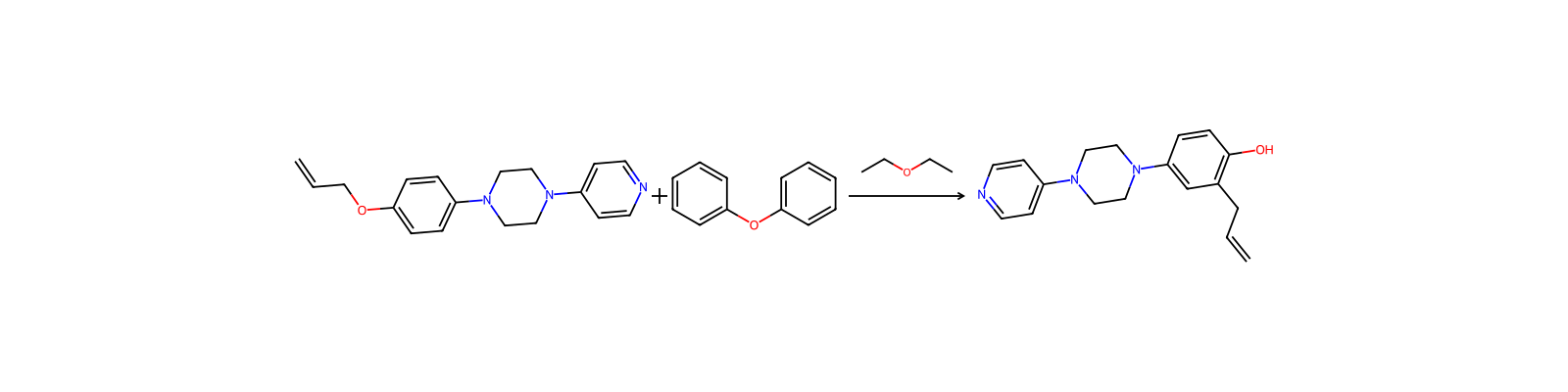
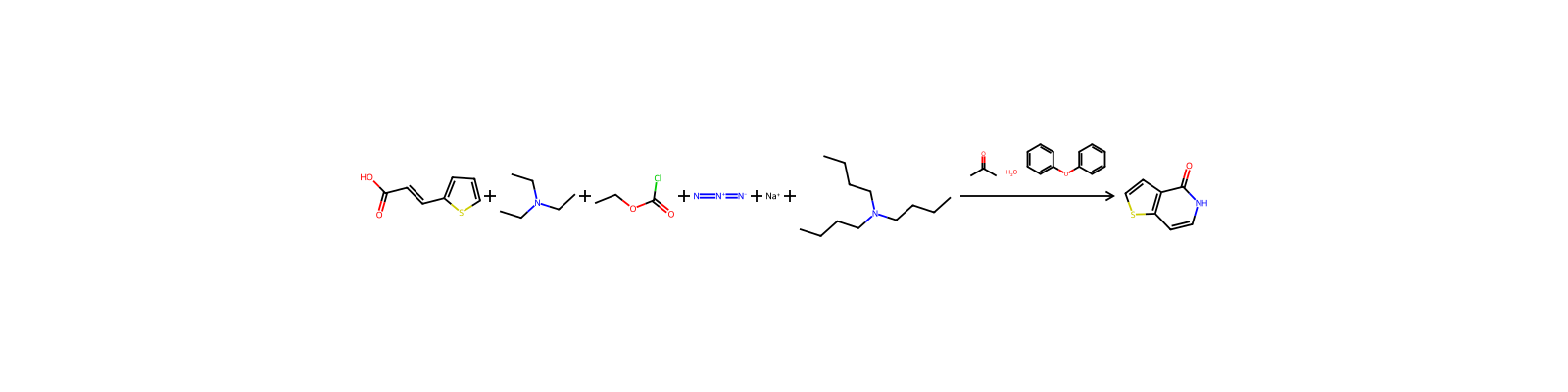
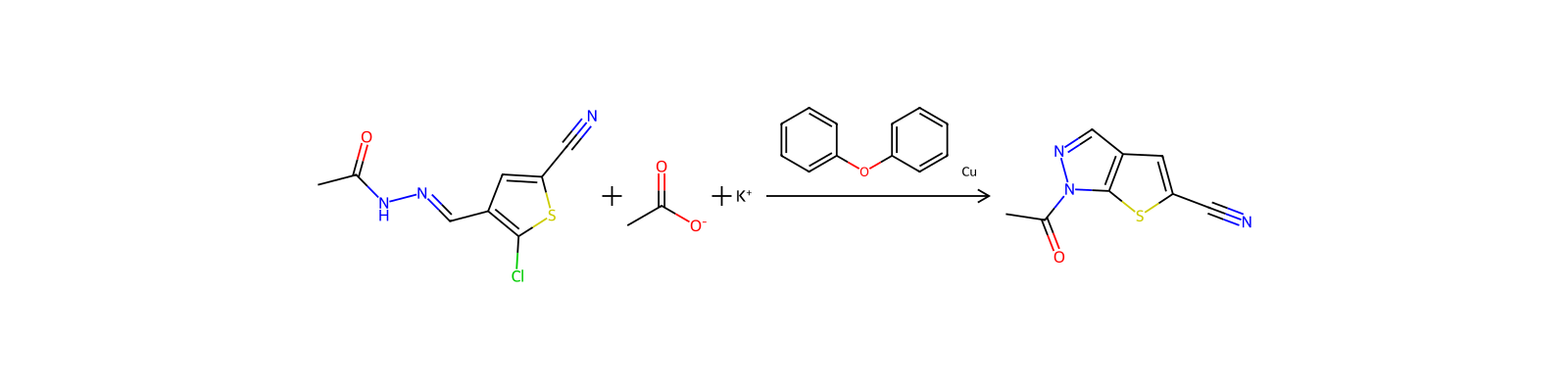
1,226 records


Linked notes
Loading…