2,5-Dimethoxyaniline
Completing data — refresh the page later to see the latest

Basic information
- CAS
102-56-7- Standard SMILES
COc1ccc(OC)c(N)c1- InChIKey
NAZDVUBIEPVUKE-UHFFFAOYSA-N- Molecular formula
- C8H11NO2
- Average molar mass
- 153.18 g/mol
- Monoisotopic mass
- 153.07897859
Names & identifiers
- Preferred name
- 2,5-Dimethoxyaniline
- IUPAC
- 2,5-dimethoxyaniline
- English name
- 2,5-Dimethoxyaniline
- Molecular formula
- C8H11NO2
- Molecular weight
- 153.18
Names & synonyms
2,5-DIMETHOXYANILINE102-56-7Benzenamine, 2,5-dimethoxy-Aminohydroquinone dimethyl ether1-Amino-2,5-dimethoxybenzeneAniline, 2,5-dimethoxy-2,5-DimethoxybenzenamineMFCD00008368C.I. 35811BRN 0776823V3Z5U3FL10WLN: 1OR BZ DO1
Show more names
C2H11NO2c.i.35811AURORA KA-673AKOS BBS-00003545TIMTEC-BB SBB0075812,5-dimethoxy-anilinDIMETHOXYANILINE(2,5-)2,5-DIMETHOXY-BENZAMINE
SCHEMBL92071MLS000053359BDBM55250NSC-4138PS-3249SMR0000632862,5-dimethoxyphenylamineD1893
Database identifiers
- CAS
102-56-7- PubChem CID
- 7613
- DTXSID
DTXSID4059257- ChEMBL
CHEMBL1616799- UNII
- V3Z5U3FL10
- EC Number
- 203-040-9
- Nikkaji
- J55.364F
Properties
Computed structural propertiesFilling in
- XLogP
- 1.2
- Topological polar surface area
- 44.5 Ų
- Hydrogen bond donors
- 1
- Hydrogen bond acceptors
- 3
- Rotatable bonds
- 2
- Heavy atoms
- 11
- Formal charge
- 0
- Complexity
- 119
Experimental & physicochemical properties
Chemical ClassesNitrogen Compounds -> Amines, Aromatic
SpringerMaterials PropertiesDensity
LogP1.2
Vapor Pressure0.00828 [mmHg]
Physical DescriptionBrown powder; [Alfa Aesar MSDS]
Physicochemical properties
- Melting point
- 78 · 78-80 °C (lit.)
- Boiling point
- 140 °C · 140 °C (7 mmHg)
- Density
- 1.1577 · 1.1577 (rough estimate)
- vapor pressure
- 0.19 Pa · 0.19Pa at 20℃
- refractive index
- 1.477 · 1.4770 (estimate)
- Flash point
- 130 °C · 130 °C
- storage temp.
- Keep in dark place,Inert atmosphere,Room temperature
Safety & regulation
Safety information is for reference only and does not replace the supplier’s Safety Data Sheet (SDS), applicable regulations, or professional assessment.
GHS classification
GHS Classification
Danger
H301 (88.5%): Toxic if swallowed [Danger Acute toxicity, oral]
P260, P264, P270, P301+P316, P301+P317, P319, P321, P330, P405, and P501 (click each P-code to see the statement)
Aggregated GHS information provided per 52 reports by companies from 8 notifications to the ECHA C&L Inventory. Each notification may be associated with multiple companies.
Hazard information
Regulatory Information
Chemical: Benzenamine, 2,5-dimethoxy-
Status: Active Update: 27-06-2018 https://echa.europa.eu/registration-dossier/-/registered-dossier/5256
Benzenamine, 2,5-dimethoxy-: Does not have an individual approval but may be used under an appropriate group standard
Hazards Summary
Causes somnolence, methemoglobinemia, liver and kidney changes, and general anesthesia in acute oral studies of mice; [RTECS] May cause irritation; May induce methemoglobinemia; Toxic by ingestion, inhalation, and skin absorption; Prolonged or repeated exposure may cause organ injury; [Alfa Aesar MSDS]
Hazard Classes and CategoriesAcute Tox. 3 (88.5%)
Toxicology
Adverse EffectsNeurotoxin - Other CNS neurotoxin
Safety data
- F
- 8-10-23
- PPE
- Eyeshields, Faceshields, Gloves, type P2 (EN 143) respirator cartridges
Chemistry & industry
Uses & manufacturing
UsesUsed as an intermediate; [ExPub: ECHA REACH Registrations]
General Manufacturing InformationBenzenamine, 2,5-dimethoxy-: ACTIVE
Applications
Uses2,5-Dimethoxyaniline is used as a laccase inducer which immobilizes the enzyme laccase from Trumetes versicolor.
Upstream & downstream products
Upstream raw materials
Downstream products
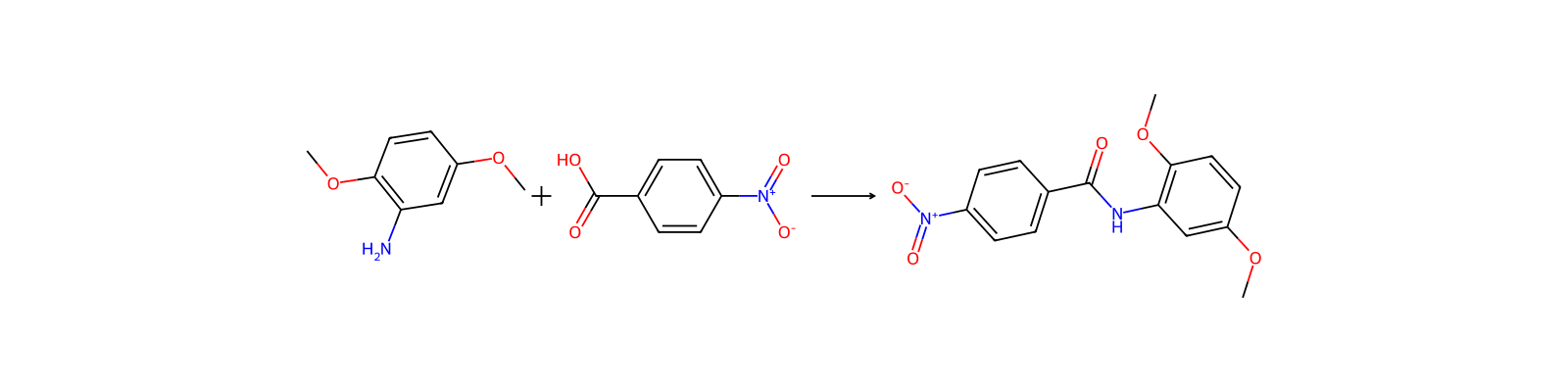
Related reactions
109 records


Compound notes
Loading…