

Basic information
- Standard SMILES
OCCN(CCO)CCO- InChIKey
GSEJCLTVZPLZKY-UHFFFAOYSA-N- Molecular formula
- C6H15NO3
- Average molar mass
- 149.19 g/mol
- Monoisotopic mass
- 149.10519334
Names & identifiers
- Preferred name
- Triethanolamine
- IUPAC
- 2-[bis(2-hydroxyethyl)amino]ethanol
- English name
- Triethanolamine
- Molecular formula
- C6H15NO3
- Molecular weight
- 149.1882
Names & synonyms
TRIETHANOLAMINETrolamine102-71-62,2',2''-NitrilotriethanolSterolamideDaltogenTris(2-hydroxyethyl)amineNitrilotriethanolTriethylolamineTrihydroxytriethylamineThiofaco T-35Sting-Kill
Show more names
TriethanolaminTri(hydroxyethyl)amineTeoaTris(beta-hydroxyethyl)amineNitrilo-2,2',2''-triethanolEthanol, 2,2',2''-nitrilotris-TEA (amino alcohol)2-[bis(2-hydroxyethyl)amino]ethanol
Database identifiers
- CAS
102-71-6、64114-46-1- PubChem CID
- 7618
- DTXSID
DTXSID9021392- ChEMBL
CHEMBL446061- ChEBI
CHEBI:28621- UNII
- 9O3K93S3TK
- EC Number
- 203-049-8
- Nikkaji
- J805B
Properties
Computed structural properties
- XLogP
- -1
- Topological polar surface area
- 63.9 Ų
- Hydrogen bond donors
- 3
- Hydrogen bond acceptors
- 4
- Rotatable bonds
- 6
- Heavy atoms
- 10
- Formal charge
- 0
- Complexity
- 55
Experimental & physicochemical properties
pHpH = 10.5 (0.1 N aqueous solution); strong base
LogP
-1.59
log Kow = -1.00
-1.00
-2.3
OdorSlight ammonical odor
Density
1.13 at 68 °F (USCG, 1999) - Denser than water; will sink
1.1242 at 20 °C/4 °C; 1.0985 at 60 °C/4 °C
Relative density (water = 1): 1.1
1.13
1.1242 @ 20°C
Viscosity590.5 cP at 25 °C; 65.7 cP at 60 °C
Color/Form
Viscous liquid
Colorless
Pale-yellow
Solubility
greater than or equal to 100 mg/mL at 72 °F (NTP, 1992)
Miscible
In water, 1.0X10+6 mg/L (miscible) at 25 °C
Miscible with water, methanol, acetone; soluble in benzene (4.2%), ether (1.6%), carbon tetrachloride (0.4%), n-heptane (<0.1%)
Soluble in chloroform
Slightly soluble in petroleum ether
Flash Point
365 °F (NTP, 1992)
179 °C
179 °C (354 °F) - closed cup
190.5 °C (Open cup)
354 °F (179 °C) (closed cup)
179 °C
Boiling Point
635.7 °F at 760 mmHg (Decomposes) (NTP, 1992)
335.4
350 °C
BP: 335.4 °C
335.40 °C. @ 760.00 mm Hg
335.4 °C
Decomposition
Hazardous decomposition products formed under fire conditions - Carbon oxides, nitrogen oxides (NOx).
When heated to decomposition it emits toxic fumes of /nitrogen oxides and hydrogen cyanides/.
Melting Point
70.9 °F (NTP, 1992)
21.6
21.5 °C
Crystals from ethanol; mp: 177 °C /Triethanolamine hydrochloride/
20.5 °C
21.6 °C
Vapor Density
5.14 (NTP, 1992) - Heavier than air; will sink (Relative to Air)
5.1 (Air = 1)
Relative vapor density (air = 1): 5.1
5.14
Safety & regulation
GHS classification
GHS Classification
This chemical does not meet GHS hazard criteria for 80.1% (4848 of 6052) of all reports.
Warning
H319 (18.5%): Causes serious eye irritation [Warning Serious eye damage/eye irritation]
P264+P265, P280, P305+P351+P338, and P337+P317 (click each P-code to see the statement)
Aggregated GHS information provided per 6052 reports by companies from 39 notifications to the ECHA C&L Inventory.;Reported as not meeting GHS hazard criteria per 4848 of 6052 reports by companies.;There are 35 notifications provided by 1204 of 6052 reports by companies with hazard statement code(s).;Information may vary between notifications depending on impurities, additives, and other factors. The percentage value in parenthesis indicates the notified classification ratio from companies that provide hazard codes. Only hazard codes with percentage values above 10% are shown. For more detailed information, please visit ECHA C&L website.
Hazard information
Regulatory Information
Chemical: Ethanol, 2,2',2''-nitrilotris-
Regulation (EC) No 1935/2004 (amended)
Ethanol, 2,2',2''-nitrilotris- is listed on the EPA's Chemical Data Reporting (CDR) system. Manufacturers and importers of Ethanol, 2,2',2''-nitrilotris- are required to report information about their production and use of this chemical to the EPA under the Toxic Substances Control Act (TSCA). (40 eCFR Part 711)
Status: Active Update: 24-04-2023 https://echa.europa.eu/registration-dossier/-/registered-dossier/15134;Status: Active Update: 16-02-2023 https://echa.europa.eu/registration-dossier/-/registered-dossier/34554
Triethanolamine: Does not have an individual approval but may be used under an appropriate group standard
Other Safety InformationIMAP assessments - Ethanol, 2,2',2''-nitrilotris-: Human health tier II assessment;Evaluation - Chemicals that are unlikely to require further regulation to manage risks to environment
Fire Hazards
Special Hazards of Combustion Products: Poisonous gases, such as NOx, may be produced (USCG, 1999)
Combustible. Gives off irritating or toxic fumes (or gases) in a fire.
Fire PotentialFire hazard: Combustible liquid when exposed to heat or flame.
Health HazardsLiquid may irritate eyes and skin. (USCG, 1999)
Hazards Summary
Occupational asthma and allergic contact dermatitis in machinists and photographers; [See Reference; Marks, p. 159-60] Animals sustain liver and kidney damage after high-dose feeding studies. [ACGIH] A skin, eye, and respiratory tract irritant; May cause skin sensitization; [ICSC] Low acute toxicity, with median oral LD50 values of 4,190-11,260 mg/kg in rats and 5,300-8,000 mg/kg in guinea pigs; Median dermal LD50 greater than 2,000 mg/kg in rabbits; No evidence of skin sensitization in animal studies or in a group of 64 human volunteers; Low incidence of skin sensitization reported in humans; Not carcinogenic, a developmental toxicant, or toxic to the reproductive system; [OECD SIDS] An eye irritant; May cause skin sensitization; Chronic exposure may cause liver and kidney injury; [Fisher Scientific MSDS]
Reactive GroupAlcohols and Polyols;Amines, Phosphines, and Pyridines
Special Reports
Cosmetic Ingredient Review; Int J Toxicol 32 (3 Suppl): 59S-83S (2013)[Available from, as of July 26, 2016: http://www.cir-safety.org/ingredients]
Toxicology & Carcinogenesis Studies of Triethanolamine in F344/N Rats and B6C3F1 Mice p.6 Technical Report Series No. 449 (1999) NIH Publication No. 00-3365 U.S. Department of Health and Human Services, National Toxicology Program, National Institute of Environmental Health Sciences, Research Triangle Park, NC 27709
Fiume MM et al; Safety assessment of triethanolamine and triethanolamine-containing ingredients as used in cosmetics. Int J Toxicol 32 (3 Suppl): 59S-83S (2013)
TSCA Requirements
Pursuant to section 8(d) of TSCA, EPA promulgated a model Health and Safety Data Reporting Rule. The section 8(d) model rule requires manufacturers, importers, and processors of listed chemical substances and mixtures to submit to EPA copies and lists of unpublished health and safety studies. Triethanolamine is included on this list. Effective date: 4/13/89; Sunset date: 12/19/95.
EPA Safer Chemical
Chemical: Triethanolamine; Yellow triangle - The chemical has met Safer Choice Criteria for its functional ingredient-class, but has some hazard profile issues. Specifically, a chemical with this code is not associated with a low level of hazard concern for all human health and environmental endpoints. (See Safer Choice Criteria). While it is a best-in-class chemical and among the safest available for a particular function, the function fulfilled by the chemical should be considered an area for safer chemistry innovation.
FIFRA Requirements
Residues of triethanolamine are exempted from the requirement of a tolerance when used in accordance with good agricultural practice as inert (or occasionally active) ingredients in pesticide formulations applied to growing crops only. Use: stabilizer, inhibitor. Limit: none.
As the federal pesticide law FIFRA directs, EPA is conducting a comprehensive review of older pesticides to consider their health and environmental effects and make decisions about their future use. Under this pesticide reregistration program, EPA examines health and safety data for pesticide active ingredients initially registered before November 1, 1984, and determines whether they are eligible for reregistration. In addition, all pesticides must meet the new safety standard of the Food Quality Protection Act of 1996. Pesticides for which EPA had not issued Registration Standards prior to the effective date of FIFRA, as amended in 1988, were divided into three lists based upon their potential for human exposure and other factors, with List B containing pesticides of greater concern and List D pesticides of less concern. Triethanolamine is found on List C. Case No: 3145; Pesticide type: Insecticide, Antimicrobial; Case Status: No products containing the pesticide are actively registered ... The case /is characterized/ as "cancelled." Under FIFRA, pesticide producers may voluntarily cancel their registered products. EPA also may cancel pesticide registrations if registrants fail to pay required fees or make/meet certain reregistration commitments, or if EPA reaches findings of unreasonable adverse effects.; Active ingredient (AI): Triethanolamine; AI Status: The active ingredient is no longer contained in any registered pesticide products ... "cancelled."
Reactivity Profile
TRIETHANOLAMINE is an aminoalcohol. Neutralize acids to form salts plus water in exothermic reactions. Amines may be incompatible with isocyanates, halogenated organics, peroxides, phenols (acidic), epoxides, anhydrides, and acid halides. Flammable gaseous hydrogen is generated in combination with strong reducing agents, such as hydrides. Reacts violently with strong oxidants. [Handling Chemicals Safely 1980. p. 928].
Safety & protection
Fire Fighting
Fire Extinguishing Agents Not to Be Used: Water or foam may cause frothing.;Fire Extinguishing Agents: Alcohol foam, dry chemical, or carbon dioxide (USCG, 1999)
Use water in large amounts, alcohol-resistant foam, dry powder, carbon dioxide.
First Aid Measures
Fresh air, rest.
Remove contaminated clothes. Rinse and then wash skin with water and soap.
First rinse with plenty of water for several minutes (remove contact lenses if easily possible), then refer for medical attention.
Give one or two glasses of water to drink.
First Aid
EYES: First check the victim for contact lenses and remove if present. Flush victim's eyes with water or normal saline solution for 20 to 30 minutes while simultaneously calling a hospital or poison control center. Do not put any ointments, oils, or medication in the victim's eyes without specific instructions from a physician. IMMEDIATELY transport the victim after flushing eyes to a hospital even if no symptoms (such as redness or irritation) develop.;SKIN: IMMEDIATELY flood affected skin with water while removing and isolating all contaminated clothing. Gently wash all affected skin areas thoroughly with soap and water. IMMEDIATELY call a hospital or poison control center even if no symptoms (such as redness or irritation) develop. IMMEDIATELY transport the victim to a hospital for treatment after washing the affected areas.;INHALATION: IMMEDIATELY leave the contaminated area; take deep breaths of fresh air. If symptoms (such as wheezing, coughing, shortness of breath, or burning in the mouth, throat, or chest) develop, call a physician and be prepared to transport the victim to a hospital. Provide proper respiratory protection to rescuers entering an unknown atmosphere. Whenever possible, Self-Contained Breathing Apparatus (SCBA) should be used; if not available, use a level of protection greater than or equal to that advised under Protective Clothing.;INGESTION: DO NOT INDUCE VOMITING. Corrosive chemicals will destroy the membranes of the mouth, throat, and esophagus and, in addition, have a high risk of being aspirated into the victim's lungs during vomiting which increases the medical problems. If the victim is conscious and not convulsing, give 1 or 2 glasses of water to dilute the chemical and IMMEDIATELY call a hospital or poison control center. IMMEDIATELY transport the victim to a hospital. If the victim is convulsing or unconscious, do not give anything by mouth, ensure that the victim's airway is open and lay the victim on his/her side with the head lower than the body. DO NOT INDUCE VOMITING. Transport the victim IMMEDIATELY to a hospital. (NTP, 1992)
Safe StorageSeparated from oxidants. Well closed. Dry.
Exposure Control and Personal Protection1.0 [mg/m3], inhalable fraction[German Research Foundation (DFG)]
Fire Fighting Procedures
Suitable extinguishing media: Use water spray, alcohol-resistant foam, dry chemical, or carbon dioxide.
Advice for firefighters: Wear self-contained breathing apparatus for firefighting if necessary.
Wear goggles and self-contained breathing apparatus. Extinguish with dry chemical, alcohol foam, or carbon dioxide. Water may be ineffective on fire. Water or foam may cause frothing. Cool exposed containers with water.
Storage ConditionsKeep container tightly closed in a dry and well-ventilated place. Hygroscopic.
Cleanup Methods
ACCIDENTAL RELEASE MEASURES: Personal precautions, protective equipment and emergency procedures: Avoid breathing vapors, mist or gas. Environmental precautions: Do not let product enter drains. Methods and materials for containment and cleaning up: Keep in suitable, closed containers for disposal.
Overspread sufficient sodium bisulfate and sprinkle water. Drain into a sewer with abundant water.
Nonfire Spill ResponseNeutralizing Agents for Acids and Caustics: Dilute with water (USCG, 1999)
Disposal Methods
SRP: Recycle any unused portion of the material for its approved use or return it to the manufacturer or supplier. Ultimate disposal of the chemical must consider: the material's impact on air quality; potential migration in air, soil or water; effects on animal, aquatic and plant life; and conformance with environmental and public health regulations. If it is possible or reasonable use an alternative chemical product with less inherent propensity for occupational harm/injury/toxicity or environmental contamination.
Product: Offer surplus and non-recyclable solutions to a licensed disposal company; Contaminated packaging: Dispose of as unused product.
The following wastewater treatment technologies have been investigated for Triethylene glycol: Concentration process: Activated carbon.
Spillage DisposalCollect leaking and spilled liquid in covered containers as far as possible. Then wash away with plenty of water.
Preventive Measures
ACCIDENTAL RELEASE MEASURES: Personal precautions, protective equipment and emergency procedures: Avoid breathing vapors, mist or gas. Environmental precautions: Do not let product enter drains.
Appropriate engineering controls: General industrial hygiene practice.
Gloves must be inspected prior to use. Use proper glove removal technique (without touching glove's outer surface) to avoid skin contact with this product. Dispose of contaminated gloves after use in accordance with applicable laws and good laboratory practices. Wash and dry hands.
SRP: The scientific literature for the use of contact lenses by industrial workers is inconsistent. The benefits or detrimental effects of wearing contact lenses depend not only upon the substance, but also on factors including the form of the substance, characteristics and duration of the exposure, the uses of other eye protection equipment, and the hygiene of the lenses. However, there may be individual substances whose irritating or corrosive properties are such that the wearing of contact lenses would be harmful to the eye. In those specific cases, contact lenses should not be worn. In any event, the usual eye protection equipment should be worn even when contact lenses are in place.
Toxicology
Interactions
...Triethanolamine was not mutagenic to Bacillus subtilis by itself, but it became mutagenic after reacting with sodium nitrite under acidic conditions or when the mixture was heated.
Cutting fluids are widely used in the metal-machining industry to lubricate and reduce heat generation when metals are cut by a metal-cutting tool. These cutting fluids have caused occupational irritant contact dermatitis (OICD), and many of the additives used in these cutting fluid mixtures are thought to be responsible for OICD in workers. The purpose of this study was to assess single or various combinations of these additives in initiating the OICD response following an acute 8-hour exposure in porcine skin in vivo and in vitro using the isolated perfused porcine skin flap (IPPSF) and human epidermal keratinocytes (HEK). Pigs (n = 4) were exposed to 5% mineral oil (MO) or 5% polyethylene glycol (PEG) aqueous mixtures containing various combinations of 2% triazine (TRI), 5% triethanolamine (TEA), 5% linear alkylbenzene sulfonate (LAS), or 5% sulfurized ricinoleic acid (SRA). Erythema and edema were evaluated and skin biopsies for histopathology were obtained at 4 and 8 hours. IPPSFs (n = 4) were exposed to control MO or PEG mixtures and complete MO or PEG mixtures, and perfusate samples were collected hourly to determine interleukin- (IL-) 8 release. The only significant (p < 0.05) mixture effects observed in IPPSFs were with SRA + MO that caused an increase in IL-8 release after 1 or 2 hours' exposure. In vivo exposure to TRI alone appeared to increase erythema, edema, and dermal inflammation compared to the other additives, while SRA alone was least likely to initiate a dermal inflammatory response. In 2-component mixture exposures, the presence of TRI appeared to increase the dermal inflammatory response at 4 and 8 hours especially with the PEG mixtures. In the 3- and 4-component mixtures, MO mixtures are more likely to incite an inflammatory response than PEG mixtures. TRI exhibited the highest toxicity toward HEK, which correlates well to the in vivo irritation and morphology results. In summary, these preliminary studies suggest that the biocide, TRI, is th
Ecotoxicity Values
LC50; Species: Pimephales promelas (fathead minnow); Conditions: flow-through bioassay with measured concentrations, 25.7 °C, dissolved oxygen 7.3 g/L, and pH 7.8; Concentration: 11.8 g/L for 96 hr (95% confidence limit 10.6-13.0 g/L)
LC50; Species: Artemia salina (brine shrimp); Conditions: static; Concentration: 5,600 mg/L for 24 hr
LC50; Species: Carassius auratus (Goldfish); Conditions: /static/; Concentration: >5,000 mg/L for 24 hr
LC50; Species: Leuciscus idus; Concentration: >10,000 mg/L for 48 hr /Conditions of bioassay not specified/
For more Ecotoxicity Values (Complete) data for TRIETHANOLAMINE (7 total), please visit the HSDB record page.
Environmental Fate
TERRESTRIAL FATE: Based on a classification scheme(1), an estimated Koc value of 10(SRC), determined from a structure estimation method(2), indicates that triethanolamine is expected to have very high mobility in soil(SRC). The pKa of triethanolamine is 7.76(3), indicating that this compound will exist partially in cation form in the environment and cations generally adsorb more strongly to soils containing organic carbon and clay than their neutral counterparts(4). Volatilization of the cation from moist soil is not expected because cations do not volatilize(SRC). Volatilization of neutral triethanolamine from moist soil surfaces is not expected (SRC) given an estimated Henry's Law constant of 7X10-13 atm-cu m/mole(SRC), based upon its vapor pressure, 3.59X10⁻⁶ mm Hg(5), and assigned value for water solubility of 1X10+6 mg/L (miscible)(6). Triethanolamine is not expected to volatilize from dry soil surfaces(SRC) based upon its vapor pressure(5). Triethanolamine may biodegrade in soil based on a number of screening tests with results of no biodegradation using the Japanese Ministry of International Trade and Industry (MITI) test for 14 days(7) to 97% using the French Association for Standardization (AFNOR) test method after 42 days(8).
AQUATIC FATE: Based on a classification scheme(1), an estimated Koc value of 10(SRC), determined from a structure estimation method(2), indicates that triethanolamine is not expected to adsorb to suspended solids and sediment(SRC). A pKa of 7.76(3) indicates triethanolamine will exist partially in the cation form at pH values of 5 to 9 and, therefore, volatilization from water surfaces of the cation is not expected to be an important fate process(SRC). Volatilization of neutral triethanolamine from water surfaces is not expected(4) based upon an estimated Henry's Law constant of 7X10-13 atm-cu m/mole(SRC), derived from its vapor pressure, 3.59X10⁻⁶ mm Hg(5), and assigned value for water solubility of 1X10+6 mg/L (miscible)(6). Triethanolamine is not expected to undergo hydrolysis in the environment due to the lack of functional groups that hydrolyze under environmental conditions(4). According to a classification scheme(7), BCFs of <0.4 and <3.9 measured in carp(8), suggest bioconcentration in aquatic organisms is low. Triethanolamine reached 70% of its Theoretical oxygen demand after 10 days in acclimated Kanawha River water using a sewage inoculum(9), suggesting that biodegadation may be an important environmental fte process in water(SRC).
ATMOSPHERIC FATE: According to a model of gas/particle partitioning of semivolatile organic compounds in the atmosphere(1), triethanolamine, which has a vapor pressure of 3.59X10⁻⁶ mm Hg at 25 °C(2), will exist in both the vapor and particulate phases in the ambient atmosphere. Vapor-phase triethanolamine is degraded in the atmosphere by reaction with photochemically-produced hydroxyl radicals(SRC); the half-life for this reaction in air is estimated to be 3.5 hours(SRC), calculated from its rate constant of 1.1X10⁻¹⁰ cu cm/molecule-sec at 25 °C(SRC) that was derived using a structure estimation method(3). Particulate-phase triethanolamine may be removed from the air by wet and dry deposition(SRC). Triethanolamine does not contain chromophores that absorb at wavelengths >290 nm(4) and, therefore, is not expected to be susceptible to direct photolysis by sunlight(SRC).
Adverse Effects
Occupational hepatotoxin - Secondary hepatotoxins: the potential for toxic effect in the occupational setting is based on cases of poisoning by human ingestion or animal experimentation.;Skin Sensitizer - An agent that can induce an allergic reaction in the skin.;Asthma - Reversible bronchoconstriction (narrowing of bronchioles) initiated by the inhalation of irritating or allergenic agents.
Exposure RoutesThe substance can be absorbed into the body by inhalation of its aerosol.
Toxicity Summary
The CIR Expert Panel concluded that TEA and the 31 related TEA-containing ingredients are safe in the present practices of use and concentration described in this safety assessment when formulated to be nonirritating and when the levels of free diethanolamine do not exceed the present practices of use and concentration of diethanolamine itself. These ingredients should not be used in cosmetic products in which N-nitroso compounds can be formed...Triethanolamine...
Safe for use in cosmetics, with qualifications
IDENTIFICATION AND USE: Triethanolamine (TEA) is a colorless, or pale yellow viscous liquid. Triethanolamine is used in the manufacture of emulsifiers and dispersing agents for textile specialties, agricultural chemicals, waxes, mineral and vegetable oils, paraffin, polishes, cutting oils, petroleum demulsifiers, and cement additives. It is an intermediate for resins, plasticizers, and rubber chemicals. It is used as a lubricant in the textile industry, as a humectant and softening agent for hides, as an alkalizing agent and surfactant in pharmaceuticals, as an absorbent for acid gases, and in organic syntheses. It can be useful for rapid detection and identification of chemical warfare agents. TEA has been tested as experimental therapy. HUMAN EXPOSURE AND TOXICITY: Triethanolamine produce mild skin irritation only in concentrations above 5%. It has not been shown to be a sensitizer. Triethanolamine has been identified as causing allergic contact dermatitis, erythematous vesicular lesions, eczema, contact dermatitis, and irritation in workers exposed to triethanolamine in their occupations. A total of 1,357 patients suspected of having allergic eczematous contact dermatitis were patch-tested with triethanolamine. Positive tests were obtained in 41 of these 1,357 patients. The ingestion of several ounces of triethanolamine can probably be tolerated by man, but unless the liquid is partly neutralized with acid, alkali burns of the mouth, pharynx and esophagus are likely. Three cases of occupational asthma caused by ethanolamines were summarized. The three cases share one common feature: exposure to triethanolamines occurred at temperatures higher than that of the ambient air. This agrees with the view that significant inhalation exposure to ethanolamines does not occur when the compounds are used under ambient conditions. ANIMAL STUDIES: Applications of 5 or 10% solution to rabbit or rat skin did not produce irritation. TEA was tested by application of a drop to rabb
Ecotoxicity Excerpts
/AQUATIC SPECIES/ Monoethanolamine (MEA), diethanolamine (DEA) and triethanolamine (TEA) are compounds with potential acute, sub-chronic and chronic toxicity effects towards aquatic species. A literature review highlighted the existence of a gap in the knowledge on their toxicity with saltwater testing species. A battery of toxicity tests including the alga Phaeodactylum tricornutum Bohlin, the bivalve molluscs Crassostrea gigas (Thunberg) and Mytilus galloprovincialis (Lmk), and the crustacean Artemia franciscana, was considered to update and improve the existing ecotoxicological information. Data were provided as the Effective Concentration that induces a 50% effect in the observed population (EC50), Lowest Observed Effect Concentration (LOEC) and No Observed Effect Concentration (NOEC). EC50, LOEC and NOEC values were compared with a reviewed database containing the existing ecotoxicological data from saltwater organisms.
Signs and Symptoms
Cough. Sore throat.
Redness.
Redness.
Ongoing Test Status
EPA has released the Interactive Chemical Safety for Sustainability (iCSS) Dashboard. The iCSS Dashboard provides an interactive tool to explore rapid, automated (or in vitro high-throughput) chemical screening data generated by the Toxicity Forecaster (ToxCast) project and the federal Toxicity Testing in the 21st century (Tox21) collaboration. /The title compound was tested by ToxCast and/or Tox21 assays/[USEPA; ICSS Dashboard Application; Available from, as of July 7, 2016: http://actor.epa.gov/dashboard/]
The following link will take the user to the National Toxicology Program (NTP) Test Agent Search Results page, which tabulates all of the "Standard Toxicology & Carcinogenesis Studies", "Developmental Studies", and "Genetic Toxicity Studies" performed with this chemical. Clicking on the "Testing Status" link will take the user to the status (i.e., in review, in progress, in preparation, on test, completed, etc.) and results of all the studies that the NTP has done on this chemical.[Available from: http://ntp-apps.niehs.nih.gov/ntp_tox/index.cfm?fuseaction=ntpsearch.searchresults&searchterm=102-71-6]
Soil Adsorption/Mobility
Using a structure estimation method based on molecular connectivity indices(1), the Koc of triethanolamine can be estimated to be 10(SRC). According to a classification scheme(2), this estimated Koc value suggests that triethanolamine is expected to have very high mobility in soil. The pKa of triethanolamine is 7.76(3), indicating that this compound will partially exist in cation form in the environment and cations generally adsorb more strongly to soils containing organic carbon and clay than their neutral counterparts(4).
Human Toxicity Excerpts
/HUMAN EXPOSURE STUDIES/ ... Considered to have low acute and chronic toxicity. ... If deleterious effects were to occur in man ... These would probably be acute in nature and due to its alkalinity rather than its inherent toxicity.
/HUMAN EXPOSURE STUDIES/ Triethanolamine and diethanolamine produce mild skin irritation only in concentrations above 5%; little skin sensitization develops.
/HUMAN EXPOSURE STUDIES/ Triethanolamine has been identified as causing allergic contact dermatitis, erythematous vesicular lesions, eczema, contact dermatitis, and irritation in workers exposed to triethanolamine in their occupations.
/HUMAN EXPOSURE STUDIES/ ...A total of 1,357 patients suspected of having allergic eczematous contact dermatitis were patch-tested with triethanolamine. Positive tests were obtained in 41 of these 1,357 patients.
For more Human Toxicity Excerpts (Complete) data for TRIETHANOLAMINE (16 total), please visit the HSDB record page.
Artificial Pollution Sources
Triethanolamine's production and use in cosmetics and personal care products; in adhesives; cement and concrete mixtures; protective coatings and corrosion inhibitors; electroplating, electroless plating and stripping; gas purification; metal working, cleaning and lubricating; mining; petroleum and coal applications; polymers; in pigment dispersion and as a chemical intermediate(1) may result in its release to the environment through various waste streams(SRC).
Regulatory information
Regulatory Information
Chemical: Ethanol, 2,2',2''-nitrilotris-
Regulation (EC) No 1935/2004 (amended)
Ethanol, 2,2',2''-nitrilotris- is listed on the EPA's Chemical Data Reporting (CDR) system. Manufacturers and importers of Ethanol, 2,2',2''-nitrilotris- are required to report information about their production and use of this chemical to the EPA under the Toxic Substances Control Act (TSCA). (40 eCFR Part 711)
Status: Active Update: 24-04-2023 https://echa.europa.eu/registration-dossier/-/registered-dossier/15134;Status: Active Update: 16-02-2023 https://echa.europa.eu/registration-dossier/-/registered-dossier/34554
Triethanolamine: Does not have an individual approval but may be used under an appropriate group standard
TSCA Requirements
Pursuant to section 8(d) of TSCA, EPA promulgated a model Health and Safety Data Reporting Rule. The section 8(d) model rule requires manufacturers, importers, and processors of listed chemical substances and mixtures to submit to EPA copies and lists of unpublished health and safety studies. Triethanolamine is included on this list. Effective date: 4/13/89; Sunset date: 12/19/95.
FIFRA Requirements
Residues of triethanolamine are exempted from the requirement of a tolerance when used in accordance with good agricultural practice as inert (or occasionally active) ingredients in pesticide formulations applied to growing crops only. Use: stabilizer, inhibitor. Limit: none.
As the federal pesticide law FIFRA directs, EPA is conducting a comprehensive review of older pesticides to consider their health and environmental effects and make decisions about their future use. Under this pesticide reregistration program, EPA examines health and safety data for pesticide active ingredients initially registered before November 1, 1984, and determines whether they are eligible for reregistration. In addition, all pesticides must meet the new safety standard of the Food Quality Protection Act of 1996. Pesticides for which EPA had not issued Registration Standards prior to the effective date of FIFRA, as amended in 1988, were divided into three lists based upon their potential for human exposure and other factors, with List B containing pesticides of greater concern and List D pesticides of less concern. Triethanolamine is found on List C. Case No: 3145; Pesticide type: Insecticide, Antimicrobial; Case Status: No products containing the pesticide are actively registered ... The case /is characterized/ as "cancelled." Under FIFRA, pesticide producers may voluntarily cancel their registered products. EPA also may cancel pesticide registrations if registrants fail to pay required fees or make/meet certain reregistration commitments, or if EPA reaches findings of unreasonable adverse effects.; Active ingredient (AI): Triethanolamine; AI Status: The active ingredient is no longer contained in any registered pesticide products ... "cancelled."
DHS Chemicals of Interest (COI)
Triethanolamine
80
220
Chemical Weapons/Chemical Weapons Precursors chemical material that, if stolen or diverted, can be converted into weapons using simple chemistry, equipment, or techniques.
Chemistry & industry
Pharmacology
ATC Code
D - Dermatologicals;D03 - Preparations for treatment of wounds and ulcers;D03A - Cicatrizants;D03AX - Other cicatrizants;D03AX12 - Trolamine
QD - Dermatologicals;QD03 - Preparations for treatment of wounds and ulcers;QD03A - Cicatrizants;QD03AX - Other cicatrizants;QD03AX12 - Trolamine
PharmacodynamicsActs as a surfactant or alkalizing agent to aid in emulsification and solubilizing of compounds or in raising the pH of a solution
Mechanism of Action
As an amine, trolamine is capable of accepting a hydrogen to form hydroxide and a conjugate acid. This raises the pH of the solution. As a surfactant, it can lower the interfacial tension in a mixture or solution to prevent separation of emulsions or precipitation of a compound out of solution.
Biological Half-Life
The elimination of 14(C)triethanolamine from the blood of mice administered 1.0 mg/kg bw intravenously showed first-order biphasic kinetics with a rapid (0.58-hr half life) and a slow phase (10.2-hr half-life). The slow phase half-lives for elimination of triethanolamine in mice after dermal exposure to 1000 and 2000 mg/kg bw in acetone were 9.7 hr and 18.6 hr.
The blood half-life of triethanolamine equivalents after iv injection (1 mg/kg) or dermal application (1000 mg/kg) of (14)C-triethanolamine in mice was about 9.5 hr.
Metabolism/Metabolites
Trolamine is excreted mostly as the unchanged compound. No diethanolamine or ethanolamine has been found. Very small amounts of trolamine glucuronide have been detected but not quantified.
...N-nitrosodiethanolamine, known carcinogen and mutagen, ...may not be the main mutagenic product.
After multiple oral administration to male and female rats, triethanolamine was mainly excreted unchanged. The urinary and fecal excretion ratio of unchanged triethanolamine remained constant throughout the treatment period (for five to six days) in both males and females. A small amount of triethanolamine (1.4-2.7%) was excreted as glucuronide conjugates.
The biotransformation of 14(C)triethanolamine to monoethanolamine and diethanolamine was specifically investigated in mice after both intravenous and dermal treatments. Neither of the hypothetical metabolites was detected in urine (by mass spectral analysis), whereas more than 95% of the radioactivity detected in urine was identified as unchanged triethanolamine. In vitro, triethanolamine had an inhibitory effect on the incorporation of 32(P)phosphate into phospholipids from rabbit and human tissues. Cytochrome P450 monooxygenasedependent oxidative N-dealkylation of triethanolamine does occur in microorganisms, with formation of diethanolamine, ethanolamine and glyoxylate as reaction products.
To determine potential nitrosation of triethanolamine (TEA) to N-nitrosodiethanolamine (NDELA) at different physiological conditions of the GI tract, in vitro NDELA formation was examined in aqueous reaction mixtures at several pHs (2-10) adjusted with acetic, sulfuric or hydrochloric acids or in cultures of mouse cecal microflora incubated. In vivo NDELA formation was also determined in blood, ingesta, and urine of female B6C3F1 mice after repeated dermal, most relevant human route, or single oral exposure to 1000 mg/kg TEA in the presence of high oral dosages of NaNO(2). Appropriate diethanolamine (DEA) controls were included to account for this impurity in the TEA used. Samples were analyzed for NDELA using GC/MS. The highest degree of nitrosation of TEA to NDELA (approximately 3%) was observed in the in vitro cultures at pH 4 and acetic acid with lower amounts obtained using sulphuric acid ( pproximately 1.3%) and hydrochloric acid (approximately 1.2%). At pH 7, <1% of the TEA was nitrosated to NDELA and at pH 2 (HCl) or pH 10 (NaOH) no NDELA was found above the limit of detection. In incubated cultures containing cecal microflora and nutrient broth, only 0.68% of TEA was nitrosated to NDELA. No NDELA was formed in rats repeatedly dermally dosed with TEA at the limits of detection in blood (0.001 ug/mL, ppm), ingesta (0.006 ug/mL, ppm), and urine (0.47 ug/mL, ppm). Levels of NDELA measured in blood and ingesta after a single oral dose of TEA and NaNO(2) were less than those in DEA controls. These findings in toto confirm the lack of any significant formation of NDELA from TEA in vivo.
For more Metabolism/Metabolites (Complete) data for TRIETHANOLAMINE (6 total), please visit the HSDB record page.
Absorption, Distribution and Excretion
Dermal absorption of trolamine increases with the dose. This has been found to range from 19-28% in rats with doses of 68-276 mg/kg in 190 μL of acetone without occlusion and from 60-80% in mice with doses of 79-1120 mg/kg in the same volume of acetone.
When orally administered to rats, the 53% of the trolamine dose was found to be excreted in the urine and 20% in the feces. 98% was excreted in the urine with intravenous administration.
The elimination of 14(C)triethanolamine from the blood of mice administered 1.0 mg/kg bw iv showed first-order biphasic kinetics with a rapid (0.58-hr half life) and a slow phase (10.2-hr half-life). The slow phase half-lives for elimination of triethanolamine in mice after dermal exposure to 1000 and 2000 mg/kg bw in acetone were 9.7 hr and 18.6 hr. Skin absorption rates (as blood concentration-time curves) after dermal application of aqueous and neat 14(C)triethanolamine to mouse skin (2000 mg/kg bw, enclosed by a glass ring) showed no significant change with the use of water as the vehicle.
In a dermal pharmacokinetic study, (14)C-triethanolamine was absorbed more slowly and less extensively in F344 rats than in C3H/HeJ mice. 48 hr after dermal application of (14)C-triethanolamine to mice (1,000 mg/kg dose), about 60% of the radioactivity was recovered from the urine and about 20% was recovered in the feces; less than 10% of the radioactivity was found in skin at the site of application. It was concluded that triethanolamine does not undergo extensive biotransformation in mice, since greater than 95% of the radioactivity recovered from the urine was identified as the parent compound.
Triethanolamine was rapidly absorbed in orally dosed rats, and subsequently excreted mainly as unchanged parent compound in the urine. 24 hr after oral administration of triethanolamine (single dose of 2-3 mg/kg), 53% and 20% of the administered dose was recovered as the parent compound in the urine and feces, respectively.
...After single oral administration to male rats, the excretion ratios of unchanged /triethanolamine/ in the urine and feces for one day were 53% and 20% of the dose, respectively.
Tissue LocationsPlacenta
Cellular LocationsCytoplasm;Extracellular
Uses & manufacturing
Uses
CIR ingredient: Triethanolamine
Used as an intermediate for surface active agents, textile specialties, waxes, polishes, herbicides, petroleum demulsifiers, toilet goods, cement additives, cutting oils, and other chemicals, for increasing penetration of organic liquids into wood and paper, producing lubricants for textile industry, making emulsions with mineral oils, vegetable oils, paraffin, and waxes, as solvent for casein, shellac, dyes, and natural rubber, for wool scouring, as water-repellent for textiles, dispersion agent, corrosion inhibitor, softening agent, emulsifier, humectant, plasticizer, chelating agent, rubber accelerator, in amino resin adhesives formulations, to recover hydrogen sulfide from sour natural gases and sour crude petroleum, in cement production (milling process and to improve the flow and setting properties), as lubricant additive, initiator for poly triol production, and pharmaceutic aid (alkalizing agent; [HSDB] Used as an emulsifier and surfactant in various cleaning products, polishes, metalworking fluids, paints, and printing inks, and as an alkalinizing agent in personal care products; [REPROTOX] Used as stabilizer or inhibitor in pre-emergence pesticides; [ExPub: EPA - TSCATS] Used in the chemical, fuel, leather processing, paper-pulp-board, paints-lacquers-varnishes, polymers, photographic, textile processing, cosmetics, construction, extraction, refining, and processing of metals, and personal-domestic use industries; Used to make herbicides and polyurethane foam, as an anti-freeze agent, construction materials additive, corrosion inhibitor, intermediate, lubricant and additive, laboratory chemical, dustbinding agent, pH regulator, photochemical, surface-active agent, process regulator, tanning agent, vulcanizing agent, catalyst, additive in metal working fluids, in cement grinding, and gas purification; [IUCLID]
Acid and Alkali Cleaning of Metals [Category: Clean];Metal Machining [Category: Heat or Machine];Petroleum Production and Refining [Category: Industry];Pulp and Paper Processing [Category: Industry];Textiles (Fiber & Fabric Manufacturing) [Category: Industry];Painting (Pigments, Binders, and Biocides) [Category: Paint];Working with Glues and Adhesives [Category: Other];Farming (Pesticides) [Category: Industry];Plastic Composites Manufacturing [Category: Industry];Leather Tanning and Processing [Category: Industry];Photographic Processing [Category: Other];Cement Producing [Category: Industry];Metal Extraction and Refining [Category: Industry]
For triethanolamine (USEPA/OPP Pesticide Code: 004208) there are 0 labels match. /SRP: Not registered for current use in the U.S., but approved pesticide uses may change periodically and so federal, state and local authorities must be consulted for currently approved uses./
The active ingredient is no longer contained in any registered pesticide products ... "cancelled."
Chemical intermediate for salts of fatty acids (anionic surfactants), alkyl benzenesulfonate anionic surfactants, alkyl sulfates (anionic surfactants), herbicide 2,4-d triethanolamine salt, herbicide triethanolamine-copper complex; solvent for natural rubber
U.S. Exports(1991) 230 million pounds (mono-, di- and triethanolamines)
U.S. Imports
(1972) 6.36X10+7 G (MONO, DI & TRI)
(1975) 2.03X10+9 G(MONO, DI, TRIETHANOLAMINES)
(1984) 1.40X10+9 g/MONO, DI, AND TRIETHANOLAMINE/
(1991) 17 million pounds (mono-, di- and triethanolamines)
U.S. Production
2023: 100,000,000 - <250,000,000 lb;2022: 250,000,000 - <400,000,000 lb;2021: 250,000,000 - <400,000,000 lb;2020: 250,000,000 - <400,000,000 lb
(1972) 4.57X10+10 G
(1975) 4.06X10+10 G
(1984) 6.34X10+10 g
1992 sales: 81.38 million kilograms valued at $79,092,000.
For more U.S. Production (Complete) data for TRIETHANOLAMINE (9 total), please visit the HSDB record page.
Consumption Patterns
Detergents (including textile, toilet goods, metal and other specialty surfactants), 35%; gas conditioning and petroleum use, 30%; metal working, 15%; textiles, 10%; miscellaneous (including agricultural intermediates and cement grinding aids) and exports, 10% (1984) /ethanolamines/
Surfactants, 40%; gas purification, 25%; metals, 17%; textiles, 8%; other, including cement grinding oils, agricultural chemicals, 10% (mono-, di- and triethanolamines)
Consumer UsesProcessing aids not otherwise specified;pH regulating agent;Anti-freeze agent;Other;Lubricating agent;Drier;Intermediate;Fragrance;Soil amendments (fertilizers);Corrosion inhibitor;Not Known or Reasonably Ascertainable
Industry Uses
Other;Lubricating agent;Anti-freeze agent;Plating agent;pH regulating agent;Processing aids not otherwise specified;Soil amendments (fertilizers);Emulsifier;Not Known or Reasonably Ascertainable;Waterproofing agent;Corrosion inhibitor;Hydraulic fluids;Flux agent;Fragrance;Cleaning agent;Surface modifier;Defoamer;Laboratory chemicals;Dye;Etching agent
Methods of Manufacturing
Ethanolamines are produced on an industrial scale exclusively by reaction of ethylene oxide with excess ammonia, this excess being considerable in some cases. The reaction of ethylene oxide with ammonia takes place slowly and is accelerated by water. Anhydrous procedures employ a fixed-bed catalyst consisting of an organic ion-exchange resin or thermally more stable acidic inorganic clays or zeolites. In all conventional processes, reaction takes place in the liquid phase, and the reactor pressure is usually sufficiently large to prevent vaporization of ammonia and ethylene oxide at the reaction temperature. In current procedures, ammonia concentrations in water between 50 and 100%, pressures up to 16 MPa, reaction temperatures up to 150 °C, and an excess up to 40 mol of ammonia per mole of ethylene oxide are used. The reaction is highly exothermic; the enthalpy of reaction is about 125 kJ per mole of ethylene oxide. ... Product distribution of the three ethanolamines can be controlled by appropriate choice of the ammonia:ethylene oxide ratio. A higher diethanolamine or triethanolamine content can also be obtained by recycling monoethanolamine or diethanolamine to the reactor or by treating them with ethylene oxide in a separate unit. ... In all industrial processes, complete conversion to the three ethanolamines, without significant formation of byproducts, is achieved.
Produced along with mono- and diethanolamine by ammonolysis of ethylene oxide.
Triethanolamine is produced by reacting 3 moles of ethylene oxide with 1 mole of ammonia; additional ethylene oxide will continue to react to produce higher ethylene oxide adducts of triethanolamine. Typically, ethylene oxide is reacted with ammonia in a batch process to produce a crude mixture of approximately one-third each ethanolamine, diethanolamine, and triethanolamine. The crude mixture is later separated by distillation.
Formulations/Preparations
All the ethanolamines and isopropanolamines except monoisopropanolamine are available in low freezing grades, to provide liquid handling at room temperature. /Alkanolamines/
Commercial product contains up to 25% diethanolamine and up to 5% monoethanolamine. ... Grades: technical; regular; 98%; USP.
A flame retardant finish for cotton contains 3% triethanolamine
Opaque sunscreens contain 0.5 wt% of triethanolamine
For more Formulations/Preparations (Complete) data for TRIETHANOLAMINE (6 total), please visit the HSDB record page.
Household Products
Cosmetics product ingredient: Triethanolamine;Source: Triethanolamine is a synthetic compound similar in structure to diethanoloamine. It is used in cosmetic products to help the ingredients mix together and flow well.;Potential health impacts: People may be exposed to triethanolamine by skin contact or ingestion. Triethanolamine may be a skin irritant, particularly for individuals previously sensitized. Triethanoloamine is not considered a carcinogen. However, triethanolamine may be contaminated with trace amounts of diethanolamine, which the International Agency for Research on Cancer (IARC) considers a possible human carcinogen.;Product count: 502
Information on 617 consumer products that contain Triethanolamine in the following categories is provided:;• Auto Products;• Commercial / Institutional;• Home Maintenance;• Home Office;• Inside the Home;• Landscaping/Yard;• Personal Care;• Pet Care
Use Classification
EPA Safer Chemical Functional Use Classes -> Specialized Industrial Chemicals
Safer Chemical Classes -> Yellow triangle - The chemical has met Safer Choice Criteria for its functional ingredient-class, but has some hazard profile issues
Fragrance Ingredients
Plastics -> Other stabilisers
Plastics -> Polymer Type -> N.a.
Plastics -> Other functions -> Pigment
General Manufacturing Information
Food, beverage, and tobacco product manufacturing;Paper Manufacturing;Machinery Manufacturing;Asphalt Paving, Roofing, and Coating Materials Manufacturing;All Other Basic Organic Chemical Manufacturing;Printing Ink Manufacturing;Fabricated Metal Product Manufacturing;Paint and Coating Manufacturing;Non-metallic Mineral Product Manufacturing (includes clay, glass, cement, concrete, lime, gypsum, and other non-metallic mineral product manufacturing);Not Known or Reasonably Ascertainable;Construction;All Other Chemical Product and Preparation Manufacturing;Oil and Gas Drilling, Extraction, and Support activities;Petroleum Lubricating Oil and Grease Manufacturing;Transportation Equipment Manufacturing;Soap, Cleaning Compound, and Toilet Preparation Manufacturing;Electrical Equipment, Appliance, and Component Manufacturing;Plastics Product Manufacturing;Computer and Electronic Product Manufacturing;Wholesale and Retail Trade
Ethanol, 2,2',2''-nitrilotris-: ACTIVE
General industry production ratios are triethanolamine 37%; monoethanolamine 32% and diethanolamine 31%
Annual capacity = 1,035 million pounds
Migration of cellulose acetate constituents into contact fluids was found to be negligible (traces). At 40 °C, ... /triethanolamine/ was discovered in the extract in concentration of 1.4 mg/L and was therefore subsequently eliminated from cellulose acetate formulation.
Triethanolamine is listed in the CWC /Chemical Weapons Convention/ Annex on Chemicals under Schedule 3.
Suppliers50 total
国药集团化学试剂有限公司86-21-63210123 · [email protected]
衢州润东化工有限公司0570-8789886 18892685668 · [email protected]
上海阿拉丁生化科技股份有限公司400-6206333 13167063860 · [email protected]
上海将来实业股份有限公司400-0066400 13621662912 · [email protected]
上海迈瑞尔生化科技有限公司4006356688 18621169109 · [email protected]
阿法埃莎(中国)化学有限公司400-6106006 · [email protected]
安耐吉化学&3A(安徽泽升科技股份有限公司)400-0056266 · [email protected]
武汉市恒久化工有限公司17317534732 17671758929 · [email protected]
上海瀚鸿科技股份有限公司021-54306202 13764082696 · [email protected]
上海景颜化工科技有限公司13817811078 · [email protected]
池州捷峰生物科技有限公司0566-8928158 · [email protected]
上海泰坦科技股份有限公司400-6009262 15618770481 · [email protected]
玛雅试剂+86 (573) 82222445 (0)18006601000 452520369 · [email protected]
四川库利南科技有限公司400-1166-196 18981987031 · [email protected]
湖南汇百侍生物科技有限公司0731-85526065 13308475853 · [email protected]
河南多贝化工有限公司0370-2785118 17550508557 · [email protected]
斯百全化学(上海)有限公司021-021-021-67601398-809-809-809 15221380277 · [email protected]
艾科试剂4008-755-333 18080918076 · [email protected]
赛默飞世尔科技(中国)有限公司800-810-5118 · [email protected]
TOKYO CHEMICAL INDUSTRY CO., LTD.03-36680489 · [email protected]
深圳振强药物研发有限公司0755-66853366 13670046396 · [email protected]
南京杜莱生物技术有限公司025-84699383-8003;025-846993838003-8003 18013301590 · [email protected]
北京环宇世纪化学科技有限公司hysj_bj.com
上海将来实业股份有限公司400-0066400 13621662912 · [email protected]
上海将来实业股份有限公司021-61552785 · [email protected]
安徽科迪达化工有限公司0554-2106669 · [email protected]
南京克迪特贸易有限公司025-52164950 · [email protected]
HBCChem, Inc.+1-510-219-6317 · [email protected]
日照力德士化工有限公司010-51268198 · [email protected]
郑州阿尔法化工有限公司0371-53732842 15981811963 · [email protected]
美岚实业(上海)有限公司021-58958189 · [email protected]
上海爱蝶实业有限公司021-58957966 18930537195 · [email protected]
成都零六生物科技有限公司400-1166-196 13458535857 · [email protected]
广拓化学(上海)有限公司021-60899189-8001 18918189673 · [email protected]
杭州宇昊化工科技有限公司0571-82693216 · [email protected]
上海麦克林生化科技股份有限公司15221275939 15221275939 · [email protected]
上海青航化工有限公司021-50840321, 18601625411 · [email protected]
上海有朋化工有限公司021-69005955 13701776567 · [email protected]
北京海力扬化学科技有限公司13718199399 · [email protected]
四川海诺威科技有限公司13708085536 13708085536 · [email protected]
上海凯赛化工有限公司021-33516722 13701817765 · [email protected]
上海彤源化工有限公司021-021-69182866 13701855675 · [email protected]
Shenzhen Vtolo Chemicals Co., Ltd.13534282526 · [email protected]
成都润泽本土化工有限公司13096311329 028-88469284 616445927 · [email protected]
凯试(上海)科技有限公司021-50135380 · [email protected]
上海蓝润化学有限公司021-69515658 ; 69515628 13701998368 · [email protected]
上海容立化学科技有限公司021-69992220 13701886816 · [email protected]
上海康拓化工有限公司021-69185552 13701777608 · [email protected]
池州凯隆进出口贸易有限公司[email protected]
Sigma-Aldrich西格玛奥德里奇(上海)贸易有限公司021-61415566 800-8193336 · [email protected]
Related reactions
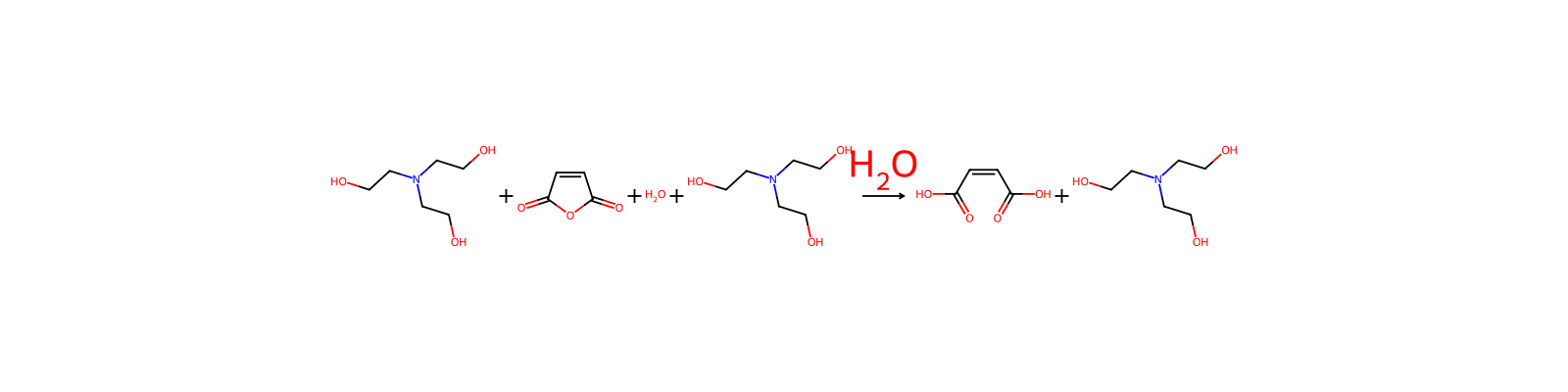
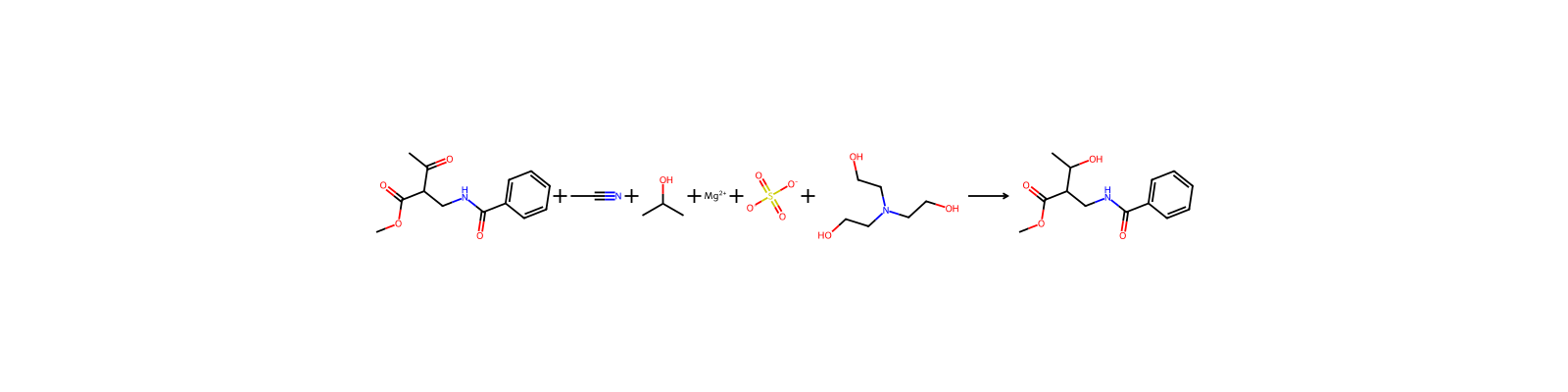
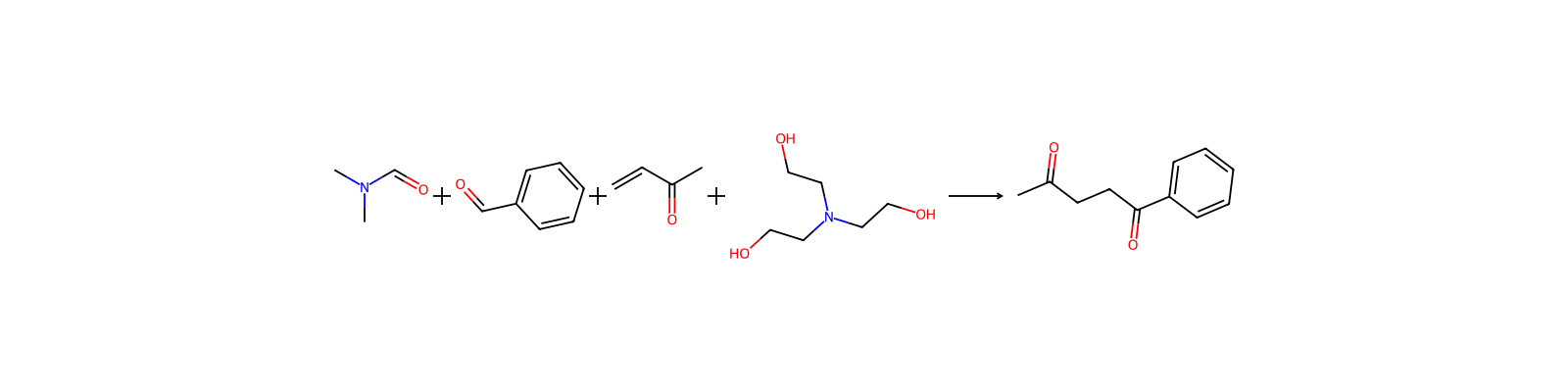
227 records



Linked notes
Loading…