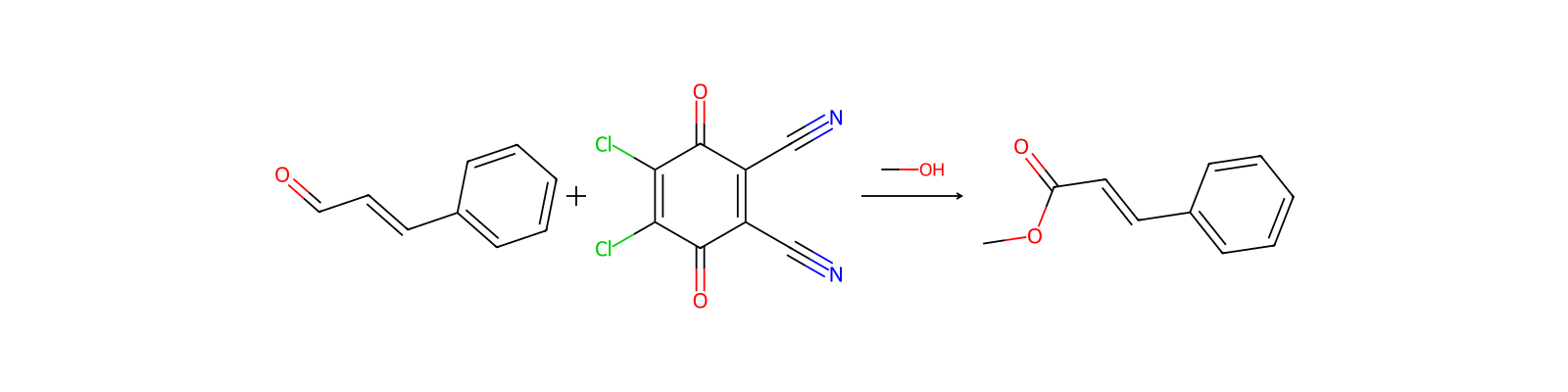
2-Propenoic acid, 3-phenyl-, methyl ester

Basic information
- CAS
103-26-4- Standard SMILES
COC(=O)C=Cc1ccccc1- InChIKey
CCRCUPLGCSFEDV-UHFFFAOYSA-N- Molecular formula
- C10H10O2
- Average molar mass
- 162.18 g/mol
- Monoisotopic mass
- 162.06807956
Overview
methyl (E/Z)-cinnamate has been reported in Alpinia hainanensis, Alpinia mutica, and other organisms with data available.
Names & identifiers
- Preferred name
- 2-Propenoic acid, 3-phenyl-, methyl ester
- IUPAC
- methyl 3-phenylprop-2-enoate
- English name
- Methyl cinnamate
- Molecular formula
- C10H10O2
- Molecular weight
- 162.19
Names & synonyms
2-Propenoic acid, 3-phenyl-, methyl esterRefChem:1064576methyl 3-phenylprop-2-enoateBenzeneacrylic acid methyl esterNSC 9411Monomethylcinnamat3-Phenyl-2-propenoic acid methyl esterMethyl ester of Cinnamic acidSCHEMBL112062SCHEMBL2159462SCHEMBL6249968SCHEMBL6249973
Show more names
METHYL TRANS-CINNAMATEFEMA 2698METHYL 3-PHENYLACRYLATEMethyl CinamateCinnamate Methylmethyl cinanmateCINNAMIC ACID METHYL ESTERMethyl cinmateMETHYL CINNAMATEMethyl Cimnamate
SCHEMBL7271263SCHEMBL8846066CHEMBL3560502SCHEMBL10412612SCHEMBL11462932SCHEMBL11462933SCHEMBL27417092s6221
Database identifiers
- CAS
103-26-4- PubChem CID
- 7644
- DTXSID
DTXSID6042151- ChEMBL
CHEMBL3560502
Properties
Computed structural properties
- XLogP
- 2.6
- Topological polar surface area
- 26.3 Ų
- Hydrogen bond donors
- 0
- Hydrogen bond acceptors
- 2
- Rotatable bonds
- 3
- Heavy atoms
- 12
- Formal charge
- 0
- Complexity
- 167
Experimental & physicochemical properties
SpringerMaterials PropertiesBoiling point
LogP2.62
Physical DescriptionLiquid
Physicochemical properties
- Melting point
- 33 · 33-38 °C (lit.)
- Boiling point
- 260 · 260-262 °C (lit.)
- Density
- 1.092 · 1.092
- vapor pressure
- 0.73 Pa · 0.73Pa at 25℃
- FLAVIS Number
- 9.74 · 09.740 | Methyl cinnamate
- refractive index
- 1.5771 · 1.5771
- FEMA
- 2698 · 2698 | METHYL CINNAMATE
- Flash point
- 230 °F · >230 °F
- storage temp.
- Sealed in dry,Room Temperature
- solubility
- Chloroform (Slightly), Methanol (Slightly), soluble in alcohol, Propylene glycol, Mineral oil and oils.
Safety & regulation
Safety information is for reference only and does not replace the supplier’s Safety Data Sheet (SDS), applicable regulations, or professional assessment.
Hazard information
Regulatory Information
Chemical: 2-Propenoic acid, 3-phenyl-, methyl ester
2-Propenoic acid, 3-phenyl-, methyl ester is listed on the EPA's Chemical Data Reporting (CDR) system. Manufacturers and importers of 2-Propenoic acid, 3-phenyl-, methyl ester are required to report information about their production and use of this chemical to the EPA under the Toxic Substances Control Act (TSCA). (40 eCFR Part 711)
2-Propenoic acid, 3-phenyl-, methyl ester: Does not have an individual approval but may be used under an appropriate group standard
Other Safety InformationIMAP assessments - 2-Propenoic acid, 3-phenyl-, methyl ester: Human health tier I assessment
Safety data
- PPE
- Eyeshields, Gloves, type N95 (US)
- wgk
- 1
- tsca
- TSCA listed
- rtecs
- GE0190000
- hs_code
- 29163990
- Toxicity
- Moderately toxic by ingestion . The oral LD50 for rats is 2610 mg / kg . It is combustible as a liquid, and when heated to decomposition it emits acrid smoke and irritating fumes.
- Signal word
- Warning
- Symbol(GHS)
- GHS07
- safety_code
- 22-24/25
- Storage Class
- 11 - Combustible Solids
- Hazard statements
- H317
- REACH Registrations
- Active
- Hazard Classifications
- Skin Sens. 1
- Precautionary statements
- P280
Chemistry & industry
Uses & manufacturing
U.S. Production2023: 175 lb
Consumer UsesFragrance
General Manufacturing Information2-Propenoic acid, 3-phenyl-, methyl ester: ACTIVE
Applications
DescriptionMethyl cinnamate is the methyl ester of cinnamic acid and is a white or transparent solid with a strong, aromatic odor. It is found naturally in a variety of plants, including in fruits, like strawberry, and some culinary spices, such as Sichuan pepper and some varieties of basil. Eucalyptus olida has the highest known concentrations of methyl cinnamate (98 %) with a 2 - 6 % fresh weight yield in the leaf and twigs. Methyl cinnamate is used in the flavor and perfume industries. The flavor is fruity and strawberry-like; and the odor is sweet, balsamic with fruity odor, reminiscent of cinnamon and strawberry. It is known to attract males of various orchid bees, such as Aglae caerulea. Methyl cinnamate crystals extracted using steam distillation from Eucalyptus olida.
OccurrenceReported found in the oil from rhizomes of Alpinia malaccensis, in the oil from leaves of Ocimum canum Sims.; in the oil of Narcissus jonquilla L.; in the oil from rhizomes of Gastrochilus panduratum Ridl.; two isomers (cis- and trans-) exist in natural. Also reported found in cranberry, guava, pineapple, strawberry fruit and jam, cinnamon leaf, Camembert cheeses, cocoa, avocado, plum, prune, cloudberry, starfruit, plum brandy, rhubarb, beli (Aegle marmelos Correa), loquat and Bourbon vanilla.
UsesMethyl cinnamate is used as a fragrance ingredient in cosmetics and household products.
UsesMethyl cinnamate was used to inhibit monophenolase and diphenolase activity of mushroom tyrosinase and it also has antimicrobial ability. It is mainly is used in the flavor and perfume industries. It is known to attract males of various orchid bees, such as Aglae caerulea.
General DescriptionMethyl cinnamate is an important flavoring agent and fragrance ingredient. It is one of the main aroma components of basil oil, Japanese and Korean matsutake mushrooms.
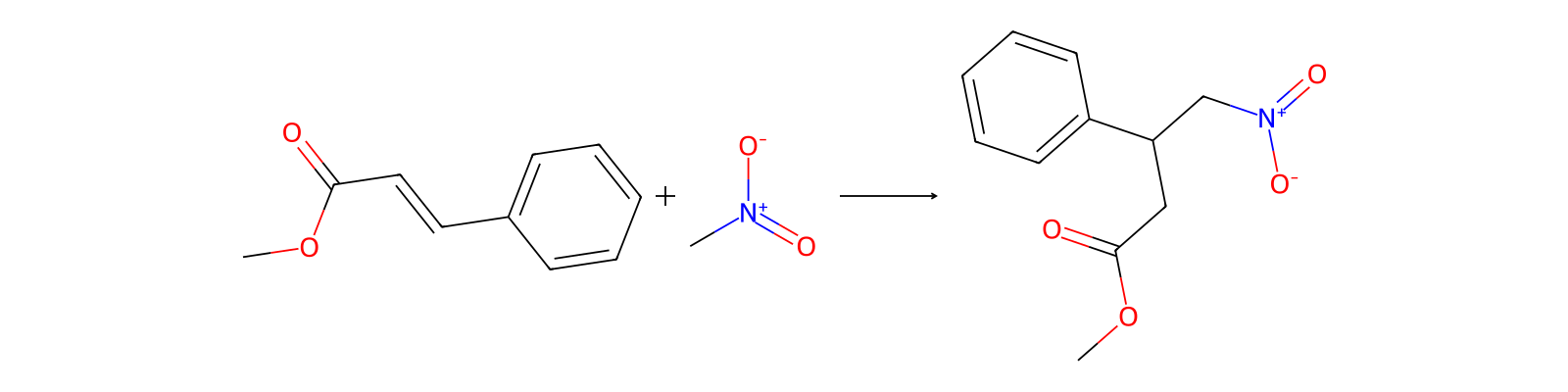
Related reactions
68 records




Compound notes
Loading…