
N-Methylbenzylamine

Basic information
- CAS
103-67-3- Standard SMILES
CNCc1ccccc1- InChIKey
RIWRFSMVIUAEBX-UHFFFAOYSA-N- Molecular formula
- C8H11N
- Average molar mass
- 121.18 g/mol
- Monoisotopic mass
- 121.08914935
Overview
precursor of carcinogen benzylmethylnitrosamine; RN given refers to parent cpd
Names & identifiers
- Preferred name
- N-Methylbenzylamine
- IUPAC
- N-methyl-1-phenylmethanamine
- English name
- N-Methylbenzylamine
- Molecular formula
- C8H11N
- Molecular weight
- 121.18
Names & synonyms
N-METHYLBENZYLAMINE103-67-3N-BenzylmethylamineN-methyl-1-phenylmethanamineMethylbenzylamineBenzylmethylamineBenzyl(methyl)amineBenzenemethanamine, N-methyl-N-Benzyl-N-methylamineBenzylamine, N-methyl-7KN7F4X49ENSC-8059
Show more names
NMBABENZYL METHYLAMINEN-methyl-1-phenyl-methanamineCL044NSC 8059N-MethylbenzylaeN-MethylbenzylaminBenzyl(methyl)amin
DTXSID9048439RefChem:830682DTXCID9028413203-133-4Benzyl-methyl-amineN-Methy-N-benzylamineN-methyl-N-benzylamineMFCD00008289
Database identifiers
- CAS
103-67-3- PubChem CID
- 7669
- DTXSID
DTXSID9048439- ChEMBL
CHEMBL1338- UNII
- 7KN7F4X49E
- EC Number
- 203-133-4
- Nikkaji
- J28.348G
Properties
Computed structural properties
- XLogP
- 1.5
- Topological polar surface area
- 12 Ų
- Hydrogen bond donors
- 1
- Hydrogen bond acceptors
- 1
- Rotatable bonds
- 2
- Heavy atoms
- 9
- Formal charge
- 0
- Complexity
- 65
Experimental & physicochemical properties
Chemical ClassesNitrogen Compounds -> Amines, Aromatic
SpringerMaterials Properties13C nuclear magnetic resonance spectrum
LogP1.52
Vapor Pressure0.65 [mmHg]
Physical DescriptionColorless liquid with an amine-like odor; [Alfa Aesar MSDS]
Collision Cross Section126.07 Ų [M+Na]+ [CCS Type: TW; Method: calibrated with polyalanine and drug standards]
Physicochemical properties
- Melting point
- -24 °C · -24 °C
- Boiling point
- 184 · 184-189 °C(lit.)
- Density
- 0.939 g/mL · 0.939 g/mL at 25 °C(lit.)
- refractive index
- 20 · n20/D 1.522(lit.)
- Flash point
- 172 °F · 172 °F
Safety & regulation
Safety information is for reference only and does not replace the supplier’s Safety Data Sheet (SDS), applicable regulations, or professional assessment.
GHS classification
GHS Classification
This chemical does not meet GHS hazard criteria for 0.2% (5 of 2144) of reports.
Danger
H226 (93.6%): Flammable liquid and vapor [Warning Flammable liquids]
P210, P233, P240, P241, P242, P243, P260, P261, P264, P270, P271, P273, P280, P301+P317, P301+P330+P331, P302+P352, P302+P361+P354, P303+P361+P353, P304+P340, P305+P354+P338, P316, P317, P321, P330, P362+P364, P363, P370+P378, P403+P235, P405, and P501 (click each P-code to see the statement)
Aggregated GHS information provided per 2144 reports by companies from 18 notifications to the ECHA C&L Inventory. Each notification may be associated with multiple companies.
Danger
Hazard information
Regulatory Information
Chemical: Benzenemethanamine, N-methyl-
Status: Active Update: 10-05-2022 https://echa.europa.eu/registration-dossier/-/registered-dossier/10517
Benzyl(methyl)amine: Does not have an individual approval but may be used under an appropriate group standard
Hazards SummaryPrecursor of carcinogen benzylmethylnitrosamine. [ChemIDplus] Causes burns; Inhalation may cause corrosive injuries to upper respiratory tract and lungs; Harmful by ingestion; [Alfa Aesar MSDS] See alpha-Methylbenzylamine.
Hazard Classes and Categories
Flam. Liq. 3 (93.6%)
Acute toxicity - category 4
Toxicology
Adverse EffectsDermatotoxin - Skin burns.
Safety data
Chemistry & industry
Uses & manufacturing
General Manufacturing InformationBenzenemethanamine, N-methyl-: ACTIVE
Applications
UsesN-Benzylmethylamine is used in the production of dyes. It can be also used as catalytic agent, Petrochemical additive. N-methylbenzylamine is a member of phenylmethylamines. N-methylbenzylamine can be found in carrot, which makes N-methylbenzylamine a potential biomarker for the consumption of these food products.
Upstream & downstream products
Downstream products
Related reactions
499 records

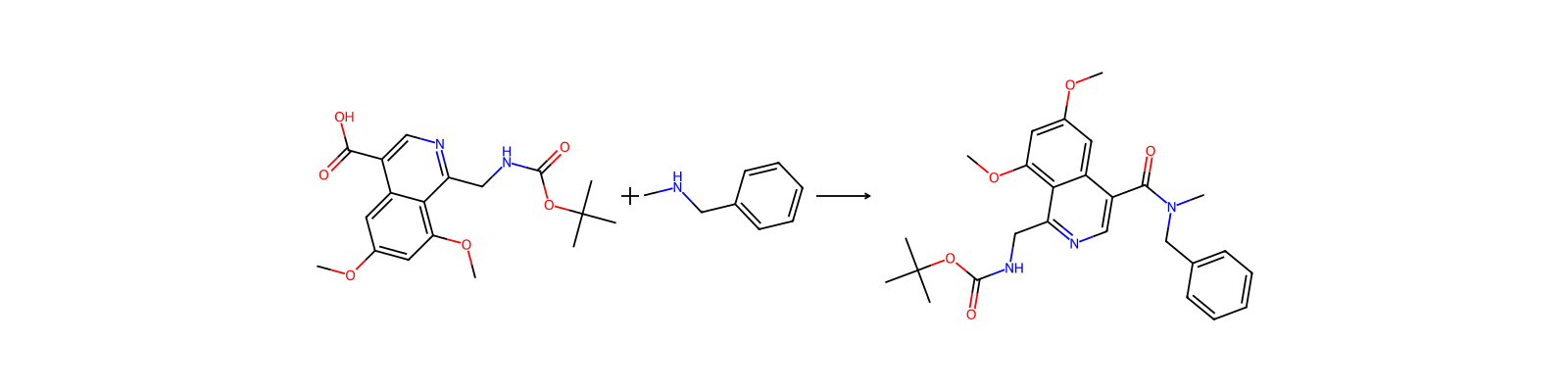


Compound notes
Loading…