
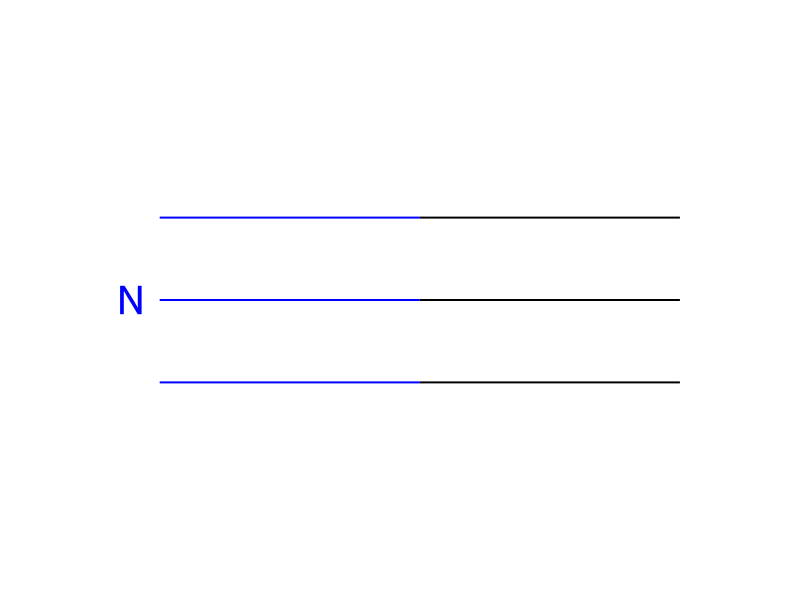
Basic information
- Standard SMILES
C#N- InChIKey
LELOWRISYMNNSU-UHFFFAOYSA-N- Molecular formula
- CHN
- Average molar mass
- 27.025 g/mol
- Monoisotopic mass
- 27.01089903
Overview
Hydrogen cyanide (HCN) and cyanide salts (CN salts) can cause male reproductive toxicity according to The Environmental Protection Agency (EPA).
Names & identifiers
- Preferred name
- Hydrogen Cyanide
- IUPAC
- formonitrile
- English name
- Hydrocyanic acid
- Molecular formula
- CHN
- Molecular weight
- 0
Names & synonyms
hydrogen cyanidehydrocyanic acidFormonitrilePrussic acidBlausaeureCyanwasserstoffFormic anammonideCyclonEvercyn74-90-8Zyklon BZaclondiscoids
Show more names
Cyclone BAero Liquid HCNAgent ACCyaanwaterstofBlauwzuurCyjanowodorAcido cianidricoAcide cyanhydrique
Database identifiers
- CAS
74-90-8- PubChem CID
- 768
- DTXSID
DTXSID9024148- ChEBI
CHEBI:18407- UNII
- 2WTB3V159F
- EC Number
- 200-821-6
- Nikkaji
- J209.341C
Properties
Computed structural properties
- XLogP
- 0.1
- Topological polar surface area
- 23.8 Ų
- Hydrogen bond donors
- 0
- Hydrogen bond acceptors
- 1
- Rotatable bonds
- 0
- Heavy atoms
- 2
- Formal charge
- 0
- Complexity
- 10
Experimental & physicochemical properties
Chemical Classes
Hazardous Air Pollutants (HAPs)
Toxic Gases & Vapors -> Chemical Asphyxiants
Flammable agents - 4th degree
-> NIOSH Emergency Response Categories
pHVery weak acid (does not redden litmus)
SpringerMaterials Properties15N nuclear magnetic resonance spectrum
LogP
log Kow = -0.25
-0.250
-0.25
Odor
Bitter almond odor
... Bitter, almond-like odor.
TasteBitter, burning taste
Density
0.69 (NIOSH, 2024) - Less dense than water; will float
0.69 (NIOSH, 2024) - Less dense than water; will float
0.6875 g/cu cm at 20 °C
Density: (gas) 0.941 (Air = 1); (liq) 0.687
Relative density (water = 1): 0.69 (liquid)
0.69
Color/Form
Colorless gas or liquid
Water-white liquid below 26.5 °C
Colorless or pale-blue liquid or gas (above 78 °F) ... [Note: Often used as a 96% solution in water]
Solubility
Miscible (NIOSH, 2024)
Miscible (NIOSH, 2024)
Miscible with water
Miscible with ethanol, ethyl ether
Miscible with alcohol; slightly soluble in ether
1.00E+06 mg/L @ 25 °C (exp)
Corrosivity
Although HCN is a weak acid and normally not considered corrosive, it has a corrosive effect under two special conditions: (1) water solutions of HCN cause transcrystalline stress-cracking of carbon steels under stress even at room temperature and in dilute solution; (2) water solutions of HCN containing sulfuric acid as a stabilizer severely corrode steel above 40 °C and stainless steels above 80 °C.
Liquid hydrogen cyanide will attack some forms of plastics, rubber, and coatings.
Flash Point
0 °F (96%) (NIOSH, 2024)
0 °F (96%) (NIOSH, 2024)
0 °F (-18 °C) (Closed cup)
-18 °C c.c.
0 °F (96%)
0 °F (96%)
Endocrine DisruptorsPotential endocrine disrupting compound
Physicochemical properties
- Melting point
- -13.4 °C · -13.4 °C
- Boiling point
- 25.6 °C · 25.6 °C
- Density
- 0.687 g/cm3 · 0.687 g/cm3
- RIDADR
- 1614 · UN 1614
- HazardClass
- 6.1 · 6.1
- PackingGroup
- I
Safety & regulation
GHS classification
GHS Classification
Danger
H224: Extremely flammable liquid and vapor [Danger Flammable liquids]
P210, P233, P240, P241, P242, P243, P260, P271, P273, P280, P284, P303+P361+P353, P304+P340, P316, P320, P370+P378, P391, P403+P233, P403+P235, P405, and P501 (click each P-code to see the statement)
Danger
H300: Fatal if swallowed [Danger Acute toxicity, oral]
P260, P262, P264, P270, P271, P273, P280, P284, P301+P316, P302+P352, P304+P340, P316, P320, P321, P330, P361+P364, P391, P403+P233, P405, and P501 (click each P-code to see the statement)
Hazard information
Hazards Identification
Toxic/poison by inhalation (TIH/PIH)
Toxic/poison by inhalation (TIH/PIH)
Toxic/poison by inhalation (TIH/PIH)
Toxic/poison by inhalation (TIH/PIH)
Toxic/poison by inhalation (TIH/PIH)
Regulatory Information
Chemical: Hydrocyanic acid
Regulation (EC) No 178/2002 (amended)
Hydrocyanic acid is listed on the EPA's Chemical Data Reporting (CDR) system. Manufacturers and importers of Hydrocyanic acid are required to report information about their production and use of this chemical to the EPA under the Toxic Substances Control Act (TSCA). (40 eCFR Part 711)
Hydrogen cyanide is listed in the dataset of EPA Human Health Benchmarks for Pesticides under the Safe Drinking Water Act (40 eCFR 141)
Status: Active Update: 26-03-2019 https://echa.europa.eu/registration-dossier/-/registered-dossier/14996
Hydrogen cyanide: Does not have an individual approval but may be used as a component in a product covered by a group standard. It is not approved for use as a chemical in its own right.
Other Safety Information
IMAP assessments - Hydrocyanic acid: Human health tier I assessment
- Indoor Air: Hydrogen cyanide (AC) can be released into indoor air as a liquid spray (aerosol) or as a gas.
DOT Label
Poison Inhalation Hazard
Poison Inhalation Hazard Flammable Liquid
Poison Inhalation Hazard Flammable Liquid
Poison
Fire Hazards
Excerpt from ERG Guide 154 [Substances - Toxic and/or Corrosive (Non-Combustible)]:
Excerpt from ERG Guide 117 [Gases - Toxic - Flammable (Extreme Hazard); polymerization hazard]:
For information on chemical warfare blood agents see the ERG Criminal or Terrorist Use of CBR Agents. (ERG, 2024)
Excerpt from ERG Guide 152 [Substances - Toxic (Combustible)]:
· Non-combustible, substance itself does not burn but may decompose upon heating to produce corrosive and/or toxic fumes.
· These materials are extremely flammable.
Fire Potential
Flammable and dangerous fire hazard ... May be ignited by fires, heated materials, and sparks.
Extremely flammable. Gives off irritating or toxic gases in a fire.
Health Hazards
Excerpt from ERG Guide 154 [Substances - Toxic and/or Corrosive (Non-Combustible)]:
Excerpt from ERG Guide 117 [Gases - Toxic - Flammable (Extreme Hazard); polymerization hazard]:
For information on chemical warfare blood agents see the ERG Criminal or Terrorist Use of CBR Agents. (ERG, 2024)
Excerpt from ERG Guide 152 [Substances - Toxic (Combustible)]:
· TOXIC and/or CORROSIVE; inhalation, ingestion or skin contact with material may cause severe injury or death.
· TOXIC; Extremely Hazardous.
Hazards Summary
Cyanide is used in a number of industries and is found at low levels in air from car exhaust. Cyanide is extremely toxic to humans. Chronic (long-term) inhalation exposure of humans to cyanide results primarily in effects on the central nervous system (CNS). Other effects in humans include cardiovascular and respiratory effects, an enlarged thyroid gland, and irritation to the eyes and skin. No data are available on the carcinogenic effects of cyanide in humans via inhalation. Animal studies have suggested that oral exposure to cassava (a cyanide-containing vegetable) may be associated with malformations in the fetus and low fetal body weights. EPA has classified cyanide as a Group D, not classifiable as to human carcinogenicity.
Virtually any substance containing both carbon and nitrogen can release cyanide when burned under certain conditions. The ability to smell cyanide is a genetically determined trait, absent in 20% to 40% of the population. Two common scenarios for generation of HCN include the accidental mixing of acid and cyanide solutions in electroplating baths and the accidental pouring of cyanide waste solutions into acid waste containers or into other waste solutions with pHs below 10.5-11. What is even less recognized by workers is the potential for generation of large quantities of HCN simply from mixing water-soluble cyanide salts with water, e.g. showering in clothes contaminated with cyanides. Short exposures of large areas of skin to solid cyanide salts or their aqueous solutions can result in dermal absorption of lethal quantities of cyanide. [Sullivan, p.705] Inhaling 600 to 700 ppm HCN for 5 min. or 200 ppm for 30 min. may be fatal. In smoke inhalation victims, hypoxia from carbon monoxide is initially indistinguishable from that due to cyanide. [ATSDR Case Studies # 15] The following chemicals can release large amounts of HCN when spilled in water: Acetone cyanohydrin, Potassium cyanide, and Sodium cyanide. [ERG 2016] See CYANIDES.
DOT ID and Guide
1613 154
1051 117P
1613 154
1614 152
3294 131
1051 117(>20% solution)
Reactive Group
Cyanides, Inorganic
Cyanides, Inorganic
Cyanides, Inorganic
Cyanides, Inorganic
UN ClassificationUN Hazard Class: 6.1; UN Subsidiary Risks: 3; UN Pack Group: I
Explosion Hazards- Hydrogen cyanide (AC) gas mixes well with air, and explosive mixtures are easily formed.
Safety & protection
Fire Fighting
Excerpt from ERG Guide 154 [Substances - Toxic and/or Corrosive (Non-Combustible)]:
Excerpt from ERG Guide 117 [Gases - Toxic - Flammable (Extreme Hazard); polymerization hazard]:
For information on chemical warfare blood agents see the ERG Criminal or Terrorist Use of CBR Agents. (ERG, 2024)
Excerpt from ERG Guide 152 [Substances - Toxic (Combustible)]:
Shut off supply; if not possible and no risk to surroundings, let the fire burn itself out. In other cases extinguish with powder, water spray, alcohol-resistant foam, carbon dioxide. In case of fire: keep cylinder cool by spraying with water. Combat fire from a sheltered position.
- Fire will produce irritating, corrosive, and/or toxic gases.
First Aid Measures
Administration of oxygen may be needed. Fresh air, rest. Half-upright position. No mouth-to-mouth artificial respiration. Refer immediately for medical attention.
Wear protective gloves when administering first aid. Remove contaminated clothes. Rinse skin with plenty of water or shower. Refer immediately for medical attention.
First rinse with plenty of water for several minutes (remove contact lenses if easily possible), then refer for medical attention.
Rinse mouth. Administration of oxygen may be needed. NO mouth-to-mouth artificial respiration. Do NOT induce vomiting. Refer immediately for medical attention.
Accidental Release Measures
· CALL 911. Then call emergency response telephone number on shipping paper. If shipping paper not available or no answer, refer to appropriate telephone number listed on the inside back cover.
· ELIMINATE all ignition sources (no smoking, flares, sparks or flames) from immediate area.
· CALL 911. Then call emergency response telephone number on shipping paper. If shipping paper not available or no answer, refer to appropriate telephone number listed on the inside back cover.
· ELIMINATE all ignition sources (no smoking, flares, sparks or flames) from immediate area.
· CALL 911. Then call emergency response telephone number on shipping paper. If shipping paper not available or no answer, refer to appropriate telephone number listed on the inside back cover.
· ELIMINATE all ignition sources (no smoking, flares, sparks or flames) from immediate area.
First Aid
Excerpt from ERG Guide 154 [Substances - Toxic and/or Corrosive (Non-Combustible)]:
Excerpt from ERG Guide 117 [Gases - Toxic - Flammable (Extreme Hazard); polymerization hazard]:
For information on chemical warfare blood agents see the ERG Criminal or Terrorist Use of CBR Agents. (ERG, 2024)
Excerpt from NIOSH Pocket Guide for Hydrogen cyanide:
General First Aid:
General First Aid:
Safe StorageStore only if stabilized. Fireproof. Cool. Separated from food and feedstuffs and incompatible materials. See Chemical Dangers. Store in an area without drain or sewer access.
Firefighting HazardsFlashback along vapor trail may occur.
Exposure Control and Personal Protection
· Wear positive pressure self-contained breathing apparatus (SCBA).
· Wear positive pressure self-contained breathing apparatus (SCBA).
· Wear positive pressure self-contained breathing apparatus (SCBA).
· Wear positive pressure self-contained breathing apparatus (SCBA).
· Wear positive pressure self-contained breathing apparatus (SCBA).
TIH (Toxic Inhalation Hazard) - Term used to describe gases and volatile liquids that are toxic when inhaled. Some are TIH materials themselves, e.g., chlorine, and some release TIH gases when spilled in water, e.g., chlorosilanes. [ERG 2016].
Fire Fighting Procedures
Fire situation may require evacuation. Allow burning of material until flow of gas can be stopped. Use water spray, dry chemical, "alcohol resistant" foam, or carbon dioxide. Water may be ineffective. Approach fire from upwind. Fight fire from protected location or maximum possible distance.
Shut off supply; if not possible and no risk to surroundings, let the fire burn itself out; in other cases extinguish with powder, water spray, foam, carbon dioxide.
Cyanide salts must be protected from large concn of carbon dioxide to avoid hydrogen cyanide liberation. Carbon dioxide fire extinguishers should not be used. /Cyanide salts/
If material on fire or involved in fire: Do not extinguish fire unless flow can be stopped. Use water in flooding quantities as fog. Cool all affected containers with flooding quantities of water. Apply water from as far a distance as possible. Solid streams of water may be ineffective. Use "alcohol" foam, dry chemical or carbon dioxide. /Hydrogen cyanide, aqueous solution; Hydrogen cyanide, solution in alcohol; Hydrogen cyanide, stabilized (with less than 3% water); Hydrogen cyanide, stabilized (with less than 3% water absorbed in a porous material)/
If fire becomes uncontrollable or container is exposed to direct flame - consider evacuation of one-half (1/2) mile radius. /Hydrogen cyanide, aqueous solution; Hydrogen cyanide, solution in alcohol; Hydrogen cyanide, stabilized (with less than 3% water); Hydrogen cyanide, stabilized (with less than 3% water absorbed in a porous material)/
Storage Conditions
Keep cylinders of hydrogen cyanide (HCN) cool and away from open flames. Make certain that HCN cylinders are adequately supported and grounded during storage and emptying. Store cylinders in a vertical position. Do not drop cylinders or damage them by impact. Cylinders must be returned to the supplier within 90 days of the filling date marked on the cylinders, regardless of whether or not the contents have been used. This is due to the possibility of HCN becoming unstable over time. If there is any indication that the HCN is becoming unstable, such as a darkening of the product or an increase in cylinder pressure, contact the supplier immediately for instructions.
Fireproof. Separated from food and feedstuffs. Cool. Store only if stabilized.
Store in a cool, dry, well-ventilated location. Shelf life should not exceed 90 days or as otherwise specified by manufacturer.
Handling, storage, and transportation of hydrogen cyanide are determined by its low boiling point, high toxicity, and instability in the presence of moisture, bases, or other impurities. The liquid acid is relatively uncorrosive. Materials compatible with HCN at normal temperatures are stainless steel, Hastelloy, and Monel. To prevent polymerization, stabilizing agents, such as sulfuric acid, phosphoric acid, oxalic or acetic acid, and sulfur dioxide are used. The type and quantity of stabilizer (usually <0.5%) depend on storage capacity, temperature, and residence time in a container. A combination of H2SO4 and SO2 prevents the decomposition of HCN in the liquid and vapor phases. Larger quantities of hydrogen cyanide are stored at a maximum temperature of 5 °C and must be permanently recirculated. Additionally, the color of the liquid is monitored and should not exceed APHA 20. To keep the concentration of gas below the danger level, good ventilation of buildings in which HCN is stored and handled is of primary importance.
Cleanup Methods
1. Remove all ignition sources. 2. Ventilate area of spill or leak. 3. If in gaseous form, stop flow of gas. If source of leak is cylinder & leak cannot be stopped in place, remove ... to safe place in open air ... repair leak or allow cylinder to empty.
Evacuate danger area immediately! Consult an expert! Ventilation. Absorb remaining liquid in sand or inert absorbent and remove to safe place. Do NOT wash away into sewer. NEVER direct water jet on liquid. Prevent from entering confined spaces. Do NOT let this chemical enter the environment. Extra personal protection: gas-tight chemical protection suit including self-contained breathing apparatus.
Releases may require isolation or evacuation. Eliminate all ignition sources. Stop or control the leak, if this can be done without undue risk. Use vapor-suppressing foam to blanket release.
Environmental considerations - land spill: Dig a pit, pond, lagoon, holding area to contain liquid or solid material. Dike surface flow using soil, sand bags, foamed polyurethane, or foamed concrete. Absorb bulk liquid with fly ash or cement powder. /Hydrogen cyanide, aqueous solution; Hydrogen cyanide, solution in alcohol; Hydrogen cyanide, stabilized (with less than 3% water); Hydrogen cyanide, stabilized (with less than 3% water absorbed in a porous material)/
For more Cleanup Methods (Complete) data for Hydrogen cyanide (7 total), please visit the HSDB record page.
Nonfire Spill Response
Excerpt from ERG Guide 154 [Substances - Toxic and/or Corrosive (Non-Combustible)]:
Excerpt from ERG Guide 117 [Gases - Toxic - Flammable (Extreme Hazard); polymerization hazard]:
For information on chemical warfare blood agents see the ERG Criminal or Terrorist Use of CBR Agents. (ERG, 2024)
Excerpt from ERG Guide 152 [Substances - Toxic (Combustible)]:
Disposal Methods
Generators of waste (equal to or greater than 100 kg/mo) containing this contaminant, EPA hazardous waste number P063 and D003, must conform with USEPA regulations in storage, transportation, treatment and disposal of waste.
SRP: Wastewater from contaminant suppression, cleaning of protective clothing/equipment, or contaminated sites should be contained and evaluated for subject chemical or decomposition product concentrations. Concentrations shall be lower than applicable environmental discharge or disposal criteria. Alternatively, pretreatment and/or discharge to a permitted wastewater treatment facility is acceptable only after review by the governing authority and assurance that "pass through" violations will not occur. Due consideration shall be given to remediation worker exposure (inhalation, dermal and ingestion) as well as fate during treatment, transfer and disposal. If it is not practicable to manage the chemical in this fashion, it must be evaluated in accordance with EPA 40 CFR Part 261, specifically Subpart B, in order to determine the appropriate local, state and federal requirements for disposal.
Principles and methods for destruction of chemical weapons: ... "Destruction of chemical weapons" means a process by which chemicals are converted in an essentially irreversible way to a form unsuitable for production of chemical weapons, and which in an irreversible manner renders munitions and other devices unusable as such. ... Each /nation/ shall determine how it shall destroy chemical weapons, except that the following processes may not be used: dumping in any body of water, land burial or open-pit burning. It shall destroy chemical weapons only at specifically designated and appropriately designed and equipped facilities. ... Each /nation/ shall ensure that its chemical weapons destruction facilities are constructed and operated in a manner to ensure the destruction of the chemical weapons; and that the destruction process can be verified under the provisions of this Convention.
Rotary kiln, heat recovery boiler, reduction furnace and quench chambers are appropriate technologies for incineration of gaseous hydrogen cyanide and hydrogen gas.
Potential candidate for rotary kiln incineration, with a temperature range of 820 to 1,600 °C and a residence time of seconds. Also, a potential candidate for fluidized bed incineration, with a temperature range of 450 to 980 °C and a residence time of seconds. Also, a potential candidate for liquid injection incineration, with a temperature range of 650 to 1,600 °C and a residence time of 0.1 to 2 seconds.
Toxicology
Body BurdenHydrogen cyanide is present in human blood(1). People who smoke or consume vegetables having a relatively high hydrogen cyanide content may have slightly higher blood levels(1).
Treatment
Antidotes to cyanide poisoning include hydroxocobalamin and sodium nitrite, which release the cyanide from the cytochrome system, and rhodanase, which is an enzyme occurring naturally in mammals that combines serum cyanide with thiosulfate, producing comparatively harmless thiocyanate. Oxygen therapy can also be administered. (L97)
Antidotes to cyanide poisoning include hydroxocobalamin and sodium nitrite, which release the cyanide from the cytochrome system, and rhodanase, which is an enzyme occurring naturally in mammals that combines serum cyanide with thiosulfate, producing comparatively harmless thiocyanate. Oxygen therapy can also be administered. (L97)
Interactions
Co-exposure of rats to hydrogen cyanide (LC50=110 ppm) and carbon monoxide (LC50=4,600 ppm) resulted in lethal effects of these two gases that were additive. In contrast, coexposure to hydrogen cyanide and 5% carbon dioxide (not lethal by itself) resulted in an increase in lethality of hydrogen cyanide, reflected as a decrease of the hydrogen cyanide LC50 value to 75 ppm.
Cyanide antagonists can be classified into two general groups: those that act as sulfane sulfur donors for rhodanese-catalyzed cyanide detoxification and those that induce chemical binding of cyanide. Sulfur donors include sodium thiosulfate, polythionates, and thiosulfates. Sodium thiosulfate has been successfully used as an antidote against cyanide poisoning in humans for decades ... . A pharmacokinetic study in dogs demonstrated that iv administration of thiosulfate increased the detoxification rate of iv given cyanide to thiocyanate over 30 times ... . In this study, pretreatment with thiosulfate decreased the biological half-life of cyanide from 39 to 15 minutes and also decreased the volume of distribution of cyanide from 498 to 204 mL/kg. ...
Antagonists that induce the chemical binding of cyanide to sites other than cytochrome c oxidase include sodium nitrite, amyl nitrite, and hydroxylamine. These compounds generate methemoglobin, which competes with cytochrome c oxidase for cyanide to form cyanmethemoglobin. Sodium nitrite has been effectively used in the therapy of cyanide intoxication in humans especially in combination with sodium thiosulfate. /Cyanide/
Pretreatment of rats with chlorpromazine (10 mg/kg im) and sodium thiosulfate (1,000 mg/kg ip) greatly decreased or abolished the increase in plasma creatine kinase observed in rats exposed to hydrogen cyanide at 200 ppm for 12.5 minutes.
For more Interactions (Complete) data for Hydrogen cyanide (12 total), please visit the HSDB record page.
Target Organscentral nervous system, cardiovascular system, thyroid, blood
Health Effects
Exposure to high levels of cyanide for a short time harms the brain and heart and can even cause coma, seizures, apnea, cardiac arrest and death. Chronic inhalation of cyanide causes breathing difficulties, chest pain, vomiting, blood changes, headaches, and enlargement of the thyroid gland. Skin contact with cyanide salts can irritate and produce sores. (L96, L97)
Exposure to high levels of cyanide for a short time harms the brain and heart and can even cause coma, seizures, apnea, cardiac arrest and death. Chronic inhalation of cyanide causes breathing difficulties, chest pain, vomiting, blood changes, headaches, and enlargement of the thyroid gland. Skin contact with cyanide salts can irritate and produce sores. (L96, L97)
Ecotoxicity Values
LC50; Species: Asellus communis; Concentration: 2295 ug/L for 96 hr /Conditions of bioassay not specified/
LC50; Species: Gammarus pseudolimnaeous; Concentration: 169 ug/L for 96 hr /Conditions of bioassay not specified/
LC50; Species: Lagodon rhomboides (Pinfish) length 57-113 mm; Conditions: saltwater, static, 13.7-20.4 °C; Concentration: 69 ug/L for 24 hr
LC50; Species: Lepomis humilis (sunfish); Concentration: 0.18 mg/L for 24 hr /Conditions of bioassay not specified/
For more Ecotoxicity Values (Complete) data for Hydrogen cyanide (39 total), please visit the HSDB record page.
Environmental Fate
TERRESTRIAL FATE: Based on a classification scheme(1), an estimated Koc value of 15(SRC), determined from a log Kow of -0.25(2) and a regression-derived equation(3), indicates that hydrogen cyanide is expected to have very high mobility in soil(SRC). The pKa of hydrogen cyanide is 9.2(4), indicating that this compound will exist partially in the anion form in the environment and anions generally do not adsorb more strongly to soils containing organic carbon and clay than their neutral counterparts(5). By analogy to the fate of cyanides in water, it is predicted that the fate in soil would be pH dependent. Cyanide may occur in the form of hydrogen cyanide, alkali metal salts, or immobile metallocyanide complexes. At soil surfaces with pH <9.2, it is expected that volatilization of hydrogen cyanide would be an important loss mechanism for cyanides. In subsurface soil, cyanide present at low concentrations would probably biodegrade(6). Volatilization of hydrogen cyanide from moist soil surfaces is expected to be an important fate process(SRC) given a Henry's Law constant of 1.33X10⁻⁴ atm-cu m/mole(7). Hydrogen cyanide is expected to volatilize from dry soil surfaces(SRC) based upon a vapor pressure of 742 mm Hg at 25 °C(8). Hydrogen cyanide can be biodegraded by acclimated microbial cultures and sludges, but is usually toxic at high concentrations to unacclimated microbial systems(9), indicating that biodegradation may not be an important environmental fate process in soil(SRC).
AQUATIC FATE: Based on a classification scheme(1), an estimated Koc value of 15(SRC), determined from a log Kow of -0.25(2) and a regression-derived equation(3), indicates that hydrogen cyanide is not expected to adsorb to suspended solids and sediment(SRC). Volatilization from water surfaces is expected(4) based upon a Henry's Law constant of 1.33X10⁻⁴ atm-cu m/mole(5). Using this Henry's Law constant and an estimation method(4), volatilization half-lives for a model river and model lake are 5 hrs and 3 days, respectively(SRC). A pKa of 9.2(6) indicates hydrogen cyanide will exist partially in the anion form at pH values of 5 to 9 and, therefore, volatilization from water surfaces is not expected to be an important fate process(SRC). According to a classification scheme(7), an estimated BCF of 3(SRC), from its log Kow(2) and a regression-derived equation(3), suggests the potential for bioconcentration in aquatic organisms is low(SRC). Hydrogen cyanide can be biodegraded by acclimated microbial cultures and sludges, but is usually toxic at high concentrations to unacclimated microbial systems(8), indicating that biodegradation may not be an important environmental fate process in water(SRC).
ATMOSPHERIC FATE: According to a model of gas/particle partitioning of semivolatile organic compounds in the atmosphere(1), hydrogen cyanide, which has a vapor pressure of 742 mm Hg at 25 °C(2), is expected to exist solely as a vapor in the ambient atmosphere. Vapor-phase hydrogen cyanide is degraded in the atmosphere by reaction with photochemically-produced hydroxyl radicals(SRC); the half-life for this reaction in air is estimated to be 530 days(SRC), calculated from its rate constant of 3.0X10⁻¹⁴ cu cm/molecule-sec at 25 °C(3). Hydrogen cyanide does not contain chromophores that absorb at wavelengths >290 nm(3) and, therefore, is not expected to be susceptible to direct photolysis by sunlight(SRC).
Food Survey Values
The nutritive value of African star apple, Chrysophyllum albidum, was evaluated chemically. ... The hydrocyanic acid content was 5.4 mg/100 g in the peel and 6.8 mg/100 g in the pulp(1). The cyanide contents were found to be below 20 ppm as hydrogen cyanide except for 163 ppm in bainiku-ekisu (condensed extract of the edible portion). The free cyanide concentrations determined without beta-glucosidase were /approximately/ 0.6 taken concerning the amount of beta-glucosidase used(2).
Adverse EffectsOther Poison - Chemical Asphyxiant
Exposure Routes
The substance can be absorbed into the body by inhalation, through the skin and by ingestion.
inhalation, skin absorption, ingestion, skin and/or eye contact
Hydrogen cyanide (AC) can affect the body by ingestion, inhalation, skin contact, or eye contact.
Oral (L96) ; inhalation (L96) ; dermal (L96)
Oral (L96) ; inhalation (L96) ; dermal (L96)
Toxicity Summary
IDENTIFICATION AND USE: Hydrogen cyanide is a colorless or pale blue liquid or gas with a faint bitter almond like odor. Hydrogen cyanide is used primarily in the production of substances such as adiponitrile, methyl methacrylate, chelating agents, cyanuric chloride, methionine and its hydroxylated analogues, and sodium and potassium cyanide. Hydrogen cyanide is also used as a fumigant in ships, railroad cars, large buildings, grain silos, and flour mills, as well as in the fumigation of peas and seeds in vacuum chambers. Hydrogen cyanide is formed during the incomplete combustion of nitrogen-containing polymers, such as certain plastics, polyurethanes, and wool. Hydrogen cyanide is also present in cigarette smoke. HUMAN STUDIES: The primary targets of cyanide toxicity in humans are the cardiovascular, respiratory, and central nervous systems. The endocrine system is also a potential target for long term toxicity, as a function of continued exposure to thiocyanate, which prevents the uptake of iodine in the thyroid and acts as a goitrogenic agent. Sequelae after severe acute intoxications may include neuropsychiatric manifestations and Parkinson type disease. Cyanide from tobacco smoke has been implicated as a contributing factor in tobacco alcohol amblyopia. Long term exposure to lower concentrations of cyanide in occupational settings can result in a variety of symptoms related to central nervous system effects. Cyanides are weakly irritating to the skin and eye. ANIMAL STUDIES: The principal features of the toxicity profile for cyanide are its high acute toxicity by all routes of administration, with a very steep and rate-dependent dose effect curve, and chronic toxicity, probably mediated through the main metabolite and detoxification product, thiocyanate. The toxic effects of cyanide ion in humans and animals are generally similar and are believed to result from inactivation of cytochrome oxidase and inhibition of cellular respiration and consequent histotoxic anoxia. The primary targets of cyanide toxicity in animals are the cardiovascular, respiratory, and central nervous systems. The endocrine system is also a potential target for long-term toxicity, as a function of continued exposure to thiocyanate, which prevents the uptake of iodine in the thyroid and acts as a goitrogenic agent. In a 13 week repeated-dose toxicity study in which cyanide was administered in drinking-water, there were no clinical signs associated with central nervous system effects or histopathological effects in the brain or thyroid of rats or mice. There were slight changes in the reproductive tract in male rats. The examination of neurotoxicity in this study was limited to clinical observation and optical microscopy in autopsy. The few available studies specifically intended to investigate neurotoxicity, while reporting adverse effects at exposure levels of 1.2 mg cyanide/kg body weight per day in rats and 0.48 mg cyanide/kg body weight per day in goats, suffer from weaknesses that preclude their quantitative assessment. In relation to characterization of concentration-response for repeated-dose toxicity for inhalation (relevant principally to the occupational environment), in three separate studies in rats, there were no adverse systemic effects in rats exposed to acetone cyanohydrin, which is rapidly hydrolyzed to hydrogen cyanide at physiological pH, at concentrations up to 211 mg/cu m (corresponding to a concentration of 67 mg hydrogen cyanide/cu m). The steepness of the dose effect curve is illustrated by the observation of 30% mortality among rats exposed part of the day to 225 mg acetone cyanohydrin/cu m (71 mg hydrogen cyanide/cu m). ECOTOXICITY STUDIES: Adverse effects of exposure to the low concentrations of cyanide that are generally present in the general environment (<1 ug/cu m in ambient air; <10 ug/L in water) are unlikely.
Organic nitriles decompose into cyanide ions both in vivo and in vitro. Consequently the primary mechanism of toxicity for organic nitriles is their production of toxic cyanide ions or hydrogen cyanide. Cyanide is an inhibitor of cytochrome c oxidase in the fourth complex of the electron transport chain (found in the membrane of the mitochondria of eukaryotic cells). It complexes with the ferric iron atom in this enzyme. The binding of cyanide to this cytochrome prevents transport of electrons from cytochrome c oxidase to oxygen. As a result, the electron transport chain is disrupted and the cell can no longer aerobically produce ATP for energy. Tissues that mainly depend on aerobic respiration, such as the central nervous system and the heart, are particularly affected. Cyanide is also known produce some of its toxic effects by binding to catalase, glutathione peroxidase, methemoglobin, hydroxocobalamin, phosphatase, tyrosinase, ascorbic acid oxidase, xanthine oxidase, succinic dehydrogenase, and Cu/Zn superoxide dismutase. Cyanide binds to the ferric ion of methemoglobin to form inactive cyanmethemoglobin. (L97)
Organic nitriles decompose into cyanide ions both in vivo and in vitro. Consequently the primary mechanism of toxicity for organic nitriles is their production of toxic cyanide ions or hydrogen cyanide. Cyanide is an inhibitor of cytochrome c oxidase in the fourth complex of the electron transport chain (found in the membrane of the mitochondria of eukaryotic cells). It complexes with the ferric iron atom in this enzyme. The binding of cyanide to this cytochrome prevents transport of electrons from cytochrome c oxidase to oxygen. As a result, the electron transport chain is disrupted and the cell can no longer aerobically produce ATP for energy. Tissues that mainly depend on aerobic respiration, such as the central nervous system and the heart, are particularly affected. Cyanide is also known produce some of its toxic effects by binding to catalase, glutathione peroxidase, methemoglobin, hydroxocobalamin, phosphatase, tyrosinase, ascorbic acid oxidase, xanthine oxidase, succinic dehydrogenase, and Cu/Zn superoxide dismutase. Cyanide binds to the ferric ion of methemoglobin to form inactive cyanmethemoglobin. (L97)
Ecotoxicity Excerpts
/BIRDS and MAMMALS/ First signs of cyanide toxicosis in sensitive birds appeared between 0.5 and 5 min after exposure, and included panting, eye blinking, salivation, and lethargy. In more-resistant species, such as domestic chickens, signs of toxicosis began 10 min after exposure. At higher doses, breathing in all species tested became increasingly deep and labored, followed by gasping and shallow intermittent breathing. Death usually followed in 15-30 min, although birds alive at 60 min frequently recovered. The rapid recovery of some birds exposed to cyanide may be due to the rapid metabolism of cyanide to thiocyanate and its subsequent excretion. Species sensitivity to cyanide was not related to body size but seemed to be associated with diet. Birds that feed predominantly on flesh, such as vultures, kestrels, and owls, were more sensitive to cyanide than were species that feed mainly on plant material--with the possible exception of mallard (Anas platyrhynchos)--as judged by acute oral LD50 values. /Cyanide/
/AQUATIC SPECIES/ Acute toxicity of hydrogen cyanide was determined at various temperatures from 4 degrees to 30 degrees C and oxygen concentrations of 3.36 to 9.26 mg/L on different life history stages of five species of fish: fathead minnow, Pimephales promelas Rafinesque; bluegill, Lepomis macrochirus Rafinesque; yellow perch, Perca flavescens (Mitchill); brook trout, Salvelinus fontinalis (Mitchill); and rainbow trout, Salmo gairdneri Richardson. Median lethal threshold concentrations and 96-hr LC50's were established by flow-through type biassays. Acute toxicity varied from 57 ug/L for juvenile rainbow trout to 191 ug/L for field stocks of juvenile fathead minnows. Juvenile fish were more sensitive at lower temperatures and at oxygen levels below 5 mg/L. For most species juveniles were most sensitive and eggs more resistant. /Acid/
/AQUATIC SPECIES/ Brook trout, Salvelinus fontinalis (Mitchell), were exposed to various concentrations of hydrogen cyanide to determine the effects of continuous exposure on survival, growth, and reproduction. Continuous flow experiments were begun with adults 144 days prior to spawning and were continued through a 90-day growth period of the second generation. The maximum acceptable toxicant concentration (MATC) of hydrogen cyanide was between 5.7 and 11.2 ug/L based on the spawning data.
/AQUATIC SPECIES/ The bluegill, Lepomis macrochirus Rafinesque, was subjected to various concentrations of hydrogen cyanide to determine the effects on long-term survival, growth, egg production, and egg hatchability. Intermittent-flow experiments were conducted using adults, juveniles, and newly hatched eggs in separate tests. Egg production was most sensitive to hydrogen cyanide, and the highest concentration with no adverse effect was below 5.2 ug/L HCN. Fry survival through the first 6 weeks followed in sensitivity with the no-adverse-effect level occurring between 15.6 and 19.4 ug/L HCN.
For more Ecotoxicity Excerpts (Complete) data for Hydrogen cyanide (20 total), please visit the HSDB record page.
Regulatory information
RCRA Requirements
P063; As stipulated in 40 CFR 261.33, when hydrogen cyanide, as a commercial chemical product or manufacturing chemical intermediate or an off-specification commercial chemical product or a manufacturing chemical intermediate, becomes a waste, it must be managed according to federal and/or state hazardous waste regulations. Also defined as a hazardous waste is any container or inner liner used to hold this waste or any residue, contaminated soil, water, or other debris resulting from the cleanup of a spill, into water or on dry land, of this waste. Generators of small quantities of this waste may qualify for partial exclusion from hazardous waste regulations (40 CFR 261.5(e)).
/SRP:/ D003; A solid waste containing hydrogen cyanide may become characterized as a hazardous waste when subjected to testing for reactivity as stipulated in 40 CFR 261.23, and if so characterized, must be managed as a hazardous waste.
FIFRA RequirementsA tolerance for residues of the insecticide hydrogen cyanide from postharvest fumigation as a result of application of sodium cyanide is established as follows: in or on fruit, citrus.
Atmospheric Standards
This action promulgates standards of performance for equipment leaks of Volatile Organic Compounds (VOC) in the Synthetic Organic Chemical Manufacturing Industry (SOCMI). The intended effect of these standards is to require all newly constructed, modified, and reconstructed SOCMI process units to use the best demonstrated system of continuous emission reduction for equipment leaks of VOC, considering costs, non air quality health and environmental impact and energy requirements. Hydrogen cyanide is produced, as an intermediate or a final product, by process units covered under this subpart.
CERCLA Reportable Quantities
Persons in charge of vessels or facilities are required to notify the National Response Center (NRC) immediately, when there is a release of this designated hazardous substance, in an amount equal to or greater than its reportable quantity of 10 lb or 4.54 kg. The toll free number of the NRC is (800) 424-8802. The rule for determining when notification is required is stated in 40 CFR 302.4 (section IV. D.3.b).
Releases of CERCLA hazardous substances are subject to the release reporting requirement of CERCLA section 103, codified at 40 CFR part 302, in addition to the requirements of 40 CFR part 355. Hydrocyanic acid is an extremely hazardous substance (EHS) subject to reporting requirements when stored in amounts in excess of its threshold planning quantity (TPQ) of 100 lbs.
Clean Water Act Requirements
Hydrogen cyanide is designated as a hazardous substance under section 311(b)(2)(A) of the Federal Water Pollution Control Act and further regulated by the Clean Water Act Amendments of 1977 and 1978. These regulations apply to discharges of this substance. This designation includes any isomers and hydrates, as well as any solutions and mixtures containing this substance.
Toxic pollutant designated pursuant to section 307(a)(1) of the Federal Water Pollution Control Act and is subject to effluent limitations. /Cyanides/
DHS Chemicals of Interest (COI)
Hydrocyanic acid
1
2500
Toxic chemical that can be released at a facility.
Hydrogen cyanide
4.67
State Drinking Water Guidelines(FL) FLORIDA 10,000 ug/L
Safety data
- ridadr
- UN 1614
- hazard_class
- 6.1
- packing_group
- I
Chemistry & industry
Pharmacology
Mechanism of Action
Cyanide (as hydrogen cyanide), originating in vivo by dissociation of potassium cyanide, sodium cyanide, and other cyanogenic compounds or arising from catabolism of cyanogenic glycosides, exerts its acute toxic effects by complexing with the ferric iron atom in metalloenzymes, resulting in histotoxic anoxia through inhibition of cytochrome c oxidase, metalloenzymes that function as the terminal oxidase of the inner mitochondrial membrane respiratory chain. A two-step process has been proposed: cyanide as hydrogen cyanide first penetrates a protein crevice of cytochrome c oxidase and binds to the protein. Hydrogen cyanide then binds to the trivalent iron ion of the enzyme, forming a relatively stable (but reversible) coordination complex. One mole of hydrogen cyanide is bound to one mole of cytochrome c oxidase. As a result, the enzyme becomes unable to catalyze the reactions in which electrons would be transferred from reduced cytochrome to oxygen. Cellular oxygen utilization is thus impaired, with resultant reduction in or cessation of aerobic metabolism. Glucose catabolism then shifts from the aerobic pathway to anaerobic metabolism including the pentose phosphate pathway, resulting in increased blood glucose, pyruvic acid, lactic acid, and nicotinamide adenine dinucleotide (NADPH) levels, and a decrease in the adenosine triphosphate/adenosine diphosphate (ATP/ADP) ratio. /Some investigators/ suggest that it is the binding of cyanide to oxidized CuB, the copper ion that is part of the dioxygen binding-site that leads to the inhibition of cytochrome c oxidase. The inhibition of oxygen use by cells (termed histoxic hypoxia) causes oxygen tensions to rise in peripheral tissues. This results in a decrease in the unloading gradient for oxyhemoglobin; thus, oxyhemoglobin is carried in the venous blood. Inhibition of oxygen utilization is thought to occur rapidly after cyanide exposure. ... In addition to binding to cytochrome c oxidase, cyanide also binds to catalase, peroxidase, methemoglobin, hydroxocobalamin, phosphatase, tyrosinase, ascorbic acid oxidase, xanthine oxidase, and succinic dehydrogenase. These reactions may also contribute to the classic signs of cyanide toxicity. ...
The mitochondrial electron transport system may also be seriously disturbed by cyanide through the inhibition of succinate dehydrogenase, which is a nonheme flavin-containing iron-sulfur protein which passes electrons to the cytochrome system. The peculiarity of this enzyme is its sulfur linkages which are of the persulfide or sulfane type, favoring a "labile sulfur" condition that is essential for activity. Cyanide is a strong thiophile reacting with the "labile" sulfur thus breaking the persulfide bond.
Biological Half-Life
The time-course of cyanide in exhaled air was measured with an electrochemical detector in 10 volunteers during and after a 1 min x 10 ppm exposure to HCN. The experiment revealed an average half-life of 16s (range 10-24s) in breath.
A plasma half-life of 20 minutes to 1 hour has been estimated for cyanides in humans after nonlethal exposures /Cyanides/
Half-time values of the principal metabolite thiocyanate in humans have been reported as 4 hr, 2 days, and 2.7 days. In patients with renal insufficiency, a mean half-time of 9 days was reported.
Half-life for the conversion of cyanide to thiocyanate from a non-lethal dose in man is between 20 min and 1 hr. /Cyanide/
Metabolism/Metabolites
Reports of ingestion of cyanides by humans and reports of occupational exposure ... indicate that cyanide is transformed into thiocyanate. ... Conversion of cyanide to thiocyanate is enhanced when cyanide poisoning is treated by intravenous administration of a sulfur donor ... . The sulfur donor must have a sulfane sulfur, a sulfur bonded to another sulfur (e.g., sodium thiosulfate). During conversion by rhodanese, a sulfur atom is transferred from the donor to the enzyme, forming a persulfide intermediate. The persulfide sulfur is then transferred from the enzyme to cyanide, yielding thiocyanate. Thiocyanate is then readily excreted in the urine as the major metabolite. Once thiocyanate is formed, it is not converted back to cyanide. /Cyanide/
The metabolism of cyanide has been studied in animals. The proposed metabolic pathways ... are (1) the major pathway, conversion to thiocyanate by either rhodanese or 3-mercaptopyruvate sulfur transferase; (2) conversion to 2-aminothiazoline-4-carboxylic acid; (3) incorporation into a 1-carbon metabolic pool; or (4) combining with hydroxocobalamin to form cyanocobalamin (vitamin B12). Thiocyanate has been shown to account for 60 to 80% of an administered cyanide dose while 2-aminothiazoline-4-carboxylic acid accounts for about 15% of the dose. /Cyanide/
Although cyanide can interact with substances such as methemoglobin in the bloodstream, the majority of cyanide metabolism occurs within the tissues. Cyanide is metabolized in mammalian systems by one major route and several minor routes. The major route of metabolism for hydrogen cyanide and cyanides is detoxification in the liver by the mitochondrial enzyme rhodanese, which catalyses the transfer of the sulfane sulfur of thiosulfate to the cyanide ion to form thiocyanate ... . About 80% of cyanide is detoxified by this route. The rate-limiting step is the amount of thiosulfate. While rhodanese is present in the mitochondria of all tissues, the species and tissue distributions of rhodanese are highly variable. In general, the highest concentrations of rhodanese are found in the liver, kidney, brain, and muscle, but the supply of thiosulfate is limited. Rhodanese is present in rat nasal mucosal tissues, particularly in the olfactory region, at a 7-fold higher concentration (on a per milligram of mitochondrial protein basis) than in the liver. Dogs have a lower overall activity of rhodanese than monkeys, rats, and rabbits. A number of other sulfur transferases can also metabolize cyanide, and albumin, which carries elemental sulfur in the body in the sulfane form, can assist in the catalysis of cyanide to thiocyanate as well. Cyanide and thiocyanate can also be metabolized by several minor routes, including the combination of cyanide with hydroxycobalamin (vitamin B12a) to yield cyanocobalamin (vitamin B12) and the non-enzymatic combination of cyanide with cystine, forming 2-iminothiazoline-4-carboxylic acid, which appears to be excreted without further change. /Cyanide/
While absorbed cyanide is principally excreted as thiocyanate in the urine, traces of free hydrogen cyanide may also be excreted unchanged in the lungs, saliva, sweat, or urine, as carbon dioxide in expired air, or as beta-thiocyanoalanine in saliva and sweat. /Cyanide/
For more Metabolism/Metabolites (Complete) data for Hydrogen cyanide (17 total), please visit the HSDB record page.
Organic nitriles are converted into cyanide ions through the action of cytochrome P450 enzymes in the liver. Cyanide is rapidly absorbed and distributed throughout the body. Cyanide is mainly metabolized into thiocyanate by either rhodanese or 3-mercaptopyruvate sulfur transferase. Cyanide metabolites are excreted in the urine. (L96)
MeSH Pharmacological ClassificationChemicals that are used to cause the disturbance, disease, or death of humans during WARFARE.
Absorption, Distribution and Excretion
Cyanide as hydrogen cyanide is rapidly absorbed (within seconds) following inhalation exposure. Humans retained 58% of hydrogen cyanide in the lungs after inhaling the gas through normal breathing.
Once cyanide is absorbed, it is rapidly distributed by the blood throughout the body. Tissue levels of hydrogen cyanide were 0.75, 0.42, 0.41, 0.33, and 0.32 mg/100 g of tissue in the lung, heart, blood, kidney, and brain, respectively, in a man who died following inhalation exposure to hydrogen cyanide gas. ... In another case, tissue cyanide levels from a man who died from inhalation of hydrogen cyanide were reported as 0.5 mg per 100 mL of blood and 0.11, 0.07, and 0.03 mg/100 g in the kidney, brain, and liver, respectively. Urinary cyanide levels were reported as 0.2 mg/100 mL, and 0.03 mg/100 g were found in the gastric contents ... .
Rats exposed /by inhalation/ to hydrogen cyanide gas at 356 or 1,180 ppm died within 10 and 5 minutes, respectively. Samples taken immediately after respiration stopped showed that the pattern of tissue distribution of cyanide did not vary with the concentration used. In averaging data for both dose groups, tissue concentrations, reported as ug/g wet weight (ww), were 4.4 in the lungs, 3.0 in the blood, 2.15 in the liver, 1.4 in the brain, and 0.68 in the spleen. Thus, the highest cyanide concentrations were observed in the lung.
Rabbits exposed /by inhalation/ to hydrogen cyanide at 2,714 ppm for 5 minutes had cyanide levels of 170/100 mL in blood and 48 ug/100 mL in plasma, and tissue levels (in units of ug/100 g) of 0 in the liver, 6 in the kidney, 50 in the brain, 62 in the heart, 54 in the lung, and 6 in the spleen. ... Six rabbits exposed dermally (area not reported) to 33.75 mg CN/kg as hydrogen cyanide had blood and serum cyanide levels of 310 and 144 ug/dL, respectively, and tissue levels (ug/100 g) of 26 in liver, 66 in kidney, 97 in brain, 110 in heart, 120 in lungs, and 21 in the spleen.
For more Absorption, Distribution and Excretion (Complete) data for Hydrogen cyanide (27 total), please visit the HSDB record page.
Uses & manufacturing
Uses
The major uses of hydrogen cyanide are as an intermediate in the production of a number of chemicals and as an insecticide for fumigating enclosed spaces. Hydrogen cyanide has also been used in gas chamber executions.
Used to manufacture other chemicals and to fumigate enclosed spaces; [ATSDR ToxProfiles] Used in the following processes: electroplating, metallurgy, and photo development; HCN is a byproduct of blast furnaces, coke ovens, photoengraving, petroleum refining, and some metal mining processes. HCN is released when burning nitrogen containing compounds, e.g., wool, silk, and plastics. HCN is present in plants such as cassava roots, lima beans, and almonds. [CHEMINFO]
No longer used as a fumigant in the U.S. [EPA Pesticides]
Steel Producing [Category: Industry]
Jewelry making [Category: Hobbies]
For hydrogen cyanide (USEPA/OPP Pesticide Code: 045801) there are 0 label matches. /SRP: Not registered for current use in the U.S., but approved pesticide uses may change periodically and so federal, state and local authorities must be consulted for currently approved uses./
U.S. Production
2023: 700,000,000 - <850,000,000 lb
(1972) 1.23X10+11 GRAMS
(1975) 1.37X10+11 GRAMS
(1983) 3.0X10+11 g
(1983) 330,000 tons; (1984) 365,000 tons; (1985) 365,000 tons; (1986) 430,000 tons; (1987) 470,000 tons; (1988) 500,000 tons; (1989) 490,000 tons
For more U.S. Production (Complete) data for Hydrogen cyanide (8 total), please visit the HSDB record page.
Consumption Patterns
62% AS AN INT FOR METHYL METHACRYLATE; 21% AS AN INT FOR CHELATING AGENTS; 10% AS AN INT FOR SODIUM CYANIDE; AND 7% IN MISC APPLICATIONS (1972)
Adiponitrile, 38%; Methyl methacrylate, 35%; Cyanuric chloride, 10%; Chelating agents, 7%; Sodium cyanide, 5%; Nitriloacetic acid and salts, 2%; Methionine and other uses, 3% (1984)
CHEMICAL PROFILE: Hydrogen Cyanide. Adiponitrile (for nylon 6/6), 40%; methyl methacrylate, 30%; cyanuric chloride, 10%; chelating agents, 7%; sodium cyanide, 7%; miscellaneous, including methionine and nitriloacetic acid, 6%.
CHEMICAL PROFILE: Hydrogen cyanide. Demand: 1986: 1,010 million lb; 1987: 1,030 million lb; 1991 /projected/: 1,125 million lb.
For more Consumption Patterns (Complete) data for Hydrogen cyanide (7 total), please visit the HSDB record page.
Industry UsesIntermediate
Methods of Manufacturing
There are two common methods of manufacturing hydrogen cyanide. The first consists of the formation of hydrogen cyanide as a byproduct during the synthesis of acrylonitrile from the reaction of propylene and ammonia with air. The second method involves direct synthesis by the reaction of methane and ammonia with air over platinum catalysts, otherwise known as the Andrussow process. Another less common manufacturing method, the Shawinigan process, is being applied in Spain and Australia that involves the reaction of ammonia with propane or butane in a fluidized bed of coke particles. Other methods of production include the dehydration of formamide and the reaction of sodium carbonate with coke-oven gas.
Hydrogen cyanide is currently produced by direct reaction of alkanes with ammonia, and indirectly as a byproduct of the manufacture of acrylonitrile (by ammoxidation of propene).
The dominant commercial process for direct production of hydrogen cyanide is based on classic technology involving the reaction of ammonia, methane (natural gas), and air over a platinum catalyst; it is called the Andrussow process. The second process involves the reaction of ammonia and methane and is called the Blausaure-Methan-Ammoniak (BMA) process; it was developed by Degussa in Germany. Hydrogen cyanide is also obtained as a by-product in the manufacture of acrylonitrile by the ammoxidation of propylene (Sohio process).
Prepared on large scale by the catalytic oxidation of ammonia-methane mixtures. ... Prepared in the lab by acidifying NaCN or K4[Fe(CN)6] ... .
(1) By catalytically reacting ammonia and air with methane or natural gas. (2) By recovery from coke oven gases. (3) From bituminous coal and ammonia at 1250 °C.
Formulations/Preparations
Grades: Technical (96-98%); 2, 5, and 10% solutions. All grades usually contain stabilizer, usually 0.05% phosphoric acid
... Hydrogen cyanide is sold as a gas and is also available as a technical grade liquid in concentrations of 5, 10, and 96-99.5%. Almost all grades of hydrogen cyanide contain a stabilizer such as phosphoric acid to prevent decomposition and explosion.
Use ClassificationFlavouring Agent -> FLAVOURING_AGENT -> JECFA Functional Classes
General Manufacturing Information
Pesticide, Fertilizer, and Other Agricultural Chemical Manufacturing
Hydrocyanic acid: ACTIVE
/The Chemical Weapons Convention (CWC) is an international treaty which bans the development, production, stockpiling, and transfer or use of chemical weapons. The Convention mandates the destruction and prohibition of chemical weapons and related facilities and provides for restrictions on international trade in toxic chemicals and precursors./ The Convention's monitoring and verification measures involve submission of declarations regarding ... /Schedule 1, 2, and 3 chemicals/ and inspections by the Organization for the Prohibition of Chemical Weapons of the facilities where these chemicals are produced. ... Schedule 3 chemicals ... /may/ have been stockpiled or used as weapons, but ... are produced /and used/ in large quantities for purposes not prohibited by the Convention (2). Hydrogen cyanide is listed in the CWC Annex on Chemicals under Schedule 3 (1).
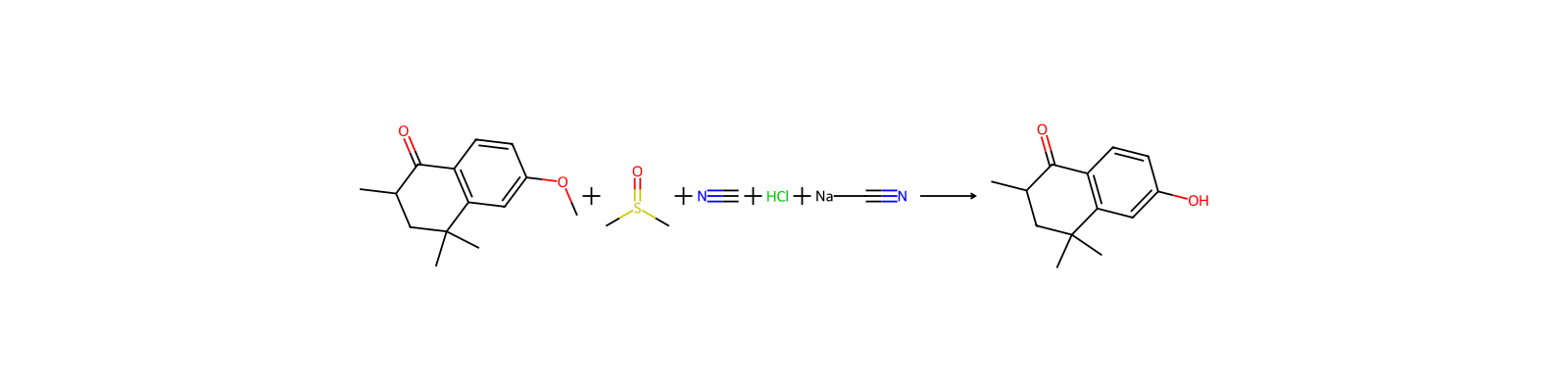
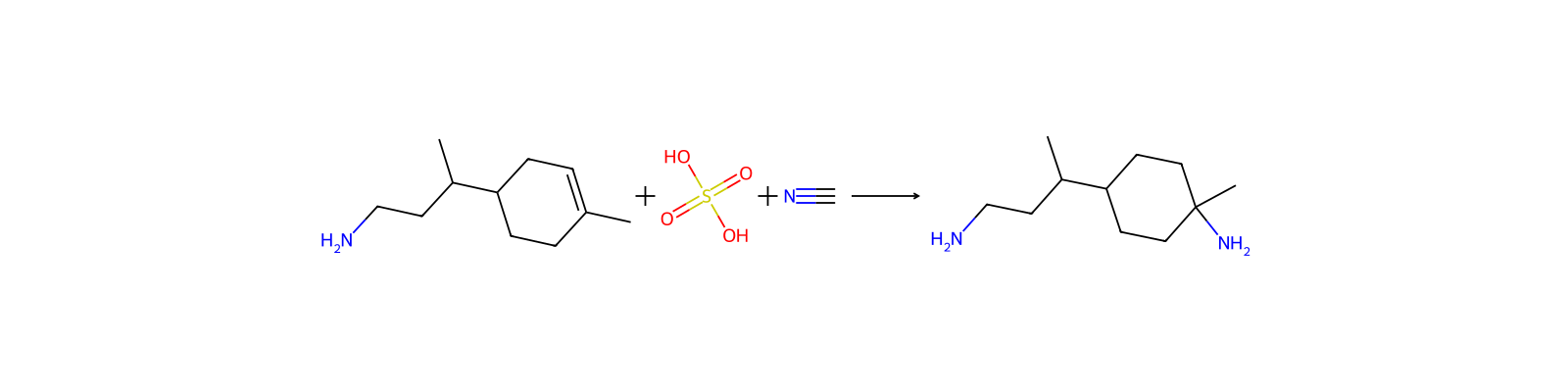
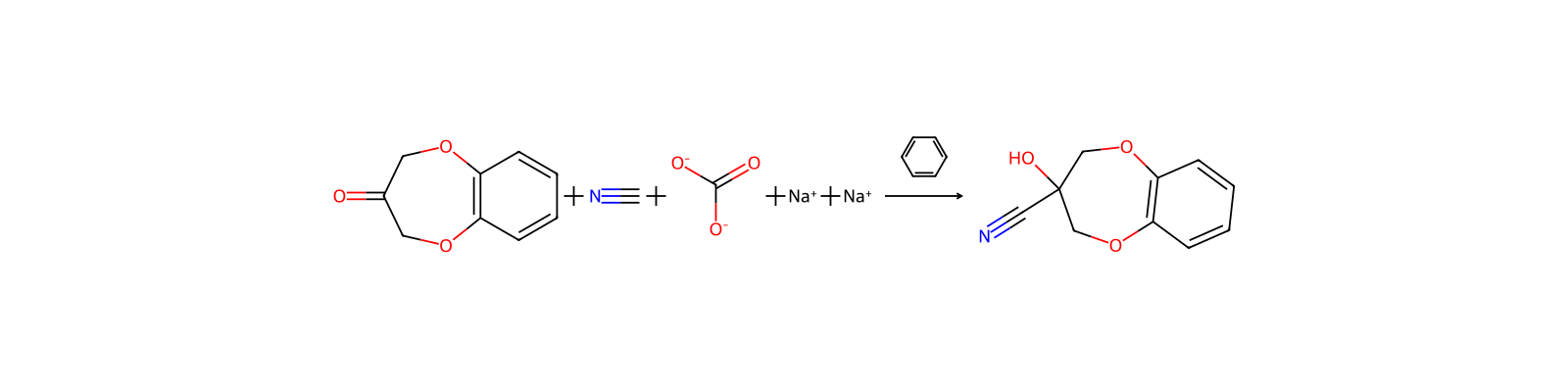
Related reactions
144 records




Linked notes
Loading…