
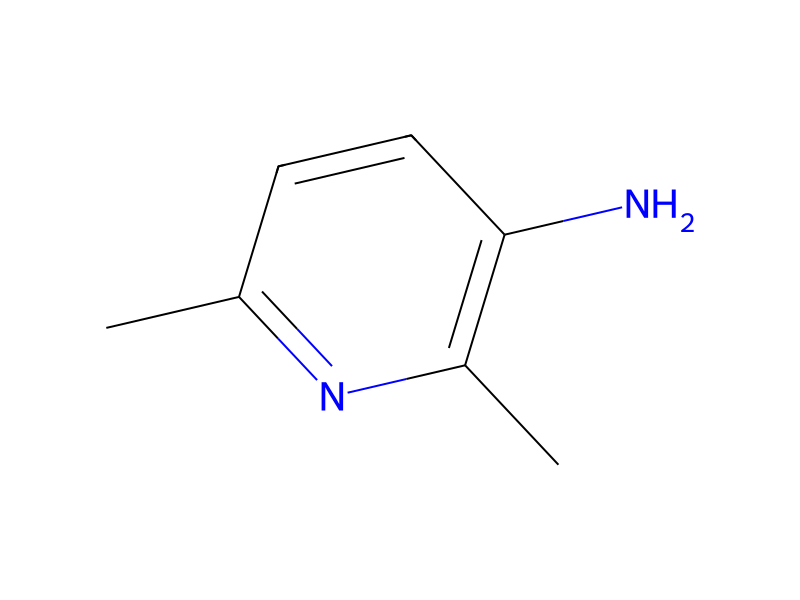
Basic information
- Standard SMILES
Cc1ccc(N)c(C)n1- InChIKey
WISXXOGOMDYNSN-UHFFFAOYSA-N- Molecular formula
- C7H10N2
- Average molar mass
- 122.17 g/mol
- Monoisotopic mass
- 122.08439833
Names & identifiers
- Preferred name
- 2,6-Dimethyl-3-pyridylamine
- IUPAC
- 2,6-dimethylpyridin-3-amine
- English name
- 3-Amino-2,6-dimethylpyridine
- Molecular formula
- C7H10N2
- Molecular weight
- 122.17
Names & synonyms
2,6-Dimethyl-3-pyridylamineEINECS 222-332-7DTXSID80187868NSC 100152RefChem:445665DTXCID40110359222-332-72,6-dimethylpyridin-3-amine3430-33-93-Amino-2,6-dimethylpyridine3-Amino-2,6-lutidineMFCD01646409
Show more names
-3-pyridyL2,6-diMethyl-3-pyridinylaMine2,6-Dimethyl-3-Amino Pyridine
2,6-dimethyl-3-aminopyridine3-Pyridinamine, 2,6-dimethyl-2,6-Dimethyl-5-aminopyridine2,6-dimethylpyridin-3-ylamine2,6-Dimethyl-3-pyridinamineNSC100152NCIOpen2_0021352,6dimethyl-3-pyridinylamine
Database identifiers
- CAS
3430-33-9- PubChem CID
- 76964
- DTXSID
DTXSID80187868- ChEMBL
CHEMBL4539633- EC Number
- 222-332-7
- Nikkaji
- J79.796K
Properties
Computed structural properties
- XLogP
- 1
- Topological polar surface area
- 38.9 Ų
- Hydrogen bond donors
- 1
- Hydrogen bond acceptors
- 2
- Rotatable bonds
- 0
- Heavy atoms
- 9
- Formal charge
- 0
- Complexity
- 92
Physicochemical properties
- Melting point
- 121 · 121-123°C
- Boiling point
- 230 °C · 230°C
- Density
- 1.0289 · 1.0289 (estimate)
- refractive index
- 1.5663 · 1.5663 (estimate)
- Flash point
- 230 °C · 230°C
- storage temp.
- Keep in dark place,Inert atmosphere,Room temperature
- pka
- 7.61 · 7.61±0.10(Predicted)
- form
- powder
- color
- Yellow
- Water Solubility
- Insoluble in water.
- BRN
- 2424 · 2424
- InChI
- InChI=1S/C7H10N2/c1-5-3-4-7(8)6(2)9-5/h3-4H,8H2,1-2H3
- InChIKey
- WISXXOGOMDYNSN-UHFFFAOYSA-N
- SMILES
- C1(C)=NC(C)=CC=C1N
- CAS DataBase Reference
- 3430 · 3430-33-9(CAS DataBase Reference)
- Symbol(GHS)
- 6 · GHS06
- Signal word
- Warning
- Hazard statements
- 302 · H302-H312-H315-H319-H331-H335
- Precautionary statements
- 261 · P261-P280-P304+P340-P305+P351+P338-P405-P501a
- Hazard Codes
- Xi,Xn
- Risk Statements
- 20 · 20/21/22-36/37/38-41-37/38-22
- Safety Statements
- 26 · 26-36/37/39-39
- RIDADR
- 2811 · UN2811
- Hazard Note
- Irritant
- HazardClass
- 6.1 · 6.1
- PackingGroup
- III
- HS Code
- 2933399990 · 2933399990
- Limited Quantities
- 5 kg · 5.0 kg (11 lbs) (solid)
- Excepted Quantities
- Max Inner Pack (30g or 30ml) and Max Outer Pack (1Kg or 1L)
Safety & regulation
GHS classification
GHS Classification
Warning
H302 (100%): Harmful if swallowed [Warning Acute toxicity, oral];H312 (100%): Harmful in contact with skin [Warning Acute toxicity, dermal];H315 (100%): Causes skin irritation [Warning Skin corrosion/irritation];H319 (100%): Causes serious eye irritation [Warning Serious eye damage/eye irritation];H332 (100%): Harmful if inhaled [Warning Acute toxicity, inhalation];H335 (100%): May cause respiratory irritation [Warning Specific target organ toxicity, single exposure; Respiratory tract irritation]
P261, P264, P264+P265, P270, P271, P280, P301+P317, P302+P352, P304+P340, P305+P351+P338, P317, P319, P321, P330, P332+P317, P337+P317, P362+P364, P403+P233, P405, and P501 (click each P-code to see the statement)
Aggregated GHS information provided per 5 reports by companies from 2 notifications to the ECHA C&L Inventory. Each notification may be associated with multiple companies.;Information may vary between notifications depending on impurities, additives, and other factors. The percentage value in parenthesis indicates the notified classification ratio from companies that provide hazard codes. Only hazard codes with percentage values above 10% are shown. For more detailed information, please visit ECHA C&L website.
Hazard information
Hazard Classes and CategoriesAcute Tox. 4 (100%);Acute Tox. 4 (100%);Skin Irrit. 2 (100%);Eye Irrit. 2A (100%);Acute Tox. 4 (100%);STOT SE 3 (100%)
Safety data
- ridadr
- UN2811
- hs_code
- 2933399990
- risk_code
- 20/21/22-36/37/38-41-37/38-22
- Signal word
- Warning
- Symbol(GHS)
- GHS06
- hazard_code
- Xi,Xn
- hazard_note
- Irritant
- safety_code
- 26-36/37/39-39
- hazard_class
- 6.1
- packing_group
- III
- Hazard statements
- H302-H312-H315-H319-H331-H335
- Limited Quantities
- 5.0 kg (11 lbs) (solid)
- Excepted Quantities
- Max Inner Pack (30g or 30ml) and Max Outer Pack (1Kg or 1L)
- Precautionary statements
- P261-P280-P304+P340-P305+P351+P338-P405-P501a
Chemistry & industry
Applications
Uses3-Amino-2,6-dimethylpyridine is used as pharmaceutical intermediate.
Upstream & downstream products
Upstream raw materials
Downstream products
Suppliers50 total
湖北鑫立恒化工有限公司13164644252
湖北永阔科技有限公司027-59223108 15972152991 · [email protected]
上海阿拉丁生化科技股份有限公司400-6206333 13167063860 · [email protected]
上海凌富药物研究有限公司+86(21)5895 0110 19945755304 · [email protected]
宁波振岳医药科技有限公司19817745290 · [email protected]
武汉英诺医药科技有限公司+86-027-59232304 15387063101 · [email protected]
合肥曼奇诺生物医药技术有限公司19719236623 · [email protected]
毕佳索(上海毕得医药科技股份有限公司)400-6005915 · [email protected]
武汉欣扬瑞和化学科技有限公司13720274133 · [email protected]
合肥翰刚医药科技有限公司+8618062405514 · [email protected]
杭州品高化工有限公司0571-87658025 · [email protected]
温州共赢化学有限公司+86-0086-577-64498589 +86-15355981851 · [email protected]
河北展药生物科技有限公司15369953316 +8615369953316 · [email protected]
陕西缔都化学有限公司029-029-81123119 17391733320 · [email protected]
江苏艾康生物医药研发有限公司025-025-66113011 15955137747 · [email protected]
Dayang Chem (Hangzhou) Co.,Ltd.+86-0571-88938639 17705817739 · [email protected]
郑州鸿晟医药科技有限公司0371-55695890 15637198702 · [email protected]
韶远科技(上海)有限公司021-50795510 4000665055 · [email protected]
Syntechem Co.,Ltd[email protected]
北京索莱宝科技有限公司010-50973130 17801761073 · [email protected]
上海辅欣医药科技有限公司+86-021-021-50872116 · [email protected]
阿法埃莎(中国)化学有限公司400-6106006 · [email protected]
安耐吉化学&3A(安徽泽升科技股份有限公司)400-0056266 · [email protected]
石家庄斯迪亚诺精细化工有限公司0311-89250318 13582355795 · [email protected]
常州科化生物科技有限公司0519-68985668 13685222090 · [email protected]
欧利希(湖北)医药科技有限公司17316404525 17316404525 · [email protected]
广东云星生物技术有限公司0751-18902340975/189023400307 18902340307 · [email protected]
上海瀚鸿科技股份有限公司021-54306202 13764082696 · [email protected]
常州环灵化工有限公司89803005 18206112582 · [email protected]
嘉兴市艾森化工有限公司0573-85285100 18627885956 · [email protected]
上海瀚香生物科技有限公司177-54423994 17754423994 · [email protected]
常熟市新裕华进出口有限公司13776233393 · [email protected]
广东元丰化学试剂有限公司0751-2829979 13376591640 · [email protected]
上海睿升化工科技有限公司+86-021-50935922
北京环宇世纪化学科技有限公司hysj_bj.com
上海毕得医药科技股份有限公司400-164-7117 18317119277 · [email protected]
郑州鸿晟医药科技有限公司0371-0371-13526885213 15637198702 · [email protected]
北京奥秘佳得医药科技有限公司+86-13522808617 · [email protected]
成都零六生物科技有限公司400-1166-196 13458535857 · [email protected]
南京恰风和医药科技有限公司025-57018978 18251899859 · [email protected]
常州言己生物科技有限公司0519-83556355 18015005120 · [email protected]
诺尔凯立科技有限公司86-(0)21-31261262 373522135 · [email protected]
阜新峰成化工科技发展有限公司0418-2868000 13464847801 · [email protected]
武汉峰耀同辉化学制品有限公司027-87466205 15377579727 · [email protected]
湖北川合化工有限公司187-7130-7593 18672969259 · [email protected]
武汉裕清嘉衡药业有限公司027-83850122 13343472658 · [email protected]
南京普鑫医药科技有限公司17366295326 · [email protected]
武汉多普乐生物医药有限公司+86-02787215551 19945035818 · [email protected]
嘉兴市浙嘉生物科技有限公司0573-85609002 · [email protected]
南京药石科技股份有限公司4000255188 · [email protected]
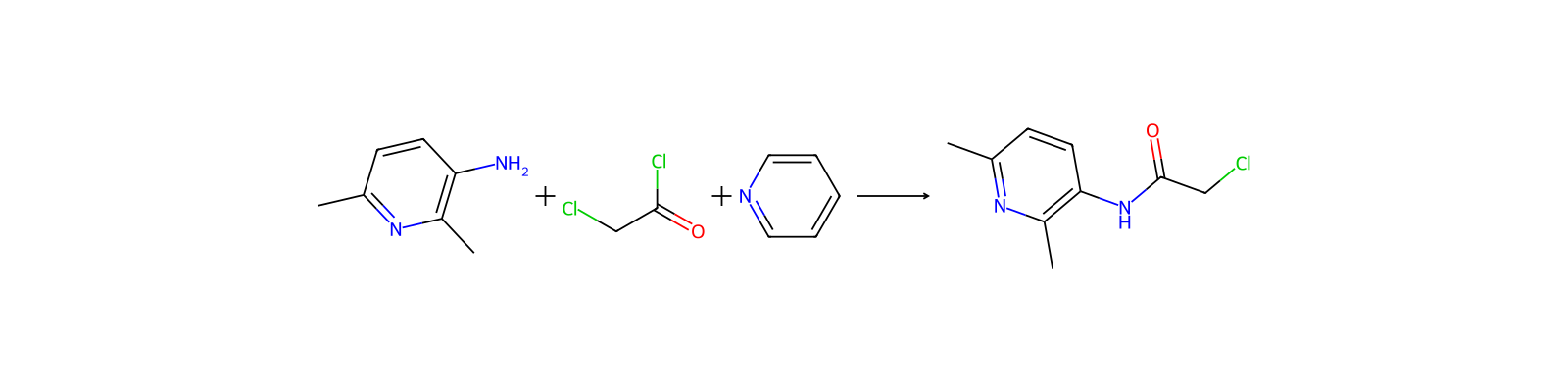
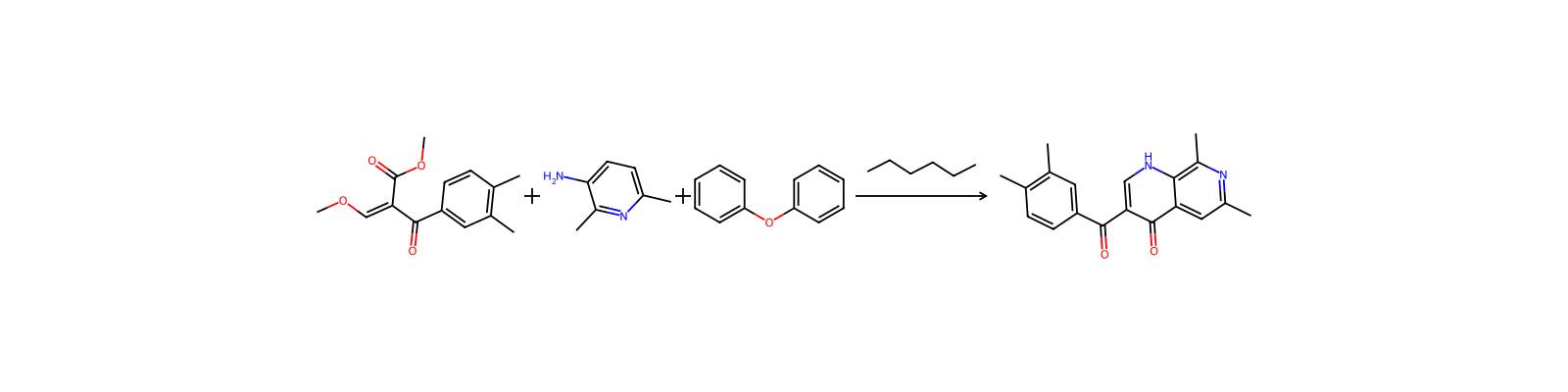
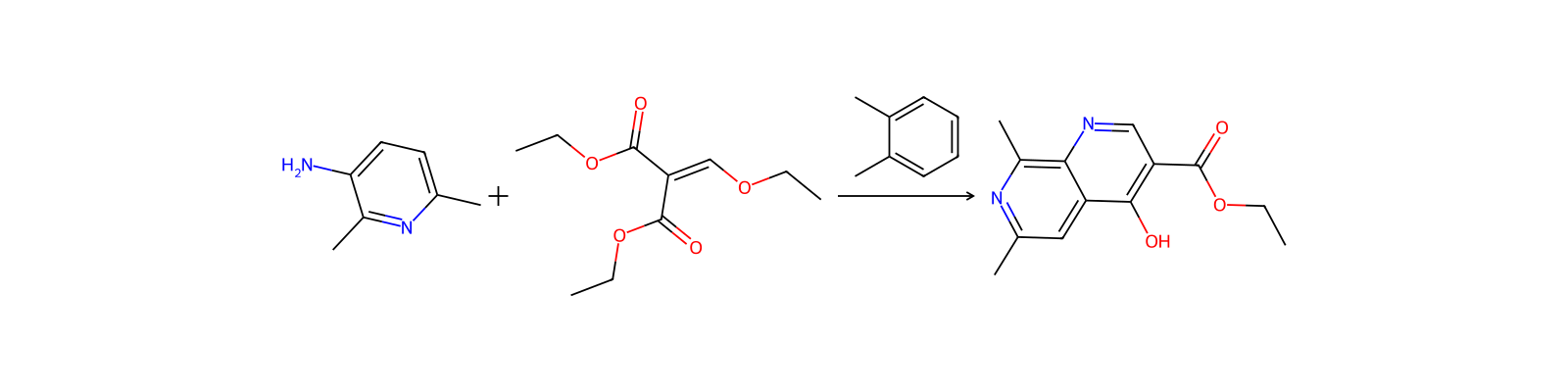
Related reactions
13 records

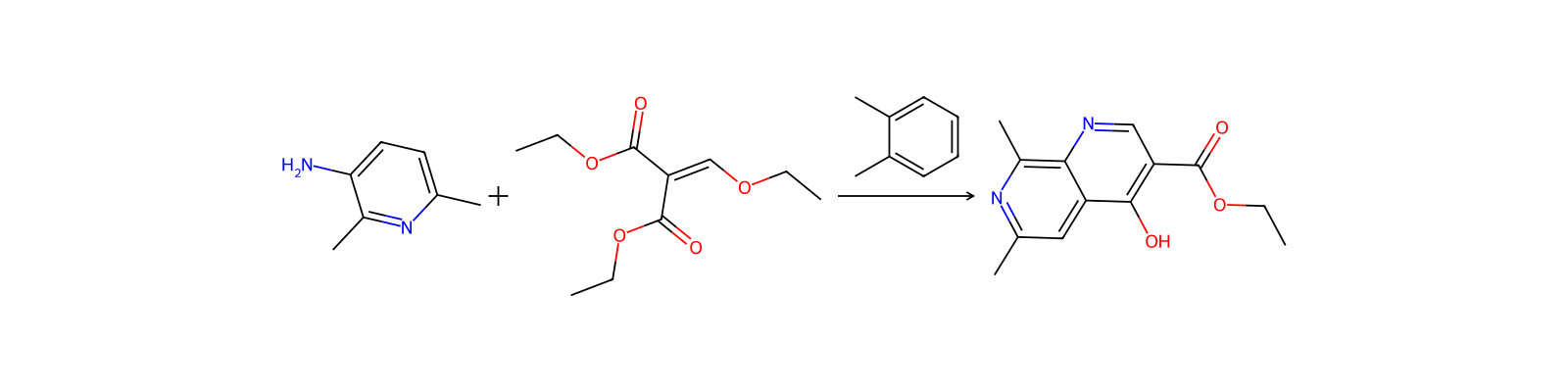

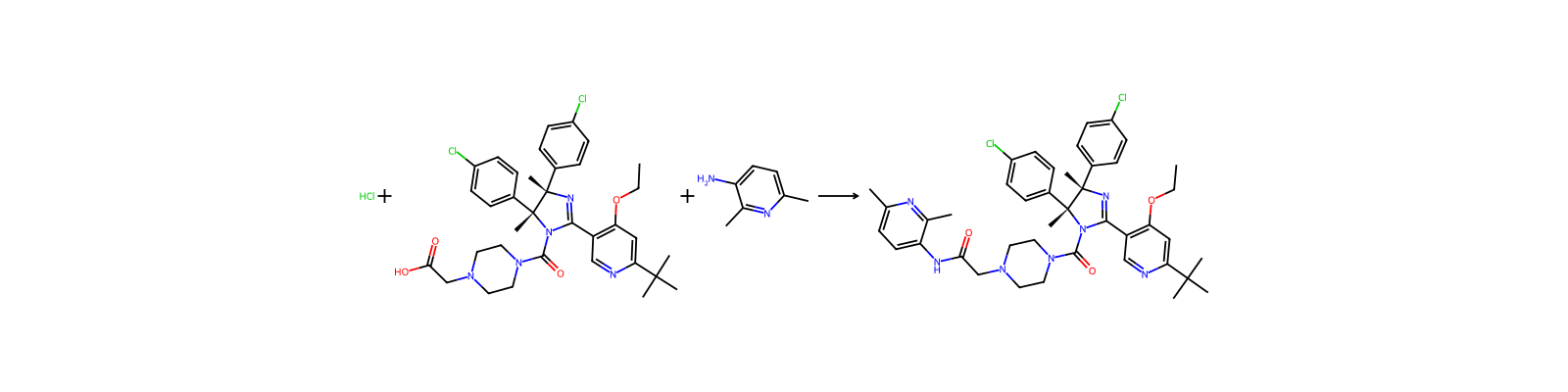
Linked notes
Loading…