HomeMCPWorkbenchSkills
HomeWorkbenchNotificationsMe
llms.txt · MCP GuidePrivacy Policy · Terms of Service · Supportv1.8.0
  1. Home
  2. /Compound

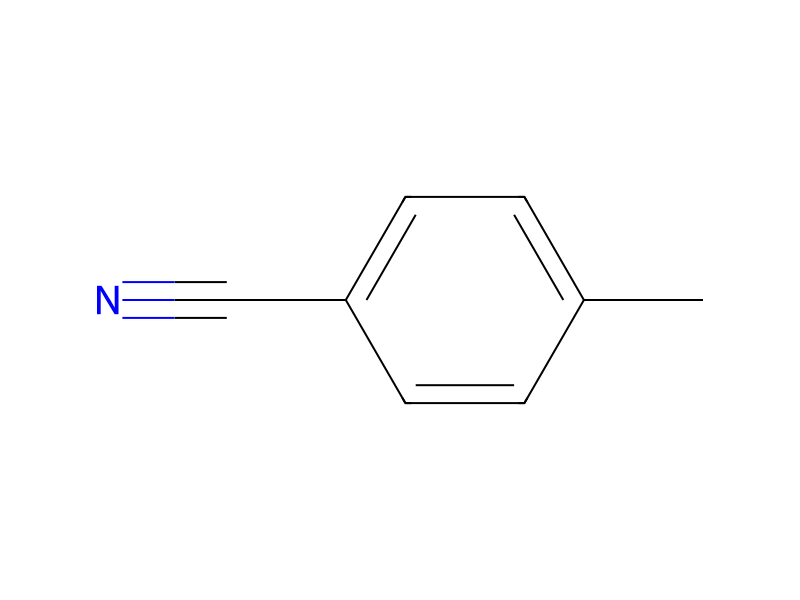
p-Tolunitrile

HCID 7724
New noteNew reactionRequest quotes
Print preview
Basic informationOverviewNames & identifiersPropertiesSafety & regulationChemistry & industryRelated reactionsCompound notes
Substructure searchFind similar structures

Basic information

CAS
104-85-8
Standard SMILES
Cc1ccc(C#N)cc1
InChIKey
VCZNNAKNUVJVGX-UHFFFAOYSA-N
Molecular formula
C8H7N
Average molar mass
117.15 g/mol
Monoisotopic mass
117.05784923

Overview

P-tolunitrile is a beige solid at 62.6 °F. (NTP, 1992)

Names & identifiers

Preferred name
p-Tolunitrile
IUPAC
4-methylbenzonitrile
English name
p-Tolunitrile
Molecular formula
C8H7N
Molecular weight
117.15

Names & synonyms

p-Tolunitrile4-METHYLBENZONITRILE104-85-84-Cyanotoluene4-Tolunitrilep-Cyanotoluenep-MethylbenzonitrileBenzonitrile, 4-methyl-p-Toluonitrilep-Tolylnitrilep-Tolunitrilp-Toluenenitrile
Show more names
CNTP-CYANO TOLUENEP-Tounitrilep-Tolumitrile
p-Toluic nitrile1-Methyl-4-cyanobenzene4-Methylcyanobenzene4-ToluenkarbonitrilNitril kyseliny p-toluylovep-Tolunitril [Czech]4-Toluenkarbonitril [Czech]Nitril kyseliny p-toluylove [Czech]

Database identifiers

CAS
104-85-8
PubChem CID
7724
DTXSID
DTXSID6026169
ChEMBL
CHEMBL1386404
UNII
H20555V8NO
EC Number
203-244-8
Nikkaji
J10.115J

Properties

Computed structural properties

XLogP
2.4
Topological polar surface area
23.8 Ų
Hydrogen bond donors
0
Hydrogen bond acceptors
1
Rotatable bonds
0
Heavy atoms
9
Formal charge
0
Complexity
123

Experimental & physicochemical properties

SpringerMaterials Properties13C nuclear magnetic resonance spectrum
Density0.9805 at 86 °F (NTP, 1992) - Less dense than water; will float
Solubilityless than 1 mg/mL at 63 °F (NTP, 1992)
Flash Point185 °F (NTP, 1992)
Boiling Point423.7 °F at 760 mmHg (NTP, 1992)
Melting Point85.1 °F (NTP, 1992)
Physical Description · 2 items

P-tolunitrile is a beige solid at 62.6 °F. (NTP, 1992)

Liquid

Physicochemical properties

Melting point
26 · 26-28 °C(lit.)
Boiling point
103 · 103-106 °C20 mm Hg(lit.)
Density
0.981 g/mL · 0.981 g/mL at 25 °C(lit.)

Safety & regulation

Safety information is for reference only and does not replace the supplier’s Safety Data Sheet (SDS), applicable regulations, or professional assessment.

GHS classification

GHS Classification · 5 items

This chemical does not meet GHS hazard criteria for 0.5% (1 of 207) of reports.

Danger

H315 (99%): Causes skin irritation [Warning Skin corrosion/irritation]

P233, P260, P261, P264, P264+P265, P271, P273, P280, P284, P302+P352, P304+P340, P305+P351+P338, P319, P321, P332+P317, P337+P317, P342+P316, P362+P364, P403, P403+P233, P405, and P501 (click each P-code to see the statement)

Aggregated GHS information provided per 207 reports by companies from 10 notifications to the ECHA C&L Inventory. Each notification may be associated with multiple companies.

Hazard information

Regulatory Information · 3 items

Benzonitrile, 4-methyl- is listed on the EPA's Chemical Data Reporting (CDR) system. Manufacturers and importers of Benzonitrile, 4-methyl- are required to report information about their production and use of this chemical to the EPA under the Toxic Substances Control Act (TSCA). (40 eCFR Part 711)

REACH registered substance: p-toluonitrile (EC: 203-244-8)

4-Tolunitrile: Does not have an individual approval but may be used under an appropriate group standard

DOT LabelFlammable Liquid Poison
Fire HazardsThis chemical is combustible. (NTP, 1992)
Health HazardsExcerpt from ERG Guide 131 [Flammable Liquids - Toxic]:
Reactive GroupNitriles
Reactivity Profile · 1 item

Nitriles, such as P-TOLUNITRILE, may polymerize in the presence of metals and some metal compounds. They are incompatible with acids; mixing nitriles with strong oxidizing acids can lead to extremely violent reactions. Nitriles are generally incompatible with other oxidizing agents such as peroxides and epoxides. The combination of bases and nitriles can produce hydrogen cyanide. Nitriles are hydrolyzed in both aqueous acid and base to give carboxylic acids (or salts of carboxylic acids). These reactions generate heat. Peroxides convert nitriles to amides. Nitriles can react vigorously with reducing agents. Acetonitrile and propionitrile are soluble in water, but nitriles higher than propionitrile have low aqueous solubility. They are also insoluble in aqueous acids.

Chemistry & industry

Uses & manufacturing

U.S. Production2021: 88,184 lb
Industry UsesIntermediate
General Manufacturing Information · 2 items

Pesticide, Fertilizer, and Other Agricultural Chemical Manufacturing

Benzonitrile, 4-methyl-: ACTIVE

Applications

Usesp-Tolunitrile is a reagent used in the preparation of 1H-Indazoles from imidates and nitrosobenzenes.

General DescriptionBeige solid at 62.6° F.

Upstream & downstream products

Upstream raw materials

4-Methylbenzamide oxime4-Methylstyrene4-Methylbenzylamine4-Methylbenzyl chloride

Downstream products

4-Cyanobenzaldehyde4-Methylbenzene-1-carboximidamide hydrochloride4-(4-Methylpiperazinomethyl)benzoic acid4-Methyl-benzamidineAcrivastine5-Methylquinoline

Related reactions

91 records
New reaction record
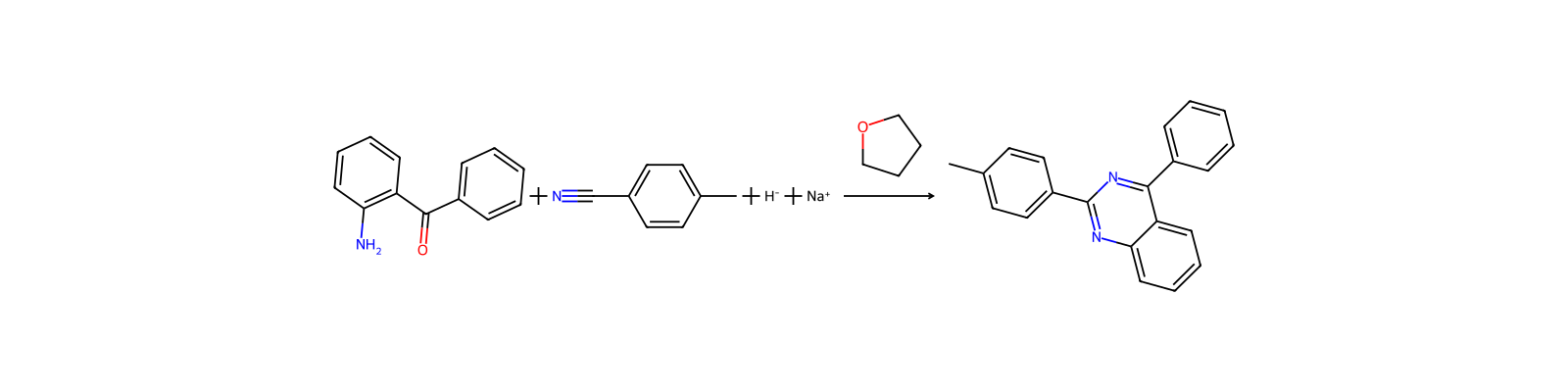
HRID 9748 reaction equation
HRID 9748As reactantuspto-grants-2006_08
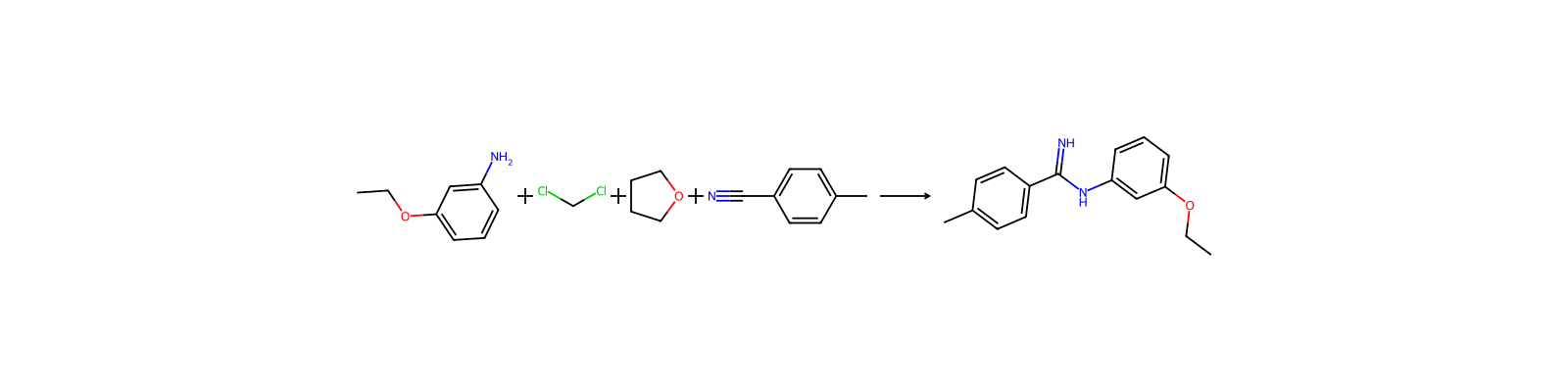
HRID 52331 reaction equation
HRID 52331As reactantuspto-grants-1997_04
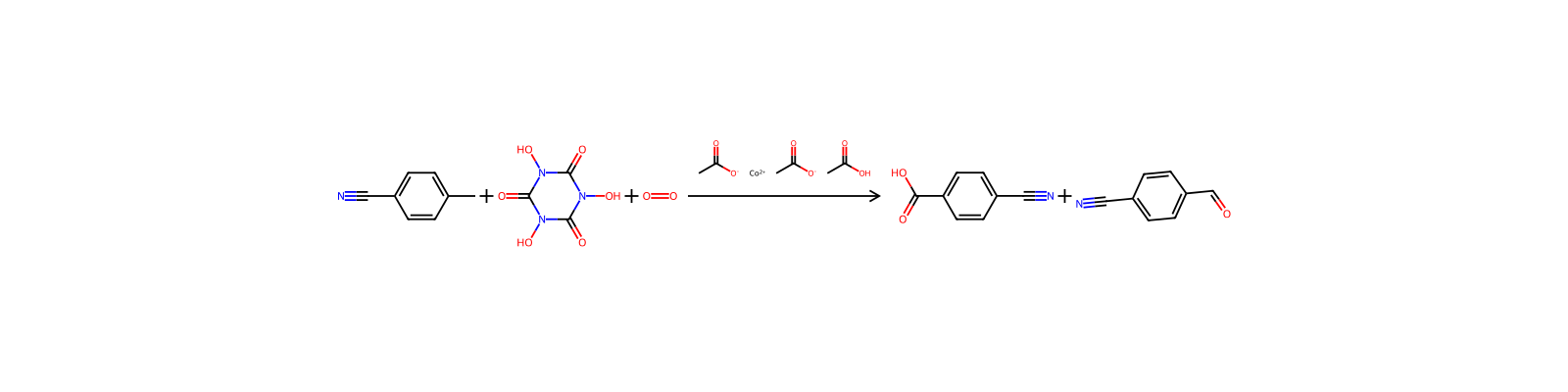
HRID 53403 reaction equation
HRID 53403As productuspto-grants-1997_04
HRID 54900 reaction equation
HRID 54900As reactantuspto-grants-1997_04
HRID 103904 reaction equation
HRID 103904As reactantTraining data from https://doi.org/10.1039/C8SC04228D (2/10)
HRID 106535 reaction equation
HRID 106535As reactantTraining data from https://doi.org/10.1039/C8SC04228D (2/10)
HRID 139444 reaction equation
HRID 139444As reactantTraining data from https://doi.org/10.1039/C8SC04228D (9/10)
HRID 140548 reaction equation
HRID 140548As reactantTraining data from https://doi.org/10.1039/C8SC04228D (9/10)
Page 1 of 12

Compound notes

Loading…

On this pageBasic informationOverviewNames & identifiersPropertiesSafety & regulationChemistry & industryRelated reactionsCompound notes
More actions
New noteNew reactionRequest quotes
refractive index
1.5285 · 1.5285-1.5305
Flash point
185 °F · 185 °F
storage temp.
30 °C · Store below +30°C.
solubility
alcohol: very soluble
form
Viscous Liquid
Specific Gravity
0.981 · 0.981
color
Clear
Water Solubility
0.1 g/100 · <0.1 g/100 mL at 17 ºC
Merck
14 · 14,9538
BRN
507386 · 507386
Exposure limits
25 mg/m3 · NIOSH: IDLH 25 mg/m3
Stability
Stable. Incompatible with strong oxidizing agents, strong bases.
InChI
1S/C8H7N/c1-7-2-4-8(6-9)5-3-7/h2-5H,1H3
InChIKey
VCZNNAKNUVJVGX-UHFFFAOYSA-N
SMILES
Cc1ccc(cc1)C#N
CAS DataBase Reference
104 · 104-85-8(CAS DataBase Reference)
EWG's Food Scores
1 · 1
FDA UNII
20555 V8NO · H20555V8NO
NIST Chemistry Reference
4 · Benzonitrile, 4-methyl-(104-85-8)
EPA Substance Registry System
p-Tolunitrile (104-85-8)
UNSPSC Code
12352100 · 12352100
NACRES
22 · NA.22
Symbol(GHS)
7 · GHS07
Signal word
Warning
Hazard statements
303 · H303-H315-H319-H317-H335
Precautionary statements
501 · P501-P261-P272-P271-P264-P280-P302+P352-P312-P337+P313-P305+P351+P338-P362+P364-P333+P313-P304+P340+P312-P403+P233-P405
target organs
Respiratory system
PPE
95 · dust mask type N95 (US), Eyeshields, Faceshields, Gloves
Hazard Codes
Xi
Risk Statements
36 · 36/37/38-43-36/38
Safety Statements
26 · 26-36/37-37-36
WGK Germany
2 · 2
RTECS
700000 · XV0700000
Hazard Note
Irritant
TSCA
TSCA listed
HS Code
29269095 · 29269095
Storage Class
11 · 11 - Combustible Solids
Hazard Classifications
2 Resp · Eye Irrit. 2Resp. Sens. 1Skin Irrit. 2STOT SE 3
REACH Registrations
Active
Air and Water ReactionsInsoluble in water.
Hazard Classes and CategoriesSkin Irrit. 2 (99%)

Safety & protection

Fire FightingFires involving this compound can be controlled using a dry chemical, carbon dioxide or Halon extinguisher. (NTP, 1992)
First Aid · 1 item

EYES: First check the victim for contact lenses and remove if present. Flush victim's eyes with water or normal saline solution for 20 to 30 minutes while simultaneously calling a hospital or poison control center. Do not put any ointments, oils, or medication in the victim's eyes without specific instructions from a physician. IMMEDIATELY transport the victim after flushing eyes to a hospital even if no symptoms (such as redness or irritation) develop.

Nonfire Spill Response · 1 item

SMALL SPILLS AND LEAKAGE: Should a spill occur while you are handling this chemical, you should dampen the solid spill material with alcohol, then transfer the dampened material to a suitable container. Use absorbent paper dampened with alcohol to pick up any remaining material. Seal the absorbent paper, and any of your clothes, which may be contaminated, in a vapor-tight plastic bag for eventual disposal. Solvent wash all contaminated surfaces with alcohol followed by washing with a strong soap and water solution. Do not reenter the contaminate area until the Safety Officer (or other responsible person) has verified that the area has been properly cleaned.

Isolation and EvacuationExcerpt from ERG Guide 131 [Flammable Liquids - Toxic]:
Personal Protective Equipment (PPE) · 1 item

RECOMMENDED RESPIRATOR: Where the neat test chemical is weighed and diluted, wear a NIOSH-approved half face respirator equipped with an organic vapor/acid gas cartridge (specific for organic vapors, HCl, acid gas and SO2) with a dust/mist filter. (NTP, 1992)

Safety data

PPE
dust mask type N95 (US), Eyeshields, Faceshields, Gloves
wgk
2
tsca
TSCA listed
rtecs
XV0700000
hs_code
29269095
risk_code
36/37/38-43-36/38
Signal word
Warning
Symbol(GHS)
GHS07
hazard_code
Xi
hazard_note
Irritant
safety_code
26-36/37-37-36
Storage Class
11 - Combustible Solids
target organs
Respiratory system
Hazard statements
H303-H315-H319-H317-H335
REACH Registrations
Active
Hazard Classifications
Eye Irrit. 2Resp. Sens. 1Skin Irrit. 2STOT SE 3
Precautionary statements
P501-P261-P272-P271-P264-P280-P302+P352-P312-P337+P313-P305+P351+P338-P362+P364-P333+P313-P304+P340+P312-P403+P233-P405
4-Methyl-3-nitrobenzamide
4-Methyl-3-nitrobenzoic acid
2,4,6-trip-tolyl-1,3,5-triazine
(4-Cyanobenzyl)phosphonic acid diethyl ester
4-(Difluoromethyl)benzonitrile
(-)-[(S)-1-Bromoethyl]benzene
4-Methyl(thiobenzamide)