HomeMCPWorkbenchSkills
HomeWorkbenchNotificationsMe
llms.txt · MCP GuidePrivacy Policy · Terms of Service · Supportv1.8.0
  1. Home
  2. /Compound

P-Phenylenediamine

HCID 7814
New noteNew reactionRequest quotes
Print preview
Basic informationOverviewNames & identifiersPropertiesSafety & regulationChemistry & industryRelated reactionsCompound notes
Substructure searchFind similar structures

Basic information

CAS
106-50-3
Standard SMILES
Nc1ccc(N)cc1
InChIKey
CBCKQZAAMUWICA-UHFFFAOYSA-N
Molecular formula
C6H8N2
Average molar mass
108.14 g/mol
Monoisotopic mass
108.06874826

Overview

P-phenylenediamine appears as a white to purple crystalline solid (melting point 234 F) that turns purple to black in air. Flash point 309 F. Toxic by skin absorption, inhalation or ingestion. Used for production of aramid fiber, antioxidants, as a laboratory reagent, in photographic developing, and as a dye for hair and furs.

Names & identifiers

Preferred name
P-Phenylenediamine
IUPAC
benzene-1,4-diamine
English name
p-Phenylenediamine
Molecular formula
C6H8N2
Molecular weight
108.14

Names & synonyms

p-Phenylenediamine106-50-31,4-BENZENEDIAMINE1,4-Diaminobenzene1,4-Phenylenediamine4-Aminoanilinep-Aminoanilinepara-phenylenediaminep-DiaminobenzeneOrsinParaphenylenediamineUrsol D
Show more names
BENZENE-1,4-DIAMINEPARA PHENYLENE DIAMINEJAROCOL PPDP-Phene Diamine
4-Phenylenediaminep-BenzenediamineFenylenodwuaminaFouramine DFutramine DBenzofur DDeveloper PFFourrine D

Database identifiers

CAS
106-50-3
PubChem CID
7814
DTXSID
DTXSID9021138
ChEMBL
CHEMBL403741
ChEBI
CHEBI:51403
UNII
U770QIT64J
EC Number
203-404-7
Nikkaji
J4.035E

Properties

Computed structural properties

XLogP
-0.3
Topological polar surface area
52 Ų
Hydrogen bond donors
2
Hydrogen bond acceptors
2
Rotatable bonds
0
Heavy atoms
8
Formal charge
0
Complexity
54.9

Experimental & physicochemical properties

Chemical Classes · 2 items

Hazardous Air Pollutants (HAPs)

Nitrogen Compounds -> Amines, Aromatic

DrugsPharmaceuticals -> Listed in ZINC15
Cosmetics · 3 items

Cosmetics ingredient -> Colorant; Other (Specify)

Cosmetic ingredients (p-Phenylenediamine) -> CIR (Cosmetic Ingredient Review)

Hair dyeing

SpringerMaterials Properties13C nuclear magnetic resonance spectrum
LogP · 2 items

log Kow= -0.25

-0.3

Density · 3 items

Greater than 1 (water= 1)

Relative density (water = 1): 1.1

>1 no temp

Color/Form · 2 items

WHITE TO SLIGHTLY RED CRYSTALS

WHITE PLATES FROM BENZENE, ETHER

Solubility · 6 items

4 % at 75 °F (NIOSH, 2024)

SOL IN 100 PARTS COLD WATER; SOL IN ALCOHOL, CHLOROFORM, ETHER

Safety & regulation

Safety information is for reference only and does not replace the supplier’s Safety Data Sheet (SDS), applicable regulations, or professional assessment.

GHS classification

GHS Classification · 6 items

Danger

H301: Toxic if swallowed [Danger Acute toxicity, oral]

P261, P262, P264, P264+P265, P270, P271, P272, P273, P280, P301+P316, P302+P352, P304+P340, P305+P351+P338, P316, P321, P330, P333+P317, P337+P317, P361+P364, P362+P364, P391, P403+P233, P405, and P501 (click each P-code to see the statement)

Danger

H301+H311+H331 (43.2%): Toxic if swallowed, in contact with skin or if inhaled [Danger Acute toxicity, oral; acute toxicity, dermal; acute toxicity, inhalation]

P260, P261, P262, P264, P264+P265, P270, P271, P272, P273, P280, P301+P316, P302+P352, P304+P340, P305+P351+P338, P308+P316, P316, P321, P330, P333+P317, P337+P317, P361+P364, P362+P364, P391, P403+P233, P405, and P501 (click each P-code to see the statement)

Hazard information

Regulatory Information · 6 items

Chemical: 1,4-Benzenediamine

Hazard Traits - Hazard Trait Undefined

1,4-Benzenediamine is listed on the EPA's Chemical Data Reporting (CDR) system. Manufacturers and importers of 1,4-Benzenediamine are required to report information about their production and use of this chemical to the EPA under the Toxic Substances Control Act (TSCA). (40 eCFR Part 711)

REACH registered substance: p-phenylenediamine (EC: 203-404-7)

1,4-Phenylenediamine: Does not have an individual approval but may be used under an appropriate group standard

The New Jersey Worker and Community Right to Know Act requires public and private employers to provide information about hazardous substances at their workplaces. (N.J.S.A. 34:5A-1 et. seq.)

Other Safety InformationIMAP assessments - 1,4-Benzenediamine: Human health tier II assessment
DOT LabelPoison
Fire Hazards · 2 items

Chemistry & industry

Pharmacology

Mechanism of Action · 1 item

FROM STUDIES OF THE INTRACUTANEOUS SENSITIZATION OF GUINEA-PIGS USING PARA-PHENYLENEDIAMINE, HYDROQUINONE, QUINHYDRONE AND BENZOQUINONE, IT HAS BEEN SUGGESTED THAT BENZOQUINONE FORMATION PLAYS AN IMPORTANT ROLE IN THE ALLERGIC ACTION OF PARA-PHENYLENEDIAMINE.

Metabolism/Metabolites · 4 items

P-PHENYLENEDIAMINE YIELDS P-QUINONE PROBABLY IN MAN, MONKEY, PIG, HORSE, SHEEP, GOAT, CAT, RABBIT, GUINEA PIG, RAT, MOUSE, & HEN. /FROM TABLE/

P-PHENYLENEDIAMINE YIELDS P-QUINONE PROBABLY IN HORSERADISH ... WITH CERULOPLASMIN & LACCASE. /FROM TABLE/

P-PHENYLENEDIAMINE YIELDS P-QUINONE PROBABLY IN PERIPLANETA, ... IN CITRUS, ... IN TEA. /FROM TABLE/

N,N'-DIACETYL-PARA-PHENYLENEDIAMINE WAS IDENTIFIED AS A URINARY METABOLITE OF PARA-PHENYLENEDIAMINE IN DOGS.

FDA Pharmacological Classification · 6 items

U770QIT64J

P-PHENYLENEDIAMINE

Established Pharmacologic Class [EPC] - Standardized Chemical Allergen

Physiologic Effects [PE] - Increased Histamine Release

Physiologic Effects [PE] - Cell-mediated Immunity

Chemical Structure [CS] - Allergens

MeSH Pharmacological ClassificationChemicals and substances that impart color including soluble dyes and insoluble pigments. They are used in INKS; PAINTS; and as INDICATORS AND REAGENTS.
Absorption, Distribution and Excretion · 4 items

PARAPHENYLENEDIAMINE HYDROCHLORIDE WAS APPLIED TO THE SKIN OF DOGS IN GELS AND FLUIDS, AS THEY ARE USED IN HAIR DYEING; ABSORPTION WAS DETERMINED BY COMPARING BLOOD CONCENTRATIONS WITH THAT OBTAINED AFTER IV INJECTION OF THE DIAMINE OVER A COMPARABLE PERIOD OF TIME. IT WAS CALCULATED THAT 16 MG WERE ABSORBED WHEN 50 ML OF A LAURYL SULFATE-BASED GEL CONTAINING 1.5 G PARAPHENYLENEDIAMINE WAS APPLIED FOR 3 HOURS AND FREE ACCESS TO AIR WAS ALLOWED (THE MAXIMAL BLOOD CONCENTRATION WAS 0.15 UG/ML). THIS AMOUNT ROSE TO 110 MG IF THE TREATED AREA WAS IMMEDIATELY COVERED WITH ALUMINUM FOIL (THE MAXIMAL BLOOD CONCENTRATION WAS 0.5 UG/ML). /P-PHENYLENEDIAMINE HYDROCHLORIDE/

Related reactions

209 records
New reaction record
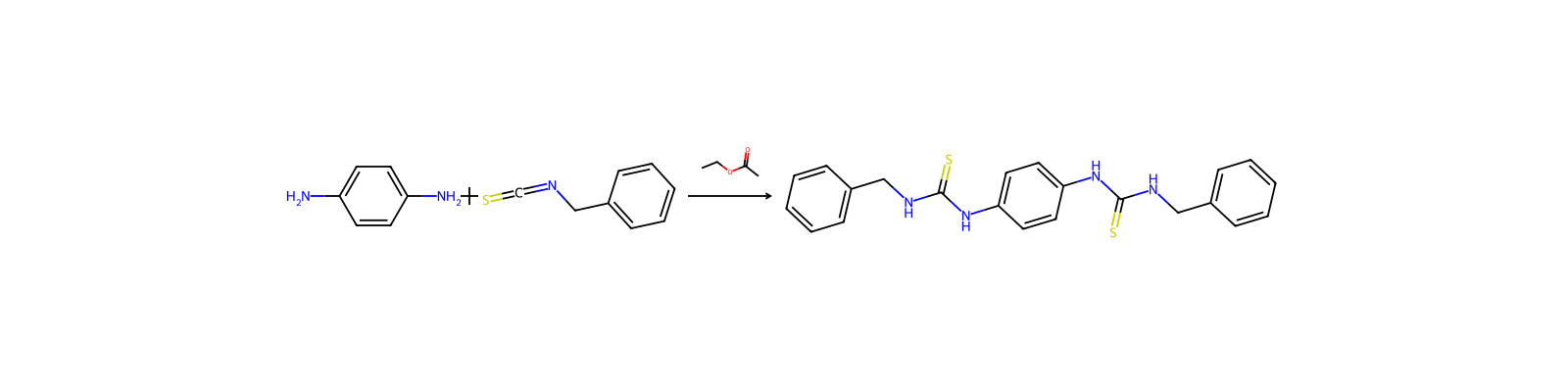
HRID 756 reaction equation
HRID 756As reactantuspto-grants-1998_03
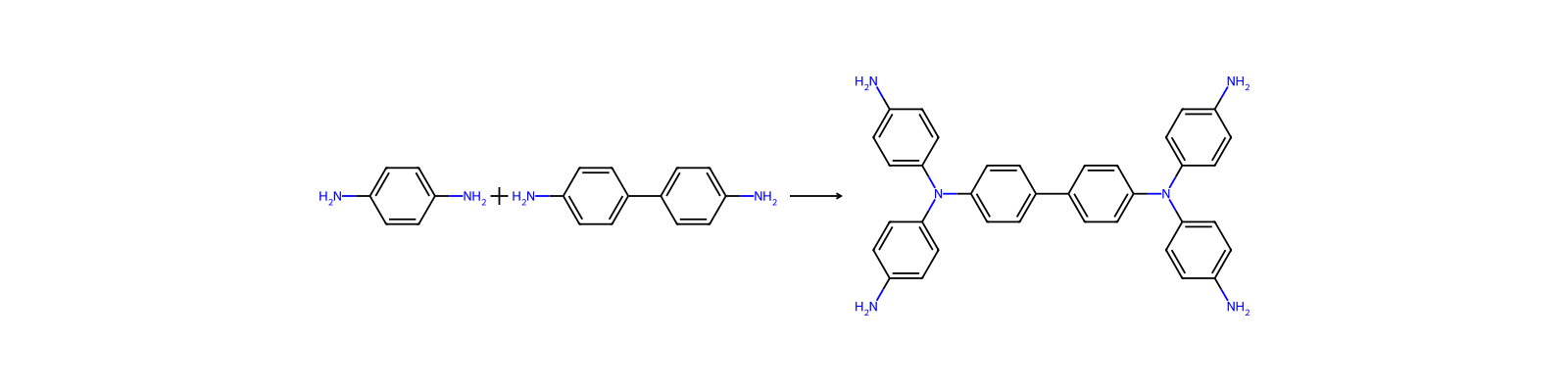
HRID 5540 reaction equation
HRID 5540As reactantuspto-grants-1993_09
HRID 19616 reaction equation
HRID 19616As reactantuspto-grants-2010_06
HRID 50462 reaction equation
HRID 50462As reactantuspto-grants-2004_03
HRID 52046 reaction equation
HRID 52046As reactantuspto-grants-1997_04
HRID 52541 reaction equation
HRID 52541As reactantuspto-grants-1997_04
HRID 53752 reaction equation
HRID 53752As reactantuspto-grants-1997_04
HRID 54340 reaction equation
HRID 54340As reactantuspto-grants-1997_04
Page 1 of 27

Compound notes

Loading…

On this pageBasic informationOverviewNames & identifiersPropertiesSafety & regulationChemistry & industryRelated reactionsCompound notes
More actions
New noteNew reactionRequest quotes

SOL IN HOT BENZENE

Water solubility= 38,000 ppm

Solubility in water, g/100ml at 25 °C: 4

(75 °F): 4%

Flash Point · 5 items

311 °F (NTP, 1992)

311 °F

156 °C c.c.

312 °F

312 °F

Endocrine DisruptorsPotential endocrine disrupting compound
Boiling Point · 6 items

513 °F at 760 mmHg (NTP, 1992)

267 °C

267 °C

513 °F

267 °C @760 [mm Hg]

513 °F

Decomposition · 2 items

Toxic gases and vapors (such as oxides of nitrogen and carbon monoxide) may be released in a fire involving p-phenylenediamine.

When heated to decomposition it emits acrid smoke and irritating fumes.

Physicochemical properties

Melting point
138 · 138-143 °C (lit.)
Boiling point
267 °C · 267 °C (lit.)
Density
1.135 g/cm3 · 1.135 g/cm3 (20℃)
bulk density
600 kg/m3 · 600kg/m3
vapor density
3.7 · 3.7 (vs air)
vapor pressure
1.08 mm · 1.08 mm Hg ( 100 °C)
refractive index
1.6339 · 1.6339 (estimate)
Flash point
156 °C · 156 °C
storage temp.
30 °C · Store below +30°C.
solubility
Soluble in alcohol, chloroform, ether and hot benzene.
form
Powder or Flakes
Colour Index
76060 · 76060
pka
4.17 · 4.17(at 25℃)
color
White, gray, or purple to brown
PH Range
NonQ uorescence (3.1) to orange/yellow Q uorescence (4.4)
PH
9 · 9 (50g/l, H2O, 20℃)
Water Solubility
47 g/L · 47 g/L (25 ºC)
Merck
14 · 14,7285
BRN
742029 · 742029
Henry's Law Constant
7.1 · 7.1×102 mol/(m3Pa) at 25℃, Yaws (2003)
Exposure limits
0.1 mg/m3OSHA:PEL-TWA · ACGIH:TLV-TWA 0.1 mg/m3OSHA:PEL-TWA 0.1 mg/m3NIOSH:REL-TWA 0.1 mg/m3
Stability
Stable, but oxidizes when exposed to air. Incompatible with oxidizing agents. Store under inert atmosphere.
Major Application
Nanoparticles, liquid crystal displays, chemical mechanical polishing, bottom antireflective coatings, electrochromic materials, inks, rubber, hair dyes, cosmetics, treatment of virus skin infection
Cosmetics Ingredients Functions
HAIR DYEING
InChI
1S/C6H8N2/c7-5-1-2-6(8)4-3-5/h1-4H,7-8H2
InChIKey
CBCKQZAAMUWICA-UHFFFAOYSA-N
SMILES
Nc1ccc(N)cc1
LogP
-0.84 at · -0.84 at 20℃
Indirect Additives used in Food Contact Substances
P-PHENYLENEDIAMINE
CAS DataBase Reference
106 · 106-50-3(CAS DataBase Reference)
FDA 21 CFR
177.1632 · 177.1632
EWG's Food Scores
5 · 5-7
FDA UNII
770 QIT64J · U770QIT64J
IARC
3 · 3 (Vol. 16, Sup 7) 1987
NIST Chemistry Reference
1 · 1,4-Benzenediamine(106-50-3)
EPA Substance Registry System
p-Phenylenediamine (106-50-3)
UNSPSC Code
12352204 · 12352204
NACRES
83 · NA.83
Symbol(GHS)
6 · GHS06,GHS08,GHS09
Signal word
Danger
Hazard statements
301 · H301+H311+H331-H319-H370-H372-H373-H317-H334-H410
Precautionary statements
501 · P501-P273-P272-P260-P270-P271-P264-P280-P284-P391-P337+P313-P305+P351+P338-P308+P311-P361+P364-P333+P313-P301+P310+P330-P302+P352+P312-P304+P340+P311-P403+P233-P405
target organs
Kidney,Heart,Musculo-skeletal system
PPE
2 · Eyeshields, Faceshields, Gloves, type P2 (EN 143) respirator cartridges
Hazard Codes
T,N,T+,Xn
Risk Statements
23 · 23/24/25-36-43-50/53-63-36/37/38-45-40-48/22-67-52/53
Safety Statements
28 · 28-36/37-45-60-61-28A-24/25-23-53-26
OEB
D
OEL
0.1 mg/m3 · TWA: 0.1 mg/m3 [skin]
RIDADR
1673 · UN 1673 (PHENYLENEDIAMINES (o-, m-, p-))
WGK Germany
3 · 3
RTECS
8050000 · SS8050000
F
8 · 8-10-23
Autoignition Temperature
567 °C · 567 °C
TSCA
TSCA listed
HazardClass
6.1 · 6.1
PackingGroup
III
HS Code
29215119 · 29215119
Storage Class
6.1 C · 6.1C - Combustible acute toxic Cat.3toxic compounds or compounds which causing chronic effects
Hazard Classifications
3 DermalAcute · Acute Tox. 3 DermalAcute Tox. 3 InhalationAcute Tox. 3 OralAquatic Acute 1Aquatic Chronic 1Eye Irrit. 2Skin Sens. 1STOT SE 1 Oral
Hazardous Substances Data
106 · 106-50-3(Hazardous Substances Data)
Toxicity
50 in · LD50 in rats (mg/kg): 80 orally, 37 i.p. (Burnett)
IDLA
25 mg/m3 · 25 mg/m3
REACH Registrations
Active
Limited Quantities
5 kg · 5.0 kg (11 lbs) (solid)
Excepted Quantities
Max Inner Pack (30g or 30ml) and Max Outer Pack (1Kg or 1L)

Excerpt from ERG Guide 153 [Substances - Toxic and/or Corrosive (Combustible)]:

Combustible. Gives off irritating or toxic fumes (or gases) in a fire. Finely dispersed particles form explosive mixtures in air. Risk of fire and explosion on contact with strong oxidizing agents.

Fire PotentialCOMBUSTIBLE WHEN EXPOSED TO HEAT OR FLAME.
Health HazardsExcerpt from NIOSH Pocket Guide for p-Phenylene diamine:
Hazards Summary · 2 items

p-Phenylenediamine is primarily used as a dye intermediate and as a dye. Acute (short-term) exposure to high levels of p-phenylenediamine may cause severe dermatitis, eye irritation and tearing, asthma, gastritis, renal failure, vertigo, tremors, convulsions, and coma in humans. Eczematoid contact dermatitis may result from chronic (long-term) exposure in humans. In rats and mice chronically exposed to p- phenylenediamine in their diet, depressed body weights, but no other clinical signs of toxicity, were observed in several studies. No information is available on the reproductive, developmental, or carcinogenic effects of p-phenylenediamine in humans. EPA has not classified p-phenylenediamine with respect to carcinogenicity.

An important dye used for permanent hair coloring, the dye itself (but not the dyed hair) can cause allergic contact dermatitis. [Marks, p. 111] Immunologic contact urticaria documented; [Kanerva, p. 219] In animal experiments, intraperitoneal injections induce methemoglobinemia, and chronic feeding causes fatty degeneration of the liver. Liver injury after occupational exposure has been reported. [ACGIH] Potential adverse effects include asthma, allergic contact dermatitis, methemoglobinemia, and kidney injury; [ICSC]

DOT ID and Guide1673 153
Reactive GroupAmines, Aromatic
EC ClassificationSymbol: T+, N; R: 23/24/25-36-43-50/53; S: (1/2)-28-36/37-45-60-61
UN ClassificationUN Hazard Class: 6.1; UN Pack Group: III
Special Reports · 5 items

TSCA CHIPs present a preliminary assessment of 1,4-Benzenediamine's potential for injury to human health & the environment (available at EPA's TSCA Assistance Office: (202) 554-1404.

Waters MD et al; The Genetic Toxicology of Gene-Tox Non-Carcinogens; Mutat Res 205(1-4): 139-82 (1988).

USEPA; PHENYLENEDIAMINES; RESPONSE TO INTERAGENCY TESTING COMMITTEE; FED REGIST 47(5) 973 (1982). EVIDENCE IS GIVEN SUPPORTING TESTING OF THE CLASS OF COMPOUNDS PHENYLENEDIAMINES FOR THEIR TOXIC EFFECTS ON HUMAN HEALTH AND THE ENVIRONMENT. THE RESULTS OF TOXICITY TESTING OF 22 COMPOUNDS ARE TABULATED AS ARE THE EFFECTS FOR WHICH TESTING IS BEING CONSIDERED FOR 13 COMPOUNDS, AND THE USES OR POTENTIAL USES OF 47 PHENYLENEDIAMINES.

Fukunaga T, et al; Contact Dermat 35 (3): 185-6 (1996). Contact anaphylaxis due to para-phenylenediamine.

Yagi H et al; Hum Exp Toxicol 15 (8): 617-18 (1996). Paraphenylenediamine induced optic atrophy following hair dye poisoning.

Safety & protection

Fire Fighting · 2 items

Excerpt from ERG Guide 153 [Substances - Toxic and/or Corrosive (Combustible)]:

Use water spray, powder.

First Aid Measures · 4 items

Fresh air, rest. Half-upright position. Refer for medical attention.

First rinse with plenty of water for at least 15 minutes, then remove contaminated clothes and rinse again. Refer for medical attention .

First rinse with plenty of water for several minutes (remove contact lenses if easily possible), then refer for medical attention.

Rinse mouth. Give a slurry of activated charcoal in water to drink. Refer for medical attention .

First Aid · 2 items

EYES: First check the victim for contact lenses and remove if present. Flush victim's eyes with water or normal saline solution for 20 to 30 minutes while simultaneously calling a hospital or poison control center. Do not put any ointments, oils, or medication in the victim's eyes without specific instructions from a physician. IMMEDIATELY transport the victim after flushing eyes to a hospital even if no symptoms (such as redness or irritation) develop.

(General first aid procedures)

Safe StorageSeparated from strong oxidants, strong acids, acid anhydrides and food and feedstuffs. Keep in the dark. Well closed.
Exposure Control and Personal Protection0.1 [mg/m3], inhalable fraction[German Research Foundation (DFG)]
Fire Fighting ProceduresWATER, CARBON DIOXIDE, DRY CHEM ... .
Storage Conditions · 2 items

Keep well closed and protected from light.

IN GENERAL MATERIALS ... TOXIC AS STORED OR WHICH CAN DECOMP INTO TOXIC COMPONENTS ... SHOULD BE STORED IN COOL ... VENTILATED PLACE, OUT OF ... SUN, AWAY FROM ... FIRE HAZARD ... /AND/ BE PERIODICALLY INSPECTED & MONITORED. INCOMPATIBLE MATERIALS SHOULD BE ISOLATED.

Nonfire Spill ResponseExcerpt from ERG Guide 153 [Substances - Toxic and/or Corrosive (Combustible)]:
Disposal Methods · 2 items

The following wastewater treatment technologies have been investigated for p-phenylenediamine: biological treatment.

SRP: At the time of review, criteria for land treatment or burial (sanitary landfill) disposal practices are subject to significant revision. Prior to implementing land disposal of waste residue (including waste sludge), consult with environmental regulatory agencies for guidance on acceptable disposal practices.

Spillage Disposal · 1 item

Personal protection: particulate filter respirator adapted to the airborne concentration of the substance. Do NOT let this chemical enter the environment. Sweep spilled substance into covered containers. If appropriate, moisten first to prevent dusting. Carefully collect remainder. Then store and dispose of according to local regulations. Do NOT absorb in saw-dust or other combustible absorbents.

Preventive Measures · 5 items

SRP: Contaminated protective clothing should be segregated in such a manner so that there is no direct personal contact by personnel who handle, dispose, or clean the clothing. Quality assurance to ascertain the completeness of the cleaning procedures should be implemented before the decontaminated protective clothing is returned for reuse by the workers. Contaminated clothing should not be taken home at end of shift, but should remain at employee's place of work for cleaning.

The worker should immediately wash the skin when it becomes contaminated.

The worker should wash daily at the end of each work shift.

Work clothing that becomes wet or significantly contaminated should be removed and replaced.

For more Preventive Measures (Complete) data for 1,4-BENZENEDIAMINE (6 total), please visit the HSDB record page.

Isolation and EvacuationExcerpt from ERG Guide 153 [Substances - Toxic and/or Corrosive (Combustible)]:

Toxicology

Target Organsrespiratory system, skin
Ecotoxicity ValuesLC50 Goldfish 5.75 mg/L/48 hr /Conditions of bioassay not specified/
Environmental Fate · 3 items

TERRESTRIAL FATE: Based on a recommended classification scheme(1), an estimated Koc value of 16(SRC), determined from a measured log Kow of -0.30(2), and a recommended regression-derived equation(3), indicates that 1,4-benzenediamine is expected to have high mobility in soil(SRC); however it may form covalent bonds to humic material which would limit movement through soil(4). Volatilization of 1,4-benzenediamine is not expected from moist soil surfaces(SRC) given an estimated Henry's Law constant of 6.7X10⁻¹⁰ atm-cu m/mole(SRC), using a fragment constant estimation method(5). Volatilization of 1,4-benzenediamine from dry soil surfaces is not expected(SRC) based on an extrapolated vapor pressure of 0.005 mm Hg(SRC) at 25 °C(6). Biodegradation is expected to occur slowly in soils based on standard biodegradability tests conducted with activated sludge(7-11).

AQUATIC FATE: Based on a recommended classification scheme(1), an estimated Koc value of 16(SRC), determined from a measured log Kow of -0.30(2), and a recommended regression-derived equation(3), indicates that 1,4-benzenediamine is not expected to adsorb to suspended solids and sediment in water(SRC). 1,4-benzenediamine is not expected to volatilize from water surfaces(3,SRC) based on an estimated Henry's Law constant of 6.7X10⁻¹⁰ atm-cu m/mole(SRC), developed using a fragment constant estimation method(4). Degradation of 1,4-benzenediamine by photochemically produced peroxy radicals will be an important environmental fate process in surface waters(5,SRC). The half-life of this reaction is estimated as 1 day for a solution concentration of 1X10⁻⁹ M of peroxy radicals and an estimated rate constant of 1X10+4 L/mol-s(5). According to a classification scheme(6), an estimated BCF value of 0.3(3,SRC), from a measured log Kow of -0.3(2,SRC), suggests that bioconcentration in aquatic organisms is low(SRC). Biodegradation in aquatic environments is not expected to be an important environmental fate process(SRC). A 0% theoretical oxygen demand was observed for 1,4-benzenediamine in a Warburg apparatus during a 5 day incubation period(7). A measured pKb value of 6.2 indicates that the protonated form of 1,4-benzenediamine will exist at environmentally significant pH and this may affect the environmental fate of this compound in aquatic environments(8).

ATMOSPHERIC FATE: According to a model of gas/particle partitioning of semivolatile organic compounds in the atmosphere(1), 1,4-benzenediamine, which has an extrapolated vapor pressure of 0.005 mm Hg at 25 °C(2,SRC), is expected to exist primarily as a vapor in the ambient atmosphere. Vapor-phase 1,4-benzenediamine is degraded in the atmosphere by reaction with photochemically-produced hydroxyl radicals(SRC); the half-life for this reaction in air is estimated to be about 2 hours(3,SRC).

Adverse EffectsOccupational hepatotoxin - Secondary hepatotoxins: the potential for toxic effect in the occupational setting is based on cases of poisoning by human ingestion or animal experimentation.
Exposure Routes · 2 items

The substance can be absorbed into the body by inhalation, through the skin and by ingestion.

inhalation, skin absorption, ingestion, skin and/or eye contact

Toxicity SummarySafe in the present practices of use and concentration. Ingredient, concentration, and use information are available in documents discoverable at https://cir-reports.cir-safety.org
Signs and Symptoms · 5 items

Cough. Dizziness. Headache. Laboured breathing. See Ingestion.

MAY BE ABSORBED! Redness.

Redness. Pain. Swelling of the eyelids. Blurred vision. Loss of vision.

Abdominal pain. Blue lips, fingernails and skin. Convulsions. Drowsiness. Laboured breathing. Shortness of breath. Vomiting. Weakness.

irritation pharynx, larynx; bronchial asthma; sensitization dermatitis

ICSC Environmental DataThe substance is very toxic to aquatic organisms.
Medical Surveillance · 1 item

/Annual/ physical examinations of exposed personnel, including blood counts and studies of liver function. Those persons with allergy and with diseases of skin, liver, blood, and lungs should avoid exposure. Sensitized persons should avoid re-exposure.

Soil Adsorption/Mobility · 1 item

Based on a recommended classification scheme(1), an estimated Koc value of 16(SRC), determined from a measured log Kow of -0.3(2) and a recommended regression-derived equation(3), indicates that 1,4-benzenediamine is expected to have high mobility in soil(SRC); however it may form covalent bonds to humic material which would limit movement through soil(4).

TSCA Test Submissions · 3 items

1,4-Benzenediamine was examined for mutagenic activity in Salmonella typhimurium tester strains TA1535, TA1537, TA1538, TA100, and in Saccharomyces cerevisiae strain D3 with and without metabolic activation provided by phenobarbitol-induced rat liver S9 fraction. The test article was not mutagenic at concentrations ranging from 1 to 1000 ug/ml in the Salmonella strains (plate incorporation assay), or at 0.05% in the Saccharomyces D3 strain (mitotic recombination assay), in the presence or absence of metabolic activation. In preliminary experiments, 1,4-benzenediamine was toxic to Saccharomyces D3 cells at a concentration of 0.1%, however, toxicity to Salmonella was not reported.

para-Phenylenediamine (CAS # 106-50-3) was evaluated as cause for methemoglobinuria in sets of 2 each beagle dogs fed single gavage doses of 1.0, 3.0, and 10.0 mg/kg bodyweight. All dogs exhibited lacrimation, while 10.0 mg/kg dosed dogs showed red and swollen eyes persisting in one dog at 24-hour post-gavage observation. Slight redness was also noted in the eyes of 3.0 mg/kg dogs, but all such signs were resolved by 24 hours after treatment. Methemoglobinemia was not induced at levels producing pharmacotoxic effects in beagle dogs.

1,4-Phenylenediamine (CAS # 106-50-3) was evaluated for neurotoxic effects in groups of Crl:CDBR rats (12/sex/group) administered single gavage doses in sterile water of 0, 20, 40, and 80 mg/kg bodyweight. Neurotoxicity was assessed by functional operational battery and motor activity tests performed prior to treatment (baseline assessment) and at approximately 1.5 hours (time of maximal clinical signs), 24 hours, and 4 days post-gavage. Both females of all dose levels and males of 40 and 80 mg/kg dosage groups exhibited signs of a systemic toxicity with significantly reduced weight gain. These deviations from control were echoed in significantly reduced food consumption in all except 20 mg/kg females after Day 1 and in males of 80 mg/kg doses. No other clinical signs of toxicity were significantly dose-related. Upon the functional observation batteries through post-treatment Day 4, females only demonstrated significant dose-related malaise, postural changes, palpebral closure, and diminished arousal. Males showed similar functional aberrations which were not statistically significant relative to controls. Treatment was not significantly reflected in fore- or hind-limb grip strength or foot splay. Measurements of decreased motor activity in treated rats were significantly dose-related, except after Day 1 in both 20 mg/kg groups.

Natural Pollution Sources1,4-Benzenediamine is not known to occur as a natural product(1).

Regulatory information

TSCA Requirements · 2 items

Pursuant to section 8(d) of TSCA, EPA promulgated a model Health and Safety Data Reporting Rule. The section 8(d) model rule requires manufacturers, importers, and processors of listed chemical substances and mixtures to submit to EPA copies and lists of unpublished health and safety studies. p-Phenylenediamine is included on this list.

Manufacturers and processors of para-phenylenedimine are required to conduct health efffects, chemical fate and environmental effects testing under TSCA section 4.

Atmospheric Standards · 1 item

Listed as a hazardous air pollutant (HAP) generally known or suspected to cause serious health problems. The Clean Air Act, as amended in 1990, directs EPA to set standards requiring major sources to sharply reduce routine emissions of toxic pollutants. EPA is required to establish and phase in specific performance based standards for all air emission sources that emit one or more of the listed pollutants. 1,4-Benzenediamine is included on this list.

CERCLA Reportable Quantities · 1 item

Persons in charge of vessels or facilities are required to notify the National Response Center (NRC) immediately, when there is a release of this designated hazardous substance, in an amount equal to or greater than its reportable quantity of 5000 lb or 2270 kg. The toll free number of the NRC is (800) 424-8802; In the Washington D.C. metropolitan area (202) 426-2675. The rule for determining when notification is required is stated in 40 CFR 302.4 (section IV. D.3.b).

State Drinking Water Guidelines(FL) FLORIDA 1,330 ug/l

Safety data

F
8-10-23
OEB
D
OEL
TWA: 0.1 mg/m3 [skin]
PPE
Eyeshields, Faceshields, Gloves, type P2 (EN 143) respirator cartridges
wgk
3
IDLA
25 mg/m3
tsca
TSCA listed
rtecs
SS8050000
ridadr
UN 1673 (PHENYLENEDIAMINES (o-, m-, p-))
hs_code
29215119
Toxicity
LD50 in rats (mg/kg): 80 orally, 37 i.p. (Burnett)
risk_code
23/24/25-36-43-50/53-63-36/37/38-45-40-48/22-67-52/53
Signal word
Danger
Symbol(GHS)
GHS06,GHS08,GHS09
hazard_code
T,N,T+,Xn
safety_code
28-36/37-45-60-61-28A-24/25-23-53-26
hazard_class
6.1
Storage Class
6.1C - Combustible acute toxic Cat.3toxic compounds or compounds which causing chronic effects
packing_group
III
target organs
Kidney,Heart,Musculo-skeletal system
Hazard statements
H301+H311+H331-H319-H370-H372-H373-H317-H334-H410
Limited Quantities
5.0 kg (11 lbs) (solid)
Excepted Quantities
Max Inner Pack (30g or 30ml) and Max Outer Pack (1Kg or 1L)
REACH Registrations
Active
Hazard Classifications
Acute Tox. 3 DermalAcute Tox. 3 InhalationAcute Tox. 3 OralAquatic Acute 1Aquatic Chronic 1Eye Irrit. 2Skin Sens. 1STOT SE 1 Oral
Autoignition Temperature
567 °C
Precautionary statements
P501-P273-P272-P260-P270-P271-P264-P280-P284-P391-P337+P313-P305+P351+P338-P308+P311-P361+P364-P333+P313-P301+P310+P330-P302+P352+P312-P304+P340+P311-P403+P233-P405
Hazardous Substances Data
106-50-3(Hazardous Substances Data)

THE DISTRIBUTION KINETICS OF THE (3)H-LABELED P-PHENYLENEDIAMINE HYDROCHLORIDE WAS STUDIED WHEN ADMINISTERED IV AND WHEN APPLIED PERCUTANEOUSLY IN MICE AND RABBITS. IN RABBITS, IV ADMINISTRATION LED TO A BIPHASIC BLOOD CLEARANCE WITH T/2 VALUES OF 24 MINUTES AND 43.5 HOURS AND QUICK PERCUTANEOUS ABSORPTION. THE TISSUE DISTRIBUTION PATTERN INVESTIGATED AFTER IV AND PERCUTANEOUS ADMINISTRATION IN 16 DIFFERENT TISSUES AND ALSO IN BLOOD DID NOT DEMONSTRATE ANY TARGET ORGAN FOR SELECTIVE LOCALIZATION OF THE DYE. NO GREATER THAN 0.06% OF THE IV ADMINISTERED RADIOACTIVITY WAS MEASURED PER 10 G OF ANY TISSUE AT THE 12TH DAY. /P-PHENYENEDIAMINE HYDROCHLORIDE/

After the /dog abdominal/ skin was washed, m-phenylenediamine concentration in the blood was observed to decline more rapidly than was the case with p-phenylenediamine and 2,5-diaminotoluene.

A homologous series of hair dyes was selected for percutaneous absorption studies with excised human skin. The permeability constants obtained for the dyes were compared with octanol/water and skin membrane/water partition coefficients. The compounds examined were: p-phenylenediamine, o-phenylenediamine, 2-nitro-p-phenylenediamine, 2-amino-4-nitrophenol, 4-chloro-m-phenylenediamine, and 4-amino-2-nitrophenol. Skin absorption of the dyes was observed when they were applied in an aqueous solution. With one exception, the octanol/water partition coefficients were in the same rank order as the permeability constants. The determination of the partitioning of the hair dyes between water and either stratum corneum or epidermis was more complex. Preliminary stratum corneum/water partition studies resulted in values that were in the reverse order of skin permeation. When binding of the compounds to components of the membrane was saturated, the partition values more closely duplicated the rank order of permeability of the dyes. Prediction of percutaneous absorption of substances based on their partition coefficients may be confounded if these compounds are capable of binding to skin.

Uses & manufacturing

Uses · 6 items

CIR ingredient: p-Phenylenediamine

p-Phenylenediamine is primarily used as a dye intermediate and as a dye (e.g., hair dyes and dyes used for dyeing furs), as well as a photographic developing agent and a chemical intermediate. p-Phenylenediamine is also used as a vulcanization accelerator and as an antioxidant in rubber compounds.

Used to dye hair and fur; also used to develop photographs and to synthesize other organic compounds; [ACGIH] Occupational asthma reported in fur dyers; [Malo] Allergic contact dermatitis in hairdressers, mechanics, printers, and textile workers; [Marks] Used to dye leather; [PMID 21938525]

Leather Tanning and Processing [Category: Industry]

Dyeing furs; also in photochemical measurements, accelerating vulcanization; manuf azo dyes.

CHEM INT FOR DYES (EG, DIRECT BLACK 19, 78 & 80); OXIDN BASE 10 & DEVELOPER 13 FOR DYES; CHEM INT FOR ARAMID FIBERS (USED IN TIRE CORD); CHEM INT FOR N,N'-DISUBSTITUTED-P-PHENYLENEDIAMINES; COMPONENT OF GASOLINE ANTIOXIDANTS.

ImpuritiesORTHO-PHENYLENEDIAMINE (1,2-DIAMINOBENZENE) CONTENT, 0.1% MAXIMUM; AND IRON CONTENT, 50 MG/KG MAXIMUM.
U.S. Imports · 2 items

(1978) 1.50X10+6 G (PRINCPL CUSTMS DISTS)

(1982) 9.99X10+4 G (PRINCPL CUSTMS DISTS)

U.S. Production · 3 items

2023: 10,000,000 - <50,000,000 lb

(1978) PROBABLY GREATER THAN 4.54X10+6 G

(1982) PROBABLY GREATER THAN 4.54X10+6 G

Consumer UsesNot Known or Reasonably Ascertainable
Industry UsesNot Known or Reasonably Ascertainable
Methods of Manufacturing · 2 items

REDUCTION OF 1-AMINO-4-NITROBENZENE WITH IRON AND HYDROCHLORIC ACID.

Prepn: A. Rinne, T. Zincke, Ber. 7, 869 (1874); Ger. pat. 202,170 (1907 to BASF), C. A. 3, 382 (1909); A.J. Quick, J. Am. Chem. Soc. 42, 1033 (1920); J.F. Norris, E.O. Cummings, Ind. & Eng. Chem. 17, 305 (1925). See also: Beilstein XIII, 61 (1930).

Formulations/Preparations · 1 item

ONE TECHNICAL GRADE OF PARA-PHENYLENEDIAMINE AVAILABLE IN THE USA HAS THE FOLLOWING SPECIFICATIONS: PURITY, 99.2% MINIMUM; MOISTURE CONTENT, 0.1% MAXIMUM; ORTHO-PHENYLENEDIAMINE (1,2-DIAMINOBENZENE) CONTENT, 0.1% MAXIMUM; AND IRON CONTENT, 50 MG/KG MAXIMUM.

Household Products · 2 items

Cosmetics product ingredient: p-Phenylenediamine

Information on 206 consumer products that contain p-Phenylenediamine in the following categories is provided:

Use ClassificationCosmetics -> Hair dyeing
General Manufacturing Information · 4 items

Organic Fiber Manufacturing

1,4-Benzenediamine: ACTIVE

ALL COLORING AGENTS CONTAINING PARA-PHENYLENEDIAMINE OR ONE OF ITS HOMOLOGS MUST INCL STATEMENT ON PACKAGE RELATIVE TO SENSITIZING PROPERTIES ... & ITS ABILITY TO CAUSE BLINDNESS IF IT CONTACTS EYES. LAW ... REQUIRES THAT PATCH TEST BE CONDUCTED 24 HR BEFORE ... DYE IS APPLIED /TO HAIR/.

Formerly: as an eyelash dye ... sold under proprietary name Lash Lure.

Applications · 7 items

DescriptionP-phenylenediamine is one of the simplest aromatic diamine with the pure product being white to purple red crystals. It turns purple or dark brown color when being exposed to the air. It is slightly soluble in cold water, soluble in alcohol, ether, chloroform and benzene. It can be used for making azo dyes, high-molecule polymers and can also be used for the production of fur dyes, rubber antioxidants and photo developer and is mainly used for Kevlar, azo dyes, sulfur dyes, acid dyes as well as being used for the production of black fur D, black fur DB, brown fur N2 as well as rubber antioxidant DNP, DOP and MB. It can also be used as the raw material of cosmetic hair p-Phenylenediamine series, gasoline polymerization inhibitor and developer. P-phenylenediamine, as a chemical dye, is currently permitted for use in hair dye production, but there is a clear usage limits. According to China "Hygienic Standard for Cosmetics," the content of p-phenylenediamine in hair dyes should not exceed 6%. According to the introduction of experts, although five kinds of "Yixihei" shampoo have their p-phenylenediamine content being within 1.1% to 1.4%. However, the shampoo has high frequency of usage with long-term accumulation being prone to pose a threat to the health and safety of consumers. There is still no literatures regarding to whether phenylenediamine is carcinogenic or not; but there is literature basis regarding to that p-phenylenediamine drug is toxic organic. We can refer to Shanghai Science and technology press (November 1985) "reagent Handbook" (second edition), page 980. Overseas research has shown that for population being subject to frequent hair dying has the incidence of breast cancer, skin cancer and leukemia increased. In addition, p-phenylenediamine is also a common sensitive reagent for testing iron and copper. In the international arena, it is also used for aircraft coatings, bullet-proof clothing intima and walls paint. p-phenylenediamine structure

UsesP-phenylenediamine is important dye intermediates and is mainly used in the manufacture of dyes and sulfur dyes; it can also be used for the production of fur black D and rubber antioxidant DNP, 288, DOP, DBP etc. P-phenylenediamine can also be used as the raw material of cosmetic hair dye “WuErsi D”, gasoline polymerization inhibitor and developer.

DescriptionParaphenylenediamine (PPD) is a colorless compound oxidized by hydrogen peroxide in the presence of ammonia. It is then polymerized by a coupling agent to produce a color.

Usesp-Phenylenediamine is used for dyeing hairand fur, in the manufacture of azo dyes, inaccelerating vulcanization of rubber, and inantioxidants.

Uses4-Phenylenediamine is an azo-dye intermediate; photographic-developing agent; photo-chemical measurements; intermediate in manufacture of antioxidants and accelerators for rubber; laboratory reagent; dye for hair and fur; lithography; photocopying; oils; greases; gasoline; antioxidant/accelerator in the rubber and plastic industry; the hydrochloride is used as blood reagent.

UsesA hair dye component, paraphenylenediamine, as a contact allergen for treatment of inflammatory diseases.

General DescriptionA white to purple crystalline solid (melting point 234 F) that turns purple to black in air. Flash point 309 F. Toxic by skin absorption, inhalation or ingestion. Used for production of aramid fiber, antioxidants, as a laboratory reagent, in photographic developing, and as a dye for hair and furs.

Upstream & downstream products

Upstream raw materials

Iron4-Nitroaniline

Downstream products

liquid crystalline heterocyclic polymerepoxy resin liquid crystalREACTIVE RED 1202,3-Dihydroxypropyl methacrylatepolyaniline synthesized by means of condensation polymerizationN,N'-Di-2-naphthyl-p-phenylenediamine4-(Methylsulfonamido)aniline1,4-Phenylene diisothiocyanateAmoscanateC. I. Pigment Yellow 173ReactivebrilliantredKE-7B(4-Amino-phenyl)-thiourea2-[(2R)-2-Hydroxy-3-[[4-(3-oxo-4-Morpho linyl)phenyl]aMino]propyl]-1H-isoindole-1 ,3(2H)-dione4,4'-Diaminobenzanilide4,4',4'',4'''-(1,4-phenylenebis(azanetriyl))tetrabenzoic acid1,4-Phenylenebis(thiourea)REACTIVE RED 120DISPERSE YELLOW 95-[[4-[(2,4-dinitrophenyl)amino]phenyl]azo][1,1'-biphenyl]-2-olAcid Brown 119

Additional notes

DefinitionChEBI: A phenylenediamine in which the amino functions are at positions 1 and 4 of the benzene nucleus.