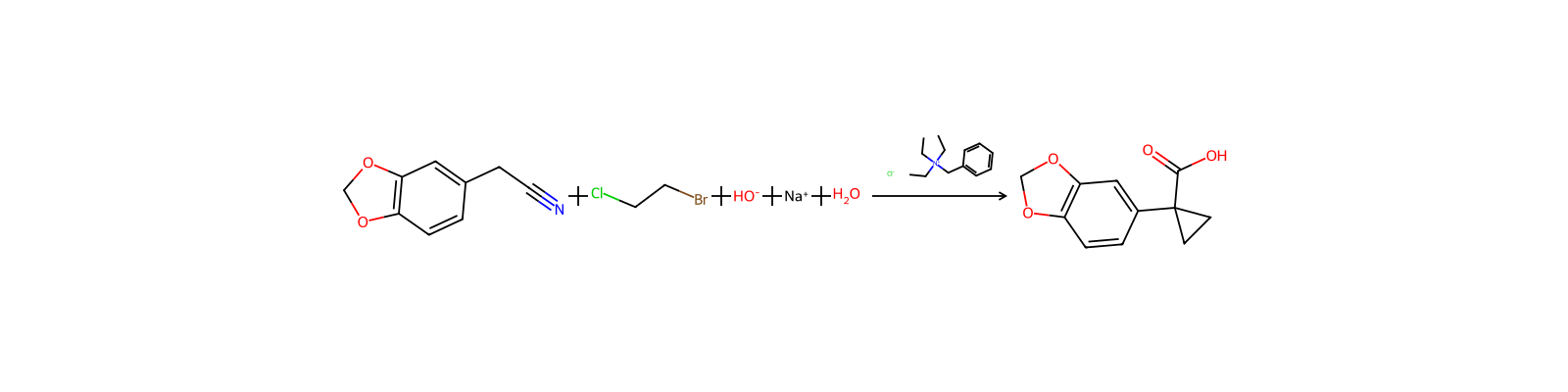
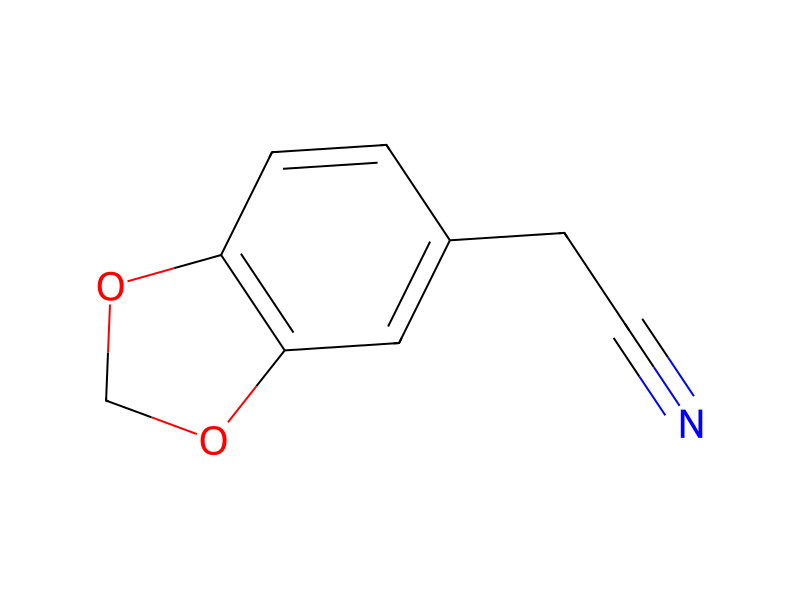
Basic information
- Standard SMILES
N#CCc1ccc2c(c1)OCO2- InChIKey
ZQPBOYASBNAXOZ-UHFFFAOYSA-N- Molecular formula
- C9H7NO2
- Average molar mass
- 161.16 g/mol
- Monoisotopic mass
- 161.04767846
Names & identifiers
- Preferred name
- 3,4-(Methylenedioxy)phenylacetonitrile
- IUPAC
- 2-(1,3-benzodioxol-5-yl)acetonitrile
- English name
- 3,4-(Methylenedioxy)phenylacetonitrile
- Molecular formula
- C9H7NO2
- Molecular weight
- 161.16
Names & synonyms
4439-02-53,4-(Methylenedioxy)phenylacetonitrile1,3-Benzodioxole-5-acetonitrileDTXSID50196149EINECS 224-655-9AI3-21056RefChem:4857991,3Benzodioxole5acetonitrileDTXCID10118640224-655-93,4-Methylenedioxyphenylacetonitrile2-(Benzo[d][1,3]dioxol-5-yl)acetonitrile
Show more names
PIPERONYL CYANIDEPEPERACETONITRILE1,3-BENZODIOXOLE-5-A1,3-Benzodioxol-5-ylacetonitrile3, 4-Methylenedioxybenzylnitrile
2-(1,3-benzodioxol-5-yl)acetonitrile3,4-Methylenedioxybenzyl Cyanide2-(2H-1,3-benzodioxol-5-yl)acetonitrileMFCD00005835Homopiperonylonitrile443-92-5[3,4-(methylenedioxy)phenyl]acetonitrileHomopiperonylnitrile
Database identifiers
- CAS
4439-02-5- PubChem CID
- 78178
- DTXSID
DTXSID50196149- UNII
- L55KXL9MTL
- EC Number
- 224-655-9
- Nikkaji
- J205.821I
Properties
Computed structural properties
- XLogP
- 1.6
- Topological polar surface area
- 42.3 Ų
- Hydrogen bond donors
- 0
- Hydrogen bond acceptors
- 3
- Rotatable bonds
- 1
- Heavy atoms
- 12
- Formal charge
- 0
- Complexity
- 208
Experimental & physicochemical properties
Chemical ClassesNitrogen Compounds -> Nitriles
Physical DescriptionFaintly beige powder; [MSDSonline]
Physicochemical properties
- Melting point
- 43 · 43-45 °C(lit.)
- Boiling point
- 135 · 135-140°C 5mm
- Density
- 1.27 · 1.270±0.06 g/cm3(Predicted)
- Flash point
- 230 °F · >230 °F
- storage temp.
- Inert atmosphere,Room Temperature
- form
- powder to crystal
- color
- White to Light yellow
- Water Solubility
- Insoluble in water.
- BRN
- 7739 · 7739
- Exposure limits
- 25 mg/m3 · NIOSH: IDLH 25 mg/m3
- InChI
- InChI=1S/C9H7NO2/c10-4-3-7-1-2-8-9(5-7)12-6-11-8/h1-2,5H,3,6H2
- InChIKey
- ZQPBOYASBNAXOZ-UHFFFAOYSA-N
- SMILES
- O1C2=CC=C(CC#N)C=C2OC1
- CAS DataBase Reference
- 4439 · 4439-02-5(CAS DataBase Reference)
- FDA UNII
- 55 KXL9MTL · L55KXL9MTL
- NIST Chemistry Reference
- 3 · 3,4-Methylenedioxyphenylacetonitrile(4439-02-5)
- UNSPSC Code
- 12352100 · 12352100
- NACRES
- 22 · NA.22
- Symbol(GHS)
- 7 · GHS07
- Signal word
- Warning
- Hazard statements
- 302 · H302+H312+H332
- Precautionary statements
- 261 · P261-P264-P280-P301+P312-P302+P352+P312-P304+P340+P312
- PPE
- 95 · dust mask type N95 (US), Eyeshields, Gloves
- Hazard Codes
- Xn
- Risk Statements
- 20 · 20/21/22
- Safety Statements
- 36 · 36-36/37
- RIDADR
- 3439 · 3439
- WGK Germany
- 3 · 3
- HazardClass
- 6.1 · 6.1
- PackingGroup
- III
- HS Code
- 29329990 · 29329990
- Storage Class
- 11 · 11 - Combustible Solids
- Hazard Classifications
- 4 DermalAcute · Acute Tox. 4 DermalAcute Tox. 4 InhalationAcute Tox. 4 Oral
Safety & regulation
GHS classification
GHS Classification
Warning
H302 (98%): Harmful if swallowed [Warning Acute toxicity, oral]
P261, P264, P270, P271, P280, P301+P317, P302+P352, P304+P340, P317, P321, P330, P362+P364, and P501 (click each P-code to see the statement)
Aggregated GHS information provided per 49 reports by companies from 6 notifications to the ECHA C&L Inventory. Each notification may be associated with multiple companies.
Hazard information
Hazards SummaryMay cause irritation; [MSDSonline] See NITRILES.
Hazard Classes and CategoriesAcute Tox. 4 (98%)
Safety data
- PPE
- dust mask type N95 (US), Eyeshields, Gloves
- wgk
- 3
- ridadr
- 3439
- hs_code
- 29329990
- risk_code
- 20/21/22
- Signal word
- Warning
- Symbol(GHS)
- GHS07
- hazard_code
- Xn
- safety_code
- 36-36/37
- hazard_class
- 6.1
- Storage Class
- 11 - Combustible Solids
- packing_group
- III
- Hazard statements
- H302+H312+H332
- Hazard Classifications
- Acute Tox. 4 DermalAcute Tox. 4 InhalationAcute Tox. 4 Oral
- Precautionary statements
- P261-P264-P280-P301+P312-P302+P352+P312-P304+P340+P312
Chemistry & industry
Applications
Uses3,4-(Methylenedioxy)phenylacetonitrile was used in synthesis of derrubone. It was used as standard to analyze the seized methamphetamine samples showing unique profiles of stable isotopic compositions by isotope ratio mass spectrometry.
General Description3,4-(Methylenedioxy)phenylacetonitrile undergoes hydrolysis catalyzed by nitrilase ZmNIT2 enzyme from maize.
Upstream & downstream products
Upstream raw materials
Downstream products
Suppliers50 total
梯希爱(上海)化成工业发展有限公司021-67121386 · [email protected]
毕佳索(上海毕得医药科技股份有限公司)400-6005915 · [email protected]
上海毕得医药科技股份有限公司400-1647117 13681763483 · [email protected]
西安久启生物科技有限公司18729366352 13186100227
Hebei shuoxi biotechnology co. LTD+8613081092107
河北创海生物科技有限公司+86-86-13131129325 · [email protected]
Baoji Guokang Healthchem co.,ltd+8615604608665 15604608665 · [email protected]
Dayang Chem (Hangzhou) Co.,Ltd.+86-0571-88938639 17705817739 · [email protected]
Hebei Yanxi Chemical Co., Ltd.+86-17531190177 · [email protected]
济南盛邦生物科技有限公司13685312009 · [email protected]
上海迈瑞尔生化科技有限公司4006356688 18621169109 · [email protected]
上海辅欣医药科技有限公司+86-021-021-50872116 · [email protected]
阿法埃莎(中国)化学有限公司400-6106006 · [email protected]
安耐吉化学&3A(安徽泽升科技股份有限公司)400-0056266 · [email protected]
常州安轩化工有限公司13912302692 · [email protected]
上海瀚鸿科技股份有限公司021-54306202 13764082696 · [email protected]
上海钰康生物科技有限公司18939844854 · [email protected]
上海柯维化学技术有限公司021-64609169 18901607656 · [email protected]
上海业立嘉实业有限公司13564383169 · [email protected]
上海钰康生物科技有限公司+86-18930848214 +86-021-56762820 · [email protected]
Zhejiang J&C Biological Technology Co.,Limited+1-2135480471 · [email protected]
上海辅欣医药科技有限公司021-50872116 13391048226 · [email protected]
重庆吉程生物医药科技有限公司13509419891 · [email protected]
贵州迪大科技有限责任公司0851-8475-2296 18096062265 · [email protected]
山东艺鸿化工有限公司15253143303 15269100373
天津希恩思生化科技有限公司400 638 7771 · [email protected]
南京化学试剂股份有限公司025-58369808 17895012682 · [email protected]
Hebei Qige Biological Technology Co. Ltd+86 +8618733132031
赛默飞世尔科技(中国)有限公司800-810-5118 · [email protected]
上海遐瑞医药科技有限公司+86 21 61551611
南京诺利斯医药科技有限公司13901585132 · [email protected]
江苏艾康生物医药研发有限公司025-66113011 13913916777 · [email protected]
TCI AMERICA800-4238616 · [email protected]
TOKYO CHEMICAL INDUSTRY CO., LTD.03-36680489 · [email protected]
TCI Europe320-37350700 · [email protected]
深圳振强药物研发有限公司0755-66853366 13670046396 · [email protected]
贵州易妥化学科技有限公司18628235590 · [email protected]
Xunteng International Trading Co.,Limited—
深圳菲斯生物科技有限公司0755-83725350 13380397412 · [email protected]
上海笛柏生物科技有限公司400-008-9730,021-54359730 400-008-9730 · [email protected]
郑州鸿晟医药科技有限公司0371-0371-13526885213 15637198702 · [email protected]
北京奥秘佳得医药科技有限公司+86-13522808617 · [email protected]
天津普西唐生物医药科技有限公司010-60605840 · [email protected]
上海御略医药科技有限公司021-60345187 13671753212 · [email protected]
上海孚一生物科技有限公司+86 (21) 61124340
陕西缔都医药化工有限公司029-81024372 17792795018 · [email protected]
Sigma-Aldrich西格玛奥德里奇(上海)贸易有限公司021-61415566 800-8193336 · [email protected]
南京伶亚生物医药科技有限公司18068075658 · [email protected]
山东宸宜环保科技有限公司1856-0179988 13355310698
上海昕凯医药科技有限公司21-619849051-1 18521059765 · [email protected]
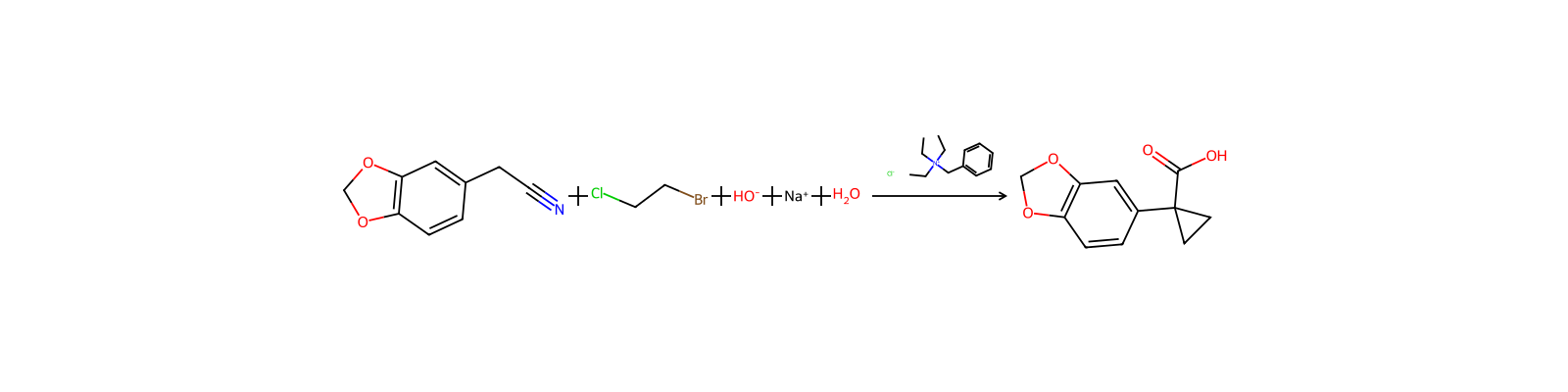
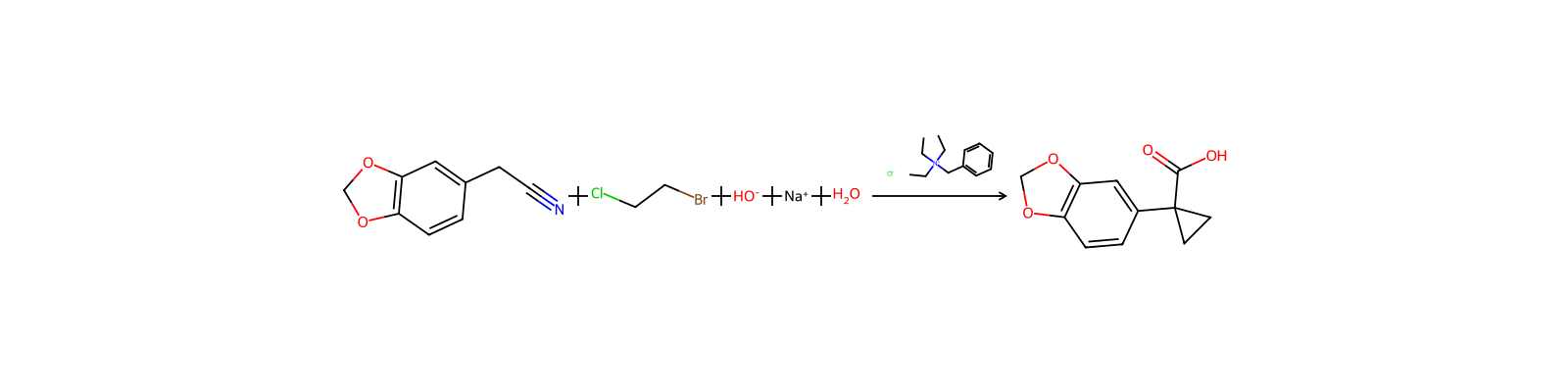
Related reactions
66 records


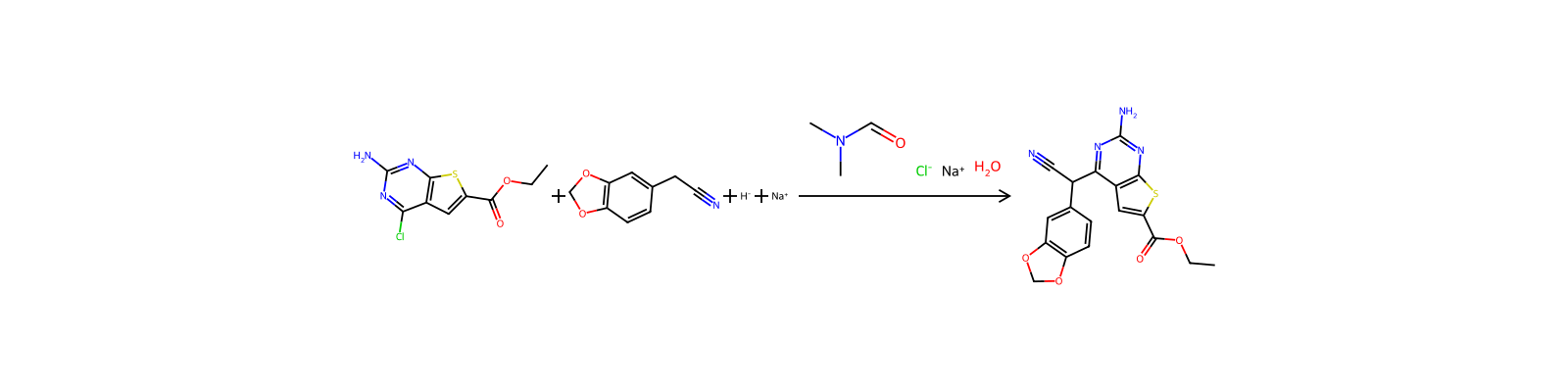

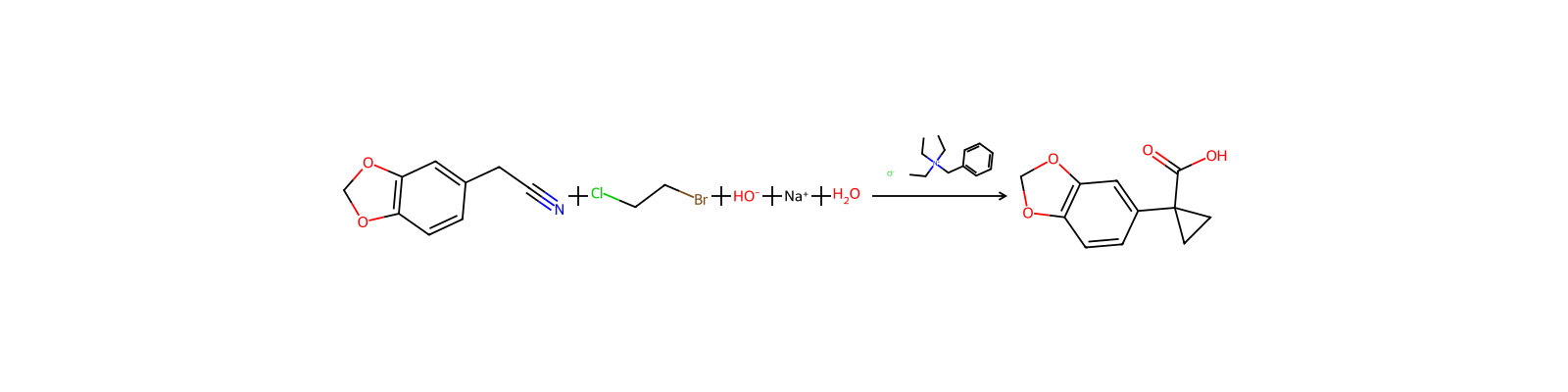
Linked notes
Loading…