
N-(tert-butoxycarbonyl)glycine
Completing data — refresh the page later to see the latest
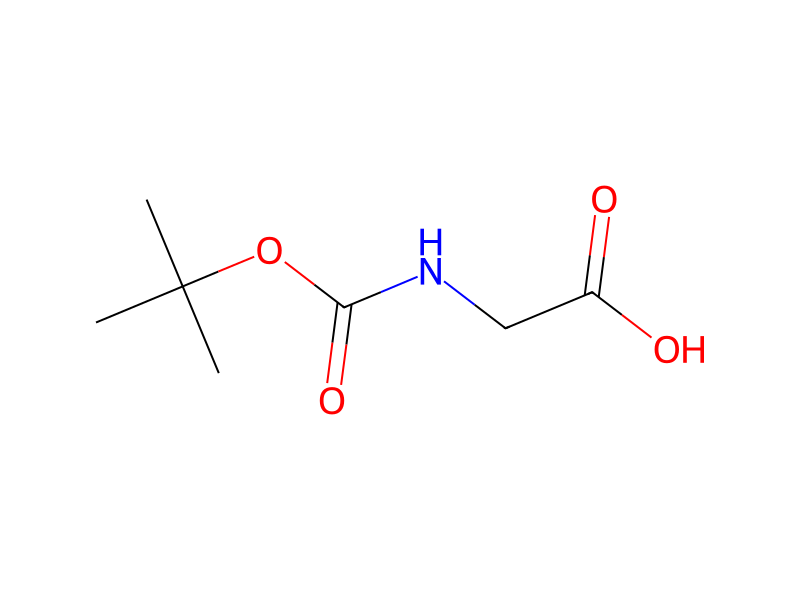
Basic information
- CAS
4530-20-5- Standard SMILES
CC(C)(C)OC(=O)NCC(=O)O- InChIKey
VRPJIFMKZZEXLR-UHFFFAOYSA-N- Molecular formula
- C7H13NO4
- Average molar mass
- 175.18 g/mol
- Monoisotopic mass
- 175.0844579
Names & identifiers
- Preferred name
- N-(tert-butoxycarbonyl)glycine
- IUPAC
- 2-[(2-methylpropan-2-yl)oxycarbonylamino]acetic acid
- English name
- BOC-Glycine
- Molecular formula
- C7H13NO4
- Molecular weight
- 175.18
Names & synonyms
Boc-glycine4530-20-5N-(tert-Butoxycarbonyl)glycineGlycine, N-[(1,1-dimethylethoxy)carbonyl]-DTXSID2063509Glycine, N-((1,1-dimethylethoxy)carbonyl)-RefChem:120840DTXCID6040400224-864-5Boc-Gly-OHN-Boc-glycinet-Butoxycarbonylglycine
Show more names
BOC-GLYBoc-gBOC-L-GLY-OHBOC-GLYCINE-OHBoc-glycinTBOC-GLYCINEGLYCINE-N-T-BOC
2-((tert-butoxycarbonyl)amino)acetic acid(tert-butoxycarbonyl)glycine2-[(2-methylpropan-2-yl)oxycarbonylamino]acetic acidtert-Butoxycarbonylglycinetert-ButyloxycarbonylglycineN-t-Butyloxycarbonyl glycineN-tert-ButyloxycarbonylglycineMFCD00002690
Database identifiers
- CAS
4530-20-5- PubChem CID
- 78288
- DTXSID
DTXSID2063509- ChEMBL
CHEMBL508605- EC Number
- 224-864-5
- Nikkaji
- J57.777D
Properties
Computed structural propertiesFilling in
- XLogP
- 0.5
- Topological polar surface area
- 75.6 Ų
- Hydrogen bond donors
- 2
- Hydrogen bond acceptors
- 4
- Rotatable bonds
- 4
- Heavy atoms
- 12
- Formal charge
- 0
- Complexity
- 182
Physicochemical properties
- Melting point
- 86 · 86-89 °C(lit.)
- Boiling point
- 306.47 °C · 306.47°C (rough estimate)
- Density
- 1.2843 · 1.2843 (rough estimate)
- refractive index
- 1.4353 · 1.4353 (estimate)
- storage temp.
- Keep in dark place,Sealed in dry,Room Temperature
- solubility
- Chloroform (Slightly), DMSO (Slightly), Methanol (Slightly)
- form
- Powder
- pka
- 4 · 4.00±0.10(Predicted)
- color
- White to off-white
- Water Solubility
- soluble
- BRN
- 1101514 · 1101514
- Major Application
- peptide synthesis
- InChI
- InChI=1S/C7H13NO4/c1-7(2,3)12-6(11)8-4-5(9)10/h4H2,1-3H3,(H,8,11)(H,9,10)
- InChIKey
- VRPJIFMKZZEXLR-UHFFFAOYSA-N
- SMILES
- C(O)(=O)CNC(OC(C)(C)C)=O
Safety & regulation
Safety information is for reference only and does not replace the supplier’s Safety Data Sheet (SDS), applicable regulations, or professional assessment.
GHS classification
GHS Classification
This chemical does not meet GHS hazard criteria for 38.4% (38 of 99) of reports.
Danger
H302 (53.5%): Harmful if swallowed [Warning Acute toxicity, oral];H318 (61.6%): Causes serious eye damage [Danger Serious eye damage/eye irritation]
P264, P264+P265, P270, P280, P301+P317, P305+P354+P338, P317, P330, and P501 (click each P-code to see the statement)
Aggregated GHS information provided per 99 reports by companies from 5 notifications to the ECHA C&L Inventory. Each notification may be associated with multiple companies.;Reported as not meeting GHS hazard criteria per 38 of 99 reports by companies.;There are 4 notifications provided by 61 of 99 reports by companies with hazard statement code(s).;Information may vary between notifications depending on impurities, additives, and other factors. The percentage value in parenthesis indicates the notified classification ratio from companies that provide hazard codes. Only hazard codes with percentage values above 10% are shown. For more detailed information, please visit ECHA C&L website.
Hazard information
Regulatory InformationStatus: Active Update: 22-03-2022 https://echa.europa.eu/registration-dossier/-/registered-dossier/20753
Hazard Classes and CategoriesAcute Tox. 4 (53.5%);Eye Dam. 1 (61.6%)
Regulatory information
Regulatory InformationStatus: Active Update: 22-03-2022 https://echa.europa.eu/registration-dossier/-/registered-dossier/20753
Safety data
- PPE
Chemistry & industry
Uses & manufacturing
General Manufacturing InformationGlycine, N-[(1,1-dimethylethoxy)carbonyl]-: ACTIVE
Applications
UsesBoc-Gly-OH can be used:For the esterification reaction to synthesize N-Boc amino acid esters for peptide chemistry.For the synthesis of tripeptide H-Gly-Pro-Glu-OH, analogs of neuroprotective drugs.As a promoter for the allylation of hydrazones and isatin.
UsesBOC-Glycine is used in the composition of drugs containing Ketoprofen, and Sodium hyaluronate as antiinflammatory agents.
Upstream & downstream products
Upstream raw materials
Downstream products
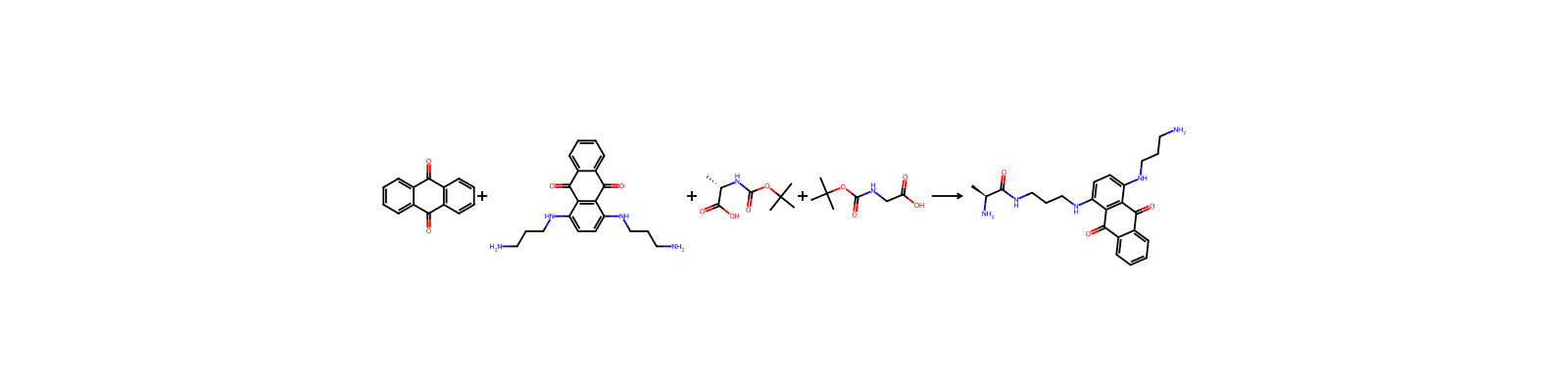
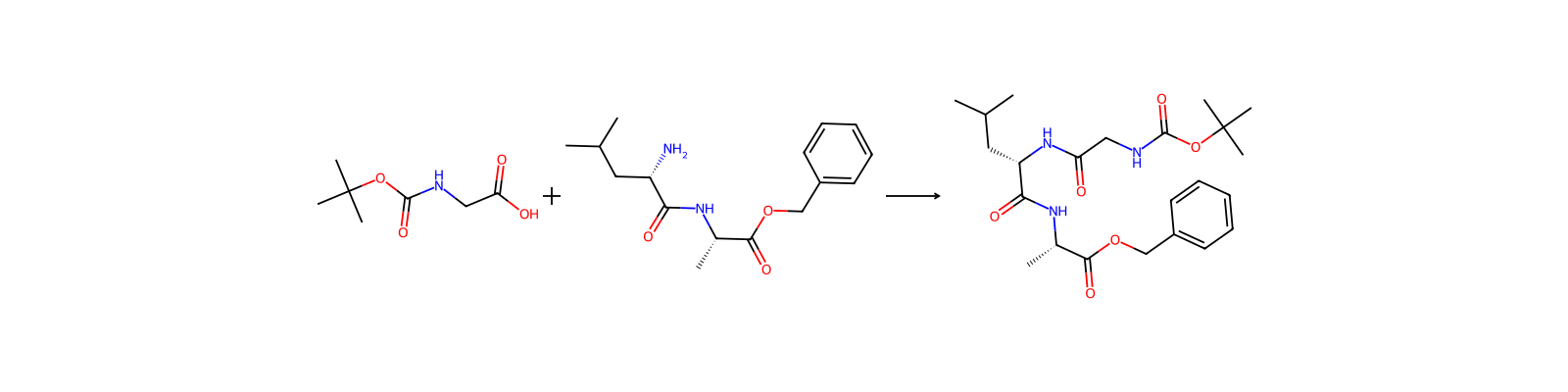
Related reactions
803 records





Compound notes
Loading…