HomeMCPWorkbenchSkills
HomeWorkbenchNotificationsMe
llms.txt · MCP GuidePrivacy Policy · Terms of Service · Supportv1.8.0
  1. Home
  2. /Compound

1,2-Epoxybutane

HCID 7834
New noteNew reactionRequest quotes
Print preview
Basic informationOverviewNames & identifiersPropertiesSafety & regulationChemistry & industryRelated reactionsCompound notes
Substructure searchFind similar structures

Basic information

CAS
106-88-7
Standard SMILES
CCC1CO1
InChIKey
RBACIKXCRWGCBB-UHFFFAOYSA-N
Molecular formula
C4H8O
Average molar mass
72.11 g/mol
Monoisotopic mass
72.05751487

Overview

1,2-butylene oxide appears as a clear colorless volatile liquid with an ethereal odor. Flash point near 0 °F. Density about 6.9 lb / gal. Soluble in water. Boiling point near 140 °F. Flammable over a wide range of vapor-air concentrations. May polymerize with the evolution of heat and possible rupture of container if contaminated. Vapors irritate eyes, skin and respiratory system. Prolonged contact with skin may cause in delayed burns. Vapors are heavier than air. Used as an intermediate to make various polymers. Chemicals that polymerize are often stabilized by refrigeration.

Names & identifiers

Preferred name
1,2-Epoxybutane
IUPAC
2-ethyloxirane
English name
1,2-Epoxybutane
Molecular formula
C4H8O
Molecular weight
72.11

Names & synonyms

1,2-Epoxybutane2-Ethyloxirane106-88-71,2-Butylene oxideEthyloxiraneOxirane, ethyl-Ethylethylene oxide1,2-Butene oxide1-BUTENE OXIDE1-Butylene oxide1,2-MonoepoxybutaneEthylene oxide, ethyl-
Show more names
(S)-tert-butyldiMethyl(oxiran-2-ylMethoxy)silaneEpoxybutaneOxirane,ethyl-3,4-EPOXYBUTANE1,2-epoxy1,2-ButyLBETAEPOXIDE
Butane, 1,2-epoxy-alpha-Butylene oxideDL-1,2-Epoxybutanen-Butene-1,2-oxideEthyl ethylene oxideNCI-C55527(+-)-2-EthyloxiraneDTXSID6020569

Database identifiers

CAS
106-88-7
PubChem CID
7834
DTXSID
DTXSID6020569
ChEMBL
CHEMBL1378095
ChEBI
CHEBI:82326
UNII
FR67H5388O

Properties

Computed structural properties

XLogP
0.8
Topological polar surface area
12.5 Ų
Hydrogen bond donors
0
Hydrogen bond acceptors
1
Rotatable bonds
1
Heavy atoms
5
Formal charge
0
Complexity
34.6

Experimental & physicochemical properties

Chemical Classes · 2 items

Hazardous Air Pollutants (HAPs)

Carcinogens

PolymersPlastics & Rubber -> Epoxides
pHApproximately 7 at 50 g/L at 20 °C
PesticidesPesticide -> EPA IRIS
LogP · 2 items

log Kow = 0.68 (OECD Method 107)

0.68

Odor · 3 items

Disagreeable odor

Sweetish, somewhat like butyric acid, and disagreeable

Pungent

Density · 5 items

0.826 at 77 °F (USCG, 1999) - Less dense than water; will float

0.8297 g/cu cm at 20 °C

0.83 g/cm³

Relative density of the vapour/air-mixture at 20 °C (air = 1): 1.3

0.8312 @ 20°C

Viscosity0.40 mPa.s at 25 °C
Color/FormColorless liquid

Safety & regulation

Safety information is for reference only and does not replace the supplier’s Safety Data Sheet (SDS), applicable regulations, or professional assessment.

GHS classification

GHS Classification · 6 items

Danger

H225: Highly Flammable liquid and vapor [Danger Flammable liquids]

P203, P210, P233, P240, P241, P242, P243, P261, P264, P264+P265, P270, P271, P280, P301+P317, P302+P352, P303+P361+P353, P304+P340, P305+P351+P338, P317, P318, P319, P321, P330, P332+P317, P337+P317, P362+P364, P370+P378, P403+P233, P403+P235, P405, and P501 (click each P-code to see the statement)

This chemical does not meet GHS hazard criteria for < 0.1% (1 of 1001) of reports.

Danger

H225 (> 99.9%): Highly Flammable liquid and vapor [Danger Flammable liquids]

Hazard information

Regulatory Information · 6 items

Chemical: Oxirane, ethyl-

Hazard Traits - Carcinogenicity; Cardiovascular Toxicity; Respiratory Toxicity

Oxirane, 2-ethyl- is listed on the EPA's Chemical Data Reporting (CDR) system. Manufacturers and importers of Oxirane, 2-ethyl- are required to report information about their production and use of this chemical to the EPA under the Toxic Substances Control Act (TSCA). (40 eCFR Part 711)

REACH registered substance: 1,2-epoxybutane (EC: 203-438-2)

1,2-Epoxybutane: Does not have an individual approval but may be used under an appropriate group standard

The New Jersey Worker and Community Right to Know Act requires public and private employers to provide information about hazardous substances at their workplaces. (N.J.S.A. 34:5A-1 et. seq.)

Other Safety InformationIMAP assessments - Oxirane, ethyl-: Environment tier I assessment
DOT LabelFlammable Liquid
Fire Hazards · 3 items

Behavior in Fire: Containers may explode in fire. Use water to cool container from safe distance. (USCG, 1999)

· HIGHLY FLAMMABLE: Will be easily ignited by heat, sparks or flames.

Chemistry & industry

Pharmacology

Metabolism/MetabolitesEpoxides are detoxified in vivo by conjugation with glutathione. /Epoxides/
Absorption, Distribution and Excretion/When/ 1,2-epoxybutane was administered as a single dose to rats (1.9 mmol/kg), 11% of the original dose was excreted in the urine as 2-hydroxybutyl mercapturic acid.

Uses & manufacturing

Uses · 5 items

The primary use of 1,2-epoxybutane is as a stabilizer in chlorinated hydrocarbon solvents.

Used to make polymers; Also used as a stabilizer and acid scavenger for chlorinated solvents and a corrosion inhibitor; [HSDB]

Intermediate, for various polymers; stabilizer for chlorinated solvents

Acid scavenger for chlorine-containing materials such as trichloroethylene. Inclusion of about 0.25-0.5% of butylene oxide, based on the solvent weight, during preparation of vinyl chloride and copolymer resin solutions minimizes container corrosion which may be detrimental to resin color and properties.

React with ammonia to produce alkanolamines

U.S. Imports · 2 items

(1973) 1.68X10+6 G (BUTYLENE OXIDE)

(1975) 2.43X10+6 G (BUTYLENE OXIDE)

U.S. Production · 6 items

2023: 8,500,000 - <25,000,000 lb

(1972) MORE THAN 4.54X10+5 G (BUTYLENE OXIDE)

(1974) 4.54X10+9 G (ESTIMATE)

Oxirane, ethyl- is listed as a High Production Volume (HPV) chemical (65FR81686). Chemicals listed as HPV were produced in or imported into the U.S. in >1 million pounds in 1990 and/or 1994. The HPV list is based on the 1990 Inventory Update Rule. (IUR) (40 CFR part 710 subpart B; 51FR21438).

Production volume for non-confidential chemicals reported under the 2006 Inventory Update Rule. Chemical: Oxirane, ethyl-. Aggregated National Production Volume: 10 to < 50 million pounds.

Non-confidential 2012 Chemical Data Reporting (CDR) information on the production and use of chemicals manufactured or imported into the United States. Chemical: Oxirane, 2-ethyl-. National Production Volume: Withheld.

Related reactions

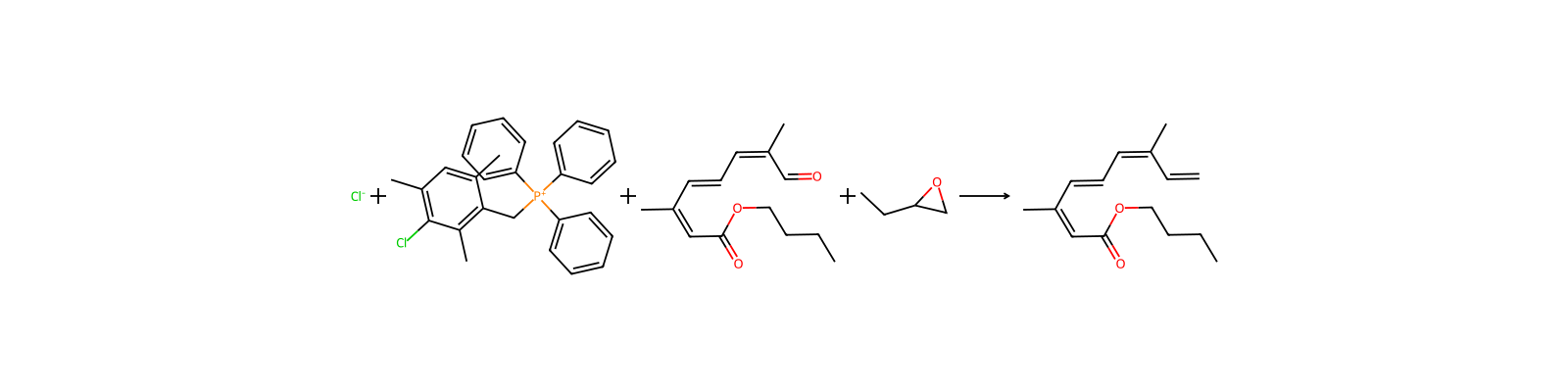
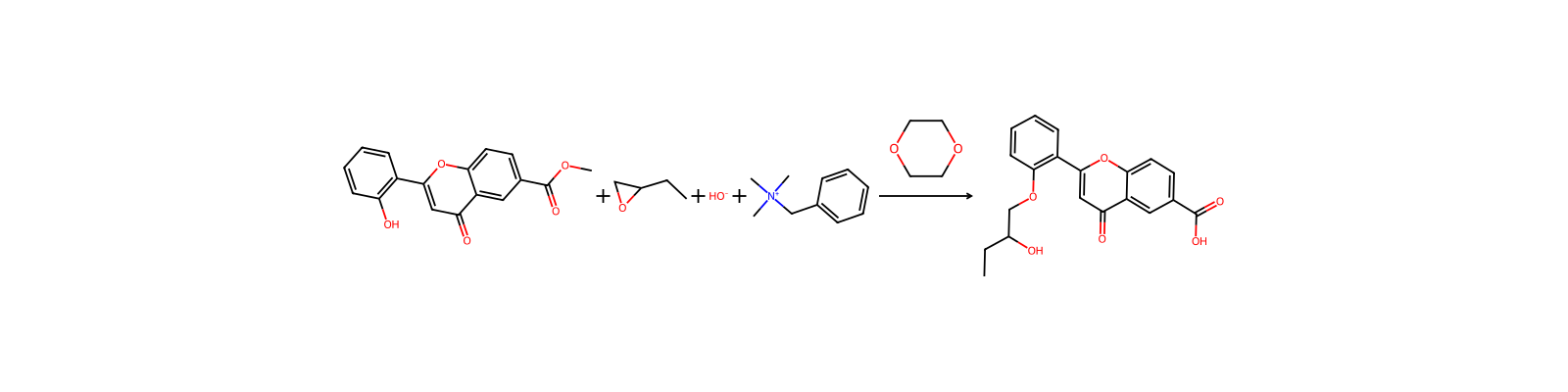
170 records
New reaction record
HRID 4121 reaction equation
HRID 4121As reactantuspto-grants-1988_02
HRID 26218 reaction equation
HRID 26218As reactantuspto-grants-1979_04
HRID 27849 reaction equation
HRID 27849As reactantuspto-grants-1980_09
HRID 28104 reaction equation
HRID 28104As reactantuspto-grants-1980_09
HRID 46727 reaction equation
HRID 46727As reactantuspto-grants-1979_11
HRID 86259 reaction equation
HRID 86259As reactantTraining data from https://doi.org/10.1039/C8SC04228D (2/10)
HRID 89039 reaction equation
HRID 89039As reactantTraining data from https://doi.org/10.1039/C8SC04228D (2/10)
HRID 90749 reaction equation
HRID 90749As reactantTraining data from https://doi.org/10.1039/C8SC04228D (2/10)
Page 1 of 22

Compound notes

Loading…

On this pageBasic informationOverviewNames & identifiersPropertiesSafety & regulationChemistry & industryRelated reactionsCompound notes
More actions
New noteNew reactionRequest quotes
EC Number
203-438-2
Nikkaji
J5.154C
Solubility · 6 items

greater than or equal to 100 mg/mL at 63 °F (NTP, 1992)

In water, 95.5 g/L at 25 °C (OECD Method 105)

In water, 8.68 g/100 g water at 25 °C

In water, 59 g/L at 20 °C

Very soluble in ethanol, acetone; miscible with ether

Miscible with common aliphatic and aromatic solvents

Flash Point · 4 items

10 °F (NTP, 1992)

-22 °C

-7 °F (-22 °C) (closed cup)

-22 °C c.c.

Boiling Point · 4 items

145 °F at 760 mmHg (NTP, 1992)

63.4 °C

63.3 °C

63.3 °C @760 [mm Hg]

Physicochemical properties

Melting point
150 °C · −150 °C (−238 °F; 123 K)
Boiling point
65 °C · 65 °C (149 °F; 338 K)
Density
0.83 g·cm−3 · 0.83 g·cm−3
vapor density
2.2 · 2.2 (vs air)
vapor pressure
140 mm · 140 mm Hg ( 20 °C)
refractive index
1.38 · 1.38
Flash point
22 °C · −22 °C (−8 °F; 251 K)
storage temp.
30 °C · Store below +30°C.
solubility
86.8 g/l · 86.8g/l
form
liquid
color
colorless
PH
7 · 7 (50g/l, H2O, 20℃)
explosive limit
1.7 · 1.7-19%(V)
Water Solubility
86.8 g/L · 86.8g/L at 25℃
Specific Heat Capacity
2.04 J/ · Cp(liquid): 2.04 J/(g·K), at 25℃
BRN
102411 · 102411
Henry's Law Constant
5.5 · 5.5×10-2 mol/(m3Pa) at 25℃, Duchowicz et al. (2020)
Stability
Stable, but prone to polymerization - stabilizer may be added to neat liquid. Highly flammable. Incompatible with strong oxidizing agents, acids, bases, anhydrous metal halides, amino, hydroxyl and carboxyl-containing compounds. Inorganic acids and charcoal may lead to polymerization. Heat, light and moisture sensitive.
InChI
1S/C4H8O/c1-2-4-3-5-4/h4H,2-3H2,1H3
InChIKey
RBACIKXCRWGCBB-UHFFFAOYSA-N
SMILES
CCC1CO1
LogP
0.68 at · 0.68 at 25℃
Toxicology and Carcinogenesis
1 · Toxicology and Carcinogenesis Studies of 1,2-Epoxybutane (CASRN 106-88-7) in F344/N Rats and B6C3F1 Mice (Inhalation Studies)
CAS DataBase Reference
106 · 106-88-7(CAS DataBase Reference)
EWG's Food Scores
4 · 4-7
FDA UNII
67 H5388O · FR67H5388O
IARC
2 B · 2B (Vol. 47, 71) 1999
EPA Substance Registry System
1 · 1,2-Butylene oxide (106-88-7)
UNSPSC Code
12352005 · 12352005
NACRES
23 · NA.23
Symbol(GHS)
2 · GHS02,GHS07,GHS08
Signal word
Danger
Hazard statements
302 · H302+H312+H332-H315-H319-H361-H373-H351-H335-H412-H225
Precautionary statements
501 · P501-P273-P270-P202-P240-P260-P210-P233-P201-P243-P241-P242-P271-P264-P280-P370+P378-P308+P313-P337+P313-P305+P351+P338-P362+P364-P303+P361+P353-P332+P313-P301+P312+P330-P304+P340+P312-P403+P233-P403+P235-P405
target organs
Respiratory system
PPE
Eyeshields, Faceshields, Gloves
Hazard Codes
F,Xn
Risk Statements
11 · 11-20/21/22-36/37/38-40-52/53
Safety Statements
9 · 9-16-29-36/37-61-19
RIDADR
3022 · UN 3022
WGK Germany
2 · 2
RTECS
3675000 · EK3675000
Autoignition Temperature
698 °F · 698 °F
TSCA
TSCA listed
HazardClass
3 · 3
PackingGroup
II
HS Code
29109000 · 29109000
Storage Class
3 · 3 - Flammable liquids
Hazard Classifications
4 DermalAcute · Acute Tox. 4 DermalAcute Tox. 4 InhalationAcute Tox. 4 OralCarc. 2Eye Irrit. 2Flam. Liq. 2Skin Irrit. 2STOT SE 3
Hazardous Substances Data
106 · 106-88-7(Hazardous Substances Data)
Toxicity
50 orally · LD50 orally in Rabbit: 500 mg/kg LD50 dermal Rabbit 1743 mg/kg
REACH Registrations
Active

Highly flammable. Vapour/air mixtures are explosive. Risk of fire and explosion on contact with oxidizing agents, acids or metal chlorides.

Fire PotentialDangerous fire hazard when exposed to heat, flame or powerful oxidizers.
Health Hazards · 2 items

Inhalation: intolerable odor and irritation; respiratory injury may occur at higher levels. Ingestion causes irritation of mouth and stomach. Contact with either liquid or vapor may cause burns of eyes. Liquid produces frostbite-type of skin burn if free to evaporate; if confined to skin, burn may cause skin sensitization; not readily absorbed in toxic amounts. (USCG, 1999)

· Inhalation or contact with material may irritate or burn skin and eyes.

Hazards Summary · 2 items

1,2-Epoxybutane is primarily used as a stabilizer in chlorinated hydrocarbon solvents. No information is available on the acute (short-term), chronic (long-term), reproductive, developmental, or carcinogenic effects of 1,2-epoxybutane in humans. Irritation and inflammation of the nasal passageways, lungs, and skin have been observed in animal studies following acute inhalation and dermal exposures. Chronic inhalation exposure of rats and mice to 1,2-epoxybutane causes degenerative lesions of the nasal cavity. In a National Toxicology Program (NTP) study, tumors of the nasal cavity and alveolar/bronchial tumors were produced in rats, while no tumors were observed in mice. The International Agency for Research on Cancer (IARC) has classified 1,2-epoxybutane as a Group 2B, possibly carcinogenic to humans.

A skin, eye, and respiratory tract irritant; Inhalation of high concentrations can cause CNS depression; [ICSC] Danger of cutaneous absorption; [MAK] Toxic by inhalation at room temperature; [Hawley] Liquid or vapor can burn eyes; May cause skin sensitization; [CAMEO] A corrosive substance that can cause injury to the skin, eyes, and respiratory tract; Inhalation may cause chemical pneumonitis and pulmonary edema; [MSDSonline] No data available on human exposure to the pure substance; [AIHA] 1,2-Butylene oxide, stabilized (UN3022) has warning of explosive polymerization; [ERG 2016] See Ethylene oxide.

DOT ID and Guide3022 127P
Reactive GroupEpoxides
EC ClassificationSymbol: F, Xn; R: 11-20/21/22-36/37/38-40-52/53; S: (2)-9-16-29-36/37-61
UN ClassificationUN Hazard Class: 3; UN Pack Group: II
Special ReportsDHHS/NTP; Toxicology & Carcinogenesis Studies of 1,2-Epoxybutane in F344/N Rats and B6C3F1 Mice (Inhalation Studies) Technical Report Series No. 329 (1988) NIH Publication No. 88-2585

Safety & protection

Fire Fighting · 2 items

Fire Extinguishing Agents Not to Be Used: Water may be ineffective.

Use foam, powder, carbon dioxide. In case of fire: keep drums, etc., cool by spraying with water.

First Aid Measures · 4 items

Fresh air, rest. Artificial respiration may be needed. Refer immediately for medical attention.

First rinse with plenty of water for at least 15 minutes, then remove contaminated clothes and rinse again. Refer for medical attention .

First rinse with plenty of water for several minutes (remove contact lenses if easily possible), then refer for medical attention.

Rinse mouth. Refer immediately for medical attention.

Accidental Release Measures · 2 items

· CALL 911. Then call emergency response telephone number on shipping paper. If shipping paper not available or no answer, refer to appropriate telephone number listed on the inside back cover.

· ELIMINATE all ignition sources (no smoking, flares, sparks or flames) from immediate area.

First Aid · 2 items

EYES: First check the victim for contact lenses and remove if present. Flush victim's eyes with water or normal saline solution for 20 to 30 minutes while simultaneously calling a hospital or poison control center. Do not put any ointments, oils, or medication in the victim's eyes without specific instructions from a physician. IMMEDIATELY transport the victim after flushing eyes to a hospital even if no symptoms (such as redness or irritation) develop.

General First Aid:

Safe StorageFireproof. Separated from incompatible materials. See Chemical Dangers. Cool. Store only if stabilized. Store in an area without drain or sewer access.
Firefighting Hazards... May travel to a source of ignition and flash back.
Exposure Control and Personal Protection· Wear positive pressure self-contained breathing apparatus (SCBA).
Fire Fighting Procedures · 3 items

Suitable extinguishing media: Use water spray, alcohol-resistant foam, dry chemical or carbon dioxide.

Advice for firefighters: Wear self-contained breathing apparatus for firefighting if necessary.

Use water spray to cool unopened containers.

Storage Conditions · 4 items

Conditions for safe storage, including any incompatibilities: Keep container tightly closed in a dry and well-ventilated place. Containers which are opened must be carfully resealed and kept upright to prevent leakage.

Chemical stability: stable under recommended storage conditions.

Store in a cool, dry, well-ventilated location. Store away from heat, oxidizing materials, and sunlight.

PRECAUTIONS FOR "CARCINOGENS": Storage site should be as close as practical to lab in which carcinogens are to be used, so that only small quantities required for ... expt need to be carried. Carcinogens should be kept in only one section of cupboard, an explosion-proof refrigerator or freezer (depending on chemicophysical properties ...) that bears appropriate label. An inventory ... should be kept, showing quantity of carcinogen & date it was acquired ... Facilities for dispensing ... should be contiguous to storage area. /Chemical Carcinogens/

Cleanup Methods · 4 items

Personal precautions, protective equipment and emergency procedures: Wear respiratory protection. Avoid breathing vapors, mist or gas. Ensure adequate ventilation. Remove all sources or ifnition. Evacuate personnel to safe areas. Beware of vapors accumulating to form explosive concentrations. Vapors can accumulate in low areas...

Environmental precautions: Prevent further leakage or spillage if safe to do so. Do not let product enter drains. Discharge into the environment must be avoided.

Methods and materials for containment and cleaning up: contain spillage, and then collect with an electrically protected vacuum cleaner or by wet-brushing and place in container for disposal according to local regulations...

PRECAUTIONS FOR "CARCINOGENS": A high-efficiency particulate arrestor (HEPA) or charcoal filters can be used to minimize amt of carcinogen in exhausted air ventilated safety cabinets, lab hoods, glove boxes or animal rooms ... Filter housing that is designed so that used filters can be transferred into plastic bag without contaminating maintenance staff is avail commercially. Filters should be placed in plastic bags immediately after removal ... The plastic bag should be sealed immediately ... The sealed bag should be labelled properly ... Waste liquids ... should be placed or collected in proper containers for disposal. The lid should be secured & the bottles properly labelled. Once filled, bottles should be placed in plastic bag, so that outer surface ... is not contaminated ... The plastic bag should also be sealed & labelled. ... Broken glassware ... should be decontaminated by solvent extraction, by chemical destruction, or in specially designed incinerators. /Chemical Carcinogens/

Nonfire Spill Response · 1 item

SMALL SPILLS AND LEAKAGE: If you spill this chemical, FIRST REMOVE ALL SOURCES OF IGNITION. Then, use absorbent paper to pick up all liquid spill material. Seal the absorbent paper, as well as any of your clothing which may be contaminated, in a vapor-tight plastic bag for eventual disposal. Wash any surfaces you may have contaminated with a soap and water solution. Do not reenter the contaminated area until the Safety Officer (or other responsible person) has verified that the area has been properly cleaned.

Disposal Methods · 5 items

SRP: Recycle any unused portion of the material for its approved use or return it to the manufacturer or supplier. Ultimate disposal of the chemical must consider: the material's impact on air quality; potential migration in air, soil or water; effects on animal, aquatic and plant life; and conformance with environmental and public health regulations. If it is possible or reasonable use an alternative chemical product with less inherent propensity for occupational harm/injury/toxicity or environmental contamination.

PRECAUTIONS FOR "CARCINOGENS": There is no universal method of disposal that has been proved satisfactory for all carcinogenic compounds & specific methods of chem destruction ... published have not been tested on all kinds of carcinogen-containing waste. ... summary of avail methods & recommendations ... /given/ must be treated as guide only. /Chemical Carcinogens/

PRECAUTIONS FOR "CARCINOGENS": ... Incineration may be only feasible method for disposal of contaminated laboratory waste from biological expt. However, not all incinerators are suitable for this purpose. The most efficient type ... is probably the gas-fired type, in which a first-stage combustion with a less than stoichiometric air:fuel ratio is followed by a second stage with excess air. Some ... are designed to accept ... aqueous & organic-solvent solutions, otherwise it is necessary ... to absorb soln onto suitable combustible material, such as sawdust. Alternatively, chem destruction may be used, esp when small quantities ... are to be destroyed in laboratory. /Chemical Carcinogens/

PRECAUTIONS FOR "CARCINOGENS": HEPA (high-efficiency particulate arrestor) filters ... can be disposed of by incineration. For spent charcoal filters, the adsorbed material can be stripped off at high temp & carcinogenic wastes generated by this treatment conducted to & burned in an incinerator. ... LIQUID WASTE: ... Disposal should be carried out by incineration at temp that ... ensure complete combustion. SOLID WASTE: Carcasses of lab animals, cage litter & misc solid wastes ... should be disposed of by incineration at temp high enough to ensure destruction of chem carcinogens or their metabolites. /Chemical Carcinogens/

For more Disposal Methods (Complete) data for 1-BUTENE OXIDE (6 total), please visit the HSDB record page.

Toxicology

Target OrgansRespiratory
Environmental Fate · 3 items

TERRESTRIAL FATE: Based on a classification scheme(1), an estimated Koc value of 10(SRC), determined from a structure estimation method(2), indicates that 1-butene oxide is expected to have very high mobility in soil(SRC). Volatilization of 1-butene oxide from moist soil surfaces is expected to be an important fate process(SRC), given an estimated Henry's Law constant of 1.70X10⁻⁴ atm-cu m/mole(SRC), based upon its vapor pressure, 170 mm Hg(3), and its water solubility, 95,500 mg/L(4). 1-Butene oxide is expected to volatilize from dry soil surfaces(SRC) based upon its vapor pressure. A 100% of theoretical BOD using activated sludge in the Japanese MITI test(5) suggests that biodegradation is an important environmental fate process in soil(SRC). Results of various biodegradation screening tests suggest that 1-butene oxide is readily biodegradable(3). 1-Butene oxide has an aqueous hydrolysis half-life of about 6.5 days at pH 7 and 25 °C(3,4); therefore, hydrolysis may be an important fate process in moist soils(SRC).

AQUATIC FATE: Based on a classification scheme(1), an estimated Koc value of 10(SRC), determined from a structure estimation method(2), indicates that 1-butene oxide is not expected to adsorb to suspended solids and sediment(SRC). Volatilization from water surfaces is expected(3) based upon a estimated Henry's Law constant of 1.7X10⁻⁴ atm-cu m/mole(SRC) derived from its vapor pressure, 170 mm Hg(4), and its water solubility, 95,500 mg/L(4). Using this Henry's Law constant and an estimation method(2), volatilization half-lives for a model river and model lake are 6.9 hours and 4.7 days, respectively(SRC). According to a classification scheme(5), an estimated BCF of 3(SRC), from its log Kow of 0.68(3) and a regression-derived equation(2), suggests the potential for bioconcentration in aquatic organisms is low(SRC). A 100% of theoretical BOD using activated sludge in the Japanese MITI test(6) suggests that biodegradation is an important environmental fate process in water(SRC). Results of various biodegradation screening tests suggest that 1-butene oxide is readily biodegradable(3). The epoxides (such as butene oxide) degrade in water by hydrolysis and related ionic reactions to glycols(7); hydrolysis of 1-butene oxide yields 1,2-butene glycol (also known as 1,2-butanediol)(7). 1-Butene oxide has an aqueous hydrolysis half-life of about 6.5 days at pH 7 and 25 °C(3,4). In seawater, the hydrolysis rate of the similar 1-propene oxide is accelerated by at least 30% due to chloride ion reaction(7).

ATMOSPHERIC FATE: According to a model of gas/particle partitioning of semivolatile organic compounds in the atmosphere(1), 1-butene oxide, which has a vapor pressure of 170 mm Hg at 24 °C(2), is expected to exist solely as a vapor in the ambient atmosphere(SRC). Vapor-phase 1-butene oxide is degraded in the atmosphere by reaction with photochemically-produced hydroxyl radicals(SRC); the half-life for this reaction in air is 8.4 days(SRC), calculated from its rate constant of 1.91X10⁻¹² cu cm/molecule-sec at 25 °C(3). Epoxides, such as 1-butene oxide, may be formed in the ambient atmosphere via reaction of alkenes with various atmospheric oxidants(4). 1-Butene oxide may react with tropospheric aerosols and water to yield 1,2-butanediol through hydrolysis, especially under acidic conditions(4).

Adverse EffectsNeurotoxin - Other CNS neurotoxin
Exposure RoutesThe substance can be absorbed into the body by inhalation of its vapour, through the skin and by ingestion.
Toxicity Summary · 1 item

IDENTIFICATION AND USE: 1-Butene oxide is a colorless liquid with a pungent, disagreeable, sweetish odor, somewhat like butyric acid. It is used as an intermediate, for various polymers, a stabilizer for chlorinated solvents, and a corrosion inhibitor. 1-Butene oxide is also used as an acid scavenger for chlorine-containing materials such as trichloroethylene and to react with ammonia to produce alkanolamines. HUMAN EXPOSURE AND TOXICITY: 1-Butene oxide is possibly carcinogenic to humans (Group 2B). ANIMAL STUDIES: 1-Butene oxide was irritating to the eyes. Irritating effects to the skin were severe (corrosion) if evaporation was minimized due to occlusive application, but there was no effect by semi-occlusive application. It was not sensitizing in a guinea pig maximization test. In 90-day inhalation studies with rats and mice 1-butene oxide mainly caused nasal lesions. Systemic effects occurred at higher concentrations (rat 2400 mg/cu m: decreased mean body weight gain; mice 2400 mg/cu m: e.g. renal tubular necrosis). There is clear evidence for 1-butene oxide being a locally acting carcinogen in male rats (inhalation of 600 mg/cu m caused no tumors and 1,200 mg/cu m caused neoplasms of the nasal cavity and the lung of male rats) and there is equivocal evidence for a carcinogenic activity in female rats. There was no evidence for carcinogenic activity in male or female mice. 1-Butene oxide was genotoxic in vitro. However, it did not cause chromosomal aberrations in bone marrow or dominant-lethal mutations in germ cells of rats. With respect to reproductive toxicity the 90 day studies with rat and mice did not reveal adverse effects on the reproductive organs up to 2400 mg/kg body weight. Additionally, the lack of an effect from pre-gestational exposure in the developmental toxicity study and a negative dominant-lethal test may indicate that 1,2-epoxybutane does not reach male and female germ cells in effective concentrations. No developmental toxicity or teratogenicity was detected in rats after inhalation of up to 3,000 mg/cu m throughout gestation.

Signs and Symptoms · 4 items

Cough. Sore throat. Laboured breathing. Headache. Drowsiness.

Redness.

Redness. Pain.

Abdominal pain. See Inhalation.

Ongoing Test Status · 1 item

The following link will take the user to the National Toxicology Program (NTP) Test Agent Search Results page, which tabulates all of the "Standard Toxicology & Carcinogenesis Studies", "Developmental Studies", and "Genetic Toxicity Studies" performed with this chemical. Clicking on the "Testing Status" link will take the user to the status (i.e., in review, in progress, in preparation, on test, completed, etc.) and results of all the studies that the NTP has done on this chemical.[Available from: http://ntp-apps.niehs.nih.gov/ntp_tox/index.cfm?fuseaction=ntpsearch.searchresults&searchterm=106-88-7]

ICSC Environmental DataThe substance is harmful to aquatic organisms.
EPA IRIS Information · 3 items

1,2-Epoxybutane (EBU)

Respiratory

2 x 10 ^-2 mg/m^3

Medical Surveillance · 1 item

PRECAUTIONS FOR "CARCINOGENS": Whenever medical surveillance is indicated, in particular when exposure to a carcinogen has occurred, ad hoc decisions should be taken concerning ... /cytogenetic and/or other/ tests that might become useful or mandatory. /Chemical Carcinogens/

Soil Adsorption/Mobility · 1 item

Using a structure estimation method based on molecular connectivity indices(1), the Koc of 1-butene oxide can be estimated to be 10(SRC). According to a classification scheme(2), this estimated Koc value suggests that 1-butene oxide is expected to have very high mobility in soil.

TSCA Test Submissions · 5 items

Dermal sensitization was evaluated in 10 male Hartley guinea pigs receiving dermal applications of 1,2-epoxybutane (purity not reported). The test material was applied as an occluded dose 4 times at 48 hour intervals over a 7 day treatment period; 0.2 ml of Freunds Adjuvant was injected intradermally adjacent to the treatment site at the time of the third application. Following a 2 week rest period, animals were challenged with an unspecified amount of test material to their shaved flanks. The investigators observed no sensitization reaction in any of the 10 animals when compared to controls.[Dow Chemical; 1,2-Butylene oxide: Skin sensitization potential in the guinea pig. (1984), EPA Document No. 40- 8475031, Fiche No. OTS0507304]

Subchronic inhalation toxicity was evaluated in a range finding study using 1,2 epoxybutane (purity not reported) to determine the exposure concentrations for chronic study. Groups of 20 Fischer-344 rats (10 male, 10 female) and 20 B6C3F1 mice (10 male, 10 female) were exposed to 0,50,100,200,400 or 800 ppm 1,2 epoxybutane for 13 weeks. The number of hours/day and days/week of exposure were not reported. The investigators observed severe inflammation of the nasal cavity, hemorrhage of the tracheobronchial lymph nodes, and statistically significantly decreased body weight gain in rats exposed at 800 ppm; the incidence and severity of lesions in rats exposed at other levels were not considered to be different from controls. Observations in mice exposed to 800 ppm included inflammation of the nasal cavity, red discoloration of the lungs, paleness of the spleen, distension of the G.I. tract, thymic necrosis, thymic atrophy, splenic atrophy, splenic necrosis, along with renal tubular necrosis and inflammation. At 200 and 400 ppm mice exhibited a reduction in the number of cell layers in the olfactory epithelium and an increase in amount of serous fluid, especially in the recesses of the turbinate area; but no effects on the thymus, spleen or kidneys.

The effect of butylene oxide was examined in the Drosophila sex-linked recessive lethal assay. Male flies were exposed to 1000 ppm test article for 7 hours and then mated. Butylene oxide did not substantially increase the incidence of lethals in the F1, F2 or F3 generations compared to controls. A survival rate of 70% was observed after 7 hours of exposure indicating that butylene oxide was being tested at toxic levels.

The effect of butylene oxide (dissolved in DMSO) was examined in the DNA repair assay with and without metabolic activation provided by Aroclor-induced rat liver S9 fraction. Human embryonic intestinal cells were exposed for 3 hours to concentrations of test article ranging from 11 to 525 ug/mL in activated assays, and from 57 to 7300 ug/mL in nonactivated assays. Butylene oxide did not induce an increase in the number of grain counts at any concentration. Toxicity to cells was observed at concentrations greater than 525 ug/ml in assays with activation, while toxicity in assays without activation was not reported.

Regulatory information

TSCA Requirements · 1 item

Pursuant to section 8(d) of TSCA, EPA promulgated a model Health and Safety Data Reporting Rule. The section 8(d) model rule requires manufacturers, importers, and processors of listed chemical substances and mixtures to submit to EPA copies and lists of unpublished health and safety studies. Oxirane, ethyl- is included on this list. Effective date: 10/04/82; Sunset date: 10/04/92.

Atmospheric Standards · 1 item

Listed as a hazardous air pollutant (HAP) generally known or suspected to cause serious health problems. The Clean Air Act, as amended in 1990, directs EPA to set standards requiring major sources to sharply reduce routine emissions of toxic pollutants. EPA is required to establish and phase in specific performance based standards for all air emission sources that emit one or more of the listed pollutants. 1-Butene oxide is included on this list.

CERCLA Reportable Quantities · 1 item

Persons in charge of vessels or facilities are required to notify the National Response Center (NRC) immediately, when there is a release of this designated hazardous substance, in an amount equal to or greater than its reportable quantity of 100 lb or 45.4 kg. The toll free number of the NRC is (800) 424-8802. The rule for determining when notification is required is stated in 40 CFR 302.4 (section IV. D.3.b).

Safety data

PPE
Eyeshields, Faceshields, Gloves
wgk
2
tsca
TSCA listed
rtecs
EK3675000
ridadr
UN 3022
hs_code
29109000
Toxicity
LD50 orally in Rabbit: 500 mg/kg LD50 dermal Rabbit 1743 mg/kg
risk_code
11-20/21/22-36/37/38-40-52/53
Signal word
Danger
Symbol(GHS)
GHS02,GHS07,GHS08
hazard_code
F,Xn
safety_code
9-16-29-36/37-61-19
hazard_class
3
Storage Class
3 - Flammable liquids
packing_group
II
target organs
Respiratory system
Hazard statements
H302+H312+H332-H315-H319-H361-H373-H351-H335-H412-H225
REACH Registrations
Active
Hazard Classifications
Acute Tox. 4 DermalAcute Tox. 4 InhalationAcute Tox. 4 OralCarc. 2Eye Irrit. 2Flam. Liq. 2Skin Irrit. 2STOT SE 3
Autoignition Temperature
698 °F
Precautionary statements
P501-P273-P270-P202-P240-P260-P210-P233-P201-P243-P241-P242-P271-P264-P280-P370+P378-P308+P313-P337+P313-P305+P351+P338-P362+P364-P303+P361+P353-P332+P313-P301+P312+P330-P304+P340+P312-P403+P233-P403+P235-P405
Hazardous Substances Data
106-88-7(Hazardous Substances Data)
Industry UsesMonomers
Methods of Manufacturing · 2 items

EPOXIDATION OF 1-BUTENE WITH PEROXYACETIC ACID

Butylene oxides are prepared on a small scale by Dow by chlorohydrin technology. There appears to be no technical reason why they could not be prepared by the propylene oxide Oxirane process. /Butylene oxides/

Formulations/PreparationsGrade: Approximately 97.5% purity.
Household ProductsInformation on 5 consumer products that contain 1,2 Butylene Oxide in the following categories is provided:
General Manufacturing Information · 4 items

Wholesale and Retail Trade

Oxirane, 2-ethyl-: ACTIVE

The butylene oxides are used for the production of the corresponding butylene glycols and their derivatives, such as polybutylene glycols, mixed polyglycols, and glycol ethers and esters. They are also used to make butanolamines, surface-active agents, and gasoline additives, and as acid scavengers and stabilizers for chlorinated solvents. /Butylene oxides/

Inert pesticide ingredient, Approved for Nonfood Use Only

Applications · 4 items

DescriptionButylene oxide is a watery white liquid withan etherial odor. Molecular weight = 72.1 (1,2- and 2,3-isomers);Specific gravity (H2O:1) = 0.83; Boilingpoint = 63.3℃; Freezing/Melting point = - 130℃; Vaporpressure = 142 mmHg at 20℃; 176 mmHg at 25℃;Relative vapor density (air = 1) = 2.2; Relative density ofthe vapor/air mixture at 20C (air = 1) = 1.3; Flashpoint = - 22℃; Autoignition temperature = 439℃.Explosive limits in air: LEL: 1.7%; UEL: 19%. HazardIdentification (based on NFPA-704 M Rating System):Health 2, Flammability 3, Reactivity 2. Soluble in water;solubility = 9.5% at 25℃.

UsesPrimarily used as a stabilizer for chlorinated hydrocarbon solvents; also used as a chemical intermediate in the production of butylene glycols

UsesIntermediate for various polymers, stabilizer for chlorinated solvents.

General DescriptionA clear colorless volatile liquid with an ethereal odor. Flash point near 0°F. Density about 6.9 lb / gal. Soluble in water. Boiling point near 140°F. Flammable over a wide range of vapor-air concentrations. May polymerize with the evolution of heat and possible rupture of container if contaminated. Vapors irritate eyes, skin and respiratory system. Prolonged contact with skin may cause in delayed burns. Vapors are heavier than air. Used as an intermediate to make various polymers. Chemicals that polymerize are often stabilized by refrigeration.

Upstream & downstream products

Upstream raw materials

hypochlorous acid1-Butene2-Butene

Downstream products

1,2-ButanediolEthylene sulfide1-Butanol, 2-bromo-1-Methoxy-2-butanol1-Bromo-2-butanol2-Methoxy-1-butanolPropylene sulfide11-methyldodecanol2(3H)-Furanone, 3-acetyl-5-ethyldihydro-1-hydrazino-2-butanol(SALTDATA: FREE)

Additional notes

DefinitionChEBI: 1,2-Epoxybutane is an epoxide.

For more TSCA Test Submissions (Complete) data for 1-BUTENE OXIDE (6 total), please visit the HSDB record page.