HomeMCPWorkbenchSkills
HomeWorkbenchNotificationsMe
llms.txt · MCP GuidePrivacy Policy · Terms of Service · Supportv1.8.0
  1. Home
  2. /Compound

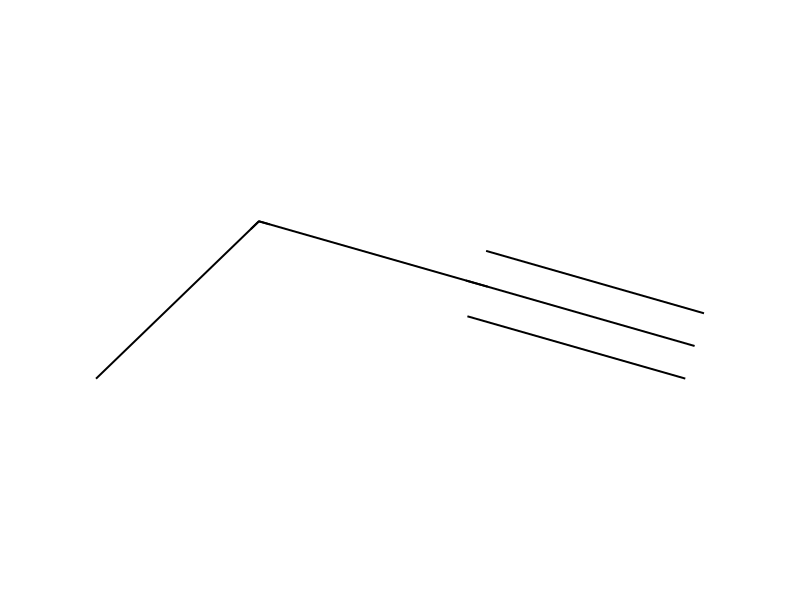
1-Butyne

HCID 7846
New noteNew reactionRequest quotes
Print preview
Basic informationOverviewNames & identifiersPropertiesSafety & regulationChemistry & industryRelated reactionsCompound notes
Substructure searchFind similar structures

Basic information

CAS
107-00-6
Standard SMILES
C#CCC
InChIKey
KDKYADYSIPSCCQ-UHFFFAOYSA-N
Molecular formula
C4H6
Average molar mass
54.09 g/mol
Monoisotopic mass
54.04695019

Overview

Ethyl acetylene, stabilized appears as a colorless gas. Denser than air. Prolonged exposure to intense heat may cause the containers to rupture violently and rocket.

Names & identifiers

Preferred name
1-Butyne
IUPAC
but-1-yne
English name
1-Butyne
Molecular formula
C4H6
Molecular weight
54.09

Names & synonyms

1-BUTYNEbut-1-yneEthyl acetyleneButyne-1UN2452Ethylacetylene, inhibitedUNII-A6B47CPN6WEINECS 203-451-3A6B47CPN6WEtilacetileno, inhibidoEthylacetylene, stabiliseEthyl acetylene, inhibited
Show more names
Ethylethyne1-BUTYNE 98%C2H5CequivCHETHYLACETYLENE1-BUTYNE, 98+%1-Butyne (8CI, 9CI)ethylacetylene,inhibited
UN 2452C2H5C.$.CHDTXSID4029141CHEBI:48087ETHYL ACETYLENE, (STABILIZED)Etilacetileno, inhibido (Spanish DOT)Ethylacetylene, stabilise (French DOT)ETHYL ACETYLENE, [STABILIZED]

Database identifiers

CAS
107-00-6
PubChem CID
7846
DTXSID
DTXSID4029141
ChEBI
CHEBI:48087
UNII
A6B47CPN6W
EC Number
203-451-3
Nikkaji
J4.044D

Properties

Computed structural properties

XLogP
1.3
Topological polar surface area
0 Ų
Hydrogen bond donors
0
Hydrogen bond acceptors
0
Rotatable bonds
0
Heavy atoms
4
Formal charge
0
Complexity
35.2

Experimental & physicochemical properties

Chemical Classes · 2 items

Other Classes -> Aliphatics, Unsaturated

Flammable agents - 4th degree

SpringerMaterials PropertiesCoriolis coupling
LogP1.46
Physical Description · 3 items

Ethyl acetylene, stabilized appears as a colorless gas. Denser than air. Prolonged exposure to intense heat may cause the containers to rupture violently and rocket.

Liquid; Gas Vapor

Colorless gas; [CAMEO] Odor of garlic; [Matheson Tri-Gas MSDS]

Physicochemical properties

Melting point
-126 °C · -126°C
Boiling point
8 °C · 8°C
Density
0.678 · 0.678
refractive index
1.3962 · 1.3962
Flash point
-0.15 °C · -0.15°C
storage temp.
2 · 2-8°C
Water Solubility

Safety & regulation

Safety information is for reference only and does not replace the supplier’s Safety Data Sheet (SDS), applicable regulations, or professional assessment.

GHS classification

GHS Classification · 5 items

This chemical does not meet GHS hazard criteria for 3% (5 of 164) of reports.

Danger

H220 (97%): Extremely flammable gas [Danger Flammable gases]

P203, P210, P222, P280, P377, P381, P403, and P410+P403 (click each P-code to see the statement)

Aggregated GHS information provided per 164 reports by companies from 4 notifications to the ECHA C&L Inventory. Each notification may be associated with multiple companies.

Hazard information

Regulatory Information · 4 items

Chemical: 1-Butyne

1-Butyne is listed on the EPA's Chemical Data Reporting (CDR) system. Manufacturers and importers of 1-Butyne are required to report information about their production and use of this chemical to the EPA under the Toxic Substances Control Act (TSCA). (40 eCFR Part 711)

1-Butyne: Does not have an individual approval but may be used under an appropriate group standard

The New Jersey Worker and Community Right to Know Act requires public and private employers to provide information about hazardous substances at their workplaces. (N.J.S.A. 34:5A-1 et. seq.)

Other Safety InformationIMAP assessments - 1-Butyne: Human health tier I assessment
DOT LabelFlammable Gas
Fire Hazards · 2 items

Excerpt from ERG Guide 116 [Gases - Flammable (Unstable); polymerization hazard]:

· EXTREMELY FLAMMABLE.

Health Hazards · 2 items

Excerpt from ERG Guide 116 [Gases - Flammable (Unstable); polymerization hazard]:

· Vapors may cause dizziness or asphyxiation without warning, especially when in closed or confined areas.

Chemistry & industry

Uses & manufacturing

UsesUsed as an intermediate and special fuel; [Hawley]
U.S. Production2023: 1,000,000 - <8,500,000 lb
Consumer UsesIntermediate
Industry UsesIntermediate
General Manufacturing Information · 2 items

Petroleum Refineries

1-Butyne: ACTIVE

Applications · 3 items

DescriptionEthyl acetylene is a colorless, compressed gasor liquid. Molecular weight = 54.0; Boiling point = 8.1℃;Freezing/Melting point = -130℃; Flash point = -7℃.Hazard Identification (based on NFPA-704 M RatingSystem): Health 1, Flammability 4, Reactivity 2. Insolublein water.

UsesSpecialty fuel, chemical intermediate.

General DescriptionA colorless gas. Denser than air. Prolonged exposure to intense heat may cause the containers to rupture violently and rocket.

Upstream & downstream products

Upstream raw materials

1,2-Butadiene2-Butyne3-Chloropropyne

Downstream products

Leaf alcohol(Z)-2-Chloro-2-butene1-Trimethylsilyl-1-butyne

Related reactions

46 records
New reaction record
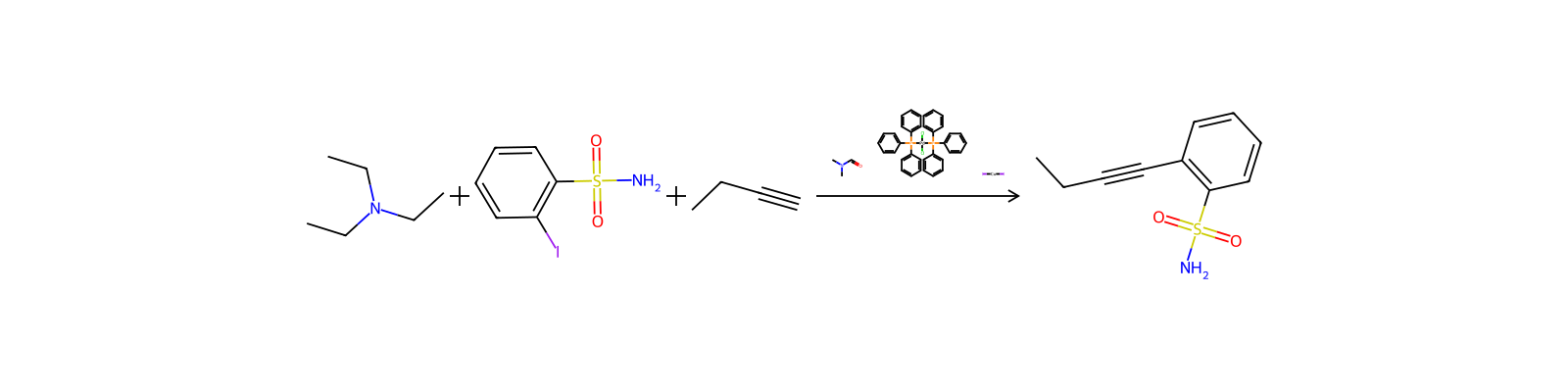
HRID 1944 reaction equation
HRID 1944As reactantuspto-grants-1998_03
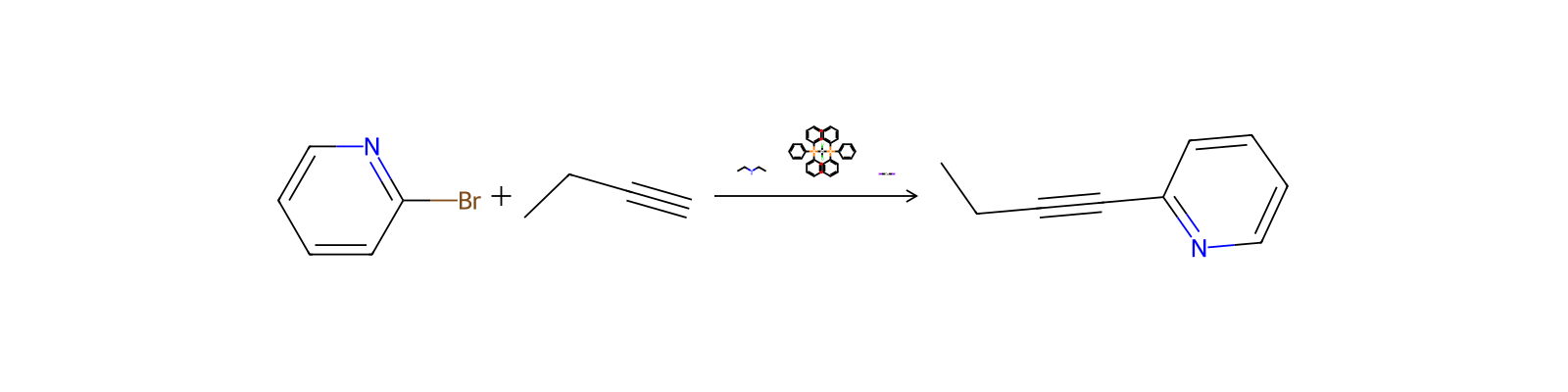
HRID 6380 reaction equation
HRID 6380As reactantuspto-grants-1993_09
HRID 9178 reaction equation
HRID 9178As reactantuspto-grants-2006_08
HRID 9186 reaction equation
HRID 9186As reactantuspto-grants-2006_08
HRID 157026 reaction equation
HRID 157026As reactantTraining data from https://doi.org/10.1039/C8SC04228D (9/10)
HRID 200272 reaction equation
HRID 200272As reactantTraining data from https://doi.org/10.1039/C8SC04228D (6/10)
HRID 291605 reaction equation
HRID 291605As reactantTraining data from https://doi.org/10.1039/C8SC04228D (8/10)
HRID 347824 reaction equation
HRID 347824As reactantuspto-grants-2007_02
Page 1 of 6

Compound notes

Loading…

On this pageBasic informationOverviewNames & identifiersPropertiesSafety & regulationChemistry & industryRelated reactionsCompound notes
More actions
New noteNew reactionRequest quotes
2.87 g/L · 2.87g/L(25 ºC)
Henry's Law Constant
5.6 · 5.6×10-4 mol/(m3Pa) at 25℃, Brockbank (2013)
InChI
InChI=1S/C4H6/c1-3-4-2/h1H,4H2,2H3
InChIKey
KDKYADYSIPSCCQ-UHFFFAOYSA-N
SMILES
C#CCC
CAS DataBase Reference
107 · 107-00-6(CAS DataBase Reference)
FDA UNII
6 B47CPN6W · A6B47CPN6W
EPA Substance Registry System
1 · 1-Butyne (107-00-6)
UNSPSC Code
12162002 · 12162002
Symbol(GHS)
2 · GHS02,GHS04
Signal word
Danger
Hazard statements
220 · H220-H280
Precautionary statements
210 · P210-P377-P381-P403
PPE
Eyeshields, Faceshields, Gloves
Hazard Codes
F,F+
Risk Statements
11 · 11-12
Safety Statements
9 · 9-16-23-33
RIDADR
2452 · UN 2452 (ETHYLACETYLENE, STABILIZED)
WGK Germany
3 · 3
RTECS
203 · 203-451-3
TSCA
TSCA listed
HazardClass
2.1 · 2.1
HS Code
2901230000 · 2901230000
Storage Class
2 A · 2A - Gases
Hazard Classifications
1 Press · Flam. Gas 1Press. Gas Liquefied gas
Excepted Quantities
Not Permitted as Excepted Quantity
Hazards Summary · 1 item

Highly flammable and forms explosive mixtures with air; Heat may cause explosive polymerization; [CAMEO] Extremely flammable and forms explosive mixtures with air; May polymerize; Inhalation may cause difficulty breathing, suffocation, convulsions, and coma; [Matheson Tri-Gas MSDS] Rapidly expanding gases can cause frostbite; A simple asphyxiant; [Airgas MSDS] Ethylacetylene, stabilized (UN2452) has warning of explosive polymerization; [ERG 2016] See Acetylene.

DOT ID and Guide2452 116P
Reactive GroupHydrocarbons, Aliphatic Unsaturated
Reactivity AlertsHighly Flammable
Reactivity Profile · 1 item

ETHYL ACETYLENE may react vigorously with strong oxidizing agents. May react exothermically with reducing agents to release hydrogen gas. In the presence of various catalysts (such as acids) or initiators, may undergo exothermic polymerization.

DOT Hazard Classification · 3 items

Ethylacetylene, stabilized

UN2452

Div 2.1 Flammable gas (49 eCFR § 173.115)

Air and Water ReactionsHighly flammable.

Safety & protection

Fire FightingExcerpt from ERG Guide 116 [Gases - Flammable (Unstable); polymerization hazard]:
Accidental Release Measures · 2 items

· CALL 911. Then call emergency response telephone number on shipping paper. If shipping paper not available or no answer, refer to appropriate telephone number listed on the inside back cover.

· ELIMINATE all ignition sources (no smoking, flares, sparks or flames) from immediate area.

First Aid · 2 items

Excerpt from ERG Guide 116 [Gases - Flammable (Unstable); polymerization hazard]:

General First Aid:

Exposure Control and Personal Protection· Wear positive pressure self-contained breathing apparatus (SCBA).
Nonfire Spill ResponseExcerpt from ERG Guide 116 [Gases - Flammable (Unstable); polymerization hazard]:
Isolation and Evacuation · 2 items

Excerpt from ERG Guide 116 [Gases - Flammable (Unstable); polymerization hazard]:

Immediate precautionary measure

Personal Protective Equipment (PPE)Excerpt from ERG Guide 116 [Gases - Flammable (Unstable); polymerization hazard]:
Emergency Response Planning Guidelines· DO NOT EXTINGUISH A LEAKING GAS FIRE UNLESS LEAK CAN BE STOPPED.

Toxicology

Adverse EffectsNeurotoxin - Acute solvent syndrome

Regulatory information

DHS Chemicals of Interest (COI) · 4 items

Ethyl acetylene

1

10000

Flammable chemical that can be released at a facility.

Safety data

PPE
Eyeshields, Faceshields, Gloves
wgk
3
tsca
TSCA listed
rtecs
203-451-3
ridadr
UN 2452 (ETHYLACETYLENE, STABILIZED)
hs_code
2901230000
risk_code
11-12
Signal word
Danger
Symbol(GHS)
GHS02,GHS04
hazard_code
F,F+
safety_code
9-16-23-33
hazard_class
2.1
Storage Class
2A - Gases
Hazard statements
H220-H280
Excepted Quantities
Not Permitted as Excepted Quantity
Hazard Classifications
Flam. Gas 1Press. Gas Liquefied gas
Precautionary statements
P210-P377-P381-P403
3-Hexyne
Methyl 2-pentynoate
1-Phenyl-1-butyne
2,2-Dimethoxybutane
(Z)-2-Bromo-2-butene

Additional notes

DefinitionChEBI: A terminal acetylenic compound that is butane carrying a triple bond at position 1.