
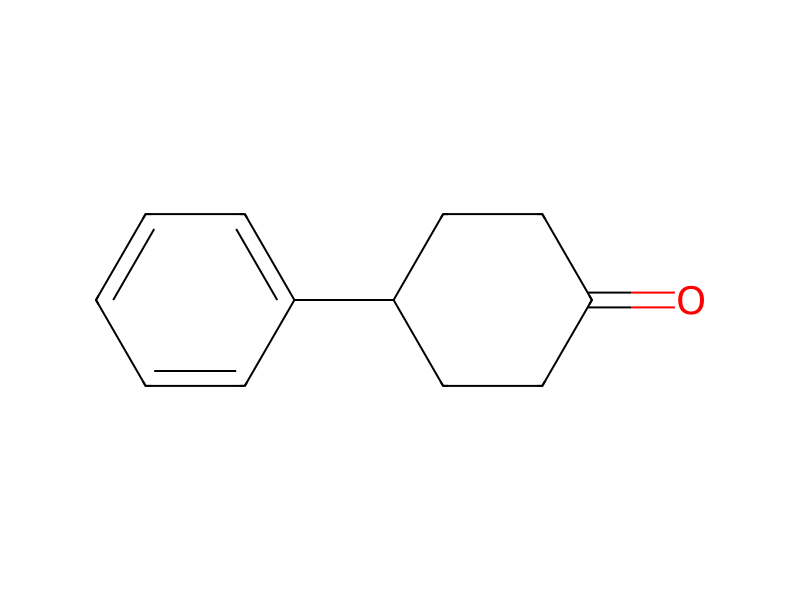
Basic information
- Standard SMILES
O=C1CCC(c2ccccc2)CC1- InChIKey
YKAYMASDSHFOGI-UHFFFAOYSA-N- Molecular formula
- C12H14O
- Average molar mass
- 174.24 g/mol
- Monoisotopic mass
- 174.10446507
Names & identifiers
- Preferred name
- 4-Phenylcyclohexanone
- IUPAC
- 4-phenylcyclohexan-1-one
- English name
- 4-Phenylcyclohexanone
- Molecular formula
- C12H14O
- Molecular weight
- 174.24
Names & synonyms
4-Phenylcyclohexanone4894-75-1Cyclohexanone, 4-phenyl-EINECS 225-517-0DTXSID80197644NSC 28473RefChem:526418DTXCID40120135225-517-04-phenylcyclohexan-1-one4-phenyl-1-cyclohexanone4-phenyl-cyclohexanone
Show more names
TIMTEC-BB SBB008578Phenylcyclohexanone4-Phenylcyclohexanone>4-Phenylcyclohexanone 98%4-Phenylcyclohexane-1-one4-Phenylcyclohexanone, 99%+4-PHENYLCYCLOHEXANONE, 98+%
MFCD000016414-phenylcyclo-hexanone4-Phenylcyclohexanone; NSC 284734-Phenyl-1-cyclohexanone; 4-Phenylcyclohexanone; NSC 28473;NSC28473Enamine_0054964-phenyl-cyclohexan-1-oneSCHEMBL76840
Database identifiers
- CAS
4894-75-1- PubChem CID
- 78605
- DTXSID
DTXSID80197644- EC Number
- 225-517-0
- Nikkaji
- J80.919E
Properties
Computed structural properties
- XLogP
- 2.1
- Topological polar surface area
- 17.1 Ų
- Hydrogen bond donors
- 0
- Hydrogen bond acceptors
- 1
- Rotatable bonds
- 1
- Heavy atoms
- 13
- Formal charge
- 0
- Complexity
- 170
Experimental & physicochemical properties
Chemical ClassesOther Classes -> Aromatic Ketones
SpringerMaterials PropertiesChemical structure
Vapor Pressure0.00233 [mmHg]
Physical DescriptionWhite or cream powder; [Alfa Aesar MSDS]
Physicochemical properties
- Melting point
- 73 · 73-77 °C (lit.)
- Boiling point
- 158 · 158-160°C 16mm
- Density
- 0.97 g/cm3 · 0.97 g/cm3 (25℃)
- refractive index
- 1.5363 · 1.5363 (estimate)
- Flash point
- 100 °C · 100°C
- storage temp.
- Sealed in dry,Room Temperature
- solubility
- Chloroform, Methanol
- form
- Crystalline Powder
- color
- White to off-white
- Water Solubility
- slightly soluble
- BRN
- 2045904 · 2045904
- InChI
- InChI=1S/C12H14O/c13-12-8-6-11(7-9-12)10-4-2-1-3-5-10/h1-5,11H,6-9H2
- InChIKey
- YKAYMASDSHFOGI-UHFFFAOYSA-N
- SMILES
- C1(=O)CCC(C2=CC=CC=C2)CC1
- CAS DataBase Reference
- 4894 · 4894-75-1(CAS DataBase Reference)
- UNSPSC Code
- 12352100 · 12352100
- NACRES
- 22 · NA.22
- Symbol(GHS)
- 7 · GHS07
- Signal word
- Warning
- Hazard statements
- 302 · H302-H315-H319-H335
- Precautionary statements
- 261 · P261-P305+P351+P338
- PPE
- 95 · Eyeshields, Gloves, type N95 (US)
- Hazard Codes
- Xi
- Safety Statements
- 22 · 22-24/25
- WGK Germany
- 3 · 3
- Hazard Note
- Irritant
- HS Code
- 29143900 · 29143900
- Storage Class
- 11 · 11 - Combustible Solids
Safety & regulation
GHS classification
GHS Classification
This chemical does not meet GHS hazard criteria for 33.3% (1 of 3) of reports.
Warning
H315 (66.7%): Causes skin irritation [Warning Skin corrosion/irritation]
P261, P264, P264+P265, P271, P280, P302+P352, P304+P340, P305+P351+P338, P319, P321, P332+P317, P337+P317, P362+P364, P403+P233, P405, and P501 (click each P-code to see the statement)
Aggregated GHS information provided per 3 reports by companies from 3 notifications to the ECHA C&L Inventory. Each notification may be associated with multiple companies.
Hazard information
Regulatory InformationCyclohexanone, 4-phenyl-: Does not have an individual approval but may be used under an appropriate group standard
Hazards SummaryMay cause irritation; [Alfa Aesar MSDS] See Cyclohexanone.
Hazard Classes and CategoriesSkin Irrit. 2 (66.7%)
Safety data
- PPE
- Eyeshields, Gloves, type N95 (US)
- wgk
- 3
- hs_code
- 29143900
- Signal word
- Warning
- Symbol(GHS)
- GHS07
- hazard_code
- Xi
- hazard_note
- Irritant
- safety_code
- 22-24/25
- Storage Class
- 11 - Combustible Solids
- Hazard statements
- H302-H315-H319-H335
- Precautionary statements
- P261-P305+P351+P338
Chemistry & industry
Applications
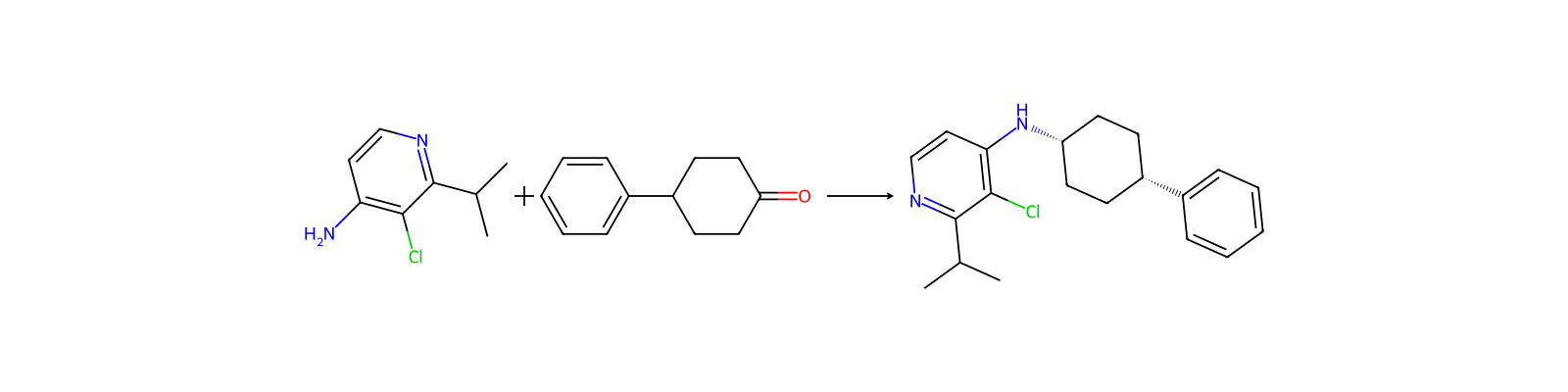
Uses4-Phenylcyclohexanone is used in the synthesis of CCR2 antagonists for the treatment of rheumatoid arthritis, atherosclerosis and other disease states. Also used in the preparation of coumarins via dehydrogenation and Heck coupling reactions.
Uses4-Phenylcyclohexanone was used in the preparation of new cardo diamine monomer, 1,1-bis[4-(4-aminophenoxy)phenyl]-4-phenylcyclohexane bearing a 4-phenylcyclohexylidene unit.
General Description4-Phenylcyclohexanone undergoes Ruthenium-catalyzed reaction with tributylamine to yield 2-butyl-4-phenylcyclohexanone and 2,6-dibutyl-4-phenylcyclohexanone. Wittig reaction of 4-phenylcyclohexanone with (carbethoxymethylene)triphenylphosphorane under microwave irradiation has been investigated.
Upstream & downstream products
Downstream products
Suppliers50 total
北京华美互利生物化工010-56205725 · [email protected]
梯希爱(上海)化成工业发展有限公司021-67121386 · [email protected]
南京世洲生物科技有限公司025-85560043 15850508050 · [email protected]
阿诺西(上海)生物技术有限公司400-1107768 15058188853 · [email protected]
衢州润东化工有限公司0570-8789886 18892685668 · [email protected]
上海阿拉丁生化科技股份有限公司400-6206333 13167063860 · [email protected]
Shandong chuangyingchemical Co., Ltd.18853181302 · [email protected]
上海凌富药物研究有限公司+86(21)5895 0110 19945755304 · [email protected]
盐城通铭生物科技有限公司15195160625 · [email protected]
毕佳索(上海毕得医药科技股份有限公司)400-6005915 · [email protected]
上海麦克林生化科技股份有限公司021-50706066 15221275939 · [email protected]
合肥翰刚医药科技有限公司+8618062405514 · [email protected]
武汉欣扬瑞和化学科技有限公司153-07155313 15307155313 · [email protected]
杭州品高化工有限公司0571-87658025 · [email protected]
普善实业(陕西)有限公司029-81310890 18165209495 · [email protected]
河北创海生物科技有限公司+86-86-13131129325 · [email protected]
Dayang Chem (Hangzhou) Co.,Ltd.+86-0571-88938639 17705817739 · [email protected]
郑州鸿晟医药科技有限公司0371-55695890 15637198702 · [email protected]
韶远科技(上海)有限公司021-50795510 4000665055 · [email protected]
烟台德润液晶材料有限公司0535-0535-6300169 15253505805
Syntechem Co.,Ltd[email protected]
上海迈瑞尔生化科技有限公司4006356688 18621169109 · [email protected]
北京索莱宝科技有限公司010-50973130 17801761073 · [email protected]
阿法埃莎(中国)化学有限公司400-6106006 · [email protected]
安耐吉化学&3A(安徽泽升科技股份有限公司)400-0056266 · [email protected]
石家庄斯迪亚诺精细化工有限公司0311-89250318 13582355795 · [email protected]
武汉凯威斯科技有限公司86-027-67849912 · [email protected]
常州科化生物科技有限公司0519-68985668 13685222090 · [email protected]
上海瀚鸿科技股份有限公司021-54306202 13764082696 · [email protected]
常州琬瑶生物科技有限公司051989185693 15312551983 · [email protected]
上海钰康生物科技有限公司+86-18930848214 +86-021-56762820 · [email protected]
上海相辉医药科技有限公司13761987713 · [email protected]
苏州新瑞生物科技有限公司13401437572 · [email protected]
南京药石科技股份有限公司4000255188 · [email protected]
湖北魏氏化学试剂股份有限公司17771898297 13125137661 · [email protected]
山东西亚化学有限公司13355009207 13355009207 · [email protected]
上海德茂化工有限公司+86-021-35121141 18019063037
玛雅试剂+86 (573) 82222445 (0)18006601000 452520369 · [email protected]
HONG KONG IPURE BIOLOGY CO.,LIMITED86 18062405514 18062405514 · [email protected]
天津希恩思生化科技有限公司400 638 7771 · [email protected]
赛默飞世尔科技(中国)有限公司800-810-5118 · [email protected]
北京伊诺凯科技有限公司400-810-7969 010-59572699 · [email protected]
江苏艾康生物医药研发有限公司025-66113011 13913916777 · [email protected]
TCI AMERICA800-4238616 · [email protected]
TOKYO CHEMICAL INDUSTRY CO., LTD.03-36680489 · [email protected]
TCI Europe320-37350700 · [email protected]
上海裕兰生物科技有限公司021-57171705 13817537615 · [email protected]
天津安浩生物科技有限公司[email protected]
杭州杰恒化工有限公司0571-87396432 · [email protected]
上海永叶生物科技有限公司86-021-61559134 15921386130 · [email protected]
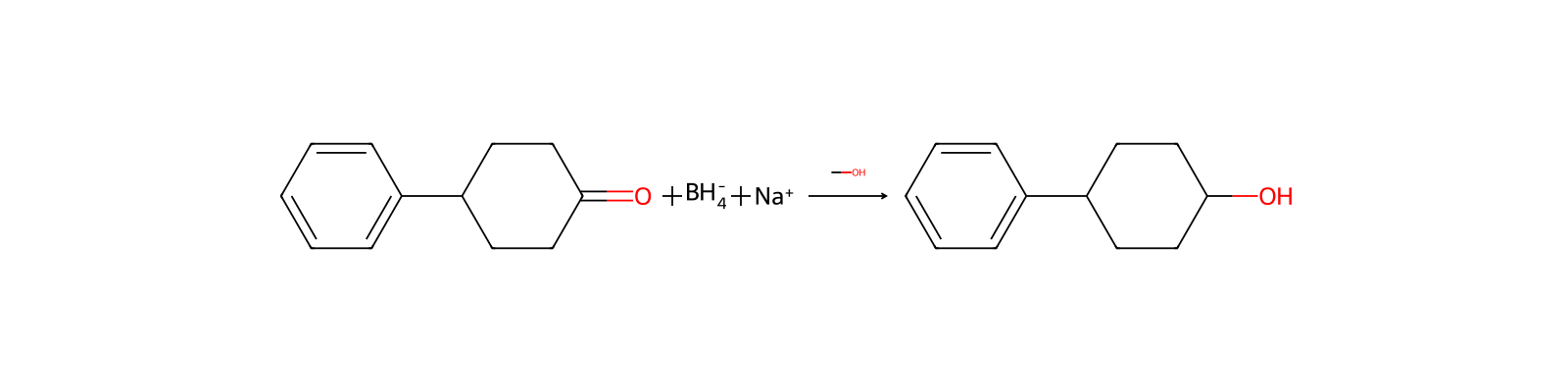
Related reactions
105 records


Linked notes
Loading…