
Basic information
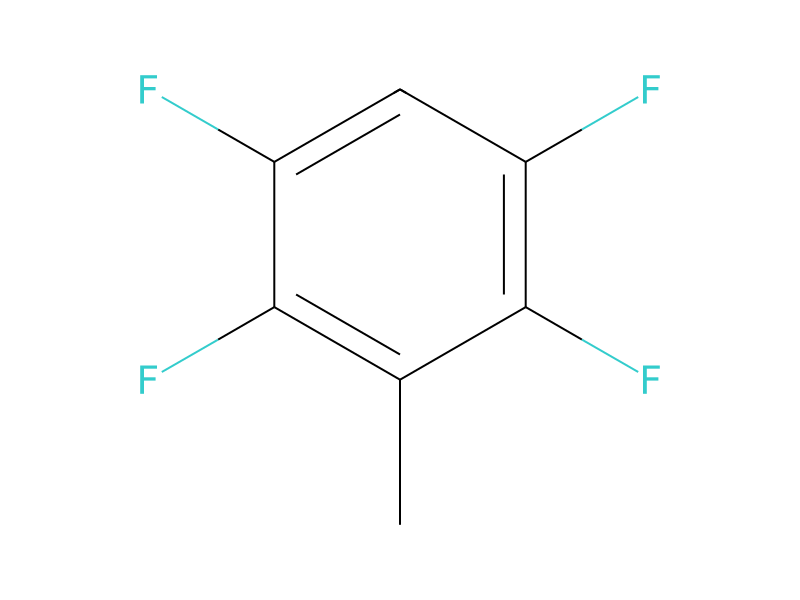
- Standard SMILES
Cc1c(F)c(F)cc(F)c1F- InChIKey
POMGTQLCZJZYAM-UHFFFAOYSA-N- Molecular formula
- C7H4F4
- Average molar mass
- 164.1 g/mol
- Monoisotopic mass
- 164.02491278
Names & identifiers
- Preferred name
- 2,3,5,6-Tetrafluorotoluene
- IUPAC
- 1,2,4,5-tetrafluoro-3-methylbenzene
- English name
- 2,3,5,6-Tetrafluorotoluene
- Molecular formula
- C7H4F4
- Molecular weight
- 164.1
Names & synonyms
2,3,5,6-Tetrafluorotoluene5230-78-41,2,4,5-Tetrafluoro-3-methylbenzeneBenzene, 1,2,4,5-tetrafluoro-3-methyl-344KT4ZU8TEINECS 226-028-5NSC-97004DTXSID80200329NSC 97004RefChem:81379DTXCID30122820226-028-5
Show more names
2,3,5,6-Tetrafluorotoluene98%2,3,5,6-Tetrafluorotoluene 98%
POMGTQLCZJZYAM-UHFFFAOYSA-NMFCD00000313NSC97004UNII-344KT4ZU8TSCHEMBL169896SCHEMBL295026SCHEMBL472940SBB087757
Database identifiers
- CAS
5230-78-4- PubChem CID
- 78896
- DTXSID
DTXSID80200329- UNII
- 344KT4ZU8T
- EC Number
- 226-028-5
- Nikkaji
- J297.946B
Properties
Computed structural properties
- XLogP
- 2.7
- Topological polar surface area
- 0 Ų
- Hydrogen bond donors
- 0
- Hydrogen bond acceptors
- 4
- Rotatable bonds
- 0
- Heavy atoms
- 11
- Formal charge
- 0
- Complexity
- 124
Physicochemical properties
- Melting point
- -40 °C · -40°C
- Boiling point
- 125 · 125-126 °C(lit.)
- Density
- 1.347 g/mL · 1.347 g/mL at 25 °C(lit.)
- refractive index
- 20 · n20/D 1.42(lit.)
- Flash point
- 74 °F · 74 °F
- storage temp.
- Flammables area
- form
- liquid
- Specific Gravity
- 1.347 · 1.347
- color
- Clear, colourless
- CAS DataBase Reference
- 5230 · 5230-78-4(CAS DataBase Reference)
- FDA UNII
- 344 KT4ZU8T · 344KT4ZU8T
- Symbol(GHS)
- 2 · GHS02,GHS07
- Signal word
- Warning
- Hazard statements
- 226 · H226-H302+H312+H332-H315-H319-H335
- Precautionary statements
- 261 · P261-P280-P305+P351+P338
- Hazard Codes
- Xn,F,Xi
- Risk Statements
- 10 · 10-20/21/22-36/37/38
- Safety Statements
- 16 · 16-26-36/37/39-36/37
- RIDADR
- 1993 · UN 1993 3/PG 3
- WGK Germany
- 3 · 3
- Hazard Note
- Flammable
- HazardClass
- 3.1 · 3.1
- PackingGroup
- II
- HS Code
- 29039990 · 29039990
Safety & regulation
GHS classification
GHS Classification
Warning
H226 (100%): Flammable liquid and vapor [Warning Flammable liquids];H302 (100%): Harmful if swallowed [Warning Acute toxicity, oral];H312 (100%): Harmful in contact with skin [Warning Acute toxicity, dermal];H315 (100%): Causes skin irritation [Warning Skin corrosion/irritation];H319 (100%): Causes serious eye irritation [Warning Serious eye damage/eye irritation];H332 (100%): Harmful if inhaled [Warning Acute toxicity, inhalation];H335 (100%): May cause respiratory irritation [Warning Specific target organ toxicity, single exposure; Respiratory tract irritation]
P210, P233, P240, P241, P242, P243, P261, P264, P264+P265, P270, P271, P280, P301+P317, P302+P352, P303+P361+P353, P304+P340, P305+P351+P338, P317, P319, P321, P330, P332+P317, P337+P317, P362+P364, P370+P378, P403+P233, P403+P235, P405, and P501 (click each P-code to see the statement)
Aggregated GHS information provided per 39 reports by companies from 2 notifications to the ECHA C&L Inventory. Each notification may be associated with multiple companies.;Information may vary between notifications depending on impurities, additives, and other factors. The percentage value in parenthesis indicates the notified classification ratio from companies that provide hazard codes. Only hazard codes with percentage values above 10% are shown. For more detailed information, please visit ECHA C&L website.
Hazard information
Hazard Classes and CategoriesFlam. Liq. 3 (100%);Acute Tox. 4 (100%);Acute Tox. 4 (100%);Skin Irrit. 2 (100%);Eye Irrit. 2 (100%);Acute Tox. 4 (100%);STOT SE 3 (100%)
Safety data
- wgk
- 3
- ridadr
- UN 1993 3/PG 3
- hs_code
- 29039990
- risk_code
- 10-20/21/22-36/37/38
- Signal word
- Warning
- Symbol(GHS)
- GHS02,GHS07
- hazard_code
- Xn,F,Xi
- hazard_note
- Flammable
- safety_code
- 16-26-36/37/39-36/37
- hazard_class
- 3.1
- packing_group
- II
- Hazard statements
- H226-H302+H312+H332-H315-H319-H335
- Precautionary statements
- P261-P280-P305+P351+P338
Chemistry & industry
Upstream & downstream products
Downstream products
Suppliers29 total
Career Henan Chemica Co+86-0371-86658258 +86-13203830695 · [email protected]
常州新氟化学有限公司13275212658 · [email protected]
Dayang Chem (Hangzhou) Co.,Ltd.+86-0571-88938639 17705817739 · [email protected]
郑州鸿晟医药科技有限公司0371-55695890 15637198702 · [email protected]
上海迈瑞尔生化科技有限公司4006356688 18621169109 · [email protected]
安耐吉化学&3A(安徽泽升科技股份有限公司)400-0056266 · [email protected]
梯希爱(上海)化工贸易有限公司021-61109150 · [email protected]
上海瀚鸿科技股份有限公司021-54306202 13764082696 · [email protected]
河南阿尔法化工有限公司0371-55013243 15324716602 · [email protected]
湖北广奥生物科技有限公司027-02702759223056 18162699093 · [email protected]
山东西亚化学有限公司13355009207 13355009207 · [email protected]
天津希恩思生化科技有限公司400 638 7771 · [email protected]
赛默飞世尔科技(中国)有限公司800-810-5118 · [email protected]
Clearsynth Labs Limited+91-22-26355700 · [email protected]
陕西麟邦实业有限公司17709134430 · [email protected]
陕西缔都医药化工有限公司+86-29-87569262 +86-15003564040 · [email protected]
九鼎化学(上海)科技有限公司4009209199 · [email protected]
山东小野化学股份有限公司0539-6362799 20)
杭州洁汉化工有限公司+86-571-86217390; +8618058761490 · [email protected]
Capot Chemical Co.,Ltd.+86-(0)57185586718 +86-13336195806 · [email protected]
上海启乔生物科技有限公司021-37653318 15221675714 · [email protected]
厦门盈融达化工有限公司+86-0592-6210733 · [email protected]
江苏艾康生物医药研发有限公司025-58859352 17714375163 · [email protected]
中科双航化学(大连)有限公司+86-411-66858498 13941194417 · [email protected]
陕西缔都医药化工有限公司029-029-029-81148696 18161915376 · [email protected]
Capot Chemical Co., Ltd+86 (0) 571 85 58 67 18
北京百灵威科技有限公司18210857532 18210857532 · [email protected]
JACS-郑州杰克斯化工产品有限公司0371-86259281 13223061139 · [email protected]
珠海奥博凯生物医药技术有限公司400-0628126 · [email protected]
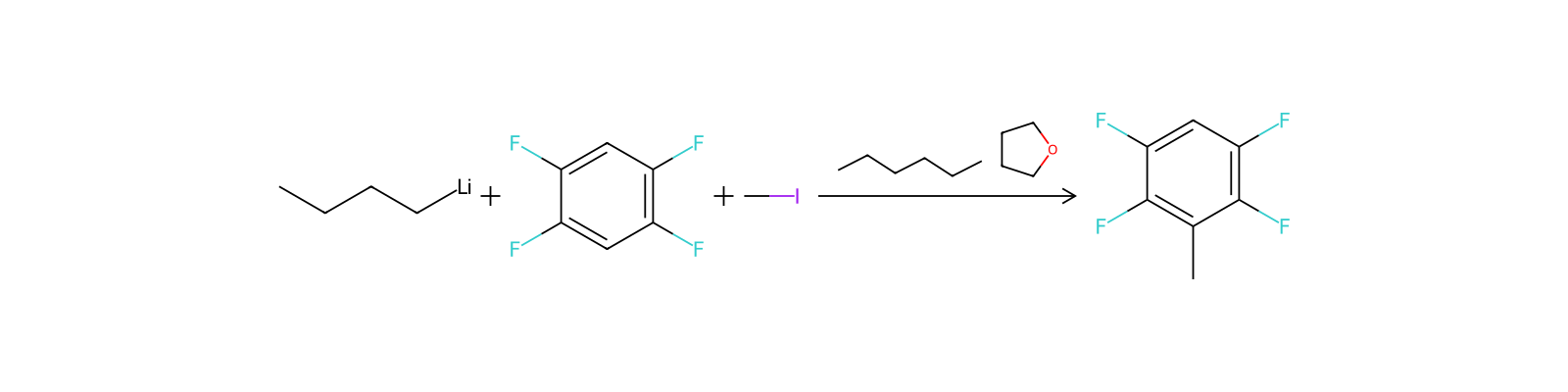
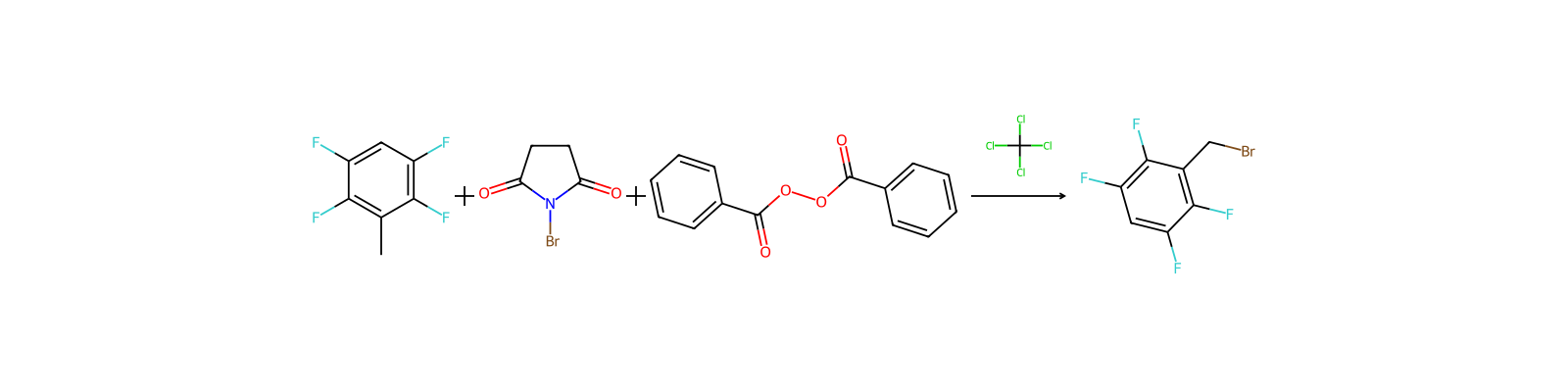
Related reactions
9 records



Linked notes
Loading…