HomeMCPWorkbenchSkills
HomeWorkbenchNotificationsMe
llms.txt · MCP GuidePrivacy Policy · Terms of Service · Supportv1.8.0
  1. Home
  2. /Compound

Cyanoacetamide

HCID 7898
New noteNew reactionRequest quotes
Print preview

Completing data — refresh the page later to see the latest

Basic informationOverviewNames & identifiersPropertiesSafety & regulationChemistry & industryRelated reactionsCompound notes
Substructure searchFind similar structures

Basic information

CAS
107-91-5
Standard SMILES
N#CCC(N)=O
InChIKey
DGJMPUGMZIKDRO-UHFFFAOYSA-N
Molecular formula
C3H4N2O
Average molar mass
84.08 g/mol
Monoisotopic mass
84.03236275

Overview

cyanoacetamide has been reported in Apis with data available.

Names & identifiers

Preferred name
Cyanoacetamide
IUPAC
2-cyanoacetamide
English name
2-Cyanoacetamide
Molecular formula
C3H4N2O
Molecular weight
84.08

Names & synonyms

2-Cyanoacetamide107-91-5CYANOACETAMIDEAcetamide, 2-cyano-CyanacetamideMalonamide nitrileMalonamonitrileNitrilomalonamide3-Nitrilo-propionamideCyanoiminoacetic acidKyanacetamidUSAF KF-14
Show more names
CYACCyanacetamidCYANOACETIC AMIDE2-CAAusafkf-14
Propionamide nitrileAmid kyseliny kyanoctoveYBK38G2YXHMalonic acid, monoamide mononitrileNSC-6285DTXSID2051552RefChem:129041DTXCID6030104

Database identifiers

CAS
107-91-5
PubChem CID
7898
DTXSID
DTXSID2051552
ChEMBL
CHEMBL2333142
UNII
YBK38G2YXH
EC Number
203-531-8
Nikkaji
J4.067C

Properties

Computed structural propertiesFilling in

XLogP
-1
Topological polar surface area
66.9 Ų
Hydrogen bond donors
1
Hydrogen bond acceptors
2
Rotatable bonds
1
Heavy atoms
6
Formal charge
0
Complexity
98.6

Experimental & physicochemical properties

Chemical ClassesNitrogen Compounds -> Nitriles
SpringerMaterials PropertiesBoiling point
Color/Form · 3 items

NEEDLES FROM ALCOHOL

PLATES (WATER)

WHITE POWDER

Solubility1 G DISSOLVES IN 6.5 ML COLD WATER; 1.3 G @ 0 °C IN 100 ML OF 95% ALCOHOL; 3.1 G @ 26 °C IN 100 ML OF 95% ALCOHOL; 7.0 G @ 44 °C IN 100 ML OF 95% ALCOHOL; 14.0 G @ 62 °C IN 100 ML OF 95% ALCOHOL; 21.5 G @ 71 °C IN 100 ML OF 95% ALCOHOL
Boiling PointBP: DECOMPOSES
Melting Point · 2 items

119.5 °C

121.5 °C

Physical DescriptionWhite solid; [Hawley] White powder; [MSDSonline]

Physicochemical properties

Safety & regulation

Safety information is for reference only and does not replace the supplier’s Safety Data Sheet (SDS), applicable regulations, or professional assessment.

GHS classification

GHS Classification · 4 items

Warning

H302 (77.4%): Harmful if swallowed [Warning Acute toxicity, oral]

P261, P264, P264+P265, P270, P271, P280, P301+P317, P302+P352, P304+P340, P305+P351+P338, P319, P321, P330, P332+P317, P337+P317, P362+P364, P403+P233, P405, and P501 (click each P-code to see the statement)

Aggregated GHS information provided per 62 reports by companies from 10 notifications to the ECHA C&L Inventory. Each notification may be associated with multiple companies.

Hazard information

Regulatory Information · 3 items

Chemical: Acetamide, 2-cyano-

Status: Active Update: 26-05-2015 https://echa.europa.eu/registration-dossier/-/registered-dossier/11828

Acetamide, 2-cyano-: Does not have an individual approval but may be used under an appropriate group standard

Fire PotentialSEE CYANIDES. MODERATE, BY CHEMICAL REACTION WITH HEAT, MOISTURE, ACID. /CYANIDES/
Hazards SummaryEmergency treatment: Cyanide; [HSDB] Subcutaneous LD50 (guinea pig) = 1155 mg/kg; Causes tremor and muscle contractions; [RTECS] An irritant; Harmful by ingestion, inhalation, or skin absorption; [Aldrich MSDS] See NITRILES.
Toxic Combustion ProductsSEE CYANIDES. EMIT HYDROCYANIC ACID. /CYANIDES/
Hazard Classes and CategoriesAcute Tox. 4 (77.4%)
Hazardous Reactivities and IncompatibilitiesSEE CYANIDES. ON CONTACT WITH ACID, ACID FUMES, WATER OR STEAM, THEY WILL PRODUCE TOXIC & FLAMMABLE VAPORS. /CYANIDES/

Chemistry & industry

Pharmacology

Metabolism/Metabolites · 1 item

Organic nitriles are converted into cyanide ions through the action of cytochrome P450 enzymes in the liver. Cyanide is rapidly absorbed and distributed throughout the body. Cyanide is mainly metabolized into thiocyanate by either rhodanese or 3-mercaptopyruvate sulfur transferase. Cyanide metabolites are excreted in the urine. (L96)

Uses & manufacturing

Uses · 2 items

Used in the synthesis of pharmaceuticals and plastics; [Hawley]

IN ORGANIC SYNTHESES (EG STARTING MATERIAL FOR VITAMIN B6 SYNTHESIS)

Methods of ManufacturingPREPARED BY ACTION OF AQ OR ALCOHOLIC AMMONIA ON CYANOACETIC ESTER: HESSE, AM CHEM J 18, 724 (1896); THOLE, THORPE, J CHEM SOC 99, 429 (1911); OTT, LOPMANN, BER 55, 1258 (1922); CORSON ET AL, ORG SYN COLL VOL I (2ND ED, 1941) P 179.
General Manufacturing InformationAcetamide, 2-cyano-: ACTIVE
Applications · 2 items

Uses2-Cyanoacetamide was used in spectrofluorimetric method for the determination of some antihistaminic H1 receptor antagonist drugs such as ebastine, cetirizine dihydrochloride and fexofenadine hydrochloride. It may be used in fluorometric determination of 3,4-dihydroxyphenylalanine. It was used as post column fluorigenic derivatizing agent for the bio-analysis and pharmacokinetics of chitosan ester in rabbit serum. Cyanoacetamide is the starting reagent for vitamin B6 synthesis. It reacts with reducing carbohydrates in borate buffer to give intense fluorescence and is useful for the automated analysis of carbohydrates as borate complexes. It can also be used in the synthesis of heterocyclic compounds such as pyrazole, pyridine and pyrimidine derivatives. Moreover, it can also be applied for the spectrophotometric assay of the enzyme activity of cellulose in related host cells.

Related reactions

476 records
New reaction record
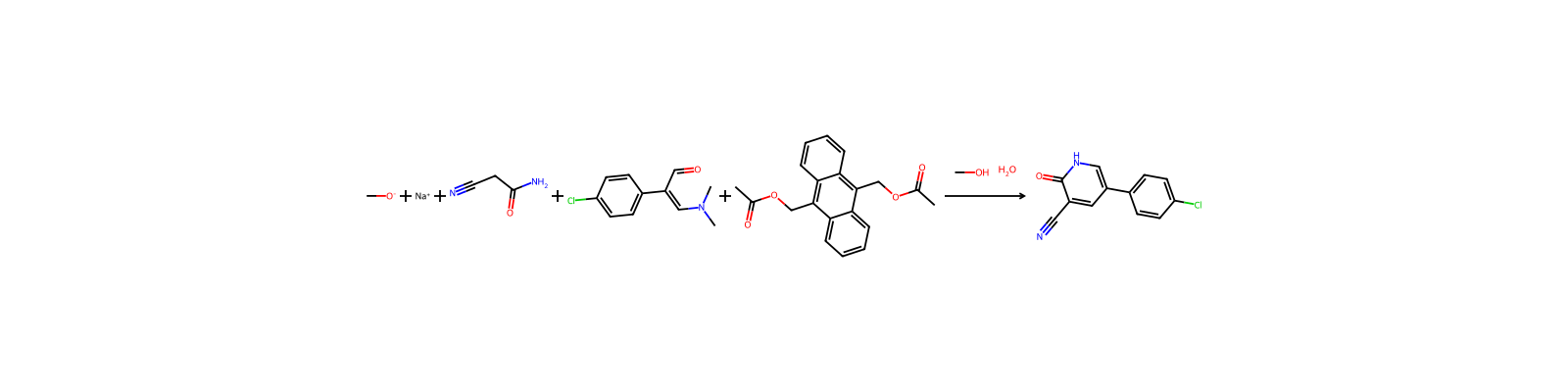
HRID 1505 reaction equation
HRID 1505As reactantuspto-grants-1998_03
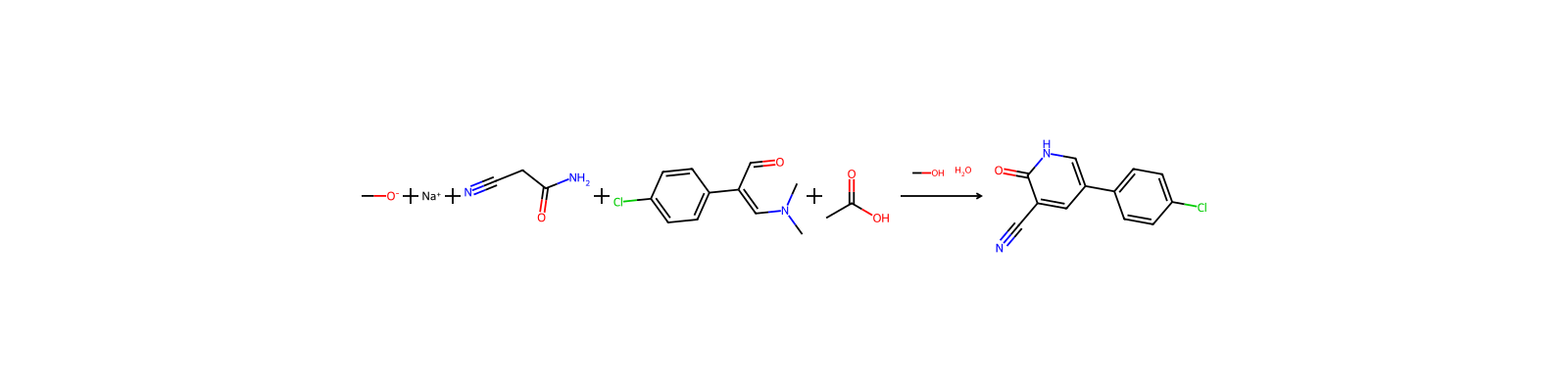
HRID 1572 reaction equation
HRID 1572As reactantuspto-grants-1998_03
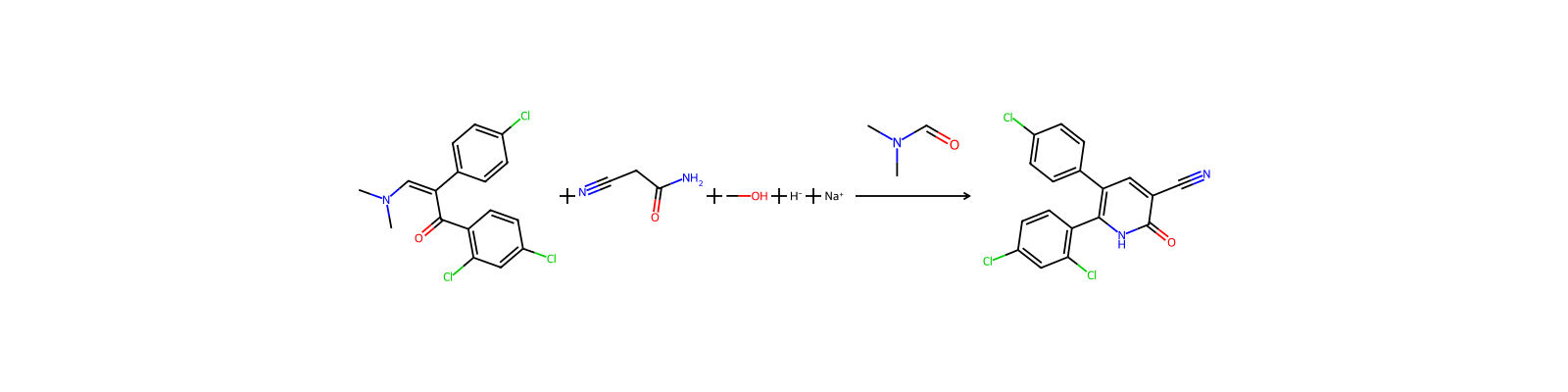
HRID 2077 reaction equation
HRID 2077As reactantuspto-grants-1998_03
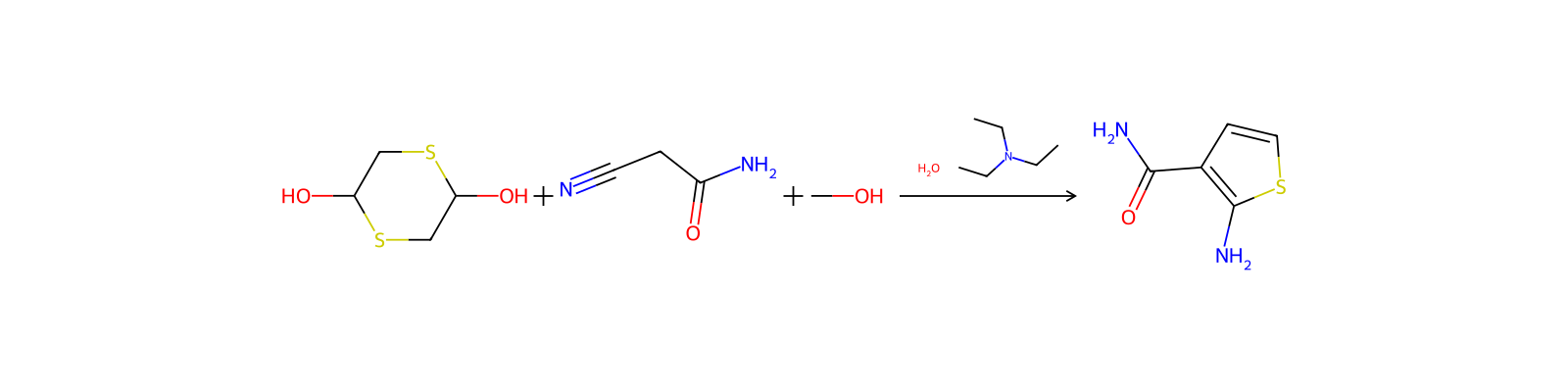
HRID 2118 reaction equation
HRID 2118As reactantuspto-grants-1998_03
HRID 2176 reaction equation
HRID 2176As reactantuspto-grants-1998_03
HRID 8781 reaction equation
HRID 8781As reactantuspto-grants-2006_08
HRID 8805 reaction equation
HRID 8805As reactantuspto-grants-2006_08
HRID 9766 reaction equation
HRID 9766As reactantuspto-grants-2006_08
Page 1 of 60

Compound notes

Loading…

On this pageBasic informationOverviewNames & identifiersPropertiesSafety & regulationChemistry & industryRelated reactionsCompound notes
More actions
New noteNew reactionRequest quotes
Melting point
119 · 119-121 °C(lit.)
Boiling point
154.34 °C · 154.34°C (rough estimate)
Density
1 · 1,4 g/cm3
refractive index
1.511 · 1.5110 (estimate)
Flash point
419 °F · 419 °F
storage temp.
Sealed in dry,Room Temperature
solubility
1 gm · cold water: soluble1gm in 6.5ml
pka
-1.27 · -1.27±0.10(Predicted)
form
Crystalline Powder
color
White to light cream
Odor
Odorless
Water Solubility
soluble
Merck
14 · 14,2688
BRN
878221 · 878221
InChI
1S/C3H4N2O/c4-2-1-3(5)6/h1H2,(H2,5,6)
InChIKey
DGJMPUGMZIKDRO-UHFFFAOYSA-N
SMILES
NC(=O)CC#N
CAS DataBase Reference
107 · 107-91-5(CAS DataBase Reference)
EWG's Food Scores
1 · 1
FDA UNII
38 G2YXH · YBK38G2YXH
NIST Chemistry Reference
2 · Acetamide, 2-cyano-(107-91-5)
EPA Substance Registry System
2 · 2-Cyanoacetamide (107-91-5)
UNSPSC Code
12352100 · 12352100
NACRES
22 · NA.22
Symbol(GHS)
7 · GHS07
Signal word
Warning
Hazard statements
302 · H302-H315-H319-H335
Precautionary statements
261 · P261-P264-P270-P301+P312-P302+P352-P305+P351+P338
target organs
Respiratory system
PPE
95 · dust mask type N95 (US), Eyeshields, Gloves
Hazard Codes
Xn
Risk Statements
22 · 22-36/37/38-20/21/22
Safety Statements
22 · 22-26-28A
RIDADR
3439 · UN 3439 6.1/PG 3
WGK Germany
2 · 2
RTECS
5950000 · AB5950000
TSCA
TSCA listed
PackingGroup
III
HS Code
29159080 · 29159080
Storage Class
11 · 11 - Combustible Solids
Hazard Classifications
4 OralEye · Acute Tox. 4 OralEye Irrit. 2Skin Irrit. 2STOT SE 3
Hazardous Substances Data
107 · 107-91-5(Hazardous Substances Data)
REACH Registrations
Active

Safety & protection

Storage Conditions · 1 item

SEE CYANIDES. ...MATERIALS WHICH ARE TOXIC AS STORED OR WHICH CAN DECOMP INTO TOXIC COMPONENTS...SHOULD BE STORED IN A COOL, WELL-VENTILATED PLACE, OUT OF DIRECT RAYS OF SUN, AWAY FROM AREAS OF HIGH FIRE HAZARD, & SHOULD BE PERIODICALLY INSPECTED... INCOMPATIBLE MATERIALS SHOULD BE ISOLATED FROM EACH OTHER. /CYANIDES/

Preventive MeasuresSEE CYANIDES. VENTILATION CONTROL: THE BASIC VENTILATION METHODS ARE LOCAL & EXHAUST VENTILATION & DILUTION (GENERAL) VENTILATION. /CYANIDES/
Protective Action Criteria (PAC) · 3 items

0.81 [mg/m3]

8.7 [mg/m3]

52 [mg/m3]

Toxicology

Treatment · 1 item

Antidotes to cyanide poisoning include hydroxocobalamin and sodium nitrite, which release the cyanide from the cytochrome system, and rhodanase, which is an enzyme occurring naturally in mammals that combines serum cyanide with thiosulfate, producing comparatively harmless thiocyanate. Oxygen therapy can also be administered. (L97)

Health Effects · 1 item

Exposure to high levels of cyanide for a short time harms the brain and heart and can even cause coma, seizures, apnea, cardiac arrest and death. Chronic inhalation of cyanide causes breathing difficulties, chest pain, vomiting, blood changes, headaches, and enlargement of the thyroid gland. Skin contact with cyanide salts can irritate and produce sores. (L96, L97)

Adverse EffectsOther Poison - Chemical Asphyxiant
Exposure RoutesOral (L96) ; inhalation (L96) ; dermal (L96)
Toxicity Summary · 1 item

Organic nitriles decompose into cyanide ions both in vivo and in vitro. Consequently the primary mechanism of toxicity for organic nitriles is their production of toxic cyanide ions or hydrogen cyanide. Cyanide is an inhibitor of cytochrome c oxidase in the fourth complex of the electron transport chain (found in the membrane of the mitochondria of eukaryotic cells). It complexes with the ferric iron atom in this enzyme. The binding of cyanide to this cytochrome prevents transport of electrons from cytochrome c oxidase to oxygen. As a result, the electron transport chain is disrupted and the cell can no longer aerobically produce ATP for energy. Tissues that mainly depend on aerobic respiration, such as the central nervous system and the heart, are particularly affected. Cyanide is also known produce some of its toxic effects by binding to catalase, glutathione peroxidase, methemoglobin, hydroxocobalamin, phosphatase, tyrosinase, ascorbic acid oxidase, xanthine oxidase, succinic dehydrogenase, and Cu/Zn superoxide dismutase. Cyanide binds to the ferric ion of methemoglobin to form inactive cyanmethemoglobin. (L97)

Signs and SymptomsCyanide poisoning is identified by rapid, deep breathing and shortness of breath, general weakness, giddiness, headaches, vertigo, confusion, convulsions/seizures and eventually loss of consciousness. (L96, L97)
Human Toxicity ExcerptsMANY ORGANIC NITRILES (OR CYANIDES) ARE DECOMP IN BODY TO YIELD TOXIC CYANIDE (CN- OR HCN). /CYANO ORGANIC COMPD/
Carcinogen ClassificationNo indication of carcinogenicity to humans (not listed by IARC).
Non-Human Toxicity ExcerptsCONTACT WITH SKIN OF GUINEA PIGS CAUSED SLIGHT IRRITATION WITH NO EVIDENCE OF TOXIC SYMPTOMS BY SKIN ABSORPTION. ...IT HAS VERY LOW TOXICITY.
Non-Human Toxicity Values · 2 items

LD50 RATS ORAL MORE THAN 3200 MG/KG

LD50 RATS INTRAPERITONEAL MORE THAN 800 MG/KG

Safety data

PPE
dust mask type N95 (US), Eyeshields, Gloves
wgk
2
tsca
TSCA listed
rtecs
AB5950000
ridadr
UN 3439 6.1/PG 3
hs_code
29269095
risk_code
22-36/37/38-20/21/22
Signal word
Warning
Symbol(GHS)
GHS07
hazard_code
Xn
safety_code
22-26-28A
Storage Class
11 - Combustible Solids
packing_group
III
target organs
Respiratory system
Hazard statements
H302-H315-H319-H335
REACH Registrations
Active
Hazard Classifications
Acute Tox. 4 OralEye Irrit. 2Skin Irrit. 2STOT SE 3
Precautionary statements
P261-P264-P270-P301+P312-P302+P352-P305+P351+P338
Hazardous Substances Data
107-91-5(Hazardous Substances Data)

General DescriptionCyanoacetamide is the starting reagent for vitamin B6 synthesis. It reacts with reducing carbohydrates in borate buffer to give intense fluorescence andis useful for the automated analysis of carbohydrates as borate complexes.

Preparation methods · 1 item

PreparationCyanoacetamide can be prepared from ethyl cyanoacetate and ammonia. Cool the ethyl cyanoacetate to below 200°C, add concentrated ammonia water to react, and the mixture turns from turbid to clear. After cooling in cold water for 20 minutes, a precipitate is precipitated. After filtration and drying, the crude product is obtained, and then the crude product of cyanoacetamide is added. In the boiling ethanol, after dissolving it, add a small amount of activated carbon for decolorization and purification, filter, cool the filtrate to separate out the precipitate, and dry it at 80-100 ℃ to obtain the fine cyanoacetamide.

Upstream & downstream products

Upstream raw materials

Ethyl acetateMethyl cyanoacetateEthyl cyanoacetate

Downstream products

Disperse Yellow H-4GLAllopurinolMethyl 3-amino-6-methylthiopheno[2,3-b]pyridine-2-carboxylateBuspirone2-Hydroxy-6-(trifluoromethyl)nicotinic acid2-Chloro-6-methyl-3-pyridinecarbonitrile2-Chloro-6-methylpyridine-4-carboxylic acid3-Amino-6-methylthieno[2,3-b]pyridine-2-carboxamide6-Methyl-1H-pyrazolo[3,4-b]pyridin-3-amineMalononitrile5-Bromo-2-chloro-4,6-dimethylnicotinonitrileOlprinone1,4,6-Trimethyl-1H-pyrazolo[3,4-b]pyridin-3-ylamine ,97%2,4-Dicyano-3-methylglutaramide2-Chloro-6-methylpyridine-4-carbonyl chlorideEthyl 2-chloro-3-cyano-6-methylisonicotinate2-Amino-5-phenyl-3-thiophenecarboxamide2,4,6-Triaminopyrimidine2-Amino-6-methyl-4,5,6,7-tetrahydro-1-benzothiophene-3-carboxamide2,6-Dichloro-3-hydroxypyridine-4-carboxylic acid3-Cyano-4,6-dimethyl-2-hydroxypyridineEntacapone3-aminopropanamide4,7-Dihydro-4-oxo-3H-pyrrolo[2,3-d][1,2,3]triazine-5-carboxamide2,2-Dibromo-2-cyanoacetamide3-Cyano-6-methyl-2(1H)-pyridinone2-Chloro-3-cyano-4,6-dimethylpyridine2-Methylisonicotinic acid5-Bromo-4,6-dimethyl-1H-pyrazolo[3,4-b]pyridin-3-amineMilrinone4-Aminopyrimidine-5-carboxamide4,6-Dimethyl-1H-pyrazolo[3,4-b]pyridin-3-amine2-cyano-2-[2,3-dihydro-3-(tetrahydro-2,4,6-trioxo-5(2H)-pyrimidinylidene)-1H-isoindol-1-ylidene]-N-methylacetamide

Additional notes

Definition2-Cyanoacetamide is an acetic amide with a nitrile functional group. It is a codon of glutamine that directs the placement of glutamine into a polypeptide.