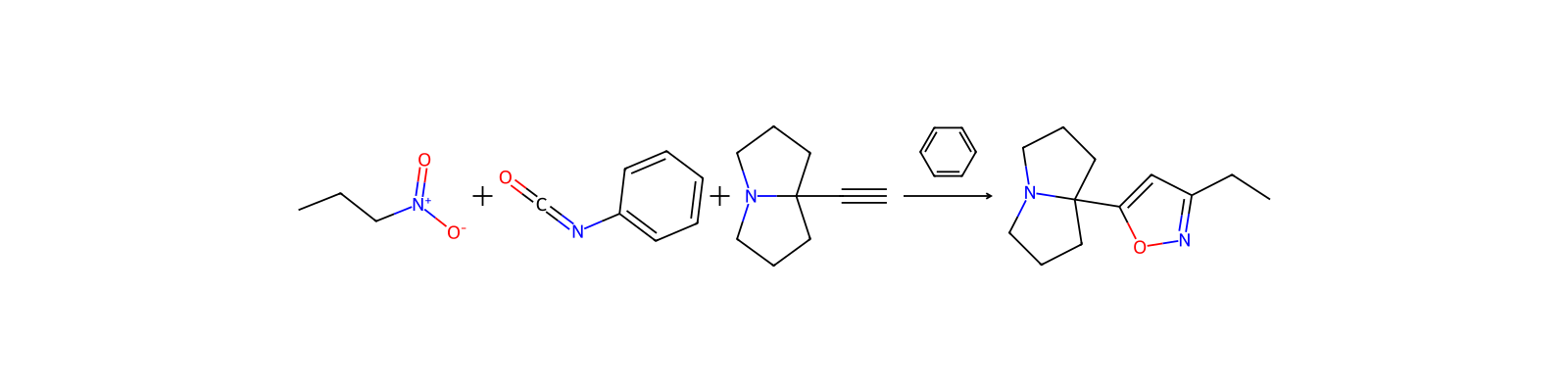

Basic information
- Standard SMILES
CCC[N+](=O)[O-]- InChIKey
JSZOAYXJRCEYSX-UHFFFAOYSA-N- Molecular formula
- C3H7NO2
- Average molar mass
- 89.09 g/mol
- Monoisotopic mass
- 89.04767846
Overview
1-nitropropane appears as a colorless oily flammable liquid. Density about the same as water. Vapors much heavier than air. Vapors may irritate skin, eyes and mucous membranes. Toxic oxides of nitrogen are released during combustion. Used as a propellant and as a solvent.
Names & identifiers
- Preferred name
- 1-Nitropropane
- IUPAC
- 1-nitropropane
- English name
- 1-Nitropropane
- Molecular formula
- C3H7NO2
- Molecular weight
- 89.09
Names & synonyms
1-NITROPROPANE108-03-2Propane, 1-nitro-DTXSID1020980NSC-636339W305OW99DTXCID50980CHEBI:76261RefChem:76597203-544-9Nitropropane1-nitro-propane
Show more names
1-NPai3-02264n-C3H7NO21-Nitropro1-NitropanNiPar S-101-nitro-propanN-NitropropanePropane,1-nitro-
MFCD00007407Propane, nitro-Nitropropane, 1-CAS-108-03-2CCRIS 1329HSDB 2526NSC 6363EINECS 203-544-9
Database identifiers
- CAS
108-03-2、25322-01-4- PubChem CID
- 7903
- DTXSID
DTXSID1020980- ChEMBL
CHEMBL1449933- ChEBI
CHEBI:76261- UNII
- 39W305OW99
- EC Number
- 203-544-9
- Nikkaji
- J2.413I
Properties
Computed structural properties
- XLogP
- 0.9
- Topological polar surface area
- 45.8 Ų
- Hydrogen bond donors
- 0
- Hydrogen bond acceptors
- 2
- Rotatable bonds
- 1
- Heavy atoms
- 6
- Formal charge
- 0
- Complexity
- 47.2
Experimental & physicochemical properties
Chemical Classes
Nitrogen Compounds -> Nitros, Aliphatic
Flammable agents - 3rd degree
pHpH = 6.0 for a 0.01 M aqueous solution at 25 °C
SpringerMaterials PropertiesBoiling point
LogPlog Kow = 0.87
Odor
Somewhat disagreeable odor
Mild, fruity odor
Density
0.9934 at 77 °F (USCG, 1999) - Less dense than water; will float
0.9961 g/cu cm at 25 °C
Relative density (water = 1): 0.99
1
0.9961 @25 °C
1.00
Viscosity0.790 cP at 25 °C
Color/Form
Liquid
Colorless liquid
Solubility
Slightly soluble (NTP, 1992)
In water, 1.50X10+4 mg/L at 25 °C
Slightly soluble in water (1.4 mL/100 mL)
Slightly soluble in water
Miscible with ethanol, ethyl ether; soluble in chloroform
Solubility in water, g/100ml: 1.4
Flash Point
93 °F (NTP, 1992)
36 °C
36 °C, 96 °F (closed cup)
93 °F (34 °C) - open cup
120 °F open cup (commercial grade)
36 °C
Boiling Point
270 °F at 760 mmHg (NTP, 1992)
131.2 °C
132 °C
269 °F
131.1 °C @760 [mm Hg]
269 °F
Decomposition
Hazardous decomposition products formed under fire conditions: Carbon oxides, nitrogen oxides (NOx).
When heated to decomposition it emits toxic fumes of /nitrogen oxides/.
Physicochemical properties
- Melting point
- -108 °C · -108 °C
- Boiling point
- 132 °C · 132 °C
- Density
- 0.998 g/mL · 0.998 g/mL at 25 °C(lit.)
- vapor density
- 3.1 · 3.1 (vs air)
- vapor pressure
- 7.5 mm · 7.5 mm Hg ( 20 °C)
- refractive index
- 20 · n20/D 1.401(lit.)
- Flash point
- 93 °F · 93 °F
- storage temp.
- 30 °C · Store below +30°C.
- solubility
- 14 g/l · 14g/l
- form
- Liquid
- pka
- 1 · pK1:8.98 (25°C)
- color
- Clear
- PH
- 6 · 6.0 (0.9g/l, H2O, 20℃)
- explosive limit
- 2.2 · 2.2-11.0%(V)
- Water Solubility
- 1.4 g/100 · 1.40 g/100 mL
- Specific Heat Capacity
- 1.17 J/ · Cp(gas): 1.17 J/(g·K), at 25℃
- Thermal Conductivity
- 0.161 W/ · 0.161 W/(m·K) at 25 ℃
- Merck
- 14 · 14,6626
- BRN
- 506236 · 506236
- Henry's Law Constant
- 6.11 at · 6.11 at 25 °C (static headspace-GC, Welke et al., 1998)
- Dielectric constant
- 23.24 · 23.239999999999998
- Exposure limits
- 25 ppm · ACGIH:TLV-TWA 25 ppm (91 mg/m3)OSHA:PEL-TWA 25 ppm (90 mg/m3)NIOSH:REL-TWA 25 ppm
- Stability
- Stable. Flammable. Incompatible with strong bases, strong oxidizing agents.
- Cosmetics Ingredients Functions
- SOLVENT
- InChI
- 1S/C3H7NO2/c1-2-3-4(5)6/h2-3H2,1H3
- InChIKey
- JSZOAYXJRCEYSX-UHFFFAOYSA-N
- SMILES
- CCC[N+]([O-])=O
- LogP
- 0.79 at · 0.79 at 22℃
- Surface tension
- 29.4 mN/m · 29.4mN/m at 20°C
- CAS DataBase Reference
- 108 · 108-03-2(CAS DataBase Reference)
- EWG's Food Scores
- 2 · 2
- FDA UNII
- 39 W305OW99 · 39W305OW99
- NIST Chemistry Reference
- 1 · Propane, 1-nitro-(108-03-2)
- EPA Substance Registry System
- 1 · 1-Nitropropane (108-03-2)
- UNSPSC Code
- 12352102 · 12352102
- NACRES
- 22 · NA.22
- Symbol(GHS)
- 2 · GHS02,GHS07,GHS08
- Signal word
- Danger
- Hazard statements
- 302 · H302+H332-H319-H370-H335-H336-H226
- Precautionary statements
- 501 · P501-P260-P270-P240-P210-P233-P243-P241-P242-P271-P264-P280-P370+P378-P337+P313-P305+P351+P338-P308+P311-P303+P361+P353-P301+P312+P330-P304+P340+P312-P403+P233-P403+P235-P405
- PPE
- Eyeshields, Faceshields, Gloves, type ABEK (EN14387) respirator filter
- Hazard Codes
- Xn
- Risk Statements
- 10 · 10-20/21/22
- Safety Statements
- 9 · 9-24/25
- OEB
- A
- OEL
- 25 ppm · TWA: 25 ppm (90 mg/m3)
- RIDADR
- 2608 · UN 2608 3/PG 3
- WGK Germany
- 1 · 1
- RTECS
- 5075000 · TZ5075000
- Autoignition Temperature
- 788 °F · 788 °F
- TSCA
- TSCA listed
- HazardClass
- 3 · 3
- PackingGroup
- III
- HS Code
- 29042000 · 29042000
- Storage Class
- 3 · 3 - Flammable liquids
- Hazard Classifications
- 3 InhalationAcute · Acute Tox. 3 InhalationAcute Tox. 4 DermalAcute Tox. 4 OralFlam. Liq. 3
- Hazardous Substances Data
- 108 · 108-03-2(Hazardous Substances Data)
- Toxicity
- 50 orally · LD50 orally in Rabbit: 455 mg/kg LD50 dermal Rabbit > 2000 mg/kg
- IDLA
- 1 · 1,000 ppm
- REACH Registrations
- Active
- Limited Quantities
- 5 L · 5.0 L (1.3 gallons) (liquid)
- Excepted Quantities
- Max Inner Pack (30g or 30ml) and Max Outer Pack (1Kg or 1L)
Safety & regulation
GHS classification
GHS Classification
Warning
H226: Flammable liquid and vapor [Warning Flammable liquids]
P210, P233, P240, P241, P242, P243, P261, P264, P270, P271, P280, P301+P317, P302+P352, P303+P361+P353, P304+P340, P317, P321, P330, P362+P364, P370+P378, P403+P235, and P501 (click each P-code to see the statement)
Danger
H226 (100%): Flammable liquid and vapor [Warning Flammable liquids]
P210, P233, P240, P241, P242, P243, P261, P264, P270, P271, P280, P301+P317, P302+P352, P303+P361+P353, P304+P340, P316, P317, P321, P330, P362+P364, P370+P378, P403+P233, P403+P235, P405, and P501 (click each P-code to see the statement)
Hazard information
Regulatory Information
Chemical: Propane, 1-nitro-
Propane, 1-nitro- is listed on the EPA's Chemical Data Reporting (CDR) system. Manufacturers and importers of Propane, 1-nitro- are required to report information about their production and use of this chemical to the EPA under the Toxic Substances Control Act (TSCA). (40 eCFR Part 711)
Status: Active Update: 20-09-2012 https://echa.europa.eu/registration-dossier/-/registered-dossier/11705
Propane, 1-nitro-: HSNO Approval: HSR001078 Approved with controls
The New Jersey Worker and Community Right to Know Act requires public and private employers to provide information about hazardous substances at their workplaces. (N.J.S.A. 34:5A-1 et. seq.)
DOT LabelFlammable Liquid
Fire Hazards
Special Hazards of Combustion Products: Combustion products include toxic oxides of nitrogen along with carbon monoxide.
Flammable. Above 36 °C explosive vapour/air mixtures may be formed.
Fire Potential
Flammable, moderate fire risk ... .
Very dangerous fire hazard when exposed to heat, open flame or oxidizers.
Health Hazards
Inhalation causes headache, dizziness, nausea, vomiting, diarrhea, restlessness, muscular uncoordination and irritation of the respiratory tract. Contact causes irritation of the eyes and skin. Ingestion may cause headache, dizziness, nausea, vomiting, restlessness and muscular uncoordination. (USCG, 1999)
Hazards Summary
A hepatotoxin in animals after oral administration or inhalation; [ACGIH] An eye and respiratory tract irritant; [ICSC] Volunteers tolerated 100 ppm for 8 hours; 150 ppm caused irritation of the nose and throat; A weak inducer of methemoglobinemia; [CHEMINFO] Causes CNS depression and anesthesia in lethal concentration animal studies; [ChemIDplus] See 2-Nitropropane.
DOT ID and Guide2608 129
Reactive GroupNitro, Nitroso, Nitrate, and Nitrite Compounds, Organic
EC ClassificationSymbol: Xn; R: 10-20/21/22; S: (2)-9
UN ClassificationUN Hazard Class: 3; UN Pack Group: III
TSCA Requirements
Section 8(a) of TSCA requires manufacturers of this chemical substance to report preliminary assessment information concerned with production, exposure, and use to EPA as cited in the preamble in 51 FR 41329. Effective date: 1/26/94; Reporting date: 3/28/94.
Pursuant to section 8(d) of TSCA, EPA promulgated a model Health and Safety Data Reporting Rule. The section 8(d) model rule requires manufacturers, importers, and processors of listed chemical substances and mixtures to submit to EPA copies and lists of unpublished health and safety studies. 1-Nitropropane is included on this list. Effective date: 1/26/94; Sunset date: 6/30/98.
Reactivity AlertsHighly Flammable
Safety & protection
Fire Fighting
Excerpt from ERG Guide 129 [Flammable Liquids (Water-Miscible / Noxious)]:
Use powder, foam, carbon dioxide. In case of fire: keep drums, etc., cool by spraying with water.
First Aid Measures
Fresh air, rest. Refer for medical attention.
Remove contaminated clothes. Rinse and then wash skin with water and soap.
First rinse with plenty of water for several minutes (remove contact lenses if easily possible), then refer for medical attention.
Rinse mouth. Give one or two glasses of water to drink. Refer for medical attention .
First Aid
EYES: First check the victim for contact lenses and remove if present. Flush victim's eyes with water or normal saline solution for 20 to 30 minutes while simultaneously calling a hospital or poison control center. Do not put any ointments, oils, or medication in the victim's eyes without specific instructions from a physician. IMMEDIATELY transport the victim after flushing eyes to a hospital even if no symptoms (such as redness or irritation) develop.
(General first aid procedures)
Safe StorageFireproof. Separated from strong oxidants and strong bases.
Exposure Control and Personal Protection2.0 [ppm]
Fire Fighting Procedures
Use water spray, dry chemical, or carbon dioxide. Use water spray to keep fire-exposed containers cool. Fight fire from protected location or maximum possible distance. / Nitropropanes/
To fight fire, use alcohol foam, CO2, dry chemical, water spray.
Alcohol foam. Water may be ineffective.
Suitable extinguishing media: Use water spray, alcohol-resistant foam, dry chemical or carbon dioxide. Advice for firefighters: Wear self-contained breathing apparatus for firefighting if necessary. Further information: Use water spray to cool unopened containers.
Storage Conditions
Store in a cool, dry, well-ventilated location. Separate from amines, acids, alkalies, oxidizing materials, metal oxides, and combustibles. Outside or detached storage is preferred. /Nitropropanes/
Store in containers tightly closed. Outdoor or isolated storage is preferable. Indoor storage needs standard combustible liquid storage.
Keep container tightly closed in a dry and well-ventilated place. Containers which are opened must be carefully resealed and kept upright to prevent leakage. Storage class (TRGS 510): 3: Flammable liquids.
Cleanup Methods
After covering the spills with soda ash, mix and spray with water. Scoop into a bucket of water and leave it stand for 2 hr. Neutralize with 6 M HCl ...
If liquid ... is spilled or leaked ... 1. Remove all ignition sources. 2. Ventilate area of spill or leak. 3. For small quantities, absorb on paper towels and burn in a suitable combustion chamber which allows burning in an unconfined condition and is equipped with appropriate effluent gas cleaning device. Large quantities can be collected, diluted in fuel oil, and atomized in suitable combustion chamber equipped with an appropriate effluent gas cleaning device. Liquid 1-nitropropane should not be allowed to enter a confined space, such as a sewer, because of the possibility of an explosion.
ACCIDENTAL RELEASE MEASURES; Personal precautions, protective equipment and emergency procedures: Wear respiratory protection. Avoid breathing vapors, mist or gas. Ensure adequate ventilation. Remove all sources of ignition. Evacuate personnel to safe areas. Beware of vapors accumulating to form explosive concentrations. Vapors can accumulate in low areas. Environmental precautions: Prevent further leakage or spillage if safe to do so. Do not let product enter drains. Methods and materials for containment and cleaning up: Contain spillage, and then collect with an electrically protected vacuum cleaner or by wet-brushing and place in container for disposal according to local regulations.
Nonfire Spill ResponseExcerpt from ERG Guide 129 [Flammable Liquids (Water-Miscible / Noxious)]:
Disposal Methods
SRP: Recycle any unused portion of the material for its approved use or return it to the manufacturer or supplier. Ultimate disposal of the chemical must consider: the material's impact on air quality; potential migration in air, soil or water; effects on animal, aquatic and plant life; and conformance with environmental and public health regulations. If it is possible or reasonable use an alternative chemical product with less inherent propensity for occupational harm/injury/toxicity or environmental contamination.
SRP: Wastewater from contaminant suppression, cleaning of protective clothing/equipment, or contaminated sites should be contained and evaluated for subject chemical or decomposition product concentrations. Concentrations shall be lower than applicable environmental discharge or disposal criteria. Alternatively, pretreatment and/or discharge to a permitted wastewater treatment facility is acceptable only after review by the governing authority and assurance that "pass through" violations will not occur. Due consideration shall be given to remediation worker exposure (inhalation, dermal and ingestion) as well as fate during treatment, transfer and disposal. If it is not practicable to manage the chemical in this fashion, it must be evaluated in accordance with EPA 40 CFR Part 261, specifically Subpart B, in order to determine the appropriate local, state and federal requirements for disposal.
Liquid ... may be disposed of by diluting in fuel oil and atomizing in a suitable combustion chamber equipped with an appropriate effluent gas cleaning device.
Collect leaking and spilled liquid in sealable containers as far as possible. Absorb remaining liquid in sand or inert absorbent and remove to safe place.
Product: Burn in a chemical incinerator equipped with an afterburner and scrubber but exert extra care in igniting as this material is highly flammable. Offer surplus and non-recyclable solutions to a licensed disposal company. Contact a licensed professional waste disposal service to dispose of this material. Contaminated packaging: Dispose of as unused product.
Spillage DisposalCollect leaking and spilled liquid in sealable containers as far as possible. Absorb remaining liquid in sand or inert absorbent. Then store and dispose of according to local regulations.
Preventive Measures
Gloves must be inspected prior to use. Use proper glove removal technique (without touching glove's outer surface) to avoid skin contact with this product. Dispose of contaminated gloves after use in accordance with applicable laws and good laboratory practices. Wash and dry hands.
ACCIDENTAL RELEASE MEASURES; Personal precautions, protective equipment and emergency procedures: Wear respiratory protection. Avoid breathing vapors, mist or gas. Ensure adequate ventilation. Remove all sources of ignition. Evacuate personnel to safe areas. Beware of vapors accumulating to form explosive concentrations. Vapors can accumulate in low areas. Environmental precautions: Prevent further leakage or spillage if safe to do so. Do not let product enter drains.
SRP: The scientific literature for the use of contact lenses by industrial workers is inconsistent. The benefits or detrimental effects of wearing contact lenses depend not only upon the substance, but also on factors including the form of the substance, characteristics and duration of the exposure, the uses of other eye protection equipment, and the hygiene of the lenses. However, there may be individual substances whose irritating or corrosive properties are such that the wearing of contact lenses would be harmful to the eye. In those specific cases, contact lenses should not be worn. In any event, the usual eye protection equipment should be worn even when contact lenses are in place.
SRP: Contaminated protective clothing should be segregated in a manner such that there is no direct personal contact by personnel who handle, dispose, or clean the clothing. The completeness of the cleaning procedures should be considered before the decontaminated protective clothing is returned for reuse by the workers. Contaminated clothing should not be taken home at the end of shift, but should remain at employee's place of work for cleaning.
For more Preventive Measures (Complete) data for 1-Nitropropane (12 total), please visit the HSDB record page.
Toxicology
Target OrgansEyes, central nervous system, liver, kidneys
Environmental Fate
TERRESTRIAL FATE: Based on a classification scheme(1), an estimated Koc value of 36(SRC), determined from a structure estimation method(2), indicates that 1-nitropropane is expected to have very high mobility(SRC). The pKa of 1-nitropropane is 8.98(3), indicating that this compound will exist partially in the anion form in the environment and anions generally do not adsorb more strongly to soils containing organic carbon and clay than their neutral counterparts(4). Volatilization of 1-nitropropane from moist soil surfaces is expected to be an important fate process(SRC) given a Henry's Law constant of 8.7X10⁻⁵ atm-cu m/mole(3). 1-Nitropropane is expected to volatilize from dry soil surfaces(SRC) based upon a vapor pressure of 10.1 mm Hg at 25 °C(5). Using the Closed Bottle test, 45% degradation in 4 weeks using an activated sludge inoculum(6) suggests that biodegradation may be an important environmental fate process in soil(SRC).
AQUATIC FATE: Based on a classification scheme(1), an estimated Koc value of 36(SRC), determined from a structure estimation method(2), indicates that 1-nitropropane is not expected to adsorb to suspended solids and sediment(SRC). Volatilization of the neutral species from water surfaces is expected(3) based upon a Henry's Law constant of 8.70X10⁻⁵ atm-cu m/mole(4). Using this Henry's Law constant and an estimation method(3), volatilization half-lives for a model river and model lake are 12 hrs and 7 days, respectively(SRC). A pKa of 8.98(5) indicates 1-nitropropane will exist partially in the anion form at pH values of 5 to 9 and, therefore, volatilization from water surfaces is not expected to be an important fate process for the ionized species(SRC). According to a classification scheme(6), a BCF of 1.3(7) indicates that bioconcentration in aquatic organisms is low(SRC). Using the Closed Bottle test, 45% degradation in 4 weeks using an activated sludge inoculum(7) suggests that biodegradation may be an important environmental fate process in water(SRC).
ATMOSPHERIC FATE: According to a model of gas/particle partitioning of semivolatile organic compounds in the atmosphere(1), 1-nitropropane, which has a vapor pressure of 10.1 mm Hg at 25 °C(2), is expected to exist solely as a vapor in the ambient atmosphere. Vapor-phase 1-nitropropane is degraded in the atmosphere by reaction with photochemically-produced hydroxyl radicals(SRC); the half-life for this reaction in air is estimated to be 37 days(SRC), calculated from its rate constant of 4.40X10⁻¹³ cu cm/molecule-sec at 25 °C(3). 1-Nitropropane does not contain chromophores that absorb at wavelengths >290 nm(4) and, therefore, is not expected to be susceptible to direct photolysis by sunlight(SRC).
Adverse EffectsNeurotoxin - Other CNS neurotoxin
Exposure Routes
The substance can be absorbed into the body by inhalation and by ingestion.
inhalation, ingestion, skin and/or eye contact
Toxicity Summary
IDENTIFICATION AND USE: 1-Nitropropane (1-NP) is a colorless liquid. 1-NP is used as a rocket propellant, gasoline additive, and in chemical syntheses. HUMAN STUDIES: Anorexia, nausea, vomiting, and intermittent diarrhea and headaches occurred in men exposed at 20 to 45 ppm of 1-NP during a dipping processes. Additionally, human exposure to 1-NP concentrations exceeding 100 ppm reportedly causes eye irritation in humans. ANIMAL STUDIES: Exposures at 5,000 ppm of 1-NP for 3 hr killed rabbits and guinea pigs. However, concentration of 10,000 ppm for 1 hr was not lethal. Signs of 1-NP exposure included conjunctival irritation, lacrimation, slow respiration with some rales, incoordination, ataxia, and weakness. Rats treated with 1-NP at 1 mmol/kg bw three times per week for 16 weeks had only slightly reduced body weight, and after 26 weeks (termination of treatment), they regained their body weight. One benign liver tumor was observed in these rats. Hepatotoxic symptoms were also observed. There have been numerous studies on the mutagenic activity of 1-NP in Salmonella typhimurium (Ames test). 1-NP was not mutagenic in multiple strains of S. typhimurium with or without the addition of various microsomal metabolic activating systems. The effects of DNA repair synthesis were also studied in numerous mammalian cell lines derived from humans, mice, hamsters, and rats, but 1-NP was not active. An additional study examined liver cell lines that possess cytochrome P450 metabolic capability versus V79 cells that lack this capability. 1-NP was completely inactive in the liver cell lines but did induce mutations and micronuclei in V79 cells.
Signs and Symptoms
Headache. Nausea. Vomiting.
Redness.
Further see Inhalation.
irritation eyes; headache, nausea, vomiting, diarrhea; In Animals: liver, kidney damage
Ongoing Test Status
The following link will take the user to the National Toxicology Program (NTP) Test Status of Agents Search page, which tabulates the results and current status of tests such as "Short-Term Toxicity Studies", "Long-term Carcinogenicity Studies", "Developmental Studies", "Genetic Toxicology Studies", etc., performed with this chemical. Testing status for 1-nitropropane is available.[Available from, as of February 1, 2019: https://ntpsearch.niehs.nih.gov/?e=True&ContentType=Testing+Status]
EPA has released the Interactive Chemical Safety for Sustainability (iCSS) Dashboard. The iCSS Dashboard provides an interactive tool to explore rapid, automated (or in vitro high-throughput) chemical screening data generated by the Toxicity Forecaster (ToxCast) project and the federal Toxicity Testing in the 21st century (Tox21) collaboration. /The title compound was tested by ToxCast and/or Tox21 assays/[USEPA; ICSS Dashboard Application; Available from, as of February 4, 2019: http://actor.epa.gov/dashboard/]
Soil Adsorption/Mobility
Using a structure estimation method based on molecular connectivity indices(1), the Koc of 1-nitropropane can be estimated to be 36(SRC). According to a classification scheme(2), this estimated Koc value suggests that 1-nitropropane is expected to have very high mobility in soil. The pKa of 1-nitropropane is 8.98(3), indicating that this compound will exist partially in the anion form in the environment and anions generally do not adsorb more strongly to soils containing organic carbon and clay than their neutral counterparts(4).
TSCA Test Submissions
1-Nitropropane was evaluated for repeat-dose toxicity when orally administered to male and female Sprague-Dawley rats (5/sex/group) at dose levels of 0, 10, 30, and 100 mg/kg/day for 28 consecutive days. Two additional groups (5/sex/group) received the vehicle alone or 100 mg/kg/day of 1-nitropropane and were maintained for observation an additional 14 days post-treatment. One mortality was reported among the high-dose males on day 27, after developing severe clinical signs of hunched posture, lethargy, and ataxis. Animals receiving 100 mg/kg/day were seen to have increased salivation with red/brown staining around the mouth after treatment on day 15, and two females from this group developed a hunched posture on day 28 (prior to final dosing). Decreased bodyweight gain and food intake were noted for high-dose males, but these parameters were comparable to controls in females from this group and animals from other treatment groups. Necropsy performed on the early mortality revealed dark kidneys, thickening of the forestomach, and sloughing of the glandular epithelium. The organ weight data revealed that 100 mg/kg animals had statistically significant increases in absolute and relative brain weights with no corresponding microscopic changes. No effects were seen in animals from the 10 or 30 mg/kg groups, nor from the additional 100 mg/kg/day group, held for observation and recovery. The NOEL for the conditions of this study was determined to be 30 mg/kg/day.
Radio-labeled ((14)C) 1-Nitropropane was evaluated for skin absorption when applied to the shaved, intact dorsal skin of 2 female rhesus monkeys (weight and age not stated). The test material was applied as a solution (15.28 mg (14)C-1-nitropropane in 300 uL alcohol) then covered with an occlusive patch. The patch was removed after 12 hours and the skin was wiped with soap/acetone swabs. Swabs and patches were extracted with acetone and alcohol, then the swabs combusted to (14)CO2 and water. Both the extracts and combustion products were assayed for radioactivity. Blood samples, urine, and feces were collected at various time intervals for 72 hours following treatment, while the test site and 2 small areas of adjacent untreated skin (approximately 1.13 sq cm) were excised after 72 hours and examined histologically. All samples were analyzed for radioactivity. The 2 monkeys (PH0140 and PH0142) showed no signs of toxicity, and food and water consumption were normal. Within 72 hours, 0.204% and 0.405% (PH0140 and PH0142, respectively) of the applied dose was recovered from urine and feces, with an average of 94.8% of that for both animals being excreted in the urine. The skin from the application sites as well as adjacent skin samples contained 0.043% and 0.102% of the total dose. The swabs and patches accounted for 0.115% and 0.064% of the total dose while negligible amounts of radioactivity were detected in blood samples from either monkey. It was reported that 99.583% and 99.389% (PH0140 and PH0142, respectively) of the dose remained unrecovered due to the high volatility of the test material as well as the carrier.
Human Toxicity Excerpts
/SIGNS AND SYMPTOMS/ ... Industrial experience with 1-nitropropane has been virtually without incident; a few field reports of warning symptoms such as headache and nausea resulting from prolonged exposure to excessive amounts have been made, but these appear well in advance of systemic injury ... .
/SIGNS AND SYMPTOMS/ Potential symptoms of overexposure are eye irritation, headache, nausea, vomiting and diarrhea.
/SIGNS AND SYMPTOMS/ The chemical may produce... injury to the liver and kidneys in exposed humans. High concentrations of the chemical also may produce methemoglobinemia with cyanosis. 1-Nitropropane vapors also are damaging to the lungs. 1-Nitropropane is, however, more acutely irritating to mucous membranes than 2-nitropropane.
/SIGNS AND SYMPTOMS/ Anorexia, nausea, vomiting, and intermittent diarrhea and headaches occurred in men exposed at 20 to 45 ppm of nitropropane during a dipping processes. These symptoms ceased when methyl ethyl ketone was substituted. Additionally, human exposure to 1-NP concentrations exceeding 100 ppm reportedly causes eye irritation in humans.
/GENOTOXICITY/ The effects of DNA repair synthesis were also studied in numerous mammalian cell lines derived from humans, mice, hamsters, and rats, but 1-NP was not active. An additional study examined liver cell lines that possess cytochrome P450 metabolic capability versus V79 cells that lack this capability. 1-NP was completely inactive in the liver cell lines but did induce mutations and micronuclei in V79 cells.
Artificial Pollution Sources
1-Nitropropane's production and use as a solvent for cellulose acetate, vinyl resins, lacquers, synthetic rubbers, fats, oils, and dyes and other organic materials, an intermediate(1), as a gasoline additive(2) and an ingredient in rocket propellant(1,2) may result in its release to the environment through various waste streams(SRC).
Environmental Biodegradation
AEROBIC: When 1-nitropropane was incubated with activated sludge, 23.3% mineralization occurred in 5 days(1). During a closed bottle biodegradability test, using a municipal sewage plant effluent innoculum, 45% degradation of 1-nitropropane occurred within 28 days(1). Aerobic C14 studies performed with soil microorganisms resulted in 4.6% conversion to CO2 in 35 days(1). During this time 21.2% was lost as volatile products(1).
ANAEROBIC: Anaerobic C14 studies performed with soil microorganisms resulted in 3.0% conversion to CO2(1). During this time, 35.7% was lost as volatile products(1).
Regulatory information
TSCA Requirements
Section 8(a) of TSCA requires manufacturers of this chemical substance to report preliminary assessment information concerned with production, exposure, and use to EPA as cited in the preamble in 51 FR 41329. Effective date: 1/26/94; Reporting date: 3/28/94.
Pursuant to section 8(d) of TSCA, EPA promulgated a model Health and Safety Data Reporting Rule. The section 8(d) model rule requires manufacturers, importers, and processors of listed chemical substances and mixtures to submit to EPA copies and lists of unpublished health and safety studies. 1-Nitropropane is included on this list. Effective date: 1/26/94; Sunset date: 6/30/98.
Atmospheric Standards
This action promulgates standards of performance for equipment leaks of Volatile Organic Compounds (VOC) in the Synthetic Organic Chemical Manufacturing Industry (SOCMI). The intended effect of these standards is to require all newly constructed, modified, and reconstructed SOCMI process units to use the best demonstrated system of continuous emission reduction for equipment leaks of VOC, considering costs, non air quality health and environmental impact and energy requirements. Nitropropane is produced, as an intermediate or a final product, by process units covered under this subpart. /Nitropropane/
Safety data
- OEB
- A
- OEL
- TWA: 25 ppm (90 mg/m3)
- PPE
- Eyeshields, Faceshields, Gloves, type ABEK (EN14387) respirator filter
- wgk
- 1
- IDLA
- 1,000 ppm
- tsca
- TSCA listed
- rtecs
- TZ5075000
- ridadr
- UN 2608 3/PG 3
- hs_code
- 29042000
- Toxicity
- LD50 orally in Rabbit: 455 mg/kg LD50 dermal Rabbit > 2000 mg/kg
- risk_code
- 10-20/21/22
- Signal word
- Danger
- Symbol(GHS)
- GHS02,GHS07,GHS08
- hazard_code
- Xn
- safety_code
- 9-24/25
- hazard_class
- 3
- Storage Class
- 3 - Flammable liquids
- packing_group
- III
- Hazard statements
- H302+H332-H319-H370-H335-H336-H226
- Limited Quantities
- 5.0 L (1.3 gallons) (liquid)
- Excepted Quantities
- Max Inner Pack (30g or 30ml) and Max Outer Pack (1Kg or 1L)
- REACH Registrations
- Active
- Hazard Classifications
- Acute Tox. 3 InhalationAcute Tox. 4 DermalAcute Tox. 4 OralFlam. Liq. 3
- Autoignition Temperature
- 788 °F
- Precautionary statements
- P501-P260-P270-P240-P210-P233-P243-P241-P242-P271-P264-P280-P370+P378-P337+P313-P305+P351+P338-P308+P311-P303+P361+P353-P301+P312+P330-P304+P340+P312-P403+P233-P403+P235-P405
- Hazardous Substances Data
- 108-03-2(Hazardous Substances Data)
Chemistry & industry
Pharmacology
Metabolism/Metabolites
It can be absorbed by GI tract and by lungs, and excretion takes place in urine in form of nitrate, oxidized from the nitrite ions which are the product of its metabolism, and part expired unchanged.
1-Nitropropane is a substrate for the liver microsomal cytochrome P-450 dependent mixed-function oxidase system. Oxidative denitrification of 1-nitropropane by phenobarbital-induced rat microsomes occurred at a rate of 0.6 nmole/min/mg protein. This rate was much slower than for 2-nitropropane which was metabolized at 2.4 nmole/min/mg microsomal protein. The role of cytochrome P-450 system in vivo in 1-nitropropane metabolism is unknown. ...A small amount of a mercapturic acid metabolite /was isolated/ from the urine of rabbits dosed with 1-nitropropane.
Absorption, Distribution and Excretion
It can be absorbed by GI tract and by lungs, and excretion takes place in urine in the form of the nitrate, oxidized from the nitrite ions which are the product of its metabolism, and part expired unchanged. There is no evidence of absorption from skin.
Uses & manufacturing
Uses
Used in organic chemical synthesis and as a rocket propellant, gasoline additive, and solvent; [ACGIH] Used as a solvent for waxes, resins, lacquers, synthetic rubber, fats, oils, dyes, inks, and other organic materials; [HSDB]
Semiconductor Manufacturing [Category: Industry]
Solvent for cellulose acetate, vinyl resins, lacquers, synthetic rubbers, fats, oils, dyes, other organic materials; as intermediate, propellant.
Solvent, chemical synthesis, rocket propellant, gasoline additive.
... Synthesis of ethambutol, an antituberculosis drug. Relatively small quantities of 1-nitropropane are used in the preparation of biocides.
... use as thinner and solvent for cellulose compounds, lacquers, and dopes; in vinyl resins for industrial coatings and printing inks; in synthetic finish removers; and for oil and spirit-sol dyes of molded plastics; use as extraction solvent for purification, separation, recrystallization, and recovery for natural and synthetic resins, tars, coating materials, fats and oils; use as reaction medium in polymer technology, as a catalyst, initiator, and solvent; use in organic chemical synthesis ... .
U.S. Production
2023: 13,007,397 lb
Propane, 1-nitro- is listed as a High Production Volume (HPV) chemical (65FR81686). Chemicals listed as HPV were produced in or imported into the U.S. in >1 million pounds in 1990 and/or 1994. The HPV list is based on the 1990 Inventory Update Rule. (IUR) (40 CFR part 710 subpart B; 51FR21438).
(1986) >10 million - 50 million pounds
(1990) >10 million - 50 million pounds
(1994) >10 million - 50 million pounds
For more U.S. Production (Complete) data for 1-Nitropropane (7 total), please visit the HSDB record page.
Consumer UsesWetting agent (non-aqueous)
Industry UsesSolvent
Methods of Manufacturing
Prepared by vapor-phase nitration of propane: Hass et al., United States of America patent 1967667 (1934 to Purdue Res. Found.) ... .
By reaction of propane with nitric acid under pressure.
... Produced by high-temperature vapor-phase nitration of propane. This process, which employs nitric acid as the nitrating agent, is based on a free radical reaction, in which the active species is the NO2 radical. This procedure produces a nitroalkane mixture rich in nitropropanes. The process is used by Angus Chemical Company for bulk production of nitromethane, nitroethane, 1-nitropropane, and 2-nitropropane. The reaction is carried out at 350 - 450 °C. At this temperature all participants in the reaction are gaseous. The reaction is fast but not too fast, so that good temperature control is still assured. The pressure is adjusted to 0.8 - 1.2 MPa, so that the reaction product leaving the reactor can be condensed without liquefying the hydrocarbon. ... Individual nitroalkanes are then obtained as pure products by fractional column distillation.
Formulations/PreparationsIndustrial grade
Household ProductsInformation on 7 consumer products that contain 1-Nitropropane in the following categories is provided:
General Manufacturing Information
Plastics Material and Resin Manufacturing
Propane, 1-nitro-: ACTIVE
Applications
Description1-Nitropropane (1-NP), a representative small nitro-alkane, is widely used as an industrial solvent and a fuel additive in automobiles and aircraft engines. The improvement effects of 1-NP on fuel combustion demonstrate that 1-NP served as an initiator can rapidly produce a large number of reactive radicals, which significantly increases the fuel conversion rate. In addition, among the small nitro-alkanes, the molecular structure of 1-NP endows it with a higher specific impulse. It provides the possibilities for its application as propellant in long-range rocket systems[1].
UsesSolvent for organic materials; propellant fuel; gasoline additive
UsesThe solvent of 1-Nitropropane is mainly used coatings, inks and separation processes.
UsesSolvent, chemical synthesis, rocket propellant, gasoline additive.
Upstream & downstream products
Upstream raw materials
Downstream products
Suppliers50 total
国药集团化学试剂有限公司86-21-63210123 · [email protected]
梯希爱(上海)化成工业发展有限公司021-67121386 · [email protected]
阿诺西(上海)生物技术有限公司400-1107768 15058188853 · [email protected]
上海阿拉丁生化科技股份有限公司400-6206333 13167063860 · [email protected]
Shandong chuangyingchemical Co., Ltd.18853181302 · [email protected]
南通润丰石油化工有限公司66017690 19952660367 · [email protected]
湖北鑫杰成化工科技有限公司13554075426 · [email protected]
杭州品高化工有限公司0571-87658025 · [email protected]
利兹化工(上海)有限公司021-57620989 13601674297 · [email protected]
武汉绿景丰华生物科技有限公司19972070065 · [email protected]
上海迈瑞尔生化科技有限公司4006356688 18621169109 · [email protected]
江苏普乐司生物科技有限公司0513-66017706 18551496367 · [email protected]
阿法埃莎(中国)化学有限公司400-6106006 · [email protected]
安耐吉化学&3A(安徽泽升科技股份有限公司)400-0056266 · [email protected]
梯希爱(上海)化工贸易有限公司021-61109150 · [email protected]
上海瀚鸿科技股份有限公司021-54306202 13764082696 · [email protected]
武汉市皇臻生物化工有限公司13795480948 · [email protected]
合肥天健化工有限公司551-65418679 15856988503;15837135945 · [email protected]
上海竺钥化工有限公司021-33559231 18964673308 · [email protected]
上海毕楷科技有限公司18516304666
广东大小化工有限公司1866-171603 18666171603 · [email protected]
玛雅试剂+86 (573) 82222445 (0)18006601000 452520369 · [email protected]
四川库利南科技有限公司400-1166-196 18981987031 · [email protected]
天津希恩思生化科技有限公司400 638 7771 · [email protected]
上海德铼钶医药科技有限公司17351445187
国威化学有限公司+86 (512) 8883-1178
上海思域化工科技有限公司86-21-34053660 · [email protected]
赛默飞世尔科技(中国)有限公司800-810-5118 · [email protected]
TCI AMERICA800-4238616 · [email protected]
TOKYO CHEMICAL INDUSTRY CO., LTD.03-36680489 · [email protected]
TCI Europe320-37350700 · [email protected]
成都麦卡希化工有限公司028-85632863 18108198598 · [email protected]
武汉卡诺斯科技有限公司153-37111468 15337111468 · [email protected]
北京京土恒盛化工科技有限公司00-13911456598 13911456598 · [email protected]
上海倍卓生物科技有限公司021-61119791,13386096464 · [email protected]
成都零六生物科技有限公司400-1166-196 13458535857 · [email protected]
上海麦克林生化科技股份有限公司15221275939 15221275939 · [email protected]
康迪斯化工(湖北)有限公司13125172151 · [email protected]
上海嵩爰化工科技有限公司010-1234567 18521000990 · [email protected]
池州凯隆进出口贸易有限公司[email protected]
Sigma-Aldrich西格玛奥德里奇(上海)贸易有限公司021-61415566 800-8193336 · [email protected]
成都瑞欧克科技有限公司028-64353063 · [email protected]
九鼎化学(上海)科技有限公司4009209199 · [email protected]
尤尼威尔化学品(上海)有限公司021-61932772 13012862996 · [email protected]
广东翁江化学试剂有限公司0751-2886766 13927870850 · [email protected]
荆州市尹杰化工有限公司18008658728 · [email protected]
上海玻尔化学试剂有限公司19102157732 · [email protected]
艾吉析科技(上海)有限公司17721401538;17717235263 17721401538 · [email protected]
上海博景化工有限公司021-37199966 13681836088 · [email protected]
成都润泽本土化工有限公司028-88469284 18000562381 · [email protected]
Additional notes
DefinitionChEBI: 1-nitropropane is a nitroalkane that is propane substituted at C-1 by a nitro group. It derives from a hydride of a propane.
Related reactions
107 records


Linked notes
Loading…