HomeMCPWorkbenchSkills
HomeWorkbenchNotificationsMe
llms.txt · MCP GuidePrivacy Policy · Terms of Service · Supportv1.8.0
  1. Home
  2. /Compound

Propylene Carbonate

HCID 7924
New noteNew reactionRequest quotes
Print preview

Completing data — refresh the page later to see the latest
Basic informationOverviewNames & identifiersPropertiesSafety & regulationChemistry & industryRelated reactionsCompound notes
Substructure searchFind similar structures

Basic information

CAS
108-32-7
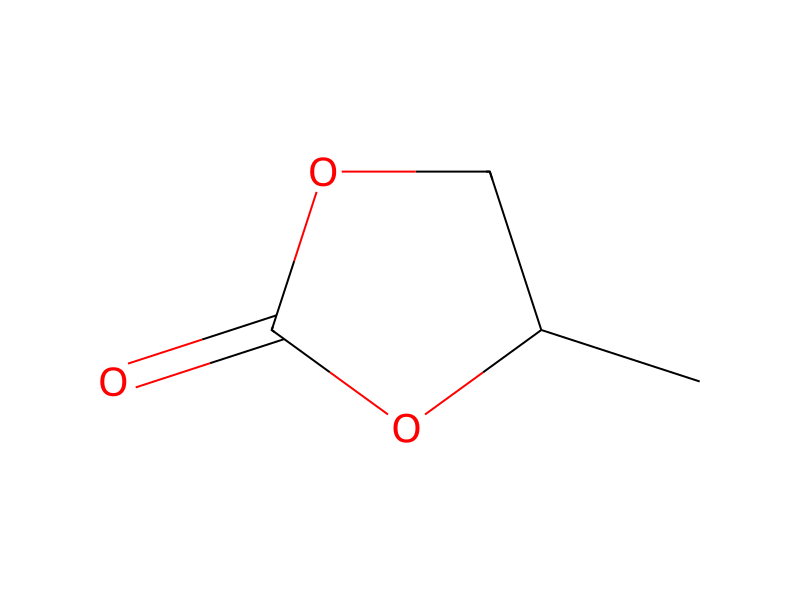
Standard SMILES
CC1COC(=O)O1
InChIKey
RUOJZAUFBMNUDX-UHFFFAOYSA-N
Molecular formula
C4H6O3
Average molar mass
102.09 g/mol
Monoisotopic mass
102.03169405

Overview

Propylene carbonate is an organic molecular entity.

Names & identifiers

Preferred name
Propylene Carbonate
IUPAC
4-methyl-1,3-dioxolan-2-one
English name
108-32-7
Molecular weight
0

Names & synonyms

PROPYLENE CARBONATE108-32-74-Methyl-1,3-dioxolan-2-one1,2-Propylene carbonate1,2-Propanediol cyclic carbonateArconate 5000Texacar PCCyclic propylene carbonate1,2-Propanediol carbonate1,3-Dioxolan-2-one, 4-methyl-Propylene glycol cyclic carbonateDipropylene carbonate
Show more names
1-Methylethylene carbonate1,2-Propanediyl carbonateCyclic 1,2-propylene carbonateCyclic methylethylene carbonate4-Methyl-2-oxo-1,3-dioxolaneCarbonic acid, propylene esterPropylenester kyseliny uhliciteDTXSID2026789

Database identifiers

CAS
108-32-7
PubChem CID
7924
DTXSID
DTXSID2026789
ChEMBL
CHEMBL1733973
ChEBI
CHEBI:231185
UNII
8D08K3S51E
EC Number
203-572-1
Nikkaji
J5.073C

Properties

Computed structural propertiesFilling in

XLogP
-0.4
Topological polar surface area
35.5 Ų
Hydrogen bond donors
0
Hydrogen bond acceptors
3
Rotatable bonds
0
Heavy atoms
7
Formal charge
0
Complexity
88.9

Experimental & physicochemical properties

Chemical ClassesOther Classes -> Other Organic Compounds
Cosmetics · 2 items

Cosmetic ingredients (Propylene Carbonate) -> CIR (Cosmetic Ingredient Review)

Viscosity controlling; Solvent

LogP · 2 items

log Kow = -0.41

-0.41

Odor · 2 items

Odorless

Weak odor

Density · 2 items

1.2047 g/cu cm at 20 °C

1.2047 @ 20°C

Color/Form · 2 items

Colorless liquid

Clear, colorless liquid

Solubility · 3 items

In water, 1.75X10+5 mg/L at 25 °C

Very soluble in ethanol, ether, acetone, benzene

Miscible with chloroform and ethyl acetate; moderately soluble in carbon tetrachloride

Flash Point · 2 items

116 °C (241 °F) - closed cup

275 °F (135 °C) (closed cup)

Safety & regulation

Safety information is for reference only and does not replace the supplier’s Safety Data Sheet (SDS), applicable regulations, or professional assessment.

GHS classification

GHS Classification · 6 items

Warning

H319: Causes serious eye irritation [Warning Serious eye damage/eye irritation]

P264+P265, P280, P305+P351+P338, and P337+P317 (click each P-code to see the statement)

This chemical does not meet GHS hazard criteria for < 0.1% (2 of 4143) of reports.

Warning

H319 (> 99.9%): Causes serious eye irritation [Warning Serious eye damage/eye irritation]

Hazard information

Regulatory Information · 4 items

Chemical: 1,3-Dioxolan-2-one, 4-methyl-

1,3-Dioxolan-2-one, 4-methyl- is listed on the EPA's Chemical Data Reporting (CDR) system. Manufacturers and importers of 1,3-Dioxolan-2-one, 4-methyl- are required to report information about their production and use of this chemical to the EPA under the Toxic Substances Control Act (TSCA). (40 eCFR Part 711)

Status: Active Update: 07-03-2023 https://echa.europa.eu/registration-dossier/-/registered-dossier/16088

Propylene carbonate: Does not have an individual approval but may be used under an appropriate group standard

Fire PotentialCombustible when exposed to heat or flame.
Hazards SummaryCauses somnolence in subcutaneous, lethal-dose studies of rats and mice; A moderate skin irritant; [RTECS] An irritant; [MSDSonline]
FDA RequirementsPropylene carbonate is an indirect food additive for use only as a component of adhesives.
Special Reports · 1 item

Anonymous; Final Report on the Safety Assessment of Propylene Carbonate. J Am Coll Toxicol 6 (1): 23-51 (1987). The toxicologic properties of propylene carbonate were reviewed, with emphasis on the use of propylene carbonate as a cosmetic ingredient. Topics included chemical properties, physical properties, and cosmetic and noncosmetic uses of propylene carbonate. Propylene carbonate has been used as a polar additive for montmorillonite or bentonite clay gellants, widely used as bases for antiperspirants, lipstick, skin cleansers, eye shadow, mascara, hair conditioners, and other products. ...

Chemistry & industry

Pharmacology

Absorption, Distribution and ExcretionA dermal absorption study using living skin from human donors indicated that propylene carbonate had permeability constants of /average (standard deviation)/ 0.7 (0.4) g/sq m/hr and 0.6 (0.3) cu cm/sq m/hr.

Uses & manufacturing

Uses · 6 items

CIR ingredient: Propylene Carbonate

Used for carbon dioxide recovery and solvent extraction; Also used in lithium batteries, as a plasticizer, in natural gas purification, and as a synthetic fiber spinning solvent; [HSDB] Used as a solvent in surface coatings, paint removers, cosmetics, personal care products, cleaners, degreasers, dyes, fibers, plastics, wood-binder resins, and photochromic solutions; Also used as a solvent to bake enamels, a reactive diluent for urethanes and epoxy resins, a dispersant for lubricants and greases, a binder for foundry sand and moulds, a cleaner in electronics, and as a water scavenger; [CHEMINFO]

Molding and Core Making [Category: Foundry]

Ceramics making [Category: Hobbies]

Propylene carbonate is used in paints as a high-boiling solvent and film-forming auxiliary, especially in poly(vinyl fluoride) and poly(vinylidene fluoride) systems. It is also employed as an auxiliary in the pigment and dye industry.

Solvent extraction, plasticizer, organic synthesis, natural gas purification, synthetic fiber spinning solvent.

U.S. Production · 3 items

2023: 10,000,000 - <25,000,000 lb

1,3-Dioxolan-2-one, 4-methyl- is listed as a High Production Volume (HPV) chemical (65FR81686). Chemicals listed as HPV were produced in or imported into the U.S. in >1 million pounds in 1990 and/or 1994. The HPV list is based on the 1990 Inventory Update Rule. (IUR) (40 CFR part 710 subpart B; 51FR21438).

Non-confidential 2012 Chemical Data Reporting (CDR) information on the production and use of chemicals manufactured or imported into the United States. Chemical: 1,3-Dioxolan-2-one, 4-methyl-. National Production Volume: 39,559,833 lb/yr.

Consumer UsesMonomers

Related reactions

299 records
New reaction record
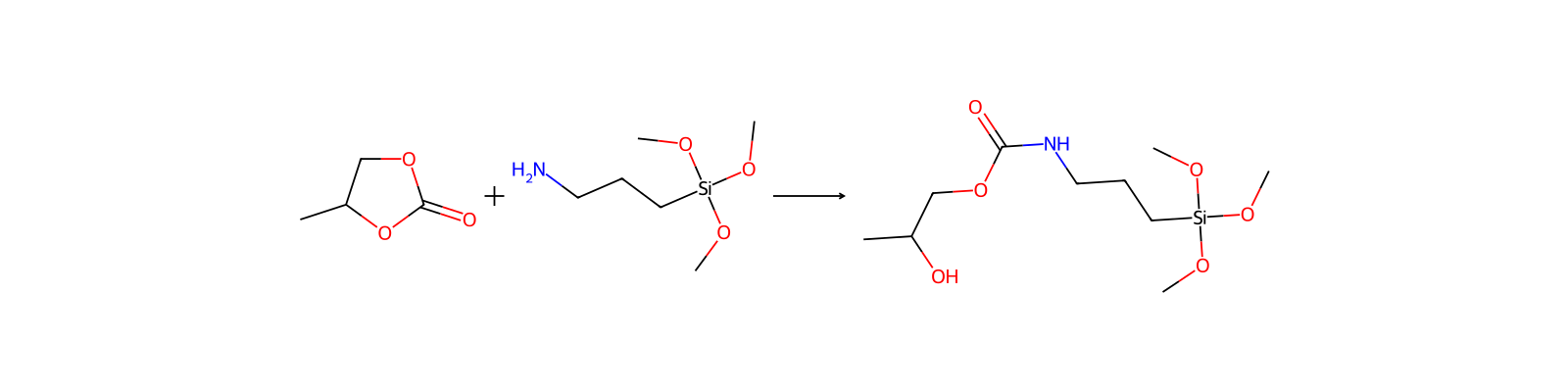
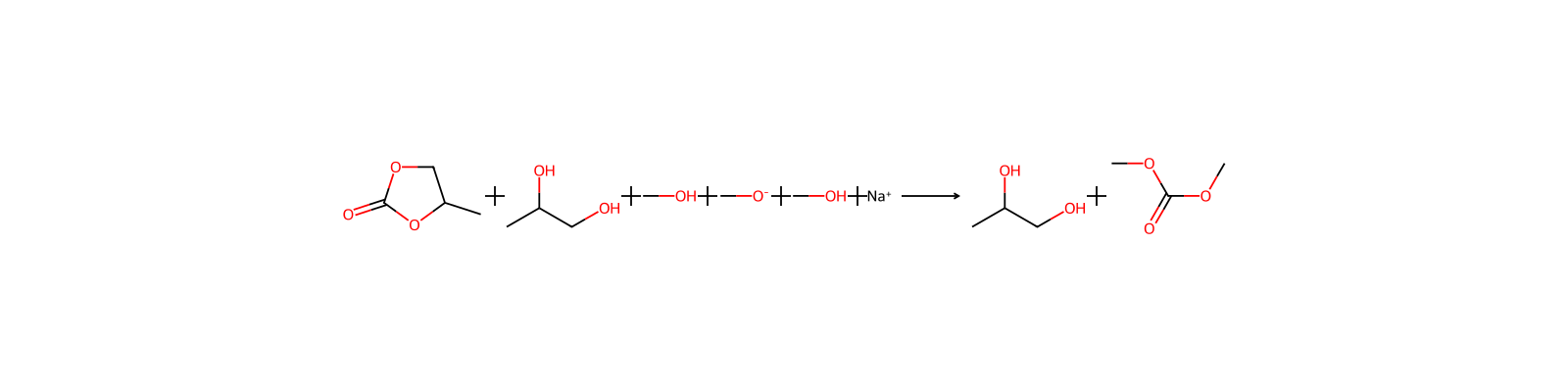
HRID 7194 reaction equation
HRID 7194As solventuspto-grants-2006_08
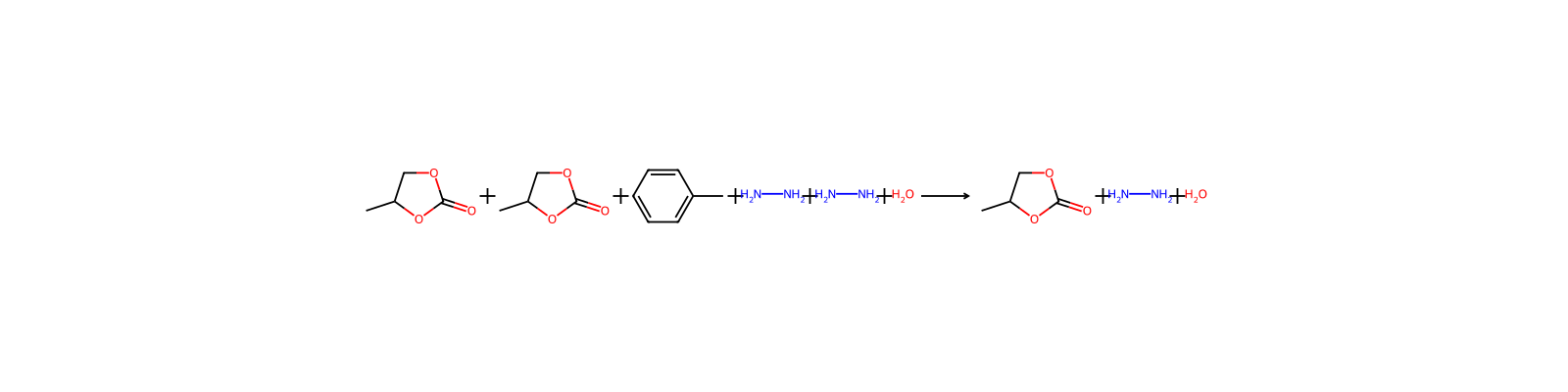
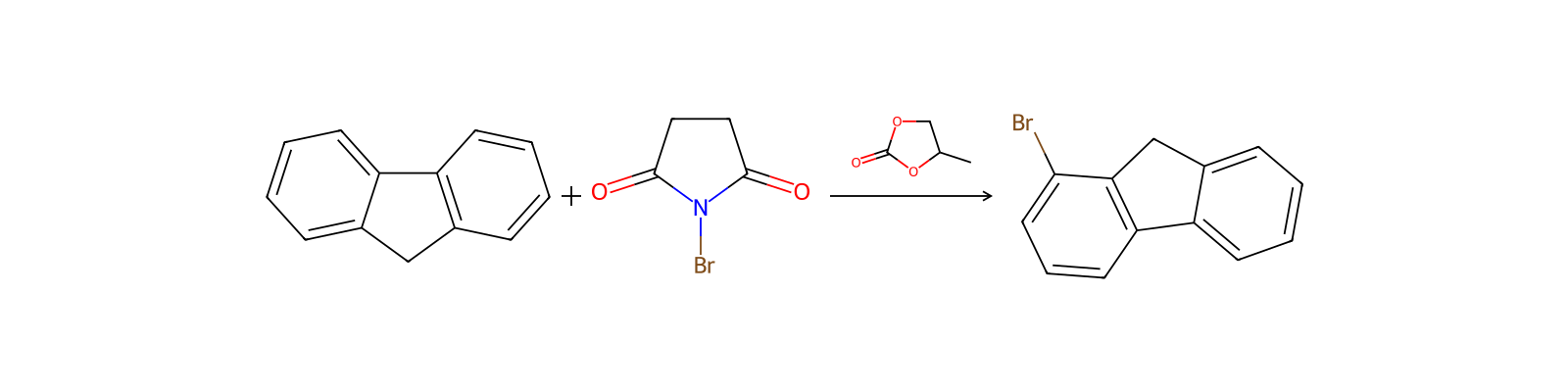
HRID 57311 reaction equation
HRID 57311As solventuspto-grants-2016_09
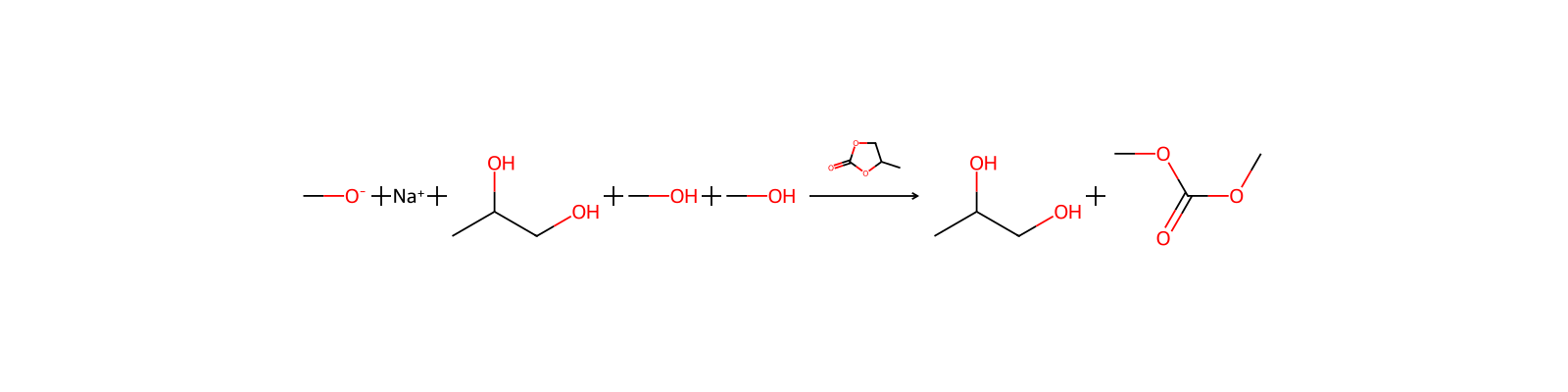
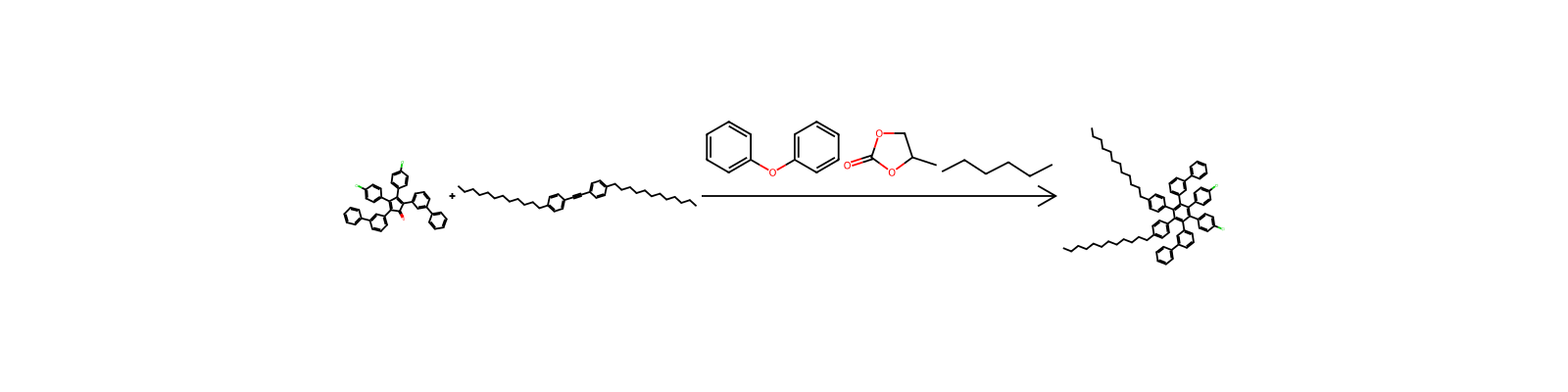
HRID 91565 reaction equation
HRID 91565As reactantTraining data from https://doi.org/10.1039/C8SC04228D (2/10)
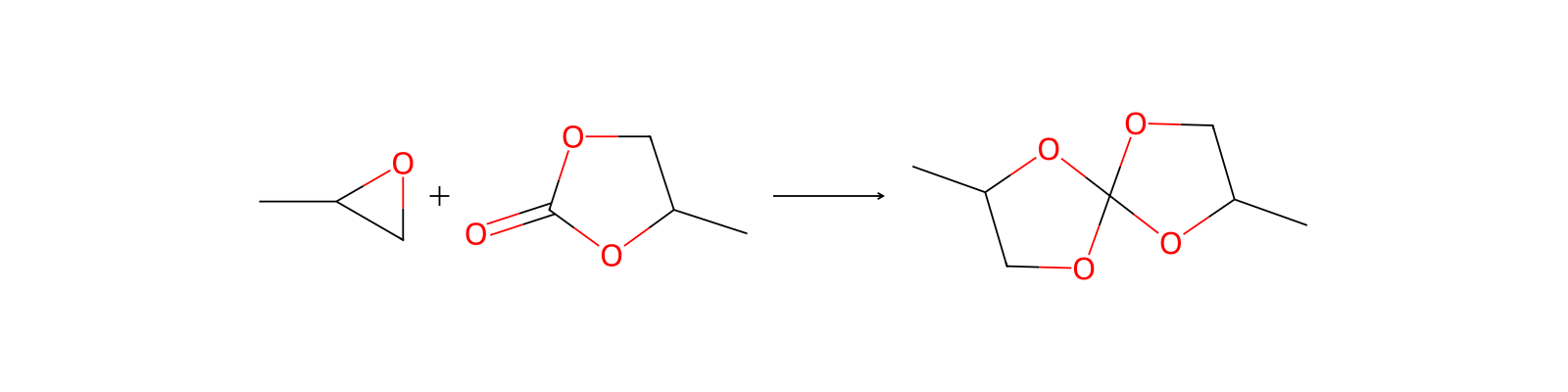
HRID 205699 reaction equation
HRID 205699As productAs reactantTraining data from https://doi.org/10.1039/C8SC04228D (6/10)
HRID 229895 reaction equation
HRID 229895As solventuspto-grants-2009_07
HRID 231894 reaction equation
HRID 231894As reactantuspto-grants-1989_07
HRID 291892 reaction equation
HRID 291892As reactantTraining data from https://doi.org/10.1039/C8SC04228D (8/10)
HRID 327270 reaction equation
HRID 327270As solventuspto-grants-1993_12
Page 1 of 38

Compound notes

Loading…

On this pageBasic informationOverviewNames & identifiersPropertiesSafety & regulationChemistry & industryRelated reactionsCompound notes
More actions
New noteNew reactionRequest quotes
Animal DrugsPharmaceuticals -> UK Veterinary Medicines Directorate List
Boiling Point · 2 items

241.6 °C

242 °C @760 [mm Hg]

DecompositionWhen heated to decomposition it emits acrid smoke and irritating fumes.
Melting Point · 2 items

-48.8 °C

-48.8 °C

Physicochemical properties

Melting point
-48.8 °C · -48.8 °C
Boiling point
242 °C · 242 °C
Density
1.2047 g/cm3 · 1.2047 g/cm3
EPA Safer ChemicalChemical: Propylene carbonate
FIFRA Requirements · 1 item

Unless specifically excluded, residues resulting from the use of the following substance as either an inert or an active ingredient in a pesticide chemical formulation, including antimicrobial pesticide chemicals, is exempted from the requirement of a tolerance under FFDCA section 408, if such use is in accordance with good agricultural or manufacturing practices. 1,3-Dioxolan-2-one, 4-methyl- is included on this list.

NFPA Hazard Classification · 3 items

1 - Materials that, under emergency conditions, can cause significant irritation.

1 - Materials that must be preheated before ignition can occur. Materials require considerable preheating, under all ambient temperature conditions, before ignition and combustion can occur.

1 - Materials that in themselves are normally stable but that can become unstable at elevated temperatures and pressures.

Toxic Combustion ProductsSpecial hazards arising from the substance or mixture: Carbon oxides.
Hazard Classes and Categories · 4 items

Eye Irrit. 2 (> 99.9%)

Eye irritation - category 2

Serious eye damage/eye irritation - Category 2A

Eye Irrit. 2

Explosive Limits and PotentialUpper explosion limit: 14.3 %(V); Lower explosion limit: 1.8 %(V)
Skin, Eye, and Respiratory IrritationsA human skin irritant. An eye irritant.

Safety & protection

Exposure Control and Personal Protection2.0 [ppm]
Fire Fighting Procedures · 3 items

Suitable extinguishing media: Use water spray, alcohol-resistant foam, dry chemical or carbon dioxide.

Advice for firefighters: Wear self-contained breathing apparatus for firefighting if necessary.

Water or foam may cause frothing.

Storage ConditionsConditions for safe storage, including any incompatibilities: Keep container tightly closed in a dry and well-ventilated place. Moisture sensitive. Storage class (TRGS 510): Combustible liquids.
Cleanup Methods · 1 item

ACCIDENTAL RELEASE MEASURES: Personal precautions, protective equipment and emergency procedures: Use personal protective equipment. Avoid breathing vapors, mist or gas. Ensure adequate ventilation.; Environmental precautions: Do not let product enter drains.; Methods and materials for containment and cleaning up: Soak up with inert absorbent material and dispose of as hazardous waste. Keep in suitable, closed containers for disposal.

Disposal Methods · 2 items

SRP: Recycle any unused portion of the material for its approved use or return it to the manufacturer or supplier. Ultimate disposal of the chemical must consider: the material's impact on air quality; potential migration in air, soil or water; effects on animal, aquatic and plant life; and conformance with environmental and public health regulations. If it is possible or reasonable use an alternative chemical product with less inherent propensity for occupational harm/injury/toxicity or environmental contamination.

Product Offer surplus and non-recyclable solutions to a licensed disposal company. Contact a licensed professional waste disposal service to dispose of this material. Contaminated packaging: Dispose of as unused product.

Preventive Measures · 4 items

Precautions for safe handling: Avoid contact with skin and eyes. Avoid inhalation of vapor or mist.

Appropriate engineering controls: Handle in accordance with good industrial hygiene and safety practice. Wash hands before breaks and at the end of workday.

Gloves must be inspected prior to use. Use proper glove removal technique (without touching glove's outer surface) to avoid skin contact with this product. Dispose of contaminated gloves after use in accordance with applicable laws and good laboratory practices. Wash and dry hands.

SRP: The scientific literature for the use of contact lenses by industrial workers is inconsistent. The benefits or detrimental effects of wearing contact lenses depend not only upon the substance, but also on factors including the form of the substance, characteristics and duration of the exposure, the uses of other eye protection equipment, and the hygiene of the lenses. However, there may be individual substances whose irritating or corrosive properties are such that the wearing of contact lenses would be harmful to the eye. In those specific cases, contact lenses should not be worn. In any event, the usual eye protection equipment should be worn even when contact lenses are in place.

Allowable Tolerances · 1 item

Unless specifically excluded, residues resulting from the use of the following substance as either an inert or an active ingredient in a pesticide chemical formulation, including antimicrobial pesticide chemicals, is exempted from the requirement of a tolerance under FFDCA section 408, if such use is in accordance with good agricultural or manufacturing practices. 1,3-Dioxolan-2-one, 4-methyl- is included on this list.

Protective Action Criteria (PAC) · 3 items

34 [mg/m3]

370 [mg/m3]

2,200 [mg/m3]

Personal Protective Equipment (PPE) · 4 items

Eye/face protection: Safety glasses with side-shields conforming to EN166. Use equipment for eye protection tested and approved under appropriate government standards such as NIOSH (US) or EN 166(EU).

Skin protection: Handle with gloves.

Body Protection: Impervious clothing. The type of protective equipment must be selected according to the concentration and amount of the dangerous substance at the specific workplace.

Respiratory protection: Where risk assessment shows air-purifying respirators are appropriate use a full-face respirator with multipurpose combination (US) or type ABEK (EN 14387) respirator cartridges as a backup to engineering controls. If the respirator is the sole means of protection, use a full-face supplied air respirator. Use respirators and components tested and approved under appropriate government standards such as NIOSH (US) or CEN (EU).

Toxicology

Environmental Fate · 3 items

TERRESTRIAL FATE: Based on a classification scheme(1), an estimated Koc value of 5(SRC), determined from a structure estimation method(2), indicates that propylene carbonate is expected to have very high mobility in soil(SRC). Volatilization of propylene carbonate from moist soil surfaces is not expected to be an important fate process(SRC) given an estimated Henry's Law constant of 3.5X10⁻⁸ atm-cu m/mole(SRC), based upon its vapor pressure, 0.045 mm Hg(3), and water solubility, 1.75X10+5 mg/L(4). Propylene carbonate is not expected to volatilize from dry soil surfaces(SRC) based upon its vapor pressure(3). A 79% of theoretical BOD using activated sludge in the Japanese MITI test(5) suggests that biodegradation is an important environmental fate process in soil(SRC).

AQUATIC FATE: Based on a classification scheme(1), an estimated Koc value of 5(SRC), determined from a structure estimation method(2), indicates that propylene carbonate is not expected to adsorb to suspended solids and sediment(SRC). Volatilization from water surfaces is not expected(3) based upon an estimated Henry's Law constant of 3.5X10⁻⁸ atm-cu m/mole(SRC), derived from its vapor pressure, 0.045 mm Hg(4), and water solubility, 1.75X10+5 mg/L(5). Propylene carbonate may undergo hydrolysis in the environment due to functional groups that hydrolyze under environmental conditions(3). According to a classification scheme(6), an estimated BCF of 3(SRC), from its log Kow of -0.41(7) and a regression-derived equation(2), suggests the potential for bioconcentration in aquatic organisms is low(SRC). A 79% of theoretical BOD using activated sludge in the Japanese MITI test(8) suggests that biodegradation is an important environmental fate process in water(SRC).

ATMOSPHERIC FATE: According to a model of gas/particle partitioning of semivolatile organic compounds in the atmosphere(1), propylene carbonate, which has a vapor pressure of 0.045 mm Hg at 25 °C(2), is expected to exist solely as a vapor in the ambient atmosphere. Vapor-phase propylene carbonate is degraded in the atmosphere by reaction with photochemically-produced hydroxyl radicals(SRC); the half-life for this reaction in air is estimated to be 4 days(SRC), calculated from its rate constant of 3.8X10⁻¹² cu cm/molecule-sec at 25 °C(SRC) that was derived using a structure estimation method(3). Propylene carbonate contains chromophores that absorb at wavelengths >290 nm(4) and, therefore, may be susceptible to direct photolysis by sunlight(SRC).

Adverse EffectsNeurotoxin - Acute solvent syndrome
Toxicity Summary · 2 items

Safe in the present practices of use and concentration. Ingredient, concentration, and use information are available in documents discoverable at https://cir-reports.cir-safety.org

IDENTIFICATION AND USE: PROPYLENE CARBONATE is a colorless liquid. Propylene carbonate is used in paints as a high-boiling solvent and film-forming auxiliary, especially in poly(vinyl fluoride) and poly(vinylidene fluoride) systems. It is also employed as an auxiliary in the pigment and dye industry. It is also used In lithium batteries, to decrease sulfur dioxide vapor pressure and increase electrolyte solubility and ionic conductivity. HUMAN EXPOSURE AND TOXICITY: In clinical studies, undiluted propylene carbonate caused moderate skin irritation, whereas 5 and 10% propylene carbonate in aqueous solution produced no skin irritation or sensitization. Cosmetic products or gels containing 0.54-20% propylene carbonate were essentially nonsensitizing and, at most, moderately irritating to human skin. Products formulated with 1.51-20% propylene carbonate were generally nonphototoxic and nonphotosensitizing. However, one product containing 20% propylene carbonate may have produced a low level photoallergic reaction in 1 of 25 subjects tested. ANIMAL STUDIES: The undiluted material was a slight irritant to the skin and a moderate irritant to the rabbit eye. In an acute dermal toxicity study, slight erythema was noted on the abraded skin of rabbits treated with 2 mg/kg of undiluted propylene carbonate; however, no lesions were observed at necropsy. Daily application of 10.5 or 17.5% propylene carbonate in physiological saline to the skin of rats for 1 month produced hyperkeratosis and an increase in the number of basal epithelial cells at the treatment site. Gavage studies in rats for 90 days at concentrations of up to 5,000 mg/kg/d did not induce any significant toxic effects. No systemic toxicity was reported in rats exposed to 100, 500, or 1,000 mg/cu m of aerosol propylene carbonate over a 90-day period. It was found in rat experiments that oral exposure at concentrations up to 5,000 mg/kg/d did not induce developmental toxicity; however, some maternal toxicity was observed in the high-dose group (decreased body weight gain and food consumption). Propylene carbonate was negative for mutagenicity in the Ames Salmonella/Microsome Liquid Pre-incubation Assay, and negative for genotoxicity in the Rat Hepatocyte Primary Culture/DNA Repair Test.

Ongoing Test Status · 1 item

EPA has released the first beta version (version 0.5) of the Interactive Chemical Safety for Sustainability (iCSS) Dashboard. The beta version of the iCSS Dashboard provides an interactive tool to explore rapid, automated (or in vitro high-throughput) chemical screening data generated by the Toxicity Forecaster (ToxCast) project and the federal Toxicity Testing in the 21st century (Tox21) collaboration. /The title compound was tested by ToxCast and/or Tox21 assays; Click on the "Chemical Explorer" button on the tool bar to see the data./[USEPA; ICSS Dashboard Application; Available from, as of April 22, 2015: http://actor.epa.gov/dashboard/]

Soil Adsorption/Mobility · 1 item

Using a structure estimation method based on molecular connectivity indices(1), the Koc of propylene carbonate can be estimated to be 5(SRC). According to a classification scheme(2), this estimated Koc value suggests that propylene carbonate is expected to have very high mobility in soil.

Human Toxicity Excerpts · 2 items

/HUMAN EXPOSURE STUDIES/ In clinical studies, undiluted propylene carbonate caused moderate skin irritation, whereas 5 and 10% propylene carbonate in aqueous solution produced no skin irritation or sensitization.

/OTHER TOXICITY INFORMATION/ Cosmetic products or gels containing 0.54-20% propylene carbonate were essentially nonsensitizing and, at most, moderately irritating to human skin. Products formulated with 1.51-20% propylene carbonate were generally nonphototoxic and nonphotosensitizing. However, one product containing 20% propylene carbonate may have produced a low level photoallergic reaction in 1 of 25 subjects tested.

Artificial Pollution SourcesPropylene carbonate's production and use as a plasticizer(1), in natural gas purification(1), as a chemical intermediate(1), and in lithium batteries(2) may result in its release to the environment through various waste streams(SRC).
Environmental Biodegradation · 1 item

AEROBIC: Propylene carbonate, present at 100 mg/L, reached 79% of its theoretical BOD in 4 weeks using an activated sludge inoculum at 30 mg/L in the Japanese MITI test(1). Propylene carbonate was biodegraded 80% in a manostatic respirometer screening study using seed from a wastewater treatment plant during a 10 day incubation period(2).

Environmental Bioconcentration · 1 item

An estimated BCF of 3 was calculated in fish for propylene carbonate(SRC), using a log Kow of -0.41(1) and a regression-derived equation(2). According to a classification scheme(3), this BCF suggests the potential for bioconcentration in aquatic organisms is low(SRC).

Volatilization from Water/Soil · 1 item

The Henry's Law constant for propylene carbonate is estimated as 3.5X10⁻⁸ atm-cu m/mole(SRC) derived from its vapor pressure, 0.045 mm Hg(1), and water solubility, 1.75X10+5 mg/L(2). This Henry's Law constant indicates that propylene carbonate is expected to be essentially nonvolatile from water and moist soil surfaces(3). Propylene carbonate is not expected to volatilize from dry soil surfaces(SRC) based upon its vapor pressure(1).

Non-Human Toxicity Excerpts · 5 items

/LABORATORY ANIMALS: Acute Exposure/ In an acute dermal toxicity study, slight erythema was noted on the abraded skin of rabbits treated with 2 mg/kg of undiluted propylene carbonate; however, no lesions were observed at necropsy.

/LABORATORY ANIMALS: Acute Exposure/ Inhalation of concentrated /propylene carbonate/ vapor for 8 hr was not lethal to rats. The undiluted material was a slight irritant to the skin and a moderate irritant to the rabbit eye.

/LABORATORY ANIMALS: Subchronic or Prechronic Exposure/ Daily application of 10.5 or 17.5% propylene carbonate in physiological saline to the skin of rats for 1 month produced hyperkeratosis and an increase in the number of basal epithelial cells at the treatment site.

/LABORATORY ANIMALS: Subchronic or Prechronic Exposure/ Sprague-Dawley rats were given 1,000, 3,000, and 5,000 mg/kg/d of propylene carbonate (PC) by gavage for 90 days. A control group was given deionized water. In addition, a high-dose recovery group was included to determine the persistence and reversibility of any toxic effects. The recovery group was followed from day 90 of the study through day 118. Thirty rats per group (15 of each sex) and 20 rats in the recovery group were studied. An interim sacrifice of 10 rats per group, excluding the recovery group, was conducted on day 30. At sacrifice, all animals were necropsied and grossly examined. Blood sample were collected for clinical chemistry and hematology measurements, and an ophthalmological examination was performed. A full screen of potential target organ tissues was fixed for histopathological examination. No consistent dose-related findings were reported following necropsy or histopathological examination. Results of the test showed that PC at concentrations of up to 5,000 mg/kg/d did not induce any significant toxic effects.

For more Non-Human Toxicity Excerpts (Complete) data for PROPYLENE CARBONATE (7 total), please visit the HSDB record page.

Environmental Abiotic Degradation · 1 item

The rate constant for the vapor-phase reaction of propylene carbonate with photochemically-produced hydroxyl radicals has been estimated as 3.8X10⁻¹² cu cm/molecule-sec at 25 °C(SRC) using a structure estimation method(1). This corresponds to an atmospheric half-life of about 4 days at an atmospheric concentration of 5X10+5 hydroxyl radicals per cu cm(1). Propylene carbonate may undergo hydrolysis in the environment because it contains functional groups that hydrolyze under environmental conditions(2). Propylene carbonate contains chromophores that absorb at wavelengths >290 nm(2) and, therefore, may be susceptible to direct photolysis by sunlight(SRC).

Regulatory information

FDA RequirementsPropylene carbonate is an indirect food additive for use only as a component of adhesives.
FIFRA Requirements · 1 item

Unless specifically excluded, residues resulting from the use of the following substance as either an inert or an active ingredient in a pesticide chemical formulation, including antimicrobial pesticide chemicals, is exempted from the requirement of a tolerance under FFDCA section 408, if such use is in accordance with good agricultural or manufacturing practices. 1,3-Dioxolan-2-one, 4-methyl- is included on this list.

Industry Uses
Dispersing agent
Methods of Manufacturing · 2 items

The most important and versatile method for producing carbonates is the phosgenation of hydroxy compounds. ... Over the past 20 years, the trend is to manufacture carbonates without the use of phosgene. This method has the advantage of avoiding the use of highly toxic phosgene as well as considerably lower cost. The catalytic insertion of CO2 with oxiranes directly provides the five-membered cyclic carbonate. Oxiranes such as ethylene oxide and propylene oxide undergo insertion at ~150-175 °C under pressure with the aid of a quaternary ammonium salt catalyst to yield ethylene carbonate and propylene carbonate, respectively.

PO /propylene oxide/ reacts with ... carbon dioxide to form propylene carbonate.

Household ProductsInformation on 106 consumer products that contain Propylene carbonate in the following categories is provided:
Use Classification · 3 items

EPA Safer Chemical Functional Use Classes -> Solvents

Safer Chemical Classes -> Green circle - The chemical has been verified to be of low concern

Cosmetics -> Viscosity controlling; Solvent

General Manufacturing Information · 3 items

Fabricated Metal Product Manufacturing

1,3-Dioxolan-2-one, 4-methyl-: ACTIVE

Listed as an ingredient found in approximately 50 personal care products including make-up and antiperspirant