
3-Hydroxypyridine

Basic information
- CAS
109-00-2- Standard SMILES
Oc1cccnc1- InChIKey
GRFNBEZIAWKNCO-UHFFFAOYSA-N- Molecular formula
- C5H5NO
- Average molar mass
- 95.1 g/mol
- Monoisotopic mass
- 95.03711378
Overview
3-pyridinol is a monohydroxypyridine that is pyridine in which the hydrogen at position 3 has been replaced by a hydroxy group. It has been detected as a thermal degradation product from the smoke of the burning leaves of Salvia divinorum, a Mexican psychoactive plant.
Names & identifiers
- Preferred name
- 3-Hydroxypyridine
- IUPAC
- pyridin-3-ol
- English name
- 3-Hydroxypyridine
- Molecular formula
- C5H5NO
- Molecular weight
- 95.1
Names & synonyms
3-HYDROXYPYRIDINEpyridin-3-ol109-00-23-Pyridinol3-Pyridolbeta-Hydroxypyridinem-Hydroxypyridine4KBE4P5B6SNSC-18470DTXSID1051563CHEBI:87440RefChem:94397
Show more names
3-HP2(1H)-PYRIDONEpyridin-3(4H)-oneNSC 184702-PYRIDONB-PYRIDONE
DTXCID5030115203-637-43-Pyridone3-Oxopyridine3-Pyridyl alcohol3-hydroxy-pyridineMFCD00006378.beta.-Hydroxypyridine
Database identifiers
- CAS
109-00-2- PubChem CID
- 7971
- DTXSID
DTXSID1051563- ChEMBL
CHEMBL237847- ChEBI
CHEBI:87440- UNII
- 4KBE4P5B6S
- EC Number
- 203-637-4
- Nikkaji
- J1.202.743E、J94.858F
Properties
Computed structural properties
- XLogP
- 0.5
- Topological polar surface area
- 33.1 Ų
- Hydrogen bond donors
- 1
- Hydrogen bond acceptors
- 2
- Rotatable bonds
- 0
- Heavy atoms
- 7
- Formal charge
- 0
- Complexity
- 56
Experimental & physicochemical properties
Chemical Classes
Nitrogen Compounds -> Pyridines
Industrial compound
SpringerMaterials PropertiesChemical shift
LogP0.48
Vapor Pressure0.55 [mmHg]
Physical DescriptionLight tan powder; [Alfa Aesar MSDS]
Ionization Efficiency
Positive
2.76
2.7
Agilent XCT
Electrospray ionization
formic acid (5.3nM)
Collision Cross Section117.3 Ų [M+H]+ [CCS Type: DT; Buffer gas: N2; Ionization: ESI+; Dataset: TOXCAST; Source Identifier: DTXSID1051563]
Physicochemical properties
- Melting point
- 125 · 125-128 °C (lit.)
Safety & regulation
Safety information is for reference only and does not replace the supplier’s Safety Data Sheet (SDS), applicable regulations, or professional assessment.
GHS classification
GHS Classification
This chemical does not meet GHS hazard criteria for 5.2% (3 of 58) of reports.
Warning
H315 (94.8%): Causes skin irritation [Warning Skin corrosion/irritation]
P261, P264, P264+P265, P271, P280, P302+P352, P304+P340, P305+P351+P338, P319, P321, P332+P317, P337+P317, P362+P364, P403+P233, P405, and P501 (click each P-code to see the statement)
Aggregated GHS information provided per 58 reports by companies from 13 notifications to the ECHA C&L Inventory. Each notification may be associated with multiple companies.
Hazard information
Regulatory Information
Chemical: 3-Pyridinol
Status: Active Update: 16-05-2018 https://echa.europa.eu/registration-dossier/-/registered-dossier/19717
3-Pyridinol: Does not have an individual approval but may be used under an appropriate group standard
Hazards SummaryCauses anticonvulsant effects in acute intraperitoneal studies of mice; Causes altered sleep time and changes in motor activity in lethal-dose studies; [RTECS] A skin and strong eye irritant; [Alfa Aesar MSDS] See 2-Hydroxypyridine.
Hazard Classes and CategoriesSkin Irrit. 2 (94.8%)
Toxicology
Adverse EffectsNeurotoxin - Other CNS neurotoxin
Safety data
- F
- 8
- PPE
- dust mask type N95 (US), Eyeshields, Gloves
Chemistry & industry
Pharmacology
MeSH Pharmacological ClassificationNaturally occurring or synthetic substances that inhibit or retard oxidation reactions. They counteract the damaging effects of oxidation in animal tissues.
Uses & manufacturing
General Manufacturing Information3-Pyridinol: ACTIVE
Applications
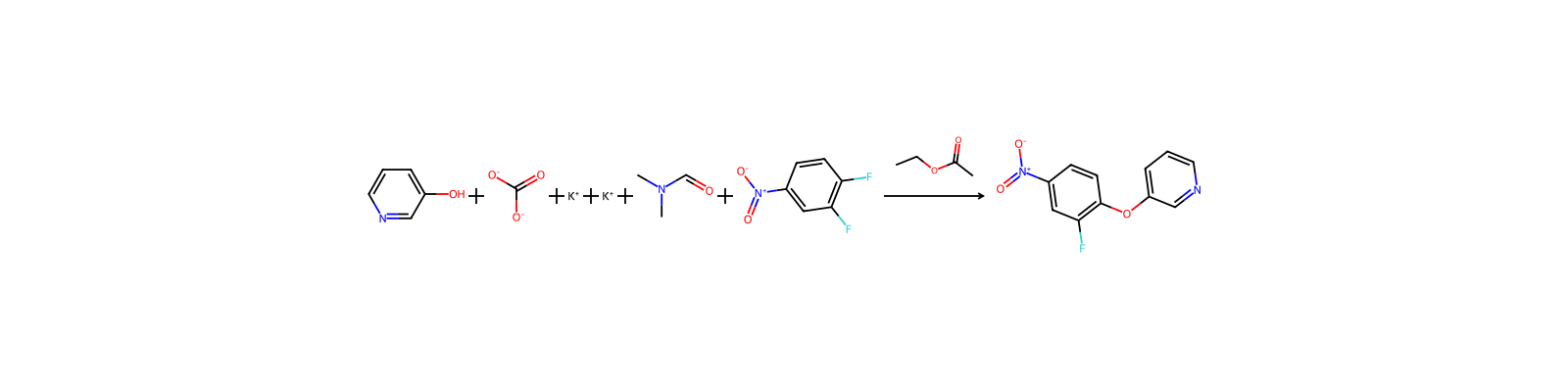
Uses3-Hydroxypyridine (cas# 109-00-2) is a compound useful in organic synthesis.
Preparation methods
Preparation3-hydroxypyridine was prepared by reacting furfurylamine with H2O2 in the presence of HCl, followed by hydrolysis. The optimal conditions were found as fellows: molar ratio of furfurylamine: HCl : H2O2 = 1 : 5 : 1.1, and H2O2 added dropwisely at 0-5 °C, and then refluxed at 100-105 °C for 0.5 h.
Upstream & downstream products
Upstream raw materials
Downstream products
Related reactions
506 records



Compound notes
Loading…