HomeMCPWorkbenchSkills
HomeWorkbenchNotificationsMe
llms.txt · MCP GuidePrivacy Policy · Terms of Service · Supportv1.8.0
  1. Home
  2. /Compound

Indole

HCID 798
New noteNew reactionRequest quotes
Print preview

Completing data — refresh the page later to see the latest

Basic informationOverviewNames & identifiersPropertiesSafety & regulationChemistry & industryRelated reactionsCompound notes
Substructure searchFind similar structures

Basic information

CAS
120-72-9
Standard SMILES
c1ccc2[nH]ccc2c1
InChIKey
SIKJAQJRHWYJAI-UHFFFAOYSA-N
Molecular formula
C8H7N
Average molar mass
117.15 g/mol
Monoisotopic mass
117.05784923

Overview

1H-indole is an indole and a polycyclic heteroarene. It has a role as an Escherichia coli metabolite. It is a tautomer of a 3H-indole.

Names & identifiers

Preferred name
Indole
IUPAC
1H-indole
English name
Indole
Molecular formula
C8H7N
Molecular weight
117.15

Names & synonyms

indole1H-Indole120-72-92,3-BenzopyrroleIndolBenzopyrrole1-Azaindene1-BenzazoleKetoleFEMA No. 2593DTXSID00207378724FJW4M5
Show more names
FEMA 2593Benzazole1H-IndolIndole-15N
NSC-1964DTXCID40737CHEBI:16881Indole, 3-Benzopyrrole, 1-benzazoleRefChem:5904CHEBI:22728CHEBI:35581204-420-7

Database identifiers

CAS
120-72-9
PubChem CID
798
DTXSID
DTXSID0020737
ChEMBL
CHEMBL15844
ChEBI
CHEBI:16881
UNII
8724FJW4M5
EC Number
204-420-7
Nikkaji
J2.920C

Properties

Computed structural propertiesFilling in

XLogP
2.1
Topological polar surface area
15.8 Ų
Hydrogen bond donors
1
Hydrogen bond acceptors
0
Rotatable bonds
0
Heavy atoms
9
Formal charge
0
Complexity
101

Experimental & physicochemical properties

Chemical Classes · 2 items

Nitrogen Compounds -> Indoles

Waste-water effluent contaminant

DrugsPharmaceuticals -> Listed in ZINC15
SpringerMaterials Properties15N nuclear magnetic resonance spectrum
FragrancesFragrance Ingredient (Indole) -> IFRA transparency List
LogP · 3 items

Log P= 2.14

2.14

2.27

Odor · 3 items

ALMOST FLORAL ODOR WHEN HIGHLY PURIFIED, OTHERWISE EXHIBITS CHARACTERISTIC ODOR OF FECES

Unpleasant odor in high concentration but pleasant in dilute solution.

Light jasmine odor

Food AdditivesFLAVORING AGENT OR ADJUVANT -> FDA Substance added to food
Density1.22 g/cu cm at 25 °C
Flavoring AgentsEU Flavoring substances

Safety & regulation

Safety information is for reference only and does not replace the supplier’s Safety Data Sheet (SDS), applicable regulations, or professional assessment.

GHS classification

GHS Classification · 6 items

Danger

H302 (100%): Harmful if swallowed [Warning Acute toxicity, oral]

P262, P264, P264+P265, P270, P280, P301+P317, P302+P352, P305+P354+P338, P316, P317, P321, P330, P361+P364, P405, and P501 (click each P-code to see the statement)

Aggregated GHS information provided per 1996 reports by companies from 22 notifications to the ECHA C&L Inventory. Each notification may be associated with multiple companies.

Danger

H302: Harmful if swallowed [Warning Acute toxicity, oral]

Hazard information

Regulatory Information · 5 items

Chemical: 1H-Indole

Commission Regulation (EC) No 1565/2000 (Repealed by Com. Implementing Reg. (EU) No 872/2012)

1H-Indole is listed on the EPA's Chemical Data Reporting (CDR) system. Manufacturers and importers of 1H-Indole are required to report information about their production and use of this chemical to the EPA under the Toxic Substances Control Act (TSCA). (40 eCFR Part 711)

REACH registered substance: Indole (EC: 204-420-7)

1H-Indole: Does not have an individual approval but may be used under an appropriate group standard

Other Safety InformationEvaluation - Chemicals that are unlikely to require further regulation to manage risks to environment
Hazards SummaryExternal application to rabbit eyes scored 8 on a scale of 1-10 (10 being most severe) for degree of injury after 24 hours; [HSDB] Safe when used as a flavoring agent in food; [JECFA] A severe eye irritant; [RTECS]
Hazard Classes and Categories · 2 items

Acute Tox. 4 (100%)

Acute toxicity (Oral) - Category 4

Safety & protection

Chemistry & industry

Pharmacology

Mechanism of Action · 1 item

The effects of heterocyclic cmpd on hepatic xenobiotic metabolizing enzymes were studied in mice. Female CD-1 mice were admin 5 u mol/kg coumarin, trimethylene oxide (TMO), or trimethylene sulfide (TMS) for 6 days by gavage, or benzofuran, indole, or indole-3-carbinol (IC) daily for 10 days. Animals were /sacrificed/ 1 or 2 days after the last dose; livers were removed and assayed for epoxide hydrolase, glutathione-S-transferase (GST), reduced NADH-quinone-reductase (NADH/QR), glucose-6-phosphate-dehydrogenase (G6PDH), glutathione-reductase (GSSG-red), uridine-diphosphate-glucose-dehydrogenase (UDPGDH), aniline-hydroxylase, 7-ethoxycoumarin-deethylase (ECOD), and cytochrome-c-reductase (cyt-c-red) activities, and cytochrome p450. All cmpd except indole, significantly enhanced epoxide hydrolase activity. GST activities were elevated by all cmpd except TMO and TMS. NADH/QR activity was incr only by coumarin and benzofuran. Indole incr only GST, UDPGDH and cyt-c-red activities. IC enhanced GST, UDPGDH, cyt-c-red, epoxide hydrolase and cytochrome p450 and related monooxygenase activities. Benzofuran and coumarin showed more varied responses. Both cmpd incr epoxide hydrolase, GST and NADH/QR activities. Benzofuran decr cytochrome p450 content and elevated ECOD activity.

Metabolism/Metabolites · 6 items

INDOLE UNDERGOES SCISSION OF PYRROLE RING TO YIELD N-FORMYLANTHRANILIC ACID, AN UNSTABLE COMPD WHICH DECOMP INTO ANTHRANILIC ACID & FORMIC ACID. INDOLE IS FIRST HYDROXYLATED TO GIVE INDOXYL & THEN ISATIN, & IT IS PROBABLY LATTER WHICH UNDERGOES HYDROLYTIC RING OPENING.

...INDOLE IS METABOLIZED BY RAT TO INDOXYL, OXINDOLE, 5-HYDROXYOXINDOLE & ISATIN...

YIELDS 2,2-BIS(3-INDOLYL)INDOXYL IN HORSERADISH. DEOXYVIOLACEIN IN CHROMOBACTERIUM. CIS-6,7-DIHYDRO-6,7-DIHYDROXYINDOLE PROBABLY IN PSEUDOMONAS. /FROM TABLE/

YIELDS 3,3'-DIINDOLYLACETIC ACID IN PEA. O-FORMAMIDOBENZALDEHYDE IN TECOMA. 3-HYDROXYOXINDOLE IN COCCUS. /FROM TABLE/

For more Metabolism/Metabolites (Complete) data for INDOLE (10 total), please visit the HSDB record page.

Indole has known human metabolites that include Oxindole, 6-Hydroxyindole, and Indoxyl.

Tissue LocationsEpidermis
Cellular LocationsMembrane

Related reactions

1,309 records
New reaction record
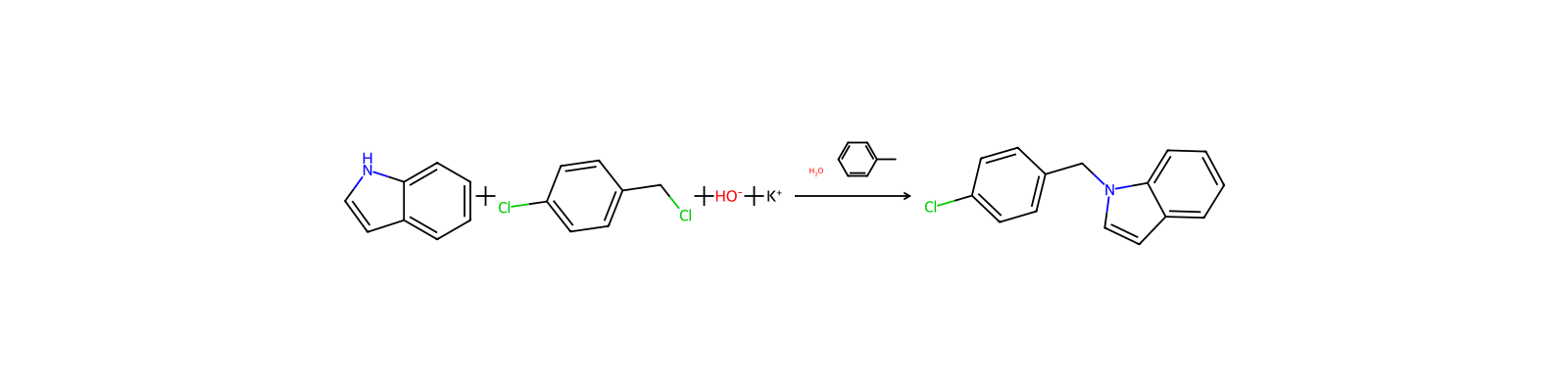
HRID 5038 reaction equation
HRID 5038As reactantuspto-grants-1993_09
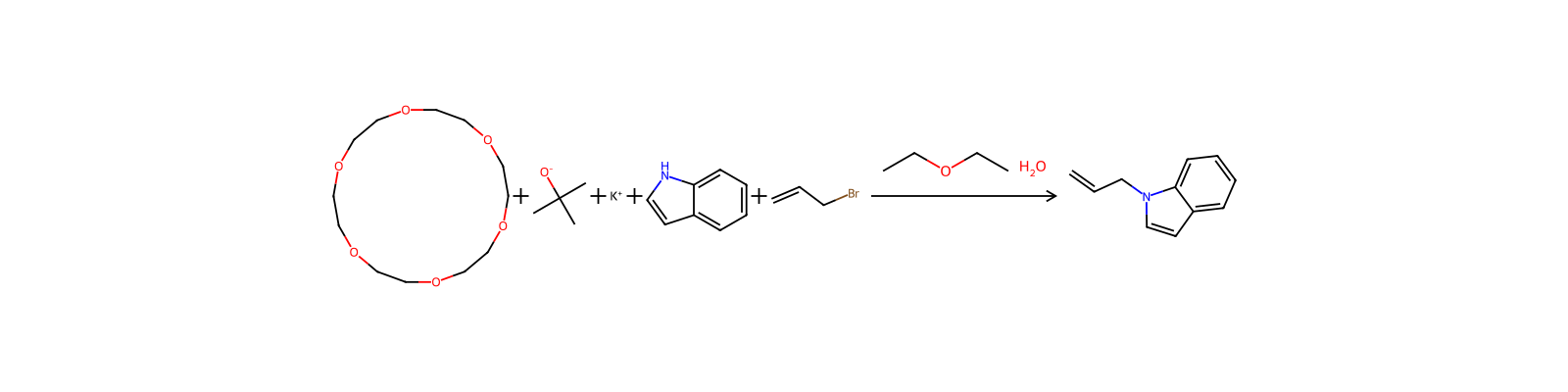
HRID 5592 reaction equation
HRID 5592As reactantuspto-grants-1993_09
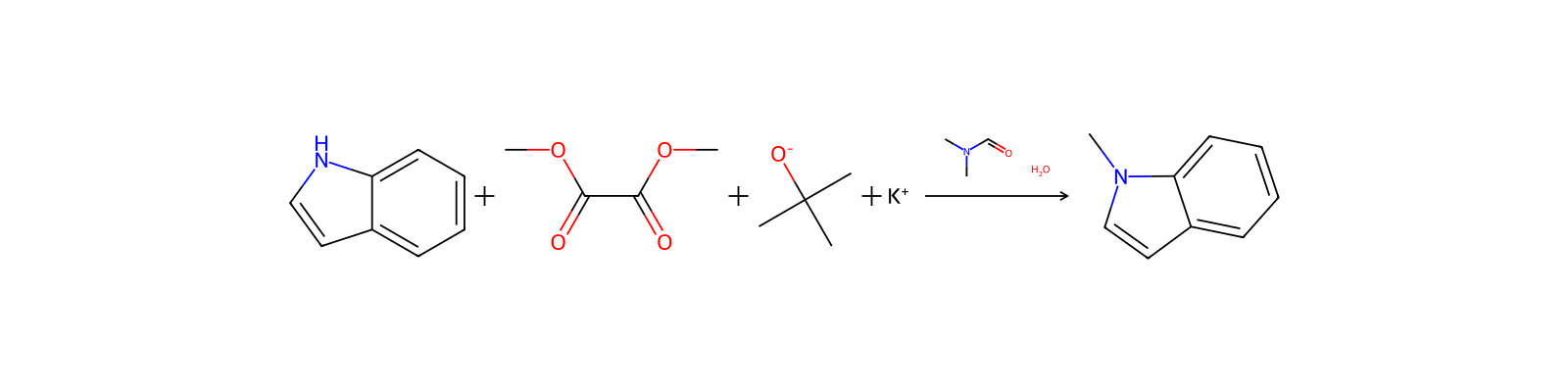
HRID 5593 reaction equation
HRID 5593As reactantuspto-grants-1993_09
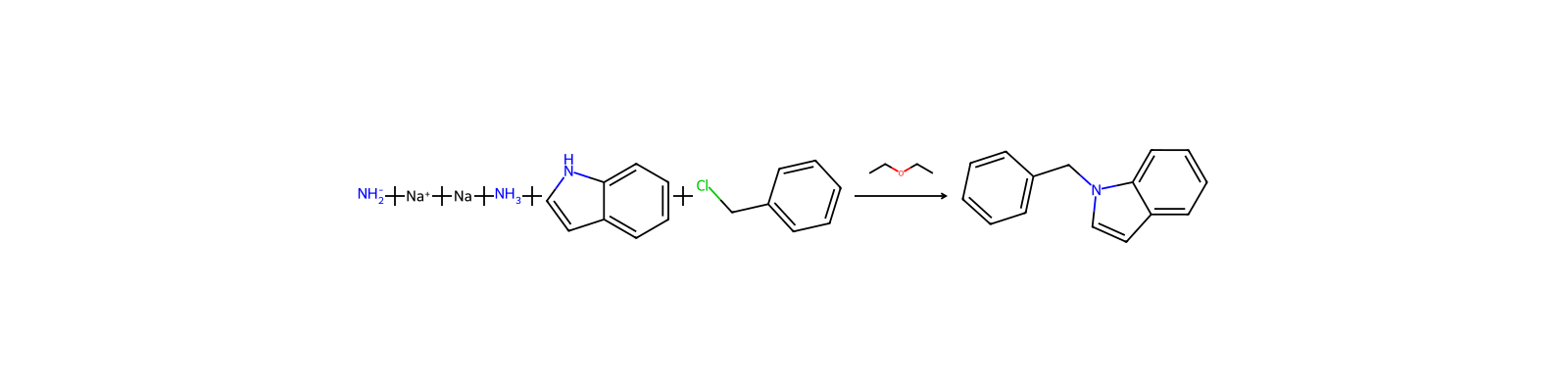
HRID 5594 reaction equation
HRID 5594As reactantuspto-grants-1993_09
HRID 5599 reaction equation
HRID 5599As reactantuspto-grants-1993_09
HRID 5614 reaction equation
HRID 5614As reactantuspto-grants-1993_09
HRID 5615 reaction equation
HRID 5615As reactantuspto-grants-1993_09
HRID 6701 reaction equation
HRID 6701As reactantuspto-grants-2006_08
Page 1 of 164

Compound notes

Loading…

On this pageBasic informationOverviewNames & identifiersPropertiesSafety & regulationChemistry & industryRelated reactionsCompound notes
More actions
New noteNew reactionRequest quotes
Color/Form · 4 items

LEAFLETS (WATER, PETROLEUM), CRYSTALS (ETHER)

Colorless to yellowish scales, turning red on exposure to light and air.

WHITE CRYSTALLINE SOLID

Colorless, shiny flakes

Solubility · 5 items

SOL IN HOT WATER, HOT ALC, ETHER, BENZENE

1 G IN 2 ML OF 70% ALC

SOL IN TOLUENE

Soluble in fixed oils; insoluble in mineral oil and glycerol.

For more Solubility (Complete) data for INDOLE (6 total), please visit the HSDB record page.

Boiling Point · 2 items

253 °C @ 762 mm Hg; 128-133 °C @ 28 mm Hg

253.00 to 254.00 °C. @ 760.00 mm Hg

Physicochemical properties

Melting point
51 · 51-54 °C (lit.)
Boiling point
253 · 253-254 °C (lit.)
Density
1.22 · 1.22
bulk density
230 kg/m3 · 230kg/m3
vapor pressure
0.016 hPa · 0.016 hPa (25 °C)
FEMA
2593 · 2593 | INDOLE
refractive index
1.63 · 1.6300
FLAVIS Number
14.007 · 14.007 | Indole
Flash point
230 °F · >230 °F
storage temp.
2 · 2-8°C
solubility
0.1 g/mL, · methanol: 0.1 g/mL, clear
form
Crystalline Powder
pka
3.17 · 3.17 (quoted, Sangster, 1989)
color
White to slightly pink
PH
5.9 · 5.9 (1000g/l, H2O, 20℃)
Odor
fecal odor, floral in high dilution
Odor Threshold
0.0003 ppm · 0.0003ppm
biological source
synthetic
Odor Type
animal
Water Solubility
2.8 g/L · 2.80 g/L (25 ºC)
Sensitive
Light Sensitive
Merck
14 · 14,4963
JECFA Number
1301 · 1301
BRN
107693 · 107693
Henry's Law Constant
1.9 · 1.9×101 mol/(m3Pa) at 25℃, Duchowicz et al. (2020)
Stability
Stable, but may be light or air sensitive. Incompatible with strong oxidizing agents, iron and iron salts.
Cosmetics Ingredients Functions
PERFUMING
InChI
1S/C8H7N/c1-2-4-8-7(3-1)5-6-9-8/h1-6,9H
InChIKey
SIKJAQJRHWYJAI-UHFFFAOYSA-N
SMILES
c1ccc2[nH]ccc2c1
LogP
2.14 · 2.14-2.24
CAS DataBase Reference
120 · 120-72-9(CAS DataBase Reference)
Substances Added to Food (formerly EAFUS)
INDOLE
FDA 21 CFR
172.515 · 172.515
EWG's Food Scores
1 · 1
NCI Dictionary of Cancer Terms
indole
FDA UNII
8724 FJW4M5 · 8724FJW4M5
NIST Chemistry Reference
Indole(120-72-9)
EPA Substance Registry System
Indole (120-72-9)
UNSPSC Code
41116107 · 41116107
NACRES
24 · NA.24
Symbol(GHS)
6 · GHS06,GHS09
Signal word
Danger
Hazard statements
302 · H302-H311-H319-H400
Precautionary statements
264 · P264-P273-P280-P301+P312-P302+P352+P312-P305+P351+P338
PPE
95 · dust mask type N95 (US), Eyeshields, Faceshields, Gloves
Hazard Codes
Xn,N,T
Risk Statements
21 · 21/22-37/38-41-50/53-36-39/23/24/25-23/24/25-52/53
Safety Statements
26 · 26-36/37/39-60-61-45-36/37
RIDADR
2811 · UN 2811 6.1/PG 3
WGK Germany
1 · 1
RTECS
2450000 · NL2450000
F
8 · 8-13
TSCA
TSCA listed
HS Code
2933 · 2933 99 20
HazardClass
9 · 9
PackingGroup
III
Storage Class
6.1 C · 6.1C - Combustible acute toxic Cat.3toxic compounds or compounds which causing chronic effects
Hazard Classifications
3 DermalAcute · Acute Tox. 3 DermalAcute Tox. 4 OralAquatic Acute 1Eye Irrit. 2
Hazardous Substances Data
120 · 120-72-9(Hazardous Substances Data)
Toxicity
50 orally · LD50 orally in rats: 1 g/kg (Smyth)
REACH Registrations
Active
Limited Quantities
5 kg · 5.0 kg (11 lbs) (solid)
Excepted Quantities
Max Inner Pack (30g or 30ml) and Max Outer Pack (1Kg or 1L)
Disposal Methods · 1 item

SRP: At the time of review, criteria for land treatment or burial (sanitary landfill) disposal practices are subject to significant revision. Prior to implementing land disposal of waste residue (including waste sludge), consult with environmental regulatory agencies for guidance on acceptable disposal practices.

Toxicology

Toxicological InformationRanking: 556 (total points: 216.55)
Body Burden · 2 items

4 of 46 human adipose tissue samples, collected in 1982, contained indole (3 in age category 45+, 1 in age category 15-44 years)(1).

PERSONAL AIR: Expired air from control (n= 20), but not prediabetic (n= 14) or diabetic (n= 28) human study populations contained indole at unreported concns(1).

InteractionsPOSITIVE INOTROPIC EFFECTS OF INDOLE ON ISOLATED GUINEA PIG ATRIA WAS ANTAGONIZED BY PROPRANOLOL & PRETREATMENT WITH RESERPINE.
Environmental Fate · 3 items

TERRESTRIAL FATE: Based on a recommended classification scheme(1), an estimated Koc value of 350(SRC), determined from a measured log Kow(2) and a recommended regression-derived equation(3), and a measured Koc of 187 from a synthetic soil with 0-2% added humic acid(4), indicate that indole will have moderate mobility in soil(SRC). Volatilization of indole should not be important from moist soil surfaces(SRC) given an estimated Henry's Law constant of 5.3X10⁻⁷ atm-cu m/mole(SRC), calculated from experimental values for vapor pressure(5) and water solubility(6). Indole is expected to readily biodegrade under both aerobic and anaerobic conditions in soil(SRC). Indole, added to Chernozem soil at 1 and 10 g/kg soil, was completely biodegraded in 19 and 135 days, respectively(7). Indole was completely biodegraded by suspensions of an organic soil (Carlisle muck) under methanogenic and denitrifying conditions within 67 and 144 days, respectively; oxindole was reported as a metabolite of this process(8).

AQUATIC FATE: Based on a recommended classification scheme(1), an estimated Koc value of 350(SRC), determined from a measured log Kow(2) and a recommended regression-derived equation(1), and a measured Koc value of 187(3) indicate that indole may adsorb to suspended solids and sediment in water(SRC). Indole is not expected to volatilize from water surfaces(1,SRC) based on an estimated Henry's Law constant of 5.3X10⁻⁷ atm-cu m/mole(SRC), calculated from experimental values for vapor pressure(4) and water solubility(5). According to a classification scheme(6), an estimated BCF value of 25(1,SRC), from a measured log Kow(2), suggests that bioconcentration in aquatic organisms is low(SRC). Indole is expected to readily biodegrade under both aerobic and anaerobic conditions in water(SRC). At 10 °C, aerobic groundwater containing a mixture of aromatic compounds completely biodegraded indole in 310 hours, including an acclimation period of 130 hours(7). Complete metabolism of indole by methanogenic sediments from the shore, edge, and bottom of Buffalo Run stream, PA, occurred within 33 days; oxindole was formed during this process(8). Indole was completely biodegraded under denitrifying conditions in 7 days using a sewage inoculum(8).

ATMOSPHERIC FATE: According to a model of gas/particle partitioning of semivolatile organic compounds in the atmosphere(1), indole, which has a measured vapor pressure of 0.0122 mm Hg at 25 °C(2), will exist solely as a vapor in the ambient atmosphere. Vapor-phase indole is degraded in the atmosphere by reaction with photochemically-produced hydroxyl radicals, nitrate radicals, and ozone(SRC); the half-lives for these reactions in air are estimated to be about 2 to 3 hours, < 1 minute, and 6 hours, respectively(3,SRC).

Food Survey Values · 1 item

Different samples of Beaufort cheese from the French Alps contained indole at unreported concns(1). Indole, at unreported concns, was reported as a volatile flavor compound in fried bacon(2), roasted filbert nuts(3), short-necked clams and corbicula(4), and pork(5). Water-boiled duck meat and duck fat contained indole at 1.72 and 2.28 ppb, wet basis, respectively(6).

Plant ConcentrationsVolatile compounds identified in Lonicera japonica flowers (Japanese honeysuckle) contained indole at concns of 52, <20, and 87 ug/kg for fresh flowers, flowers after 12 hours, and flowers after 24 hours, respectively(1).
Effluent Concentrations · 2 items

Indole was detected in industrial wastewaters from the following industries: timber products, leather tanning, iron and steel manufacturing, inorganics and plastics, synfuels, and publicly owned treatment works(1). Process water derived from the Fischer Assay retorting of oil shale from Rundle, Australia contained indole at 3 mg/l(2). A grab sample of final effluent from the Addison, IL publicly-owned treatment works in April 1980 contained indole at unreported concns(3). Wastewater obtained during the gasification of Indian Head lignite contained indole at an estimated concn of 1 mg/l(4). Wastewater and sludge from the Iona Island Sewage Treatment plant, Vancouver, British Columbia contained indole at unreported concns(5).

Untreated coke plant wastewater contained indole from 23 to 26,000 ug/l(1). Volatile components in poultry manure contained indole at concns of 5.08 and 10.4 mg/kg(2). Indole was identified in creosote oil extracts at 7700 ug/g(3). Basin floodwater, taken from Fort Devens, MA, following primary treatment, contained indole at 11 ug/l(4,5). Chlorinated still bottom extract contained indole at unreported concns(6).

Soil Adsorption/Mobility · 1 item

A Koc of 187 was measured for indole on a synthetic soil consisting of 88-90% sand, 10% clay and 0-2% humic acid(1). The Koc of indole is estimated as approximately 350(SRC), using a measured log Kow of 2.14(2) and a regression-derived equation(3,SRC). According to a recommended classification scheme(4), these Koc values suggest that indole has moderate mobility in soil(SRC).

Natural Pollution SourcesIndole is found as a component of jasmine oil and orange-blossom oil(1).
Atmospheric Concentrations · 2 items

INDOOR AIR: Indoor air from 11% of the sampled private homes in the Chicago, IL area contained indole at unreported concns (n= 36)(1).

URBAN AIR: Both vapor phase and aerosol fractions of urban air contained indole at unreported concns(1). Indole was identified on aerosols collected from the Southern North Atlantic Ocean at a mean concn of 0.18 ng/cu m(2).

Fish/Seafood ConcentrationsThree samples of commercial Mytilus edulis (blue mussel), collected near Holbaek, Denmark, contained indole(1).
Artificial Pollution Sources · 1 item

Indole's production and use as a chemical intermediate(1,2), a perfume fixative(2), a synthetic flavor(3) and its possible use as a kairomone (a volatile chemical released by a plant to attract phytophagus insects - used for insect control of adult rootworms)(4) may result in its release to the environment through various waste streams(SRC). Indole is released directly to the environment as a component of tobacco smoke(5). High-temperature coal tar contains on average just under 0.2% indole(6).

Safety data

F
8-13
PPE
dust mask type N95 (US), Eyeshields, Faceshields, Gloves
wgk
1
tsca
TSCA listed
rtecs
NL2450000
ridadr
UN 2811 6.1/PG 3
hs_code
2933 99 20
Toxicity
LD50 orally in rats: 1 g/kg (Smyth)
risk_code
21/22-37/38-41-50/53-36-39/23/24/25-23/24/25-52/53
Signal word
Danger
Symbol(GHS)
GHS06,GHS09
hazard_code
Xn,N,T
safety_code
26-36/37/39-60-61-45-36/37
hazard_class
9
Storage Class
6.1C - Combustible acute toxic Cat.3toxic compounds or compounds which causing chronic effects
packing_group
III
Hazard statements
H302-H311-H319-H400
Limited Quantities
5.0 kg (11 lbs) (solid)
Excepted Quantities
Max Inner Pack (30g or 30ml) and Max Outer Pack (1Kg or 1L)
REACH Registrations
Active
Hazard Classifications
Acute Tox. 3 DermalAcute Tox. 4 OralAquatic Acute 1Eye Irrit. 2
Precautionary statements
P264-P273-P280-P301+P312-P302+P352+P312-P305+P351+P338
Hazardous Substances Data
120-72-9(Hazardous Substances Data)

Uses & manufacturing

Uses · 6 items

Found in feces, neroli oil, jasmine oil, orange-blossom oil, certain flowers, tobacco smoke, and coal tar; Used in perfumery, flavoring, and as chemical reagent, intermediate, and feedstock; [HSDB]

USED IN PERFUMERY

SYNTHETIC FLAVOR

Chemical reagent

Used as a chemical intermediate for the synthesis of indol-3-ylacetic acid; 4-indol-3-ylbutyric acid; L-tryptophan.

For more Uses (Complete) data for INDOLE (6 total), please visit the HSDB record page.

U.S. Exports(1986) No Data
U.S. Imports(1984) 9.92X10+6 g
U.S. Production · 2 items

2023: 21,192 lb

(1986) No Data

Consumer UsesFragrance
Industry UsesLaboratory chemicals
Methods of Manufacturing · 5 items

PREPN FROM O-FORMOTOLUIDE: TYSON, ORG SYN COLL VOL III, 479 (1955); BY DEHYDROCYCLIZING ORTHO ALKYL ANILINES: ERNER ET AL, US PATENT 2,953,575 (1960 TO HOUDRY PROCESS); FROM N-(2-TOLYL)-N'-METHYL-N'-PHENYLFORMAMIDINE: LORENZ ET AL, J ORG CHEM 30, 2531 (1965).

OBTAINED FROM 240-260 °C FRACTION FROM COAL TAR: WEISSGERBER, CHEMISCHE BERICHTE 43, 3520 (1910); FROM FECES: BERGEIM, J BIOL CHEM 32, 17 (1917).

CAN BE PREPARED ALSO BY REDN OF INDOXYL, INDOXYL CARBOXYLIC ACID, OR INDIGO.

INDOLE IS PRODUCED BY CONDENSING ANILINE WITH BENZOIN IN THE PRESENCE OF ZINC CHLORIDE

For more Methods of Manufacturing (Complete) data for INDOLE (6 total), please visit the HSDB record page.

Formulations/Preparations · 3 items

FOUND IN NEROLI OIL IN TRACE QUANTITIES /approx 0.1%/

CONSTITUTES 2.5% OF JASMINE OIL

Technical, CP, FCC

Household ProductsInformation on 1 consumer products that contain Indole in the following categories is provided:
Use Classification · 6 items

Fragrance Ingredients

Flavouring Agent -> FLAVOURING_AGENT -> JECFA Functional Classes

Flavoring Agents -> JECFA Flavorings Index

Flavouring Agent -> FLAVOURING_AGENT -> JECFA Functional Classes

Flavouring Agent -> FLAVOURING_AGENT -> JECFA Functional Classes

Flavouring Agent -> FLAVOURING_AGENT -> JECFA Functional Classes

General Manufacturing Information · 5 items

Miscellaneous Manufacturing

1H-Indole: ACTIVE

REPORTED USES: NON-ALCOHOLIC BEVERAGE 0.26 PPM, ICE CREAMS, ICES, ETC 0.28 PPM; CANDY 0.50 PPM, BAKED GOODS 0.58 PPM, GELATINS & PUDDINGS 0.02-0.40 PPM.

FEMA NUMBER 2593

Adult corn rootworms are attracted strongly to a variety of kairomones, including indole...

Applications · 8 items

Uses(1) According to the GB 27 60-96 , indole can be used as flavouring agent and mainly used for preparing the essence of cheese, citrus, coffee, nuts, grape, strawberry, raspberry, chocolate, assorted fruit, jasmine and lily etc. (2) It can be used as the reagent for the determination of nitrite, can also used in the manufacture of perfume and medicine. (3) It can be used as the raw material of perfume, pharmaceuticals and plant growth hormone. (4) Indole is the intermediate for the indole acetic acid and indole butyric acid.The indole acetic acid and indole butyric are plant growth regulator. (5) It can be widely used in the manufacture of the essences of jasmine, lilac, orange blossom, gardenia, honeysuckle, lotus, narcissus, ylang, orchid and prynne etc. It is usually combined with the methyl indole to imitate the artificial civet. The extremely few of the indole can be used in chocolate, raspberry, strawberry, bitter orange, coffee, nuts, cheese, grapes and fruit and other fruity essential oil. (6) Indole is mainly used as spices, dyes, amino acids and the raw materials of pesticide. Indole itself is a spice commonly used in producing the essences of jasmine, lilac, lotus flowers, orchids and other flower flavor. The usage is generally in a few thousandths. (7) It can be used for verifying the gold, potassium and nitrite and manufacturing jasmine-type fragrance. It can also be used in pharmaceutical industry.

DescriptionIndole has an almost floral odor when highly purified. Otherwise, it exhibits the characteristic odor of feces. It is not very stable on exposure to light (turns red). Indole may be obtained from the 220 - 260°C boiling fraction of coal tar or by heating sodium phenylglycine-o-carboxylate with NaOH, saturating the aqueous solution of the melt with C 02, and finally reducing with sodium amalgam; can be prepared also by the reduction of indoxyl, indoxyl carboxylic acid, or indigo.

OccurrenceReported occurring in several natural products as a complex compound that decomposes during enfleurage or steam distillation yielding free indole; reported found in the essential oil from flower of Jasminum grandiflorum, in neroli oil and in the oil extracted from flowers of bitter orange; also reported in the flowers of several plants: lemon, coffee, Hevea brasiliensis and Randia formosa in the oil extracted from flowers of Jasminum odoratissinium L. and in the oil of Narcissus jonquilla. Also reported found in apricot, mandarin orange peel oil, grapes, kohlrabi, French fried potato, crispbread, cheeses, butter, milk, milk powder, boiled egg, fish oil, chicken, beef, pork, beer, rum, Finnish whiskey, red and white wine, coffee, tea, soybean, mushrooms, cauliflower, figs, rice, licorice, buckwheat, malt, wort, elder flower, clary sage, shrimp, okra, crab, clam, squid and green maté

UsesIndole is a flavoring agent that is a white, flaky crystalline product. it has an unpleasant odor when concentrated and a flowery odor when diluted. it is soluble in most fixed oils and propylene glycol and insoluble in glycerin and mineral oil. it is obtained from decomposi- tion of a protein.

UsesIndole occurs in coal tar. It is used, underhigh dilution, in perfumery, and as an intermediatein organic synthesis.

UsesIn highly dil solutions the odor is pleasant, hence indole has been used in perfumery.

UsesCan be used in perfumes and in the synthesis of tryptophan.

General DescriptionIndole is classified under the volatile flavor compounds (VFCs). It is known to play significant role in various biological functions such as anti-inflammatory, anticonvulsant, cardiovascular and antibacterial activities.

Preparation methods · 1 item

PreparationObtained from the 220 to 260°C boiling fraction of coal tar or by heating sodium phenyl-glycine-o-carboxylate with NaOH, saturating the aqueous solution of the melt with CO2 and finally reducing with sodium amalgam; can be prepared also by the reduction of indoxyl, indoxyl carboxylic acid or indigo.

Upstream & downstream products

Upstream raw materials

Methylnaphthalene fractionZINCAluminum nitrate2-NitrotolueneIron filings2- oxindole2-Nitrophenylpyruvic acidIsatinPhenyl glycine2-Ethylaniline1H-INDOL-3-OLChromic acidIndolineCOAL TARAluminum chloridePolishing oilIndigo

Downstream products

Ziprasidone hydrochloride monohydrate1-Methyl-1H-indole-3-carboxylic acid3-BROMO-1-(TRIISOPROPYLSILYL)INDOLE5-NitroindoleEtodolac1-[(4-METHYLPHENYL)SULFONYL]-1H-INDOLE-3-CARBALDEHYDEIndole-3-butyric acid1,3,3-Trimethyl-2-methyleneindolineL-Tryptophan4-Hydroxyindole5-CyanoindoleDL-TryptophanZiprasidoneGramine5-FluoroindoleIndigoIndole-3-acetic acidRopinirole1-(PHENYLSULFONYL)-1H-INDOLE-2-CARBALDEHYDE3-((Piperidin-1-yl)methyl)-1H-indole ,98%
Additional notes · 1 item

Definitionindole: A yellow solid, C8H7N, m.p.52°C. Its molecules consist of a benzenering fused to a nitrogen-containingfive-membered ring. It occurs insome plants and in coal tar, and isproduced in faeces by bacterial action.It is used in making perfumes.Indole has the nitrogen atom positionednext to the fused benzenering. An isomer with the nitrogentwo atoms away from the fused ringis called isoindole.