Completing data — refresh the page later to see the latest
109-65-9CCCCBrMPPPKRYCTPRNTB-UHFFFAOYSA-N1-bromobutane appears as a clear colorless liquid. Flash point 65 °F. Denser than water and insoluble in water. Vapors heavier than air.
109-65-9DTXSID6021903CHEMBL160949Other Classes -> Halogenated Aliphatics, Saturated
Flammable agents - 3rd degree
log Kow = 2.75
2.75
1.276 at 68 °F (USCG, 1999) - Denser than water; will sink
1.2686 at 25 °C/4 °C
1.2586 @25 °C
Slightly soluble in carbon tetrachloride; soluble in chloroform; miscible with ethanol, ether, acetone
In water, 8.69X10+2 mg/L at 25 °C
65 °F (USCG, 1999)
18 °C
65 °F (18 °C) (Open cup)
Safety information is for reference only and does not replace the supplier’s Safety Data Sheet (SDS), applicable regulations, or professional assessment.
Danger
H225 (69.7%): Highly Flammable liquid and vapor [Danger Flammable liquids]
P203, P210, P233, P240, P241, P242, P243, P260, P261, P264, P264+P265, P271, P273, P280, P302+P352, P303+P361+P353, P304+P340, P305+P351+P338, P318, P319, P321, P332+P317, P337+P317, P362+P364, P370+P378, P391, P403+P233, P403+P235, P405, and P501 (click each P-code to see the statement)
Aggregated GHS information provided per 337 reports by companies from 22 notifications to the ECHA C&L Inventory. Each notification may be associated with multiple companies.
Danger
H350: May cause cancer [Danger Carcinogenicity]
Chemical: Butane, 1-bromo-
Butane, 1-bromo- is listed on the EPA's Chemical Data Reporting (CDR) system. Manufacturers and importers of Butane, 1-bromo- are required to report information about their production and use of this chemical to the EPA under the Toxic Substances Control Act (TSCA). (40 eCFR Part 711)
REACH registered substance: 1-bromobutane (EC: 203-691-9)
Butane, 1-bromo-: HSNO Approval: HSR001087 Approved with controls
The New Jersey Worker and Community Right to Know Act requires public and private employers to provide information about hazardous substances at their workplaces. (N.J.S.A. 34:5A-1 et. seq.)
Special Hazards of Combustion Products: Toxic fumes of hydrogen bromide.
· HIGHLY FLAMMABLE: Will be easily ignited by heat, sparks or flames.
The hydrolysis of inorganic bromine in the liver following treatment with brominated hydrocarbons was studied. White-mice were administered ...n-butyl-bromide by inhalation in concentrations of 0.75-25 mmol/mL for up to 60 minutes. ...Concentrations of inorganic bromide in the liver were higher in animals that inhaled saturated, brominated hydrocarbons /(including n-butyl bromide)/ than in those that inhaled the unsaturated compounds. The degree of hydrolysis was also higher with the saturated compounds than with the unsaturated compounds. /It was concluded/ that liver tissue damage is probably caused directly by the brominated hydrocarbons rather than by hydrobromic-acid since this acid is released very slowly during hydrolysis.
Rabbits and rats dosed with 1-bromobutane excrete in urine, in addition to butylmercapturic acid, (2-hydroxybutyl)mercapturic acid, (3-hydroxybutyl)mercapturic acid and 3-(butylthio)lactic acid. Although both species excrete both the hydroxybutylmercapturic acids, only traces of the 2-isomer are excreted by the rabbit. The 3-isomer has been isolated from rabbit urine as the dicyclohexylammonium salt. 3-(Butylthio)lactic acid is formed more readily in the rabbit; only traces are excreted by the rat. Traces of the sulphoxide of butylmercapturic acid have been found in rat urine but not in rabbit urine. In the rabbit about 14% and in the rat about 22% of the dose of 1-bromobutane is excreted in the form of the hydroxymercapturic acids. Slices of rat liver incubated with S-butylcysteine or butylmercapturic acid form both (2-hydroxybutyl)mercapturic acid and (3-hydroxybutyl)mercapturic acid, but only the 3-hydroxy acid is formed by slices of rabbit liver. S-Butylglutathione, S-butylcysteinylglycine and S-butylcysteine are excreted in bile by rats dosed with 1-bromobutane. Rabbits and rats dosed with 1,2-epoxybutane excrete (2-hydroxybutyl)mercapturic acid to the extent of about 4% and 11% of the dose respectively. The following have been synthesized: N-acetyl-S-(2-hydroxybutyl)-l-cysteine [(2-hydroxybutyl)mercapturic acid] and N-acetyl-S-(3-hydroxybutyl)-l-cysteine [(3-hydroxybutyl)mercapturic acid] isolated as dicyclohexylammonium salts, N-toluene-p-sulphonyl-S-(2-hydroxybutyl)-l-cysteine, S-butylglutathione and N-acetyl-S-butylcysteinyl-glycine ethyl ester.
Rabbits and rats dosed with 1-bromobutane excrete in urine, in addition to butylmercapturic acid, (2-hydroxybutyl)mercapturic acid, (3-hydroxybutyl)mercapturic acid and 3-(butylthio)lactic acid. In the rabbit about 14% and in the rat about 22% of the dose of 1-bromobutane is excreted in the form of the hydroxymercapturic acids. 1-bromobutane also forms glutathione conjugates. Three kinds of GSH conjugates, including S-butyl GSH, S-butyl cysteine, and (hydroxybutyl)mercapturic acid, have been identified in mice livers after oral dosing with 375-1500 mg/kg of the compound.
Loading…
214 °F at 760 mmHg (USCG, 1999)
101.3 °C at 760 mm Hg
101.3 °C @760 [mm Hg]
-170 °F (USCG, 1999)
-112 °C
Heat fusion at melting point = 6.6944X10+6 J/kmol
-112.3 °C
77.55 mmHg (USCG, 1999)
42.0 [mmHg]
41.97 mm Hg at 25 °C
41.97 [mm Hg] @25 °C
Irritating to the eyes, nose, throat, and upper respiratory tract. Symptoms of exposure include burning sensation, coughing, wheezing, laryngitis, shortness of breath, headache, nausea, and vomiting. Irritating to the skin. (USCG, 1999)
· May cause toxic effects if inhaled or absorbed through skin.
Flammable liquid; [Hawley] Irritating to the skin of mice and the eyes of rabbits; Did not induce sensitization by application to the ear of mice and determined by local lymph node assay; Degeneration of vacuolar liver cells was observed in 28 day feeding study with rats; Evidence of mutagenicity in Salmonella typhimurium and Chinese hamster cells; [HSDB] A skin, eye, nose, throat, and respiratory tract irritant; [CAMEO] Causes somnolence and ataxia in lethal-dose feeding studies of rats; [RTECS]
1126 130
1126 130
/GUIDE 130: FLAMMABLE LIQUIDS (Non-Polar/Water-Immiscible/Noxious)/ Fire or Explosion: HIGHLY FLAMMABLE: Will be easily ignited by heat, sparks or flames. Vapors may form explosive mixtures with air. Vapors may travel to source of ignition and flash back. Most vapors are heavier than air. They will spread along ground and collect in low or confined areas (sewers, basements, tanks). Vapor explosion hazard indoors, outdoors or in sewers. Those substances designated with a (P) may polymerize explosively when heated or involved in a fire. Runoff to sewer may create fire or explosion hazard. Containers may explode when heated. Many liquids are lighter than water.
/GUIDE 130: FLAMMABLE LIQUIDS (Non-Polar/Water-Immiscible/Noxious)/ Health: May cause toxic effects if inhaled or absorbed through skin. Inhalation or contact with material may irritate or burn skin and eyes. Fire will produce irritating, corrosive and/or toxic gases. Vapors may cause dizziness or suffocation. Runoff from fire control or dilution water may cause pollution.
/GUIDE 130: FLAMMABLE LIQUIDS (Non-Polar/Water-Immiscible/Noxious)/ Public Safety: CALL Emergency Response Telephone Number on Shipping Paper first. If Shipping Paper not available or no answer, refer to appropriate telephone number listed on the inside back cover. As an immediate precautionary measure, isolate spill or leak area for at least 50 meters (150 feet) in all directions. Keep unauthorized personnel away. Stay upwind. Keep out of low areas. Ventilate closed spaces before entering.
/GUIDE 130: FLAMMABLE LIQUIDS (Non-Polar/Water-Immiscible/Noxious)/ Protective Clothing: Wear positive pressure self-contained breathing apparatus (SCBA). Structural firefighters' protective clothing will only provide limited protection.
For more DOT Emergency Guidelines (Complete) data for 1-BROMOBUTANE (8 total), please visit the HSDB record page.
· CALL 911. Then call emergency response telephone number on shipping paper. If shipping paper not available or no answer, refer to appropriate telephone number listed on the inside back cover.
· ELIMINATE all ignition sources (no smoking, flares, sparks or flames) from immediate area.
· CALL 911. Then call emergency response telephone number on shipping paper. If shipping paper not available or no answer, refer to appropriate telephone number listed on the inside back cover.
· ELIMINATE all ignition sources (no smoking, flares, sparks or flames) from immediate area.
INHALATION: Move victim to fresh air. If breathing has stopped, give artificial respiration. If breathing is difficult, give oxygen.
General First Aid:
General First Aid:
· Wear positive pressure self-contained breathing apparatus (SCBA).
To fight fire use carbon dioxide, dry chemical, mist or spray.
If material on fire or involved in fire: Do not extinguish fire unless flow can be stopped. Use water in flooding quantities as fog. Solid streams of water may be ineffective. Cool all affected containers with flooding quantities of water. Use alcohol foam, dry chemical or carbon dioxide. Keep run-off water out of sewers and water sources.
Materials which are toxic as stored or which can decomp into toxic components... should be stored in a cool well ventilated place, out of the direct rays of the sun, away from areas of high fire hazard, and should be periodically inspected. Incompatible materials should be isolated...
SRP: At the time of review, criteria for land treatment or burial (sanitary landfill) disposal practices are subject to significant revision. Prior to implementing land disposal of waste residue (including waste sludge), consult with environmental regulatory agencies for guidance on acceptable disposal practices.
If material on fire or involved in fire: Do not extinguish fire unless flow can be stopped. Use water in flooding quantities as fog. Solid streams of water may be ineffective. Cool all affected containers with flooding quantities of water. Use alcohol foam, dry chemical or carbon dioxide. Keep run-off water out of sewers and water sources.
Excerpt from ERG Guide 130 [Flammable Liquids (Water-Immiscible / Noxious)]:
Immediate precautionary measure
0.16 [ppm]
51 [ppm]
310 [ppm]
Approved respirator, chemical safety goggles, rubber gloves. (USCG, 1999)
Personnel Protection: ... Wear appropriate chemical protective gloves, boots and goggles.
EYES: irrigate opened eyes for several minutes under running water. INGESTION: do not induce vomiting. Rinse mouth with water (never give anything by mouth to an unconscious person). Seek immediate medical advice. SKIN: should be treated immediately by rinsing the affected parts in cold running water for at least 15 minutes, followed by thorough washing with soap and water. If necessary, the person should shower and change contaminated clothing and shoes, and then must seek medical attention. INHALATION: supply fresh air. If required provide artificial respiration.
TERRESTRIAL FATE: Based on a classification scheme(1), an estimated Koc value of 80(SRC), determined from a structure estimation method(2), indicates that 1-bromobutane is expected to have high mobility in soil(SRC). Volatilization of 1-bromobutane from moist soil surfaces is expected to be an important fate process(SRC) given an estimated Henry's Law constant of 8.7X10⁻³ atm-cu m/mole(SRC), derived from its vapor pressure, 42.0 mm Hg(3), and water solubility, 8.69X10+2 mg/L(4). 1-Bromobutane is expected to volatilize from dry soil surfaces(SRC) based upon a vapor pressure of 42.0 mm Hg(3). Limited data on the biodegradation of 1-bromobutane showed bacterial degradation has been observed(5,6).
AQUATIC FATE: Based on a classification scheme(1), an estimated Koc value of 80(SRC), determined from a structure estimation method(2), indicates that 1-bromobutane is not expected to adsorb to suspended solids and sediment(SRC). Volatilization from water surfaces is expected(3) based upon an estimated Henry's Law constant of 8.7X10⁻³ atm-cu m/mole(SRC), derived from its vapor pressure, 42.0 mm Hg(4), and water solubility, 8.69X10+2 mg/L(5). Using this Henry's Law constant and an estimation method(3), volatilization half-lives for a model river and model lake are 3.5 hours and 4.7 days, respectively(SRC). According to a classification scheme(6), an estimated BCF of 26(SRC), from its log Kow of 2.75(7) and a regression-derived equation(8), suggests the potential for bioconcentration in aquatic organisms is low(SRC). 1-Bromobutane was found to degrade in sediment slurry under anaerobic conditions(9).
ATMOSPHERIC FATE: According to a model of gas/particle partitioning of semivolatile organic compounds in the atmosphere(1), 1-bromobutane, which has a vapor pressure of 42.0 mm Hg at 25 °C(2), is expected to exist solely as a vapor in the ambient atmosphere. Vapor-phase 1-bromobutane is degraded in the atmosphere by reaction with photochemically-produced hydroxyl radicals(SRC); the half-life for this reaction in air is estimated to be 6.4 days(SRC), calculated from its rate constant of 2.50X10⁻¹² cu cm/molecule-sec at 25 °C(3). 1-Bromobutane does not contain chromophores that absorb at wavelengths >290 nm and therefore is not expected to be susceptible to direct photolysis by sunlight(SRC).
1-bromobutane reacts quickly with hepatic glutathione (GSH) leading to its rapid depletion. This can cause liver damage and has been shown to increase serum levels of alanine aminotransferase and aspartate aminotransferase. Hepatic contents of thiobarbituric acid reactive substances can also be significantly increased. Splenic GSH levels can also be significantly reduced by single treatment with 1-bromobutane. S-Butyl GSH conjugates were detected in spleen from 6 hr after treatment. Oral 1-bromobutane significantly suppressed the antibody response to a T-dependent antigen and the production of splenic intracellular interlukin-2.
Using a structure estimation method based on molecular connectivity indices(1), the Koc of 1-bromobutane can be estimated to be 80(SRC). According to a classification scheme(2), this estimated Koc value suggests that 1-bromobutane is expected to have high mobility in soil.
1-Bromobutane (CAS # 109-65-9) was evaluated for acute oral toxicity. The test substance was administered once orally by gavage to fasted male and female Sprague-Dawley rats. Dosage and mortality data are as follows: 1000 mg/kg (0/5 M, 0/5 F); 1967.9 mg/kg (0/5 M, 0/5 F); 3872.6 mg/kg (5/5 M, 4/5 F); 7620.8 mg/kg (5/5 M, 5/5 F); and 15,000 mg/kg (5/5 M, 5/5 F). The LD50 of male rats was determined to be 2761 mg/kg body weight, and the LD50 of females was 3161 mg/kg body weight. Clinical signs at all dose levels, included slight depression, rough coat, tremors, and red stain on eyes and/or nose. At 1967.9 mg/kg and above, soft feces, ataxia, labored respiration, and urine stains were noted. At 3872.6 mg/kg and 7620.8 mg/kg, salvation, lacrimation, prostration, and hunching were noted. Gross pathology at 3872.6 mg/kg and above, revealed bright red discoloration of the lungs, fluid in the thoracic cavity, dark-black urinary bladder, and material in the stomach and intestine (dark red, greenish, oily black, compound-like).
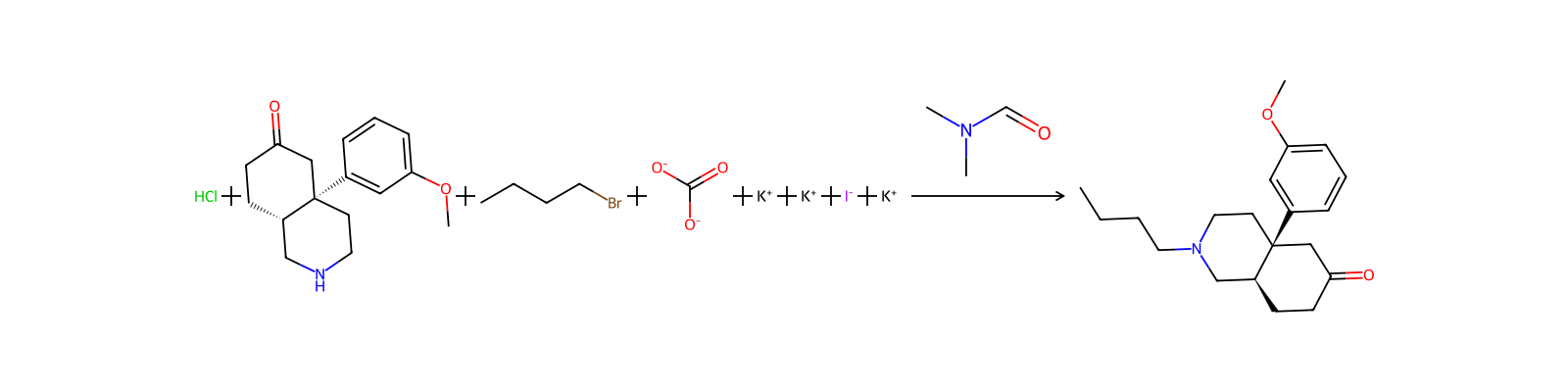
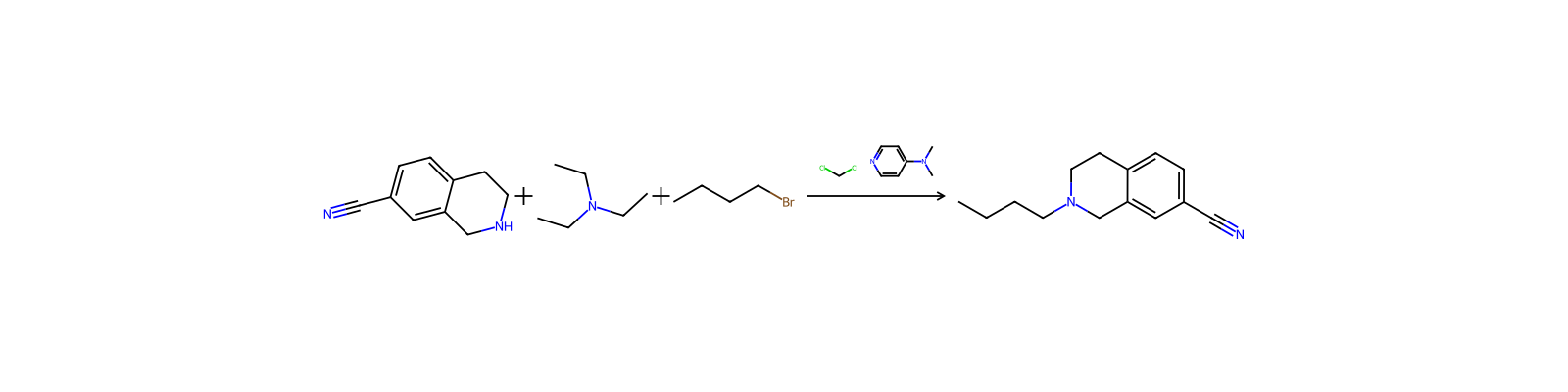
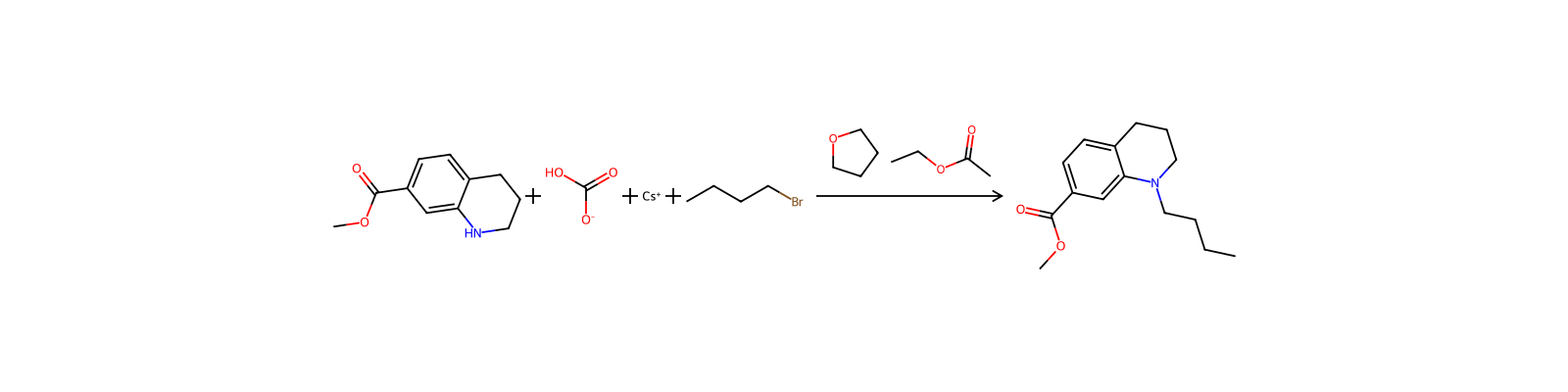
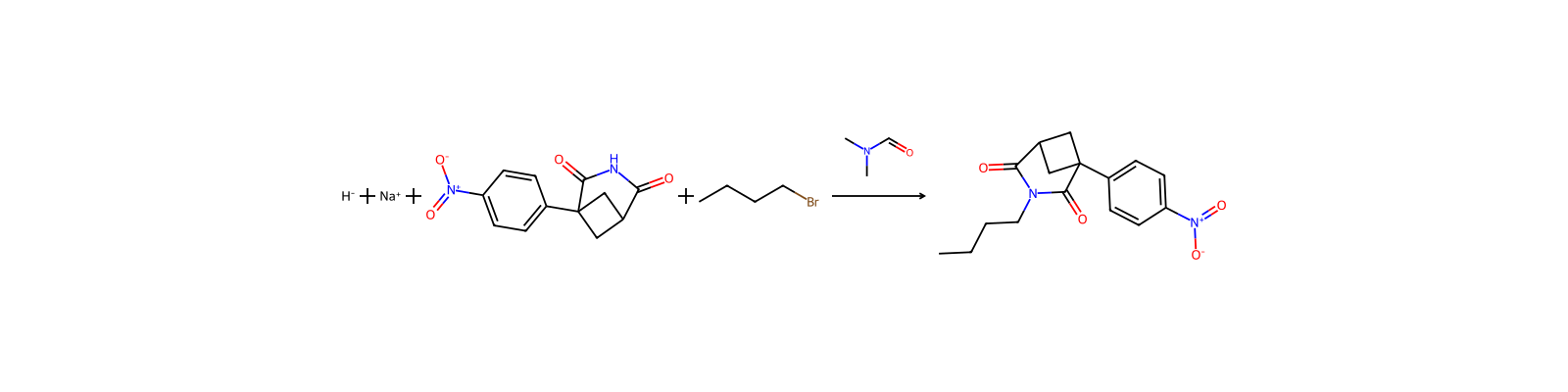
Used as an alkylating agent and in the preparation of drugs; [HSDB]
In synthesis
Alkylating agent.
In preparation of drugs
2023: 1,000,000 - <2,500,000 lb
(1986) 10 thousand - 500 thousand pounds
(1990) > 500 thousand - 1 million pounds
(1994) 10 thousand - 500 thousand pounds
(1998) >1 million - 10 million pounds
(2002) >1 million - 10 million pounds
Not Known or Reasonably Ascertainable
Butane, 1-bromo-: ACTIVE
Uses1-Bromobutane is used as an intermediate in organic synthesis and as a solvent for cleaning and degreasing. It acts as an alkylating agent as well as to prepare organometallic compounds such as n-butyllithium. It is also involved in the synthesis of procaine and tetracaine. It reacts with magnesium metal to prepare the Grignard reagent, which is used to form carbon-carbon bonds.
General Description1-Bromobutane, an alkyl halide, is an alkylating agent. Its rotational constants, nuclear quadrupole constants and centrifugal distortion constants have been stated based on microwave spectral data. The rate coefficient for the reaction of 1-bromobutane with hydrogen atoms has been reported to be 2.4±1.2x1010cm3mol-1s-1.