HomeMCPWorkbenchSkills
HomeWorkbenchNotificationsMe
llms.txt · MCP GuidePrivacy Policy · Terms of Service · Supportv1.8.1
  1. Home
  2. /Compound

Pentane

HCID 8003
New reaction
Print
Basic informationOverviewNames & identifiersPropertiesSafety & regulationChemistry & industryRelated reactionsCompound notes
Substructure searchFind similar structures

Basic information

CAS
109-66-0
Standard SMILES
CCCCC
InChIKey
OFBQJSOFQDEBGM-UHFFFAOYSA-N
Molecular formula
C5H12
Average molar mass
72.15 g/mol
Monoisotopic mass
72.09390038

Overview

N-pentane appears as a clear colorless liquid with a petroleum-like odor. Flash point -57 °F. Boiling point 97 °F. Less dense than water and insoluble in water. Hence floats on water. Vapors are heavier than air.

Names & identifiers

Preferred name
Pentane
IUPAC
pentane
English name
Pentane
Molecular formula
C5H12
Molecular weight
72.15

Names & synonyms

PENTANEn-Pentane109-66-0PentanSkellysolve APentanenPentaniAmyl hydrideTetrafumeTetrakilTetraspotDTXSID2025846
Show more names
PETANE1-PentaneN-PENTANn-C5H12NORMAL PENTANER601NP80
4FEX897A91NSC-72415DTXCID705846CHEBI:37830RefChem:6667203-692-4Pentanesnpentane

Database identifiers

CAS
109-66-0、68475-60-5、68476-43-7、68476-55-1、68647-60-9
PubChem CID
8003
DTXSID
DTXSID2025846
ChEMBL
CHEMBL16102
ChEBI
CHEBI:37830
UNII
4FEX897A91
EC Number
203-692-4
Nikkaji
J15I

Properties

Computed structural properties

XLogP
3.4
Topological polar surface area
0 Ų
Hydrogen bond donors
0
Hydrogen bond acceptors
0
Rotatable bonds
2
Heavy atoms
5
Formal charge
0
Complexity
7.5

Experimental & physicochemical properties

Chemical Classes · 2 items

Flammable agents - 4th degree

Volatile Organic Compound (VOC)

LipidsFatty Acyls [FA] -> Hydrocarbons [FA11]
SolventsSolvents -> Aliphatics, Saturated (<C12)
CosmeticsPropellant; Emollient; Solvent
SpringerMaterials PropertiesGibbs energy
LogP · 4 items

log Kow = 3.39

3.39

3.39

3.23

Odor · 2 items

Pleasant

Gasoline-like odor

Density · 6 items

0.626 at 68 °F (USCG, 1999) - Less dense than water; will float

0.6262 g/cu cm at 20 °C

Relative density (water = 1): 0.63

0.63

0.62 @ 20°C

0.63

Viscosity · 2 items

0.2224 mPa.sec at 25 °C (liquid)

Safety & regulation

Safety information is for reference only and does not replace the supplier’s Safety Data Sheet (SDS), applicable regulations, or professional assessment.

GHS classification

GHS Classification · 6 items

Danger

H225: Highly Flammable liquid and vapor [Danger Flammable liquids]

P210, P233, P240, P241, P242, P243, P261, P271, P273, P280, P301+P316, P303+P361+P353, P304+P340, P319, P331, P370+P378, P391, P403+P233, P403+P235, P405, and P501 (click each P-code to see the statement)

This chemical does not meet GHS hazard criteria for 0.8% (11 of 1378) of reports.

Danger

H224 (16.4%): Extremely flammable liquid and vapor [Danger Flammable liquids]

Hazard information

Regulatory Information · 6 items

Chemical: Pentane

Regulation (EC) No 178/2002 (amended)

Pentane is listed on the EPA's Chemical Data Reporting (CDR) system. Manufacturers and importers of Pentane are required to report information about their production and use of this chemical to the EPA under the Toxic Substances Control Act (TSCA). (40 eCFR Part 711)

REACH registered substance: Pentane (EC: 203-692-4)

Pentane: HSNO Approval: HSR001212 Approved with controls

The New Jersey Worker and Community Right to Know Act requires public and private employers to provide information about hazardous substances at their workplaces. (N.J.S.A. 34:5A-1 et. seq.)

Other Safety InformationIMAP assessments - Pentane: Human health tier I assessment
DOT LabelFlammable Liquid
Fire Hazards · 3 items

Behavior in Fire: Containers may explode (USCG, 1999)

· HIGHLY FLAMMABLE: Will be easily ignited by heat, sparks or flames.

Highly flammable. Heating will cause rise in pressure with risk of bursting. Vapour/air mixtures are explosive.

Fire Potential

Chemistry & industry

Pharmacology

Biological Half-Life... Gas-uptake pharmacokinetic studies in rats ... /have shown/ the elimination half-life of n-pentane to be about 0.13 hr.
Metabolism/Metabolites · 3 items

Excessive lipid peroxidation occurs in various diseases. However, even in health low levels of lipid peroxidation can be detected by measuring the pulmonary excretion of pentane. Lipid peroxidation has been postulated to be one of the causes of the ageing process. In order to test whether pentane excretion is related to age, we measured breath pentane in 47 healthy subjects (ages 21-79). We also measured serum levels of the antioxidants tocopherol, retinol, lycopene, beta carotene, ascorbate and zinc. We found that pentane excretion significantly (P < 0.05, r = 0.32) increased with age. Of the six antioxidants measured, only lycopene decreased significantly (P < 0.05, r = -0.47) with age, however, this decline did not statistically correlate with pentane excretion. The remaining five antioxidants either remained stable or increased over the age range studied. We conclude that lipid peroxidation, as assessed by pentane excretion, increases with advancing age but that this increase is independent of dietary antioxidant levels. /SRP: Pentane is formed from the lipid peroxidation of polyunsaturated fatty acids/

... The metabolism of n-pentane is saturable. The metabolic elimination rate was shown to be dependent on the atmospheric concn of n-pentane. Aliphatic hydroxylation is the major pathway by which n-pentane is metabolized. ... 2-Pentanol /was found/ to be the major metabolite (83-89%) formed in rat and rabbit liver microsomes. 3-Pentanol was also detected as a minor metabolite (11-16%). Ketone and aldehyde metabolites of n-pentane and 1-pentanol were not detected in the microsomal incubation mixture. ... 2- and 3-pentanol are metabolized in rats and rabbits to glucuronic acid conjugates or oxidized to ketone products that are excreted in the urine or expired air. Therefore, pentanol metabolites arising from the metabolism of n-pentane would also be expected to undergo similar metabolic transformation. ...

Pentane is absorbed following inhalation and ingestion, and to a small extent from dermal exposure. Once in the body it distributes to the tissues and blood, with the highest concentration in the adipose tissue. Pentane is metabolized by the cytochrome P-450 system. The main metabolite is 2-pentanol, followed by 3-pentanol, and 2-pentanone. These intermediates are further metabolized to glucuronic acid conjugates or oxidized to ketone products, which are excreted in the urine and expired air. (A600)

Related reactions

2,668 records
New reaction record
HRID 1634 reaction equation
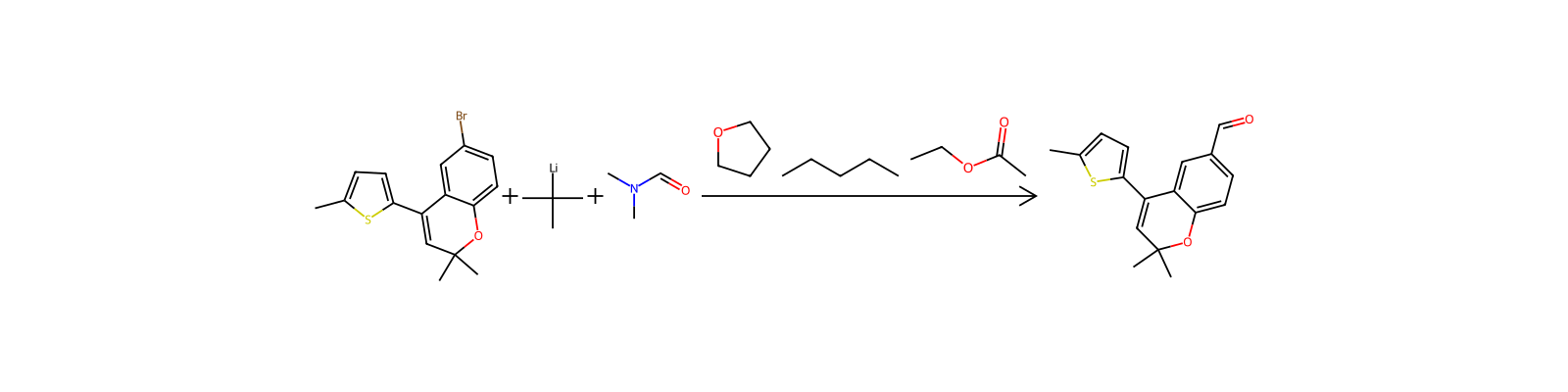
HRID 1634As solventuspto-grants-1998_03
HRID 2605 reaction equation
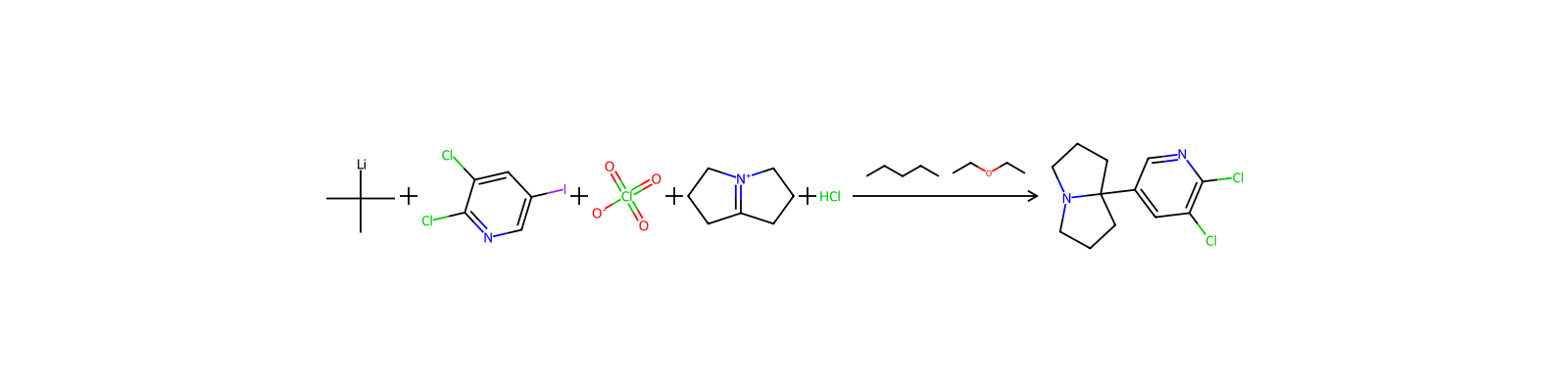
HRID 2605As reactantuspto-grants-1998_03
HRID 2609 reaction equation
HRID 2609As reactantuspto-grants-1998_03
HRID 2614 reaction equation
HRID 2614As reactantuspto-grants-1998_03
HRID 2616 reaction equation
HRID 2616As solventuspto-grants-1998_03
HRID 2620 reaction equation
HRID 2620As solventuspto-grants-1998_03
HRID 3129 reaction equation
HRID 3129As solventuspto-grants-1998_03
HRID 3290 reaction equation
HRID 3290As solventuspto-grants-1998_03
PreviousPage 1 of 334

Compound notes

On this pageBasic informationOverviewNames & identifiersPropertiesSafety & regulationChemistry & industryRelated reactionsCompound notes

0,36 mm²/s

Color/FormColorless liquid [Note: A gas above 97 degrees F. May be utilized as a fuel].
Solubility · 6 items

less than 1 mg/mL at 70 °F (NTP, 1992)

In water, 38 mg/L at 25 °C

Miscible with ethanol, ethyl ether, acetone, benzene, chloroform; soluble in carbon tetrachloride

0.038 mg/mL at 25 °C

Solubility in water, g/100ml at 20 °C: 0.004 (very poor)

0.04%

CorrosivityWill attack some forms of plastics, rubber, and coatings.

Physicochemical properties

Melting point
130.5 to · −130.5 to −129.1 °C; −202.8 to −200.3 °F; 142.7 to 144.1 K
Boiling point
35.9 to · 35.9 to 36.3 °C; 96.5 to 97.3 °F; 309.0 to 309.4 K
Density
0.626 g/mL; · 0.626 g/mL; 0.6262 g/mL (20 °C)
vapor density
2.48 · 2.48 (vs air)
vapor pressure
26.98 psi · 26.98 psi ( 55 °C)
refractive index
1.358 · 1.358
Flash point
49 °C · −49.0 °C (−56.2 °F; 224.2 K)
storage temp.
5 °C · Store at +5°C to +30°C.
solubility
ethanol: soluble(lit.)
pka
14 · >14 (Schwarzenbach et al., 1993)
form
liquid
color
Colourless
Specific Gravity
0.63 · 0.63
Odor
Like a gasoline.
Relative polarity
0.009 · 0.009
explosive limit
1.4 · 1.4-8%(V)
Odor Threshold
1.4 ppm · 1.4ppm
Evaporation Rate
28.6 · 28.6
Water Solubility
insoluble
Thermal Conductivity
0.1119 W/ · 0.1119 W/(m·K) at 25 ℃
Specific Heat Capacity
2.32 J/ · Cp(liquid): 2.32 J/(g·K), at 25℃
λmax
200 nm · λ: 200 nm Amax: ≤0.70λ: 210 nm Amax: ≤0.20λ: 220 nm Amax: ≤0.07λ: 230 nm Amax: ≤0.02λ: 250 nm Amax: ≤0.004
Merck
14 · 14,7116
BRN
969132 · 969132
Henry's Law Constant
1.2 at · 1.20 at 25 °C (Jnsson et al., 1982)
Dielectric constant
1.8 · 1.8(20℃)
Exposure limits
1000 ppm · ACGIH:TLV-TWA 1000 ppm (2950 mg/m3)OSHA:PEL-TWA 1000 ppm (2950 mg/m3)NIOSH:REL-TWA 120 ppm; REL-Ceiling 610 ppm [15-min]
Cosmetics Ingredients Functions
SOLVENTPROPELLANT
InChI
1S/C5H12/c1-3-5-4-2/h3-5H2,1-2H3
InChIKey
OFBQJSOFQDEBGM-UHFFFAOYSA-N
SMILES
CCCCC
LogP
3.39 · 3.390
Surface tension
15.93 mN/m · 15.93mN/m at 293.15K
CAS DataBase Reference
109 · 109-66-0(CAS DataBase Reference)
Indirect Additives used in Food Contact Substances
PENTANE
FDA 21 CFR
178.301 · 178.3010
EWG's Food Scores
1 · 1-2
FDA UNII
4 FEX897A91 · 4FEX897A91
NIST Chemistry Reference
Pentane(109-66-0)
EPA Substance Registry System
Pentane (109-66-0)
UNSPSC Code
41116107 · 41116107
NACRES
21 · NB.21
Symbol(GHS)
2 · GHS02,GHS07,GHS08,GHS09
Signal word
Danger
Hazard statements
320 · H320-H335-H336-H304-H411-H225
Precautionary statements
501 · P501-P261-P273-P240-P210-P233-P243-P241-P242-P271-P264-P280-P370+P378-P391-P331-P337+P313-P305+P351+P338-P303+P361+P353-P301+P310-P304+P340+P312-P403+P233-P403+P235-P405
target organs
Central nervous system
Hazard Codes
F+,Xn,N,F
Risk Statements
12 · 12-51/53-65-66-67
Safety Statements
9 · 9-16-29-33-61-62
OEB
A
OEL
120 ppm · TWA: 120 ppm (350 mg/m3), Ceiling: 610 ppm (1800 mg/m3) [15-minute]
RIDADR
1265 · UN 1265 3/PG I/II (PENTANES, liquid)
WGK Germany
2 · 2
RTECS
9450000 · RZ9450000
F
3 · 3-10
Autoignition Temperature
500 °F · 500 °F
TSCA
TSCA listed
HazardClass
3 · 3
PackingGroup
II
HS Code
29011090 · 29011090
Storage Class
3 · 3 - Flammable liquids
Hazard Classifications
2 Asp · Aquatic Chronic 2Asp. Tox. 1Flam. Liq. 2STOT SE 3
Hazardous Substances Data
109 · 109-66-0(Hazardous Substances Data)
Toxicity
377 mg/l · LC (in air) in mice: 377 mg/l (Fühner)
IDLA
1 · 1,500 ppm [10% LEL]
REACH Registrations
Active
Limited Quantities
1 L · 1.0 L (0.3 gallon) (liquid)
Excepted Quantities
Max Inner Pack (30g or 30ml) and Max Outer Pack (500g or 500ml)
Flammable in the presence of a source of ignition when the temperature is above the flash point.
Health Hazards · 2 items

Low toxicity. Very high vapor concentrations produce narcosis. Aspiration into lungs can produce chemical pneumonitis and/or pulmonary edema. (USCG, 1999)

CAUTION: Petroleum crude oil (UN1267) may contain TOXIC hydrogen sulphide gas.

Hazards Summary · 1 item

Ingestion can cause aspiration into the lungs; May cause CNS effects; High atmospheric concentrations can cause oxygen deficiency leading to unconsciousness or death; [ICSC] Very high vapor concentrations may cause narcosis; Harmful by ingestion (may cause lung damage by aspiration); Vapor is not irritating to eyes or throat; Nearly harmless by skin contact; [CHRIS] Causes painful burning sensation and itching on skin contact; Five hour exposure causes blisters but no anesthesia; [HSDB] May cause irritation; Inhalation may cause drowsiness or dizziness; An aspiration hazard by ingestion (may cause lung injury); Targets the CNS, heart, and lungs; [Sigma-Aldrich MSDS]

DOT ID and Guide · 2 items

1265 128

1265 128

Reactive GroupHydrocarbons, Aliphatic Saturated
EC ClassificationSymbol: F+, Xn, N; R: 12-65-66-67-51/53; S: (2)-9-16-29-33-61-62; Note: C
UN ClassificationUN Hazard Class: 3; UN Pack Group: I
TSCA Requirements · 2 items

Section 8(a) of TSCA requires manufacturers of this chemical substance to report preliminary assessment information concerned with production, exposure, and use to EPA as cited in the preamble in 51 FR 41329. Effective date: 1/26/94; Reporting date: 3/28/94.

Pursuant to section 8(d) of TSCA, EPA promulgated a model Health and Safety Data Reporting Rule. The section 8(d) model rule requires manufacturers, importers, and processors of listed chemical substances and mixtures to submit to EPA copies and lists of unpublished health and safety studies. Pentane is included on this list. Effective date: 1/26/94; Sunset date: 6/30/98.

Safety & protection

Fire Fighting · 2 items

Excerpt from ERG Guide 128 [Flammable Liquids (Water-Immiscible)]:

Use powder, carbon dioxide, alcohol-resistant foam, water spray. In case of fire: keep drums, etc., cool by spraying with water.

First Aid Measures · 4 items

Fresh air, rest. Refer for medical attention.

First rinse with plenty of water for at least 15 minutes, then remove contaminated clothes and rinse again.

Rinse with plenty of water (remove contact lenses if easily possible).

Rinse mouth. Do NOT induce vomiting. Refer immediately for medical attention.

Accidental Release Measures · 2 items

· CALL 911. Then call emergency response telephone number on shipping paper. If shipping paper not available or no answer, refer to appropriate telephone number listed on the inside back cover.

· ELIMINATE all ignition sources (no smoking, flares, sparks or flames) from immediate area.

First Aid · 3 items

EYES: First check the victim for contact lenses and remove if present. Flush victim's eyes with water or normal saline solution for 20 to 30 minutes while simultaneously calling a hospital or poison control center. Do not put any ointments, oils, or medication in the victim's eyes without specific instructions from a physician. IMMEDIATELY transport the victim after flushing eyes to a hospital even if no symptoms (such as redness or irritation) develop.

General First Aid:

(General first aid procedures)

Safe StorageFireproof. Separated from strong oxidants. Cool. Well closed. Store in an area without drain or sewer access. Provision to contain effluent from fire extinguishing.
Firefighting Hazards · 2 items

Containers may explode.

Shock can shatter metal containers and release contents.

Exposure Control and Personal Protection · 2 items

· Wear positive pressure self-contained breathing apparatus (SCBA).

1000.0 [ppm]

Fire Fighting Procedures · 3 items

Use water spry, alcohol-resistant foam, dry chemical or carbon dioxide.

Wear self contained breathing apparatus for fire fighting if necessary.

Use water spray to cool unopened containers.

Storage ConditionsStorage temp: ambient. Venting: open (flame arrester) or pressure-vacuum.
Cleanup Methods · 2 items

Evacuate danger area! consult an expert! Personal protection: self-contained breathing apparatus. Ventilation. Remove all ignitino sources. Do NOT wash away into sewer. Collect leaking and spilled liquid in sealable containers as far as possible. Absorb remaining liquid in dry sand or inert absorbent...

1) Remove all ignition sources. 2) Ventilate area of spill or leak. 3) For small quantities, absorb on paper towels. Evaporate in a safe place (such as a fume hood). Allow sufficient time for evaporating vapors to completely clear the hood ductwork. Burn the paper in a suitable location away from combustible materials.

Nonfire Spill ResponseExcerpt from ERG Guide 128 [Flammable Liquids (Water-Immiscible)]:
Disposal Methods · 3 items

SRP: Wastewater from contaminant suppression, cleaning of protective clothing/equipment, or contaminated sites should be contained and evaluated for subject chemical or decomposition product concentrations. Concentrations shall be lower than applicable environmental discharge or disposal criteria. Alternatively, pretreatment and/or discharge to a permitted wastewater treatment facility is acceptable only after review by the governing authority and assurance that "pass through" violations will not occur. Due consideration shall be given to remediation worker exposure (inhalation, dermal and ingestion) as well as fate during treatment, transfer and disposal. If it is not practicable to manage the chemical in this fashion, it must be evaluated in accordance with EPA 40 CFR Part 261, specifically Subpart B, in order to determine the appropriate local, state and federal requirements for disposal.

Contact a licensed professional waste disposal service to dispose of this material. Burn in a chemical incinerator equipped with an afterburner and scrubber but exert extra care in igniting as this material is highly flammable. Offer surplus and non-recyclable solutions to a licensed disposal company.

The following wastewater treatment technologies have been investigated for pentane: Biological treatment.

Toxicology

Toxicological InformationRanking: 586 (total points: -1)
Body Burdenn-Pentane was detected in 8 of 12 samples of mothers breast milk from the cities of Bayonne NJ, Jersey City NJ, Bridgeville PA and Baton Rouge LA(1).
TreatmentTreatment is mainly symptomatic and supportive. Gastric lavage, emesis, and the administration of activated charcoal should be avoided, as vomiting increases the risk of aspiration. (A600)
InteractionsPentane is a weak cardiac sensitizer of the dog heart to epinephrine.
Target OrgansEyes, skin, respiratory system, central nervous system
Health Effects · 1 item

Pentane is a central nervous system depressant and can cause loss of consciousness and coma at high doses. Ingestion may cause pulmonary toxicity due to pentane aspiration, including chemical pneumonitis, acute lung injury, and hemorrhage. Cardiovascular effects may include ventricular dysrhythmias and sudden death. (T29, A600)

Ecotoxicity Values · 2 items

LC50; Species: Artemia salina (Brine Shrimp) nauplii; Conditions: saltwater, static, 20 °C; Concentration: 165 mmol/cu m for 24 hr /> or =97% purity/

EC50; Species: Daphnia magna (Water Flea) age 4-6 days, length 1.5 mm; Conditions: freshwater, static, 23 °C, pH 6-7, dissolved oxygen 5-9 mg/L; Concentration: 135 mmol/cu m for 48 hr (95% confidence interval: 111-164 mmol/cu m); Effect: intoxication, immobilization /> or =97% purity/

Environmental Fate · 3 items

TERRESTRIAL FATE: Based on a classification scheme(1), an estimated Koc value of 72(SRC), determined from a structure estimation method(2), indicates that n-pentane is expected to have high mobility in soil(SRC). Volatilization of n-pentane from moist soil surfaces is expected to be an important fate process(SRC) given a Henry's Law constant of 1.25 atm-cu m/mole(3). n-Pentane is expected to volatilize from dry soil surfaces(SRC) based upon a vapor pressure of 514 mm Hg at 25 °C(4). Screening studies have shown that n-pentane is biodegradable under aerobic conditions(5,6), and these studies suggest that this compound will biodegrade in soil; however, volatilization from soil is expected to be the dominant environmental fate process of n-pentane(SRC).

AQUATIC FATE: Based on a classification scheme(1), an estimated Koc value of 72(SRC), determined from a structure estimation method(2), indicates that n-pentane is not expected to adsorb to suspended solids and sediment(SRC). Volatilization from water surfaces is expected(3) based upon a Henry's Law constant of 1.25 atm-cu m/mole(4). Using this Henry's Law constant and an estimation method(3), volatilization half-lives for a model river and model lake are 2.5 hrs and 3.4 days, respectively(SRC). According to a classification scheme(5), an estimated BCF of 80(SRC), from its log Kow of 3.39(6) and a regression-derived equation(2), suggests the potential for bioconcentration in aquatic organisms is moderate(SRC). Screening studies have shown that n-pentane is biodegradable under aerobic conditions(8,9), and these studies suggest that this compound will biodegrade in water; however, volatilization from water surfaces is expected to be the dominant environmental fate process of n-pentane(SRC).

ATMOSPHERIC FATE: According to a model of gas/particle partitioning of semivolatile organic compounds in the atmosphere(1), n-pentane, which has a vapor pressure of 514 mm Hg at 25 °C(2), is expected to exist solely as a vapor in the ambient atmosphere. Vapor-phase n-pentane is degraded in the atmosphere by reaction with photochemically-produced hydroxyl radicals(SRC); the half-life for this reaction in air is estimated to be 3 days(3), calculated from its rate constant of 3.94X10⁻¹² cu cm/molecule-sec at 25 °C(4). n-Pentane does not contain chromophores that absorb at wavelengths >290 nm(5) and, therefore, is not expected to be susceptible to direct photolysis by sunlight(SRC).

Food Survey Valuesn-Pentane was identified as a volatile constituent of freshly cooked fried chicken(1) and chickpeas(2).
Adverse EffectsNeurotoxin - Acute solvent syndrome
Exposure Routes · 2 items

inhalation, ingestion, skin and/or eye contact

Oral (T29) ; inhalation (T29) ; dermal (T29)

Milk Concentrationsn-Pentane was detected in 8 of 12 samples of mothers breast milk from the cities of Bayonne NJ, Jersey City NJ, Bridgeville, PA and Baton Rouge LA(1).

Regulatory information

TSCA Requirements · 2 items

Section 8(a) of TSCA requires manufacturers of this chemical substance to report preliminary assessment information concerned with production, exposure, and use to EPA as cited in the preamble in 51 FR 41329. Effective date: 1/26/94; Reporting date: 3/28/94.

Pursuant to section 8(d) of TSCA, EPA promulgated a model Health and Safety Data Reporting Rule. The section 8(d) model rule requires manufacturers, importers, and processors of listed chemical substances and mixtures to submit to EPA copies and lists of unpublished health and safety studies. Pentane is included on this list. Effective date: 1/26/94; Sunset date: 6/30/98.

Atmospheric Standards · 1 item

This action promulgates standards of performance for equipment leaks of Volatile Organic Compounds (VOC) in the Synthetic Organic Chemical Manufacturing Industry (SOCMI). The intended effect of these standards is to require all newly constructed, modified, and reconstructed SOCMI process units to use the best demonstrated system of continuous emission reduction for equipment leaks of VOC, considering costs, non air quality health and environmental impact and energy requirements. n-Pentane is produced, as an intermediate or a final product, by process units covered under this subpart.

DHS Chemicals of Interest (COI) · 4 items

Pentane

1

10000

Flammable chemical that can be released at a facility.

Safety data

F
3-10
OEB
A
OEL
TWA: 120 ppm (350 mg/m3), Ceiling: 610 ppm (1800 mg/m3) [15-minute]
wgk
2
IDLA
1,500 ppm [10% LEL]
tsca
TSCA listed
rtecs
RZ9450000
ridadr
UN 1265 3/PG I/II (PENTANES, liquid)
hs_code
29011090
Toxicity
LC (in air) in mice: 377 mg/l (Fühner)
risk_code
12-51/53-65-66-67
Signal word
Danger
Symbol(GHS)
GHS02,GHS07,GHS08,GHS09
hazard_code
F+,Xn,N,F
safety_code
9-16-29-33-61-62
hazard_class
3
Storage Class
3 - Flammable liquids
packing_group
II
target organs
Central nervous system
Hazard statements
H320-H335-H336-H304-H411-H225
Limited Quantities
1.0 L (0.3 gallon) (liquid)
Excepted Quantities
Max Inner Pack (30g or 30ml) and Max Outer Pack (500g or 500ml)
REACH Registrations
Active
Hazard Classifications
Aquatic Chronic 2Asp. Tox. 1Flam. Liq. 2STOT SE 3
Autoignition Temperature
500 °F
Precautionary statements
P501-P261-P273-P240-P210-P233-P243-P241-P242-P271-P264-P280-P370+P378-P391-P331-P337+P313-P305+P351+P338-P303+P361+P353-P301+P310-P304+P340+P312-P403+P233-P403+P235-P405
Hazardous Substances Data
109-66-0(Hazardous Substances Data)
Absorption, Distribution and Excretion · 1 item

... From results of studies which measured respiratory absorption of n-hexane and n-heptane ... significant absorption of pentane via the lungs /can be predicted/. ... Dermal absorption of liquid n-pentane would not be expected to be significant, since it would rapidly evaporate from the skin ... /Under occluded conditions/ n-pentane penetrates through full-thickness rat skin at a rate of 2.2 ug/sq cm/hr. ... It does partition into human tissues and blood. n-Pentane was found to be less soluble in blood than n-hexane or n-heptane. The measured blood/air partition coefficient was found to be 0.38, 0.80, and 1.9 for n-pentane, n-hexane, and n-heptane, respectively. Of seven tissues studied, n-pentane showed the highest solublility in adipose tissue followed by brain, liver, muscle, kidney, lung, and heart.

Cellular LocationsMembrane

Uses & manufacturing

Uses · 6 items

Used as a chemical raw material and in lighter fluids, blowtorch fuels, laboratory solvents, blowing agents for plastics, gasoline additives, and aerosol propellants; [HSDB] Used as foaming agent for expanded polystyrene (EPS) and polyurethane, process diluent/carrier for polymerizations, formulation solvent in adhesives, and for other minor uses (pharmaceuticals, degreasing agents, lubricants, stain removers, and cleaning agents); [ExPub: CPS&Q: RARs - Final Risk Assessment Report]

Working with Glues and Adhesives [Category: Other]

For pentane (USEPA/OPP Pesticide Code: 098001) there are 0 labels match. /SRP: Not registered for current use in the U.S., but approved pesticide uses may change periodically and so federal, state and local authorities must be consulted for currently approved uses./

Constituent in motor and aviation fuel; in solvent extraction processes, as a general laboratory solvent, and as a medium solvent for polymerization reactions; as raw material for production of olefins and other industrial chemicals like amyl chloride. Pentane is used in the manufacture of ice and low-temperature thermometers.

Additive in automotive, aviation and farm fuels.

Artificial ice manufacture, low-temperature thermometers, solvent extraction processes, blowing agent in plastics (e.g. expandable polystyrene), pesticide.

U.S. Production · 6 items

2023: 2,500,000,000 - <4,000,000,000 lb

(1972) PROBABLY GREATER THAN 4.54X10+5 G

(1975) PROBABLY GREATER THAN 1.82X10+6 G

(1984) 4.89X10+10 g

(1987) 2.84X10+8 lb

For more U.S. Production (Complete) data for n-Pentane (8 total), please visit the HSDB record page.

Consumer UsesSoil amendments (fertilizers)
Industry UsesIntermediate
Methods of Manufacturing · 3 items

n-Pentane ... /is/ present in light gasoline fractions and can be recovered ... by superfractionation, possibly in combination with molecular sieve separation.

Fractional distillation from petroleum, purified by rectification.

Separation from natural gasoline; ... from virgin naphthas. ... Prepared by dehydration and subsequent hydrogenation of 2- and 3-pentanol; ... from 2-bromopentane by Grignard reaction.

Formulations/PreparationsGrades: pure, technical, commercial.
Household ProductsInformation on 34 consumer products that contain Pentane in the following categories is provided:
Use ClassificationCosmetics -> Propellant; Emollient; Solvent
General Manufacturing Information · 3 items

Wholesale and Retail Trade

Pentane: ACTIVE

Occurs in petroleum. Constituent of petroleum ether

Applications · 4 items

Usesn-Pentane occurs in volatile petroleum fractions(gasoline) and as a constituent ofpetroleum ether. It is used as a solvent, in themanufacture of low-temperature thermometers,and as a blowing agent for plastics.

Usesn-Pentane is a flammable liquid. It has diverse uses in industry—for instance, as an aerosol propellant and as an important component of engine fuel. n-Pentane is a CNS depressant. Laboratory studies in dogs indicate that prolonged exposure to high concentrations of n-pentane induces cardiac sensitization, poor coordination, and inhibition of the righting reflexes. NIOSH has recommended limits of n-pentane for working areas.

UsesFuel; solvent; chemical synthesis

General DescriptionA clear colorless liquid with a petroleum-like odor. Flash point 57°F. Boiling point 97°F. Less dense than water and insoluble in water. Hence floats on water. Vapors are heavier than air.

Upstream & downstream products

Downstream products

5-Methoxy-quinazolin-4-ylamine1-Heptanol2-Amino-5-nitropyrimidine1,4-Dibromopentane2-Bromo-5-hydroxypyridine radical ion(1+)3-Aminopyridazine hydrochlorideEuropium D-3-trifluoroacetylcamphorateCefepime3,6,9,12-tetraoxahexadecan-1-olDi-tert-butylchlorophosphaneHEPTENOPHOS1-Cyclopentenecarboxylic acidORNOPROSTIL4-Bromo-3-(trifluoromethyl)-1-phenyl-1H-pyrazole2,2,4,6,7-Pentamethyldihydrobenzofuran-5-sulfonyl chloride3-Trifluoroacetyl-D-camphortert-Butyldimethylsilyl chloride1-AminocyclopropanecarbonitrileKetamine hydrochlorideBis(pinacolato)diboron4-Benzyloxybenzeneboronic acid1-tert-Butyl-3-(trifluoromethyl)-1H-pyrazole-4-carboxylic acid4,6-Dihydroxy-5-methylpyrimidine2,4,6-Triisopropylbenzenesulfonyl chloride2-Methoxyphenoxyacetic acidFexofenadineDi-tert-butyldichlorosilane2-Methylbutane1-Bromo-4-methoxybutane2-Aminopent-4-ynenitrileCyclobutanoltert-Butyl 4-formylpyridin-3-ylcarbamateCyclopentaneEthyl 1-tert-butyl-3-(trifluoromethyl)-1H-pyrazole-4-carboxylate2-(4-Bromophenyl)-2-methylpropionic acid(Trimethylsilyl)acetic acid4-Bromo-1-methyl-3-(trifluoromethyl)-1H-pyrazole1-tert-Butyl-4-bromo-3-(trifluoromethyl)-1H-pyrazole(S)-2-MethylprolineChloromethyl methyl sulfide

Additional notes

DefinitionA straightchain alkane obtained by distillation of crude oil.

Definitionpentane: A straight-chain alkanehydrocarbon, C5H12; r.d. 0.63; m.p.–129.7°C; b.p. 36.1°C. It is obtainedby distillation of petroleum.