Tri-o-tolylphosphine
Completing data — refresh the page later to see the latest

Basic information
- CAS
6163-58-2- Standard SMILES
Cc1ccccc1P(c1ccccc1C)c1ccccc1C- InChIKey
COIOYMYWGDAQPM-UHFFFAOYSA-N- Molecular formula
- C21H21P
- Average molar mass
- 304.4 g/mol
- Monoisotopic mass
- 304.1380873
Names & identifiers
- Preferred name
- Tri-o-tolylphosphine
- IUPAC
- tris(2-methylphenyl)phosphane
- English name
- Tri(o-tolyl)phosphine
- Molecular formula
- C21H21P
- Molecular weight
- 304.37
Names & synonyms
Tri-o-tolylphosphine6163-58-2Phosphine, tris(2-methylphenyl)-Phosphine, tri-o-tolyl-tri-o-TolyphosphineTris-o-tolyphosphine5M32DK8XA8NSC-116667DTXSID9064130RefChem:900417DTXCID1043091228-193-9
Show more names
P(o-tol)3P(o-tolyl)3Tri-ortho-tolylphosphineTris(o-methylphenyl)phosphine
Tri(o-tolyl)phosphineTris(2-methylphenyl)phosphinetris(2-methylphenyl)phosphaneTris(o-tolyl)phosphineTRI(2-METHYLPHENYL)PHOSPHINEtri-o-tolylphosphanetritolylphosphineTri-ortho-toylphosphine
Database identifiers
- CAS
6163-58-2- PubChem CID
- 80271
- DTXSID
DTXSID9064130- UNII
- 5M32DK8XA8
- EC Number
- 228-193-9
- Nikkaji
- J209.007D
Properties
Computed structural propertiesFilling in
- XLogP
- 5.7
- Topological polar surface area
- 0 Ų
- Hydrogen bond donors
- 0
- Hydrogen bond acceptors
- 0
- Rotatable bonds
- 3
- Heavy atoms
- 22
- Formal charge
- 0
- Complexity
- 286
Experimental & physicochemical properties
Chemical ClassesOther Classes -> Phosphorus Compounds
SpringerMaterials PropertiesCrystal structure
Physical DescriptionBeige crystalline solid; [Sigma-Aldrich MSDS]
Physicochemical properties
- Melting point
- 123 · 123-125 °C(lit.)
- Boiling point
- 412.4 · 412.4±44.0 °C(Predicted)
- Density
- 1.16 · 1.16[at 20℃]
- vapor pressure
- 0 Pa · 0Pa at 20℃
- Flash point
- 198 °C · 198°C (388°F)
- storage temp.
- 30 °C · Store below +30°C.
- solubility
- Chloroform, Ethyl Acetate
- form
- Crystalline Powder
- color
- White
Safety & regulation
Safety information is for reference only and does not replace the supplier’s Safety Data Sheet (SDS), applicable regulations, or professional assessment.
GHS classification
GHS Classification
This chemical does not meet GHS hazard criteria for 0.9% (1 of 113) of reports.
Warning
H315 (89.4%): Causes skin irritation [Warning Skin corrosion/irritation]
P261, P264, P264+P265, P271, P273, P280, P302+P352, P304+P340, P305+P351+P338, P319, P321, P332+P317, P337+P317, P362+P364, P391, P403+P233, P405, and P501 (click each P-code to see the statement)
Aggregated GHS information provided per 113 reports by companies from 14 notifications to the ECHA C&L Inventory. Each notification may be associated with multiple companies.
Hazard information
Regulatory Information
Status: Active Update: 10-05-2018 https://echa.europa.eu/registration-dossier/-/registered-dossier/24651
Tri(o-tolyl)-phosphine: Does not have an individual approval but may be used under an appropriate group standard
Hazards SummaryA skin and strong eye irritant; [Sigma-Aldrich MSDS] See Triphenylphosphine.
Hazard Classes and CategoriesSkin Irrit. 2 (89.4%)
Safety data
- F
- 10-23
- PPE
- dust mask type N95 (US), Eyeshields, Gloves
- wgk
- 3
- tsca
- TSCA listed
- hs_code
- 29319090
- risk_code
- 36/37/38
- Signal word
- Warning
- Symbol(GHS)
- GHS07
- hazard_code
Chemistry & industry
Uses & manufacturing
General Manufacturing InformationPhosphine, tris(2-methylphenyl)-: ACTIVE
Applications
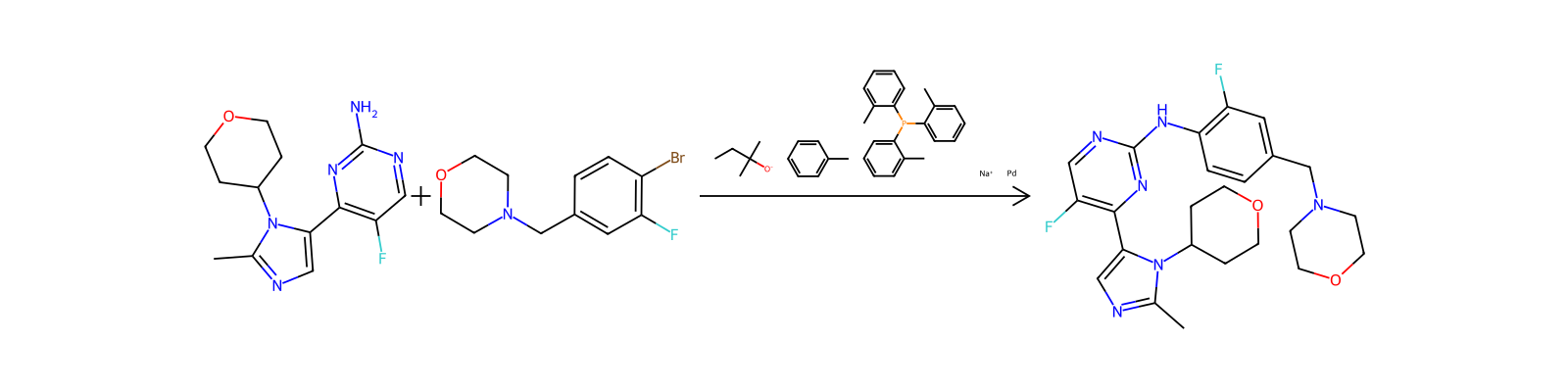
DescriptionTris(o-tolyl)phosphine is an organophosphorus compound. This compound is a white, water-insoluble solid that is soluble in organic solvents. In solution, it slowly converts to the phosphine oxide. As a phosphine ligand, it has a wide cone angle of 194°. Consequently, it tends to cyclometalate when treated with metal halides and metal acetates. Complexes of this ligand are common in homogeneous catalysis.
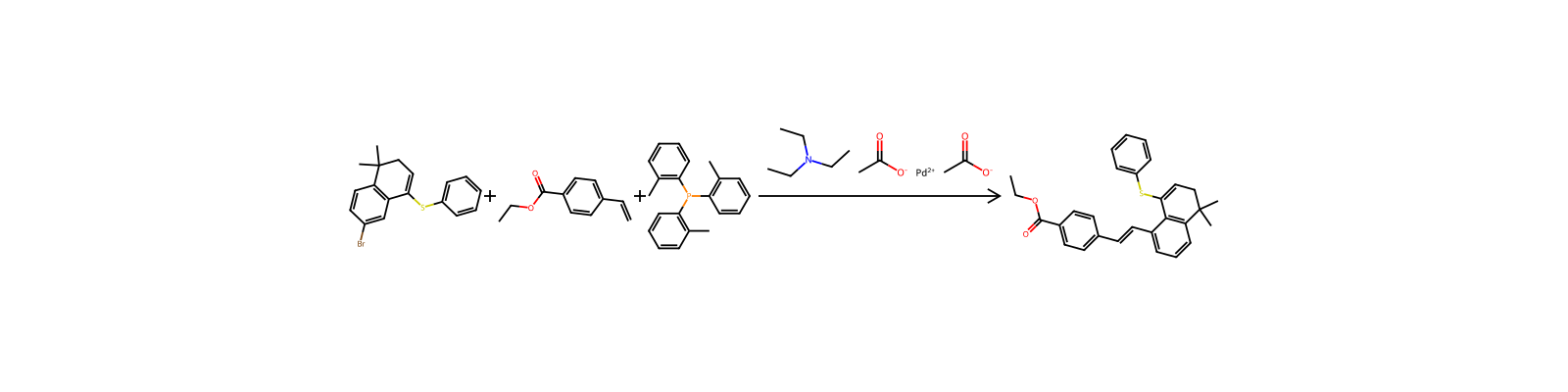
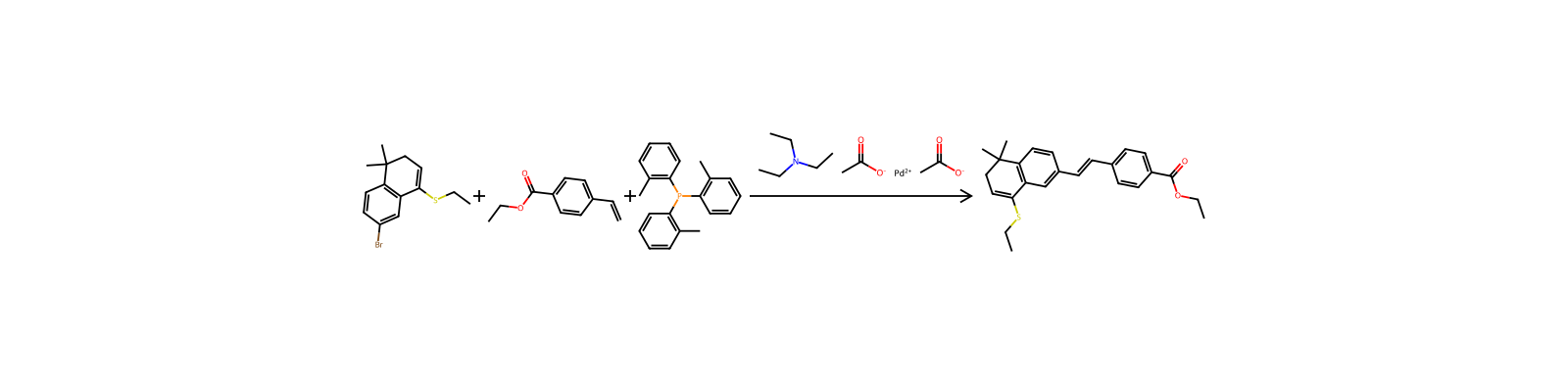
UsesTri(o-tolyl)phosphine is used in a ruthenium-catalyzed direct amination of alcohols. It is also used in Suzuki reaction. Further, it is used in the preparation of tri-ortho-phosphinselenide by reacting with selenium as a reagent. In addition to this, it acts as a ligand in coordination chemistry.
Preparation methods
PreparationTri(o-tolyl)phosphine can be obtained by the reduction of tris(o-tolyl)phosphine oxide or prepared by the 2-bromotoluene Grignard reaction.Procedure: To a solution of magnesuim turnings (3.11 g, 128 mmol, 3.5 equiv) in THF (50 mL) was added a small amount of 2-bromotoluene (1 mL) and 1 iodine crystal. The reaction vessel was heated until initiation occurred, where upon a solution of the remaining 2-bromotoluene (20 g, 117 mmol, 3.2 equiv in total) in THF (100 mL) was added. The reaction was set to reflux for 2 hours (colour change to black solution), after which it was cooled to 0 oC and a solution of phosphorus trichloride (5.01 g, 36.5 mmol, 1 equiv) in THF (30 mL) was added dropwise. Upon addition completion the reaction was set to reflux for 18 hours. The reaction was allowed to cool to room temperature, whereupon NH4Cl solution was added with care. The resulting solution was extracted with ether (3 x 100 mL), dried over MgSO4, filtered and concentrated in vacuo. The resulting white solid was recrystalised from ethanol to yield Tri(o-tolyl)phosphine as a white solid. (6.8 g, 62 %)
Related reactions
3,460 records





Compound notes
Loading…