

Basic information
- Standard SMILES
C1CCOC1- InChIKey
WYURNTSHIVDZCO-UHFFFAOYSA-N- Molecular formula
- C4H8O
- Average molar mass
- 72.11 g/mol
- Monoisotopic mass
- 72.05751487
Names & identifiers
- Preferred name
- Tetrahydrofuran
- IUPAC
- oxolane
- English name
- Tetrahydrofuran
- Molecular formula
- C4H8O
- Molecular weight
- 72.11
Names & synonyms
TETRAHYDROFURANOxolane109-99-9FuranidineFuran, tetrahydro-Tetramethylene oxideHydrofuranOxacyclopentane1,4-EpoxybutaneTetrahydrofuranneTetraidrofuranoTetrahydrofuraan
Show more names
THFTetrahydrofuranePTMEG 2000Butylene oxidePTHFabcoxolanTetrahydrofuran, 99.6%, stabilized with BHT, for analysis ACSPTMEG 1000
Cyclotetramethylene oxideAgrisynth THFButane, 1,4-epoxy-RCRA waste number U213Butane, alpha,delta-oxideDTXSID1021328NCI-C60560Butane alpha,delta-oxide
Database identifiers
- CAS
109-99-9、24979-97-3- PubChem CID
- 8028
- DTXSID
DTXSID1021328- ChEMBL
CHEMBL276521- ChEBI
CHEBI:26911- UNII
- 3N8FZZ6PY4
- EC Number
- 203-726-8
- Nikkaji
- J2.878I
Properties
Computed structural properties
- XLogP
- 0.5
- Topological polar surface area
- 9.2 Ų
- Hydrogen bond donors
- 0
- Hydrogen bond acceptors
- 1
- Rotatable bonds
- 0
- Heavy atoms
- 5
- Formal charge
- 0
- Complexity
- 22
Experimental & physicochemical properties
LogP
log Kow = 0.46
0.46
0.46 (estimated)
Odor
Ether-like odor
FAINT FRUITY ODOR
TastePUNGENT TASTE
Density
0.888 at 68 °F (USCG, 1999) - Less dense than water; will float
0.8833 g/cu cm at 25 °C
Saturated liquid density: 55.230 lb/cu ft; saturated vapor pressure: 2.913 lb/sq in; saturated vapor density: 0.03660 lb/cu ft (all at 75 °F)
Relative density (water = 1): 0.89
0.89
0.8833 @25 °C
Viscosity
0.53 cP at 20 °C
0.5 mPa*s at 20 °C
Color/Form
Colorless, mobile liquid
Water-white liquid
Colorless liquid
Solubility
greater than or equal to 100 mg/mL at 68 °F (NTP, 1992)
Miscible with alcohols, ketones, esters, hydrocarbons, and ethers.
Very soluble in acetone, benzene, ether, ethanol, and chloroform
30% IN WATER AT 25 °C
Miscible in water at 25 °C
1000.0 mg/mL
CorrosivityTetrahydrofuran will attack some forms of plastics, rubber, and coatings.
Flash Point
6 °F (NTP, 1992)
-14 °C
6 °F (closed cup); -4 °F (open cup)
-14.5 °C (closed cup)
-14.5 °C c.c.
6 °F
Boiling Point
151 °F at 760 mmHg (NTP, 1992)
65 °C
65.00 °C. @ 760.00 mm Hg
66 °C
151 °F
65 °C @760 [mm Hg]
Decomposition
When heated to decomposition it emits acrid smoke & irritating fumes.
Upon contact with air, THF may decompose into explosive peroxides & carbon monoxide.
Melting Point
-163.3 °F (NTP, 1992)
-108.44 °C
-108.3 °C
-108.5 °C
-163.3 °F
-108.44 °C
Physicochemical properties
- Melting point
- -108 °C · -108°C
- Boiling point
- 66 °C · 66 °C
- Density
- 0.887 g/mL · 0.887 g/mL at 20 °C
- vapor density
- 2.5 · 2.5 (vs air)
- vapor pressure
- 0.01 mm · <0.01 mm Hg ( 25 °C)
- refractive index
- 20 · n20/D 1.465
- Flash point
- 230 °F · >230 °F
- storage temp.
- 5 °C · Store at +5°C to +30°C.
- solubility
- water: soluble
- form
- Liquid
- Specific Gravity
- 0.89 · 0.89
- color
- 10 · <10(APHA)
- Relative polarity
- 0.207 · 0.207
- PH
- 7 · 7-8 (200g/l, H2O, 20℃)
- PH Range
- 7 · 7
- Odor
- 2 to · Ethereal, detectable at 2 to 50 ppm
- explosive limit
- 1.5 · 1.5-12.4%(V)
- Water Solubility
- miscible
- FreezingPoint
- -108 ℃ · -108℃
- Thermal Conductivity
- 0.145 W/ · 0.145 W/(m·K) at 25 ℃
- Specific Heat Capacity
- 1.72 J/ · Cp(liquid): 1.72 J/(g·K); Cp(gas): 1.06 J/(g·K), at 25℃
- λmax
- 245 nm · λ: 245 nm Amax: ≤0.26λ: 275 nm Amax: ≤0.046λ: 315 μm Amax: ≤0.0044
- Sensitive
- Air Sensitive & Hygroscopic
- Merck
- 14 · 14,9211
- BRN
- 102391 · 102391
- Henry's Law Constant
- 1.54 · 1.54 (static headspace-GC, Welke et al., 1998)
- Exposure limits
- 50 ppm · ACGIH:TLV-TWA 50 ppm (147 mg/m3); TLV-STEL 100 ppm (295 mg/m3)OSHA:PEL-TWA 200 ppm (590 mg/m3)NIOSH:REL-TWA 200 ppm; REL-STEL 250 ppm
- Dielectric constant
- 11.6 · 11.6(-70℃)
- Stability
- 2 · Stable. Incompatible with halogens, strong oxidizing agents, strong reducing agents, strong bases, oxygen. May generate explosive peroxides in storage if in contact with air. Highly flammable. Store at room temperature under nitrogen. Hazardous polymerisation may occur. Light sensitive. May contain 2,6-di-tertbutyl-4-methylphenol (BHT) as a stabilizer.
- InChI
- 1S/C4H8O/c1-2-4-5-3-1/h1-4H2
- InChIKey
- WYURNTSHIVDZCO-UHFFFAOYSA-N
- SMILES
- C1CCOC1
- LogP
- 0.45 at · 0.45 at 25℃
- Surface tension
- 27.31 mN/m · 27.31mN/m at 293.15K
- Toxicology and Carcinogenesis
- Toxicology and Carcinogenesis Studies of Tetrahydrofuran (CASRN 109-99-9) in F344/N Rats and B6C3F1 Mice (Inhalation Studies)
- FDA 21 CFR
- 175.105 · 175.105; 175.320; 177.1200;178.3950
- Indirect Additives used in Food Contact Substances
- TETRAHYDROFURAN
- CAS DataBase Reference
- 109 · 109-99-9(CAS DataBase Reference)
- EWG's Food Scores
- 3 · 3
- FDA UNII
- 3 N8FZZ6PY4 · 3N8FZZ6PY4
- IARC
- 2 B · 2B (Vol. 119) 2019
- NIST Chemistry Reference
- Furan, tetrahydro-(109-99-9)
- EPA Substance Registry System
- Tetrahydrofuran (109-99-9)
- Absorption
- 0.0044 at · ≤0.0044 at 315nm≤0.005 at 350nm≤0.005 at 400nm≤0.02 at 300nm≤0.046 at 275nm≤0.18 at 250nm≤0.26 at 245nm≤1.0 at 212nm
- UNSPSC Code
- 41116107 · 41116107
- NACRES
- 61 · NB.61
- Symbol(GHS)
- 2 · GHS02,GHS07,GHS08
- Signal word
- Danger
- Hazard statements
- 302 · H302-H315-H319-H371-H372-H351-H335-H225
- Precautionary statements
- 501 · P501-P260-P270-P202-P240-P210-P233-P201-P243-P241-P242-P271-P264-P280-P370+P378-P337+P313-P305+P351+P338-P308+P311-P362+P364-P303+P361+P353-P332+P313-P301+P312+P330-P304+P340+P312-P403+P233-P403+P235-P405
- target organs
- Central nervous system, Respiratory system
- Hazard Codes
- Xi,F,Xn
- Risk Statements
- 36 · 36/37/38-36/37-19-11-40
- Safety Statements
- 26 · 26-36-33-29-16-46-37-13
- OEB
- A
- OEL
- 200 ppm · TWA: 200 ppm (590 mg/m3), STEL: 250 ppm (735 mg/m3)
- RIDADR
- 2056 · UN 2056
- WGK Germany
- 1 · 1
- RTECS
- 916000 · MD0916000
- F
- 3 · 3-10-23
- Autoignition Temperature
- 610 °F · 610 °F
- TSCA
- TSCA listed
- HazardClass
- 3 · 3
- PackingGroup
- II
- HS Code
- 29321100 · 29321100
- Storage Class
- 3 · 3 - Flammable liquids
- Hazard Classifications
- 4 OralCarc · Acute Tox. 4 OralCarc. 2Eye Irrit. 2Flam. Liq. 2STOT SE 3
- Hazardous Substances Data
- 109 · 109-99-9(Hazardous Substances Data)
- Toxicity
- 50 oral · LD50 oral (rat) 2880 mg/kg LC50 inhal (rat) 21,000 ppm (3 h) PEL (OSHA) 200 ppm (590 mg/m3) TLV-TWA (ACGIH) 200 ppm (590 mg/m3) STEL (ACGIH) 250 ppm (737 mg/m3)
- IDLA
- 2 · 2,000 ppm [10% LEL]
- REACH Registrations
- Active
- Limited Quantities
- 1 L · 1.0 L (0.3 gallon) (liquid)
- Excepted Quantities
- Max Inner Pack (30g or 30ml) and Max Outer Pack (500g or 500ml)
Safety & regulation
GHS classification
GHS Classification
Danger
H225: Highly Flammable liquid and vapor [Danger Flammable liquids];H319: Causes serious eye irritation [Warning Serious eye damage/eye irritation];H335: May cause respiratory irritation [Warning Specific target organ toxicity, single exposure; Respiratory tract irritation];H351: Suspected of causing cancer [Warning Carcinogenicity]
P203, P210, P233, P240, P241, P242, P243, P261, P264+P265, P271, P280, P303+P361+P353, P304+P340, P305+P351+P338, P318, P319, P337+P317, P370+P378, P403+P233, P403+P235, P405, and P501 (click each P-code to see the statement)
This chemical does not meet GHS hazard criteria for 0.1% (2 of 1661) of reports.
Hazard information
Regulatory Information
Chemical: Furan, tetrahydro-
Hazard Traits - Carcinogenicity; Environmental tox; Neurotoxicity;Authoritative List - CWA 303(d); IARC Carcinogens - 2B; IRIS Neurotoxicants; Prop 65;Report - regardless of intended function of ingredient in the product
Furan, tetrahydro- is listed on the EPA's Chemical Data Reporting (CDR) system. Manufacturers and importers of Furan, tetrahydro- are required to report information about their production and use of this chemical to the EPA under the Toxic Substances Control Act (TSCA). (40 eCFR Part 711)
Status: Active Update: 30-03-2023 https://echa.europa.eu/registration-dossier/-/registered-dossier/15474;Status: Active Update: 16-03-2018 https://echa.europa.eu/registration-dossier/-/registered-dossier/22931
Furan, tetrahydro-: HSNO Approval: HSR001224 Approved with controls
The New Jersey Worker and Community Right to Know Act requires public and private employers to provide information about hazardous substances at their workplaces. (N.J.S.A. 34:5A-1 et. seq.)
Other Safety InformationIMAP assessments - Furan, tetrahydro-: Human health tier III assessment;IMAP assessments - Furan, tetrahydro-: Human health tier II assessment
DOT LabelFlammable Liquid
Fire Hazards
Special Hazards of Combustion Products: Irritating vapor is generated when heated.;Behavior in Fire: May explode. Vapor is heavier than air and may travel considerable distance to a source of ignition and flash back. (USCG, 1999)
· HIGHLY FLAMMABLE: Will be easily ignited by heat, sparks or flames.;CAUTION: Ethanol (UN1170) can burn with an invisible flame. Use an alternate method of detection (thermal camera, broom handle, etc.);· Vapors may form explosive mixtures with air.;· Vapors may travel to source of ignition and flash back.;· Most vapors are heavier than air. They will spread along the ground and collect in low or confined areas (sewers, basements, tanks, etc.).;· Vapor explosion hazard indoors, outdoors or in sewers.;· Those substances designated with a (P) may polymerize explosively when heated or involved in a fire.;· Runoff to sewer may create fire or explosion hazard.;· Containers may explode when heated.;· Many liquids will float on water.
Highly flammable. Vapour/air mixtures are explosive.
Fire PotentialFlammable liquid. A very dangerous fire hazard when exposed to heat, flames, oxidizers.
Health Hazards
Vapors cause nausea, dizziness, headache, and anesthesia. Liquid can de-fat the skin and cause irritation. Liquid also irritates eyes. (USCG, 1999)
· Inhalation or contact with material may irritate or burn skin and eyes.;· Fire may produce irritating, corrosive and/or toxic gases.;· Vapors may cause dizziness or asphyxiation, especially when in closed or confined areas.;· Runoff from fire control or dilution water may cause environmental contamination.
Hazards Summary
Anesthesia produced in animal inhalation studies; Toxic hepatitis has been reported in exposed workers. TLV Basis is irritation, CNS impairment, and kidney damage. [ACGIH] A skin, eye, and respiratory tract irritant; Inhalation of high concentrations can cause CNS depression; [ICSC]
Tetrahydrofuran (THF) is a very hazardous substance due primarily to its flammable and explosive properties. Toxicity is also of concern and must be considered in the safe handling and storage of THF. Irritation from dermal contact with THF warrants the wearing of gloves and safety glasses for protection during the routine handling of this substance. Toxic, as well as flammable, concentrations of THF in air can be avoided by compliance with the TLV of 200 ppm. When this TLV is exceeded, respiratory protection is needed. Protection above the TLV of 50 ppm up to 500 ppm can be provided by a respirator mask using an approved organic vapor cartridge. For emergency situations, such as fires or involving exposure above 500 ppm, a self-contained breathing apparatus would be needed. THF is highly volatile with a low flash point (1 °F) and flammability limit of 2%. Its heavier-than-air vapors can travel at low profile for considerable distances and flash back to the point of origin. Further, unstabilized THF forms peroxides upon exposure to air or light, which, if allowed to accumulate above 1% become thermally explosive. THF also reacts explosively with lithium-aluminum alloys. In consideration of the above, THF should be contained in tightly sealed dark glass bottles or steel drums affixed with the DOT-required label, "Flammable Liquid". Should THF leak from containment vessels, its faint, fruity smell, is detectable at 50 ppm and may serve as a warning. Containers should be stored in cool, dark, well-ventilated areas, away from ignition sources and oxidizing materials. Should a THF fire occur, it may be combated with dry chemical or CO2 extinguishers. Water may be ineffective in firefighting. However, if a leak or spill has not ignited, it may be flushed with water for cooling and diluting if conditions of ignition threaten. Knock down vapors with water spray. Spills or leaks should be absorbed with paper or dissolved in petroleum ether or alcohol (of a higher molecular w
DOT ID and Guide
2056 127
2056 127
FDA RequirementsTetrahydrofuran is an indirect food additive for use only as a component of adhesives.
Reactive GroupEthers
UN ClassificationUN Hazard Class: 3; UN Pack Group: II
Special Reports
Health & Safety Executive; Criteria Document Summaries-Synopses of the Data Used in Setting Occupational Exposure Limits. HSE Books, PO Box 1999, Sudbury, Suffolk, UK C010 6FS (1995) This document contains summaries of the data considered by the Health and Safety Commission of the United Kingdom in setting occupational exposure standards. ...
European Commission; Occupational Exposure Limits. Recommendations of the Scientific Expert Group 1991-1992. Office for Official Publications of the European Communities, 2985 Luxembourg. 85pp. (1994). This document contains recommendations of the Scientific Advisory Group for a series of 26 substances ... /which include/ ... proposed occupational exposure limits. ...
Toxicology & Carcinogenesis Studies of Tetrahydrofuran in F344/N Rats and B6C3F1 Mice p.6 Technical Report Series No. 475 (1998) NIH Publication No. 98-3965 U.S. Department of Health and Human Services, National Toxicology Program, National Institute of Environmental Health Sciences, Research Triangle Park, NC 27709
Safety & protection
Fire Fighting
Excerpt from ERG Guide 127 [Flammable Liquids (Water-Miscible)]:;CAUTION: The majority of these products have a very low flash point. Use of water spray when fighting fire may be inefficient. CAUTION: For fire involving UN1170, UN1987 or UN3475, alcohol-resistant foam should be used. CAUTION: Ethanol (UN1170) can burn with an invisible flame. Use an alternate method of detection (thermal camera, broom handle, etc.).;SMALL FIRE: Dry chemical, CO2, water spray or alcohol-resistant foam.;LARGE FIRE: Water spray, fog or alcohol-resistant foam. Avoid aiming straight or solid streams directly onto the product. If it can be done safely, move undamaged containers away from the area around the fire.;FIRE INVOLVING TANKS, RAIL TANK CARS OR HIGHWAY TANKS: Fight fire from maximum distance or use unmanned master stream devices or monitor nozzles. Cool containers with flooding quantities of water until well after fire is out. Withdraw immediately in case of rising sound from venting safety devices or discoloration of tank. ALWAYS stay away from tanks in direct contact with flames. For massive fire, use unmanned master stream devices or monitor nozzles; if this is impossible, withdraw from area and let fire burn. (ERG, 2024)
Use alcohol-resistant foam, water spray, powder, carbon dioxide. In case of fire: keep drums, etc., cool by spraying with water.
First Aid Measures
Fresh air, rest. Refer immediately for medical attention.
First rinse with plenty of water for at least 15 minutes, then remove contaminated clothes and rinse again. Refer for medical attention .
Rinse with plenty of water for several minutes (remove contact lenses if easily possible). Refer for medical attention.
Rinse mouth. Refer for medical attention .
Accidental Release Measures
· CALL 911. Then call emergency response telephone number on shipping paper. If shipping paper not available or no answer, refer to appropriate telephone number listed on the inside back cover.;· Keep unauthorized personnel away.;· Stay upwind, uphill and/or upstream.;· Ventilate closed spaces before entering, but only if properly trained and equipped.
· ELIMINATE all ignition sources (no smoking, flares, sparks or flames) from immediate area.;· All equipment used when handling the product must be grounded.;· Do not touch or walk through spilled material.;· Stop leak if you can do it without risk.;· Prevent entry into waterways, sewers, basements or confined areas.;· A vapor-suppressing foam may be used to reduce vapors.;· Absorb or cover with dry earth, sand or other non-combustible material and transfer to containers.;· Use clean, non-sparking tools to collect absorbed material.;Large Spill;· Dike far ahead of liquid spill for later disposal.;· Water spray may reduce vapor, but may not prevent ignition in closed spaces.
First Aid
EYES: First check the victim for contact lenses and remove if present. Flush victim's eyes with water or normal saline solution for 20 to 30 minutes while simultaneously calling a hospital or poison control center. Do not put any ointments, oils, or medication in the victim's eyes without specific instructions from a physician. IMMEDIATELY transport the victim after flushing eyes to a hospital even if no symptoms (such as redness or irritation) develop.;SKIN: IMMEDIATELY flood affected skin with water while removing and isolating all contaminated clothing. Gently wash all affected skin areas thoroughly with soap and water. If symptoms such as redness or irritation develop, IMMEDIATELY call a physician and be prepared to transport the victim to a hospital for treatment.;INHALATION: IMMEDIATELY leave the contaminated area; take deep breaths of fresh air. If symptoms (such as wheezing, coughing, shortness of breath, or burning in the mouth, throat, or chest) develop, call a physician and be prepared to transport the victim to a hospital. Provide proper respiratory protection to rescuers entering an unknown atmosphere. Whenever possible, Self-Contained Breathing Apparatus (SCBA) should be used; if not available, use a level of protection greater than or equal to that advised under Protective Clothing.;INGESTION: DO NOT INDUCE VOMITING. Volatile chemicals have a high risk of being aspirated into the victim's lungs during vomiting which increases the medical problems. If the victim is conscious and not convulsing, give 1 or 2 glasses of water to dilute the chemical and IMMEDIATELY call a hospital or poison control center. IMMEDIATELY transport the victim to a hospital. If the victim is convulsing or unconscious, do not give anything by mouth, ensure that the victim's airway is open and lay the victim on his/her side with the head lower than the body. DO NOT INDUCE VOMITING. IMMEDIATELY transport the victim to a hospital. (NTP, 1992)
General First Aid:;· Call 911 or emergency medical service.;· Ensure that medical personnel are aware of the material(s) involved, take precautions to protect themselves and avoid contamination.;· Move victim to fresh air if it can be done safely.;· Administer oxygen if breathing is difficult.;· If victim is not breathing:;-- DO NOT perform mouth-to-mouth resuscitation; the victim may have ingested or inhaled the substance.;-- If equipped and pulse detected, wash face and mouth, then give artificial respiration using a proper respiratory medical device (bag-valve mask, pocket mask equipped with a one-way valve or other device).;-- If no pulse detected or no respiratory medical device available, provide continuous compressions. Conduct a pulse check every two minutes or monitor for any signs of spontaneous respirations.;· Remove and isolate contaminated clothing and shoes.;· For minor skin contact, avoid spreading material on unaffected skin.;· In case of contact with substance, remove immediately by flushing skin or eyes with running water for at least 20 minutes.;· For severe burns, immediate medical attention is required.;· Effects of exposure (inhalation, ingestion, or skin contact) to substance may be delayed.;· Keep victim calm and warm.;· Keep victim under observation.;· For further assistance, contact your local Poison Control Center.;· Note: Basic Life Support (BLS) and Advanced Life Support (ALS) should be done by trained professionals.;Specific First Aid:;· Wash skin with soap and water.
(General first aid procedures);Eye: Irrigate immediately - If this chemical contacts the eyes, immediately wash (irrigate) the eyes with large amounts of water, occasionally lifting the lower and upper lids. Get medical attention immediately.;Skin: Water flush promptly - If this chemical contacts the skin, flush the contaminated skin with water promptly. If this chemical penetrates the clothing, immediately remove the clothing and flush the skin with water promptly. If irritation persists after washing, get medical attention.;Breathing: Respiratory support;Swallow: Medical attention immediately - If this chemical has been swallowed, get medical attention immediately.
Safe StorageFireproof. Well closed. Separated from : see Chemical Dangers.
Firefighting Hazards
Tetrahydrofuran (THF) is extremely flammable (NFPA rating = 3), and its vapor can travel a considerable distance to an ignition source and "flash back." A 5% solution of THF in water is flammable.
Vapor is heavier than air and may travel considerable distance to source of ignition and flash back.
Exposure Control and Personal Protection
· Wear positive pressure self-contained breathing apparatus (SCBA).;· Structural firefighters' protective clothing provides thermal protection but only limited chemical protection.
Biological Exposure Indices (BEI) [ACGIH] - Tetrahydrofuran in urine = 2 mg/L; sample at end of shift;
20.34 [ppm]
Fire Fighting Procedures
Approach fire from upwind to avoid hazardous vapors and toxic decomposition products. Use water spray, dry chemical, "alcohol resistant" foam, or carbon dioxide. Use water spray to keep fire-exposed containers cool.
If material on fire or involved in fire: Do not extinguish fire unless flow can be stopped. Use water in flooding quantities as fog. Solid streams of water may be ineffective. Cool all affected containers with flooding quantities of water. Apply water from as far a distance as possible. Use "alcohol" foam, dry chemical or carbon dioxide.
Closed containers may rupture violently when heated.
Wear full protective clothing and positive pressure self-contained breathing apparatus. Teflon barrier recommended.
Storage Conditions
Store in a cool, dry, well-ventilated location. Store away from heat, oxidizing materials, and sunlight. Outside or detached storage is preferred. Inside storage should be in a standard flammable liquids storage warehouse, room, or cabinet.
Purified tetrahydrofuran should not be stored for more than a few months after its container has been opened if it contains no oxidation inhibitor. In this case, it is potentially explosive because of peroxide formation.
NO open flames, NO sparks, and NO smoking. Closed system, ventilation, explosion-proof electrical equipment and lighting. Do NOT use compressed air for filling, discharging, or handling.
Distillation or alkali treatment of stabilized tetrahyrofuran removes the involatile anti-oxidant, and the solvent must be restabilized or stored under nitrogen to prevent formation during storage, which should not exceed a few days duration in the absence of stabilizer.
THF can be stored in the usual steel containers.
Cleanup Methods
Evacuate and restrict persons not wearing protective equipment from area of spill or leak until cleanup is complete. Remove all ignition sources. Establish forced ventilation to keep levels below explosive limit. Absorb liquids in vermiculite, dry sand, earth, peat, carbon, or a similar material and deposit in sealed containers. Keep this chemical out of a confined space, such as a sewer, because of the possibility of an explosion, unless the sewer is designed to prevent the build-up of explosive concentrations. It may be necessary to contain and dispose of this chemical as a hazardous waste. If material or contaminated runoff enters waterways, notify downstream users of potentially contaminated waters. Contact your Department of Environmental Protection or your regional office of the federal EPA for specific recommendations.
Shut off all possible sources of ignition. Instruct others to maintain a safe distance. Wear breathing apparatus, eye protection, laboratory coat, and butyl rubber gloves. Cover with a 1:1:1 mixture by weight of sodium carbonate or calcium carbonate, clay cat litter (bentonite), and sand. Transfer to a large dish and let evaporate in fume hood. Ventilate area well to evaporate remaining liquid and dispel vapor. Treat solid residue as normal refuse.
Absorb with paper. Evaporate completely all spilled surface. Dispose by burning the paper after complete ventilation of vapor.
Nonfire Spill Response
Excerpt from ERG Guide 127 [Flammable Liquids (Water-Miscible)]:;ELIMINATE all ignition sources (no smoking, flares, sparks or flames) from immediate area. All equipment used when handling the product must be grounded. Do not touch or walk through spilled material. Stop leak if you can do it without risk. Prevent entry into waterways, sewers, basements or confined areas. A vapor-suppressing foam may be used to reduce vapors. Absorb or cover with dry earth, sand or other non-combustible material and transfer to containers. Use clean, non-sparking tools to collect absorbed material.;LARGE SPILL: Dike far ahead of liquid spill for later disposal. Water spray may reduce vapor, but may not prevent ignition in closed spaces. (ERG, 2024)
Disposal Methods
Generators of waste (equal to or greater than 100 kg/mo) containing this contaminant, EPA hazardous waste number U213, must conform with USEPA regulations in storage, transportation, treatment and disposal of waste.
A good candidate for liquid injection incineration at a temperture range of 650 to 1,600 °C and a residence time of 0.1 to 2 seconds. Also, a good candidate for rotary kiln incineration at a temperature range of 820 to 1,600 °C and residence times of seconds for liquids and gases, and hours for solids. Also, a good candidate for fluidized bed incineration at a temperature range of 450 to 980 °C and residence times of seconds for liquids and gases, and longer for solids.
Tetrahydrofuran is a waste chemical stream constituent which may be subjected to ultimate disposal by controlled incineration. In controlled waste containing peroxides, perforation of a container of the waste form a safe distance is followed by open burning.
/In laboratories/ excess tetrahydrofuran and waste material containing this substance should be placed in an appropriate container, clearly labeled, and handled according to your institution's waste disposal guidelines.
For more Disposal Methods (Complete) data for Tetrahydrofuran (6 total), please visit the HSDB record page.
Toxicology
Body BurdenIn 4 urban areas, tetrahydrofuran was detected in Mother's milk in 1 of 12 samples(1).
Target Organs
Developmental;Hepatic;Nervous
Eyes, respiratory system, central nervous system
Ecotoxicity Values
LC50; Species: Daphnia magna (Water flea, age < or = 24 hr); Conditions: freshwater, static, 20-22 °C, pH 7.6-7.7; Concentration: >10,000,000 ug/L for 24 hr /formulated product/
LC50; Species: Daphnia magna Straus (water flea); Concentration: 5930 mg/L for 24 hr; Conditions: DIN 38412 Section 11
LC50; Species: Moina macrocopa (water flea); Concentration: 9800 mg/L for 3 hr /Conditions of bioassay not given/
LC50; Species: Carassius auratus (goldfish); Concentration: 2400 mg/L for 48 hr; Conditions: static
For more Ecotoxicity Values (Complete) data for Tetrahydrofuran (9 total), please visit the HSDB record page.
Environmental Fate
TERRESTRIAL FATE: Based on a classification scheme(1), Koc values of 18 and 23(2), indicate that tetrahydrofuran is expected to have very high mobility in soil(SRC). Volatilization of tetrahydrofuran from moist soil surfaces is expected to be an important fate process(SRC) given a Henry's Law constant of 7.05X10⁻⁵ atm-cu m/mole(3). Tetrahydrofuran is expected to volatilize from dry soil surfaces(SRC) based upon a vapor pressure of 162 mm Hg at 25 °C(4). Tetrahydrofuran, added to the surface of 2 different soil samples which had been sterilized to prevent microbial degradation, had a disappearance half-life of 5.7 days(5). A 100% of theoretical BOD using activated sludge in the Japanese MITI test(6) suggests that biodegradation is an important environmental fate process in soil(SRC); however, the EEC manometric respirometric method, tested in 22 different laboratories, gave a mean of 34% of the theoretical BOD within 28 days(7).
AQUATIC FATE: Based on a classification scheme(1), Koc values of 18 and 23(2), indicate that tetrahydrofuran is not expected to adsorb to suspended solids and sediment(SRC). Volatilization from water surfaces is expected(3) based upon a Henry's Law constant of 7.05X10⁻⁵ atm-cu m/mole(4). Using this Henry's Law constant and an estimation method(3), volatilization half-lives for a model river and model lake are 13 hours and 6.6 days, respectively(SRC). According to a classification scheme(5), an estimated BCF of 3(SRC), from its log Kow of 0.46(6) and a regression-derived equation(7), suggests the potential for bioconcentration in aquatic organisms is low(SRC). In the modified MITI screening test, tetrahydrofuran at 100 mg/L was completely biodegraded in 14 days using an activated sludge inoculum(8); however, the EEC manometric respirometric method, tested in 22 different laboratories, gave a mean of 34% of the theoretical BOD within 28 days(9).
ATMOSPHERIC FATE: According to a model of gas/particle partitioning of semivolatile organic compounds in the atmosphere(1), tetrahydrofuran, which has a vapor pressure of 162 mm Hg at 25 °C(2), is expected to exist solely as a vapor in the ambient atmosphere. Vapor-phase tetrahydrofuran is degraded in the atmosphere by reaction with photochemically-produced hydroxyl radicals; the half-life for this reaction in air is 21 to 24 hours(3), calculated from its measured rate constants of 1.62X10⁻¹¹ to 1.8X10⁻¹¹ cu cm/molecule-sec(4). Butyrolactone and alpha-hydroxytetrahydrofuran were formed as products during the photooxidation of tetrahydrofuran(5). Tetrahydrofuran will also react with nitrate radicals; the half-life for this reaction in air is 3 days(SRC), calculated from its measured rate constant of 4.88X10⁻¹⁵ cu cm/molecule-sec(6). Tetrahydrofuran is moderately reactive in photochemical smog conditions where nitrogen oxides are present; reactions occur in time scales of hours(7-9).
Food Survey Values
Tetrahydrofuran has been identified in coffee aroma.
Constituent of roasted coffee
Tetrahydrofuran was detected as a volatile compound, isolated from floured chickpea seed(1). This compound was identified in the volatile component of cooked chicken(2).
Adverse Effects
Neurotoxin - Acute solvent syndrome;Occupational hepatotoxin - Primary hepatotoxins: the toxic effect to the liver is the principal adverse effect of the chemical.;Nephrotoxin - The chemical is potentially toxic to the kidneys in the occupational setting.;IARC Carcinogen - Class 3: Chemicals are not classifiable by the International Agency for Research on Cancer.;ACGIH Carcinogen - Confirmed Animal.
Exposure Routes
The substance can be absorbed into the body by inhalation of its vapour, by ingestion and through the skin.
inhalation, skin and/or eye contact, ingestion
Milk ConcentrationsENVIRONMENTAL: In 4 urban areas, tetrahydrofuran was detected in Mother's milk in 1 of 12 samples(1).
Toxicity Summary
HUMAN TOXICITY: Data pertaining to the toxicity of tetrahydrofuran (THF) in humans is quite limited. The probable oral lethal dose in humans is 50-500 mg/kg. Severe occipital headaches were reported in the testing for pharmacological properties of THF & among technicians performing animal experiments. Toxicity (TCLo) is expected following exposure to a 2.5% concn of THF. ANIMAL TOXICITY: Animal studies indicate that THF is only "MODERATELY TOXIC" from acute exposure with the lowest reported LD50's of 1900-2900 mg/kg by oral route. Median lethal concns by inhalation varied with the duration of exposure but were >20,000 ppm with all species for exposures of 1 hr or less. Reports of animal studies document irritation of the skin & mucous membranes, including the eyes, nose, & upper respiratory tract, as the predominant effect from lower exposures (about 100-200 ppm). High acute doses (about 25,000 ppm) produced anesthesia with delayed induction & recovery periods, accompanied by a fall in blood pressure & strong respiratory stimulation. The margin of safety between anesthesia & death is small. Other effects recorded are those of damage to liver, kidneys, & lung after prolonged exposures to levels of THF >1000 ppm. Toxic manifestations varied somewhat with the route of exposure with irritation of upper respiratory tract observed with inhaled THF & inflammation of the GI tract following oral ingestion. The only report on carcinogenicity is that of a test for skin tumors in which THF was applied to the skin of mice twice/wk for 25 exposures with an observation period of 17.5 months. No carcinogenic effect was observed. THF was negative when tested for mutagenicity using the Ames test; however, it would appear to enhance the mutagenicity of certain tryptophan-pyrolysate substances. No information is presented on metabolism, absorption, & distribution. The only report on excretion is the finding of THF in mother's milk.
Signs and Symptoms
Cough. Burning sensation in the throat and chest. Dizziness. Headache. Nausea. Unconsciousness.
Dry skin. Redness. Pain.
Redness. Pain.
See Inhalation.
irritation eyes, upper respiratory system; nausea, dizziness, headache, central nervous system depression
Ongoing Test Status
The following link will take the user to the National Toxicology Program (NTP) Test Agent Search Results page, which tabulates all of the "Standard Toxicology & Carcinogenesis Studies", "Developmental Studies", and "Genetic Toxicity Studies" performed with this chemical. Clicking on the "Testing Status" link will take the user to the status (i.e., in review, in progress, in preparation, on test, completed, etc.) and results of all the studies that the NTP has done on this chemical.[Available from: http://ntp-apps.niehs.nih.gov/ntp_tox/index.cfm?fuseaction=ntpsearch.searchresults&searchterm=109-99-9]
Effluent Concentrations
Thirty samples taken between 1973-1976 ranged from 0 ug/L (Olin Corp, Brandenbury, KY, Ohio River/Wabash River) to 450,000 ug/L (General Electric, Mt Vernon, IN, Ohio River). Other notably high concentration were 1000 ug/L (M/T Chem, Carrloton, KY, Ohio River), 850 ug/L (Olin Corp, IN, Ohio River/ Wabash River), and 318 ug/L (Ashtabula, OH).
Leachate from the Rochester Municipal Landfill contained tetrahydrofuran at 0.43 mg/L(1). Effluent samples taken from a plant that finished polyester fabrics contained tetrahydrofuran at unreported concentrations(2). Tetrahydrofuran was reported in the vehicle exhaust gases from a gasoline engine at unreported concentrations(3). Effluent from a sewage treatment plant in Barceloneta, Puerto Rico, receiving waste from several pharmaceutical industries contained tetrahydrofuran at unreported concentrations(4). Ambient air samples from 2 of 5 hazardous waste sites in New Jersey contained tetrahydrofuran at unreported concentrations(5).
Tetrahydrofuran was detected in 20 of 1043 common household products at unreported concentrations(1). Tetrahydrofuran was identified but not quantified as a volatile organic compound released from textile floor coverings(2). Tetrahydrofuran was identified as a major constituent of polyvinyl chloride primer and adhesive and was found to be leached into the water surrounding bonded joints at concentrations ranging from 215-63,000 ug/L (concentrations given for the first wash for 7 different products)(3); 6 and 8 months following polyvinyl chloride pipe installation tetrahydrofuran concentrations in the surrounding water were 13 and 7.5 ppm, respectively(4). Volatile organic compounds measured from a sludge landfill simulator contained tetrahydrofuran at unreported concentrations(5). The concentration of tetrahydrofuran in landfill leachate ranges from 18 to 1,400 ug/L(6). Groundwater sampled under two waste disposal sites in Minnesota contained tetrahydrofuran at concentrations from 24-3900 ug/L(7). Leachates from 3 of 5 landfill sites in Connecticut contained tetrahydrofuran; Cheshire site at 60 ug/L, Norwich site at 20 ug/L, Danbury site at 330 ug/L(8).
Regulatory information
Regulatory Information
Chemical: Furan, tetrahydro-
Hazard Traits - Carcinogenicity; Environmental tox; Neurotoxicity;Authoritative List - CWA 303(d); IARC Carcinogens - 2B; IRIS Neurotoxicants; Prop 65;Report - regardless of intended function of ingredient in the product
Furan, tetrahydro- is listed on the EPA's Chemical Data Reporting (CDR) system. Manufacturers and importers of Furan, tetrahydro- are required to report information about their production and use of this chemical to the EPA under the Toxic Substances Control Act (TSCA). (40 eCFR Part 711)
Status: Active Update: 30-03-2023 https://echa.europa.eu/registration-dossier/-/registered-dossier/15474;Status: Active Update: 16-03-2018 https://echa.europa.eu/registration-dossier/-/registered-dossier/22931
Furan, tetrahydro-: HSNO Approval: HSR001224 Approved with controls
The New Jersey Worker and Community Right to Know Act requires public and private employers to provide information about hazardous substances at their workplaces. (N.J.S.A. 34:5A-1 et. seq.)
FDA RequirementsTetrahydrofuran is an indirect food additive for use only as a component of adhesives.
RCRA Requirements
U213; As stipulated in 40 CFR 261.33, when tetrahydrofuran, as a commercial chemical product or manufacturing chemical intermediate or an off-specification commercial chemical product or a manufacturing chemical intermediate, becomes a waste, it must be managed according to Federal and/or State hazardous waste regulations. Also defined as a hazardous waste is any residue, contaminated soil, water, or other debris resulting from the cleanup of a spill, into water or on dry land, of this waste. Generators of small quantities of this waste may qualify for partial exclusion from hazardous waste regulations (40 CFR 261.5).
TSCA Requirements
Section 8(a) of TSCA requires manufacturers of this chemical substance to report preliminary assessment information concerned with production, exposure, and use to EPA as cited in the preamble in 51 FR 41329. Effective date 3/11/94; Reporting date: 5/10/95.
Pursuant to section 8(d) of TSCA, EPA promulgated a model Health and Safety Data Reporting Rule. The section 8(d) model rule requires manufacturers, importers, and processors of listed chemical substances and mixtures to submit to EPA copies and lists of unpublished health and safety studies. Tetrahydrofuran is included on this list. Effective date 3/11/94; Sunset date: 6/30/98.
A testing consent order is in effect for tetrahydrofuran for health effects testing. FR citation: 1/23/95.
CERCLA Reportable Quantities
Persons in charge of vessels or facilities are required to notify the National Response Center (NRC) immediately, when there is a release of this designated hazardous substance, in an amount equal to or greater than its reportable quantity of 1000 lb or 454 kg. The toll free number of the NRC is (800) 424-8802. The rule for determining when notification is required is stated in 40 CFR 302.4 (section IV.D.3.b).
State Drinking Water Guidelines
(MA) MASSACHUSETTS 600 ug/L
(NH) NEW HAMPSHIRE 150 ug/L
(WI) WISCONSIN 50 ug/L
(ME) MAINE 70 ug/L
(FL) FLORIDA 4.6 ug/L
Safety data
- F
- 3-10-23
- OEB
- A
- OEL
- TWA: 200 ppm (590 mg/m3), STEL: 250 ppm (735 mg/m3)
- wgk
- 1
- IDLA
- 2,000 ppm [10% LEL]
- tsca
- TSCA listed
- rtecs
- MD0916000
- ridadr
- UN 2056
- hs_code
- 29321100
- Toxicity
- LD50 oral (rat) 2880 mg/kg LC50 inhal (rat) 21,000 ppm (3 h) PEL (OSHA) 200 ppm (590 mg/m3) TLV-TWA (ACGIH) 200 ppm (590 mg/m3) STEL (ACGIH) 250 ppm (737 mg/m3)
- risk_code
- 36/37/38-36/37-19-11-40
- Signal word
- Danger
- Symbol(GHS)
- GHS02,GHS07,GHS08
- hazard_code
- Xi,F,Xn
- safety_code
- 26-36-33-29-16-46-37-13
- hazard_class
- 3
- Storage Class
- 3 - Flammable liquids
- packing_group
- II
- target organs
- Central nervous system, Respiratory system
- Hazard statements
- H302-H315-H319-H371-H372-H351-H335-H225
- Limited Quantities
- 1.0 L (0.3 gallon) (liquid)
- Excepted Quantities
- Max Inner Pack (30g or 30ml) and Max Outer Pack (500g or 500ml)
- REACH Registrations
- Active
- Hazard Classifications
- Acute Tox. 4 OralCarc. 2Eye Irrit. 2Flam. Liq. 2STOT SE 3
- Autoignition Temperature
- 610 °F
- Precautionary statements
- P501-P260-P270-P202-P240-P210-P233-P201-P243-P241-P242-P271-P264-P280-P370+P378-P337+P313-P305+P351+P338-P308+P311-P362+P364-P303+P361+P353-P332+P313-P301+P312+P330-P304+P340+P312-P403+P233-P403+P235-P405
- Hazardous Substances Data
- 109-99-9(Hazardous Substances Data)
Chemistry & industry
Pharmacology
Biological Half-Life
A single oral application of 300 mg/kg THF as a 10% aqueous solution was given to rats (strain and sex not given). The animals were killed 10-300 min following application and the THF concentration in liver, kidneys, brain, spleen, muscle, adipose tissue, and blood determined (gel column, mass spectroscopy). The highest THF value in the blood was at 1 hr post-application (about 200 mg/kg). The biological half-life in blood was 5 hr. THF concentrations in adipose tissue and kidneys were 1.3-1.4 times higher than in blood; levels in liver, brain, spleen, and muscle were similar to blood. Comparable levels were found in two rabbits after oral application of 700 mg/kg (half-life 4-6 hr; THF(adipose tissue)/THF(blood) ratio 1.4, ratio for remaining organs 0.5-0.9). In a second experiment with rats, 300 mg/kg doses were again used. THF concentration in blood was measured over 24 hr. It climbed rapidly to a maximum of 150 mg/kg 1.5-2 hr post-application; thereafter it declined gradually to null over 24 hr. Biological half-life in blood: 7.5 hr. /Translated from German/
Ten healthy male human volunteers were exposed at 50 and 200 ppm THF in air in 2- and 3-hr exposures, each separated by 1 hour of rest. The biological half-life was found to be 32 minutes for alveolar air, and 118 minutes for urine following the peak that occurred at the end of exposure.
Metabolism/MetabolitesIn vitro studies ... indicated that THF was first hydroxylated by the microsomal enzymes and further cleaved to the straight chain fatty acid in the presence of cytosol.
Absorption, Distribution and Excretion
THF levels in various organs as well as excretion rates were determined in three different inhalation experiments in rats: 1) 30 min exposure to 45 mg/L (15,000 ppm); 2) 30 min/day, 7 day exposure to 45 mg/L (15,000 ppm); 3) 1 hr/day, 5 days/week, 12 weeks exposure to 9 mg/L (3000 ppm). Results: 1) Immediately after the completion of the exposure the following order of THF concentrations were seen: blood > brain > kidneys > heart > liver > spleen > lung. The lowest concentration was in the lung: 200 mg/kg, in the other organs: 480-600 mg/kg (maximum excretion in exhaled air). After 1 hr 70-80% had been excreted from the organs; the remainder slowly disappeared over 12-13 hr. 2) Directly after the final exposure, the lowest value was 130-300 ug/kg as in the single exposure. Excretion in the initial phase was weaker with higher THF concentrations after 1 or 3 hr. After 6 hr the excretion rate was similar to the single exposure study. 3) Directly after the last exposure the highest THF concentration was in the thymus (160 ug/kg) and spleen (110 ug/kg), 60-100 ug/kg in the other organs. The thymus also had the highest concentration of the organs after 6 hr; the concentrations in the lungs and other organs were similar (an indication of reduced exhaled excretion); complete excretion of THF was in about 12 hr as in 1) and 2). Conclusion: tissue levels are dependent on THF-concentrations in exhaled air. Greatest excretion occurs in exhaled air. /Translated from German/
A single oral application of 300 mg/kg THF as a 10% aqueous solution was given to rats (strain and sex not given). The animals were killed 10-300 min following application and the THF concentration in liver, kidneys, brain, spleen, muscle, adipose tissue, and blood determined (gel column, mass spectroscopy). The highest THF value in the blood was at 1 hr post-application (about 200 mg/kg). The biological half-life in blood was 5 hr. THF concentrations in adipose tissue and kidneys were 1.3-1.4 times higher than in blood; levels in liver, brain, spleen, and muscle were similar to blood. Comparable levels were found in two rabbits after oral application of 700 mg/kg (half-life 4-6 hr; THF(adipose tissue)/THF(blood) ratio 1.4, ratio for remaining organs 0.5-0.9). In a second experiment with rats, 300 mg/kg doses were again used. THF concentration in blood was measured over 24 hr. It climbed rapidly to a maximum of 150 mg/kg 1.5-2 hr post-application; thereafter it declined gradually to null over 24 hr. Biological half-life in blood: 7.5 hr. /Translated from German/
Excretion of tetrahydrofuran in mother's milk reported in 1 of 12 samples collected in 4 urban areas in New Jersey, Pennsylvania, and Louisiana.
Adult male rats exposed to tetrahydrofuran vapor at 8.2 (200 ppm), 41 (1,000 ppm) or 82 mumol/l (2,000 ppm) for 2 to 18 weeks, five days a week, 6 hrs daily, showed dose-dependent brain and perirenal fat solvent burden linearly correlated to each other. After two weeks of exposure, the body burden of tetrahydrofuran seems to decrease. This might have been caused by increased oxidative metabolism as enhanced 7-ethoxycoumarin-O-deethylase activity was detected in liver and kidneys in the second week and onwards. The exposure also caused inhibition of alcohol and formaldehyde dehydrogenase activities in liver at the highest dose. Biochemical effects in the cerebellum were not detected, while gluteal muscle specimens showed increased succinate dehydrogenase activity in a dose-related manner. This points to effects on the energy metabolism. Muscle acetylcholine esterase activity was also increased showing possible effects on the myoneural junctions.
For more Absorption, Distribution and Excretion (Complete) data for Tetrahydrofuran (7 total), please visit the HSDB record page.
Cellular LocationsCytoplasm
Uses & manufacturing
Uses
Used as a solvent for polymers and resins, a wetting agent for textiles, and a chemical intermediate; [ACGIH] Used as a solvent in inks, adhesives, and lacquers; [HSDB]
Textiles (Fiber & Fabric Manufacturing) [Category: Industry];Painting (Solvents) [Category: Paint];Working with Glues and Adhesives [Category: Other];Plastic Composites Manufacturing [Category: Industry]
Solvent for high polymers, especially polyvinyl chloride. As reaction medium for Grignard and metal hydride reactions. In the synthesis of butyrolactone, succinic acid, 1,4-butanediol diacetate. Solvent in histological techniques.
Solvent for fat oils, unvulcanized rubber; for making adipic acid
Solvent in preparation of printing inks, adhesives, lacquers, & other coatings; Grignard reagent in synthesis of motor fuels, vitamins, hormones, pharmaceuticals, synthetic perfumes, organometallic cmpds, & insecticides.
Solvent for natural and synthetic resins, particularly vinyls, in topcoating solutions, polymer coating, cellophane, protective coatings, adhesives, magnetic tapes, printing inks, etc., Grignard reactions, lithium aluminum hydride reductions, and polymerizations; chemical intermediate and monomer.
ImpuritiesPeroxide (as hydrogen peroxide): 0.015%, water: 0.02%
U.S. Exports
(1978) 4.99X10+9 G
(1983) 6.73X10+9 G
(1985) 1.71X10+8 g
(1987) 9.50X10+6 lb
(1988) 1.01X10+7 lb
U.S. Imports
(1974) 4.2X10+5 lb/yr
(1975) 8.2X10+4 lb/yr
(1985) 1.24X10+8 g
(1986) 8.12X10+4 lb
U.S. Production
2023: 100,000,000 - <250,000,000 lb;2022: 100,000,000 - <250,000,000 lb;2021: 100,000,000 - <250,000,000 lb;2020: 100,000,000 - <250,000,000 lb
(1977) AT LEAST 2.72X10+10 G
(1982) 4.85X10+10 G
(1985) 5.46X10+10 g
(1987) 1.42X10+8 lb
For more U.S. Production (Complete) data for Tetrahydrofuran (9 total), please visit the HSDB record page.
Consumption Patterns
Resin solvent 40%, Chemical Int 40%, Grignard reaction solvent 20%.
SOLVENT FOR RESINS, 40%; CHEMICAL INTERMEDIATE, 40%; REACTION SOLVENT, 20% (1977)
Polytetrahydrofuran, 68%; coating solvent, 23%; other (reaction solvent, thiophane), 9% (1983)
Consumer UsesOther;Anti-adhesive/cohesive;Solvent;Laboratory chemicals;Intermediate;Not Known or Reasonably Ascertainable
Industry UsesAnti-adhesive/cohesive;Solvent;Other;Tanning agents not otherwise specified;Monomers;Processing aids not otherwise specified;Fuel agents;Fuel;Fragrance;Catalyst;Not Known or Reasonably Ascertainable;Intermediate;Laboratory chemicals
Methods of Manufacturing
Manufactured by catalytic hydrogenation of maleic anhydride.
(1) Catalytic hydrogenation of furan with nickel catalyst. (2) Acid-catalyzed dehydration of 1,4-butanediol.
Decarboxylation of furfural with zinc-chromium-molybdenum catalyst with hydroxylation to THF.
The Reppe process involves a reaction between acetylene and formaldehyde to give 2-butyne-1,4-diol, with subsequent hydrogenation to 1,4-butanediol ... The saturated diol is very readily cyclized to THF with elimination of water by acid catalysis above 100 °C. Suitable catalysts include inorganic acids, acidic aluminum silicates, and earth or rare-earth oxides.
For more Methods of Manufacturing (Complete) data for Tetrahydrofuran (7 total), please visit the HSDB record page.
Formulations/Preparations
Grades: technical, spectrophotometric.
Liquid, industrial, 99.5% grades
99.9%, HPLC, spectrophotometric, anhydrous, UV, nonspectro reagent grades
Household Products
Cosmetics product ingredient: Tetrahydrofuran;Reason for Listing:;- Known to cause cancer and listed under Health and Safety Code section 25249.8 of the California Safe Drinking Water and Toxic Enforcement Act of 1986 (Prob 65);- Group 2B carcinogen identified by the International Agency for Research on Cancer;- Identified as pollutants by California or the United States Environmental Protection Agency for one or more water bodies in California under section 303(d) of the federal Clean Water Act and section 130.7 of title 40 of the Code of Federal Regulations;- The United States Environmental Protection Agency’s Integrated Risk Information System developed a reference dose or reference concentration based on neurotoxicity;Potential Health Impacts: Carcinogenicity, Environmental Toxicity, and Neurotoxicity;Product count: 1
Information on 74 consumer products that contain Tetrahydrofuran in the following categories is provided:;• Home Maintenance
General Manufacturing Information
Pesticide, Fertilizer, and Other Agricultural Chemical Manufacturing;Pharmaceutical and Medicine Manufacturing;Rubber Product Manufacturing;Wholesale and Retail Trade;Adhesive Manufacturing;Not Known or Reasonably Ascertainable;Construction;All Other Chemical Product and Preparation Manufacturing;Plastics Material and Resin Manufacturing;Paint and Coating Manufacturing;Non-metallic Mineral Product Manufacturing (includes clay, glass, cement, concrete, lime, gypsum, and other non-metallic mineral product manufacturing);Services;Industrial Gas Manufacturing;All Other Basic Organic Chemical Manufacturing;Printing Ink Manufacturing;Miscellaneous Manufacturing;Petrochemical Manufacturing
Furan, tetrahydro-: ACTIVE
0.025% Butylated hydroxytoluene (BHT) present to prevent peroxide formation.
Commercial material is supplied stabilized with a phenolic antioxidant which is effective under normal closed storage conditions in preventing the formation and accumulation of peroxide. ... Copper chloride /is used/ for removal of trace amt of peroxides. ... The use of lithium tetrahydroaluminum is only recommended for drying tetrahydrofuran which is peroxide-free and is not grossly wet. ... Peroxides in THF may be destroyed by passing through activated carbon at 20-66 °C with contact time > 2 min.
Applications
DescriptionTetrahydrofuran (THF) is a colorless, volatile liquid with an ethereal or acetonelike smell and is miscible in water and most organic solvents.It is highly flammable and may thermally decompose to carbon monoxide and carbon dioxide. Prolonged storage in contact with air and in the absence of an antioxidant may cause THF to decompose into explosive peroxides.Tetrahydrofuran is used in the manufacture of polymers as well as agricultural, pharmaceutical, and commodity chemicals. Manufacturing activities commonly occur in closed systems or under engineering controls that limit worker exposure and release to the environment. THF is also used as a solvent (e.g., pipe fitting) that may result in more significant exposures when used in confined spaces without sufficient ventilation. Although THF is naturally present in coffee aroma, floured chickpeas, and cooked chicken, natural exposures are not anticipated to pose a significant hazard.
UsesSolvent for high polymers, especially polyvinyl chloride. As reaction medium for Grignard and metal hydride reactions. In the synthesis of butyrolactone, succinic acid, 1,4-butanediol diacetate. Solvent in histological techniques. May be used under Federal Food, Drug & Cosmetic Act for fabrication of articles for packaging, transporting, or storing of foods if residual amount does not exceed 1.5% of the film: Fed. Regist. 27, 3919 (Apr. 25, 1962).
UsesButylene oxide is used as a fumigant and inadmixture with other compounds. It is usedto stabilize fuel with respect to color andsludge formation.
UsesTetrahydrofuran is used primarily (80%) to make polytetramethylene ether glycol, the base polymer used primarily in the manufacture of elastomeric fibers (e.g., spandex) as well as polyurethane and polyester elastomers (e.g., artificial leather, skateboard wheels). The remainder (20%) is used in solvent applications (e.g., pipe cements, adhesives, printing inks, and magnetic tape) and as a reaction solvent in chemical and pharmaceutical syntheses.
UsesTetrahydrofuran is used as a solvent forresins, vinyls, and high polymers; as a Grignardreaction medium for organometallic,and metal hydride reactions; and in the synthesisof succinic acid and butyrolactone.
General DescriptionA clear colorless liquid with an ethereal odor. Less dense than water.Flash point 6°F. Vapors are heavier than air.
Upstream & downstream products
Upstream raw materials
Downstream products
Suppliers50 total
国药集团化学试剂有限公司86-21-63210123 · [email protected]
梯希爱(上海)化成工业发展有限公司021-67121386 · [email protected]
上海阿拉丁生化科技股份有限公司400-6206333 13167063860 · [email protected]
上海拓磊化学试剂有限公司86-021-50318510
Syntechem Co.,Ltd[email protected]
上海迈瑞尔生化科技有限公司4006356688 18621169109 · [email protected]
天津中信凯泰化工有限公司022-66880623 · [email protected]
阿法埃莎(中国)化学有限公司400-6106006 · [email protected]
安耐吉化学&3A(安徽泽升科技股份有限公司)400-0056266 · [email protected]
石家庄斯迪亚诺精细化工有限公司0311-89250318 13582355795 · [email protected]
上海景颜化工科技有限公司13817811078 · [email protected]
上海泰坦科技股份有限公司400-6009262 15618770481 · [email protected]
合肥天健化工有限公司551-65418679 15856988503;15837135945 · [email protected]
山东西亚化学有限公司13355009207 13355009207 · [email protected]
玛雅试剂+86 (573) 82222445 (0)18006601000 452520369 · [email protected]
四川库利南科技有限公司400-1166-196 18981987031 · [email protected]
斯百全化学(上海)有限公司021-021-021-67601398-809-809-809 15221380277 · [email protected]
艾科试剂4008-755-333 18080918076 · [email protected]
乐陵创利科技有限公司0534-8101711 13606437406
上海思域化工科技有限公司86-21-34053660 · [email protected]
赛默飞世尔科技(中国)有限公司800-810-5118 · [email protected]
北京伊诺凯科技有限公司400-810-7969 010-59572699 · [email protected]
江苏艾康生物医药研发有限公司025-66113011 13913916777 · [email protected]
TOKYO CHEMICAL INDUSTRY CO., LTD.03-36680489 · [email protected]
越林试剂021-62960152 · [email protected]
上海倍卓生物科技有限公司021-61119791,13386096464 · [email protected]
北京环宇世纪化学科技有限公司hysj_bj.com
上海将来实业股份有限公司021-61552785 · [email protected]
HBCChem, Inc.+1-510-219-6317 · [email protected]
日照力德士化工有限公司010-51268198 · [email protected]
美岚实业(上海)有限公司021-58958189 · [email protected]
上海爱蝶实业有限公司021-58957966 18930537195 · [email protected]
成都零六生物科技有限公司400-1166-196 13458535857 · [email protected]
广拓化学(上海)有限公司021-60899189-8001 18918189673 · [email protected]
上海恒岳化工科技有限公司51691706 13391095697 · [email protected]
上海御略医药科技有限公司021-60345187 13671753212 · [email protected]
上海德榜化工有限公司021-61531158 · [email protected]
上海麦克林生化科技股份有限公司15221275939 15221275939 · [email protected]
上海青航化工有限公司021-50840321, 18601625411 · [email protected]
上海嵩爰化工科技有限公司010-1234567 18521000990 · [email protected]
济南海昊化工有限公司15194129561 · [email protected]
成都润泽本土化工有限公司13096311329 028-88469284 616445927 · [email protected]
衢州普林斯生物科技有限公司0570-6581212 13567026655 · [email protected]
池州凯隆进出口贸易有限公司[email protected]
Sigma-Aldrich西格玛奥德里奇(上海)贸易有限公司021-61415566 800-8193336 · [email protected]
九鼎化学(上海)科技有限公司4009209199 · [email protected]
杭州鼎燕化工有限公司0571-87157530-8003 18267553885 · [email protected]
济南创世化工有限公司15154153272 15154153272
康幸生物科技(上海)有限公司021-61556450 15800904410
南京艾比克斯生化科技有限公司025-87193546 18652950785 · [email protected]
Additional notes
DefinitionChEBI: A cyclic ether that is butane in which one hydrogen from each methyl group is substituted by an oxygen.
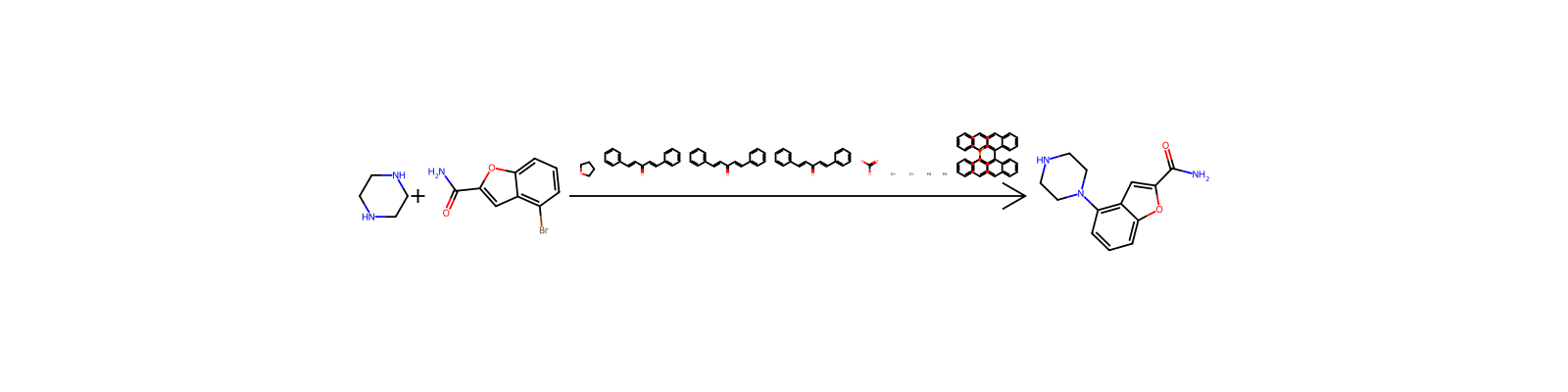
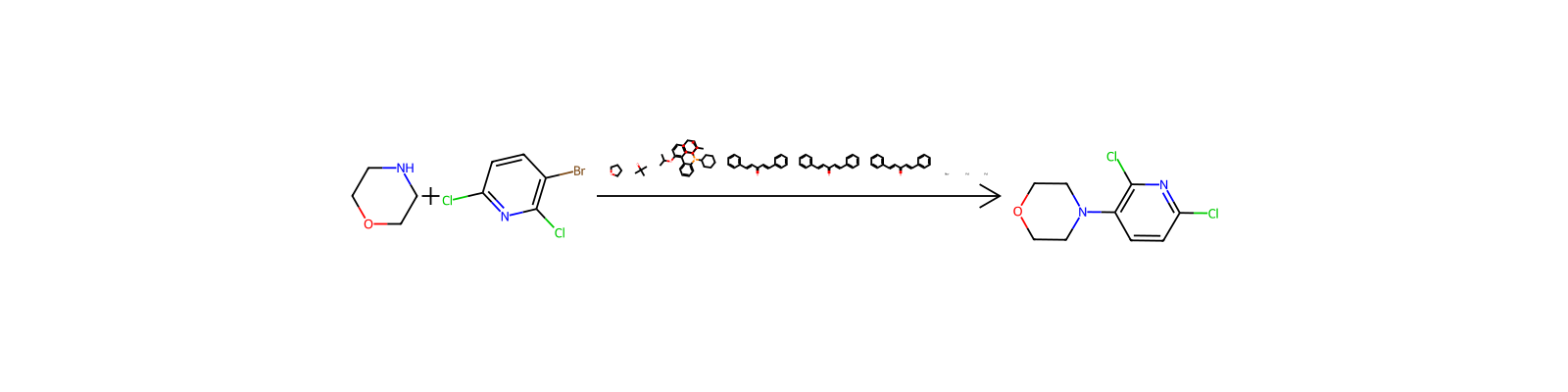
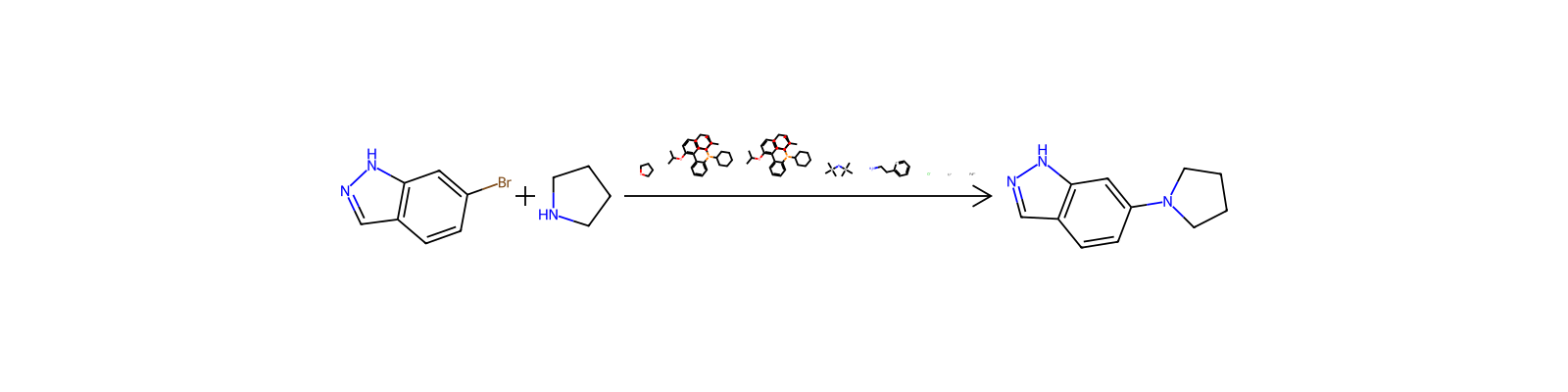
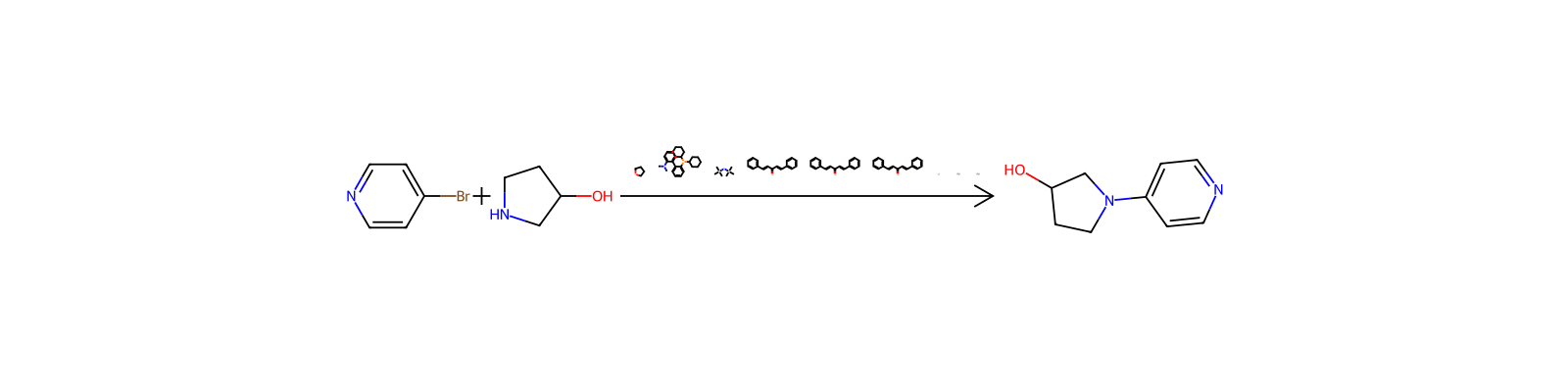
Related reactions
320,793 records


Linked notes
Loading…