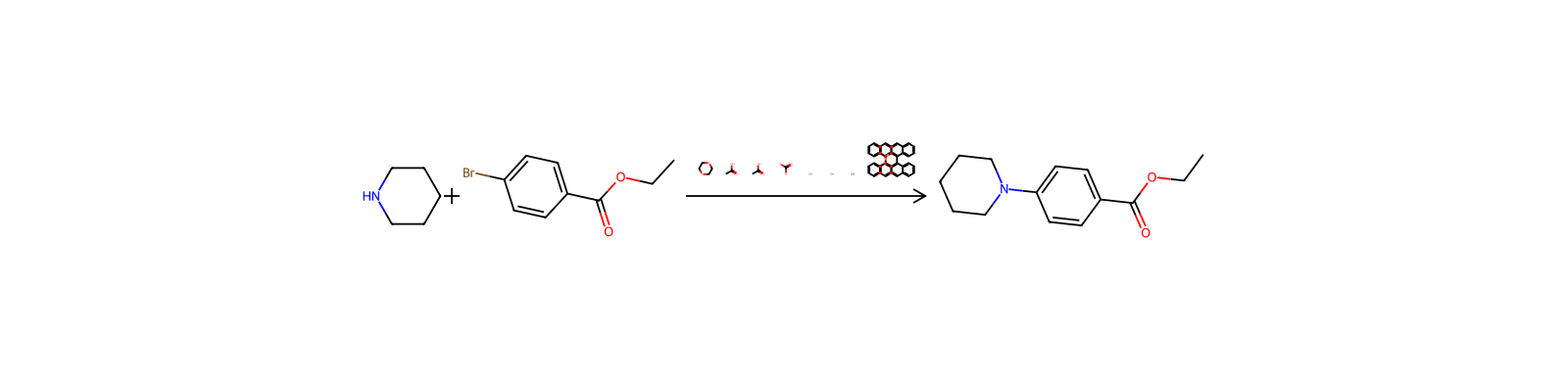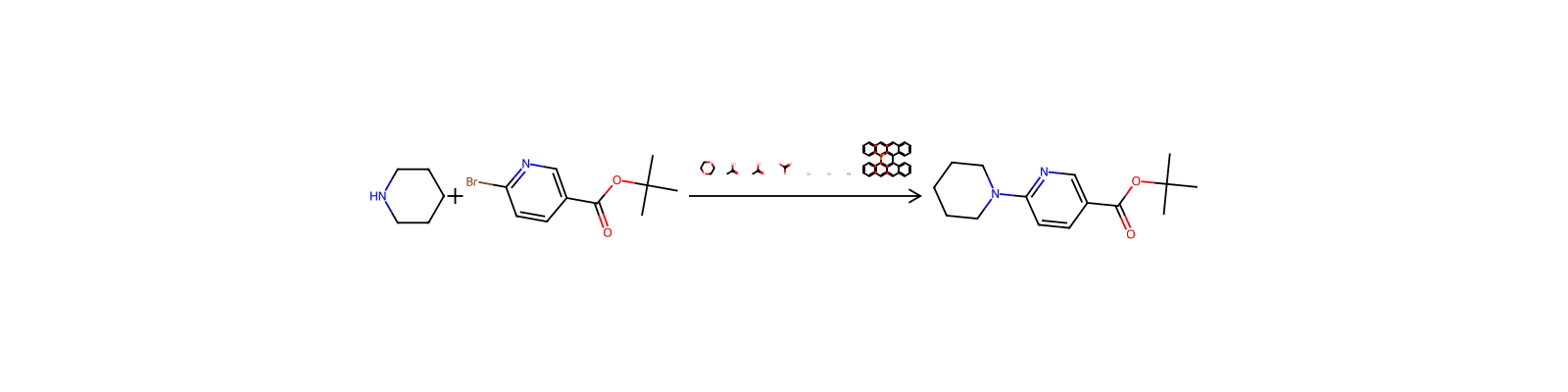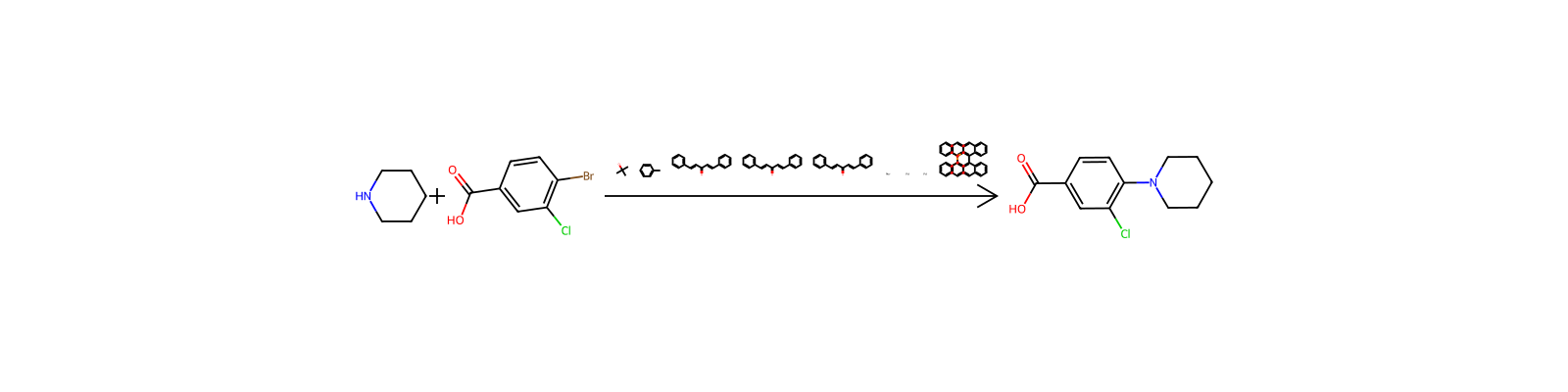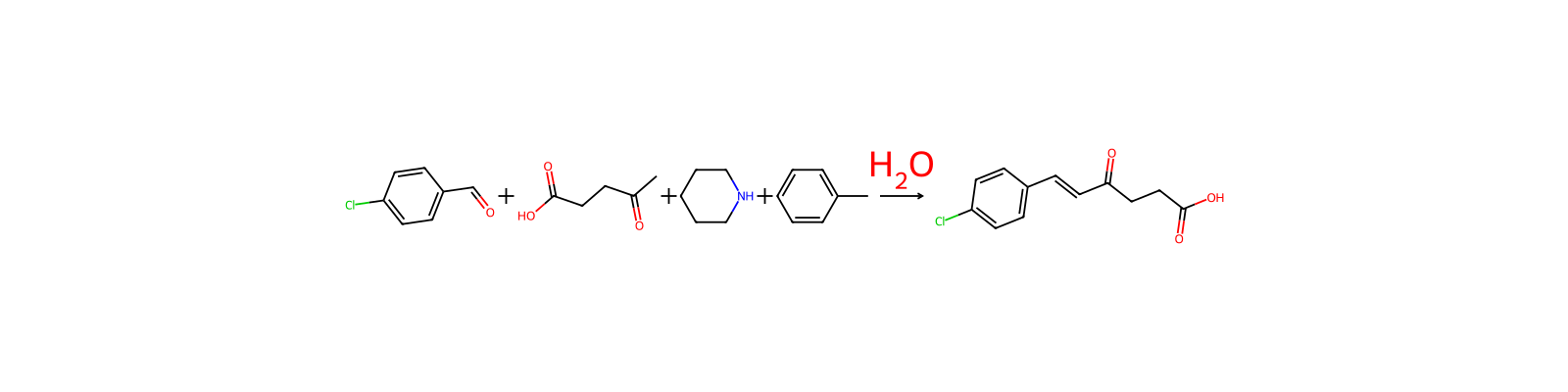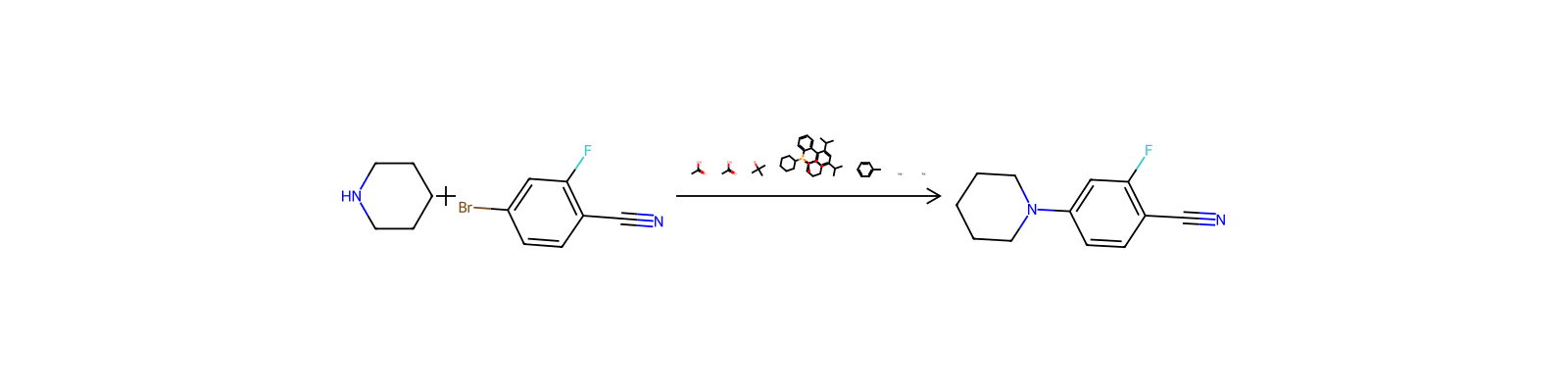
HRID 110As reactant

110-89-4C1CCNCC1NQRYJNQNLNOLGT-UHFFFAOYSA-NPiperidine appears as a clear colorless liquid with a pepper-like odor. Less dense than water, but miscible in water. Will float on water. Flash point 37 °F. Melting point -15.8 °F (-9 °C). Boiling point 222.8 °F (106 °C). May severely irritate skin and eyes. May be toxic by ingestion and inhalation. Vapors heavier than air. Used to make rubber and as a solvent.
110-89-4DTXSID6021165CHEMBL15487CHEBI:18049Nitrogen Compounds -> Amines, Cyclic
Flammable agents - 3rd degree
log Kow = 0.84
0.84
0.84
0.84
AMINE-LIKE ODOR
HEAVY, SWEET, FLORAL, ANIMAL ODOR
Odor of pepper
0.8622 at 68 °F (EPA, 1998) - Less dense than water; will float
0.8622 at 20 °C/4 °C
Relative density (water = 1): 0.86
0.858-0.862
0.8622 @25 °C
Miscible (NTP, 1992)
Miscible in ethanol; soluble in ethyl ether, acetone, benzene, chloroform
Miscible in water
1000 mg/mL at 20 °C
Solubility in water: miscible
Soluble in water, ether
Safety information is for reference only and does not replace the supplier’s Safety Data Sheet (SDS), applicable regulations, or professional assessment.
Danger
H225: Highly Flammable liquid and vapor [Danger Flammable liquids]
P210, P233, P240, P241, P242, P243, P260, P261, P262, P264, P270, P271, P280, P301+P330+P331, P302+P352, P302+P361+P354, P303+P361+P353, P304+P340, P305+P354+P338, P316, P321, P361+P364, P363, P370+P378, P403+P233, P403+P235, P405, and P501 (click each P-code to see the statement)
Danger
H225 (100%): Highly Flammable liquid and vapor [Danger Flammable liquids]
P210, P233, P240, P241, P242, P243, P260, P261, P262, P264, P270, P271, P280, P301+P317, P301+P330+P331, P302+P352, P302+P361+P354, P303+P361+P353, P304+P340, P305+P354+P338, P316, P321, P330, P361+P364, P363, P370+P378, P403+P233, P403+P235, P405, and P501 (click each P-code to see the statement)
Chemical: Piperidine
List I Chemical: A chemical specified by regulation that, in addition to legitimate uses, is used in manufacturing a controlled substance in violation of the Act and is important to the manufacture of a controlled substance. (21 eCFR 1310.02)
Regulation (EC) No 1831/2003 (amended)
Piperidine is listed on the EPA's Chemical Data Reporting (CDR) system. Manufacturers and importers of Piperidine are required to report information about their production and use of this chemical to the EPA under the Toxic Substances Control Act (TSCA). (40 eCFR Part 711)
REACH registered substance: Piperidine (EC: 203-813-0)
Piperidine: HSNO Approval: HSR001260 Approved with controls
Piperidine evolves explosive concentrations of vapor at normal room temperatures. When heated to decomposition, it emits highly toxic fumes of nitrogen oxides. Dangerous, when exposed to heat, flame, or oxidizers. Avoid 1-Perchlorylpiperidine and oxidizing materials. Piperidine is a reactive compound and forms complexes with the salts of heavy metals. It evolves explosive concentrations of vapor at normal room temperatures. Keep away from igniting sources and heat. (EPA, 1998)
· Flammable/combustible material.
Highly flammable. Vapour/air mixtures are explosive.
This substance ... evolves explosive concentrations of vapor at normal room temperatures.
Dangerous /fire hazard/, when exposed to heat, flame or oxidizers.
Strong local irritant and may cause permanent injury after short exposure to small amounts. Ingestion may involve both irreversible and reversible changes. 30 to 60 mg/kg may cause symptoms in humans. (EPA, 1998)
· May cause toxic effects if inhaled or ingested.
Corrosive to skin; [Quick CPC] High inhalation exposure can cause pulmonary edema; [ICSC] Signs of toxicity in acute animal studies included respiratory distress, ataxia, weakness, paralysis, and convulsions; For humans, the irritation threshold is 26 ppm; workers can tolerate levels of 2-5 ppm for only a short period because of the odor; [AIHA] Oral doses of 30-60 mg/kg may cause weakness, vomiting, labored respiration, muscular paralysis, and asphyxia; [NTP] Safe when used as a flavoring agent in food; [JECFA] A skin sensitizer in guinea pigs; [EPA ChAMP] Causes impaired liver function tests in repeated dose inhalation studies of rats; [RTECS]
Piperidine is a food additive permitted for direct addition to food for human consumption as a synthetic flavoring substance and adjuvant in accordance with the following conditions: 1) the quantity added to food does not exceed the amount reasonably required to accomplish its intended physical, nutritive, or other technical effect in food, and 2) when intended for use in or on food it is of appropriate food grade and is prepared and handled as a food ingredient.
The following chemical has been specifically designated by the Administrator of the Drug Enforcement Administration as subject to the provisions of this part and parts 1309 and 1313 of this chapter. Piperidine and its salts are List 1 chemicals; DEA Code: 2704.
Keep unnecesary people away; isolate hazard area and deny entry. Stay upwind; keep out of low area. Wear self-contained (positive pressure if available) breathing apparatus and full protective clothing. Isolate for 1/2 mile in all directions if tank car or truck is involved in fire.
Use water in large amounts, powder, alcohol-resistant foam, carbon dioxide. In case of fire: keep drums, etc., cool by spraying with water.
Fresh air, rest. Half-upright position. Artificial respiration may be needed. Refer for medical attention.
Remove contaminated clothes. Rinse skin with plenty of water or shower. Refer for medical attention .
First rinse with plenty of water for several minutes (remove contact lenses if easily possible), then refer for medical attention.
Rinse mouth. Do NOT induce vomiting. Give one or two glasses of water to drink. Refer for medical attention .
· CALL 911. Then call emergency response telephone number on shipping paper. If shipping paper not available or no answer, refer to appropriate telephone number listed on the inside back cover.
· ELIMINATE all ignition sources (no smoking, flares, sparks or flames) from immediate area.
Warning: Piperidine is a basic irritant of skin and mucous membranes. May cause permanent injury after short exposure to small amounts.
General First Aid:
This chemical is a flammable liquid. Small fires: dry chemical, carbon dioxide, water spray, or alcohol foam. Large fires: water spray, fog, or alcohol foam. Move container from fire area if you can do so without risk. Do not get water inside container. Cool containers that are exposed to flames with water from the side until well after fire is out. Withdraw immediately in case of rising sound from venting safety device or any discoloration of tank due to fire. Keep unnecessary people away; isolate hazard area and deny entry. Stay upwind; keep out of low areas. Wear self-contained (positive pressure if available) breathing apparatus and full protective clothing. Isolate for ½ mile in all directions if tank car or truck is involved in fire. Poisonous gases including nitrogen oxides are produced in fire. Vapors are heavier than air and will collect in low areas. Vapors may travel long distances to ignition sources and flashback. Vapors in confined areas may explode when exposed to fire. Containers may explode in fire. Storage containers and parts of containers may rocket great distances, in many directions. If material or contaminated runoff enters waterways, notify downstream users of potentially contaminated waters. Notify local health and fire officials and pollution control agencies. From a secure, explosion-proof location, use water spray to cool exposed containers. If cooling streams are ineffective (venting sound increases in volume and pitch, tank discolors, or shows any signs of deforming), withdraw immediately to a secure position. If employees are expected to fight fires, they must be trained and equipped in OSHA 1910.156
Powder, alcohol-resistant foam, water in large amounts, carbon dioxide.
Alcohol foam, carbon dioxide, dry chemical.
If material on fire or involved in fire: Do not extinguish fire unless flow can be stopped. Use water in flooding quantities as fog. Solid streams of water may be ineffective. Cool all affected containers with flooding quantities of water. Use foam, dry chemical, or carbon dioxide. Keep run-off water out of sewers and water sources.
Fireproof. Separated from strong oxidants, acids, incompatible materials See Chemical Dangers.
Store in tightly closed containers in a cool, well vented area away form oxidizers. Where possible, automatically pump liquid from drums or other storage containers to process containers. Sources of ignition such as smoking and open flames are prohibited where this chemical is handled, used, or stored. Metal containers involving the transfer of 5 gallons or more of this chemical should be grounded and bonded. Drums must be equipped with self-closing valves, pressure vacuum bungs, and flame arresters. Use only non-sparking tools and equipment, especially when opening and closing containers of this chemical. Whenever this chemical is used, handled, manufactured, or stored, use explosion-proof electrical equipment and fittings.
Collect leaking liquid in sealable containers. Absorb remaining liquid in sand or inert absorbent and remove to safe place. (Extra personal protection: self-contained breathing apparatus.)
Evacuate and restrict persons not wearing protective equipment from area of spill or leak until clean-up is complete. Shut off ignition sources; no flares, smoking, or flames in hazard area. Do not touch spilled material; stop leak if you can do so without risk. Use water spray to reduce vapors; do not get water inside container. Small spills: absorb with sand or other noncombustible absorbent material and place into containers for later disposal. Large spills: dike far ahead of spill for later disposal. Ventilate area of spill or leak. Absorb liquids in vermiculite, dry sand, earth, peat, carbon, or a similar material and deposit in sealed containers. Keep this chemical out of a confined space, such as a sewer, because of the possibility of an explosion, unless the sewer is designed to prevent the build up of explosive concentrations. It may be necessary to contain and dispose of this chemical as a hazardous waste. It may be necessary to contain and dispose of this chemical as a hazardous waste. If material or contaminated runoff enters waterways, notify downstream users of potentially contaminated waters. Contact your Department of Environmental Protection or your regional office of the federal EPA for specific recommendations. If employees are required to clean-up spills, they must be properly trained and equipped. OSHA 1910.120(q) may be applicable.
SRP: The most favorable course of action is to use an alternative chemical product with less inherent propensity for occupational exposure or environmental contamination. Recycle any unused portion of the material for its approved use or return it to the manufacturer or supplier. Ultimate disposal of the chemical must consider: the material's impact on air quality; potential migration in soil or water; effects on animal, aquatic, and plant life; and conformance with environmental and public health regulations.
(a) Dissolve in such combustible solvent as alcohols, benzene, etc. Spray the solution into the furnace with afterburner and scrubber. (b) Pour into sodium bicarbonate or a mixture of sand/soda ash (9:1). After mixing, transfer into a paper carton filled with packing paper. Burn in an open furnace, or more efficiently in the furnace with afterburner and scrubber.
Personal protection: self-contained breathing apparatus. Collect leaking and spilled liquid in sealable containers as far as possible. Absorb remaining liquid in sand or inert absorbent. Then store and dispose of according to local regulations.
A study in ddy mice successfully demonstrated that simultaneous administration of nitrite and piperidine led to a marked increase in the incidence of urinary bladder cancer when cholesterol pellets containing piperidine hydrochloride were surgically implanted into the urinary bladder and the rats were given sodium nitrite (0.1%) in their drinking water for 40 weeks. /Piperidine hydrochloride/
LC50 Daphnia magna /water flea/ 8.234 mg/L /48 hr. /Conditions of bioassay not specified/
LC50 Pimephales promelas (fathead minnow) 129.594 mg/L /96 hr. /Conditions of bioassay not specified/
ATMOSPHERIC FATE: According to a model of gas/particle partitioning of semivolatile organic compounds in the atmosphere(1), piperidine, which has a vapor pressure of 32.1 mm Hg at 25 °C(2), is expected to exist solely as a vapor in the ambient atmosphere. Vapor-phase piperidine is degraded in the atmosphere by reaction with photochemically-produced hydroxyl radicals(SRC); the half-life for this reaction in air is estimated to be 4 hours(SRC), calculated from its rate constant of 8.9X10⁻¹¹ cu cm/molecule-sec at 25 °C(SRC) that was derived using a structure estimation method(3).
Piperidine concns in various West German foods and drink were; broken butterbeans 0.1 mg/kg, paprika 5.2 mg/kg, paprika with brine 5.6 mg/L, pepperoni 3.4 mg/kg, pepperoni with brine 0.4 mg/L, celery 1 mg/kg, celery with brine 0.1 mg/L, Bismarck herring 0.3 mg/kg, salted herring 0.7 mg/kg, smoked herring 0.2 mg/kg, Limburger cheese trace, coffee extract 2, freeze-dried coffee 2, freeze-dried coffee 1, defatted cocoa 9 mg/kg, barley 1 mg/kg, hops 2.5 mg/kg, and malt <0.1 mg/kg(1). Piperidine was also found in baked ham at 0.2 ppm(2) and 0.81 ppm(3), coffee at 1 ppm(2), fish sausage at 9 ppb(3) and as a volatile component of boiled beef(4).
Piperidine occurs at low levels in a variety of food products including baked ham (0.2 ppm), milk (0.11 ppm), coffee (1 ppm dry) and canned fish.
Piperidine was identified, not quantified, in various plants and roots from Nigeria, Africa, which are used as native medicinals, namely Pleiocera barteri, Alsotonia boonei, and Morinda lucida, and believed to have antimalaria activity(1). Piperidine has been identified in tobacco leaf(2,3) at concentrations of 45 ug/cigarette(3).
Burning sensation. Cough. Laboured breathing. Shortness of breath. Sore throat. Symptoms may be delayed.
MAY BE ABSORBED! Redness. Skin burns. Pain.
Redness. Pain. Blurred vision. Severe deep burns.
Abdominal pain. Burning sensation. Laboured breathing. Shock or collapse.
Piperidine was identified in various plants and roots from Africa(1), in tobacco leaf(2,3) in small amounts in black pepper(4), and is commonly detected in other food products(5,6). Piperidine has been found in brain, skin, and urine of animals and in the brain, cerebrospinal fluid, and urine of humans(7).
/HUMAN EXPOSURE STUDIES/ An irritation threshold of 26 ppm has been reported from studies on human volunteers.
/HUMAN EXPOSURE STUDIES/ In a study in volunteers who received iv infusions of 100 mg piperidine in physiological saline solution for 30 minutes starting at sleep onset, piperidine was not noted to cause any alteration in the standard sleep parameters measured. Sleep-related secretion of growth hormone was enhanced by piperidine.
/SIGNS AND SYMPTOMS/ Piperidine has a pronounced emetic effect in humans. When administered to schizophrenic patients at doses of 1 to 6 g/day, it was shown to cause nausea and a subjective sense of well being.
/SIGNS AND SYMPTOMS/ Acute local: irritant 3. 3= high: may cause death or permanent injury after very short exposure to small amt. Acute systemic: ingestion 2. 2= moderate: may involve both irreversible & reversible changes not severe enough to cause death or permanent injury.
For more Human Toxicity Excerpts (Complete) data for PIPERIDINE (7 total), please visit the HSDB record page.
Piperidine is a food additive permitted for direct addition to food for human consumption as a synthetic flavoring substance and adjuvant in accordance with the following conditions: 1) the quantity added to food does not exceed the amount reasonably required to accomplish its intended physical, nutritive, or other technical effect in food, and 2) when intended for use in or on food it is of appropriate food grade and is prepared and handled as a food ingredient.
The following chemical has been specifically designated by the Administrator of the Drug Enforcement Administration as subject to the provisions of this part and parts 1309 and 1313 of this chapter. Piperidine and its salts are List 1 chemicals; DEA Code: 2704.
Releases of CERCLA hazardous substances are subject to the release reporting requirement of CERCLA section 103, codified at 40 CFR part 302, in addition to the requirements of 40 CFR part 355. Piperidine is an extremely hazardous substance (EHS) subject to reporting requirements when stored in amounts in excess of its threshold planning quantity (TPQ) of 1,000 lbs.
Piperidine
1
10000
Flammable chemical that can be released at a facility.
Mammals synthesize piperidine in the body, probably from the amino acid lysine. ... Mammals, including humans, excrete piperidine in urine in amounts of several mg/L under physiological conditions. Piperidine has been demonstrated to undergo oxidative metabolism in vitro in studies on rat liver microsomes. However, in the absence of quantitative data the importance of this metabolic route cannot be assessed.
Piperidine, a strong base, is excreted unchanged, & is normal constituent of urine probably arising from traces of cadaverine formed by intestinal micro-organisms.
In rats most of an ip dose of (3)H piperidine was excreted unchanged. Two major metabolites were identified as 3- and 4-hydroxypiperidine. Both compounds were also found in untreated animals and thus are probably metabolites of piperidine of exogenous or endogenous origin. These metabolites represent a detoxification mechanism, since they lack the potent pharmacological activities of the parent compound.
Metabolic studies of analgesics and anesthetics containing the piperidine ring have demonstrated the occurrence of N-hydroxylation, formation of a 6-oxo-derivative, and C-oxidative ring cleavage. N-nitrosopiperidine has been synthesized from piperidine and sodium nitrite in the gastric contents, isolated stomach and isolated small intestine of rats.
... Piperidine is absorbed through the GI tract, through the skin and by inhalation.
It is well absorbed from gastrointestinal tract and absorption through skin is sufficient to produce death in small animals.
Mammals synthesize piperidine in the body, probably from the amino acid lysine. ... Mammals, including humans, excrete piperidine in urine in amounts of several mg/L under physiological conditions.
In hens, 35 to 70% of an injected dose is rapidly excreted unchanged in the urine. ... When injected iv into rats, piperidine disappeared exponentially with a half-life of 20 min. ... In rats most of an ip dose of (3)H piperidine was excreted unchanged.
Used as a chemical intermediate to produce drugs, wetting agents, and disinfectants; Also used as a rubber accelerator, a curing agent for epoxy resins, a flavoring agent, and an additive to oils and fuels; [HSDB]
Plastic Composites Manufacturing [Category: Industry]
Prepn of crystalline derivatives of aromatic nitro compd containing nuclear halogen atoms
Solvent and intermediate, curing agent for rubber and epoxy resins, catalyst for condensation reactions, ingredient in oils and fuels, complexing agent
Used in the manufacture of local anesthetics, analgesics and other pharmaceuticals, and for wetting agents and germicides.
INT FOR RUBBER VULCANIZATION ACCELERATORS; HARDENING AGENT FOR EPOXY RESINS
(1975) 3.57X10+6 GRAMS (PRINCPL CUSTMS DISTS)
(1984) 5.00X10+5 g
2023: 2,500,000 - <4,000,000 lb
(1972) 2.17X10+8 GRAMS
(1975) 1.6X10+8 GRAMS
(1983) 2.75X10+8 g
Production volumes for non-confidential chemicals reported under the Inventory Update Rule. [Table#351]
This chemical is listed as a High Production Volume (HPV) (65FR81686). Chemicals listed as HPV were produced in or imported into the U.S. in >1 million pounds in 1990 and/or 1994. The HPV list is based on the 1990 Inventory Update Rule. (IUR) (40 CFR part 710 subpart B; 51FR21438).
May be obtained from piperine by heating with alcoholic potassium hydroxide, or from 1,5-diaminopentane hydrochloride by cyclization. Usually prepared by electrolytic reduction of pyridine.
Usually prepared by electrolytic reduction of pyridine.
Piperidine and most of its derivatives are easily produced by hydrogenation of the corresponding pyridine derivatives at elevated temperature and pressure over nickel, palladium, or ruthenium catalysts.
Fragrance Ingredients
Flavouring Agent -> FLAVOURING_AGENT -> JECFA Functional Classes
Flavoring Agents -> JECFA Flavorings Index
Flavouring Agent -> FLAVOURING_AGENT -> JECFA Functional Classes
Piperidine and its salts
A chemical specified by regulation that, in addition to legitimate uses, is used in manufacturing a controlled substance in violation of the Act and is important to the manufacture of a controlled substance. (21 eCFR 1310.02)
Wholesale and Retail Trade
Piperidine: ACTIVE
FEMA NUMBER 2908
OccurrencePiperidine occurs at low levels in a variety of food products (Neurath et al 1977), including baked ham (0.2 p.p.m.), milk (0.11 p.p.m.) coffee (1 p.p.m. dry) (Singer and Lijinsky 1976) and canned fish (Tanikawa and Motohiro 1960). It is also found in black pepper (Windholz 1983), hemp (Obata and Ishikawa 1960), hemlock (Cromwell 1956) and tobacco (Furia and Bellanca 1975). Piperidine is a natural constituent of skin (Sax and Lewis 1987), human urine (Von Euler 1944), brain (Honegger and Honegger 1960) and cerebrospinal fluid (Perry et al 1964). Humans excrete about 3-20 mg/d in the urine (Reinhardt and Britelli 1981).
UsesIt is used in organic synthesis, especially inthe preparation of many crystalline derivativesof aromatic nitro compounds.
UsesPiperidine is an organic heterocyclic amine widely used as building block and reagent in the synthesis of organic compounds including pharmaceuticals.
UsesFits Applied Biosystems 431 and 433A peptide synthesizers.
General DescriptionA clear colorless liquid with a pepper-like odor. Less dense than water, but miscible in water. Will float on water. Flash point 37°F. Melting point -15.8°F (-9°C). Boiling point 222.8°F (106°C). May severely irritate skin and eyes. May be toxic by ingestion and inhalation. Vapors heavier than air. Used to make rubber and as a solvent.
PreparationUsually prepared by electrolytic reduction of pyridine.
DefinitionChEBI: An azacycloalkane that is cyclohexane in which one of the carbons is replaced by a nitrogen. It is a metabolite of cadaverine, a polyamine found in the human intestine.
Definitionpiperidine: A saturated heterocycliccompound having a nitrogen atom ina six-membered ring, C5H11N; r.d.0.86; m.p. –7°C; b.p. 106°C. The structureis present in many alkaloids