
Basic information
- Standard SMILES
CCCCCCO- InChIKey
ZSIAUFGUXNUGDI-UHFFFAOYSA-N- Molecular formula
- C6H14O
- Average molar mass
- 102.17 g/mol
- Monoisotopic mass
- 102.10446507
Overview
Hexanols appears as a clear colorless liquid mixture of isomeric six-carbon alcohols with similar chemical properties. Vapors are heavier than air. Used to make pharmaceuticals and as a solvent.
Names & identifiers
- Preferred name
- 1-Hexanol
- IUPAC
- hexan-1-ol
- English name
- 1-Hexanol
- Molecular formula
- C6H14O
- Molecular weight
- 102.17
Names & synonyms
1-HexanolHexyl alcoholHexan-1-ol111-27-3n-Hexanoln-Hexyl alcoholAmylcarbinol1-HydroxyhexaneCaproyl alcohol1-Hexyl alcoholPentylcarbinoln-Hexan-1-ol
Show more names
HEXANOL1-HexenolFEMA 2567ALCOHOL C6
Caproic alcoholC6 alcoholAlcohol(C6)EPAL 6FEMA No. 2567FEMA Number 2567DTXSID80219316CP2QER8GS
Database identifiers
- CAS
111-27-3、25917-35-5- PubChem CID
- 8103
- DTXSID
DTXSID8021931- ChEMBL
CHEMBL14085- ChEBI
CHEBI:87393- UNII
- 6CP2QER8GS
- EC Number
- 203-852-3、247-346-0
- Nikkaji
- J1.987I
Properties
Computed structural properties
- XLogP
- 2
- Topological polar surface area
- 20.2 Ų
- Hydrogen bond donors
- 1
- Hydrogen bond acceptors
- 1
- Rotatable bonds
- 4
- Heavy atoms
- 7
- Formal charge
- 0
- Complexity
- 27.4
Experimental & physicochemical properties
Chemical ClassesFlammable agents - 2nd degree
LipidsFatty Acyls [FA] -> Fatty alcohols [FA05]
SolventsSolvents -> Alcohols (<C12)
CosmeticsSurfactant; Hydrotrope; Solvent; Antifoaming
SpringerMaterials PropertiesActivity
FragrancesFragrance Ingredient (Hexyl alcohol) -> IFRA transparency List
LogP
log Kow = 2.03
2.03
2.03
OdorCharacteristic; sweet alcohol; pleasant
Taste
FATTY, FRUITY
AROMATIC FLAVOR
Food AdditivesFLAVORING AGENT OR ADJUVANT -> FDA Substance added to food
Density
0.85 at 68 °F (USCG, 1999) - Less dense than water; will float
0.8153 at 25 °C/4 °C; 0.8082 at 35 °C/4 °C
Bulk density = 6.8 lb/gal
Relative density (water = 1): 0.82
0.816-0.821
0.8204 @ 20°C
Flavoring AgentsEU Flavoring substances
Physicochemical properties
- Melting point
- -52 °C · -52 °C (lit.)
- Boiling point
- 156 · 156-157 °C (lit.)
- Density
- 0.814 g/mL · 0.814 g/mL at 25 °C (lit.)
- vapor density
- 4.5 · 4.5 (vs air)
- vapor pressure
- 1 mm · 1 mm Hg ( 25.6 °C)
- refractive index
- 20 · n20/D 1.418(lit.)
- FEMA
- 2567 · 2567 | HEXYL ALCOHOL
- FLAVIS Number
- 2.005 · 02.005 | Hexan-1-ol
- Flash point
- 140 °F · 140 °F
- storage temp.
- no restrictions.
- solubility
- ethanol: soluble(lit.)
- form
- Liquid
- pka
- 15.38 · 15.38±0.10(Predicted)
- color
- Clear colorless
- Relative polarity
- 0.559 · 0.559
- Odor
- Sweet; mild.
- Odor Type
- herbal
- Odor Threshold
- 0.006 ppm · 0.006ppm
- biological source
- synthetic
- explosive limit
- 1.2 · 1.2-7.7%(V)
- Evaporation Rate
- 0.05 · 0.05
- Relative density, gas (air=1)
- 3.53 · 3.53
- Viscosity
- 3.64 mm2/s · 3.64mm2/s
- Water Solubility
- 6 g/L · 6 g/L (25 ºC)
- Thermal Conductivity
- 0.168 W/ · 0.168 W/(m·K) at 25 ℃
- Specific Heat Capacity
- 2.35 J/ · Cp(liquid): 2.35 J/(g·K), at 25℃
- JECFA Number
- 91 · 91
- Merck
- 14 · 14,4697
- BRN
- 969167 · 969167
- Henry's Law Constant
- 7.6 · 7.6×10-1 mol/(m3Pa) at 25℃, Brockbank (2013)
- Dielectric constant
- 13.3 · 13.3(24℃)
- Stability
- Stable. Substances to be avoided include strong acids, strong oxidizing agents. Combustible.
- Cosmetics Ingredients Functions
- ANTIFOAMINGSOLVENTPERFUMINGSURFACTANT - CLEANSINGSURFACTANT - HYDROTROPE
- InChI
- 1S/C6H14O/c1-2-3-4-5-6-7/h7H,2-6H2,1H3
- InChIKey
- ZSIAUFGUXNUGDI-UHFFFAOYSA-N
- SMILES
- CCCCCCO
- LogP
- 1.8 · 1.8
- Surface tension
- 24.511 mN/m · 24.511mN/m at 298.15K
- CAS DataBase Reference
- 111 · 111-27-3(CAS DataBase Reference)
- Substances Added to Food (formerly EAFUS)
- HEXYL ALCOHOL
- FDA 21 CFR
- 172.515 · 172.515
- EWG's Food Scores
- 1 · 1
- FDA UNII
- 6 CP2QER8GS · 6CP2QER8GS
- NIST Chemistry Reference
- 1 · 1-Hexanol(111-27-3)
- EPA Substance Registry System
- 1 · 1-Hexanol (111-27-3)
- UNSPSC Code
- 41116107 · 41116107
- NACRES
- 24 · NA.24
- Symbol(GHS)
- 2 · GHS02,GHS07
- Signal word
- Warning
- Hazard statements
- 226 · H226-H302+H312-H319
- Precautionary statements
- 210 · P210-P233-P280-P301+P312-P303+P361+P353-P305+P351+P338
- PPE
- Eyeshields, Faceshields, Gloves, type ABEK (EN14387) respirator filter
- Hazard Codes
- Xn
- Risk Statements
- 22 · 22
- Safety Statements
- 24 · 24/25
- RIDADR
- 2282 · UN 2282 (HEXANOLS)
- WGK Germany
- 1 · 1
- RTECS
- 4025000 · MQ4025000
- Autoignition Temperature
- 559 °F · 559 °F
- TSCA
- TSCA listed
- HazardClass
- 3 · 3
- PackingGroup
- III
- HS Code
- 29051900 · 29051900
- Storage Class
- 3 · 3 - Flammable liquids
- Hazard Classifications
- 4 DermalAcute · Acute Tox. 4 DermalAcute Tox. 4 OralEye Irrit. 2Flam. Liq. 3
- Hazardous Substances Data
- 111 · 111-27-3(Hazardous Substances Data)
- Toxicity
- 50 oral · LD50 oral in rat: 720mg/kg
- REACH Registrations
- Active
- Limited Quantities
- 5 L · 5.0 L (1.3 gallons) (liquid)
- Excepted Quantities
- Max Inner Pack (30g or 30ml) and Max Outer Pack (1Kg or 1L)
Safety & regulation
GHS classification
GHS Classification
Warning
H302: Harmful if swallowed [Warning Acute toxicity, oral]
P264, P270, P301+P317, P330, and P501 (click each P-code to see the statement)
Warning
H226 (34.3%): Flammable liquid and vapor [Warning Flammable liquids]
P210, P233, P240, P241, P242, P243, P264, P264+P265, P270, P280, P301+P317, P302+P352, P303+P361+P353, P305+P351+P338, P317, P321, P330, P337+P317, P362+P364, P370+P378, P403+P235, and P501 (click each P-code to see the statement)
Hazard information
Regulatory Information
Chemical: 1-Hexanol
Chemical: Hexanol
1-Hexanol is listed on the EPA's Chemical Data Reporting (CDR) system. Manufacturers and importers of 1-Hexanol are required to report information about their production and use of this chemical to the EPA under the Toxic Substances Control Act (TSCA). (40 eCFR Part 711)
Status: Active Update: 22-02-2023 https://echa.europa.eu/registration-dossier/-/registered-dossier/13265
1-Hexanol: HSNO Approval: HSR001167 Approved with controls
Hexanol: Does not have an individual approval but may be used as a component in a product covered by a group standard. It is not approved for use as a chemical in its own right.
Other Safety InformationIMAP assessments - 1-Hexanol: Environment tier I assessment
DOT Label
Flammable Liquid
Flammable Liquid
Fire Hazards
Excerpt from ERG Guide 129 [Flammable Liquids (Water-Miscible / Noxious)]:
Excerpt from ERG Guide 129 [Flammable Liquids (Water-Miscible / Noxious)]:
· HIGHLY FLAMMABLE: Will be easily ignited by heat, sparks or flames.
Combustible. Above 63 °C explosive vapour/air mixtures may be formed.
Fire PotentialFlammable liquid when exposed to heat, sparks or flame.
Health Hazards
Excerpt from ERG Guide 129 [Flammable Liquids (Water-Miscible / Noxious)]:
Liquid causes eye burns and skin irritation. Breathing vapors is not expected to cause systemic illness. (USCG, 1999)
· May cause toxic effects if inhaled or absorbed through skin.
Hazards Summary
May cause first degree burns after short exposure and second degree burns after longer contact; [CHRIS] Undiluted 1-Hexanol is a mild irritant. Application of 0.2 ml to 27-28 volunteers caused no noticeable skin effects. 1-Hexanol caused corneal burns from which patients recovered within 48 hours. Ingestion can lead to symptoms of alcohol intoxication. [CHEMINFO]
DOT ID and Guide2282 129
FDA Requirements
Hexyl alcohol is a food additive permitted for direct addition to food for human consumption as a synthetic flavoring substance and adjuvant in accordance with the following conditions: a) they are used in the minimum quantity required to produce their intended effect, and otherwise in accordance with all the principles of good manufacturing practice, and 2) they consist of one or more of the following, used alone or in combination with flavoring substances and adjuvants generally recognized as safe in food, prior-sanctioned for such use, or regulated by an appropriate section in this part.
Reactive Group
Alcohols and Polyols
Alcohols and Polyols
EC ClassificationSymbol: Xn; R: 22; S: (2)-24/25
FIFRA Requirements
As the federal pesticide law FIFRA directs, EPA is conducting a comprehensive review of older pesticides to consider their health and environmental effects and make decisions about their future use. Under this pesticide reregistration program, EPA examines health and safety data for pesticide active ingredients initially registered before November 1, 1984, and determines whether they are eligible for reregistration. In addition, all pesticides must meet the new safety standard of the Food Quality Protection Act of 1996. Pesticides for which EPA had not issued Registration Standards prior to the effective date of FIFRA, as amended in 1988, were divided into three lists based upon their potential for human exposure and other factors, with List B containing pesticides of greater concern and List D pesticides of less concern. Hexanol is found on List D. Case No: 4004; Pesticide type: Insecticide, Herbicide; Case Status: OPP is reviewing data from the pesticide's producers regarding its human health and/or environmental effects, or OPP is determining the pesticide's eligibility for reregistration and developing the Reregistration Eligibility Decision (RED) document.; Active ingredient (AI): Hexanol; AI Status: The active ingredient is no longer contained in any registered pesticide products ... "cancelled."
Residues of n-hexyl alcohol are exempted from the requirement of a tolerance when used as a solvent, cosolvent in accordance with good agricultural practice as inert (or occasionally active) ingredients in pesticide formulations applied to growing crops or to raw agricultural commodities after harvest.
Residues of n-hexyl alcohol are exempted from the requirement of a tolerance when used as a solvent, cosolvent in accordance with good agricultural practice as inert (or occasionally active) ingredients in pesticide formulations applied to animals.
Safety & protection
Fire Fighting
Excerpt from ERG Guide 129 [Flammable Liquids (Water-Miscible / Noxious)]:
Excerpt from ERG Guide 129 [Flammable Liquids (Water-Miscible / Noxious)]:
Use alcohol-resistant foam, dry powder, carbon dioxide. In case of fire: keep drums, etc., cool by spraying with water.
First Aid Measures
Fresh air, rest.
Rinse and then wash skin with water and soap.
First rinse with plenty of water for several minutes (remove contact lenses if easily possible), then refer for medical attention.
Rinse mouth. Do NOT induce vomiting. Give one or two glasses of water to drink.
Accidental Release Measures
· CALL 911. Then call emergency response telephone number on shipping paper. If shipping paper not available or no answer, refer to appropriate telephone number listed on the inside back cover.
· ELIMINATE all ignition sources (no smoking, flares, sparks or flames) from immediate area.
First Aid
Excerpt from ERG Guide 129 [Flammable Liquids (Water-Miscible / Noxious)]:
In case of contact, immediately flush skin and eyes with plenty of water. Wash eyes at least 15 min. and get medical care. (USCG, 1999)
General First Aid:
Safe StorageSeparated from strong oxidants.
Exposure Control and Personal Protection
· Wear positive pressure self-contained breathing apparatus (SCBA).
240.0 [ppm]
Fire Fighting Procedures
Use carbon dioxide, dry chemical or "alcohol" foam extinguisher. Water is ineffective to fire fighting, but is effective to keep fire-exposed containers cool.
If material on fire or involved in fire: Do not extinguish fire unless flow can be stopped. Use water in flooding quantities as fog. Solid streams of water may be ineffective. Cool all affected containers with flooding quantities of water. Apply water from as far a distance as possible. Use "alcohol" foam, carbon dioxide or dry chemical. Keep run off water out of sewers and water sources.
Storage ConditionsProtect containers against physical damage. Keep containers closed and store in well-ventilated, cool place.
Cleanup Methods
Absorb on paper. Evaporate on a glass or iron dish in hood. Burn the paper.
AEROBIC: 5-Day theoretical BODs of 28%(1), 53% (initial concn of 100 ppm)(2) and 83.6% (initial concn of 2,000 ppm)(3) were observed for 1-hexanol in aerobic screening tests using a sewage inocula. An aerobic biodegradation rate constant of 7.99X10⁻² 1/hr(4), which corresponds to a half-life of 0.36 days(SRC), was determined in an aerobic screening test at pH 7 and 25 °C using an activated sludge inocula. In a similar screening test, the rate constant was measured to be 1.7X10⁻² 1/hr(5), which corresponds to a biodegradation half-life of 1.7 days(SRC).
ANAEROBIC: Anaerobic biodegradation studies show 1-hexanol degradation rates of 75%(1) and 83%(2) in 7 days at 37 °C using a synthetic sewage inocula.
Nonfire Spill Response
Excerpt from ERG Guide 129 [Flammable Liquids (Water-Miscible / Noxious)]:
Excerpt from ERG Guide 129 [Flammable Liquids (Water-Miscible / Noxious)]:
Disposal Methods
SRP: The most favorable course of action is to use an alternative chemical product with less inherent propensity for occupational exposure or environmental contamination. Recycle any unused portion of the material for its approved use or return it to the manufacturer or supplier. Ultimate disposal of the chemical must consider: the material's impact on air quality; potential migration in soil or water; effects on animal, aquatic, and plant life; and conformance with environmental and public health regulations.
Spray into the furnace. Incineration will become easier by mixing with a more flammable solvent.
Spillage Disposal
Personal protection: filter respirator for organic gases and vapours adapted to the airborne concentration of the substance. Collect leaking and spilled liquid in covered containers as far as possible. Absorb remaining liquid in sand or inert absorbent. Then store and dispose of according to local regulations.
Toxicology
Body Burden1-Hexanol was qualitatively identified in 1 of 46 adipose tissue samples collected during fiscal year 1982 according to the National Human Adipose Tissue Survey (NHATS)(1).
Ecotoxicity Values
LC50 Pimephales promelas (Fathead minnow, weight 0.12 g) 97.5 mg/L 96 hr flow-through bioassay, water hardness 45.5 mg/L CaCO3, temp: 25 +/- 1 °C, pH 7.5, dissolved oxygen >60% of saturation.
LC50 Alburnus alburnus (Bleak) 120 mg/L/96 hr /Conditions of bioassay not specified in source examined/
LC50 Nitocra spinipes (Harpacticoid copepod) 317 mg/L/96 hr /Conditions of bioassay not specified in source examined/
LC50 Leuciscus idus (Golden orfe) 130 mg/L/48 hr /Conditions of bioassay not specified in source examined/
For more Ecotoxicity Values (Complete) data for 1-HEXANOL (7 total), please visit the HSDB record page.
Environmental Fate
TERRESTRIAL FATE: Based on a classification scheme(1), a measured Koc value of 10.2(2), indicates that 1-hexanol is expected to have very high mobility in soil(SRC). Volatilization of 1-hexanol from moist soil surfaces is expected to be an important fate process(SRC) given a Henry's Law constant of 1.71X10⁻⁵ atm-cu m/mole(3). 1-Hexanol is expected to volatilize slowly from dry soil surfaces(SRC) based upon a vapor pressure of 0.928 mm Hg(4). Biodegradation studies show that 1-hexanol is expected to degrade rapidly in both aerobic and anaerobic conditions(5-11). 1-Hexanol has aerobic, measured biodegradation half-lives of 0.36(8) and 1.7 days(9). Anaerobic, seven day biodegradation rates of 75%(10) and 83%(11) were measured for 1-hexanol. These rates suggest that biodegradation may be an important environmental fate process in soil(SRC).
AQUATIC FATE: Based on a classification scheme(1), a Koc value of 10.2(2), indicates that 1-hexanol is not expected to adsorb to suspended solids and sediment(SRC). Volatilization from water surfaces is expected(3) based upon a Henry's Law constant of 1.71X10⁻⁵ atm-cu m/mole(4). Using this Henry's Law constant and an estimation method(3), volatilization half-lives for a model river and model lake are 2 days and 20 days, respectively(SRC). According to a classification scheme(5), an estimated BCF of 21(SRC), from its log Kow of 2.03(6) and regression-derived equations(7), suggest the potential for bioconcentration in aquatic organisms is low(SRC). Biodegradation studies show that 1-hexanol is expected to degrade rapidly in both aerobic and anaerobic conditions(8-14). 1-Hexanol has aerobic, measured biodegradation half-lives of 0.36(11) and 1.7 days(12). Anaerobic, seven day biodegradation rates of 75%(13) and 83%(14) were measured for 1-hexanol.
ATMOSPHERIC FATE: According to a model of gas/particle partitioning of semivolatile organic compounds in the atmosphere(1), 1-hexanol, which has a vapor pressure of 0.928 mm Hg at 25 °C(2), is expected to exist solely as a vapor in the ambient atmosphere. Vapor-phase 1-hexanol is degraded in the atmosphere by reaction with photochemically-produced hydroxyl radicals(SRC); the half-life for this reaction in air is estimated to be 1.3 days(SRC), calculated from its rate constant of 1.71X10⁻⁵ cu cm/molecule-sec at 25 °C(3).
Food Survey Values
1-Hexanol was identified as 0.4 percent of all volatile components detected in mature kiwi fruit and 2 percent of all volatile components detected in ripe kiwi fruit(1). 1-Hexanol was identified as a volatile constituent of mature and overripe guava fruit at respective concns of 3,019.8 and 2,378.7 ug/kg(2). 1-Hexanol was found at a concn range of 50-180 ug/kg in volatile constituents of nectarines(3). 1-Hexanol was detected in the volatiles of dried legumes at a concn range of 2-69 ppb(4). 1-Hexanol was identified as a volatile component of garlic at a concn range of 0.08-0.23 ug/g garlic bulb(5). Fermented soybean (Glycine max) curds were found to contain 2886 to 3481 ug/kg of 1-hexanol(6).
1-Hexanol was identified as a volatile component of fried bacon(1), roasted filberts(2), raw and roasted earth almonds (Cyperus esculentus L.)(3), mutton(4), chicken(4), pork(4), cured ham(5), raw beef(4,6), frankfurters(7), chickpeas(8), Kogyoku apple(9), Beaufort (Gruyere) cheese(10) and in food products processed from the Cassava root(11). 1-Hexanol was also identified as a volatile component of edible Korean chamchwi (Aster scaber Thunb)(12) and in heated peanut oil(13). 1-Hexanol was qualitatively identified as a volatile constituent of clams, including short-necked clams(14).
/USED/ IN NON-ALCOHOLIC BEVERAGES AT 6.6 PPM; ICE CREAM, ICES, ETC 26 PPM; CANDY 21 PPM; BAKED GOOD 18 PPM; & GELATINS & PUDDINGS 0.22-0.28 PPM.
Adverse EffectsNeurotoxin - Acute solvent syndrome
Exposure RoutesThe substance can be absorbed into the body by inhalation and by ingestion.
Milk Concentrations1-Hexanol was detected, not quantified in store bought milk in Australia(1).
Plant Concentrations1-Hexanol was identified as a volatile component of earth almonds (Cyperus esculentus L.)(1). 1-Hexanol has been identified as a volatile emission from dawn redwood trees and Rabbit bush(2).
Signs and Symptoms
Cough. Sore throat.
Dry skin.
Redness. Pain.
Burning sensation.
Effluent Concentrations
1-Hexanol was qualitatively identified in effluents from a refinery in Illinois(1) and leachate from a waste disposal site in the Netherlands(2). 1-Hexanol was found in wastewater being discharged into the Calcasieu River (Louisiana) from a petrochemical company(3). 1-Hexanol was qualitatively detected in the headspace of 3 household products, including wax paste for leather conservation and finish, liquid floor wax, and liquid wax for ceramic floors(4). Emissions of 1-hexanol with ethylbenzene, in percent of total carbon emission, were identified in gasoline headspace, regular (0.18) and high grade (0.18), whole gasoline, regular (2.55) and high grade(3.15), roadway emissions (1.94), bus parking garage, hot soak (0.88), bus parking garage, cold start (1.05), motorcycle emissions (1.81), petroleum refinery emissions (0.50), lead smelter (0.40), and cast iron factory emissions (0.68) in Cairo, Egypt(5). 1-Hexanol was detected but not quantified in the emissions of waste exudate(6), lab waste headspace(6) and kitchen waste exudate(7).
Soil Adsorption/MobilityA Koc of 10.2 was determined for 1-hexanol on a Hagerstown silt loam soil(1). According to a suggested classification scheme(2), this Koc value suggests that 1-hexanol is expected to have very high mobility in soil.
Natural Pollution Sources
REPORTED FOUND AMONG CONSTITUENTS OF SEVERAL ESSENTIAL OILS & AROMAS: APPLE, STRAWBERRY, TEA, VIOLET (LEAVES & FLOWERS), JAVA CITRONELLA, BOURBON GERANIUM, LAVENDER, LAVANDIN, SPIKE, LITSEA ZEYLANICA; ALSO IDENTIFIED IN BITTER ORANGE.
OCCURS AS ACETATE IN SEEDS & FRUITS OF HERACLEUM SPHONDYLIUM L & H GIGANTEUM FISCH, UMBELLIFERAE.
1-Hexanol is a fatty alcohol and is derived from natural fats, oils, and waxes from a number of animal(1), vegetable(1-3), fruit(4) and marine sources(1,8). 1-Hexanol is released to the atmosphere in emissions from vegetation(5-6). For example, the emission rate of hexanol from apples harvested from two orchards in August-October of 1990 ranged from 3.8-117.6 pico-L/kg-hr(7).
Regulatory information
FDA Requirements
Hexyl alcohol is a food additive permitted for direct addition to food for human consumption as a synthetic flavoring substance and adjuvant in accordance with the following conditions: a) they are used in the minimum quantity required to produce their intended effect, and otherwise in accordance with all the principles of good manufacturing practice, and 2) they consist of one or more of the following, used alone or in combination with flavoring substances and adjuvants generally recognized as safe in food, prior-sanctioned for such use, or regulated by an appropriate section in this part.
FIFRA Requirements
As the federal pesticide law FIFRA directs, EPA is conducting a comprehensive review of older pesticides to consider their health and environmental effects and make decisions about their future use. Under this pesticide reregistration program, EPA examines health and safety data for pesticide active ingredients initially registered before November 1, 1984, and determines whether they are eligible for reregistration. In addition, all pesticides must meet the new safety standard of the Food Quality Protection Act of 1996. Pesticides for which EPA had not issued Registration Standards prior to the effective date of FIFRA, as amended in 1988, were divided into three lists based upon their potential for human exposure and other factors, with List B containing pesticides of greater concern and List D pesticides of less concern. Hexanol is found on List D. Case No: 4004; Pesticide type: Insecticide, Herbicide; Case Status: OPP is reviewing data from the pesticide's producers regarding its human health and/or environmental effects, or OPP is determining the pesticide's eligibility for reregistration and developing the Reregistration Eligibility Decision (RED) document.; Active ingredient (AI): Hexanol; AI Status: The active ingredient is no longer contained in any registered pesticide products ... "cancelled."
Residues of n-hexyl alcohol are exempted from the requirement of a tolerance when used as a solvent, cosolvent in accordance with good agricultural practice as inert (or occasionally active) ingredients in pesticide formulations applied to growing crops or to raw agricultural commodities after harvest.
Residues of n-hexyl alcohol are exempted from the requirement of a tolerance when used as a solvent, cosolvent in accordance with good agricultural practice as inert (or occasionally active) ingredients in pesticide formulations applied to animals.
Safety data
- PPE
- Eyeshields, Faceshields, Gloves, type ABEK (EN14387) respirator filter
- wgk
- 1
- tsca
- TSCA listed
- rtecs
- MQ4025000
- ridadr
- UN 2282 (HEXANOLS)
- hs_code
- 29051900
- Toxicity
- LD50 oral in rat: 720mg/kg
- risk_code
- 22
- Signal word
- Warning
- Symbol(GHS)
- GHS02,GHS07
- hazard_code
- Xn
- safety_code
- 24/25
- hazard_class
- 3
- Storage Class
- 3 - Flammable liquids
- packing_group
- III
- Hazard statements
- H226-H302+H312-H319
- Limited Quantities
- 5.0 L (1.3 gallons) (liquid)
- Excepted Quantities
- Max Inner Pack (30g or 30ml) and Max Outer Pack (1Kg or 1L)
- REACH Registrations
- Active
- Hazard Classifications
- Acute Tox. 4 DermalAcute Tox. 4 OralEye Irrit. 2Flam. Liq. 3
- Autoignition Temperature
- 559 °F
- Precautionary statements
- P210-P233-P280-P301+P312-P303+P361+P353-P305+P351+P338
- Hazardous Substances Data
- 111-27-3(Hazardous Substances Data)
Chemistry & industry
Pharmacology
Mechanism of Action
... Ethanol and 1-hexanol were found to have two competing concentration-dependent effects on the Ca(2+)- and phorbol ester- or diacylglycerol-dependent activities of PKCalpha associated with either RhoA or Cdc42, consisting of a potentiation at low alcohol levels and an attenuation of activity at higher levels. Measurements of the Ca(2+), phorbol ester, and diacylglycerol concentration-response curves for Cdc42-induced activation indicated that the activating effect corresponded to a shift in the midpoints of each of the curves to lower activator concentrations, while the attenuating effect corresponded to a decrease in the level of activity induced by maximal activator levels. The presence of ethanol enhanced the interaction of PKCalpha with Cdc42 within a concentration range corresponding to the potentiating effect, whereas the level of binding was unaffected by higher ethanol levels that were found to attenuate activity.
Metabolism/Metabolites
Through successive oxidation processes, 1-hexanol is converted to hexanoic acid, which then undergoes beta-oxidation.
1-Hexanol has a high affinity for ADH /alcohol dehydrogenase/, similar to amyl and n-octyl alcohol, and is a potent inhibitor of ethanol oxidation. 1-Hexanol is metabolized by direct conjugation with glucuronic acid and by oxidation to the carboxylic acid and eventually to carbon dioxide.
Metabolic studies in rabbits indicate that oxidation to hexanoic acid is the major pathway, mediated by alcohol dehydrogenase and aldehyde dehydrogenase. Direct conjugation with glucuronic acid is a minor pathway.
MeSH Pharmacological Classification
Agents capable of inducing a total or partial loss of sensation, especially tactile sensation and pain. They may act to induce general ANESTHESIA, in which an unconscious state is achieved, or may act locally to induce numbness or lack of sensation at a targeted site.
Drugs that bind to nicotinic cholinergic receptors (RECEPTORS, NICOTINIC) and block the actions of acetylcholine or cholinergic agonists. Nicotinic antagonists block synaptic transmission at autonomic ganglia, the skeletal neuromuscular junction, and at central nervous system nicotinic synapses.
Absorption, Distribution and Excretion
The permeability of excised rat skin to 1-hexanol was increased by hydration for the first ten hours, then returned to baseline.
The in vitro dermal flux in human skin (epidermis) was reported to be 0.044 mg/sq cm/hr, indicating a low rate of dermal uptake.
Cellular LocationsExtracellular
Uses & manufacturing
Uses
Used to produce plasticizers, antiseptics, fragrances, pharmaceuticals, and finishing agents for textile and leather; Used as a flavoring agent and a solvent for fats, waxes, dyes, and paints; [CHEMINFO]
Painting (Solvents) [Category: Paint]
For 1-Hexanol (USEPA/OPP Pesticide Code: 079047) there are 0 labels match. /SRP: Not registered for current use in the U.S., but approved pesticide uses may change periodically and so federal, state and local authorities must be consulted for currently approved uses./
The active ingredient is no longer contained in any registered pesticide products ... "cancelled."
Synthetic flavoring ingredient
Pharmaceuticals (introduction of hexyl group into hyponics, antiseptics, perfume esters, etc), solvent, plasticizer, intermediate for textile and leather finishing agents.
Impurities
Co-products of acetaldehyde-crotonaldehyde reaction /to produce hexanol/ are 1-decanol and 1-octanol.
The by-product of acetaldehyde-butyraldehyde aldolization /to produce hexanol/ is 2-ethyl-1-butanol.
Commercial plasticizer hexanol contains acidity (0.001% as acetic acid), carbonyl (<0.003 wt % oxygen), and 0.05% moisture
U.S. Exports(1984) 5.71X10+7 G /HEXYL ALCOHOLS/
U.S. Imports
(1973) 3.12X10+8 GRAMS
(1975) 1.02X10+6 GRAMS
(1984) 2.93X10+8 G /HEXYL ALCOHOLS/
U.S. Production
2023: 10,000,000 - <50,000,000 lb
This chemical is listed as a High Production Volume (HPV) (65FR81686). Chemicals listed as HPV were produced in or imported into the U.S. in >1 million pounds in 1990 and/or 1994. The HPV list is based on the 1990 Inventory Update Rule. (IUR) (40 CFR part 710 subpart B; 51FR21438).
(1972) 7.40X10+9 GRAMS
(1974) 1.67X10+10 GRAMS
(1984) 1.28X10+11 G /ALCOHOLS C11 OR LOWER/
For more U.S. Production (Complete) data for 1-HEXANOL (9 total), please visit the HSDB record page.
Consumer UsesLubricating agent
Industry UsesLubricating agent
Methods of Manufacturing
Addition of ethylene to triethylaluminum followed by oxidation of the growth product, hydrolysis, and fractional distillation; from condensation of n-butyraldehyde and acetaldehyde, followed by dehydration and hydrogenation.
Laboratory preparation by action of butylmagnesium bromide on ethylene oxide ... 1,3-hexadienal with iron wire in presence of nickel acetate
Industrial preparation by reducing ethyl caproate with sodium in absolute alcohol: Bouveault, Blanc, German patent 164,294 (1903).
Reaction of acetaldehyde and crotonaldehyde followed by hydrogenation
For more Methods of Manufacturing (Complete) data for 1-HEXANOL (7 total), please visit the HSDB record page.
Formulations/Preparations
Grades: Technical (90-99%); purified (99.8%).
Blend of hexanol, 4%; octanol, 42%; decanol, 54%
Epal 610: C6 alcohol, 17 wt%; C8 alcohol, 36 wt%; C10 alcohol, 47 wt% /from table/
Epal 810: C6 alcohol, 1 wt%; C8 alcohol, 45 wt%; C10 alcohol, 54 wt% /from table/
For more Formulations/Preparations (Complete) data for 1-HEXANOL (6 total), please visit the HSDB record page.
Household ProductsInformation on 6 consumer products that contain hexan-1-ol in the following categories is provided:
Use Classification
Fragrance Ingredients
Flavouring Agent -> FLAVOURING_AGENT -> JECFA Functional Classes
Flavoring Agents -> JECFA Flavorings Index
Flavouring Agent -> FLAVOURING_AGENT -> JECFA Functional Classes
Cosmetics -> Surfactant; Hydrotrope; Solvent; Antifoaming
General Manufacturing Information
All Other Basic Organic Chemical Manufacturing
1-Hexanol: ACTIVE
Hexanol: ACTIVE
Commercial products from the family of 6 to 11 carbon alcohols that make up the plasticizer range are available both as ... pure single carbon chain materials and as complex isomeric mixtures. Commercial descriptions of plasticizer range alcohols are ... in general a ... pure material is called "-anol" /eg, 1-hexanol/, and the mixtures are called "-yl alcohol /eg, hexyl alcohol/ or "iso...yl alcohol" /isohexyl alcohol/.
Applications
General DescriptionColorless liquid. The boiling point is 157 ° C; the relative density is 0.819. Miscible in ethanol, propylene glycol and oil. There are light blue shoots breath, wine, fruit and fat flavor. Naturally occurs in some fruits such as apples, strawberries, bitter oranges, also found in camphor oil, tea leaves, tobacco leaves, eucalyptus and coffee. It appears as colorless transparent liquid with fruit-like aroma at low concentration. Sweet; rapidly oxidized in the air; can have polymerization reaction upon contact with concentrated inorganic acid. Similar to normal fatty aldehydes, it can be oxidized to caproic acid and reduced to hexanol.
UsesIt often acts as part of the head incense used in fragrance base and formulated essential oil (such as geraniol oil). A trace of hexanol is used for violet, sweet-scented osmanthus, magnolia, ylang-type flavor to modify or increase the tender atmosphere, as well as used for edible coconut formula, berries and various types of fruit flavor. It is used as solvents and analytical reagents, also used in the pharmaceutical industry for preservatives and sleeping pills. The goods are listed in China's GB 2760-96. It is mainly used to prepare coconut and berry flavor and used for the production of surfactants, plasticizers, fatty alcohols and so on. It is also used for chromatography reagents and organic synthesis. Gas chromatography analysis standards. Lithium chloride was isolated from potassium chloride and sodium chloride. Solvent. In the synthesis of spices and the preparation of caproic acid; also used as gas chromatography reagents for Wittig and Aldol reactions.
DescriptionHexyl alcohol has a fruity odor and aromatic flavor. May be synthesized by reduction of n-caproic acid; the n-hexyl alcohol represents one of the 14 possible isomers of this alcohol.
OccurrenceReported found among the constituents of several essential oils and aromas: apple, strawberry, tea, violet (leaves and flowers), Java citronella, Bourbon geranium, lavender, lavandin, spike, Litsea zeylanica; also identified in bitter orange. Also reported found in over 300 natural sources including apples, banana, sweet and sour cherry, citrus peel oils and juice, kumquat peel oil, berries, guava, grapes, raisin, melon, papaya, peach, pear, pineapple, asparagus, kohlrabi, cabbage, celery, cucumber, lettuce, leek, garlic, raw and cooked potato, sauerkraut, tomato, bell pepper, ginger, mint oils, mustard, breads, cheeses, butter, milk, fatty fish, meats, cognac, whiskies, rum, cider, grape wines, coffee, tea, cocoa, peanut oil, pecans, soybeans, nuts, coconut meat and milk, avocado, olive, passion fruit, plum, beans, mushrooms, starfruit, mango, fenugreek, sesame seed oil, figs, kelp, cardamom, coriander, gin, rice, fruit brandies, prickly pear, licorice, lovage corn oil, endive, truffles and other sources
Uses1-Hexanol is used as a precursor to plasticizers, chemical intermediate for pharmaceuticals, perfume esters and antiseptics. Further, it serves as a perturbing agent on actomyosin adenosine triphosphatease. In addition to this, it is used to modulate the function of actomyosin motor.
Uses1-Hexanol has been used as an odorant to study olfactory responses and to thin the dielectric layer of poly(4-vinylphenol) (PVP).
Uses1-Hexanol was examined as a perturbing agent on actomyosin ATPase and and was found to modulate the function of actomyosin motor via intermediate-specific structural perturbation.
General Description1-Hexanol is an organic alcohol, which has application in the synthesis of antiseptics, fragrances, perfumes, etc. It is also used as a component of plasticizers.
Preparation methods
PreparationHexanol oxidation; Use calcium hexanoate and formic acid as the raw materials, heat and reflux them to obtain it.
PreparationBy reduction of n-caproic acid; the n-hexyl alcohol represents 1 of the 14 possible isomers of this alcohol
Upstream & downstream products
Upstream raw materials
Downstream products
Suppliers50 total
国药集团化学试剂有限公司86-21-63210123 · [email protected]
北京华美互利生物化工010-56205725 · [email protected]
梯希爱(上海)化成工业发展有限公司021-67121386 · [email protected]
上海阿拉丁生化科技股份有限公司400-6206333 13167063860 · [email protected]
淄博丽硕化工贸易有限公司13853320569
宜昌众意泰贸易有限公司0717-6449896 13886658719 · [email protected]
北京安司莫森技术有限公司010-82954736 13391601435 · [email protected]
上海迈瑞尔生化科技有限公司4006356688 18621169109 · [email protected]
阿法埃莎(中国)化学有限公司400-6106006 · [email protected]
安耐吉化学&3A(安徽泽升科技股份有限公司)400-0056266 · [email protected]
石家庄斯迪亚诺精细化工有限公司0311-89250318 13582355795 · [email protected]
上海瀚鸿科技股份有限公司021-54306202 13764082696 · [email protected]
上海诗丹德标准技术服务有限公司021-021-57127007-6622-6622 17621252073 · [email protected]
上海景颜化工科技有限公司13817811078 · [email protected]
上海比阳实业有限公司+86-15021878111 · [email protected]
武汉丰泰威远科技有限公司027-87465837 19945049750 · [email protected]
南京蓝白化工有限公司025-85499326 15366059326;13813836665 · [email protected]
山东西亚化学有限公司13355009207 13355009207 · [email protected]
玛雅试剂+86 (573) 82222445 (0)18006601000 452520369 · [email protected]
四川库利南科技有限公司400-1166-196 18981987031 · [email protected]
天津希恩思生化科技有限公司400 638 7771 · [email protected]
斯百全化学(上海)有限公司021-021-021-67601398-809-809-809 15221380277 · [email protected]
北京泰亚杰科技有限公司021-33690831-8001 13552411790;18616022633 · [email protected]
上海源叶生物科技有限公司13636370518 · [email protected]
艾科试剂4008-755-333 18080918076 · [email protected]
上海思域化工科技有限公司86-21-34053660 · [email protected]
赛默飞世尔科技(中国)有限公司800-810-5118 · [email protected]
北京伊诺凯科技有限公司400-810-7969 010-59572699 · [email protected]
上海遐瑞医药科技有限公司+86 21 61551611
TCI AMERICA800-4238616 · [email protected]
TOKYO CHEMICAL INDUSTRY CO., LTD.03-36680489 · [email protected]
TCI Europe320-37350700 · [email protected]
深圳振强药物研发有限公司0755-66853366 13670046396 · [email protected]
越林试剂021-62960152 · [email protected]
上海湄水化工科技有限公司021-60549325 18616193163
上海将来实业股份有限公司021-61552785 · [email protected]
HBCChem, Inc.+1-510-219-6317 · [email protected]
日照力德士化工有限公司010-51268198 · [email protected]
美岚实业(上海)有限公司021-58958189 · [email protected]
上海爱蝶实业有限公司021-58957966 18930537195 · [email protected]
四川省维克奇生物科技有限公司028-81700200 18116577057 · [email protected]
成都零六生物科技有限公司400-1166-196 13458535857 · [email protected]
上海恒岳化工科技有限公司51691706 13391095697 · [email protected]
上海御略医药科技有限公司021-60345187 13671753212 · [email protected]
上海德榜化工有限公司021-61531158 · [email protected]
上海麦克林生化科技股份有限公司15221275939 15221275939 · [email protected]
杭州杰恒化工有限公司0571-87396432 · [email protected]
上海有朋化工有限公司021-69005955 13701776567 · [email protected]
上海凯赛化工有限公司021-33516722 13701817765 · [email protected]
上海彤源化工有限公司021-021-69182866 13701855675 · [email protected]
Additional notes
DefinitionChEBI: A primary alcohol that is hexane substituted by a hydroxy group at position 1.
Related reactions
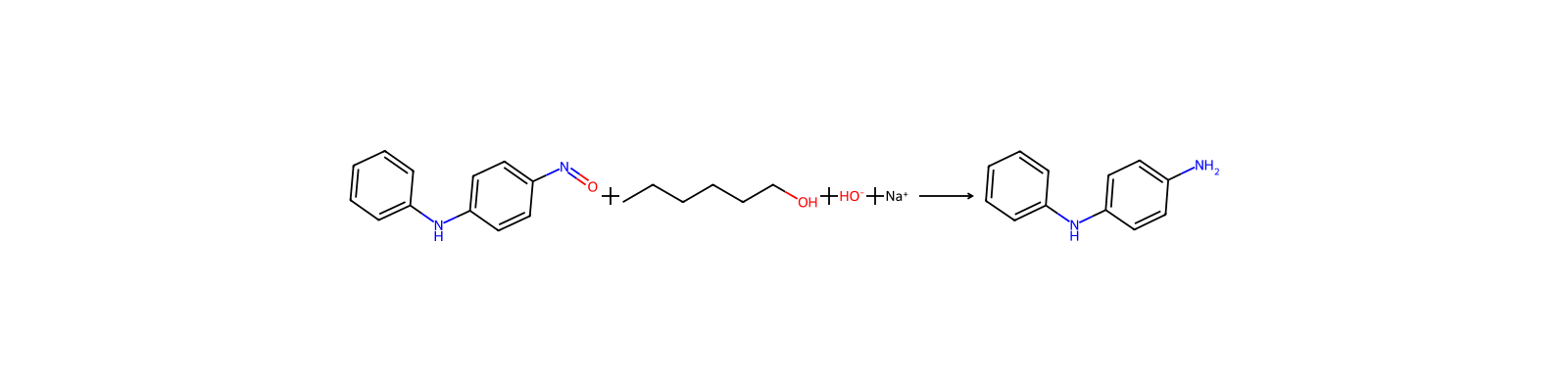
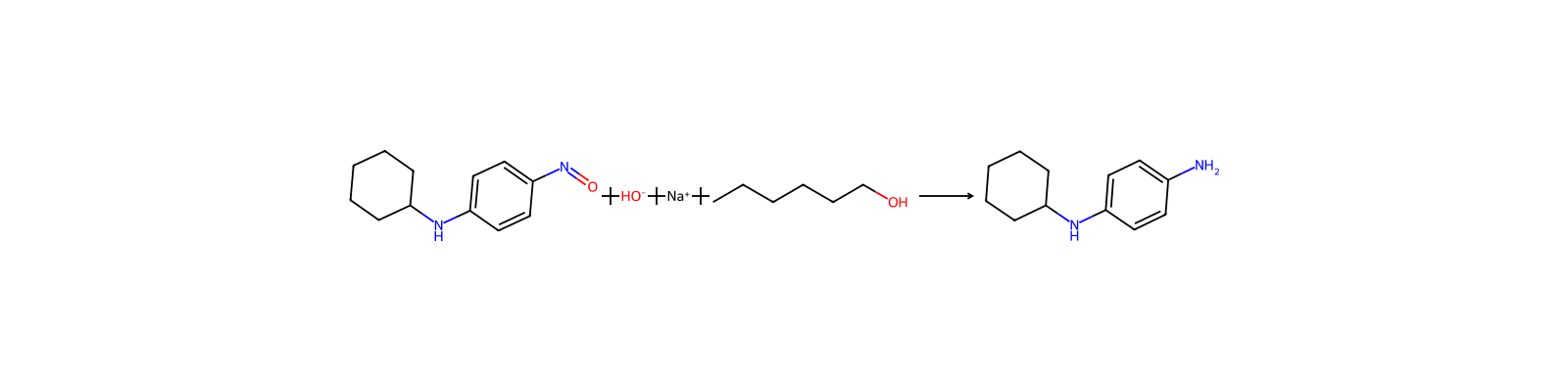
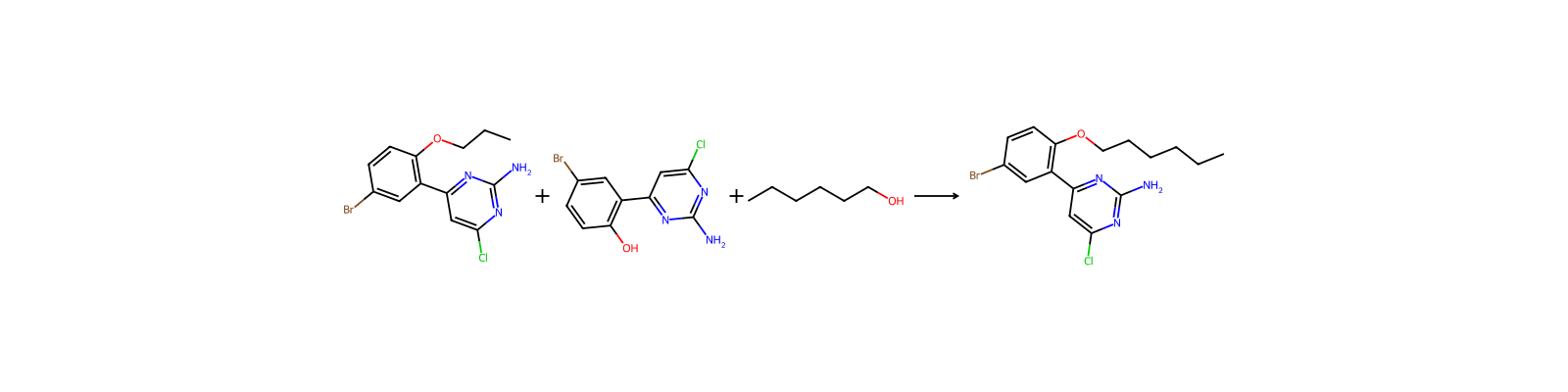
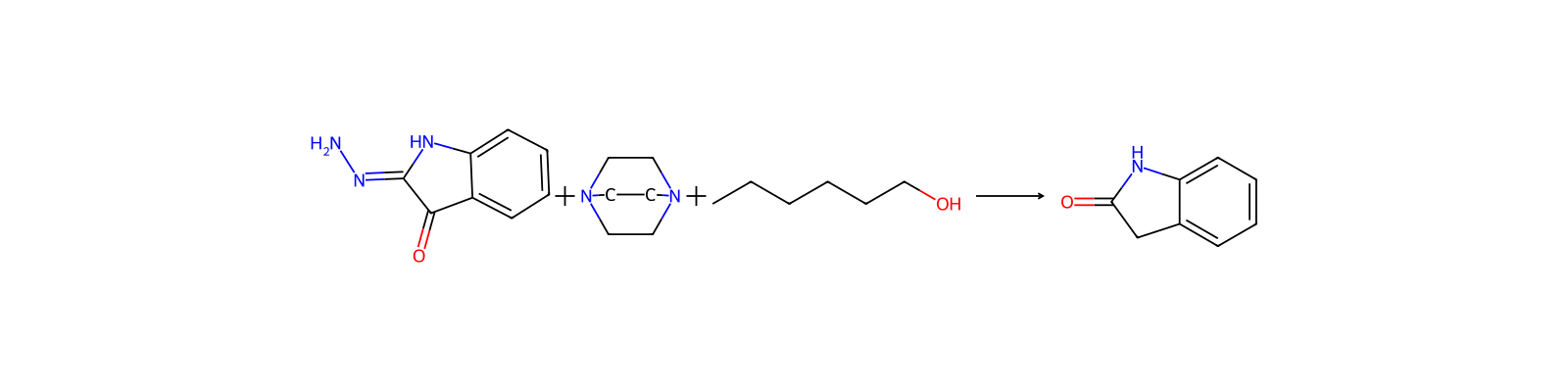
317 records




Linked notes
Loading…