
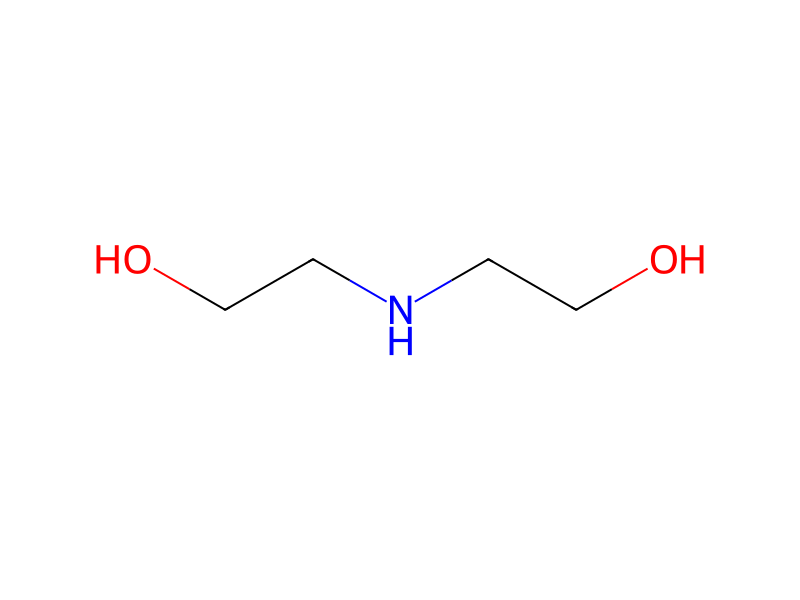
Basic information
- Standard SMILES
OCCNCCO- InChIKey
ZBCBWPMODOFKDW-UHFFFAOYSA-N- Molecular formula
- C4H11NO2
- Average molar mass
- 105.14 g/mol
- Monoisotopic mass
- 105.07897859
Overview
Diethanolamine can cause cancer according to California Labor Code.
Names & identifiers
- Preferred name
- Diethanolamine
- IUPAC
- 2-(2-hydroxyethylamino)ethanol
- English name
- N,N-Diethanolamine
- Molecular formula
- C4H11NO2
- Molecular weight
- 105.14
Names & synonyms
DIETHANOLAMINE111-42-22,2'-IminodiethanolDiolamineIminodiethanolBis(2-hydroxyethyl)amine2-(2-Hydroxyethylamino)ethanolDiethanolaminDiethylolamine2,2'-DihydroxydiethylamineN,N-DiethanolamineEthanol, 2,2'-iminobis-
Show more names
Di(2-hydroxyethyl)amine2,2'-IminobisethanolN,N'-IminodiethanolNiax DEOA-LFDiaethanolaminBis(hydroxyethyl)amineDabco DEOA-LF2-[(2-hydroxyethyl)amino]ethan-1-ol
Database identifiers
- CAS
111-42-2- PubChem CID
- 8113
- DTXSID
DTXSID3021932- ChEMBL
CHEMBL119604- ChEBI
CHEBI:28123- UNII
- AZE05TDV2V
- EC Number
- 203-868-0
- Nikkaji
- J808G
Properties
Computed structural properties
- XLogP
- -1.4
- Topological polar surface area
- 52.5 Ų
- Hydrogen bond donors
- 3
- Hydrogen bond acceptors
- 3
- Rotatable bonds
- 4
- Heavy atoms
- 7
- Formal charge
- 0
- Complexity
- 28.9
Experimental & physicochemical properties
Chemical Classes
Hazardous Air Pollutants (HAPs)
Nitrogen Compounds -> Ethanolamines
Corrosives
PFASPFAS -> Other/unspecified
Cosmetics
Cosmetics ingredient -> Buffering/pH Adjusting; Fragrance
Cosmetic ingredients (Diethanolamine) -> CIR (Cosmetic Ingredient Review)
pHStrong base. pH of 0.1 N aqueous solution: 11.0
SpringerMaterials PropertiesBoiling point
LogP
log Kow= - 1.43
-1.43
-1.43
-1.43
OdorMild, ammonia-like odor
Density
1.095 at 82.4 °F (USCG, 1999) - Denser than water; will sink
1.0966 at 20 °C
Relative density (water = 1): 1.09 (liquid)
1.1
1.0966 @ 20°C
1.10
Viscosity351.9 cP at 30 °C; 53.85 cP at 60 °C
Color/Form
A faintly colored, viscous liquid or deliquescent prisms
Deliquescent prisms. Usually offered as a viscous liquid
Colorless crystals or a syrupy, white liquid (above 82 °F)
Solubility
greater than or equal to 100 mg/mL at 57 °F (NTP, 1992)
Miscible (1X10+6 mg/L) with water at 20 °C
Very soluble in water, ethanol; slightly soluble in ethyl ether, benzene
Miscible with methanol. acetone, alcohol, chloroform, glycerin. Solubility at 25 °C in benzene: 4.2%; in ether: 0.8%; in carbon tetrachloride: <0.1%; in heptane: <0.1%. Slightly soluble to insoluble in petroleum ether.
1000 mg/mL at 20 °C
Solubility in water: very good
Flash Point
279 °F (NTP, 1992)
279 °F
134 °C (Open cup)
342 °F (172 °C) (open cup)
134 °C o.c.
279 °F
Physicochemical properties
- Melting point
- 28 °C · 28 °C
- Boiling point
- 217 °C · 217 °C
- Density
- 1.097 g/mL · 1.097 g/mL at 25 °C
- vapor density
- 3.63 · 3.63 (vs air)
- vapor pressure
- 0.01 mm · < 0.01 mm Hg @ 20°C
- Flash point
- 138 °C · 138 °C
- form
- Liquid
- pka
- 14.44 · 14.44±0.10(Predicted)
- color
- Clear colorless
- Odor
- Ammonia odor
- PH Range
- 11 · 11 - 12 at 105 g/l at 25 °C
- explosive limit
- 1.6 · 1.60-10.60%
- Water Solubility
- 105 g/l · 105 g/l at 20 °C - completely soluble
- Symbol(GHS)
- 5 · GHS05,GHS07,GHS08
- Signal word
- Danger
- Hazard statements
- 302 · H302-H315-H318-H361fd-H373
- Precautionary statements
- 202 · P202-P280-P301+P312-P302+P352-P305+P351+P338-P308+P313
- Autoignition Temperature
- 365 °C · 365 °C
Safety & regulation
GHS classification
GHS Classification
Danger
H302: Harmful if swallowed [Warning Acute toxicity, oral]
P260, P264, P264+P265, P270, P280, P301+P317, P302+P352, P305+P354+P338, P317, P319, P321, P330, P332+P317, P362+P364, and P501 (click each P-code to see the statement)
This chemical does not meet GHS hazard criteria for 0.5% (17 of 3242) of reports.
Danger
H302 (98.8%): Harmful if swallowed [Warning Acute toxicity, oral]
Hazard information
Regulatory Information
Chemical: Ethanol, 2,2'-iminobis-
Hazard Traits - Carcinogenicity; Cardiovascular Toxicity; Hematotoxicity; Respiratory Toxicity
Ethanol, 2,2'-iminobis- is listed on the EPA's Chemical Data Reporting (CDR) system. Manufacturers and importers of Ethanol, 2,2'-iminobis- are required to report information about their production and use of this chemical to the EPA under the Toxic Substances Control Act (TSCA). (40 eCFR Part 711)
Status: Active Update: 16-05-2023 https://echa.europa.eu/registration-dossier/-/registered-dossier/15770
Diethanolamine: Does not have an individual approval but may be used under an appropriate group standard
The New Jersey Worker and Community Right to Know Act requires public and private employers to provide information about hazardous substances at their workplaces. (N.J.S.A. 34:5A-1 et. seq.)
Other Safety InformationIMAP assessments - Ethanol, 2,2'-iminobis-: Human health tier III assessment
DOT LabelClass 9
Fire Hazards
Special Hazards of Combustion Products: Irritating vapors are generated when heated. (USCG, 1999)
Combustible.
Fire PotentialCombustile, when exposed to heat or flame; can react with oxidizing materials.
Health HazardsIrritation of eyes and skin. Breathing vapors may cause coughing, a smothering sensation, nausea, headache. (USCG, 1999)
Hazards Summary
Diethanolamine is used in a number of consumer products, such as shampoos, cosmetics, and pharmaceuticals. Limited information is available on the health effects of diethanolamine. Acute (short- term) inhalation exposure to diethanolamine in humans may result in irritation of the nose and throat, and dermal exposure may irritate the skin. No information is available on the chronic (long-term), reproductive, developmental, or carcinogenic effects of diethanolamine in humans. Animal studies have reported effects on the liver, kidney, blood, and central nervous system (CNS) from chronic oral exposure to diethanolamine. The National Toxicology Program (NTP) reported an increased incidence of liver and kidney tumors in mice from dermal exposure to diethanolamine. EPA has not classified diethanolamine for carcinogenicity.
Liquid causes first degree burns on short exposure; [CHRIS] Diethanolamine is a skin irritant. [Quick CPC] Cases of occupational asthma have been reported. [Reference #1] May cause kidney and liver injury; [ICSC] Danger of skin sensitization; [MAK]
FDA RequirementsDiethanolamine is an indirect food additive for use only as a component of adhesives.
Reactive GroupAlcohols and Polyols
EC ClassificationSymbol: Xn; R: 22-38-41-48/22; S: (2)-26-36/37/39-46
Special Reports
MOREL C ET AL; TOXICOLOGICAL CARD. 147. DIETHANOLAMINE; CAH NOTES DOC (97) 655: (1979). SUMMARY COVERS PHYS & CHEM PROPERTIES OF DIETHANOLAMINE, HAZARDS IN USE, & CURRENT LEGISLATION IN FRANCE AFFECTING IT. RECOMMENDATIONS ARE MADE FOR ITS STORAGE & HANDLING, & MEDICAL TREATMENT IN CASE OF ACCIDENTS.
DHHS/NIOSH Screening of Priority Chemicals for Reproductive Hazards. Diethanolamine (CAS No. 111-42-2) (1987), NTIS PB89-139067
DHHS/NTP; NTP Technical Report on Toxicity Studies of Diethanolamine Administered Topically and in Drinking Water to F344/N Rats and B6C3F1 Mice. Toxicity Rpt Series No. 20 NIH Publication No. 92-3343 (1992)
TSCA Requirements
Pursuant to section 8(d) of TSCA, EPA promulgated a model Health and Safety Data Reporting Rule. The section 8(d) model rule requires manufacturers, importers, and processors of listed chemical substances and mixtures to submit to EPA copies and lists of unpublished health and safety studies. Diethanolamine is included on this list. Effective date: 4/13/89; Sunset date: 6/30/98.
Safety & protection
Fire Fighting
Excerpt from ERG Guide 171 [Substances (Low to Moderate Hazard)]:
Use water spray, powder, foam, carbon dioxide.
First Aid Measures
Fresh air, rest.
Remove contaminated clothes. Rinse skin with plenty of water or shower.
First rinse with plenty of water for several minutes (remove contact lenses if easily possible), then refer for medical attention.
Rinse mouth. Give one or two glasses of water to drink. Refer for medical attention . Rest.
First Aid
EYES: First check the victim for contact lenses and remove if present. Flush victim's eyes with water or normal saline solution for 20 to 30 minutes while simultaneously calling a hospital or poison control center. Do not put any ointments, oils, or medication in the victim's eyes without specific instructions from a physician. IMMEDIATELY transport the victim after flushing eyes to a hospital even if no symptoms (such as redness or irritation) develop.
(General first aid procedures)
Safe StorageSeparated from strong oxidants and acids. Dry.
Exposure Control and Personal Protection1.0 [mg/m3], inhalable fraction[German Research Foundation (DFG)]
Fire Fighting Procedures
Wear self contained breathing apparatus for fire fighting if necessary.
Use water spray, dry chemical, alcohol foam or carbon dioxide fire extinguishing agent. Use water to keep fire-exposed containers cool, to disperse the vapors, to flush spills away from exposure, to dillute spills to nonflammable mixtures and to prevent the spread of fires.
If material on fire or involved in fire: Extinguish fire using agent suitable for type of surrounding fire. (Material itself does not burn or burns with difficulty.) Use "alcohol" foam, dry chemical or carbon dioxide. Keep run-off water out of sewers and water sources.
Storage Conditions
Keep container tightly closed in a dry and well-ventilated place. Containers which are opened must be carefully resealed and kept upright to prevent leakage. Air sensitive.
PRECAUTIONS FOR "CARCINOGENS": Storage site should be as close as practical to lab in which carcinogens are to be used, so that only small quantities required for ... expt need to be carried. Carcinogens should be kept in only one section of cupboard, an explosion-proof refrigerator or freezer (depending on chemicophysical properties ...) that bears appropriate label. An inventory ... should be kept, showing quantity of carcinogen & date it was acquired ... Facilities for dispensing ... should be contiguous to storage area. /Chemical Carcinogens/
Cleanup Methods
Personal precautions, protective equipment and emergency procedures: Use personal protective equipment. Avoid breathing vapours, mist or gas. Ensure adequate ventilation. Evacuate personnel to safe areas.
Environmental precautions: Prevent further leakage or spillage if safe to do so. Do not let product enter drains. Discharge into the environment must be avoided.
Methods and materials for containment and cleaning up: Soak up with inert absorbent material and dispose of as hazardous waste. Keep in suitable, closed containers for disposal.
Environmental considerations: Land spill: Dike surface flow using soil, sand bags, foamed polyurethane, or foamed concrete. Absorb bulk liquid with fly ash, cement powder, or commercial sorbents.
For more Cleanup Methods (Complete) data for DIETHANOLAMINE (6 total), please visit the HSDB record page.
Nonfire Spill ResponseExcerpt from ERG Guide 171 [Substances (Low to Moderate Hazard)]:
Disposal Methods
SRP: The most favorable course of action is to use an alternative chemical product with less inherent propensity for occupational harm/injury/toxicity or environmental contamination. Recycle any unused portion of the material for its approved use or return it to the manufacturer or supplier. Ultimate disposal of the chemical must consider: the material's impact on air quality; potential migration in soil or water; effects on animal and plant life; and conformance with environmental and public health regulations.
Product: Offer surplus and non-recyclable solutions to a licensed disposal company. Contact a licensed professional waste disposal service to dispose of this material. Dissolve or mix the material with a combustible solvent and burn in a chemical incinerator equipped with an afterburner and scrubber.
Contaminated packaging: Dispose of as unused product.
PRECAUTIONS FOR "CARCINOGENS": There is no universal method of disposal that has been proved satisfactory for all carcinogenic compounds & specific methods of chem destruction ... published have not been tested on all kinds of carcinogen-containing waste. ... summary of avail methods & recommendations ... /given/ must be treated as guide only. /Chemical Carcinogens/
For more Disposal Methods (Complete) data for DIETHANOLAMINE (8 total), please visit the HSDB record page.
Spillage Disposal
Personal protection: filter respirator for organic gases and particulates adapted to the airborne concentration of the substance. Sweep spilled substance into covered sealable containers. If appropriate, moisten first to prevent dusting. Then store and dispose of according to local regulations.
Preventive Measures
The worker should immediately wash the skin when it becomes contaminated.
Work clothing that becomes wet or significantly contaminated should be removed and replaced.
Workers whose clothing may have become contaminated should change into uncontaminated clothing before leaving the work premises.
If material not on fire and not involved in fire: Keep material out of water sources and sewers. Build dikes to contain flow as necessary. Attempt to stop leak if without undue personnel hazard.
For more Preventive Measures (Complete) data for DIETHANOLAMINE (14 total), please visit the HSDB record page.
Toxicology
Target OrgansEyes, skin, respiratory system
Ecotoxicity Values
LC50; Species: Goldfish; Concentration: 800 mg/L for 24 hr at pH 9.6 /Conditions of bioassay not specified/
LC50; Species: Goldfish; Concentration: >5000 mg/L for 24 hr at pH 7 /Conditions of bioassay not specified/
LC50; Species: Xenopus laevis (African Clawed Frog) age 3-4 wk; Conditions: freshwater, static, 20 °C; Concentration: 1174000 ug/L for 48 hr /formulation/
EC50; Species: Ceriodaphnia dubia (Water Flea) age <24 hr neonate; Conditions: freshwater, static, 23 °C; Concentration: 72920 ug/L for 48 hr (95% confidence interval: 61800-86040 ug/L); Effect: intoxication, immobilization /formulation/
For more Ecotoxicity Values (Complete) data for DIETHANOLAMINE (14 total), please visit the HSDB record page.
Environmental Fate
TERRESTRIAL FATE: Based on a classification scheme(1), a reported Koc value of 3.97(2), indicates that diethanolamine is expected to have very high mobility in soil(SRC). The pKa of diethanolamine is 8.96(3), indicating that this compound will exist partially in cation form in the environment and cations generally adsorb more strongly to soils containing organic carbon and clay than their neutral counterparts(4). Volatilization of diethanolamine from moist soil surfaces is not expected to be an important fate process(SRC) given an estimated Henry's Law constant of 3.9X10⁻¹¹ atm-cu m/mole(SRC), based upon its vapor pressure, 2.8X10⁻⁴ mm Hg(5), and water solubility, 1X10+6 mg/L(5) and its pKa(3). Diethanolamine is not expected to volatilize from dry soil surfaces(SRC) based upon its vapor pressure(5). Diethanolamine is expected to biodegrade in soil; however, studies show the rate of degradation can vary widely depending on the conditions and acclimation of the soil(6).
AQUATIC FATE: Based on a classification scheme(1), a reported Koc value of 3.97(2), indicates that diethanolamine is not expected to adsorb to suspended solids and sediment(SRC). Volatilization of the neutral form from water surfaces is not expected(3) based upon an estimated Henry's Law constant of 3.9X10⁻¹¹ atm-cu m/mole(SRC), derived from its vapor pressure, 2.8X10⁻⁴ mm Hg(4), and water solubility, 1X10+6 mg/L(4). A pKa of 8.96(5) indicates diethanolamine will exist partially in the cation form at pH values of 5 to 9 and, therefore, volatilization from water surfaces of the cation form is not expected to be an important fate process(SRC). According to a classification scheme(6), an estimated BCF of 3(SRC), from its log Kow of -1.43(7) and a regression-derived equation(8), suggests the potential for bioconcentration in aquatic organisms is low(SRC). Diethanolamine is expected to biodegrade in water; however, studies show the rate of degradation can vary widely depending on the conditions and acclimation state(9).
ATMOSPHERIC FATE: According to a model of gas/particle partitioning of semivolatile organic compounds in the atmosphere(1), diethanolamine, which has a vapor pressure of 2.8X10⁻⁴ mm Hg at 25 °C(2), is expected to exist solely as a vapor in the ambient atmosphere. Vapor-phase diethanolamine is degraded in the atmosphere by reaction with photochemically-produced hydroxyl radicals(SRC); the half-life for this reaction in air is estimated to be 4 hours(SRC), calculated from its rate constant of 9.3X10⁻¹¹ cu cm/molecule-sec at 25 °C(SRC) that was derived using a structure estimation method(3). Diethanolamine does not contain chromophores that absorb at wavelengths >290 nm(4) and, therefore, is not expected to be susceptible to direct photolysis by sunlight(SRC).
Adverse EffectsOccupational hepatotoxin - Secondary hepatotoxins: the potential for toxic effect in the occupational setting is based on cases of poisoning by human ingestion or animal experimentation.
Exposure Routes
The substance can be absorbed into the body by inhalation of its vapour and by ingestion.
inhalation, ingestion, skin and/or eye contact
Toxicity Summary
The CIR Expert Panel concluded that diethanolamine and the 16 related salts listed below are safe in the present practices of use and concentration when formulated to be non-irritating. The Expert Panel cautions that ingredients should not be used in cosmetic products in which N-nitroso compounds can be formed.
Safe for use in cosmetics, with qualifications
Ecotoxicity Excerpts
/AQUATIC SPECIES/ Marine diatoms (Skeletonema costatum, 10,000 cells/mL) were exposed to a series of 5 or more concn of diethanolamine for 5 days (replicated 3 times). At 548.2 mg/L diethanolamine caused a 50% reduction in the number of cells per mL, and 522.8 mg/L caused a 50% reduction in total cell volume. The no observed effect level (NOEL) was 216 mg/L for both cell measurements.
/AQUATIC SPECIES/ Alkanolamines are surface-active chemicals used in a wide range of industrial, agricultural and pharmaceutical applications and products. Of particular interest is the use of alkanolamines such as diethanolamine (DEA) in the removal of /carbon dioxide/ from natural gas and for /carbon dioxide/ capture following fossil fuel combustion. Despite this widespread use, relatively little is known about the ecotoxicological impacts of these compounds. In an attempt to assess the potential effects of alkanolamines in the marine environment, a key species in the North Atlantic, the planktonic copepod Calanus finmarchicus, was studied for molecular effects following sublethal exposure to DEA. DEA-induced alterations in transcriptome and metabolome profiling were assessed using a suppression subtractive hybridization (SSH) gene library method and high resolution magic angle spinning nuclear magnetic resonance (HR-MAS NMR), respectively. Effects were observed on transcription of genes reportedly involved in lipid metabolism, antioxidant systems, metal binding, and amino acid and protein catabolism. These effects were accompanied by altered expression of fatty acid derivates, amino acids (threonine, methionine, glutamine, arginine, alanine and leucine) and cholines (choline, phosphocholine and glycerophosphocholine). Together, SSH and HR-MAS NMR offer complementary screening tools for the assessment of molecular responses of C. finmarchicus to DEA and can be used in the study of other chemicals and organisms. Concentration-response and time-response relationships between DEA exposure and single gene transcription were investigated using quantitative PCR. Specific relationships were found between DEA exposure and the transcription of genes involved in protein catabolism (ubiquitin-specific protease-7), metal ion homeostasis (ferritin) and defence against oxidative stress (gamma-glutamylcysteine synthase, glutathione synthase and Cu/Zn-superoxide dismutase). At the lowest alkanolamine concentration used in these experiments, which corresponded to 0.5% of the LC50 concentration, no transcriptional effects were observed, giving information regarding the lower molecular effect level. Finally, similar transcription patterns were observed for a number of different genes following exposure to DEA, which indicates analogous mechanisms of toxicity and response.
/AQUATIC SPECIES/ In order to investigate the potential ecotoxicity of diethanolamine (DEA), a battery of model systems was developed. DEA is widely used as a chemical intermediate and as a surface-active agent in cosmetic formulations, pharmaceuticals and agricultural products. DEA was studied using ecotoxicological model systems, representing four trophic levels, with several bioindicators evaluated at different exposure time periods. The battery included bioluminescence inhibition of the bacterium Vibrio fischeri, growth inhibition of the alga Chlorella vulgaris and immobilization of the cladoceran Daphnia magna. Cell morphology, total protein content, neutral red uptake, MTS metabolization, lysosomal function, succinate dehydrogenase activity, G6PDH activity, metallothionein levels and EROD activity were studied in the hepatoma fish cell line PLHC-1, derived from Poeciliopsis lucida. The systems most sensitive to DEA were both D. magna and V. fischeri, followed by C. vulgaris and the fish cell line PLHC-1. The most prominent morphological effect observed in PLHC-1 cultures exposed to DEA was the induction of a marked steatosis, followed by death at high concentrations, in some cases by apoptosis. The main biochemical modification was a nearly three-fold increase in metallothionein levels, followed by the stimulations of lysosomal function and succinate dehydrogenase and G6PDH activities. Judging by the EC(50) values in the assay systems, DEA is not expected to produce acute toxic effects in the aquatic biota. However, chronic and synergistic effects with other chemicals cannot be excluded.
Signs and Symptoms
Redness. Pain. Severe deep burns.
Abdominal pain. Burning sensation.
irritation eyes, skin, nose, throat; eye burns, corneal necrosis; skin burns; lacrimation (discharge of tears), cough, sneezing
Ongoing Test Status
EPA has released the first beta version (version 0.5) of the Interactive Chemical Safety for Sustainability (iCSS) Dashboard. The beta version of the iCSS Dashboard provides an interactive tool to explore rapid, automated (or in vitro high-throughput) chemical screening data generated by the Toxicity Forecaster (ToxCast) project and the federal Toxicity Testing in the 21st century (Tox21) collaboration. /The title compound was tested by ToxCast and/or Tox21 assays; See the data in Chemical Explorer/[USEPA; ICSS Dashboard Application; Available from, as of March 28, 2014: http://actor.epa.gov/dashboard/]
The following link will take the user to the National Toxicology Program (NTP) Test Agent Search Results page, which tabulates all of the "Standard Toxicology & Carcinogenesis Studies", "Developmental Studies", and "Genetic Toxicity Studies" performed with this chemical. Clicking on the "Testing Status" link will take the user to the status (i.e., in review, in progress, in preparation, on test, completed, etc.) and results of all the studies that the NTP has done on this chemical.[Available from, as of February 24, 2014: http://ntp-apps.niehs.nih.gov/ntp_tox/index.cfm?fuseaction=ntpsearch.searchresults&searchterm=111-42-2]
Effluent ConcentrationsDiethanolamine has been quantitatively detected as a volatile compound of lubricating-cooling liquids, used in various processes in machine building and metallurgy, at a concentration range of 0.25-0.40 mg/cu m(1).
ICSC Environmental DataThe substance is harmful to aquatic organisms.
Medical Surveillance
PRECAUTIONS FOR "CARCINOGENS": Whenever medical surveillance is indicated, in particular when exposure to a carcinogen has occurred, ad hoc decisions should be taken concerning ... /cytogenetic and/or other/ tests that might become useful or mandatory. /Chemical Carcinogens/
Regulatory information
FDA RequirementsDiethanolamine is an indirect food additive for use only as a component of adhesives.
TSCA Requirements
Pursuant to section 8(d) of TSCA, EPA promulgated a model Health and Safety Data Reporting Rule. The section 8(d) model rule requires manufacturers, importers, and processors of listed chemical substances and mixtures to submit to EPA copies and lists of unpublished health and safety studies. Diethanolamine is included on this list. Effective date: 4/13/89; Sunset date: 6/30/98.
FIFRA Requirements
Residues of diethanolamine are exempted from the requirement of a tolerance when used in accordance with good agricultural practice as inert (or occasionally active) ingredients in pesticide formulations applied to growing crops only. Use: Stabilizer, inhibitor for formulations used before crop emerges from soil.
Atmospheric Standards
Listed as a hazardous air pollutant (HAP) generally known or suspected to cause serious health problems. The Clean Air Act, as amended in 1990, directs EPA to set standards requiring major sources to sharply reduce routine emissions of toxic pollutants. EPA is required to establish and phase in specific performance based standards for all air emission sources that emit one or more of the listed pollutants. Diethanolamine is included on this list.
CERCLA Reportable Quantities
Persons in charge of vessels or facilities are required to notify the National Response Center (NRC) immediately, when there is a release of this designated hazardous substance, in an amount equal to or greater than its reportable quantity of 100 lb or 45.4 kg. The toll free number of the NRC is (800) 424-8802. The rule for determining when notification is required is stated in 40 CFR 302.4 (section IV.D.3.b).
Safety data
- Signal word
- Danger
- Symbol(GHS)
- GHS05,GHS07,GHS08
- Hazard statements
- H302-H315-H318-H361fd-H373
- Autoignition Temperature
- 365 °C
- Precautionary statements
- P202-P280-P301+P312-P302+P352-P305+P351+P338-P308+P313
Chemistry & industry
Pharmacology
Mechanism of Action
Diethanolamine (DEA) is a widely used ingredient in many consumer products and in a number of industrial applications. It has been previously reported that dermal administration of DEA to mice diminished hepatic stores of choline and altered brain development in the fetus. The aim of this study was to use mouse neural precursor cells in vitro to assess the mechanism underlying the effects of DEA. Cells exposed to DEA treatment (3mM) proliferated less (by 5-bromo-2-deoxyuridine incorporation) at 48 hr (24% of control [CT]), and had increased apoptosis at 72 hr (308% of CT). Uptake of choline into cells was reduced by DEA treatment (to 52% of CT), resulting in diminished intracellular concentrations of choline and phosphocholine (55 and 12% of CT, respectively). When choline concentration in the growth medium was increased threefold (to 210 uM), the effects of DEA exposure on cell proliferation and apoptosis were prevented, however, intracellular phosphocholine concentrations remained low. In choline kinase assays, we observed that DEA can be phosphorylated to phospho-DEA at the expense of choline. Thus, the effects of DEA are likely mediated by inhibition of choline transport into neural precursor cells and by altered metabolism of choline. /This/ study/ suggests that prenatal exposure to DEA may have a detrimental effect on brain development.
Diethanolamine increased the incidence and multiplicity of liver tumors in the mouse following chronic exposure. Diethanolamine is known to inhibit cellular choline uptake. Since choline deficiency produces tumors in rodents, diethanolamine, through choline depletion, may result in tumor development in rodents. The potential for diethanolamine to function through this mode of action in humans is not known. The present studies examined the effect of diethanolamine (0-500 mug/mL) and choline depletion on DNA synthesis and changes in expression of genes involved in cell growth pathways in primary cultures of mouse, rat, and human hepatocytes. In mouse and rat hepatocytes DNA synthesis was increased following treatment with 10 mug/mL diethanolamine and higher (3- to 4-fold over control). In contrast, diethanolamine failed to increase DNA synthesis in human hepatocytes. Incubation of hepatocytes in medium containing reduced choline (1/10 to 1/100 of normal medium; 0.898 to 0.0898 mg/L vs. 8.98 mg/L) increased DNA synthesis (1.6- and 1.8-fold of control in mouse and rat hepatocytes, respectively); however, choline depletion did not induce DNA synthesis in human hepatocytes. Mouse and rat hepatocytes incubated in medium supplemented with 2- to 50-fold excess choline reduced diethanolamine-induced DNA synthesis to control levels or below. Gene expression analysis of mouse and rat hepatocytes following diethanolamine treatment showed increases in genes associated with cell growth and decreases in expression of genes involved in apoptotic pathways. These results support the hypothesis that choline depletion is central to the mode of action for the induction of rodent hepatic neoplasia by diethanolamine. Furthermore, since diethanolamine treatment or choline depletion failed to induce DNA synthesis in human hepatocytes, these results suggest that humans may not be at risk from the carcinogenic effects of diethanolamine.
Diethanolamine which interferes with phospholipid metab produced a loss of mitochondrial integrity after subacute admin to Sprague-Dawley rats.
Diethanolamine inhibited in vitro synthesis of phosphatidyl choline and phosphatidyl ethanolamine in rat liver tissue.
Metabolism/Metabolites
Treatment of Wistar or Sherman rats with diethanolamine caused increases in the formation of hepatic phospholipids. In addition, dietary administration led to incorporation of ethanolamine into hepatic phospholipids, and repeated oral administration of diethanolamine in drinking water (one to three wk) at a dose of 320 mg/kg/day was found to reduce the level of incorporation of ethanolamine and choline into hepatic and renal phospholipids in Sprague-Dawley rats.
Dermal absorption of diethanolamine is suggested to occur in rats since N-nitrosodiethanolamine was excreted in the urine of male Sprague-Dawley rats which had been administered diethanolamine by dermal application and given nitrite in their drinking water.
Diethanolamine is known to be incorporated into membrane phospholipids. It can be O-phosphorylated and N-methylated to metabolites that are incorporated into polar head groups as aberrant membrane phospholipids (phosphoglyceride and sphingomyelin analogues) via the ethanolamine metabolic pathway.
After a single intravenous or oral administration of diethanolamine, rats predomnantly excreted the parent compound in the urine; after repeated oral administration, the parent compound was still the major product excreted in the urine but N-methylated metabolites were also detected. The parent compound also accounted for the majority of radioactivity extracted from the liver and brain of rats administered (14)C-diethanolamine; two minor metabolites identified in tissues were N-methyldiethanolamine and N,N-dimethyldiethanolamine.
Absorption, Distribution and Excretion
(14)C-Diethanolamine (7 mg/kg bw) was given orally to male Fischer 344 rats once or by daily repeat dosing for up to eight weeks. Single oral doses (0.7-200 mg/kg bw) were well absorbed but excreted very slowly. About 20-30% of oral and intravenous doses (7 mg/kg bw) was found in urine (mainly as unchanged diethanolamine), with less than 3% in feces and only 0.2% or less was exhaled (CO2) within 48 h. Most of the diethanolamine was retained in tissues at high concentrations. The tissue-to-blood ratios were 150-200 for the liver and kidney, 30-40 for the lung and spleen and 10-20 for the heart, brain and muscle. Tissue radioactivity was found mainly in aqueous extracts (up to 90%) and 5-10% was organic-extractable.
(14)C-Diethanolamine was applied to 19.5 sq cm of the dorsal skin (20 mg/sq cm, 1500 mg/kg bw) and covered for 48 hr (no washing) or for 6 hr before it was removed by washing. Absorbed (14)C-diethanolamine was determined in 48-hr urine and feces and from sampled tissues. Unwashed rats absorbed 1.4% and washed animals 0.64% of the dose, while the majority of (14)C-diethanolamine was recovered in the occlusive wrappings (80%) and in skin of the dose site (3.6%). The radioactivity was found in carcass, liver or kidneys but very little in urine (0.11%), feces or blood
Studies of the penetration of (14)C-diethanolamine from cosmetic formulations (shampoos hair dyes and body lotions) through human skin samples indicated that approximately 0.1% of the applied dose of shampoo and hair dye formulations was absorbed into the receptor fluid after 5-30 minutes; in a 72-hour repeated dose study with a body lotion formulation, nearly 30% of applied diethanolamine accumulated in the skin and approximately 1% was absorbed into the receptor fluid.
Dermal absorption of diethanolamine is suggested to occur in rats since N-nitrosodiethanolamine was excreted in the urine of male Sprague-Dawley rats which had been administered diethanolamine by dermal application and given nitrite in their drinking water.
Tissue LocationsThyroid Gland
Cellular LocationsCytoplasm
Uses & manufacturing
Uses
CIR ingredient: Diethanolamine
Diethanolamine is used in cutting oils, soaps, shampoos, cleaners, polishers, cosmetics, and pharmaceuticals. It is also used as an intermediate in the rubber chemicals industry, as a humectant and softening agent, and as an emulsifier and dispersing agent in various agricultural chemicals.
Used as a detergent in paints, cutting oils, and cleaners; also used to make resins and plasticizers; [ACGIH] Used in metalworking fluids for cutting, stamping, and die-casting operations; [HSDB] Used in photography (color developing baths); [www.ci.tucson.az.us/arthazards/medium.html]
Metal Machining [Category: Heat or Machine]
To scrub gases as indicated under ethanolamine. Diethanolamine can be used with cracking gases and coal or oil gases which contain carbonyl sulfide that would react with monoethanolamine. As rubber chemicals intermediate. In the manufacture of surface active agents used in textile specialties, herbicides, petroleum demulsifiers. As emulsifier & dispersing agent in various agricultural chemicals, cosmetics, and pharmaceuticals. In the production of lubricants for the textile industry. As humectant and softening agent. In buffer formulations. In organic synthesis.
Liquid detergents for emulsions of paints, shampoos, cleaners, and polishes; chemical intermediate for resins, plasticizers, etc; solubilizing 2,4-D
U.S. Imports
(1972) 6.36X10+7 G (MONO, DI, & TRI)
(1975) 2.03X10+9 G (MONO, DI, & TRI)
(1984) 1.40X10+9 G /MONO, DI, TRIETHANOLAMINE/
U.S. Production
2023: 400,000,000 - <550,000,000 lb
(1972) 4.59X10+10 G
(1975) 3.89X10+10 G
(1983) 7.54X10+10 g
Ethanol, 2,2'-iminobis- is listed as a High Production Volume (HPV) chemical (65FR81686). Chemicals listed as HPV were produced in or imported into the U.S. in >1 million pounds in 1990 and/or 1994. The HPV list is based on the 1990 Inventory Update Rule. (IUR) (40 CFR part 710 subpart B; 51FR21438).
For more U.S. Production (Complete) data for DIETHANOLAMINE (7 total), please visit the HSDB record page.
Consumption Patterns
(For mono, di, & triethanolamine) 46% as an int for detergents (including textiles, toilet goods, metals & other specialty surfactant uses); 28% in gas conditioning & petroleum use; 6% as a chem int for morpholine; 20% for misc applications (including emulsion polishes & herbicides) (1975)
Detergents (including textile, toilet goods, metal and other specialty surfactants), 35 percent; gas conditioning and petroleum use, 30 percent; metal working, 15 percent; textiles, 10 percent; miscellaneous (including agricultural intermediates and cement grinding aids) and exports, 10 percent (1984) /ethanolamines/
Consumer UsesLubricating agent
Industry UsesIntermediate
Methods of Manufacturing
Ethanolamines are produced on an industrial scale exclusively by reaction of ethylene oxide with excess ammonia ... The reaction of ethylene oxide with ammonia takes place slowly and is accelerated by water. Anhydrous procedures employ a fixed-bed catalyst consisting of an organic ion-exchange resin or thermally more stable acidic inorganic clays or zeolites. In all conventional processes, reaction takes place in the liquid phase, and the reactor pressure is usually sufficiently large to prevent vaporization of ammonia and ethylene oxide at the reaction temperature. In current procedures, ammonia concentrations in water between 50 and 100%, pressures up to 16 MPa, reaction temperatures up to 150 °C, and an excess up to 40 mol of ammonia permole of ethylene oxide are used. The reaction is highly exothermic; the enthalpy of reaction is about 125 kJ per mole of ethylene oxide. ... Unconsumed ammonia and water are separated from the products in a distillation line downstream of the reactor and are recycled. ... Product distribution of the three ethanolamines can be controlled by appropriate choice of the ammonia:ethylene oxide ratio. A higher diethanolamine or triethanolamine content can also be obtained by recycling monoethanolamine or diethanolamine to the reactor or by treating them with ethylene oxide in a separate unit.
Reaction of ethylene oxide and excess ammonia, followed by fractionation of the three ethanolamines (mono, di, & tri)
Formulations/PreparationsDiethanolamine condensates are offered commercially as one mole of fatty acid with 2 moles of diethanolamine
Household Products
Cosmetics product ingredient: Diethanolamine
Information on 126 consumer products that contain Diethanolamine in the following categories is provided:
General Manufacturing Information
All Other Basic Organic Chemical Manufacturing
Ethanol, 2,2'-iminobis-: ACTIVE
Functions as emulsifier to produce foam and bubbles. Diethanolamine is mostly combined with other substances and is rarely used in cosmetic products. When it is used, it is added at small levels to make sure the product is not harsh when applied to the skin (adjusts the acidity).
General industry production ratios are triethanolamine 37%; monoethanolamine 32% and diethanolamine 31%
Suppliers50 total
国药集团化学试剂有限公司86-21-63210123 · [email protected]
梯希爱(上海)化成工业发展有限公司021-67121386 · [email protected]
衢州润东化工有限公司0570-8789886 18892685668 · [email protected]
上海阿拉丁生化科技股份有限公司400-6206333 13167063860 · [email protected]
广州纳珑化工有限公司13192879270; 13192879270 · [email protected]
河北创海生物科技有限公司+86-86-13131129325 · [email protected]
山东乐立新材料有限公司18906359122 · [email protected]
Syntechem Co.,Ltd[email protected]
上海迈瑞尔生化科技有限公司4006356688 18621169109 · [email protected]
阿法埃莎(中国)化学有限公司400-6106006 · [email protected]
安耐吉化学&3A(安徽泽升科技股份有限公司)400-0056266 · [email protected]
山东洛克化工有限公司17653113209 13065062079 · [email protected]
上海景颜化工科技有限公司13817811078 · [email protected]
上海泰坦科技股份有限公司400-6009262 15618770481 · [email protected]
济南圣丰工贸有限公司186-15597515 17615809616
山东西亚化学有限公司13355009207 13355009207 · [email protected]
玛雅试剂+86 (573) 82222445 (0)18006601000 452520369 · [email protected]
四川库利南科技有限公司400-1166-196 18981987031 · [email protected]
天津希恩思生化科技有限公司400 638 7771 · [email protected]
斯百全化学(上海)有限公司021-021-021-67601398-809-809-809 15221380277 · [email protected]
艾科试剂4008-755-333 18080918076 · [email protected]
上海思域化工科技有限公司86-21-34053660 · [email protected]
赛默飞世尔科技(中国)有限公司800-810-5118 · [email protected]
北京伊诺凯科技有限公司400-810-7969 010-59572699 · [email protected]
江苏艾康生物医药研发有限公司025-66113011 13913916777 · [email protected]
TCI AMERICA800-4238616 · [email protected]
TOKYO CHEMICAL INDUSTRY CO., LTD.03-36680489 · [email protected]
TCI Europe320-37350700 · [email protected]
北京环宇世纪化学科技有限公司hysj_bj.com
安徽科迪达化工有限公司0554-2106669 · [email protected]
南京克迪特贸易有限公司025-52164950 · [email protected]
HBCChem, Inc.+1-510-219-6317 · [email protected]
日照力德士化工有限公司010-51268198 · [email protected]
美岚实业(上海)有限公司021-58958189 · [email protected]
上海爱蝶实业有限公司021-58957966 18930537195 · [email protected]
成都零六生物科技有限公司400-1166-196 13458535857 · [email protected]
广拓化学(上海)有限公司021-60899189-8001 18918189673 · [email protected]
上海麦克林生化科技股份有限公司15221275939 15221275939 · [email protected]
上海青航化工有限公司021-50840321, 18601625411 · [email protected]
上海有朋化工有限公司021-69005955 13701776567 · [email protected]
上海凯赛化工有限公司021-33516722 13701817765 · [email protected]
上海彤源化工有限公司021-021-69182866 13701855675 · [email protected]
上海孚一生物科技有限公司+86 (21) 61124340
Shenzhen Vtolo Chemicals Co., Ltd.13534282526 · [email protected]
上海兴鲁化工科技有限公司02120970332 · [email protected]
成都润泽本土化工有限公司13096311329 028-88469284 616445927 · [email protected]
凯试(上海)科技有限公司021-50135380 · [email protected]
上海蓝润化学有限公司021-69515658 ; 69515628 13701998368 · [email protected]
上海容立化学科技有限公司021-69992220 13701886816 · [email protected]
上海康拓化工有限公司021-69185552 13701777608 · [email protected]
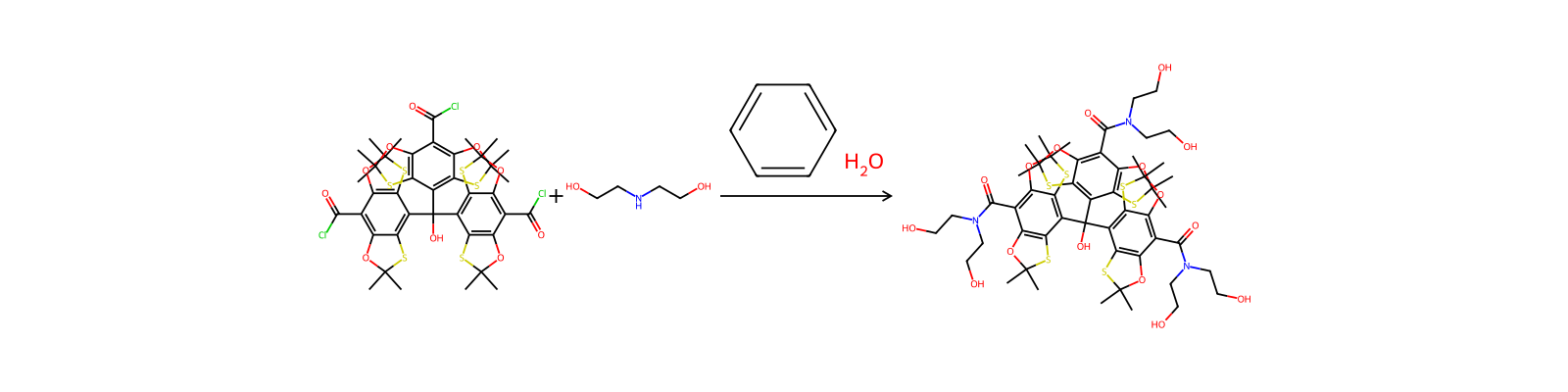
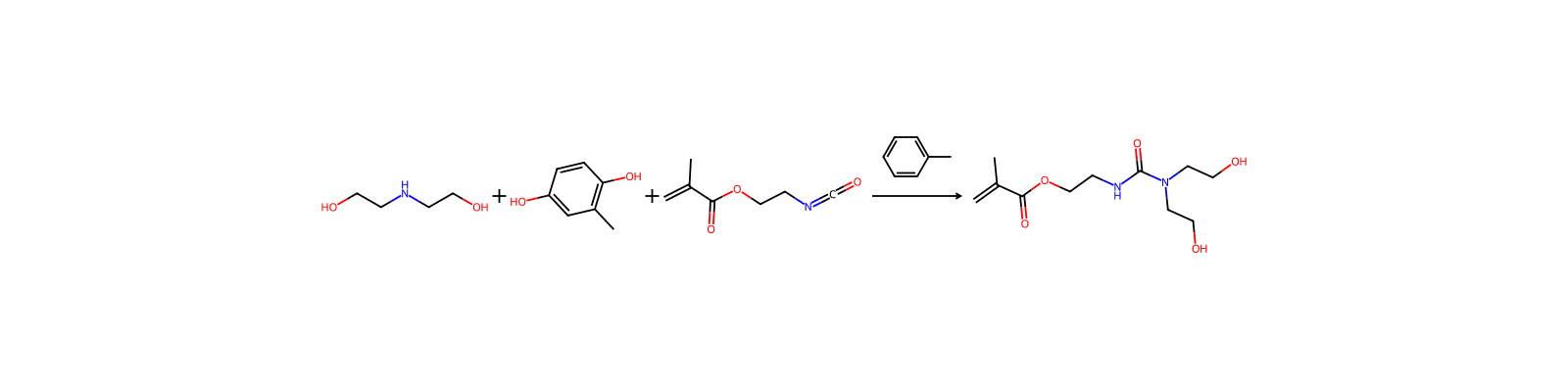
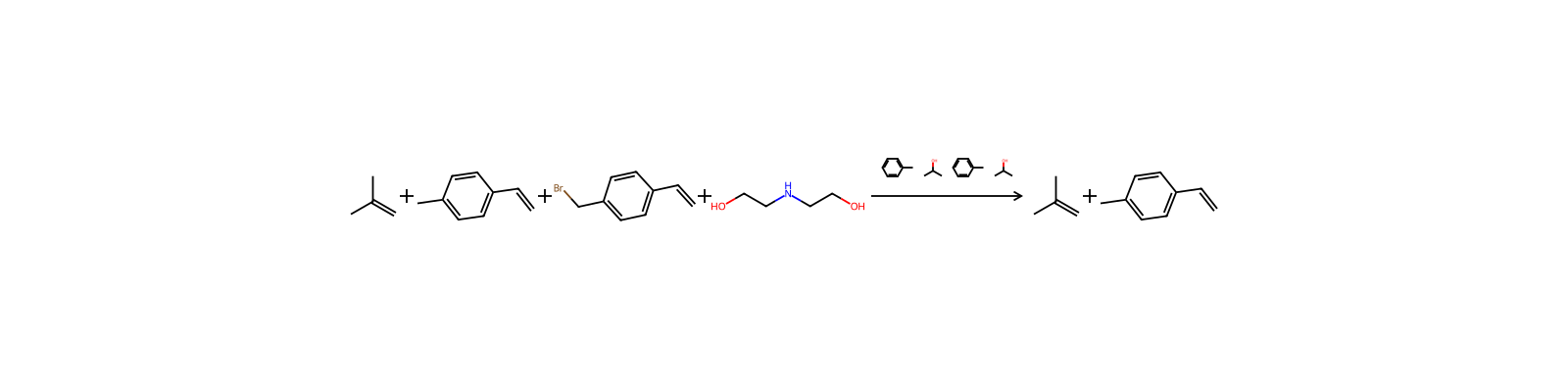
Related reactions
769 records




Linked notes
Loading…