
Dodecyltrimethylammonium chloride
Completing data — refresh the page later to see the latest

Basic information
- CAS
112-00-5- Standard SMILES
CCCCCCCCCCCC[N+](C)(C)C.[Cl-]- InChIKey
DDXLVDQZPFLQMZ-UHFFFAOYSA-M- Molecular formula
- C15H34N.Cl
- Average molar mass
- 263.89 g/mol
Overview
The CIR Expert Panel concluded the following ingredients are safe in the present practices of use and concentration described in the safety assessment when formulated to be non-irritating...Laurtrimonium Chloride...
Names & identifiers
- Preferred name
- Dodecyltrimethylammonium chloride
- IUPAC
- dodecyl(trimethyl)azanium chloride
- English name
- Dodecyltrimethylammonium chloride
- Molecular formula
- C15H34ClN
- Molecular weight
- 263.89
Names & synonyms
Dodecyltrimethylammonium chloride112-00-5DODECYL TRIMETHYL AMMONIUM CHLORIDEDTACAlicopLauryltrimethylammonium chlorideLaurtrimonium chlorideCation BBAliquat 4Dehyquart LTCation FBNissan Cation BB
Show more names
LTACTRIMETHYLDODECYLAMMONIUM CHLORIDEN,N,N-Trimethyl-1-dodecanaminium chloride123Caliguat4arguad12
n-Dodecyltrimethylammonium chlorideArquad 12Arquad 12DTrimethyllaurylammonium chlorideCatiogen LNissan Cation FBQuartamin 24PQuartamin 24W
Database identifiers
- CAS
112-00-5- PubChem CID
- 8152
- DTXSID
DTXSID1026900- ChEMBL
CHEMBL1884887- UNII
- A81MSI0FIC
- EC Number
- 203-927-0
Properties
Computed structural propertiesFilling in
- Topological polar surface area
- 0 Ų
- Hydrogen bond donors
- 0
- Hydrogen bond acceptors
- 1
- Rotatable bonds
- 11
- Heavy atoms
- 17
- Formal charge
- 0
- Complexity
- 135
Experimental & physicochemical properties
Chemical ClassesNitrogen Compounds -> Quaternary Amines
Cosmetics
Cosmetic ingredients (Laurtrimonium Chloride) -> CIR (Cosmetic Ingredient Review)
Antistatic; Preservative; Emulsifying
Vapor Pressure0.00000001 [mmHg]
Physical Description
CBI; Liquid
Solid; [EPA ChAMP: Initial Risk-Based Prioritization Document] White to light yellow powder and chunks; Hygroscopic; [Acros Organics MSDS]
Physicochemical properties
- Melting point
- 37 °C · 37 °C
- Boiling point
- 412.12 °C · 412.12°C (rough estimate)
- Density
- 0.9265 · 0.9265 (rough estimate)
- vapor pressure
- 0 Pa · 0Pa at 25℃
- refractive index
- 20 · n20/D 1.426
- Flash point
- 19 °C · 19 °C
- storage temp.
Safety & regulation
Safety information is for reference only and does not replace the supplier’s Safety Data Sheet (SDS), applicable regulations, or professional assessment.
GHS classification
GHS Classification
This chemical does not meet GHS hazard criteria for 2.5% (12 of 476) of reports.
Danger
H302 (87.2%): Harmful if swallowed [Warning Acute toxicity, oral]
P260, P261, P264, P264+P265, P270, P271, P273, P280, P301+P317, P301+P330+P331, P302+P352, P302+P361+P354, P304+P340, P305+P351+P338, P305+P354+P338, P316, P317, P319, P321, P330, P332+P317, P337+P317, P362+P364, P363, P391, P403+P233, P405, and P501 (click each P-code to see the statement)
Aggregated GHS information provided per 476 reports by companies from 28 notifications to the ECHA C&L Inventory. Each notification may be associated with multiple companies.
Warning
Hazard information
Regulatory Information
Chemical: 1-Dodecanaminium, N,N,N-trimethyl-, chloride
1-Dodecanaminium, N,N,N-trimethyl-, chloride (1:1) is listed on the EPA's Chemical Data Reporting (CDR) system. Manufacturers and importers of 1-Dodecanaminium, N,N,N-trimethyl-, chloride (1:1) are required to report information about their production and use of this chemical to the EPA under the Toxic Substances Control Act (TSCA). (40 eCFR Part 711)
Status: Active Update: 14-09-2021 https://echa.europa.eu/registration-dossier/-/registered-dossier/24215
1-Dodecanaminium, N,N,N-trimethyl-, chloride: Does not have an individual approval but may be used under an appropriate group standard
Other Safety InformationIMAP assessments - Cationic surfactants: Human health tier II assessment
Hazards SummaryIncreased liver weights (with corresponding histopathology) and increased ALT activity in repeated-dose oral studies of animals; [EPA ChAMP: Hazard Characterizations] An irritant; Harmful by ingestion; [Acros Organics MSDS]
Hazard Classes and Categories
Chemistry & industry
Pharmacology
MeSH Pharmacological Classification
Purifying or cleansing agents, usually salts of long-chain aliphatic bases or acids, that exert cleansing (oil-dissolving) and antimicrobial effects through a surface action that depends on possessing both hydrophilic and hydrophobic properties.
Agents that modify interfacial tension of water; usually substances that have one lipophilic and one hydrophilic group in the molecule; includes soaps, detergents, emulsifiers, dispersing and wetting agents, and several groups of antiseptics.
Uses & manufacturing
Uses
CIR ingredient: Laurtrimonium Chloride
Typical uses of category members include surfactants, intermediates, anti-scaling agents, fabric softeners, multifunctional laundry detergents, antistatic sprays, germicides, deodorizers, emulsifiers, hair-care products, industrial lubricants, and corrosion inhibitors; [EPA ChAMP: Initial Risk-Based Prioritization Document]
Using Disinfectants or Biocides [Category: Clean]
U.S. Production2023: 400,000 - <550,000 lb
Consumer UsesCorrosion inhibitor
Industry UsesCBI
Household ProductsInformation on 5 consumer products that contain Laurtrimonium Chloride in the following categories is provided:
Use ClassificationCosmetics -> Antistatic; Preservative; Emulsifying
General Manufacturing Information
Plastics Material and Resin Manufacturing
1-Dodecanaminium, N,N,N-trimethyl-, chloride (1:1): ACTIVE
Related reactions
9 records


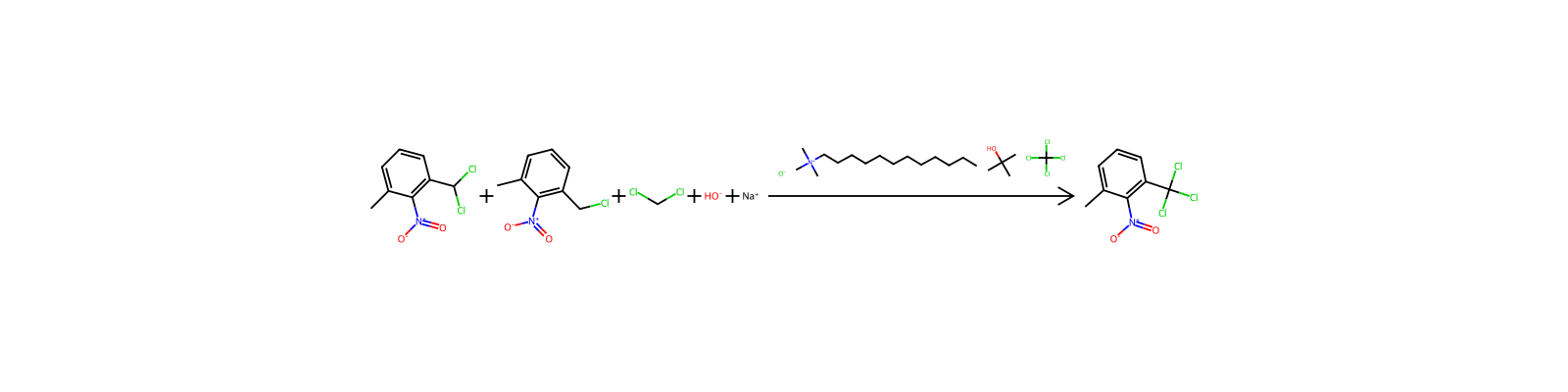
Compound notes
Loading…