Basic information
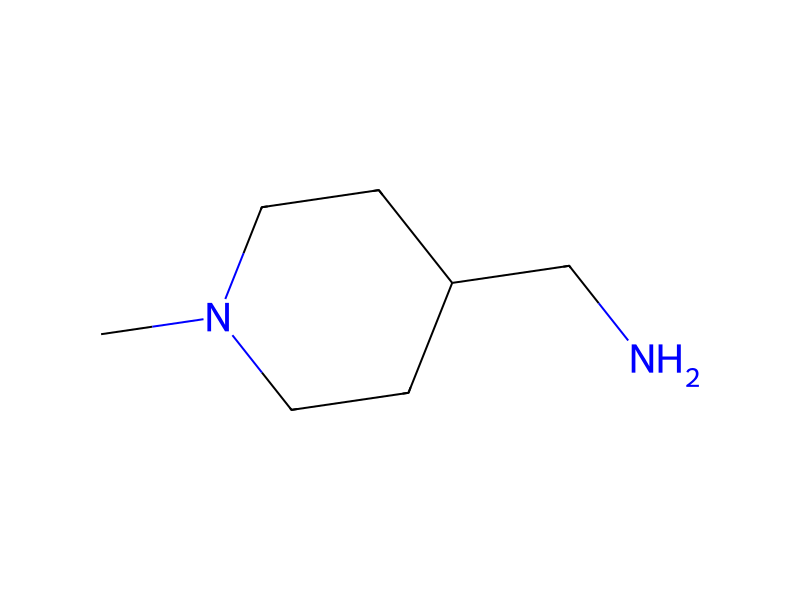
- Standard SMILES
CN1CCC(CN)CC1- InChIKey
AGTPSAZJSOQXHJ-UHFFFAOYSA-N- Molecular formula
- C7H16N2
- Average molar mass
- 128.22 g/mol
- Monoisotopic mass
- 128.13134852
Names & identifiers
- Preferred name
- 1-Methylpiperidine-4-methylamine
- IUPAC
- (1-methylpiperidin-4-yl)methanamine
- English name
- (1-Methyl-4-piperidinyl)methanamine
- Molecular formula
- C7H16N2
- Molecular weight
- 128.22
Names & synonyms
1-Methylpiperidine-4-methylamineEINECS 230-477-2DTXSID50221708NSC 72092RefChem:434662DTXCID40144199230-477-27149-42-0(1-methylpiperidin-4-yl)methanamine(1-methyl-4-piperidinyl)methanamine1-methyl-piperidin-4-methylamine4-(aminomethyl)-1-methylpiperidine
Show more names
AKOS B025002BUTTPARK 145\06-16TIMTEC-BB SBB009719ART-CHEM-BB B025002CHEMBRDG-BB 41030031-Methyl-4-(aMinoMethyl)p...(1-METHYL-4-PIPERIDINYL)METHAN
4-piperidinemethanamine, 1-methyl-MFCD050224301-Methyl-4-(aminomethyl)piperidine1-(1-methylpiperidin-4-yl)methanamine4-aminomethyl-1-methylpiperidineC-(1-Methyl-piperidin-4-yl)-methylamineCHEMBL4536092NSC-72092
Database identifiers
- CAS
7149-42-0- PubChem CID
- 81574
- DTXSID
DTXSID50221708- ChEMBL
CHEMBL4536092- UNII
- SN4T9RA4WM
- EC Number
- 230-477-2
- Nikkaji
- J227.406J
Properties
Computed structural properties
- XLogP
- 0.1
- Topological polar surface area
- 29.3 Ų
- Hydrogen bond donors
- 1
- Hydrogen bond acceptors
- 2
- Rotatable bonds
- 1
- Heavy atoms
- 9
- Formal charge
- 0
- Complexity
- 75
Physicochemical properties
- Melting point
- 0 °C · 0°C
- Boiling point
- 80 °C · 80 °C
- Density
- 0.901 · 0.901±0.06 g/cm3(Predicted)
- Flash point
- 0 °C · 0°C
- storage temp.
- Keep in dark place,Sealed in dry,Room Temperature
- form
- liquid
- pka
- 10.13 · 10.13±0.29(Predicted)
- color
- Pale yellow
- InChI
- InChI=1S/C7H16N2/c1-9-4-2-7(6-8)3-5-9/h7H,2-6,8H2,1H3
- InChIKey
- AGTPSAZJSOQXHJ-UHFFFAOYSA-N
- SMILES
- N1(C)CCC(CN)CC1
- CAS DataBase Reference
- 7149 · 7149-42-0(CAS DataBase Reference)
- UNSPSC Code
- 12352116 · 12352116
- Symbol(GHS)
- 2 · GHS02,GHS05,GHS07
- Signal word
- Danger
- Hazard statements
- 226 · H226-H302-H314
- Precautionary statements
- 280 · P280-P303+P361+P353-P304+P340+P310-P305+P351+P338-P370+P378-P403+P235
- Hazard Codes
- C,Xi
- Risk Statements
- 34 · 34-20/22-22-10
- Safety Statements
- 26 · 26-36/37/39-45-23
- RIDADR
- 2735 · 2735
- WGK Germany
- 1 · 1
- Hazard Note
- Corrosive
- HazardClass
- IRRITANT
- HS Code
- 29333990 · 29333990
- Storage Class
- 3 · 3 - Flammable liquids
- Hazard Classifications
- 4 OralEye · Acute Tox. 4 OralEye Dam. 1Flam. Liq. 3Skin Corr. 1C
- Limited Quantities
- 5 L · 5.0 L (1.3 gallons) (liquid)
- Excepted Quantities
- Max Inner Pack (30g or 30ml) and Max Outer Pack (1Kg or 1L)
Safety & regulation
GHS classification
GHS Classification
Danger
H226 (88.9%): Flammable liquid and vapor [Warning Flammable liquids];H302 (93.3%): Harmful if swallowed [Warning Acute toxicity, oral];H314 (100%): Causes severe skin burns and eye damage [Danger Skin corrosion/irritation]
P210, P233, P240, P241, P242, P243, P260, P264, P270, P280, P301+P317, P301+P330+P331, P302+P361+P354, P303+P361+P353, P304+P340, P305+P354+P338, P316, P321, P330, P363, P370+P378, P403+P235, P405, and P501 (click each P-code to see the statement)
Aggregated GHS information provided per 45 reports by companies from 8 notifications to the ECHA C&L Inventory. Each notification may be associated with multiple companies.;Information may vary between notifications depending on impurities, additives, and other factors. The percentage value in parenthesis indicates the notified classification ratio from companies that provide hazard codes. Only hazard codes with percentage values above 10% are shown. For more detailed information, please visit ECHA C&L website.
Hazard information
Hazard Classes and CategoriesFlam. Liq. 3 (88.9%);Acute Tox. 4 (93.3%);Skin Corr. 1C (100%)
Safety data
- wgk
- 1
- ridadr
- 2735
- hs_code
- 29333990
- risk_code
- 34-20/22-22-10
- Signal word
- Danger
- Symbol(GHS)
- GHS02,GHS05,GHS07
- hazard_code
- C,Xi
- hazard_note
- Corrosive
- safety_code
- 26-36/37/39-45-23
- hazard_class
- IRRITANT
- Storage Class
- 3 - Flammable liquids
- Hazard statements
- H226-H302-H314
- Limited Quantities
- 5.0 L (1.3 gallons) (liquid)
- Excepted Quantities
- Max Inner Pack (30g or 30ml) and Max Outer Pack (1Kg or 1L)
- Hazard Classifications
- Acute Tox. 4 OralEye Dam. 1Flam. Liq. 3Skin Corr. 1C
- Precautionary statements
- P280-P303+P361+P353-P304+P340+P310-P305+P351+P338-P370+P378-P403+P235
Chemistry & industry
Applications
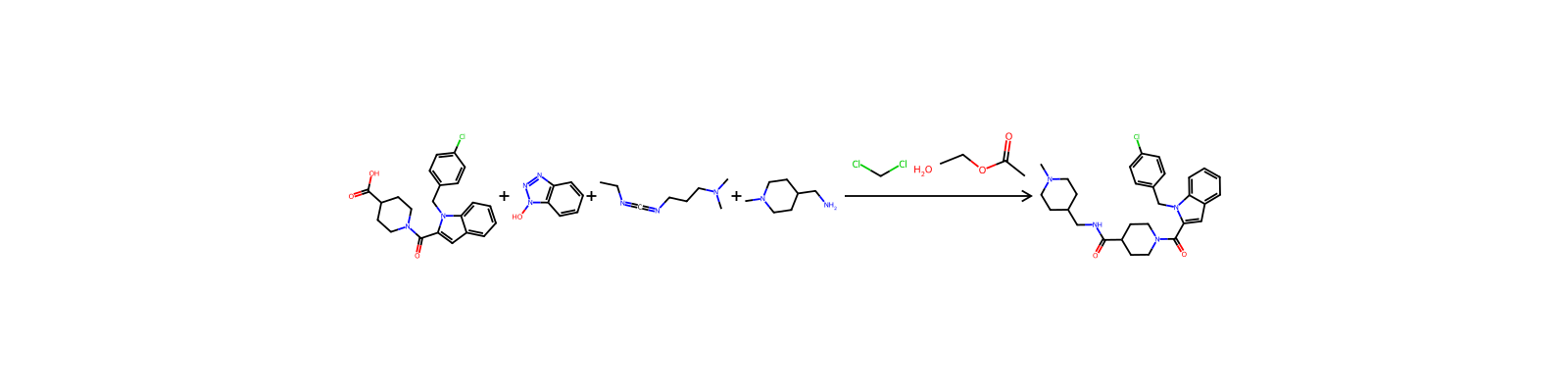
Uses(1-methyl-4-piperidinyl)methanamine is a reagent used in the synthesis of novel indole-carboxamides which are inhibitors of neurotropic alphavirus.
Upstream & downstream products
Upstream raw materials
Suppliers50 total
南京波普生物医药研发有限公司025-87138562 18951783565 · [email protected]
上海凌富药物研究有限公司+86(21)5895 0110 19945755304 · [email protected]
上海麦克林生化科技股份有限公司021-50706066 15221275939 · [email protected]
Sichuan Biosynce Pharmatech Co., Ltd.[email protected]
陕西缔都新材料有限公司029-63373950 17392216152 · [email protected]
普善实业(陕西)有限公司029-81310890 18165209495 · [email protected]
Suzhou ARTK Medchem Co., Ltd.+86-18168183658 · [email protected]
Dayang Chem (Hangzhou) Co.,Ltd.+86-0571-88938639 17705817739 · [email protected]
淮安嘉目生物科技有限公司0517-83187139 18205232085 · [email protected]
毕佳索(上海毕得医药科技股份有限公司)400-6005915 · [email protected]
韶远科技(上海)有限公司021-50795510 4000665055 · [email protected]
北京华威锐科化工有限公司0757-86329057 18934348241 · [email protected]
安耐吉化学&3A(安徽泽升科技有限公司)021-58432009 400-005-6266 · [email protected]
武汉凯威斯科技有限公司86-027-67849912 · [email protected]
重庆张邦医药科技有限责任公司028-84252981 18583719936 · [email protected]
重庆旭晗科技有限公司13668063927; 13668063927 · [email protected]
南京诺利斯医药科技有限公司13901585132 · [email protected]
郑州研德生物科技有限公司0371-63682289 15538176268 · [email protected]
Zhejiang J&C Biological Technology Co.,Limited+1-2135480471 · [email protected]
上海舒盟医药科技有限公司021-54540637 18621091017 · [email protected]
上海珂华生物科技有限公司021-60455363 18019463053 · [email protected]
河南多贝化工有限公司0370-2785118 17550508557 · [email protected]
石家庄州昆医药科技有限公司0311-83784138 18633934202 · [email protected]
TargetMol 中国(陶术生物)400-821-0310 15002144251 · [email protected]
江阴安博生物医药有限公司086-010-62176588 · [email protected]
赛默飞世尔科技(中国)有限公司800-810-5118 · [email protected]
上海特伯化学科技有限公司+86-21-60341587 · [email protected]
成都麦卡希化工有限公司028-85632863 18108198598 · [email protected]
金瓯生物医药(南京)有限公司13000000000 · [email protected]
河南赢创生物科技有限公司15672878902 · [email protected]
上海丽康新材料有限公司+86-16631818819 +86-17736933208 · [email protected]
上海毕得医药科技股份有限公司400-164-7117 18317119277 · [email protected]
上海驭远医药科技有限公司13052276172 · [email protected]
成都零六生物科技有限公司400-1166-196 13458535857 · [email protected]
上海卓因生物科技有限公司021-61317773 · [email protected]
湖南华腾制药有限公司400-8592883 · [email protected]
上海寰川实业有限公司021-61478794 · [email protected]
上海洽凡生化科技有限公司+86-021-61654350 · [email protected]
上海拓目化工有限公司13391076197 · [email protected]
成都赛诺宁科技有限公司28-87999436 02887999436 · [email protected]
湖州清硫硅生物科技有限公司13626726938 · [email protected]
上海威芬奇医药科技有限公司13817485796 · [email protected]
诺尔凯立科技有限公司86-(0)21-31261262 373522135 · [email protected]
斯派螺(武汉)药物研发有限公司[email protected]
九鼎化学(上海)科技有限公司4009209199 · [email protected]
HANGZHOU LEAP CHEM CO., LTD.+86-571-87711850 +86-15355479329 · [email protected]
河南誉康卓宁进出口有限公司13393721940 · [email protected]
北京汇科盈生物科技有限公司15210661751 · [email protected]
上海阿拉丁生化科技股份有限公司6206333 13167063860 · [email protected]
Guangzhou Yuheng Pharmaceutical Technology Co., Ltd+8613580539051 · [email protected]
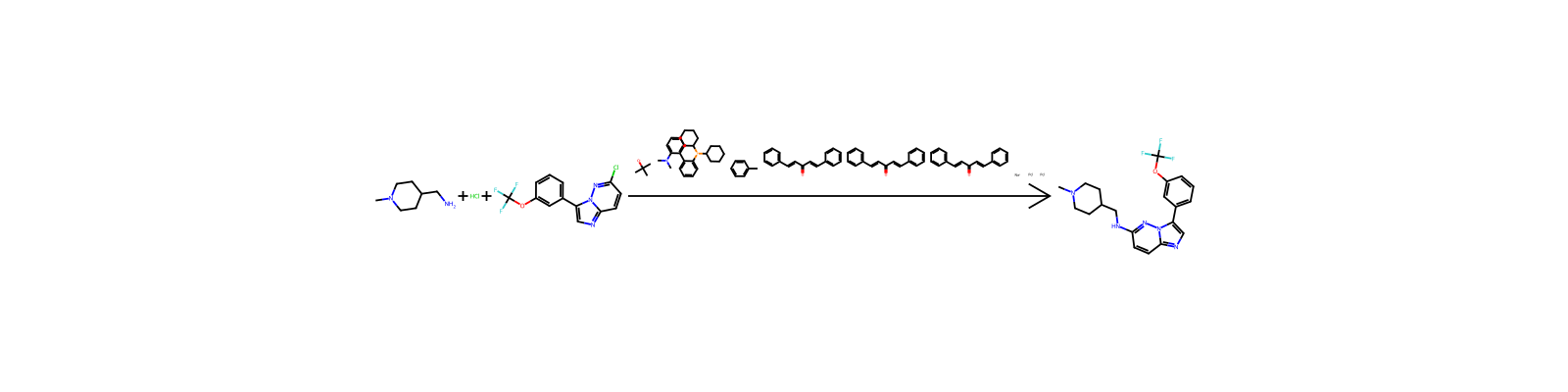
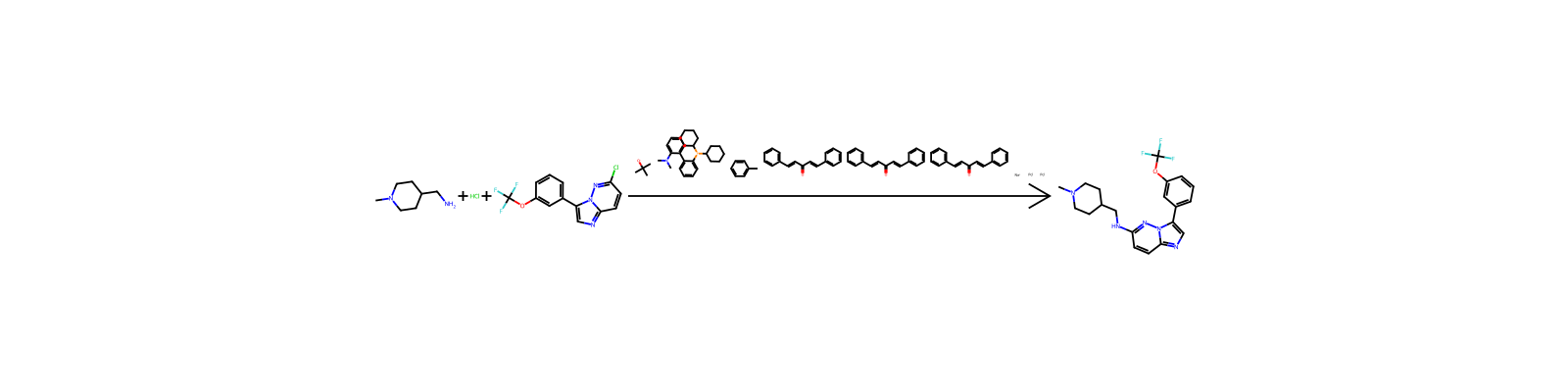
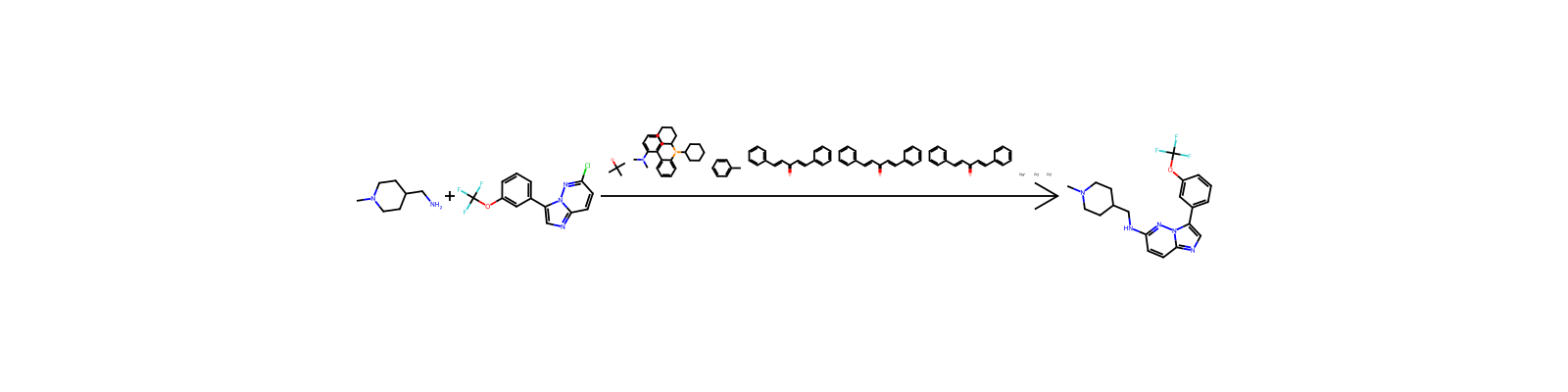
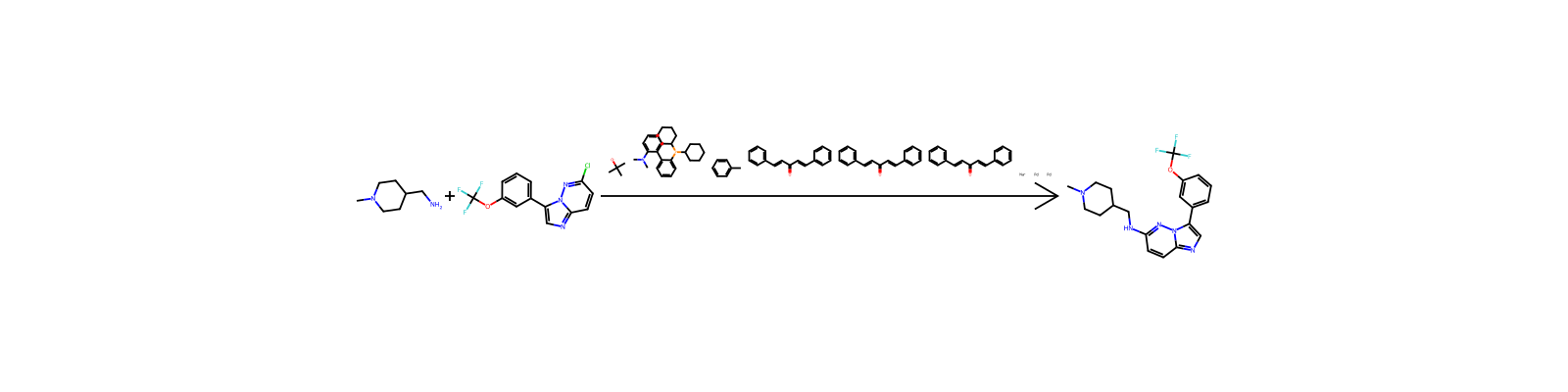
Related reactions
33 records


Linked notes
Loading…