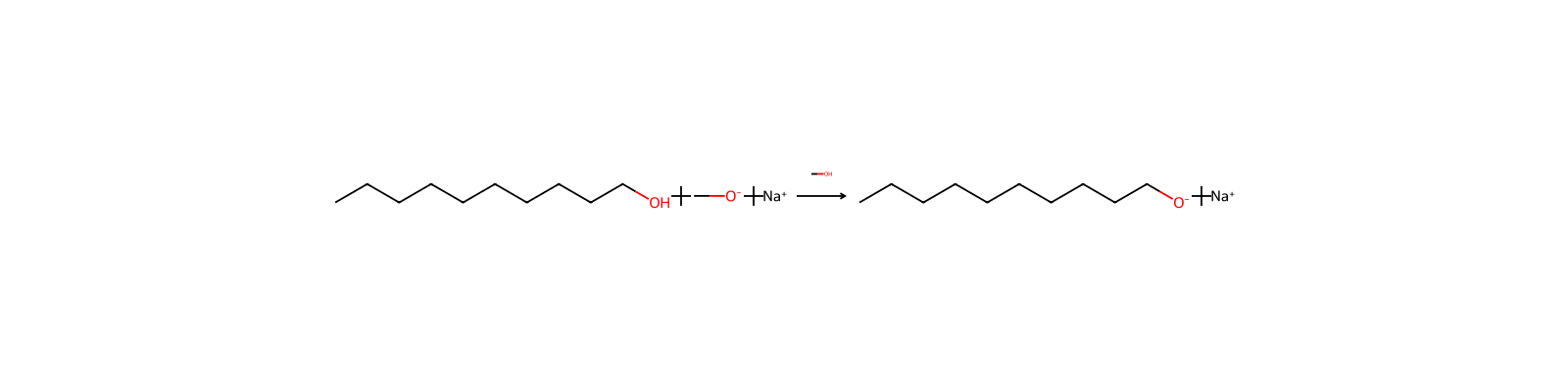
HRID 6571As reactant

112-30-1CCCCCCCCCCOMWKFXSUHUHTGQN-UHFFFAOYSA-NDecyl alcohol appears as a clear colorless liquid with a sweet fat-like odor. Flash point 180 °F. Less dense than water and insoluble in water. Vapors are heavier than air.
112-30-1、36729-58-5、64641-46-9、70084-71-8、85566-12-7DTXSID7021946CHEMBL25363CHEBI:28903Plant Growth Regulators
Active substance -> EU Pesticides database: Approved
Environmental transformation -> Pesticide transformation products (metabolite, successor)
log Kow= 4.57
4.57
4.23 (calculated)
4.2
Sweet odor
Floral, fruity odor
RESEMBLE ORANGE FLOWERS
Safety information is for reference only and does not replace the supplier’s Safety Data Sheet (SDS), applicable regulations, or professional assessment.
This chemical does not meet GHS hazard criteria for 1.3% (47 of 3504) of reports.
Warning
H315 (51.7%): Causes skin irritation [Warning Skin corrosion/irritation]
P264, P264+P265, P273, P280, P302+P352, P305+P351+P338, P321, P332+P317, P337+P317, P362+P364, P391, and P501 (click each P-code to see the statement)
Aggregated GHS information provided per 3504 reports by companies from 27 notifications to the ECHA C&L Inventory. Each notification may be associated with multiple companies.
This chemical does not meet GHS hazard criteria for 95.1% (485 of 510) of all reports.
Chemical: 1-Decanol
Chemical: Alcohols, C8-10
Commission Regulation (EC) No 2229/2004
1-Decanol is listed on the EPA's Chemical Data Reporting (CDR) system. Manufacturers and importers of 1-Decanol are required to report information about their production and use of this chemical to the EPA under the Toxic Substances Control Act (TSCA). (40 eCFR Part 711)
2011/33/EU, Re. (EU) No 2018/1266, Reg. (EU) 2020/2007, Reg. (EU) 2024/1206, Reg. (EU) 2026/372 , Reg. (EU) No 540/2011
REACH registered substance: Decan-1-ol (EC: 203-956-9)
Excerpt from ERG Guide 127 [Flammable Liquids (Water-Miscible)]:
Combustible.
Used to produce plasticizers, lubricants, petroleum additives, herbicides, surface active chemicals, and solvents; [Merck Index, 2855] Used in the perfume industry; [HSDB]
For 1-decanol (USEPA/OPP Pesticide Code: 079038) ACTIVE products with label matches. /SRP: Registered for use in the U.S. but approved pesticide uses may change periodically and so federal, state and local authorities must be consulted for currently approved uses./
1-Decanol is used as a chemical intermediate in the production of esters and fragrances and as an artificial flavor in foods.
Reported uses (ppm):
In the manufacture of plasticizers, synthetic lubricants, petroleum additives, herbicides, surface active agents, solvents. Has moderate antifoaming capacity.
For more Uses (Complete) data for 1-DECANOL (7 total), please visit the HSDB record page.
2023: 50,000,000 - <100,000,000 lb
(1972) Greater than 9.1X10+6 grams
(1975) Greater than 4.54X10+5 grams
(1984) 1.28X10+10 g /Alcohols C11 or lower/
(1986) >10 million-50 million pounds
For more U.S. Production (Complete) data for 1-DECANOL (11 total), please visit the HSDB record page.
High-pressure catalytic hydrogenation of the esters of naturally occurring capric acid, or by oligomerization of ethylene using aluminum alkyl technology
Reduction of coconut-oil fatty acids; from C9 olefin and synthetic gas, by Oxo process.
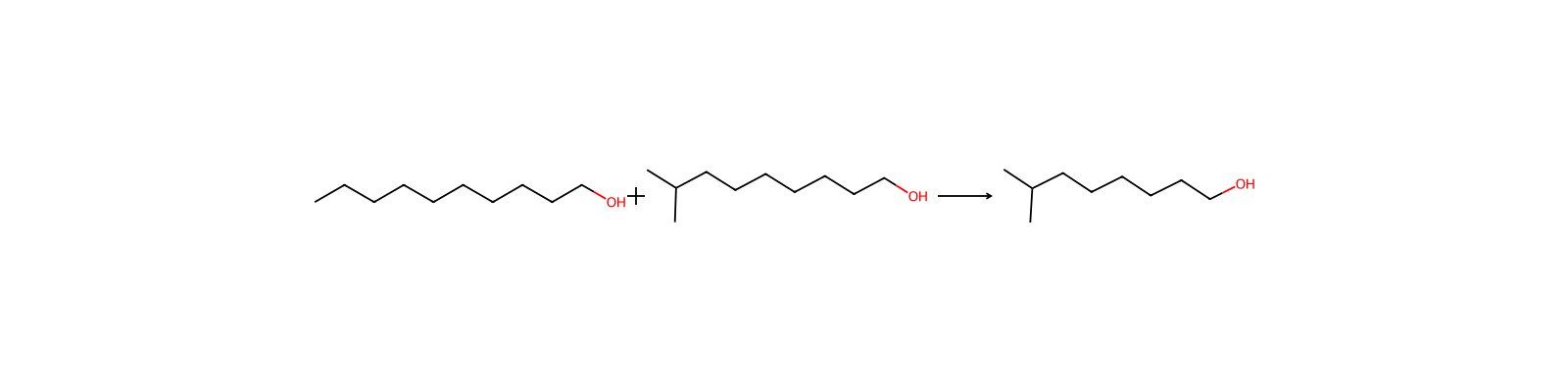


0.84 at 68 °F (USCG, 1999) - Less dense than water; will float
0.8297 g/cu cm at 20 °C
0.83 g/cm³
Relative density of the vapour/air-mixture at 20 °C (air = 1): 1.01
0.826-0.831
0.83 @ 20°C
An eye irritant; Liquid defats skin; May cause CNS depression at high concentrations; [ICSC] In lethal dose studies of rats, causes somnolence after ingestion and ataxia after inhalation; [RTECS] Low order of toxicity; LD50 values usually exceed highest dose tested and range from >2000 to >10,000 mg/kg; CNS depression reported after repeated bolus dose of 1-hexanol and 1-octanol but not for members of this group with higher chain length; No reproductive effects; [ToxPlanet: SIDS: Long Chain Alcohols (C6-22 primary aliphatic alcohols)] Inhalation of high concentrations can induce unconsciousness; [MSDSonline]
1-Decanol is a food additive permitted for direct addition to food for human consumption as a synthetic flavoring substance and adjuvant in accordance with the following conditions: a) they are used in the minimum quantity required to produce their intended effect, and otherwise in accordance with all the principles of good manufacturing practice, and b) they consist of one or more of the following, used alone or in combination with flavoring substances and adjuvants generally recognized as safe in food, prior-sanctioned for such use, or regulated by an appropriate section in this part.
USEPA/Office of Prevention, Pesticides and Toxic Substances; Reregistration Eligibility Decision Document - Aliphatic Alcohols, EPA 738-R-07-004 (March 2007). The RED summarizes the risk assessment conclusions and outlines any risk reduction measures necessary for the pesticide to continue to be registered in the U.S.[Available from, as of June 2, 2015: http://www.epa.gov/pesticides/reregistration/status.htm]
Residues of n-decyl alcohol are exempted from the requirement of a tolerance when used in accordance with good agricultural practice as inert (or occasionally active) ingredients in pesticide formulations applied to growing crops or to raw agricultural commodities after harvest. Use: solvent or cosolvent.
Section 4(g)(2)(A) of FIFRA calls for the Agency to determine, after submission of relevant data concerning an active ingredient, whether or not products containing the active ingredient are eligible for reregistration. The Agency has previously identified and required the submission of the generic (i.e., active ingredient-specific) data required to support reregistration of products containing aliphatic alcohols as an active ingredient. The Agency has completed its review of these generic data, and has determined that the data are sufficient to support reregistration of all products containing aliphatic alcohols (C6 - C16). The Agency has completed its assessment of the human health and ecological risks associated with the use of pesticide products containing aliphatic alcohols (C6 - C16). The Agency has determined that aliphatic alcohol-containing products are eligible for reregistration provided that label amendments are made as outlined in Chapter V. ... The Agency has identified eye-irritation concerns that warrant specific label language concerning personal protective equipment (PPE) and the length of restricted-entry intervals after application for tobacco uses of the aliphatic alcohols (C6 - C16). If all changes outlined in this document are incorporated into the product labels, the eye-irritation concerns will have been mitigated. Should a registrant fail to implement any of the reregistration requirements identified in this document, the Agency may take regulatory action to address these concerns.
As the federal pesticide law FIFRA directs, EPA is conducting a comprehensive review of older pesticides to consider their health and environmental effects and make decisions about their continued use. Under this pesticide reregistration program, EPA examines newer health and safety data for pesticide active ingredients initially registered before November 1, 1984, and determines whether the use of the pesticide does not pose unreasonable risk in accordance to newer safety standards, such as those described in the Food Quality Protection Act of 1996. Pesticides for which EPA had not issued Registration Standards prior to the effective date of FIFRA '88 were divided into three lists based upon their potential for human exposure and other factors, with List B containing pesticides of greater concern than those on List C, and with List C containing pesticides of greater concern than those on List D. Decanol is found on List D. Case No: 4004; Pesticide type: Insecticide, Herbicide; Case Status: OPP is reviewing data from the pesticide's producers regarding its human health and/or environmental effects, or OPP is determining the pesticide's eligibility for reregistration and developing the Reregistration Eligibility Decision (RED) document.; Active ingredient (AI): Decanol; Data Call-in (DCI) Date(s): 10/01/93; AI Status: Supported - The producers of the pesticide have made commitments to conduct the studies and pay the fees required for reregistration, and are meeting those commitments in a timely manner.
DECYL ALCOHOL attacks plastics. REF [Handling Chemicals Safely, 1980. p. 236]. Acetyl bromide reacts violently with alcohols or water, [Merck 11th ed., 1989]. Mixtures of alcohols with concentrated sulfuric acid and strong hydrogen peroxide can cause explosions. Example: An explosion will occur if dimethylbenzylcarbinol is added to 90% hydrogen peroxide then acidified with concentrated sulfuric acid. Mixtures of ethyl alcohol with concentrated hydrogen peroxide form powerful explosives. Mixtures of hydrogen peroxide and 1-phenyl-2-methyl propyl alcohol tend to explode if acidified with 70% sulfuric acid, [Chem. Eng. News 45(43):73(1967); J, Org. Chem. 28:1893(1963)]. Alkyl hypochlorites are violently explosive. They are readily obtained by reacting hypochlorous acid and alcohols either in aqueous solution or mixed aqueous-carbon tetrachloride solutions. Chlorine plus alcohols would similarly yield alkyl hypochlorites. They decompose in the cold and explode on exposure to sunlight or heat. Tertiary hypochlorites are less unstable than secondary or primary hypochlorites, [NFPA 491 M, 1991]. Base-catalysed reactions of isocyanates with alcohols should be carried out in inert solvents. Such reactions in the absence of solvents often occur with explosive violence, [Wischmeyer(1969)].
Excerpt from ERG Guide 127 [Flammable Liquids (Water-Miscible)]:
Use water spray, carbon dioxide, alcohol-resistant foam, dry powder.
Fresh air, rest.
Remove contaminated clothes. Rinse and then wash skin with water and soap.
First rinse with plenty of water for several minutes (remove contact lenses if easily possible), then refer for medical attention.
Rinse mouth. Give one or two glasses of water to drink.
Wear self-contained breathing appartus for firefighting if necessary. Use water spray to cool unopened containers. Personal precautions, protective equipment and emergency procedures: Use personal protective equipment. Avoid breathing vapors, mist, or gas. Ensure adequate ventilation. Remove all sources of ignition. Beware of vapors accumulating to form explosive concentrations. Vapors can accumulate in low areas.
Suitable extinguishing media: Use water spray, alcohol-resistant foam, dry chemical or carbon dioxide.
Store under lock and key in ventilated room, secure from access by unauthorized persons and children. Store in a cool, dry area away from any heat or ignition source.
Separated from strong oxidants, acid anhydrides and acid chlorides. Store in an area without drain or sewer access.
Environmental precautions: Prevent further leakage or spillage if safe to do so. Do not let product enter drains. Discharge into the environment must be avoided. Methods and materials for containment and cleaning up: contain spillage, and then collect with an electrically protected vacuum cleaner or by wet-brushing and place in container for disposal according to local regulation... Keep in suitable closed containers for disposal.
Do NOT let this chemical enter the environment. Cover the spilled material with absorbent. Collect leaking liquid in sealable containers.
AEROBIC: A 5-day theoretical BOD of 36.3% was observed for 1-decanol in a standard BOD dilution test using a mixed microbial inoculum(1-2). Using a Warburg respirometer technique and various activated sludge inoculum, respective 6-hr, 12-hr and 24-hr theoretical BODs of 0.9, 9.2 and 29.3% were observed(3). In an aerobic screening test using a sewage inoculum, a first-order biodegradation rate of 7.1X10⁻³/hr was observed(4) which corresponds to a half-life of about 4 days(SRC).
ANAEROBIC: 1-Decanol showed 73% theoretical methane production after 274 days incubation in the dark at 37 °C using a sewage inoculum obtained from a Swedish pilot plant biogas reactor treating municipal solid waste(1).
SRP: Recycle any unused portion of the material for its approved use or return it to the manufacturer or supplier. Ultimate disposal of the chemical must consider: the material's impact on air quality; potential migration in air, soil or water; effects on animal, aquatic and plant life; and conformance with environmental and public health regulations. If it is possible or reasonable use an alternative chemical product with less inherent propensity for occupational harm/injury/toxicity or environmental contamination.
Personal protection: filter respirator for organic gases and vapours adapted to the airborne concentration of the substance. Do NOT let this chemical enter the environment. Cover the spilled material with inert absorbent. Collect leaking and spilled liquid in sealable containers as far as possible.
SRP: The scientific literature for the use of contact lenses by industrial workers is inconsistent. The benefits or detrimental effects of wearing contact lenses depend not only upon the substance, but also on factors including the form of the substance, characteristics and duration of the exposure, the uses of other eye protection equipment, and the hygiene of the lenses. However, there may be individual substances whose irritating or corrosive properties are such that the wearing of contact lenses would be harmful to the eye. In those specific cases, contact lenses should not be worn. In any event, the usual eye protection equipment should be worn even when contact lenses are in place.
... The uptake of cholic acid was unaffected by abdominal irradiation, but for glucose, galactose, and four fatty acids the direction and magnitude of the changes in uptake were influenced by the dose of irradiation and by the interval following exposure. The greater uptake of decanol at 6 weeks but lower uptake of decanol at 33 weeks reflected changes in the resistance of the intestinal unstirred water layer.
N-decyl alc induced nutritional encephalomalacia in 1-day-old chicks could be completely prevented by dietary supplementation of dl-alpha-tocopheryl acetate.
LC50; Species: Pimephales promelas (Fathead minnow) weight 0.12 g; Conditions: flow-through bioassay, water hardness 45.5 mg/L calcium carbonate, temp: 25 + or - 1 °C, pH 7.5, dissolved oxygen >60% of saturation; Concentration: 2.4 mg/L for 96 hr
LC50; Species: Pimephales promelas (Fathead minnow) age 31 days, mean weight 0.075 g, mean length 17.7 mm; Conditions: flow through bioassay, temp 25.2 °C, dissolved oxygen 6.1 mg/L, hardness 41.7 mg/L CaCO3, alkalinity 43.0 mg/L CaCO3, pH 7.49; Concentration: 2.4 mg/L for 96 hr (95% confidence limit: 2.2-2.5 mg/L) /purity 99%/
LC50; Species: Nitocra spinipes (Harpacticoid copepod); Conditions: static; Concentration: 4.0 mg/L for 96 hr (95% confidence limits: 3.1-5.2 mg/L) /formulated product/
LC50; Species: Alburnus alburnus (Bleak); Conditions: static; Concentration: 7.2 mg/L for 96 hr (95% confidence limits: 6.0-8.6 mg/L) /formulated product/
For more Ecotoxicity Values (Complete) data for 1-DECANOL (15 total), please visit the HSDB record page.
TERRESTRIAL FATE: Based on a classification scheme(1), a reported log Koc value of 2.59(2), indicates that 1-decanol is expected to have moderate mobility in soil(SRC). Volatilization of 1-decanol from moist soil surfaces is expected(SRC) given a Henry's Law constant of 4.78X10⁻⁵ atm-cu m/mole(3). 1-Decanol is not expected to volatilize from dry soil surfaces(SRC) based upon a vapor pressure of 8.51X10⁻³ mm Hg at 25 °C(4). Various biological screening studies have demonstrated that 1-decanol biodegrades readily(5-7); therefore, biodegradation is expected to be an important process in soil(SRC).
AQUATIC FATE: Based on a classification scheme(1), a reported log Koc value of 2.59(2), indicates that 1-decanol is expected to adsorb to suspended solids and sediment(SRC). Volatilization from water surfaces is expected(3) based upon a Henry's Law constant of 4.78X10⁻⁵ atm-cu m/mole(4). Using this Henry's Law constant and an estimation method(3), volatilization half-lives for a model river and model lake are 27 hours and 12 days, respectively(SRC). 1-Decanol is not expected to undergo hydrolysis in the environment due to the lack of functional groups that hydrolyze under environmental conditions(3). According to a classification scheme(5), an estimated BCF of 20(SRC), from its log Kow of 4.57(6) and a regression-derived equation(7), suggests the potential for bioconcentration in aquatic organisms is low(SRC). Various biological screening studies have demonstrated that 1-decanol biodegrades readily(8-10); therefore, biodegradation is expected to be an important process in water(SRC).
ATMOSPHERIC FATE: According to a model of gas/particle partitioning of semivolatile organic compounds in the atmosphere(1), 1-decanol, which has a vapor pressure of 8.51X10⁻³ mm Hg at 25 °C(2), is expected to exist solely as a vapor in the ambient atmosphere. Vapor-phase 1-decanol is degraded in the atmosphere by reaction with photochemically-produced hydroxyl radicals(SRC); the half-life for this reaction in air is estimated to be 25 hours(SRC), calculated from its rate constant of 1.5X10⁻¹¹ cu cm/molecule-sec at 25 °C(SRC) that was derived using a structure estimation method(3). 1-Decanol does not contain chromophores that absorb at wavelengths >290 nm(4) and, therefore, is not expected to be susceptible to direct photolysis by sunlight(SRC).
1-Decanol was qualitatively detected as a volatile flavor component in the juice of Kogyoku apples(1). 1-Decanol was identified as a volatile component of heated peanut oil(2). 1-Decanol has been reported in fermented beverages, apple juice, milk, butter, beef, pork, beer, cognac, whiskey, red, white and sparkling wines(3). 1-Decanol has been detected in beer, wine and spirits(4).
IDENTIFICATION AND USE: 1-Decanol is a colorless to water-white liquid with a sweet floral or fruity odor. It is used as a chemical intermediate in the production of esters and fragrances and as an artificial flavor in foods. It also finds use in synthetic detergents, lube additives, pharmaceuticals, cosmetics, rubber, and textiles. It is registered for pesticide use in the U.S. but approved pesticide uses may change periodically and so federal, state and local authorities must be consulted for currently approved uses. HUMAN EXPOSURE AND TOXICITY: A maximization test was carried out on 25 volunteers using a 3% concentration in petrolatum. No subject became sensitized. ANIMAL STUDIES: There was little evidence of developmental toxicity when 1-decanol was administered, by inhalation, for 7 hours per day (6 hours/day for 1-decanol) on gestation days 1-19 to approximately 15 pregnant rats. 1-Dodecanol was not mutagenic in the Ames test with or without metabolic activation. However, it was rather cytotoxic, and the maximum concentration that could be tested was 50 ug/plate. In another study it was reported to diminish cell mitotic activity and cause structural changes to chromosomes and the mitotic apparatus in Vicia faba after 14 hours exposure. Mice receiving i.p. injections of 1-dodecanol for eight weeks at total doses of up to 12.0 gm/kg showed no statistically significant increase in lung tumor rate relative to controls. ECOTOXICITY STUDIES: The hatching of mosquito eggs was inhibited at a dosage of 5 to 7 liters/hectare by 1-decanol. First, third and fourth instar larvae were killed at a dosage of 3 to 7 liters/hectare. First instar larvae were more sensitive to the alcohols than the older larvae.
1-Decanol was qualitatively detected as a volatile flavor component in the juice of Kogyoku apples(1). 1-Decanol emission rates from green leaf composite samples and dead leaves were 11 ug/g and 7 ug/g, respectively(2).
1-Decanol detections in plants(1).[Table#2802]
Cough. Sore throat.
Dry skin. Redness.
Redness.
Abdominal pain. Burning sensation in the throat and chest. Nausea. Vomiting.
EPA has released the first beta version (version 0.5) of the Interactive Chemical Safety for Sustainability (iCSS) Dashboard. The beta version of the iCSS Dashboard provides an interactive tool to explore rapid, automated (or in vitro high-throughput) chemical screening data generated by the Toxicity Forecaster (ToxCast) project and the federal Toxicity Testing in the 21st century (Tox21) collaboration. /The title compound was tested by ToxCast and/or Tox21 assays; Click on the "Chemical Explorer" button on the tool bar to see the data./[USEPA; ICSS Dashboard Application; Available from, as of April 22, 2015: http://actor.epa.gov/dashboard/]
1-Decanol is a food additive permitted for direct addition to food for human consumption as a synthetic flavoring substance and adjuvant in accordance with the following conditions: a) they are used in the minimum quantity required to produce their intended effect, and otherwise in accordance with all the principles of good manufacturing practice, and b) they consist of one or more of the following, used alone or in combination with flavoring substances and adjuvants generally recognized as safe in food, prior-sanctioned for such use, or regulated by an appropriate section in this part.
Residues of n-decyl alcohol are exempted from the requirement of a tolerance when used in accordance with good agricultural practice as inert (or occasionally active) ingredients in pesticide formulations applied to growing crops or to raw agricultural commodities after harvest. Use: solvent or cosolvent.
Section 4(g)(2)(A) of FIFRA calls for the Agency to determine, after submission of relevant data concerning an active ingredient, whether or not products containing the active ingredient are eligible for reregistration. The Agency has previously identified and required the submission of the generic (i.e., active ingredient-specific) data required to support reregistration of products containing aliphatic alcohols as an active ingredient. The Agency has completed its review of these generic data, and has determined that the data are sufficient to support reregistration of all products containing aliphatic alcohols (C6 - C16). The Agency has completed its assessment of the human health and ecological risks associated with the use of pesticide products containing aliphatic alcohols (C6 - C16). The Agency has determined that aliphatic alcohol-containing products are eligible for reregistration provided that label amendments are made as outlined in Chapter V. ... The Agency has identified eye-irritation concerns that warrant specific label language concerning personal protective equipment (PPE) and the length of restricted-entry intervals after application for tobacco uses of the aliphatic alcohols (C6 - C16). If all changes outlined in this document are incorporated into the product labels, the eye-irritation concerns will have been mitigated. Should a registrant fail to implement any of the reregistration requirements identified in this document, the Agency may take regulatory action to address these concerns.
As the federal pesticide law FIFRA directs, EPA is conducting a comprehensive review of older pesticides to consider their health and environmental effects and make decisions about their continued use. Under this pesticide reregistration program, EPA examines newer health and safety data for pesticide active ingredients initially registered before November 1, 1984, and determines whether the use of the pesticide does not pose unreasonable risk in accordance to newer safety standards, such as those described in the Food Quality Protection Act of 1996. Pesticides for which EPA had not issued Registration Standards prior to the effective date of FIFRA '88 were divided into three lists based upon their potential for human exposure and other factors, with List B containing pesticides of greater concern than those on List C, and with List C containing pesticides of greater concern than those on List D. Decanol is found on List D. Case No: 4004; Pesticide type: Insecticide, Herbicide; Case Status: OPP is reviewing data from the pesticide's producers regarding its human health and/or environmental effects, or OPP is determining the pesticide's eligibility for reregistration and developing the Reregistration Eligibility Decision (RED) document.; Active ingredient (AI): Decanol; Data Call-in (DCI) Date(s): 10/01/93; AI Status: Supported - The producers of the pesticide have made commitments to conduct the studies and pay the fees required for reregistration, and are meeting those commitments in a timely manner.
This action promulgates standards of performance for equipment leaks of Volatile Organic Compounds (VOC) in the Synthetic Organic Chemical Manufacturing Industry (SOCMI). The intended effect of these standards is to require all newly constructed, modified, and reconstructed SOCMI process units to use the best demonstrated system of continuous emission reduction for equipment leaks of VOC, considering costs, non air quality health and environmental impact and energy requirements. Decanol is produced, as an intermediate or a final product, by process units covered under this subpart.
Prepared from caprinaldehyde ... from capric acid methyl ester ... from 1-chlorodecane ... from nonylmagnesium bromide and formaldehyde.
1-Decanol is produced from the reaction of acetaldehyde and crotonaldehyde followed by hydrogenation.
1-Decanol is prepared commercially by sodium reduction or by the high-pressure catalytic reduction of coconut oil, coconut fatty acids, or esters. It is also produced by the Ziegler process, which involves oxidation of trialkylaluminum compounds.
Emulsifiable concentrate.
Grades: Techical, high purity.
Royaltac (Macdermid Agricultural Solutions, Inc.): Active ingredient: 1-decanol 78.4%.
Royaltac-M (Macdermid Agricultural Solutions, Inc.): Active ingredient: lauryl alcohol 0.3%; 1-octanol 36.2%; 1-decanol 48.2%.
For more Formulations/Preparations (Complete) data for 1-DECANOL (23 total), please visit the HSDB record page.
Fragrance Ingredients
Flavouring Agent -> FLAVOURING_AGENT -> JECFA Functional Classes
Flavoring Agents -> JECFA Flavorings Index
Flavouring Agent -> FLAVOURING_AGENT -> JECFA Functional Classes
Flavouring Agent -> FLAVOURING_AGENT -> JECFA Functional Classes
Cosmetics -> Viscosity controlling; Emollient
Pesticide, Fertilizer, and Other Agricultural Chemical Manufacturing
1-Decanol: ACTIVE
Found in sweet orange and a few other essential oils
OccurrenceReported in the essential oils of ambrette seeds and almond flowers; also in citrus oils, fermented beverages, apple juice, bilberry, American cranberry, papaya, raspberry, cheeses, milk, butter, beef, pork, beer, cognac, whiskey, red, white and sparkling wines, coriander seeds and cardamom.
Uses1-Decanol is a long chain alcohol that has been seen to enhance homomeric glycine receptor function. In addition, the 5HT2α receptors were inhibited by the presence of 1-decanol. This action has many psychological repercussions on an individual. 1-Decanol is also used in the manufacture of plasticizers, synthetic lubricants, petroleum additives, herbicides, surface active agents, solvents. Has moderate antifoaming capacity.
General DescriptionA clear colorless liquid with a sweet fat-like odor. Flash point 180°F. Less dense than water and insoluble in water. Vapors are heavier than air.
PreparationBy sodium reduction or high-pressure catalytic hydrogenation of the esters of naturally occurring capric acid, or by oligomerization of ethylene using aluminium alkyl technology.
DefinitionChEBI: 1-Decanol is a fatty alcohol consisting of a hydroxy function at C-1 of an unbranched saturated chain of ten carbon atoms. It has a role as a metabolite and a protic solvent. It is a primary alcohol and a fatty alcohol.