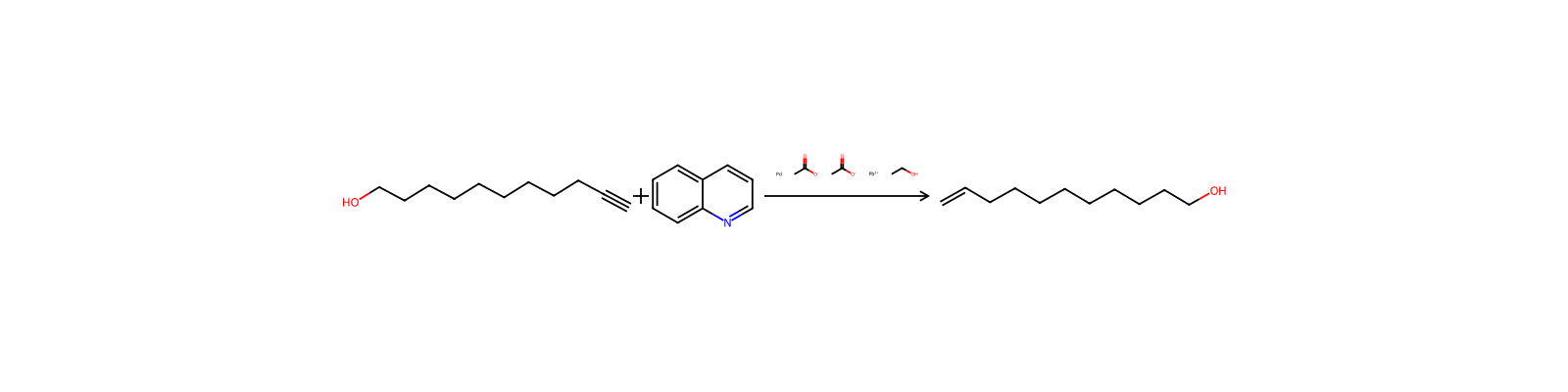
HRID 9797As product
Completing data — refresh the page later to see the latest

112-43-6C=CCCCCCCCCCOGIEMHYCMBGELGY-UHFFFAOYSA-N10-undecen-1-ol is an alkenyl alcohol that is 1-undecene in which one of the terminal methyl hydrogens is replaced by a hydroxy group. It is a primary alcohol, a medium-chain fatty alcohol and an alkenyl alcohol. It derives from a hydride of a 1-undecene.
112-43-6、25377-71-3DTXSID4059419CHEBI:131344Colorless liquid; [Alfa Aesar MSDS]
Liquid
Safety information is for reference only and does not replace the supplier’s Safety Data Sheet (SDS), applicable regulations, or professional assessment.
This chemical does not meet GHS hazard criteria for 99.2% (1557 of 1570) of all reports.
Not Classified
Aggregated GHS information provided per 1570 reports by companies from 4 notifications to the ECHA C&L Inventory.
Chemical: 10-Undecen-1-ol
Commission Regulation (EC) No 1565/2000 (Repealed by Com. Implementing Reg. (EU) No 872/2012)
10-Undecen-1-ol: Does not have an individual approval but may be used under an appropriate group standard
Fragrance Ingredients
Cosmetics -> Antistatic; Skin conditioning
OccurrenceReported found in distilled essential oil from leaves of Litsea odorifera Valeton. Also reported found in grilled and roasted beef.
Uses10-Undecen-1-ol is used as a flavoring agent. It reacts with tosylated beta-cyclodextrin to prepare beta-cyclodextrin undecenylether. It is used in the synthesis of 10-Undecenylacrylat by reacting with acryloyl and triethylamine. It reacts with carbon monoxide in the presence of dicobalt octacarbonyl and pyridine as a base at pressures greater than 150 bar and temperatures in the range of 100 to 2000C to linear and branched polyesters having relatively high molecular weights (Mn> 10,000 g / mol) in good yields.
UsesPerfumes.
PreparationPrepared from coconut fatty acids as starting material.
DefinitionChEBI: An alkenyl alcohol that is 1-undecene in which one of the terminal methyl hydrogens is replaced by a hydroxy group.


