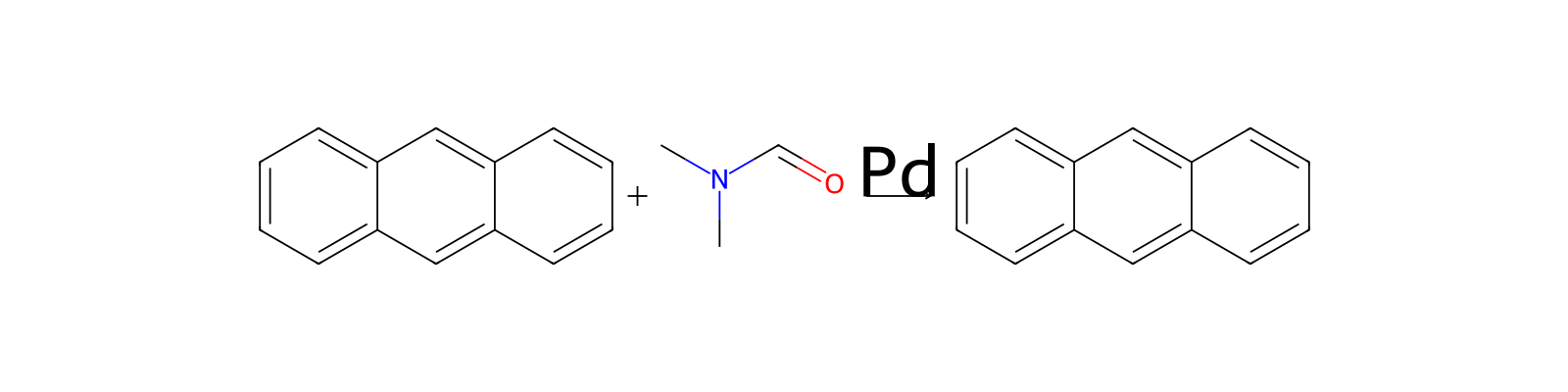
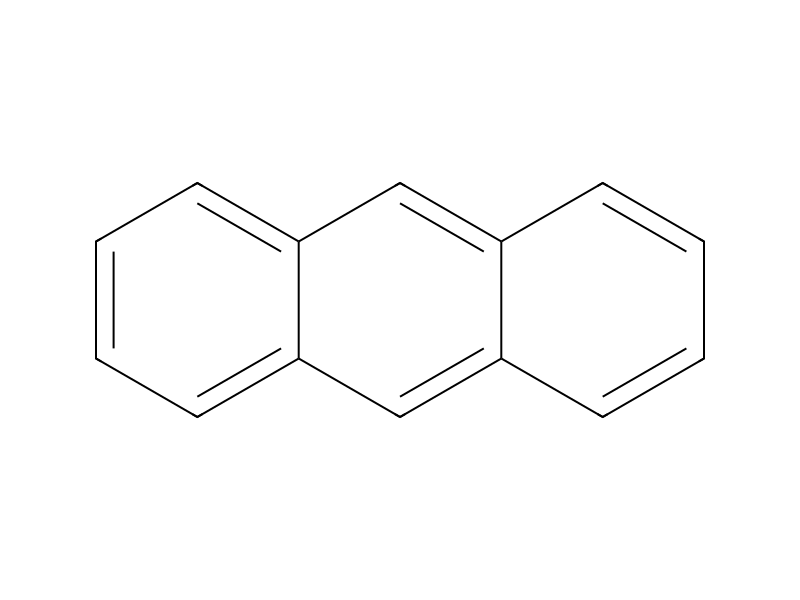
Basic information
- Standard SMILES
c1ccc2cc3ccccc3cc2c1- InChIKey
MWPLVEDNUUSJAV-UHFFFAOYSA-N- Molecular formula
- C14H10
- Average molar mass
- 178.23 g/mol
- Monoisotopic mass
- 178.07825032
Overview
Anthracene can cause cancer according to California Labor Code and the World Health Organization's International Agency for Research on Cancer (IARC).
Names & identifiers
- Preferred name
- Anthracene
- IUPAC
- anthracene
- English name
- Anthracene
- Molecular formula
- C14H10
- Molecular weight
- 178.2292
Names & synonyms
ANTHRACENE120-12-7ParanaphthaleneAnthracinTetra Olive N2GAnthracenDTXSID0023878NSC 7958p-NaphthaleneCHEBI:35298AI3-00155EH46A1TLD7
Show more names
Sterilite hop defoliantNSC7958NSC-7958DTXCID203878RefChem:6382204-371-1Anthracen [German]CCRIS 767
Database identifiers
- CAS
120-12-7、54261-80-2- PubChem CID
- 8418
- DTXSID
DTXSID0023878- ChEMBL
CHEMBL333179- ChEBI
CHEBI:35297- UNII
- EH46A1TLD7
- EC Number
- 204-371-1
- Nikkaji
- J2.916E、J3.643.785E
Properties
Computed structural properties
- XLogP
- 4.4
- Topological polar surface area
- 0 Ų
- Hydrogen bond donors
- 0
- Hydrogen bond acceptors
- 0
- Rotatable bonds
- 0
- Heavy atoms
- 14
- Formal charge
- 0
- Complexity
- 154
Experimental & physicochemical properties
Chemical ClassesSemi-Volatile Organic Compound (SVOC) and(or) Waste-water effluent contaminant
Polymers
Other Classes -> Polycyclic Aromatic Hydrocarbons
Polycyclic aromatic hydrocarbon
SpringerMaterials Properties13C nuclear magnetic resonance spectrum
PesticidesPesticide -> EPA IRIS
LogP
log Kow = 4.45
4.5 (calculated)
4.68
OdorWeak aromatic odor
Density
1.24 at 68 °F (USCG, 1999) - Denser than water; will sink
1.25 at 27 °C/4 °C
1.25-1.28 g/cm³
1.24
1.28 @25 °C
Color/Form
Monoclinic plates from alcohol recrystallization; when pure, colorless with violet fluorescence
Tablets or monoclinic prisms from alcohol
Yellow crystals with blue fluorescence
Pale yellow leaves
Solubility
less than 1 mg/mL at 68 °F (NTP, 1992)
In water, 4.34X10⁻² mg/L at 24 °C
Insoluble in water
1.29 mg/L at 25 °C in distilled water
0.6 mg/L at 25 °C in salt water
For more Solubility (Complete) data for Anthracene (7 total), please visit the HSDB record page.
Flash Point
250 °F (NTP, 1992)
121 °C
121.0 °C (249.8 °F) - closed cup
250 °F (121 °C) (Closed cup)
121 °C
250 °F
Boiling Point
644 °F at 760 mmHg (corrected); 439.7 °F at 53 mmHg, sublimes (NTP, 1992)
341.3 °C
342 °C
644 °F
339.9 °C @760 [mm Hg]
Decomposition
Hazardous decomposition products formed under fire conditions - Carbon oxides.
Decomposes on heating. Decomposes under the influence of strong oxidants. This produces acrid, toxic fume. This generates fire and explosion hazard.
Physicochemical properties
- Melting point
- 218 °C · 218 °C
- Boiling point
- 342 °C · 342 °C
- Density
- 1.25 g/cm3 · 1.25 g/cm3(Temp: 27 °C)
- Substances of Very High Concern (SVHC) Candidate List
- Anthracene (120-12-7)
- REACH Annex XVII Substances List
- Anthracene (120-12-7)
- Symbol(GHS)
- 7 · GHS07,GHS09
- Signal word
- Warning
- Hazard statements
- 319 · H319-H410
- Precautionary statements
- 264 · P264-P273-P280-P305+P351+P338-P337+P313-P391
Safety & regulation
GHS classification
GHS Classification
This chemical does not meet GHS hazard criteria for 0.5% (3 of 573) of reports.
Danger
H315 (21.1%): Causes skin irritation [Warning Skin corrosion/irritation]
P203, P264, P264+P265, P273, P280, P302+P352, P305+P351+P338, P318, P321, P332+P317, P337+P317, P362+P364, P391, P405, and P501 (click each P-code to see the statement)
Aggregated GHS information provided per 573 reports by companies from 18 notifications to the ECHA C&L Inventory. Each notification may be associated with multiple companies.
Danger
Hazard information
Regulatory Information
Chemical: Anthracene
Hazard Traits - Bioaccumulation; Carcinogenicity; Environmental Persistence; Other Toxicological Hazard Traits
Anthracene is listed on the EPA's Chemical Data Reporting (CDR) system. Manufacturers and importers of Anthracene are required to report information about their production and use of this chemical to the EPA under the Toxic Substances Control Act (TSCA). (40 eCFR Part 711)
Status: Active Update: 06-11-2020 https://echa.europa.eu/registration-dossier/-/registered-dossier/2151
Restricted substance: Anthracene
Substance: Anthracene
Other Safety InformationIMAP assessments - Anthracene: Human health tier I assessment
Fire Hazards
This chemical is combustible. (NTP, 1992)
Combustible. Finely dispersed particles form explosive mixtures in air.
Fire Potential
Combustible.
Combustible when exposed to heat, flame, or oxidizing materials.
Health HazardsInhalation of dust irritates nose and throat. Contact with eyes causes irritation. (USCG, 1999)
Hazards Summary
A minor skin and respiratory tract irritant; [ICSC] Photosensitizing agent that may cause acute dermatitis; [HSDB] Minimal Risk Level (oral dose for 15-364 days) = 10 mg/kg/day (hepatic); [ATSDR] An irritant; May cause photosensitization; Effects in high-dose animal studies include fatty liver degeneration; [MSDSonline] See POLYCYCLIC AROMATIC HYDROCARBONS.
Reactive GroupHydrocarbons, Aromatic
Special Reports
USEPA; Ambient Water Quality Criteria Doc: Polynuclear Aromatic Hydrocarbons (Draft) (1980)
USEPA; Health and Environmental Effects Profile for Anthracene (1987) ECAO-CIN-P230
U.S. Dept Health & Human Services/Agency for Toxic Substances Disease Registry; Toxicological Profile for Polycyclic Aromatic Hydrocarbons (Update) (1995) NTIS# PB/95/264370[Available from, as of October 31, 2016: https://www.atsdr.cdc.gov/toxprofiles/tp.asp?id=122&tid=25]
European Chemicals Bureau; European Union Risk Assessment Report, Anthracene (120-12-7) (2007).[Available from, as of February 6, 2017: http://publications.jrc.ec.europa.eu/repository/]
TSCA Requirements
Pursuant to section 8(d) of TSCA, EPA promulgated a model Health and Safety Data Reporting Rule. The section 8(d) model rule requires manufacturers, importers, and processors of listed chemical substances and mixtures to submit to EPA copies and lists of unpublished health and safety studies. Anthracene is included on this list. Effective date 6/1/87; Sunset date: 6/1/97.
OSHA StandardsPermissible Exposure Limit: Table Z-1 8-hr Time Weighted Avg: 0.2 mg/cu m. /Coal tar pitch volatiles (benzene soluble fraction), anthracene, BaP, phenanthrene, acridine, chrysene, pyrene/
Reactivity ProfileANTHRACENE will spontaneously burst into flame on contact with chromic acid, and other strong oxidants.
Chemical DangersDecomposes on heating. Decomposes under the influence of strong oxidants. This produces acrid, toxic fume. This generates fire and explosion hazard.
Safety & protection
Fire Fighting
Fire Extinguishing Agents: Water, foam, dry chemical, carbon dioxide (USCG, 1999)
Use water spray, powder, foam, carbon dioxide. In case of fire: keep drums, etc., cool by spraying with water.
First Aid Measures
Fresh air, rest. Refer for medical attention.
Remove contaminated clothes. Rinse and then wash skin with water and soap.
First rinse with plenty of water for several minutes (remove contact lenses if easily possible), then refer for medical attention.
Rinse mouth. Rest. Refer for medical attention .
First Aid
EYES: First check the victim for contact lenses and remove if present. Flush victim's eyes with water or normal saline solution for 20 to 30 minutes while simultaneously calling a hospital or poison control center. Do not put any ointments, oils, or medication in the victim's eyes without specific instructions from a physician. IMMEDIATELY transport the victim after flushing eyes to a hospital even if no symptoms (such as redness or irritation) develop.
Safe StorageSeparated from strong oxidants. Well closed.
Fire Fighting Procedures
Suitable extinguishing media: Use water spray, alcohol-resistant foam, dry chemical or carbon dioxide.
Advice for firefighters: Wear self-contained breathing apparatus for firefighting if necessary.
To fight fire, use water, foam, carbon dioxide, water spray or mist, dry chemical.
Use dry chemical, carbon dioxide, water spray, or alcohol foam extinguishers. ... If material or contaminated runoff enters waterways, notify downstream users of potentially contaminated waters. Notify local health and fire officials and pollution control agencies. From a secure, explosion-proof location, use water spray to cool exposed containers. If cooling streams are ineffective (venting sound increases in volume and pitch, tank discolors, or shows any signs of deforming), withdraw immediately to a secure position. ... The only respirators recommended for firefighting are self-contained breathing apparatuses that have full face-pieces and are operated in a pressure-demand or other positive-pressure mode.
/Wear/ self contained breathing apparatus with a full facepiece operated under pressure demand or other positive pressure mode. /Coal tar pitch volatiles/
Storage Conditions
Keep container tightly closed in a dry and well-ventilated place. Storage class (TRGS 510): Non Combustible Solids.
Store in a secure poison location. ... Before entering a confined space where this chemical may be present, check to make sure that an explosive concentration does not exist. Anthracene must be stored to avoid contact with strong oxidizers (such as chlorine, bromine, and fluorine), chromic acid, and calcium hypochlorite, since violent reactions occur. Store in tightly closed containers in a cool, well-ventilated area. Sources of ignition, such as smoking and open flames, are prohibited where anthracene is used, handled, or stored in a manner that could create a potential fire or explosion hazard.
Cleanup Methods
ACCIDENTAL RELEASE MEASURES: Personal precautions, protective equipment and emergency procedures: Use personal protective equipment. Avoid dust formation. Avoid breathing vapors, mist or gas. Ensure adequate ventilation. Evacuate personnel to safe areas. Avoid breathing dust. Environmental precautions: Prevent further leakage or spillage if safe to do so. Do not let product enter drains. Discharge into the environment must be avoided. Methods and materials for containment and cleaning up: Pick up and arrange disposal without creating dust. Sweep up and shovel. Keep in suitable, closed containers for disposal.
Evacuate persons not wearing protective equipment from area of spill or leak until cleanup is complete. Remove all ignition sources. Establish ventilation to keep levels below explosive limit. Collect powdered material in the most convenient and safe manner and deposit in sealed containers. Ventilate area after cleanup is complete. It may be necessary to contain and dispose of this chemical as a hazardous waste. If material or contaminated runoff enters waterways, notify downstream users of potentially contaminated waters.
Nonfire Spill Response
SMALL SPILLS AND LEAKAGE: You should dampen the solid spill material with acetone, then transfer the dampened material to a suitable container. Use absorbent paper dampened with acetone to pick up any remaining material. Seal your contaminated clothing and the adsorbent paper in a vapor-tight plastic bag for eventual disposal. Solvent wash all contaminated surfaces with acetone followed by washing with a strong soap and water solution. Do not reenter the contaminate area until the Safety Officer (or other responsible person) has verified that the area has been properly cleaned.
Disposal Methods
SRP: Recycle any unused portion of the material for its approved use or return it to the manufacturer or supplier. Ultimate disposal of the chemical must consider: the material's impact on air quality; potential migration in air, soil or water; effects on animal, aquatic and plant life; and conformance with environmental and public health regulations. If it is possible or reasonable use an alternative chemical product with less inherent propensity for occupational harm/injury/toxicity or environmental contamination.
SRP: Wastewater from contaminant suppression, cleaning of protective clothing/equipment, or contaminated sites should be contained and evaluated for subject chemical or decomposition product concentrations. Concentrations shall be lower than applicable environmental discharge or disposal criteria. Alternatively, pretreatment and/or discharge to a permitted wastewater treatment facility is acceptable only after review by the governing authority and assurance that "pass through" violations will not occur. Due consideration shall be given to remediation worker exposure (inhalation, dermal and ingestion) as well as fate during treatment, transfer and disposal. If it is not practicable to manage the chemical in this fashion, it must be evaluated in accordance with EPA 40 CFR Part 261, specifically Subpart B, in order to determine the appropriate local, state and federal requirements for disposal.
Product: Offer surplus and non-recyclable solutions to a licensed disposal company. Contact a licensed professional waste disposal service to dispose of this material. Dissolve or mix the material with a combustible solvent and burn in a chemical incinerator equipped with an afterburner and scrubber; Contaminated packaging: Dispose of as unused product.
Anthracene is a waste chemical stream constituent which may be subjected to ultimate disposal by controlled incineration.
Spillage Disposal
Sweep spilled substance into covered containers. Carefully collect remainder. Then store and dispose of according to local regulations. Do NOT let this chemical enter the environment. Personal protection: P2 filter respirator for harmful particles.
Preventive Measures
ACCIDENTAL RELEASE MEASURES: Personal precautions, protective equipment and emergency procedures: Use personal protective equipment. Avoid dust formation. Avoid breathing vapors, mist or gas. Ensure adequate ventilation. Evacuate personnel to safe areas. Avoid breathing dust. Environmental precautions: Prevent further leakage or spillage if safe to do so. Do not let product enter drains. Discharge into the environment must be avoided.
Precautions for safe handling: Avoid contact with skin and eyes. Avoid formation of dust and aerosols. Further processing of solid materials may result in the formation of combustible dusts. The potential for combustible dust formation should be taken into consideration before additional processing occurs. Provide appropriate exhaust ventilation at places where dust is formed.
Appropriate engineering controls: Handle in accordance with good industrial hygiene and safety practice. Wash hands before breaks and at the end of workday.
Gloves must be inspected prior to use. Use proper glove removal technique (without touching glove's outer surface) to avoid skin contact with this product. Dispose of contaminated gloves after use in accordance with applicable laws and good laboratory practices. Wash and dry hands.
For more Preventive Measures (Complete) data for Anthracene (15 total), please visit the HSDB record page.
Eye PreventionWear safety spectacles, face shield or eye protection in combination with breathing protection if powder.
Toxicology
Body Burden
Anthracene was detected in human atherosclerotic aorta, 2 subjects, at 10 and 30 ppb(1). Anthracene was detected in the urine of both smoking and non-smoking workers of an aluminum plant in Soderberg, Norway at a concentration of approximately 0.1 ug/mmole of creatinine(2). Anthracene was detected in the urine of workers at an anode producing plant in Italy(3). The median concentration of anthracene measured in the blood of 56 children residing in India was 3.6 ppb(4).
TreatmentThere is no know antidote for PAHs. Exposure is usually handled with symptomatic treatment. (L10)
Interactions
The toxicity of polycyclic aromatic hydrocarbons (PAHs) can be enhanced by both biotic and abiotic processes. This is exemplified by light, which, by virtue of the extensive p-orbital systems of PAHs, can be a major factor in PAH toxicity. Light activation of PAHs is known to occur via photosensitization reactions (generation of singlet oxygen and superoxide) and potentially by photomodification of the chemicals (photooxidation and/or photolysis) to more toxic species. To examine the modes of PAH action in the light and determine if the photomodified compounds are hazardous, we investigated the photoinduced toxicity of anthracene, phenanthrene and benzo[a]pyrene to the aquatic higher plant Lemna gibba (a duckweed). Toxicity end points were inhibition of growth and extent of chlorosis. Light did indeed activate the phytotoxicity of PAHs, with UV radiation more effective than visible light. Dose-response curves based on chemical concentration and light intensity revealed the order of phytotoxic strength to be anthracene > phenanthrene > benzo[a]pyrene. To explore whether photomodified PAHs were contributing to toxicity, the chemicals were irradiated before toxicity testing. The rates of photomodification of the three PAHs were rapid (half-lives in hours), and the relative velocities were coincident with the order of toxic strength. Furthermore, the photomodified PAHs were more hazardous to Lemna than the intact compounds. Because interpretations of the potential impacts of PAHs in the environment are based mostly on measurements of the structurally intact chemicals, the severity of PAH hazards is possibly underestimated.
Cells of Desmodesmus subspicatus 86.81 were used to examine the toxicity of cadmium chloride (CdCl(2)) and anthracene (ANT) applied individually and in combination. The experiments were performed according to standardized ISO (International Organization for Standardization) 8692 protocol (2004). Parameters measured were the number of cells and chlorophyll a fluorescence parameters. E(r)C(10) and E(r)C(50) values (growth rate [r] inhibition by 10% and 50%, respectively) for single toxicants were determined separately. The effect of mixtures of the substances (Cd + ANT) at concentrations corresponding to E(r)C(10) (E(r)C(10) + E(r)C(10)) and E(r)C(50) (E(r)C(50) + E(r)C(50)) values was characterized. The toxicity of individual chemicals after a 72-hr exposure was as follows: ANT (E(r)C(10) = 0.06; E(r)C(50) = 0.26 mg/L) and CdCl(2) (E(r)C(10) = 0.12; E(r)C(50) = 0.30 mg/L). The combination Cd + ANT decreased the population growth rate more strongly than the substances applied individually. Cadmium at a concentration corresponding to E(r)C(10) slightly influenced the parameters of chlorophyll a fluorescence as measured by the OJIP test (O, J, I, and P are the different steps of fluorescence induction curve), whereas the influence of ANT was not statistically significant. In Cd + ANT-treated samples, the photosynthetic "vitality" (PI), the maximum quantum yield of primary photochemistry (phi(Po)), and the fraction of active PS II reaction center (RC) decreased, but the values of ABS/RC, TR(0)/RC, and DI(0)/RC increased. The type of interaction between Cd and ANT depended on the concentration of chemicals used. When the substances were applied at concentrations of E(r)C(10), synergistic effects were observed, whereas the mixture of chemicals used at an E(r)C(50) concentration showed an antagonistic interaction.
Intact cells of Chlamydomonas reinhardtii as well as isolated thylakoid membranes and photosystem II complexes were used to examine a possible mechanism of anthracene (ANT) interaction with the photosynthetic apparatus. Since ANT concentrations above 1 mM were required to significantly inhibit the rate of oxygen evolution in PS II membrane fragments it may indicate that the toxicant did not directly interact with this photosystem. On the other hand, stimulation of oxygen uptake by ANT-treated thylakoids suggested that ANT could either act as an artificial electron acceptor in the photosynthetic electron transport chain or function as an uncoupler. Electron transfer from excited chlorophyll to ANT is impossible due to the very low reduction potential of ANT and therefore we propose that toxic concentrations of ANT increase the thylakoid membrane permeability and thereby function as an uncoupler, enhancing electron transport in vitro. Hence, its unspecific interference with photosynthetic membranes in vitro suggests that the inhibitory effect observed on intact cell photosynthesis is caused by uncoupling of phosphorylation.
Individual toxicity of heavy metals (HM) and polycyclic aromatic hydrocarbons (PAH) to plants living in water bodies is well-documented. In view of frequent joint occurrence of these compounds in the environment, plants are subjected to damage from their combined action. Cadmium and anthracene can generate production of reactive oxygen species (ROS). We have recently detected elevated activity of Fe- and Mn-SOD isoforms, indicating chloroplast and mitochondrion as the main sites of combined toxicity of HM and PAH. In the present paper, short-term (1-24 hr) experiments on the mechanism of combined toxicity of anthracene and cadmium to the photosynthesis of three Desmodesmus species are reported. Inhibition, stimulation or no effect on the oxygen evolution was observed following the treatment with the contaminants when applied either separately or jointly. The response pattern was both strongly species- and time-dependent. In contrast, the photosynthetic activity of cells, expressed by chlorophyll fluorescence parameters, was substantially unaffected, since no effect or, in several cases, a slight stimulation of PS II quantum efficiency (Phi PS II) were noted. A characteristic relationship between the SOD activity and the non-photochemical chlorophyll fluorescence quenching (qN) values was observed. The treatment of Desmodesmus cells with anthracene or cadmium had either no effect or slightly enhanced either the SOD activity or the qN value, whereas the mixture of the contaminants resulted in a multifold increase in both the SOD activity and the qN values. The results suggest that chloroplasts of algae are well protected against the combined action of the two contaminants the toxicity of which should be attributed to nucleocytoplasmic compartments and reproductive processes of the cell cycle.
For more Interactions (Complete) data for Anthracene (11 total), please visit the HSDB record page.
Health EffectsPAHs are carcinogens and have been associated with the increased risk of skin, respiratory tract, bladder, stomach, and kidney cancers. They may also cause reproductive effects and depress the immune system. (L10)
Ecotoxicity Values
LC50; Species: Aedes aegypti (Mosquito); Concentration: = <0.001 mg/L for 24 hr /Conditions of bioassay not specified in source examined/
LC50; Species: Aedes aegypti (Mosquito); Concentration: 0.027 mg/L for 48 hr /Conditions of bioassay not specified in source examined/
LC50; Species: Aedes taeniorhynchus (Mosquito); Concentration: 0.26 mg/L for 24 hr /Conditions of bioassay not specified in source examined/
LC50; Species: Culex quinquefasciatus (Mosquito); Concentration: 0.037 mg/L for 24 hr /Conditions of bioassay not specified in source examined/
For more Ecotoxicity Values (Complete) data for Anthracene (62 total), please visit the HSDB record page.
Environmental Fate
TERRESTRIAL FATE: Based on a classification scheme(1), measured Koc values ranging from 2600(2) to 8600(3) indicate that anthracene is expected to have slight to no mobility in soil(SRC). Volatilization of anthracene from moist soil surfaces is expected to be an important fate process(SRC) given a Henry's Law constant of 4.88X10⁻⁵ atm-cu m/mole(4). However, adsorption to soil is expected to attenuate volatilization(SRC). Anthracene is not expected to volatilize from dry soil surfaces(SRC) based upon a vapor pressure of 6.56X10⁻⁶ mm Hg at 25 °C(5). Biodegradation half-lives of 134 days in unacclimated Kidman sandy loam soils(6) and 19 days in soil at an old oil reclamation facility(7) indicate that the extent of biodegradation will be affected by the nature of the soil, and whether resident microbial populations have been acclimated(SRC).
AQUATIC FATE: Based on a classification scheme(1), measured Koc values ranging from 2600(2) to 8600(3) indicate that anthracene is expected to adsorb to suspended solids and sediment(SRC). Volatilization from water surfaces is expected(4) based upon a Henry's Law constant of 4.88X10⁻⁵ atm-cu m/mole(5). Using this Henry's Law constant and an estimation method(4), volatilization half-lives for a model river and model lake are 24 hrs and 12 days, respectively(SRC). However, volatilization from water surfaces is expected to be attenuated by adsorption to suspended solids and sediment in the water column. The estimated volatilization half-life from a model pond is 89 months if adsorption is considered(6). According to a classification scheme(7), BCFs ranging from 162 in goldfish(8) to 9200 in rainbow trout(9) suggest that bioconcentration in aquatic organisms is moderate to very high(SRC). Aqueous soil humic acid solution Koc values ranging from 7.1X10+4 to 1.3X10+5(10) indicate that humic substances in water may reduce the bioavailability of anthracene to aquatic organisms(11). Anthracene is also susceptible to direct photolysis in sunlit surface waters(12,13). Utilizing the Japanese MITI test, 1.9% of the Theoretical BOD was reached in 2 weeks indicating that biodegradation is not an important environmental fate process in water(SRC). The overall biotransformation (both degradation to carbon dioxide and intermediate metabolite formation) half-life of anthracene in petroleum contaminated sediment was reported to be 12 days(15). In pristine sediments, the overall biotransformation half-life was 10 fold higher. The overall biotransformation half-life of anthracene in sediments contaminated with a coal coking wastewater was 2 days. The anthracene transformation rate was 20 times lower in the water(15).
ATMOSPHERIC FATE: According to a model of gas/particle partitioning of semivolatile organic compounds in the atmosphere(1), anthracene, which has an extrapolated vapor pressure of 6.56X10⁻⁶ mm Hg at 25 °C(2), will exist in both the vapor and particulate phases in the ambient atmosphere. Vapor-phase anthracene is degraded in the atmosphere by reaction with photochemically-produced hydroxyl radicals(SRC); the half-life for this reaction in air is estimated to be 3.2 hrs(SRC), calculated from its rate constant of 1.79X10⁻¹⁰ cu cm/molecule-sec at 25 °C(3). Particulate-phase anthracene may be removed from the air by wet and dry deposition(SRC). Rapid photolysis of anthracene in aqueous solutions has been reported(4,5); therefore, anthracene may be susceptible to direct photolysis by sunlight(SRC).
Food Survey Values
Anthracene has been detected in: charcoal-broiled steaks, 4.5 ppb; barbecued ribs, 7.1 ppb(1); edible oils, 0.2 to 402 ppb(2); coconut oil, 36 ppb; bakers yeast, 2.6 to 557 ppb(max Scotland)(3). Anthracene has been detected in the following smoked meats, ppb; mutton, 13.0; mutton sausages, 2.0; salami, 2.6; and heavily smoked bacon, 20.0(3). Anthracene has been reported to be present in smoked foods, liquid smoke, charcoal broiled steaks and in edible aquatic organisms collected from certain contaminated waters(4). Beef patties containing 10, 20 and 30% fat and cooked over mesquite wood contained anthracene at an average concentration of 20, 28 and 31 ug/kg, respectively(5). Anthracene was not detected in beef patties with 10 and 20% fat that were cooked over hardwood charcoal(5). Beef patties with 30% fat and cooked over hardwood charcoal contained anthracene at an average concentration of 2 ug/kg(5). Laboratory prepared charcoal-broiled steaks and commercial barbecued ribs contained anthracene at respective concentration of 4.5 and 7.1 ppb(6). Hot smoked meats contained anthracene at concentration ranging from 2 to 388 ppb(6). Cold and hot smoked sausages with the casings contained 25.4 and 10.6 ppb, respectively; 2.4 and 5.6 ppb, respectively with casings removed(9).
Anthracene was detected in 13 of 25 samples from Finnish margarine, butter, and vegetable oils at concentration ranging from 0.04 to 460 ug/kg, sampled in 1983(1). Anthracene was detected in 3 of 23 samples of Finnish leaf lettuce (Lactuga sativa var. crispa) at concentration of 0.09, 0.10, and 0.19 ug/kg fresh weight(2). Anthracene was detected in vegetable species collected from nine farms of the Pearl River Delta, South China at levels of 6-145 ug/kg(3). A survey of alcoholic drinks in France showed anthracene and related compounds in the range of 1 to 10 ppb(4).
Anthracene was detected in native German vegetable oils at the following median concentrations, ug/kg: olive oils, 2.2; sunflower oils, 0.3; maize germ oils, 0.1; sesame, 0.2; linseed oil, 4.0; and wheat germ oil, 4.4(1). Anthracene was detected in 1 out of 6 Italian olive oil samples, 4 ug/kg, and 7 out of 7 Italian virgin olive oil samples at a median concentration of 7 ug/kg(2).
Kale: 2.4-97.5 ppb
For more Food Survey Values (Complete) data for Anthracene (6 total), please visit the HSDB record page.
Adverse EffectsOccupational hepatotoxin - Secondary hepatotoxins: the potential for toxic effect in the occupational setting is based on cases of poisoning by human ingestion or animal experimentation.
Exposure Routes
The substance can be absorbed into the body by inhalation.
Oral (L10) ; inhalation (L10)
Milk Concentrations
ENVIRONMENTAL: Anthracene was detected in milk samples obtained from tank milk at farms located near potential contaminating emission sources such as cementworks, steelworks, and motorways at mean levels of 1.0-1.5 ng/g milk fat(1). Anthracene was detected in milk samples from 45 US milk plants in 2000-2001 at a maximum concentration of 1,404 ng/L(2).
Toxicity Summary
IDENTIFICATION AND USE: Anthracene (ANT) is a solid. It is used as an intermediate for dyes, alizarin, phenanthrene, carbazole, anthraquinone, calico printing, a component of smoke screens, scintillation counting crystals, and in organic semiconductor research. HUMAN EXPOSURE AND TOXICITY: Melanosis coli is associated with an increased risk of colorectal tumors but is not agreed to be a precancerous lesion. The condition has been associated with the ingestion of ANT laxatives and is believed to be caused by increased epithelial apoptosis. In a longitudinal analysis from 1946 to 2002, a total of 618 employees with exposure to soot, raw paraffin, tar, anthracene, pitch or similar substances were examined. Squamous cell carcinomas, basal cell carcinomas, keratoacanthomas and melanomas were diagnosed. ANT failed in a large number of studies to induce unscheduled DNA synthesis in human HeLa cells with metabolic activation, while it gave a marginally positive, nondose-related response in primary human skin epithelial cells. It yielded negative results in tests for forward mutation in human lymphoblastoid cells (36 ug/mL). UV radiation (295 nm) induced covalent binding of ANT to DNA which increased with time and was not affected by oxygen. Irradiation of human serum albumin in the presence of ANT induced covalent binding of the hydrocarbon to the protein accompanied by cross-linking of the protein. Protein cross-linking decreased under anaerobic conditions. ANIMAL STUDIES: Very slight erythema and/or edema was observed in five of six rabbits after skin application. Tests for complete carcinogenicity and initiating activity in mouse skin-painting assays have not shown positive results. ANT has been tested in a number of studies for skin carcinogenicity in combination with UV or visible radiation. The group of mice receiving the combined ANT and UV treatment showed "broadness of the epidermis", but no skin papillomas or carcinomas were observed in either group. ANT has been tested for the induction of genotoxicity (DNA damage and mutations) in a large number of bacterial systems, including Escherichia coli, Salmonella typhimurium and Bacillus subtilis, with and without metabolic activation, giving negative results in the great majority of cases. ANT has been tested for the induction of sister chromatid exchanges in Chinese hamster ovary cells with metabolic activation, in a rat liver epithelial cell line and in a combined in vitro/in vivo test using Chinese hamster V79 cells implanted into mice. All studies reported negative results except for one which was marginally positive. ECOTOXICITY STUDIES: ANT exposure generated compound-dependent oxidative stress in the tissues of V. decussata. Acute mortality of bluegill sunfish, Lepomis macrochirus, dosed with ANT at 12.7 ug/L and exposed to natural sunlight conditions was observed during a study of ANT fate in outdoor channel microcosms. No mortality was observed under control conditions (natural sunlight and no ANT). The results obtained in short-term experiments with algae indicate that ANT acts as a photosensitizer causing an oxidative damage of cells.
The ability of PAH's to bind to blood proteins such as albumin allows them to be transported throughout the body. Many PAH's induce the expression of cytochrome P450 enzymes, especially CYP1A1, CYP1A2, and CYP1B1, by binding to the aryl hydrocarbon receptor or glycine N-methyltransferase protein. These enzymes metabolize PAH's into their toxic intermediates. The reactive metabolites of PAHs (epoxide intermediates, dihydrodiols, phenols, quinones, and their various combinations) covalently bind to DNA and other cellular macromolecules, initiating mutagenesis and carcinogenesis. (L10, L23, A27, A32)
Average Daily Intake
AIR INTAKE: Based on the assumptions that the mean level of anthracene in USA air is 0.54 ng/cu m (same as concn in Los Angeles) and that an adult individual inhales 20 cu m air/day, the average daily intake of anthracene from inhalation is 11 ng(1). The daily dietary intake of six Japanese women between 25 and 56 years of age was monitored for one week in July 1985; anthracene intake ranged from undetectable levels to 1.8 ug/day/female with a mean and median concn of 0.23 and 0.13 ug/day/female, respectively(2).
Regulatory information
TSCA Requirements
Pursuant to section 8(d) of TSCA, EPA promulgated a model Health and Safety Data Reporting Rule. The section 8(d) model rule requires manufacturers, importers, and processors of listed chemical substances and mixtures to submit to EPA copies and lists of unpublished health and safety studies. Anthracene is included on this list. Effective date 6/1/87; Sunset date: 6/1/97.
CERCLA Reportable Quantities
Persons in charge of vessels or facilities are required to notify the National Response Center (NRC) immediately, when there is a release of this designated hazardous substance, in an amount equal to or greater than its reportable quantity of 5000 lb or 2270 kg. The toll free number of the NRC is (800) 424-8802. The rule for determining when notification is required is stated in 40 CFR 302.4 (section IV. D.3.b).
Clean Water Act Requirements
Toxic pollutant designated pursuant to section 307(a)(1) of the Federal Water Pollution Control Act and is subject to effluent limitations. /Polynuclear aromatic hydrocarbons (including benzanthracenes, benzopyrenes, benzofluoranthene, chrysenes, dibenz-anthracenes, and indenopyrenes)/
For the maximum protection of human health from the potential carcinogenic effects of exposure to polynuclear aromatic hydrocarbons through ingestion of contaminated water and contaminated aquatic organisms, the ambient water concentration should be zero, based on the nonthreshold assumption for this chemical. However, zero level may not be attainable at the present time. Therefore, the levels which may result in incremental increase of cancer risk over the lifetime are estimated at 1X10⁻⁵, 1X10⁻⁶, and 1X10⁻⁷. The corresponding recommended criteria are 28.0 ng/L, 2.8 ng/L, and 0.28 ng/L, respectively. If these estimates are made for consumption of aquatic organisms only, excluding consumption of water, the levels are 311.0 ng/L, 31.1 ng/L, and 3.11 ng/L, respectively. /Polynuclear aromatic hydrocarbons/.
State Drinking Water Guidelines
(FL) FLORIDA 2,100 ug/L
(MN) MINNESOTA 2000 ug/L
(WI) WISCONSIN 3000 ug/L
Safety data
- Signal word
- Warning
- Symbol(GHS)
- GHS07,GHS09
- Hazard statements
- H319-H410
- Precautionary statements
- P264-P273-P280-P305+P351+P338-P337+P313-P391
Chemistry & industry
Pharmacology
Biological Half-LifeBluegills (Lepomis macrochirus) were exposed to [(14)C]anthracene in water. ... Depuration rates were first order and yielded a half-life of 17 hr for anthracene.
Metabolism/Metabolites
The laccase of Trametes versicolor was immobilized on the functionalized nanoparticles SBA-15 with the average diameter less than 10 nm. Laccase mediated oxidations of anthracene (ANT) were investigated in the presence of two mediators, 2,2'-azino-bis-(3-ethylbenzothiazoline-6-sulphonic acid) diammonium salt (ABTS) and 1-hydroxybenzotriazole (HBT). Oxidation of ANT was more efficiently enhanced by adding 1 mM of HBT than that by adding ABTS. After 48 hr oxidation HBT group significantly oxidized ANT with residue 58% relative to 88% in the ABTS group. HPLC and GC/MS analyses indicated the main product of ANT oxidation was anthraquinone (ANQ). The fluorescein diacetate (FDA) uptake of two human cell lines was used to assess the cytotoxicity and genotoxicity of ANT and ANQ. Treatments with ANT and ANQ at 5 and 10 uM exhibited significant cytotoxicity to the HaCaT cells and the A3 lymphocytes and no significant genotoxicity was observed. The results illustrated that ANQ is less toxic than ANT as well.
Hemoglobin is a member of the hemoprotein superfamily whose main role is to transport O(2) in vertebrate organisms. It has two known promiscuous enzymatic activities, peroxidase and oxygenase. Here we show ... that bovine hemoglobin also presents a catalase-like activity characterized by a V(max )of 344 uM/min, a K(M)of 24 mM and a k(cat) equal to 115/min. For high anthracene and hemoglobin concentrations and low hydrogen peroxide concentrations, this activity inhibits the expected oxidation of anthracene, which occurs through a peroxidase-like mechanism. Anthracene belongs to the polycyclic aromatic hydrocarbon (PAH) family whose members are carcinogenic and persistent pollutants found in industrial waste waters. Our results show that anthracene oxidation by hemoglobin and hydrogen peroxide follows a typical bi-bi ping-pong mechanism with a V(max) equal to 0.250 uM/min, K(M(H2O2) )of 80 uM, K(M(ANT)) of 1.1 uM and k(cat) of 0.17/min. The oxidation of anthracene is shown to be pseudo-catalytic because an excess of hemoglobin and hydrogen peroxide is required to make PAH completely disappear. Thus, bovine hemoglobin presents, in different degrees, all the catalytic activities of the hemoprotein group ... .
When administered orally to animals ... (70-80% of dose) is excreted unchanged in feces, but metabolites present in rat urine include n-acetyl-s-(1,2-dihydro-2-hydroxy-1-anthryl)-cysteine and conjugates of trans-1,2-dihydroanthracene-1,2-diol, and 1,2-dihydroxyanthracene. The cysteine conjugate is decomposed by mineral acids to yield 1-anthrylmercapturic acid, 1 and 2-anthrols and anthracene. Rats ... metabolize anthracene into trans-9,10-dihydroanthracene-9,10-diol, which gives rise to anthrone and several hydroxylated metabolites.
In vitro metabolism of anthracene with rat liver microsomes predominantly forms trans-1,2-dihydroxy-1,2-dihydroanthracene with little evidence of metabolism at the 9,10-position.
For more Metabolism/Metabolites (Complete) data for Anthracene (9 total), please visit the HSDB record page.
PAH metabolism occurs in all tissues, usually by cytochrome P-450 and its associated enzymes. PAHs are metabolized into reactive intermediates, which include epoxide intermediates, dihydrodiols, phenols, quinones, and their various combinations. The phenols, quinones, and dihydrodiols can all be conjugated to glucuronides and sulfate esters; the quinones also form glutathione conjugates. (L10)
Absorption, Distribution and Excretion
Polycyclic aromatic hydrocarbons were detected in human fat and liver and their average concentrations were 1100 and 380 ppt, respectively. Anthracene was found at high levels in the liver and fat.
(14)Carbon -labeled anthracene was administered to young Coho Salmon in food and by ip injection. The accumulated (14)carbon in key organs (eg, liver and brain) increased over various time periods. After ip injection, the highest percent of metabolites occurred in gallbladder; however, significant amounts were also found in the liver, brain, flesh, and carcass. It appears that aromatic metabolites are broadly distributed throughout fish exposed to polynuclear aromatic hydrocarbons.
Five normal adult volunteers without cutaneous disease applied to their skin a 2% solution of crude coal tar in petrolatum, containing 190 mg/L anthracene. In total, 85 g of the solution were applied for 8-hour periods on two consecutive days. Organic extracts of blood collected after completion of the second application and subjected to gas chromatography and mass spectrometry yielded evidence of anthracene adsorption in four of the five volunteers, with blood concentrations ranging 0.08-0.47 ug/L.
... Conscious rats with bile duct and duodenal catheters were given isotopically labelled anthracene (1 mg in 0.2 mL in corn oil, corresponding to 3.7 mg/kg), and the recovery of radioactivity in bile and urine was measured. One group of animals received via the duodenal catheter only anthracene solution, whereas a second group received the anthracene solution mixed with 0.5 mg bile, followed by 8 further doses of 0.5 mL bile at hourly intervals to simulate normal bile flow. Over the next 24 hours, samples of bile and urine were collected and the amount of radiolabel recovered was measured as an index of the efficiency of absorption. Irrespective of the presence or absence of bile, about two thirds of the radioactivity absorbed was found in the bile and one third in the urine. Cumulative recovery in the presence of bile was 75.55% of the administered dose, while in the absence of bile it was somewhat lower (53.65%), a finding attributed to the relatively low water solubility of anthracene and suggesting that bile-mediated micellar solubilisation facilitates the uptake process. While this study indicates that, over a period of 24 hours, at least 75% of orally administered anthracene is initially absorbed from the intestinal tract of rats with normal bile flow; in the absence of information on the amount of unmetabolized anthracene present in biliary secretions the net systemic absorption of anthracene via the intestine cannot be estimated.
For more Absorption, Distribution and Excretion (Complete) data for Anthracene (9 total), please visit the HSDB record page.
Uses & manufacturing
Uses
Used to make dyestuffs (anthraquinone and alizarin dyes); Also used to make synthetic fibers and plastics and in semiconductor research; [HSDB] May be present in wood preservatives and pesticides; Occurs in coal tar volatiles, tobacco smoke, exhaust emissions, charcoal broiled meat smoke, edible oils, surface waters, waste waters, and lake sediments; [CHEMINFO]
Applying Wood Preservatives [Category: Other]
Important source of dyestuffs (manufacturing anthraquinone, alizarin dyes).
Dyes, alizarin, phenanthrene, carbazole, anthraquinone, calico printing, a component of smoke screens, scintillation counting crystals, organic semiconductor research.
Intermediate for the synthesis of anthraquinone
The use of anthracene as a plasticizer for thermosetting resins and as a light stabilizer for polymers has been proposed. The use of anthracene derivatives as building blocks for engineering plastics was also suggested.
ImpuritiesPhenanthrene, carbazole, and chrysene
U.S. Exports
(1985) 5.02X10+8 g /Anthracene oil & pitch of tar coke/
(1987) 8.58X10+6 lb /Anthracene oil and pitch of tar coke/
U.S. Imports
(1978) 2.81X10+8 G
(1982) 1.15X10+5 G
(1985) 5.73X10+9 g /Anthracene oil/
(1985) 8.82X10+8 g /Anthracene, 30% purity or over by weight/
U.S. Production
2023: 311,796 lb
(1977) AT LEAST 9.07X10+8 G
(1982) GREATER THAN 2.27X10+6 G
(1980) 2-20 million lb
(1982) U.S. production ceased
Production volumes for non-confidential chemicals reported under the Inventory Update Rule. [Table#1999]
Consumption PatternsOn a commercial scale, about 10,000 tons/annum of anthracene is used almost exclusively, for the production of anthraquinone.
Industry UsesPreservative
Methods of Manufacturing
1) By salting out from crude anthracene oil and draining. The crude salts are purified by pressing and finally phenanthrene and carbazole are removed by the use of various solvents. 2) By distilling crude anthracene oil with alkali carbonate in iron retorts, the distillate contains only anthracene and phenanthrene. The latter is removed by carbon disulfide.
Obtained from coal tar.
High-temperature coal tar contains, on average, 1.5% of anthracene. Continuous tar distillation concentrates the anthracene in the fraction boiling between 300 and 360 °C (anthracene oil I). This oil amounts to 15 - 20% of the raw tar and contains about 7% anthracene; it is cooled to 20 - 30 °C and then centrifuged. About 10-15 % of the crude anthracene oil I is obtained as a yellow-green crystalline material with an anthracene content of 20 - 35% (anthracene residues). These residues, which also contain 40 - 50% phenanthrene and 12-20% carbazole, are crystallized or distilled. Distillation yields a crude product containing 45 - 55% anthracene (50s anthracene). A 50s anthracene with an improved quality can be produced by two-step continuous column distillation. The crude 50s anthracene then is purified by recrystallization from selective solvents and by distillation. Repeated recrystallization from a three- to fourfold excess of pyridine produces anthracene (95% purity) from the 50s anthracene in 80% yield relative to the anthracene content. ... Anthracene can be separated from the higher-boiling carbazole by distillation with lower-boiling hydrocarbon fractions as reflux medium or by azeotropic distillation with ethylene glycol. Azeotropic distillation also is used to separate the anthracene-accompanying tetracene and to obtain very pure anthracene for scintillation counting.
Carbazole-free crude anthracene can be prepared by distillation and crystallization of residues obtained from the pyrolysis of hydrocarbon fractions to olefins; however, the anthracene content of these pyrolysis oils generally is less than 1%. The anthracene yield can be increased by selective hydrodealkylation of the aromatic fraction containing methylphenanthrenes and methylanthracenes.
Formulations/Preparations
Grade: Commercial (90-95%), pure crystals.
Tetra Olive N2G
92+% grade
General Manufacturing Information
Wood Product Manufacturing
Anthracene: ACTIVE
Method of purification: By sublimation with superheated steam or by crystallization from benzene followed by sublimation; for very pure crystals, zone melting of solid anthracene.
It is believed that the last known USA anthracene producer stopped production in 1982.
There are several UVCB substances containing anthracene as a constituent: coal tar itself, coal tar distillation products, coal tar-containing preparations and articles (paints, waterproof membranes, etc) and creosote. High temperature coal tar pitch contains about 1.5% anthracene.
May be unintentionally formed in combustion and other processes
Suppliers50 total
国药集团化学试剂有限公司86-21-63210123 · [email protected]
梯希爱(上海)化成工业发展有限公司021-67121386 · [email protected]
上海阿拉丁生化科技股份有限公司400-6206333 13167063860 · [email protected]
爱斯特(成都)生物制药股份有限公司+86-28-85122536 85324413 · [email protected]
上海如吉生物科技发展有限公司+86-21-65211385-8001 36031160 · [email protected]
科瑞迪化学400-821-5857 021-64326257 · [email protected]
Syntechem Co.,Ltd[email protected]
上海迈瑞尔生化科技有限公司4006356688 18621169109 · [email protected]
阿法埃莎(中国)化学有限公司400-6106006 · [email protected]
上海德默医药科技有限公司400-021-7337 2355568890 · [email protected]
上海瀚鸿科技股份有限公司021-54306202 13764082696 · [email protected]
山东洛克化工有限公司17653113209 13065062079 · [email protected]
上海景颜化工科技有限公司13817811078 · [email protected]
嘉兴市艾森化工有限公司0573-85285100 18627885956 · [email protected]
济南瑞朗化工有限公司0531-80993178 15621249788
山东西亚化学有限公司13355009207 13355009207 · [email protected]
武汉盈邦医药有限公司+86-13296627870; +86-13971566811 · [email protected]
四川库利南科技有限公司400-1166-196 18981987031 · [email protected]
天津希恩思生化科技有限公司400 638 7771 · [email protected]
常州创视电子科技有限公司+86 (519) 8829-2061 · [email protected]
斯百全化学(上海)有限公司021-021-021-67601398-809-809-809 15221380277 · [email protected]
艾科试剂4008-755-333 18080918076 · [email protected]
上海思域化工科技有限公司86-21-34053660 · [email protected]
赛默飞世尔科技(中国)有限公司800-810-5118 · [email protected]
北京伊诺凯科技有限公司400-810-7969 010-59572699 · [email protected]
上海特伯化学科技有限公司+86-21-60341587 · [email protected]
TCI AMERICA800-4238616 · [email protected]
TOKYO CHEMICAL INDUSTRY CO., LTD.03-36680489 · [email protected]
TCI Europe320-37350700 · [email protected]
上海贤鼎生物科技有限公司4009209199 · [email protected]
深圳康特腾科技有限公司86-0755-86635001 · [email protected]
上海将来实业股份有限公司021-61552785 · [email protected]
天津阿尔塔科技有限公司022-65378550-8551 · [email protected]
HBCChem, Inc.+1-510-219-6317 · [email protected]
日照力德士化工有限公司010-51268198 · [email protected]
郑州阿尔法化工有限公司0371-53732842 15981811963 · [email protected]
美岚实业(上海)有限公司021-58958189 · [email protected]
上海爱蝶实业有限公司021-58957966 18930537195 · [email protected]
成都零六生物科技有限公司400-1166-196 13458535857 · [email protected]
广拓化学(上海)有限公司021-60899189-8001 18918189673 · [email protected]
上海麦克林生化科技股份有限公司15221275939 15221275939 · [email protected]
杭州杰恒化工有限公司0571-87396432 · [email protected]
上海嵩爰化工科技有限公司010-1234567 18521000990 · [email protected]
上海有朋化工有限公司021-69005955 13701776567 · [email protected]
上海凯赛化工有限公司021-33516722 13701817765 · [email protected]
上海彤源化工有限公司021-021-69182866 13701855675 · [email protected]
成都润泽本土化工有限公司13096311329 028-88469284 616445927 · [email protected]
凯试(上海)科技有限公司021-50135380 · [email protected]
上海蓝润化学有限公司021-69515658 ; 69515628 13701998368 · [email protected]
上海容立化学科技有限公司021-69992220 13701886816 · [email protected]
Additional notes
DefinitionChEBI: Acene is a polycyclic aromatic hydrocarbon consisting of fused benzene rings in a rectilinear arrangement. It is an ortho-fused polycyclic arene and a member of acenes.
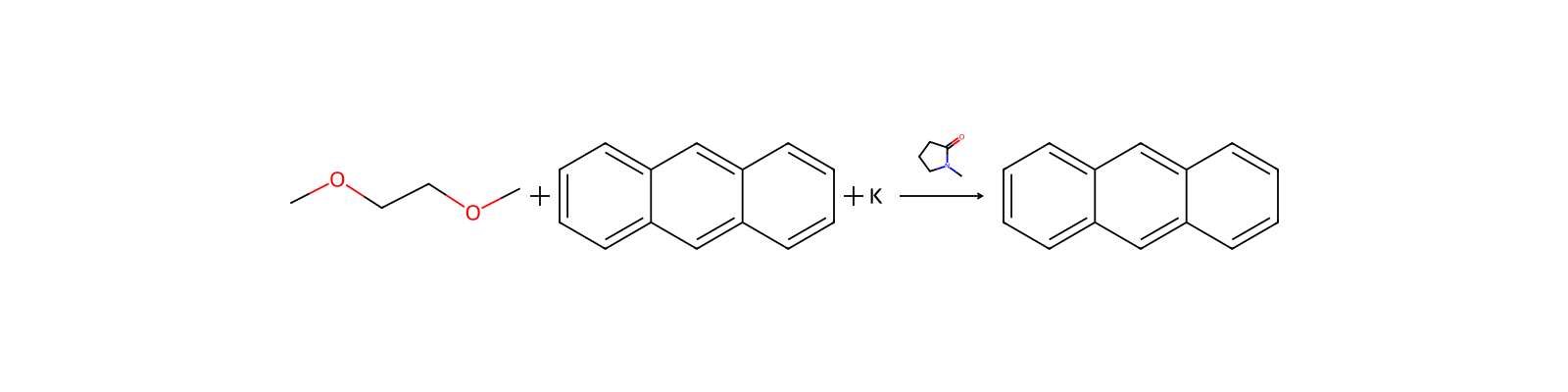
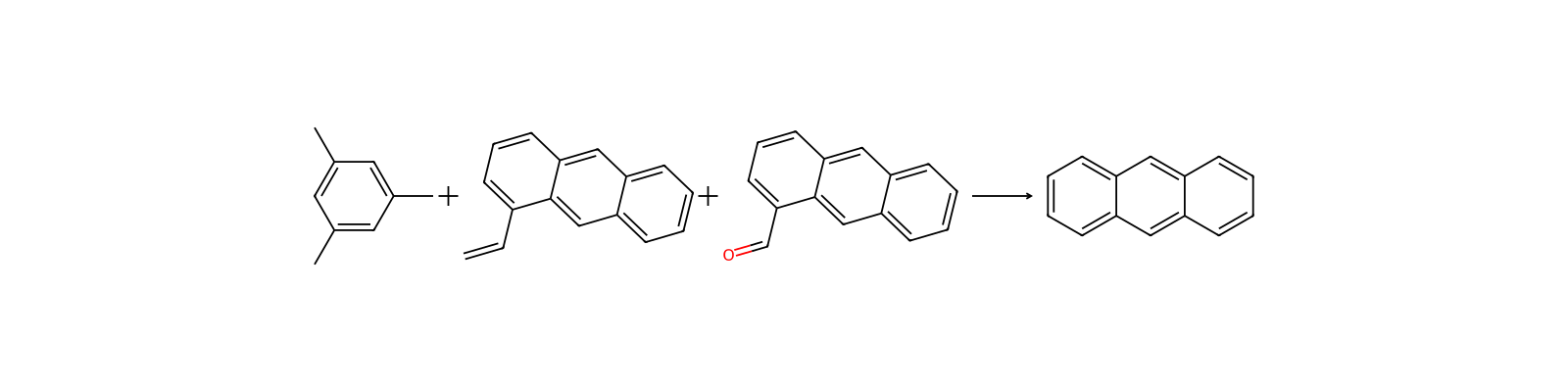
Related reactions
105 records




Linked notes
Loading…