HomeMCPWorkbenchSkills
HomeWorkbenchNotificationsMe
llms.txt · MCP GuidePrivacy Policy · Terms of Service · Supportv1.8.0
  1. Home
  2. /Compound

Ethylparaben

HCID 8434
New noteNew reactionRequest quotes
Print preview

Completing data — refresh the page later to see the latest

Basic informationOverviewNames & identifiersPropertiesSafety & regulationChemistry & industryRelated reactionsCompound notes
Substructure searchFind similar structures

Basic information

CAS
120-47-8
Standard SMILES
CCOC(=O)c1ccc(O)cc1
InChIKey
NUVBSKCKDOMJSU-UHFFFAOYSA-N
Molecular formula
C9H10O3
Average molar mass
166.17 g/mol

Overview

Ethylparaben is an ethyl ester resulting from the formal condensation of the carboxy group of 4-hydroxybenzoic acid with ethanol. It has a role as an antifungal agent, an antimicrobial food preservative, a plant metabolite and a phytoestrogen. It is an ethyl ester and a paraben.

Names & identifiers

Preferred name
Ethylparaben
IUPAC
ethyl 4-hydroxybenzoate
English name
C18-C22-Alkyl-4-hydroxybenzoat
Molecular weight
0

Names & synonyms

EthylparabenETHYL 4-HYDROXYBENZOATE120-47-8Ethyl parabenEthyl p-hydroxybenzoateTegosept EMycoctenEthyl parasept4-Hydroxybenzoic acid ethyl esterAseptoform ENipagin AEaseptol
Show more names
C18-C22-Alkyl-4-hydroxybenzoatBenzoic acid, 4-hydroxy- ester with alcohols C18-22-alkyl (even numbered)
Ethyl butexNapagin ANipazin ASolbrol ASobrol AEthyl parahydroxybenzoatep-Hydroxybenzoic acid ethyl esterEthyl p-oxybenzoate

Database identifiers

CAS
120-47-8、201305-16-0
PubChem CID
8434
DTXSID
DTXSID9022528
ChEMBL
CHEMBL15841
ChEBI
CHEBI:31575
UNII
14255EXE39
EC Number
204-399-4、606-441-0
Nikkaji
J2.917C

Properties

Computed structural propertiesFilling in

XLogP
2.5
Topological polar surface area
46.5 Ų
Hydrogen bond donors
1
Hydrogen bond acceptors
3
Rotatable bonds
3
Heavy atoms
12
Formal charge
0
Complexity
148

Experimental & physicochemical properties

Chemical ClassesOther Uses -> Preservatives
Cosmetics · 3 items

Cosmetics ingredient -> Preservative/Stabilizer

Cosmetic ingredients (Ethylparaben) -> CIR (Cosmetic Ingredient Review)

Preservative

SpringerMaterials PropertiesChemical shift
PesticidesBiocide
LogP · 3 items

log Kow = 2.47

2.47

2.25

OdorOdorless
Flavoring AgentsEU Flavoring substances
Color/Form · 2 items

Small, colorless crystals or powder at room temperature

Crystals from dilute alcohol

Solubility · 6 items

In water, 8.85X10+2 mg/L at 25 °C

Solubility in water at 25 °C is 0.075% w/w; at 20 °C. 0.70% w/w

Safety & regulation

Safety information is for reference only and does not replace the supplier’s Safety Data Sheet (SDS), applicable regulations, or professional assessment.

GHS classification

GHS Classification · 6 items

This chemical does not meet GHS hazard criteria for 60.7% (811 of 1336) of all reports.

Danger

H304 (33.5%): May be fatal if swallowed and enters airways [Danger Aspiration hazard]

P261, P264, P264+P265, P272, P280, P301+P316, P302+P352, P305+P351+P338, P321, P331, P332+P317, P333+P317, P337+P317, P362+P364, P405, and P501 (click each P-code to see the statement)

Aggregated GHS information provided per 1336 reports by companies from 10 notifications to the ECHA C&L Inventory. Each notification may be associated with multiple companies.

This chemical does not meet GHS hazard criteria for 100% (2 of 2) of all reports.

Hazard information

Regulatory Information · 6 items

Chemical: Benzoic acid, 4-hydroxy-, ethyl ester

Hazard Traits - Endocrine Toxicity; Reproductive Toxicity

Commission Regulation (EC) No 1565/2000 (Repealed by Com. Implementing Reg. (EU) No 872/2012)

Benzoic acid, 4-hydroxy-, ethyl ester is listed on the EPA's Chemical Data Reporting (CDR) system. Manufacturers and importers of Benzoic acid, 4-hydroxy-, ethyl ester are required to report information about their production and use of this chemical to the EPA under the Toxic Substances Control Act (TSCA). (40 eCFR Part 711)

Status: Active Update: 31-01-2023 https://echa.europa.eu/registration-dossier/-/registered-dossier/13843

Status: Active Update: 08-11-2018 https://echa.europa.eu/registration-dossier/-/registered-dossier/15930

Other Safety InformationIMAP assessments - Parabens: Human health tier II assessment
Hazards Summary · 1 item

Parabens are an uncommon cause of allergic contact dermatitis; [Marks, p. 115] A mild skin irritant with some evidence of skin sensitization in human studies; Caused mild eye irritation, no to minimal skin irritation, and no skin sensitization in animal studies; [HSDB] An eye and mild skin irritant; May cause skin sensitization; [eChemPortal: ERMA] Parabens can induce allergic contact dermatitis, mainly in chronic dermatitis and wounded skin. [Kanerva, p. 1822-3] May cause irritation; [MSDSonline]

Chemistry & industry

Pharmacology

ATC Code · 2 items

D - Dermatologicals

QD - Dermatologicals

Metabolism/Metabolites · 6 items

Yields p-hydroxybenzoic acid in pig and in Aspergillus. /from table/

/Paraben/ ... esters are well absorbed and hydrolysis of ester linkage and metabolic conjugation constitute chief route of elimination /in dogs/. Similar metabolic scheme was observed in man. /Paraben esters/

Urine from cats who had received (14)C-labeled ethyl-p-hydroxybenzoate, orally contained 2 major metabolites, p-hydroxyhippuric acid and free p-hydroxybenzoic acid.

In mice, rats, rabbits, pigs, or dogs, ethyl paraben is excreted in the urine as unchanged benzoate, p-hydroxybenzoic acid, p-hydroxyhippuric acid (p-hydroxybenzoylglycine), ester glucuronides, ether glucuronides, or ether sulfates.

For more Metabolism/Metabolites (Complete) data for ETHYLPARABEN (7 total), please visit the HSDB record page.

Ethyl-4-hydroxybenzoate has known human metabolites that include (2S,3S,4S,5R)-6-(4-ethoxycarbonylphenoxy)-3,4,5-trihydroxyoxane-2-carboxylic acid.

FDA Pharmacological Classification · 6 items

14255EXE39

ETHYLPARABEN

Established Pharmacologic Class [EPC] - Standardized Chemical Allergen

Physiologic Effects [PE] - Increased Histamine Release

Physiologic Effects [PE] - Cell-mediated Immunity

Chemical Structure [CS] - Allergens

Absorption, Distribution and Excretion · 4 items

By the oral route, parabens are rapidly absorbed, metabolized, and excreted. The metabolic reactions and conversions in mammals vary with the chain length of the ester, the animal species, route of administration, and quantity tested. The metabolism of parabens in humans appears to be most closely related to that of dogs. The rate of metabolite excretion appears to decrease with increasing molecular weight of the ester. /4-Hydroxybenzoates (Parabens)/

... Deposition of parabens in dogs. Urine recoveries ranged from 50-95% except for butyl ester for which recoveries were 40%. /It/... was concluded that esters are well absorbed and that hydrolysis of ester linkage and metabolic conjugation constitute chief route of elimination. Similar metabolic scheme ... in man. /Parabens/

Related reactions

381 records
New reaction record
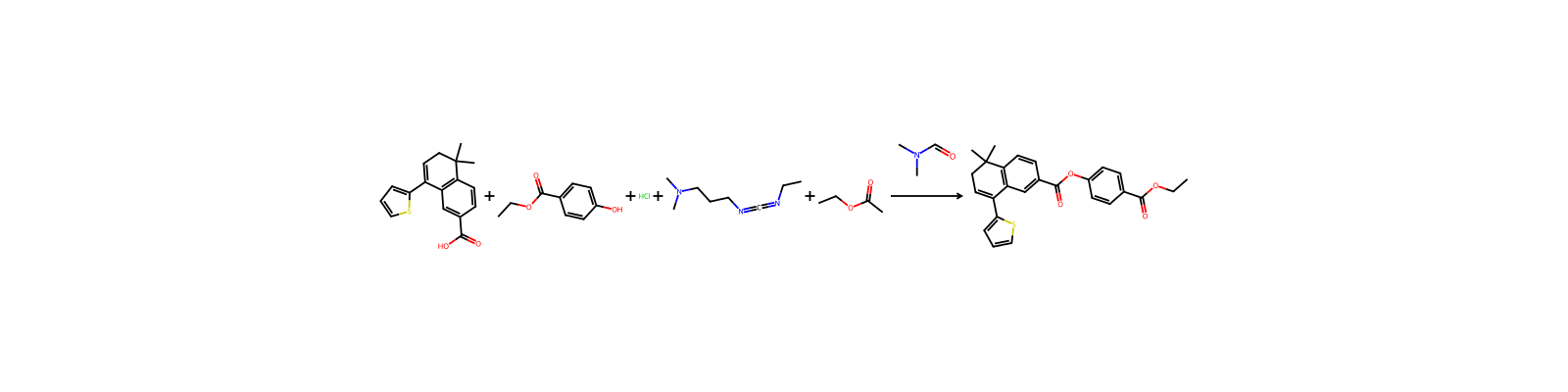
HRID 1393 reaction equation
HRID 1393As reactantuspto-grants-1998_03
HRID 2639 reaction equation
HRID 2639As reactantuspto-grants-1998_03
HRID 2783 reaction equation
HRID 2783As reactantuspto-grants-1998_03
HRID 6315 reaction equation
HRID 6315As reactantuspto-grants-1993_09
HRID 6321 reaction equation
HRID 6321As reactantuspto-grants-1993_09
HRID 6515 reaction equation
HRID 6515As reactantuspto-grants-1993_09
HRID 6585 reaction equation
HRID 6585As reactantuspto-grants-2006_08
HRID 7330 reaction equation
HRID 7330As reactantuspto-grants-2006_08
Page 1 of 48

Compound notes

Loading…

On this pageBasic informationOverviewNames & identifiersPropertiesSafety & regulationChemistry & industryRelated reactionsCompound notes
More actions
New noteNew reactionRequest quotes

Solubilities in various solvents [Table#2496]

AT 25 °C: 0.5 G/100 G GLYCERIN

For more Solubility (Complete) data for ETHYLPARABEN (6 total), please visit the HSDB record page.

0.885 mg/mL at 25 °C

Endocrine DisruptorsPotential endocrine disrupting compound
Boiling Point · 2 items

297-298 °C (decomposition)

298.00 °C. @ 760.00 mm Hg

DecompositionWhen heated to decomposition it emits acrid smoke and fumes.

Physicochemical properties

Density
0.94 · 0.94-0.95g/cm3 at 20℃
vapor pressure
0 · 0-0Pa at 20℃
form
Solid
LogP
10.35 · 10.35-11.33
Dissociation constant
7.93 at · 7.93 at 20℃
REACH Registrations
Active
FDA RequirementsEthyl p-hydroxybenzoate is an indirect food additive for use only as a component of adhesives.
Special Reports · 1 item

Cosmetic Ingredient Review; Final Amended Report on the Safety Assessment of Methylparaben, Ethylparaben, Propylparaben, Isopropylparaben, Butylparaben, Isobutylparaben, and Benzylparaben as used in Cosmetic Products. Int J Toxicol 27 Suppl 4: 1-82 (2008)[Available from, as of November 21, 2016: http://online.personalcarecouncil.org/ctfa-static/online/lists/cir-pdfs/PR427.pdf]

Toxic Combustion ProductsSpecial hazards arising from the substance or mixture: Carbon oxides
Hazard Classes and Categories · 2 items

Asp. Tox. 1 (33.5%)

Not Classified

Skin, Eye, and Respiratory Irritations... when tested using Human Patch tests (undiluted material) only a limited number of people developed mild skin irritation.
Hazardous Reactivities and IncompatibilitiesIncompatible materials: Strong oxidizing agents, strong bases

Safety & protection

Fire Fighting Procedures · 2 items

Suitable extinguishing media: Use water spray, alcohol-resistant foam, dry chemical or carbon dioxide.

Advice for firefighters: Wear self contained breathing apparatus for fire fighting if necessary.

Storage ConditionsKeep container tightly closed in a dry and well-ventilated place.
Cleanup Methods · 1 item

ACCIDENTAL RELEASE MEASURES: Personal precautions, protective equipment and emergency procedures: Use personal protective equipment. Avoid dust formation. Avoid breathing vapors, mist or gas. Ensure adequate ventilation. Avoid breathing dust. Environmental precautions: Prevent further leakage or spillage if safe to do so. Do not let product enter drains. Discharge into the environment must be avoided. Methods and materials for containment and cleaning up: Pick up and arrange disposal without creating dust. Sweep up and shovel. Keep in suitable, closed containers for disposal.

Disposal Methods · 2 items

SRP: Recycle any unused portion of the material for its approved use or return it to the manufacturer or supplier. Ultimate disposal of the chemical must consider: the material's impact on air quality; potential migration in air, soil or water; effects on animal, aquatic and plant life; and conformance with environmental and public health regulations. If it is possible or reasonable use an alternative chemical product with less inherent propensity for occupational harm/injury/toxicity or environmental contamination.

Product: Offer surplus and non-recyclable solutions to a licensed disposal company; Contaminated packaging: Dispose of as unused product.

Preventive Measures · 5 items

ACCIDENTAL RELEASE MEASURES: Personal precautions, protective equipment and emergency procedures: Use personal protective equipment. Avoid dust formation. Avoid breathing vapors, mist or gas. Ensure adequate ventilation. Avoid breathing dust. Environmental precautions: Prevent further leakage or spillage if safe to do so. Do not let product enter drains. Discharge into the environment must be avoided.

Precautions for safe handling: Avoid formation of dust and aerosols. Further processing of solid materials may result in the formation of combustible dusts. The potential for combustible dust formation should be taken into consideration before additional processing occurs.

Appropriate engineering controls: Handle in accordance with good industrial hygiene and safety practice. Wash hands before breaks and at the end of workday.

Gloves must be inspected prior to use. Use proper glove removal technique (without touching glove's outer surface) to avoid skin contact with this product. Dispose of contaminated gloves after use in accordance with applicable laws and good laboratory practices. Wash and dry hands.

SRP: The scientific literature for the use of contact lenses by industrial workers is inconsistent. The benefits or detrimental effects of wearing contact lenses depend not only upon the substance, but also on factors including the form of the substance, characteristics and duration of the exposure, the uses of other eye protection equipment, and the hygiene of the lenses. However, there may be individual substances whose irritating or corrosive properties are such that the wearing of contact lenses would be harmful to the eye. In those specific cases, contact lenses should not be worn. In any event, the usual eye protection equipment should be worn even when contact lenses are in place.

Protective Action Criteria (PAC) · 3 items

31 [mg/m3]

340 [mg/m3]

2100 [mg/m3]

Personal Protective Equipment (PPE) · 4 items

Eye/face protection: Use equipment for eye protection tested and approved under appropriate government standards such as NIOSH (US) or EN 166(EU).

Skin protection: Handle with gloves.

Body Protection: Choose body protection in relation to its type, to the concentration and amount of dangerous substances, and to the specific work-place.

Respiratory protection Respiratory protection is not required. Where protection from nuisance levels of dusts are desired, use type N95 (US) or type P1 (EN 143) dust masks. Use respirators and components tested and approved under appropriate government standards such as NIOSH (US) or CEN (EU).

Toxicology

Body Burden · 1 item

Ethylparaben concentrations below the quantitation limit (0.02 ng/mL) to 2.69 ng/mL and 0.11-31.7 ng/mL in urine samples from children from the United States and China, respectively. Levels in adults were below the quantitation limit to 47.5 ng/mL and below the quantitation limit to 119 ng/mL, respectively(1). Ethylparaben had a frequency of detection of 58% in urine samples from a group of US male and female adults sampled from 2003 to 2005(2).

Interactions · 1 item

The biological fates of ethyl paraben after the simultaneous administration with salicylic acid were different from those of ethyl paraben alone as reported in the previous reports. The excretion of unconjugated p-hydroxybenzoic acid, which is a hydrolyzed product of ethyl paraben, increased and those of p-hydroxyhippuric acid, glycine conjugate of p-hydroxybenzoic acid, and p-hydroxybenzoyl glucuronide, its ester type glucuronide, decreased. The blood concentration patterns were considerably different from those of ethyl paraben alone, especially the elimination of every metabolite was delayed. Pharmacokinetic analyses on the data of blood concentration were carried out and the results also show the interaction of salicylic acid on the biological fate of ethyl paraben.

Ecotoxicity Values · 3 items

EC50; Species: Pseudokirchneriella subcapitata (Green Algae) exponential growth phase; Conditions: freshwater, static; Concentration: 18000 ug/L for 72 hr (95% confidence interval: 17000-19000 ug/L); Effect: population, decreased population growth rate /formulation/

LC50; Species: Dugesia japonica (Flatworm) body length 0.7 cm; Conditions: freshwater, static, 25 °C; Concentration: 39000 ug/L for 24 hr (95% confidence interval: 36900-40600 ug/L) />99% purity/

LC50; Species: Dugesia japonica (Flatworm) body length 0.7 cm; Conditions: freshwater, static, 25 °C; Concentration: 31000 ug/L for 96 hr (95% confidence interval: 30000-31900 ug/L) />99% purity/

Environmental Fate · 3 items

TERRESTRIAL FATE: Based on a classification scheme(1), Koc values ranging from 119 to 209(2) indicate that ethylparaben is expected to have high to moderate mobility in soil(SRC). The pKa of ethylparaben is 8.34(3), indicating that this compound will partially exist in the anion form in the environment and anions generally do not adsorb more strongly to soils containing organic carbon and clay than their neutral counterparts(4). Volatilization of ethylparaben from moist soil surfaces is not expected to be an important fate process(SRC) given an estimated Henry's Law constant of 4.8X10⁻⁹ atm-cu m/mole(SRC), using a fragment constant estimation method(5). Ethylparaben is not expected to volatilize from dry soil surfaces(SRC) based upon an estimated vapor pressure of 9.3X10⁻⁵ mm Hg(SRC), determined from a fragment constant method(6). Half-lives of about 14 days and 3.5 days were measured in aerobic screening tests conducted with phenol- and cresol-acclimated sludge over 7 day and 1 day incubation periods(7,8), respectively, suggesting that biodegradation may be an important fate process in soil(SRC).

AQUATIC FATE: Based on a classification scheme(1), Koc values ranging from 119 to 209(2), indicate that ethylparaben is not expected to adsorb to suspended solids and sediment(SRC). Volatilization from water surfaces is not expected(3) based upon an estimated Henry's Law constant of 4.8X10⁻⁹ atm-cu m/mole(SRC), developed using a fragment constant estimation method(4). According to a classification scheme(5), an estimated BCF of 20(SRC), from its log Kow of 2.47(6) and a regression-derived equation(7), suggests the potential for bioconcentration in aquatic organisms is low(SRC). Half-lives of about 14 days and 3.5 days were measured in aerobic screening tests conducted with phenol- and cresol-acclimated sludge over 7 day and 1 day incubation periods(8,9), respectively, suggesting that biodegradation may be an important fate process in water(SRC).

ATMOSPHERIC FATE: According to a model of gas/particle partitioning of semivolatile organic compounds in the atmosphere(1), ethylparaben, which has an estimated vapor pressure of 9.3X10⁻⁵ mm Hg at 25 °C(SRC), determined from a fragment constant method(2), will exist in both the vapor and particulate phases in the ambient atmosphere. Vapor-phase ethylparaben is degraded in the atmosphere by reaction with photochemically-produced hydroxyl radicals(SRC); the half-life for this reaction in air is estimated to be one day(SRC), calculated from its rate constant of 1.3X10⁻¹¹ cu cm/molecule-sec at 25 °C(SRC) that was derived using a structure estimation method(3). Particulate-phase ethylparaben may be removed from the air by wet and dry deposition(SRC). Ethylparaben contains chromophores that absorb at wavelengths >290 nm(4) and therefore may be susceptible to direct photolysis by sunlight(SRC).

Food Survey ValuesOccurrence of ethylparaben in food samples collected from several grocery stores in Albany, NY in 2008, 2011 and 2012(1).[Table#2493]
Adverse EffectsSkin Sensitizer - An agent that can induce an allergic reaction in the skin.
Toxicity Summary · 3 items

The CIR Expert Panel concluded that the following 20 parabens are safe in cosmetics in the present practices of use and concentration described in the safety assessment when the sum of the combined concentration of parabens in any given formulation does not exceed 0.8 %...Ehtylparaben..

Safe for use in cosmetics, with qualifications

IDENTIFICATION AND USE: Ethylparaben forms small colorless crystals, or white powder. Ethylparaben inhibits the growth of fungi and bacteria and is used as a preservative for pharmaceuticals, adhesives, and various cosmetic preparations. HUMAN EXPOSURE AND TOXICITY: Ethylparaben was a skin irritant in man. It gave no evidence of sensitizing potential in a human study. The paraben esters as a generic class are rare sensitizers when applied to the intact skin of man. Application to the damaged skin is a more common cause of sensitization. A methyl:ethyl:propylparaben mixture has been shown on oral administration to exacerbate pre-existing skin complaints. ANIMAL STUDIES: Ethylparaben was an eye irritant in rabbits. A low acute oral toxicity has been demonstrated for ethylparaben in laboratory animals. Limited long-term studies in rats have also indicated a low toxicity and have generated no evidence of carcinogenic activity. Ethylparaben in the diet produced cell proliferation in the forestomach of rats. No evidence of mutagenicity was reported in limited Ames Bacterial tests. Ethylparaben did increase chromosomal aberrations in a Chinese Hamster ovary cell assay, but similar effects were not seen in rats treated with ethylparaben. Fetal toxicity at maternally toxic dose levels occurred in female rats treated orally during pregnancy. Ethylparaben was nonteratogenic in rats. In one in vitro study, sperm were not viabile at concentrations as low as 8 mg/mL for Ethylparaben, but an in vivo study of 0.1% or 1.0% for Ethylparaben in the diet of mice reported no spermatotoxic effects.

Average Daily IntakeEstimated daily intakes of ethylparaben from indoor dust (13 cities, 4 countries) from the United States, China, Korea and Japan (all ng/kg bw/day)(1).[Table#2492]
Ecotoxicity Excerpts · 2 items

/AQUATIC SPECIES/ The acute toxicity of 21 parabens and their chlorinated derivatives was investigated by means of two toxicity bioassays: Daphnia magna immobilization test and the inhibition of bioluminescence of Vibrio fischeri. The median effective concentration (EC(50)) values of the tested parabens ranged from 2.2 to 62 mg/L in the D. magna test and from 0.0038 to 5.9 mg/L in the V. fischeri test at 15 min after exposure. The toxicity of dichlorinated methyl- and n-propylparaben, the most commonly used preservatives in cosmetics, toward D. magna was 3.9- and 2.8-fold that of their corresponding parent compounds. Toxicity toward D. magna showed a linear relationship with log P, indicating that toxicity increases with increasing hydrophobicity. On the other hand, the correlations of toxicity toward V. fischeri with hydrophobicity and with the degree of chlorination were poor. In addition, the results of the present study indicated that the V. fischeri test was more sensitive than the D. magna test for the determination of the acute toxicity of parabens. A complete assessment of the ecological and toxicological risks of parabens may require the examination of chlorinated parabens as well as the parent pollutants, as described in the present study.

/AQUATIC SPECIES/ The chronic toxicity of 12 compounds of parabens and their chlorinated by-products was investigated using 7-day Ceriodaphnia dubia test under static renewal condition in order to generate information on how to disinfect by-products of preservatives that are discharged in aquatic systems. The mortality and inhibition of reproduction tended to increase with increasing hydrophobicity and decreased with the degree of chlorination of parabens. The EC50 values for mortality, offspring number, and first brood production ranged between 0.30-3.1, 0.047-12, and 1.3-6.3 mg/L, respectively. For the number of neonates, the most sensitive endpoint, the no-observed-effect concentration (NOEC) and lowest-observed-effect concentration (LOEC) values ranged from 0.63 to 10 mg/L and from 1.2 to 19 mg/L, respectively. Methylparaben (MP), benzylparaben (BnP), and dichlorinated BnP (Cl2BnP) elicited a significant decrease in offspring numbers even at their lowest concentration tested; the NOEC for these compounds was determined to be less than the lowest test concentration (1.3, 0.04, and 0.63 mg/L for MP, BnP, and Cl2BnP, respectively). Propylparaben (PP), chlorinated PP, isopropylparaben (iPP), and chlorinated iPP exhibited nonmonotonic concentration-dependent response; their NOEC and LOEC values could not be determined. The multivariate approach involving principal component analysis and hierarchical cluster analysis revealed four groups that corresponded to the toxicological profiles of parabens. Our results suggested that disinfection of parabens by chlorination could reduce aquatic toxicity of original compounds. The findings obtained in our study together with the data available on paraben concentrations in aquatic systems can be used to perform preliminary risk assessment by comparing the predicted environmental concentration (PEC) with the predicted no-effect concentration (PNEC) for the marine aquatic environment. The calculated PEC/PNEC ratios ranged from 0.0012 to 0.2, with the highest value observed in MP. This suggested that there are negligible environmental risks for aquatic organisms at current use levels.

Ongoing Test Status · 1 item

EPA has released the Interactive Chemical Safety for Sustainability (iCSS) Dashboard. The iCSS Dashboard provides an interactive tool to explore rapid, automated (or in vitro high-throughput) chemical screening data generated by the Toxicity Forecaster (ToxCast) project and the federal Toxicity Testing in the 21st century (Tox21) collaboration. /The title compound was tested by ToxCast and/or Tox21 assays/[USEPA; ICSS Dashboard Application; Available from, as of September 8, 2016: http://actor.epa.gov/dashboard/]

Effluent Concentrations · 1 item

The average concentration of ethylparaben in 21 influent and effluent samples from wastewater treatment plants on the Turia River, Valencia, Spain were 72 ng/L (21 samples positive) and not detected (21 samples positive), respectively. Sampling was conducted in October, 2012; limit of quantitation effluent = 1.5(1). The compound was detected at a range of 589-2002, 4-50 and 1-13 ng/L in influent, final effluent and surface waters, respectively, in the UK(2).

Soil Adsorption/Mobility · 1 item

Koc values of 209, 162 and 119 have been reported for acidic forest soil, agricultural soil and sediment samples obtained from Lake Constance, Germany, respectively(1). Based on a recommended classification scheme(2), these Koc values indicate that ethylparaben is expected to have high to moderate mobility in soil. The pKa of ethylparaben is 8.34(3), indicating that this compound will partially exist in anion form in the environment and anions generally do not adsorb more strongly to soils containing organic carbon and clay than their neutral counterparts(4).

Regulatory information

FDA RequirementsEthyl p-hydroxybenzoate is an indirect food additive for use only as a component of adhesives.

Safety data

REACH Registrations
Active

The permeation of methylparaben, ethylparaben, propylparaben, and butylparaben through untreated and lipid-depleted excised guinea pig dorsal skin, and the effects of 3 penetration enhancers, N-dodecyl-2-pyrrolidone (lauryl pyrrolidone), ethyl alcohol (ethanol), and a mixture of menthol (l-menthol) and ethyl alcohol, on the permeation of the parabens were studied; the relationship between the permeability and octyl alcohol (n-octanol)/water partition coefficients of the parabens, and the effect of the penetration enhancers on the fluidity of the lipid bilayer of liposomes containing stratum corneum lipids were also examined. Permeability coefficients of the parabens correlated with their octyl alcohol/water partition coefficients in untreated guinea pig skin. In lipid-depleted guinea pig skin, permeability coefficients of the parabens increased and did not correlate with their octyl alcohol/water partition coefficients. The effect of the penetration enhancers on the permeation of the parabens was variable. The penetration enhancers increased the fluidity of liposome lipid bilayers.

After ethyl paraben is intravenously infused into the dog, unhydrolyzed ethyl paraben is found only in the brain. In liver, kidney, and muscle, it is immediately hydrolyzed to p-hydroxybenzoic acid. Six hours after oral administration of 1.0 g/kg to dogs, the peak plasma concentration of free and total ethyl paraben (427 and 648 ug/cu cm, respectively) is reached. After 48 hr, all ethyl paraben is completely eliminated.

Cellular LocationsCytoplasm

Uses & manufacturing

Uses · 6 items

CIR ingredient: Ethylparaben

Used as a preservative for pharmaceuticals, adhesives, and various cosmetic preparations (inhibits fungal and bacterial growth); [HSDB] The parabens (methyl, ethyl, propyl, and butyl) were the most widely used preservatives in cosmetics (0.1% to 0.8%) until their sensitizing potential was recognized; [Marks, p. 115]

Working with Glues and Adhesives [Category: Other]

For ethylparaben (USEPA/OPP Pesticide Code: 061202) there are 0 labels match. /SRP: Not registered for current use in the U.S., but approved pesticide uses may change periodically and so federal, state and local authorities must be consulted for currently approved uses./

Antimicrobial preservative for pharmaceuticals.

Ethyl paraben ... inhibits the growth of fungi and bacteria and is used as a preservative for pharmaceuticals, adhesives, and various cosmetic preparations.

U.S. Production · 4 items

2023: 105,000 lb

(1972) PROBABLY GREATER THAN 9.08X10+5 GRAMS

(1975) PROBABLY GREATER THAN 4.54X10+5 GRAMS

Production volumes for non-confidential chemicals reported under the Inventory Update Rule. [Table#2495]

Consumer UsesNot Known or Reasonably Ascertainable
Methods of Manufacturing · 2 items

Prepared by esterification of p-hydroxybenzoic acid.

Parabens are prepared by esterifying PHBA /parahydroxybenzoic acid/ with the corresponding alcohol in the presence of an acid catalyst, such as sulfuric acid, and an excess of the specific alcohol. The acid is then neutralized with caustic soda, and the product is crystallized by cooling, centrifuged, washed, dried under vacuum, milled, and blended. /Parabens/

Formulations/PreparationsTrade Names: Aseptoform E, Bobomold OE, Easeptol, Ethyl butex, Ethyl parasept, Mycoten, Napagin A, Nipagina A, Nipazin A, Sobrol A, Solbrol A, and Tegosept E.
Household Products · 2 items

Cosmetics product ingredient: Ethyl paraben (Ethyl 4-hydroxybenzoate)

Information on 156 consumer products that contain Ethylparaben in the following categories is provided:

Use Classification · 5 items

Food additives

Food Additives -> PRESERVATIVE -> JECFA Functional Classes

Food Additives -> PRESERVATIVE -> JECFA Functional Classes

Food Additives -> PRESERVATIVE -> JECFA Functional Classes

Cosmetics -> Preservative

General Manufacturing Information · 2 items

Benzoic acid, 4-hydroxy-, ethyl ester: ACTIVE

The parabens are most active against molds and yeasts. They are less effective against bacteria, especially gram-negative bacteria. /Parabens/