

Basic information
- Standard SMILES
CC(=O)OCc1ccccc1- InChIKey
QUKGYYKBILRGFE-UHFFFAOYSA-N- Molecular formula
- C9H10O2
- Average molar mass
- 150.17 g/mol
- Monoisotopic mass
- 150.06807956
Overview
Benzyl acetate is a colorless liquid with an odor of pears. (USCG, 1999)
Names & identifiers
- Preferred name
- Benzyl acetate
- IUPAC
- benzyl acetate
- English name
- Benzyl acetate
- Molecular formula
- C9H10O2
- Molecular weight
- 150.17
Names & synonyms
BENZYL ACETATE140-11-4Acetic acid benzyl esterPhenylmethyl acetateBenzyl ethanoateAcetic acid, phenylmethyl esterAcetic acid, benzyl esterPhenylmethyl ethanoatealpha-Acetoxytoluene(Acetoxymethyl)benzeneNCI-C06508Benzylester kyseliny octove
Show more names
benzyl acetaterFEMA 21353-PhenylpropionatephenylmethylacetateacetoxymethylbenzeneNatural benzyl acetateBenzyl ester of acetic acid
FEMA No. 2135DTXSID00201510ECG3V79ZJNSC-4550DTXCID40151CHEBI:52051RefChem:5593205-399-7
Database identifiers
- CAS
140-11-4- PubChem CID
- 8785
- DTXSID
DTXSID0020151- ChEMBL
CHEMBL1233714- ChEBI
CHEBI:52051- UNII
- 0ECG3V79ZJ
- EC Number
- 205-399-7
- Nikkaji
- J2.950E
Properties
Computed structural properties
- XLogP
- 2
- Topological polar surface area
- 26.3 Ų
- Hydrogen bond donors
- 0
- Hydrogen bond acceptors
- 2
- Rotatable bonds
- 3
- Heavy atoms
- 11
- Formal charge
- 0
- Complexity
- 126
Experimental & physicochemical properties
Chemical ClassesFlammable agents - 2nd degree
SolventsSolvents -> Esters (<C12)
CosmeticsSolvent
SpringerMaterials Properties13C nuclear magnetic resonance spectrum
FragrancesFragrance Ingredient (Benzyl acetate) -> IFRA transparency List
LogP
log Kow = 1.96
1.96
1.96
Odor
PEAR-LIKE ODOR
CHARACTERISTIC FLOWERY (JASMINE) ODOR
Powerful but thin, sweet floral fresh, fresh and light, fruity odor reminiscent of Jasmin, Gardenia, Muguet, Lily and other flowers.
TasteBITTER, PUNGENT TASTE
Food AdditivesFLAVORING AGENT OR ADJUVANT -> FDA Substance added to food
Density
1.04 (USCG, 1999) - Denser than water; will sink
1.050 @ 25 °C/4 °C
Relative density (water = 1): 1.1
1.049-1.059
1.04
1.05 @25 °C
Flavoring AgentsEU Flavoring substances
Color/FormWATER-WHITE LIQUID
Physicochemical properties
- Melting point
- -51 °C · -51 °C (lit.)
- Boiling point
- 206 °C · 206 °C (lit.)
- Density
- 1.054 g/mL · 1.054 g/mL at 25 °C (lit.)
- vapor density
- 5.1 · 5.1
- vapor pressure
- 23 mm · 23 mm Hg ( 110 °C)
- refractive index
- 20 · n20/D 1.502(lit.)
- FEMA
- 2135 · 2135 | BENZYL ACETATE
- FLAVIS Number
- 9.014 · 09.014 | Benzyl acetate
- Flash point
- 216 °F · 216 °F
- storage temp.
- -20 °C · -20°C
- solubility
- 35.7 mg/mL · ≥35.7 mg/mL in EtOH; ≥49.4 mg/mL in DMSO
- form
- Liquid
- color
- Colorless liquid
- Odor
- sweet, floral fruity odor
- explosive limit
- 0.9 · 0.9-8.4%(V)
- Odor Type
- floral
- biological source
- synthetic
- Water Solubility
- 0.1 g/100 · <0.1 g/100 mL at 23 ºC
- Specific Heat Capacity
- 0.99 J/ · Cp(liquid): 0.99 J/(g·K), at 25℃
- JECFA Number
- 23 · 23
- Merck
- 14 · 14,1123
- BRN
- 1908121 · 1908121
- Henry's Law Constant
- 8.5 · 8.5×10-1 mol/(m3Pa) at 25℃, Brockbank (2013)
- Dielectric constant
- 5.1 · 5.1(21℃)
- Exposure limits
- 10 ppm · ACGIH: TWA 10 ppm
- Major Application
- flavors and fragrances
- Cosmetics Ingredients Functions
- PERFUMINGFRAGRANCE
- InChI
- 1S/C9H10O2/c1-8(10)11-7-9-5-3-2-4-6-9/h2-6H,7H2,1H3
- InChIKey
- QUKGYYKBILRGFE-UHFFFAOYSA-N
- SMILES
- CC(=O)OCc1ccccc1
- LogP
- 1.96 at · 1.96 at 25℃
- Surface tension
- 37.3 mN/m · 37.3mN/m at 293.15K
- Toxicology and Carcinogenesis
- Toxicology and Carcinogenesis Studies of Benzyl Acetate (CASRN 140-11-4) in F344/N Rats and B6C3F1 Mice (Feed Studies)Toxicology and Carcinogenesis Studies of Benzyl Acetate (CASRN 140-11-4) in F344/N Rats and B6C3F1 Mice (Gavage Studies)
- Substances Added to Food (formerly EAFUS)
- BENZYL ACETATE
- FDA 21 CFR
- 172.515 · 172.515
- CAS DataBase Reference
- 140 · 140-11-4(CAS DataBase Reference)
- EWG's Food Scores
- 1 · 1
- FDA UNII
- 0 ECG3V79ZJ · 0ECG3V79ZJ
- NIST Chemistry Reference
- Benzyl ethanoate(140-11-4)
- IARC
- 3 · 3 (Vol. 40, Sup 7, 71) 1999
- EPA Substance Registry System
- Benzyl acetate (140-11-4)
- UNSPSC Code
- 41116107 · 41116107
- NACRES
- 24 · NA.24
- Symbol(GHS)
- 7 · GHS07,GHS08,GHS09
- Signal word
- Danger
- Hazard statements
- 412 · H412
- Precautionary statements
- 273 · P273-P501
- PPE
- Eyeshields, Gloves, type ABEK (EN14387) respirator filter
- Hazard Codes
- Xi
- Risk Statements
- 36 · 36/37/38
- Safety Statements
- 26 · 26-37/39-24/25
- RIDADR
- 2810 · 2810
- WGK Germany
- 1 · 1
- RTECS
- 5075000 · AF5075000
- Autoignition Temperature
- 862 °F · 862 °F
- TSCA
- TSCA listed
- HS Code
- 29153950 · 29153950
- Storage Class
- 10 · 10 - Combustible liquids
- Hazard Classifications
- 3 · Aquatic Chronic 3
- Hazardous Substances Data
- 140 · 140-11-4(Hazardous Substances Data)
- Toxicity
- 50 orally · LD50 orally in rats: 2490 mg/kg (Jenner)
- REACH Registrations
- Active
Safety & regulation
GHS classification
GHS Classification
This chemical does not meet GHS hazard criteria for 32.5% (779 of 2397) of reports.
H412 (62.6%): Harmful to aquatic life with long lasting effects [Hazardous to the aquatic environment, long-term hazard]
P273, and P501 (click each P-code to see the statement)
Aggregated GHS information provided per 2397 reports by companies from 19 notifications to the ECHA C&L Inventory.
Danger
H227: Combustible liquid [Warning Flammable liquids]
Hazard information
Regulatory Information
Chemical: Acetic acid, phenylmethyl ester
Commission Regulation (EC) No 1565/2000 (Repealed by Com. Implementing Reg. (EU) No 872/2012)
Acetic acid, phenylmethyl ester is listed on the EPA's Chemical Data Reporting (CDR) system. Manufacturers and importers of Acetic acid, phenylmethyl ester are required to report information about their production and use of this chemical to the EPA under the Toxic Substances Control Act (TSCA). (40 eCFR Part 711)
Status: Active Update: 01-12-2022 https://echa.europa.eu/registration-dossier/-/registered-dossier/14570
Benzyl acetate: Does not have an individual approval but may be used under an appropriate group standard
The New Jersey Worker and Community Right to Know Act requires public and private employers to provide information about hazardous substances at their workplaces. (N.J.S.A. 34:5A-1 et. seq.)
Other Safety InformationIMAP assessments - Acetic acid, phenylmethyl ester: Human health tier I assessment
Fire Hazards
This chemical is combustible. (NTP, 1992)
Combustible. Above 90 °C explosive vapour/air mixtures may be formed.
Fire PotentialCombustible liquid.
Health HazardsHarmful if inhaled. May be harmful if swallowed or absorbed through the skin. Vapor or mist is irritating to the eyes, mucous membrane and upper respiratory tract. (USCG, 1999)
Hazards Summary
Causes respiratory tract irritation in the range of 50-160 ppm; [CHEMINFO] Has anesthetic effects at high concentrations in animal studies; [ChemIDplus] Included in list of fragrance substances with negative human data, i.e. patch tests of patients with suspected contact allergy to fragrance ingredients which yielded negative results.; [EC: Scientific Committee on Consumer Safety: Fragrance allergens in cosmetic products (2011)] An irritant; May cause smarting and reddening of skin if spilled and allowed to remain on clothes; [CHRIS] Vapor causes eye and respiratory tract irritation; May cause effects on the CNS and kidneys; [ICSC] Safe when used as a flavoring agent in food; Acceptable daily intake (ADI) of 0-5 mg/kg; [JECFA] A skin and strong eye irritant; May cause CNS depression; Targets nerves and kidney; [Sigma-Aldrich MSDS]
FDA Requirements
Benzyl acetate is a food additive permitted for direct addition to food for human consumption, as long as 1) the quantity added to food does not exceed the amount reasonably required to accomplish its intended physical, nutritive, or other technical effect in food, and 2) when intended for use in or on food it is of appropriate food grade and is prepared and handled as a food ingredient. Synthetic flavoring substances and adjuvants incl benzyl acetate may be safely used in foods.
Reactive GroupEsters, Sulfate Esters, Phosphate Esters, Thiophosphate Esters, and Borate Esters
Special Reports
DHHS/NTP; Toxicology & Carcinogenesis Studies of Benzyl Acetate in F344/N Rats and B6C3F1 Mice (Gavage Studies) Technical Report Series No. 250 (1986) NIH Publication No. 86-2506
WHO/IPCS; Toxicological Evaluation of Certain Food Additives and Contaminants WHO Food Additives Series 32 (1993)
Reactivity Profile
BENZYL ACETATE is an ester. Esters react with acids to liberate heat along with alcohols and acids. Strong oxidizing acids may cause a vigorous reaction that is sufficiently exothermic to ignite the reaction products. Heat is also generated by the interaction of esters with caustic solutions. Flammable hydrogen is generated by mixing esters with alkali metals and hydrides. This chemical is incompatible with strong oxidizing agents. It is also incompatible with acids, bases and reducing agents. (NTP, 1992)
Chemical DangersDecomposes on burning. This produces irritating fumes. Reacts with strong oxidants. This generates fire and explosion hazard.
Air and Water ReactionsInsoluble in water.
Safety & protection
Fire Fighting
Fire Extinguishing Agents: Water spray, carbon dioxide, dry chemical, alcohol foam. (USCG, 1999)
Use water spray, powder, alcohol-resistant foam, carbon dioxide.
First Aid Measures
Fresh air, rest. Refer for medical attention.
Remove contaminated clothes. Rinse and then wash skin with water and soap.
First rinse with plenty of water for several minutes (remove contact lenses if easily possible), then refer for medical attention.
Rinse mouth. Do NOT induce vomiting. Give one or two glasses of water to drink. Rest. Refer for medical attention .
First Aid
EYES: First check the victim for contact lenses and remove if present. Flush victim's eyes with water or normal saline solution for 20 to 30 minutes while simultaneously calling a hospital or poison control center. Do not put any ointments, oils, or medication in the victim's eyes without specific instructions from a physician. IMMEDIATELY transport the victim after flushing eyes to a hospital even if no symptoms (such as redness or irritation) develop.
Safe StorageSeparated from strong oxidants. Ventilation along the floor.
Fire Fighting ProceduresALCOHOL FOAM, CARBON DIOXIDE.
Nonfire Spill Response
SMALL SPILLS AND LEAKAGE: If you spill this chemical, FIRST REMOVE ALL SOURCES OF IGNITION. Then, use absorbent paper to pick up all liquid spill material. Your contaminated clothing and absorbent paper should be sealed in a vapor-tight plastic bag for eventual disposal. Solvent wash all contaminated surfaces with 60-70% ethanol followed by washing with a soap and water solution. Do not reenter the contaminated area until the Safety Officer (or other responsible person) has verified that the area has been properly cleaned.
Disposal Methods
SRP: At the time of review, criteria for land treatment or burial (sanitary landfill) disposal practices are subject to significant revision. Prior to implementing land disposal of waste residue (including waste sludge), consult with environmental regulatory agencies for guidance on acceptable disposal practices.
Spillage DisposalVentilation. Cover the spilled material with earth or sand. Collect leaking and spilled liquid in covered containers as far as possible. Wash away remainder with plenty of water.
Preventive Measures
SRP: The scientific literature for the use of contact lenses in industry is conflicting. The benefit or detrimental effects of wearing contact lenses depend not only upon the substance, but also on factors including the form of the substance, characteristics and duration of the exposure, the uses of other eye protection equipment, and the hygiene of the lenses. However, there may be individual substances whose irritating or corrosive properties are such that the wearing of contact lenses would be harmful to the eye. In those specific cases, contact lenses should not be worn. In any event, the usual eye protection equipment should be worn even when contact lenses are in place.
Eye PreventionWear safety spectacles.
Fire PreventionNO open flames. Above 90 °C use a closed system and ventilation.
Inhalation RiskA harmful contamination of the air will be reached rather slowly on evaporation of this substance at 20 °C; on spraying or dispersing, however, much faster.
Toxicology
Treatment
If the compound has been ingested, rapid gastric lavage should be performed using 5% sodium bicarbonate. For skin contact, the skin should be washed with soap and water. If the compound has entered the eyes, they should be washed with large quantities of isotonic saline or water. In serious cases, atropine and/or pralidoxime should be administered. Anti-cholinergic drugs work to counteract the effects of excess acetylcholine and reactivate AChE. Atropine can be used as an antidote in conjunction with pralidoxime or other pyridinium oximes (such as trimedoxime or obidoxime), though the use of '-oximes' has been found to be of no benefit, or possibly harmful, in at least two meta-analyses. Atropine is a muscarinic antagonist, and thus blocks the action of acetylcholine peripherally.
Health Effects
Acute exposure to cholinesterase inhibitors can cause a cholinergic crisis characterized by severe nausea/vomiting, salivation, sweating, bradycardia, hypotension, collapse, and convulsions. Increasing muscle weakness is a possibility and may result in death if respiratory muscles are involved. Accumulation of ACh at motor nerves causes overstimulation of nicotinic expression at the neuromuscular junction. When this occurs symptoms such as muscle weakness, fatigue, muscle cramps, fasciculation, and paralysis can be seen. When there is an accumulation of ACh at autonomic ganglia this causes overstimulation of nicotinic expression in the sympathetic system. Symptoms associated with this are hypertension, and hypoglycemia. Overstimulation of nicotinic acetylcholine receptors in the central nervous system, due to accumulation of ACh, results in anxiety, headache, convulsions, ataxia, depression of respiration and circulation, tremor, general weakness, and potentially coma. When there is expression of muscarinic overstimulation due to excess acetylcholine at muscarinic acetylcholine receptors symptoms of visual disturbances, tightness in chest, wheezing due to bronchoconstriction, increased bronchial secretions, increased salivation, lacrimation, sweating, peristalsis, and urination can occur. Certain reproductive effects in fertility, growth, and development for males and females have been linked specifically to organophosphate pesticide exposure. Most of the research on reproductive effects has been conducted on farmers working with pesticides and insecticdes in rural areas. In females menstrual cycle disturbances, longer pregnancies, spontaneous abortions, stillbirths, and some developmental effects in offspring have been linked to organophosphate pesticide exposure. Prenatal exposure has been linked to impaired fetal growth and development. Neurotoxic effects have also been linked to poisoning with OP pesticides causing four neurotoxic effects in humans: cholinergic syndrome, intermediate syndrome, organophosphate-induced delayed polyneuropathy (OPIDP), and chronic organophosphate-induced neuropsychiatric disorder (COPIND). These syndromes result after acute and chronic exposure to OP pesticides.
Environmental Fate
TERRESTRIAL FATE: Based on a classification scheme(1), an estimated Koc value of 280(SRC), determined from a log Kow of 1.96(2) and a regression-derived equation(3), indicates that benzyl acetate is expected to have moderate mobility in soil(SRC). Volatilization of benzyl acetate from moist soil surfaces is expected to be an important fate process(SRC) given an estimated Henry's Law constant of 1.1X10⁻⁵ atm-cu m/mole(SRC) derived from its experimental values for vapor pressure, 0.18 mm Hg(4), and water solubility, 3.1X10+3 mg/l(5). Biodegradation of benzyl acetate in soil may be important(SRC), based upon its biodegradation in water(5).
AQUATIC FATE: Based on a classification scheme(1), an estimated Koc value of 280(SRC), determined from a log Kow of 1.96(2) and a regression-derived equation(3), indicates some adsorption of benzyl acetate to suspended solids and sediment in the water column is expected(SRC). Benzyl acetate is expected to volatilize from water surfaces(3,SRC) based on an estimated Henry's Law constant of 1.1X10⁻⁵ atm-cu m/mole(SRC) from its experimental values for vapor pressure, 0.18 mm Hg(4), and water solubility, 3.1X10+3 mg/l(5). Estimated volatilization half-lives for a model river and model lake are 4.1 and 34 days, respectively(3,SRC). According to a classification scheme(6), an estimated BCF of 18(3,SRC), from a log Kow(2), suggests that bioconcentration in aquatic organisms is low(SRC). Benzyl acetate is expected to biodegrade in aquatic systems(SRC); benzyl acetate reached 92 to 96% of its theoretical BOD over a period of 4 weeks(5). An estimated hydrolysis half-life of 38 days at pH 7(7), indicates hydrolysis may be an important process(SRC).
ATMOSPHERIC FATE: According to a model of gas/particle partitioning of semivolatile organic compounds in the atmosphere(1), benzyl acetate, which has a vapor pressure of 0.18 mm Hg at 25 °C(2,SRC), is expected to exist solely as a vapor in the ambient atmosphere. Vapor-phase benzyl acetate is degraded in the atmosphere by reaction with photochemically-produced hydroxyl radicals(SRC); the half-life for this reaction in air is estimated to be about 2.5 days(3,SRC).
Food Survey ValuesBenzyl acetate was identified as a volatile component of roasted filberts(1). Benzyl acetate was identified as a volatile flavor compound in the juice of Japanese Kogyoku apples(2).
Adverse EffectsNeurotoxin - Acute solvent syndrome
Exposure Routes
The substance can be absorbed into the body by inhalation and by ingestion.
Oral (L1223) ; inhalation (L1223) ; dermal (L1223) ; eye contact (L1223)
Toxicity Summary
IDENTIFICATION: Benzyl acetate is a solvent used in perfumery and in chemical synthesis. HUMAN EXPOSURE: Benzyl acetate is absorbed from the gastrointestinal tract, through the lungs and through intact skin. It is hydrolyzed in man to benzyl alcohol and acetate; the benzyl radical is oxidized to benzoic acid and excreted as hippuric acid. ANIMAL/BACTERIAL STUDIES: This compound is hydrolyzed in vitro with a pancreatin preparation. Benzylmercapturic acid and hippuric acid were isolated from the urine of rats that had been injected sc with benzyl acetate. Mice and rats were dosed either iv or po with (14)C labeled benzyl acetate. Elimination of benzyl acetate as carbon dioxide or volatiles was minimal. The elimination of the (14)C label occurred mainly in urine with less than 1% excreted in the feces. More than 90% of the (14)C in urine was present as hippuric acid with minor amounts present as benzyl alcohol. Neither route of administration or dose had any significant effect on the pattern of elimination. Groups of 5 B6C3F1 mice of each sex were dosed with benzyl acetate in corn oil by gavage daily for 14 days. All male mice at the highest dose level had died by day 3 of the study. Weight changes were not dose related. At autopsy the only effect reported was a thickening of the mucosa of the stomach and in the cardiac region in two males and all females in the highest dose group and one female in the medium dose group. Groups of 50 male and female B6C3F1 mice were administered benzyl acetate in corn oil by gavage for 5 days/wk for 103 weeks. Vehicle control groups of 50 animals per sex were administered corn oil by gavage. The high mortality rate in female mice was associated with infection, resulting in inflammation or abcesses of the ovaries, uterus, mesentery, peritoneum or multiple organs. There was no association of treatment with the reported incidences of hepatocellular and forestomach tumors after the administration of benz yl acetate. Groups of 50 male and female F344/N rats of each sex were administered benzyl acetate in corn oil 5 days/wk for 103 weeks. Vehicle control groups consisted of 50 animals per sex were administered corn oil by gavage. The incidence of all malignant epithelial tumors in the preputial gland of male rats was elevated in the high dose group. There was increased incidence of retinopathy and cataracts in the high dose males and low dose females. In mutagenicity tests using Salmonella typhimurium TA100, TA1535, TA1537, TA98 with or without rat or hamster-9 activation results were negative. In vitro mammalian cytogenicity chromosomal aberrations in Chinese hamster ovary cells produced a negative response, in presence or absence of induced rat liver S-9 fraction. In the mouse lymphoma cell assay, it was positive for mutagenicity when induced by metabolic activation and negative in the absence of activation. Bacterial gene mutation with Bacillus subtilus and unscheduled DNA synthesis in vitro and in vivo were both negative.[
Benzyl acetate is a cholinesterase or acetylcholinesterase (AChE) inhibitor. A cholinesterase inhibitor (or 'anticholinesterase') suppresses the action of acetylcholinesterase. Because of its essential function, chemicals that interfere with the action of acetylcholinesterase are potent neurotoxins, causing excessive salivation and eye-watering in low doses, followed by muscle spasms and ultimately death. Nerve gases and many substances used in insecticides have been shown to act by binding a serine in the active site of acetylcholine esterase, inhibiting the enzyme completely. Acetylcholine esterase breaks down the neurotransmitter acetylcholine, which is released at nerve and muscle junctions, in order to allow the muscle or organ to relax. The result of acetylcholine esterase inhibition is that acetylcholine builds up and continues to act so that any nerve impulses are continually transmitted and muscle contractions do not stop. Among the most common acetylcholinesterase inhibitors are phosphorus-based compounds, which are designed to bind to the active site of the enzyme. The structural requirements are a phosphorus atom bearing two lipophilic groups, a leaving group (such as a halide or thiocyanate), and a terminal oxygen.
Signs and Symptoms
Burning sensation. Confusion. Dizziness. Drowsiness. Laboured breathing. Sore throat.
Dry skin.
Redness.
Burning sensation. Convulsions. Diarrhoea. Drowsiness. Vomiting.
Vomiting, drowiness, diarrhea, convulsions and burning sensation may result from ingestion or inhalation. Moreover, inhalation may cause laboured breathing and sore throat. Redness of the eyes, dry skin, depending of the contact surface (L1225).
Ongoing Test Status
The following link will take the user to the National Toxicology Program (NTP) Test Agent Search Results page, which tabulates all of the "Standard Toxicology & Carcinogenesis Studies", "Developmental Studies", and "Genetic Toxicity Studies" performed with this chemical. Clicking on the "Testing Status" link will take the user to the status (i.e., in review, in progress, in preparation, on test, completed, etc.) and results of all the studies that the NTP has done on this chemical. [http://ntp-apps.niehs.nih.gov/ntp_tox/index.cfm?fuseaction=ntpsearch.searchresults&searchterm=140-11-4N]
Effluent ConcentrationsBenzyl acetate was detected in an aqueous industrial effluent extract collected between Nov 1979-81 in the organics and plastics industrial category at a concentration of 40 ng/ul extract(1).
Soil Adsorption/Mobility
The Koc of benzyl acetate is estimated as approximately 180(SRC), using a log Kow of 1.96(1) and a regression-derived equation(2,SRC). According to a classification scheme(3), this estimated Koc value suggests that benzyl acetate is expected to have moderate mobility in soil(SRC).
Natural Pollution Sources
PRESENT AS MAIN CONSTITUENT IN SEVERAL OILS & FLOWER ABSOLUTES: YLANG-YLANG, CANANGA, NEROLI, JASMINE, HYACINTH, GARDENIA, TUBEROSE. IT HAS BEEN ISOLATED FROM FLOWERS OF ... /AZALEA/ ... CAN BE ISOLATED FROM NATURAL SOURCES (IN WHICH IT MAY OCCUR AT LEVELS UP TO 65%).
Benzyl acetate occurs in a number of plants, particularly jasmine(1). Benzyl acetate was identified as a volatile component of roasted filberts(2) and in the juice of Japanese Kogyoku apples(3).
Regulatory information
FDA Requirements
Benzyl acetate is a food additive permitted for direct addition to food for human consumption, as long as 1) the quantity added to food does not exceed the amount reasonably required to accomplish its intended physical, nutritive, or other technical effect in food, and 2) when intended for use in or on food it is of appropriate food grade and is prepared and handled as a food ingredient. Synthetic flavoring substances and adjuvants incl benzyl acetate may be safely used in foods.
Safety data
- PPE
- Eyeshields, Gloves, type ABEK (EN14387) respirator filter
- wgk
- 1
- tsca
- TSCA listed
- rtecs
- AF5075000
- ridadr
- 2810
- hs_code
- 29153950
- Toxicity
- LD50 orally in rats: 2490 mg/kg (Jenner)
- risk_code
- 36/37/38
- Signal word
- Danger
- Symbol(GHS)
- GHS07,GHS08,GHS09
- hazard_code
- Xi
- safety_code
- 26-37/39-24/25
- Storage Class
- 10 - Combustible liquids
- Hazard statements
- H412
- REACH Registrations
- Active
- Hazard Classifications
- Aquatic Chronic 3
- Autoignition Temperature
- 862 °F
- Precautionary statements
- P273-P501
- Hazardous Substances Data
- 140-11-4(Hazardous Substances Data)
Chemistry & industry
Pharmacology
Metabolism/Metabolites
... BENZYL ACETATE IS RAPIDLY HYDROLYZED TO ACETIC ACID AND BENZYL ALCOHOL, AND THE LATTER OXIDIZED TO BENZOIC ACID & ... EXCRETED AS HIPPURIC ACID.
In rats, benzyl acetate is hydrolyzed to benzyl alcohol, which is oxidized to benzoic acid and excreted as hippuric acid and benzyl mercapturic acid.
In a chemical disposition study conducted by the NTP, male Fischer 344 rats and male B6C3F1 mice were shown to efficiently absorb and rapidly metabolize and excrete orally administered benzyl acetate. The doses used in this study were 5, 50, or 500 mg/kg for rats and 10, 100, or 1000 mg/kg for mice in single dose corn oil gavage administrations and 500 mg/kg for rats and 1000 mg/kg for mice daily five times per week for two weeks, also administered by gavage in corn oil. Most (90%) of the benzyl acetate-derived radioactivity was recovered in the urine and none was detected in the liver, blood, muscle, adipose tissue skin, lung, kidney, or stomach of treated rats or mice. The major metabolite isolated in the urine was hippuric acid (94%-99% of the dose). Other metabolites found were mercapturic acid and benzyl alcohol. Benzyl acetate was not detected in the urine of treated animals. Neither the size of the dose nor the frequency of dosing had any effect on the absorption, metabolism, or excretion of this compound. There was no evidence to indicate any saturation of this metabolizing capacity in either species over the range of doses studied.
Effects of gavage versus dosed feed administration on the toxicokinetics of benzyl acetate were studied in male F344 rats and B6C3F1 mice. Benzyl acetate was rapidly hydrolyzed to benzyl alcohol and then oxidized to benzoic acid. After gavage administration of benzyl acetate in corn oil at 500 mg/kg (rats) and 1000 mg/kg(mice), high benzoic acid plasma concentrations were observed. In contrast, much lower benzoic acid plasma concentrations were found after dosed feed administration at about 615 mg/kg/day for rats and about 850 mg/kg/day for mice. Results show that although the daily doses of benzyl acetate are comparable, bolus gavage administration effectively saturated the benzoic acid elimination pathway whereas dosed feed administration did not. In contrast, hippuric acid plasma concentrations were similar after both gavage and dosed feed administration due to the depletion of the glycine supply pool. ...
Paraoxonase (PON1) is a key enzyme in the metabolism of organophosphates. PON1 can inactivate some organophosphates through hydrolysis. PON1 hydrolyzes the active metabolites in several organophosphates insecticides as well as, nerve agents such as soman, sarin, and VX. The presence of PON1 polymorphisms causes there to be different enzyme levels and catalytic efficiency of this esterase, which in turn suggests that different individuals may be more susceptible to the toxic effect of OP exposure.
Absorption, Distribution and Excretion
Benzyl acetate was absorbed from the gastrointestinal tract of rats and mice, with approximately 90% of the administered dose recovered as various metabolites in the urine within 24 hr. ... This capacity for absorption, metabolism, and disposition was unaffected by the amount or number of doses administered.
The effect of vehicle and occlusion on the in vitro percutaneous absorption of [methylene-14C]-benzyl acetate (1.7-16.6 mg/sq cm) has been studied in diffusion cells using full thickness skin from male Fischer 344 rats. Absorption of neat benzyl acetate through rat skin occluded with parafilm was 49.3 +/- 2.0% (mean +/- SD, n=4) after 48 hr. When benzyl acetate in ethanol was applied to the skin and the skin was occluded with parafilm, the extent of absorption at 48 hr was not significantly different from that after neat application. However at 6 hr, as the ethanol content of the application mixture was increased, the absorption of benzyl acetate through occluded skin was enhanced proportionally. When phenylethanol was used as a vehicle, the extent of the benzyl acetate absorption through occluded skin at 48 hr was enhanced (P less than 0.05) compared with that after application neat; with 50% (v/v) phenyl-ethanol, absorption at 48 hr was 56.3 +/- 4.9%. However, this enhanced absorption did not correlate with the proportion of phenylethanol in the application mixture. When dimethylsulphoxide was used as a vehicle, the extent of absorption of benzyl acetate through occluded skin at 48 hr was enhanced (P less than 0.05) compared with that after application neat (absorption was 59.3 +/- 3.7% of the applied dose when 50% (v/v) dimethylsulphoxide was used). As the dimethylsulphoxide content of the application mixture was increased, the absorption of benzyl acetate was enhanced proportionally. Occlusion of the skin surface with parafilm often significantly enhanced absorption (P less than 0.05), although the effect varied with time and vehicle. In general, the degree of any enhanced absorption caused by the use of a vehicle or occlusion of the skin was small, and, in most cases, would be unlikely to be toxicologically significant.
The comparative absorption of ... benzyl acetate has been studied in rat and human skin, using shaved, full-thickness dorsal skin of male Fischer 344 rats and full-thickness human skin obtained from patients undergoing surgical resection. Penetration of the compound through rat and human skin was evaluated in vitro in flow-through diffusion cells following topical application of neat [methylene-14C] benzyl acetate (33.1 mg/sq cm) to the epidermal surface and occlusion with a teflon cap, 2.9 cm above the skin surface. The absorption of benzyl acetate across rat skin was rapid and extensive, reaching 34.3 +/- 3.9% of the applied dose (11.3 +/- 1.3 mg/sq cm) (mean +/-SD, n=12) at 24 hr and 55.8 +/- 5.0% of the applied dose (18.5 +/- 1.7 mg/sq cm)at 72 hr. The penetration of benzyl acetate was significantly (P<0.05) less rapid and extensive through human skin, reaching 5.5 +/- 0.1% of the applied dose (1.8 +/- 0.0 mg/sq cm) (mean +/- SD, n=12) at 24 hr and 17.8 +/- 3.3% of the applied dose (5.9 +/-1.1 mg sq cm) at 72 hr. The rate of penetration of benzyl acetate was greater through rat skin than through human tissue at all time points studied up to 72 hr. The maximum rate of skin penetration was 0.6 +/- mg/sq cm/hr and 0.1 +/_- 0.0 mg/sq cm/hr through rat and human skin, respectively. These data indicate that systemic exposure to benzyl acetate may occur after skin contact in humans. They also support the evidence from the literature that human skin is generally less permeable to xenobiotics than rat skin.
Cellular LocationsCytoplasm
Uses & manufacturing
Uses
Used as a fragrance, flavoring agent, and solvent; Also used in inks, varnish removers, oils, lacquers, and polishes; [CHEMINFO] Found in many plants, especially jasmine; [Merck Index] Used as a flavoring agent; [FDA]
Painting (Solvents) [Category: Paint]
In perfumery, solvent for cellulose acetate and nitrate.
Artificial jasmine and other perfumes; soap perfume; flavoring; solvent and high boiler for cellulose acetate and nitrate, natural and synthetic resins; oils; lacquers; polishes; printing inks; varnish removers.
It is used widely in perfumery and cosmetics for its aroma and in flavorings to impart apple and pear flavors (L1222).
U.S. Imports
(1972) 6.61X10+6 GRAMS (PRINCPL CUSTMS DISTS)
(1975) 1.60X10+6 GRAMS (PRINCPL CUSTMS DISTS)
(1984) 4.83X10+9 g
U.S. Production
2023: 10,000,000 - <25,000,000 lb
(1972) 6.42X10+8 GRAMS
(1975) 5.87X10+8 GRAMS
Consumption PatternsThe bulk of benzyl acetate is used in soap odors, but it is also popular for other perfumes and is used to a minor extent in flavors (1980).
Consumer UsesFragrance
Industry UsesFixing agent (mordant)
Methods of Manufacturing
BY INTERACTION OF BENZYL CHLORIDE & SODIUM ACETATE; BY ACETYLATION OF BENZYL ALCOHOL; OR FROM BENZALDEHYDE & ACETIC ACID WITH ZINC DUST.
METHOD OF PURIFICATION: DISTILLATION.
Prepared from benzyl chloride, acetic acid or sodium acetate and triethylamine: Merker, Scott, J Org Chem 26, 5180 (1961); Hennis et al, Ind Eng Chem Prod Res Develop 6, 193 (1967).
Formulations/Preparations
FREE FROM CHLORINE GRADE WHICH SHOULD HAVE ESTER CONTENT OF 97% BUT FOR WHICH LOWER GRADE MATERIAL IS SOMETIMES SUBSTITUTED; TECHNICAL GRADE WHICH IS NOT FREE FROM CHLORINE & FOR WHICH ESTER CONTENT VARIES CONSIDERABLY; "FOOD CHEMICALS CODEX".
Household Products
Information on 5 consumer products that contain Benzyl acetate in the following categories is provided:
Information on 477 consumer products that contain Benzyl acetate in the following categories is provided:
Use Classification
Fragrance Ingredients
Flavouring Agent -> FLAVOURING_AGENT -> JECFA Functional Classes
Flavoring Agents -> JECFA Flavorings Index
Flavouring Agent -> FLAVOURING_AGENT -> JECFA Functional Classes
Flavouring Agent -> FLAVOURING_AGENT -> JECFA Functional Classes
Cosmetics -> Solvent
General Manufacturing Information
Wholesale and Retail Trade
Acetic acid, phenylmethyl ester: ACTIVE
FEMA NUMBER 2135. NON-ALCOHOLIC BEVERAGES, 7.8 PPM; ICE CREAM, ICES ... 14 PPM; CANDY, 34 PPM; BAKED GOODS, 22 PPM; GELATINS & PUDDINGS, 23 PPM; CHEWING GUM, 760 PPM.
Applications
OccurrencePresent as a main constituent in several oils and flower absolutes: ylang-ylang, cananga, neroli, jasmine, hyacinth, gardenia, tuberose. It has been isolated from the essential oil of the flowers of Loiseleuria procumbens Desv. (azelea). Also reported found in apricot, cooked asparagus, mozzarella cheese, grilled beef, cooked pork, malt whiskey, fresh mango, malt, wort and clams.
UsesBenzyl acetate is used as an artificial jasmine and other perfumes, soap perfume, flavoring agent, solvent for cellulose acetate and nitrate, natural and synthetic resins, oils, lacquers, polishes, printing inks, and varnish removers.
UsesBenzyl acetate is produced by reacting benzyl chloride with an alkali acetate or by esterifying benzyl alcohol with acetic anhydride. It is also formed in the oxidation of toluene in the presence of acetic acid or acetic anhydride. Benzyl acetate is one of the most used odorants. It is also used as a flavor and, to a small extent, as a high-boiling solvent.
General DescriptionColorless liquid with an odor of pears.
Preparation methods
PreparationBenzyl acetate is produced by the interaction of benzyl chloride and sodiumacetate, by acetylation of benzyl alcohol, or from benzaldehyde and acetic acid with zinc dust.
Upstream & downstream products
Upstream raw materials
Downstream products
Suppliers50 total
国药集团化学试剂有限公司86-21-63210123 · [email protected]
梯希爱(上海)化成工业发展有限公司021-67121386 · [email protected]
上海阿拉丁生化科技股份有限公司400-6206333 13167063860 · [email protected]
爱斯特(成都)生物制药股份有限公司+86-28-85122536 85324413 · [email protected]
上海将来实业股份有限公司400-0066400 13621662912 · [email protected]
Syntechem Co.,Ltd[email protected]
上海迈瑞尔生化科技有限公司4006356688 18621169109 · [email protected]
阿法埃莎(中国)化学有限公司400-6106006 · [email protected]
安耐吉化学&3A(安徽泽升科技股份有限公司)400-0056266 · [email protected]
济南和信化工有限公司18764033565 18764033565 · [email protected]
北京绿百草科技发展有限公司010-61136123 · [email protected]
上海瀚鸿科技股份有限公司021-54306202 13764082696 · [email protected]
吉良化学21-62165282 · [email protected]
武汉丰泰威远科技有限公司027-87465837 19945049750 · [email protected]
山东西亚化学有限公司13355009207 13355009207 · [email protected]
玛雅试剂+86 (573) 82222445 (0)18006601000 452520369 · [email protected]
四川库利南科技有限公司400-1166-196 18981987031 · [email protected]
天津希恩思生化科技有限公司400 638 7771 · [email protected]
武汉华邦化学新材料有限公司027-83229541 13971313286 · [email protected]
斯百全化学(上海)有限公司021-021-021-67601398-809-809-809 15221380277 · [email protected]
艾科试剂4008-755-333 18080918076 · [email protected]
青岛保税区鲁联国际贸易有限公司0532-83893697 18561902820 · [email protected]
上海思域化工科技有限公司86-21-34053660 · [email protected]
赛默飞世尔科技(中国)有限公司800-810-5118 · [email protected]
北京伊诺凯科技有限公司400-810-7969 010-59572699 · [email protected]
TCI AMERICA800-4238616 · [email protected]
TOKYO CHEMICAL INDUSTRY CO., LTD.03-36680489 · [email protected]
TCI Europe320-37350700 · [email protected]
深圳振强药物研发有限公司0755-66853366 13670046396 · [email protected]
深圳市石金谷科技有限公司(0086)755-61930359 (0086)18038192047 · [email protected]
上海将来实业股份有限公司400-0066400 13621662912 · [email protected]
上海将来实业股份有限公司021-61552785 · [email protected]
HBCChem, Inc.+1-510-219-6317 · [email protected]
日照力德士化工有限公司010-51268198 · [email protected]
美岚实业(上海)有限公司021-58958189 · [email protected]
上海石洋化工有限公司021-56795766 · [email protected]
上海爱蝶实业有限公司021-58957966 18930537195 · [email protected]
成都零六生物科技有限公司400-1166-196 13458535857 · [email protected]
广拓化学(上海)有限公司021-60899189-8001 18918189673 · [email protected]
上海创赛科技有限公司400-6087598 15021221957 · [email protected]
上海麦克林生化科技股份有限公司15221275939 15221275939 · [email protected]
上海有朋化工有限公司021-69005955 13701776567 · [email protected]
北京海力扬化学科技有限公司13718199399 · [email protected]
北京欣赛维化学科技有限公司010-56218822 13717722232 · [email protected]
四川海诺威科技有限公司13708085536 13708085536 · [email protected]
江苏艾康生物医药研发有限公司025-66028182 17714375163 · [email protected]
上海凯赛化工有限公司021-33516722 13701817765 · [email protected]
上海彤源化工有限公司021-021-69182866 13701855675 · [email protected]
成都润泽本土化工有限公司13096311329 028-88469284 616445927 · [email protected]
上海蓝润化学有限公司021-69515658 ; 69515628 13701998368 · [email protected]
Additional notes
DefinitionChEBI: Benzyl acetate is the acetate ester of benzyl alcohol. It has a role as a metabolite. It is an acetate ester and a benzyl ester.
Related reactions
55 records
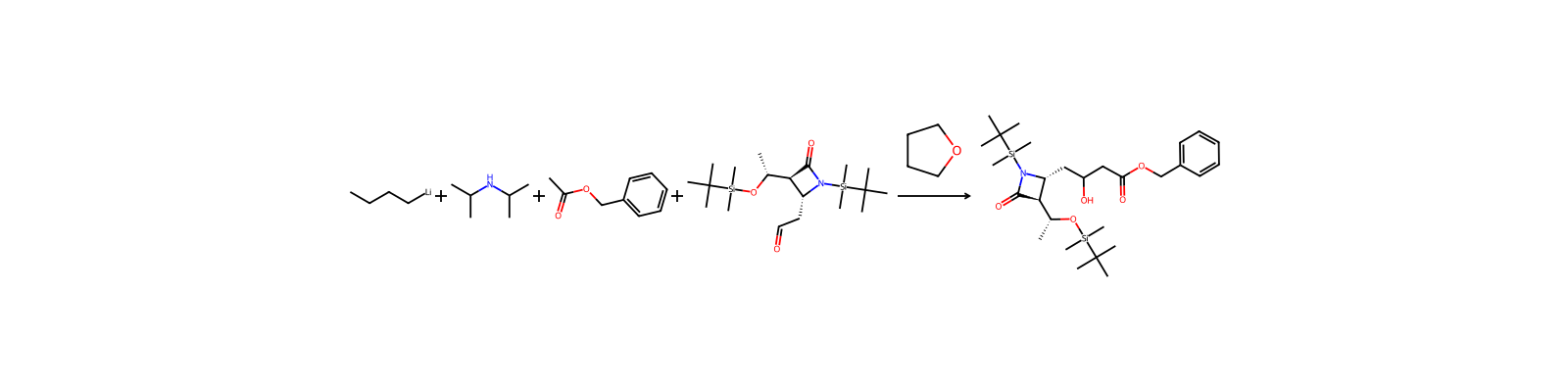


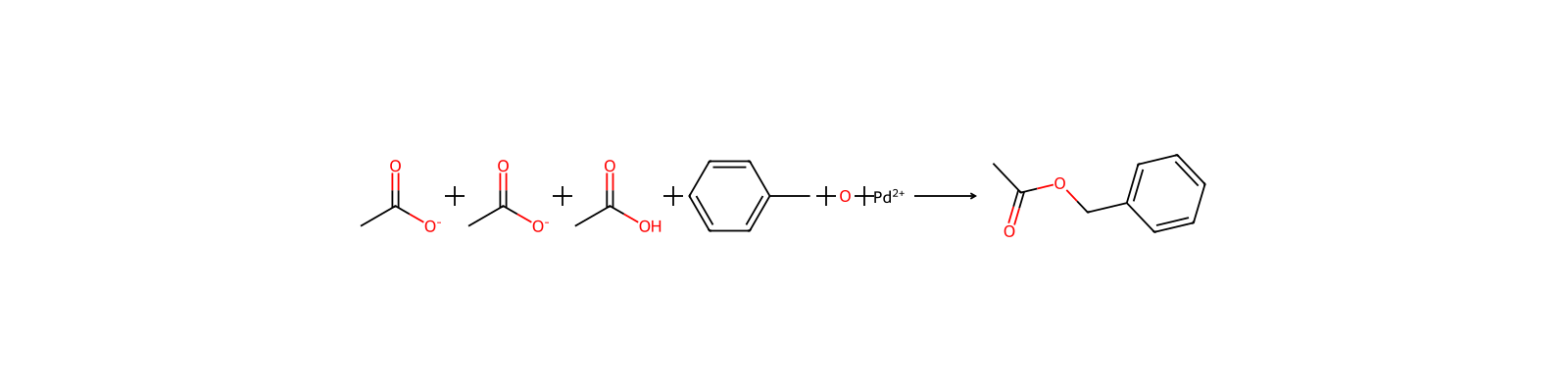
Linked notes
Loading…