
HRID 79318As reactant
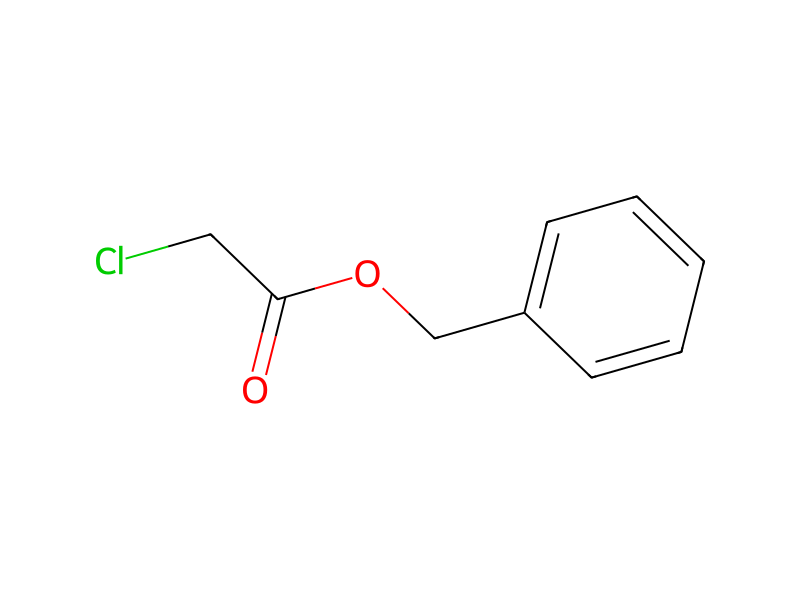
140-18-1O=C(CCl)OCc1ccccc1SOGXBRHOWDEKQB-UHFFFAOYSA-N140-18-1DTXSID8059689Safety information is for reference only and does not replace the supplier’s Safety Data Sheet (SDS), applicable regulations, or professional assessment.
Warning
H315 (100%): Causes skin irritation [Warning Skin corrosion/irritation]
P261, P264, P264+P265, P271, P280, P302+P352, P304+P340, P305+P351+P338, P319, P321, P332+P317, P337+P317, P362+P364, P403+P233, P405, and P501 (click each P-code to see the statement)
Aggregated GHS information provided per 43 reports by companies from 5 notifications to the ECHA C&L Inventory. Each notification may be associated with multiple companies.
Chemical: Acetic acid, chloro-, phenylmethyl ester
REACH registered substance: Phenylmethyl chloroacetate (EC: 205-400-0)
Acetic acid, chloro-, phenylmethyl ester: Does not have an individual approval but may be used under an appropriate group standard
UsesBenzyl chloroacetate may be used:in the synthesis of monoesters of phosphonoacetic acidin the synthesis of N-benzoyl-glycyl- hydroxyl acetic acid, ester substrate for carboxypeptidase Y catalyzed peptide synthesisas reagent in the total syntheses of the (±)-di-O-methyl ethers of the norlignans sequirin-A, agatharesinol, and hinokiresinol, and of (±)-tri-O-methyl sequirin-E
General DescriptionBenzyl chloroacetate is an ester. Could find usc in Jasmin, Lilac. Appleblossom fragrances, particularly for soap, where this ester has greater fixative effect than the Benzyl acetate. However, this ester must be absolutely acid-free to be permitted or recommended for use in any cosmetic product. The acid is highly corrosive. Older odor-descriptions of this ester seem to indicate that the product has not always been very pure.
PreparationFrom Benzyl alcohol and Monochloroacetic acid by direct esterification under azeotropic conditions.


