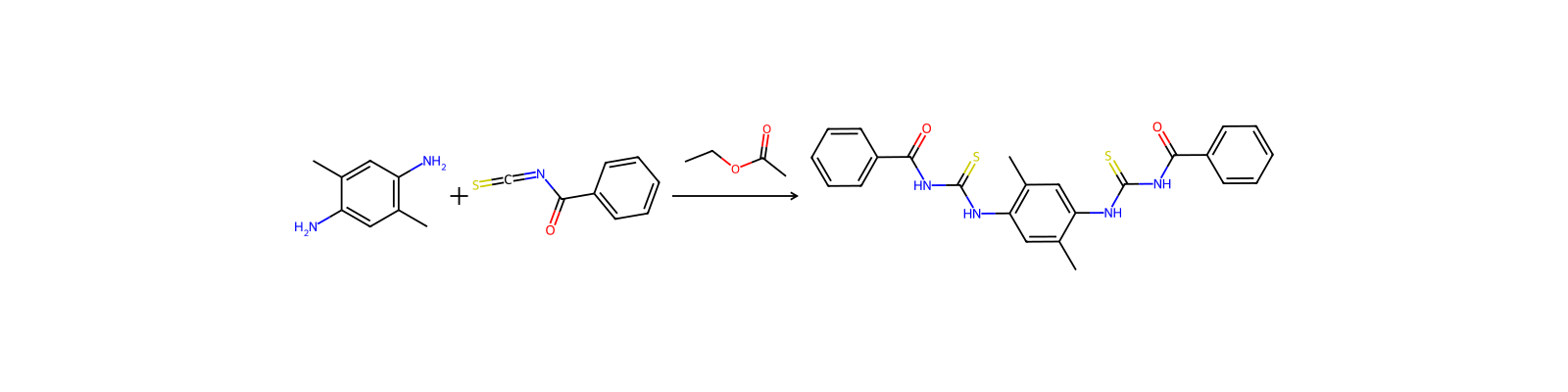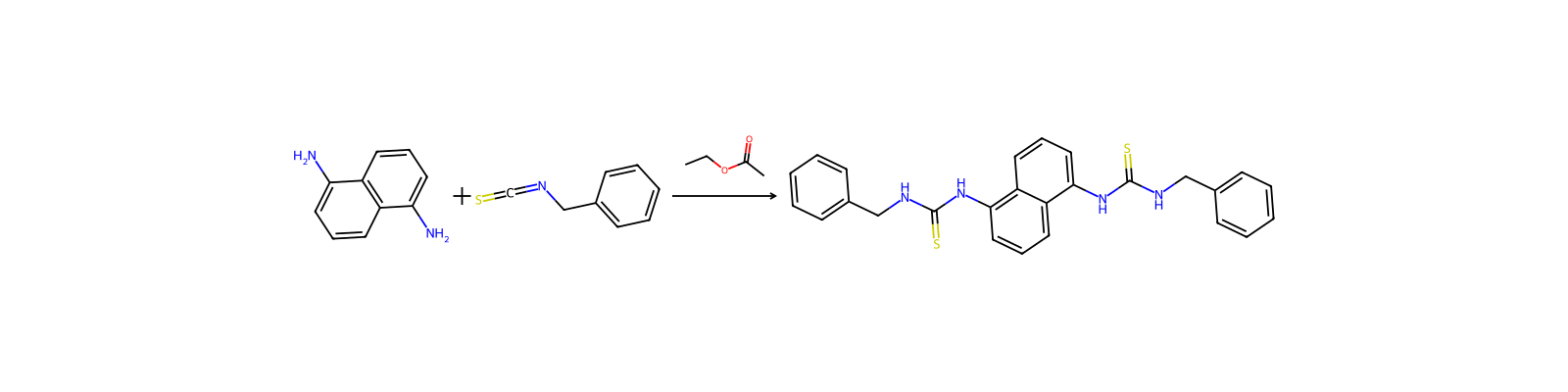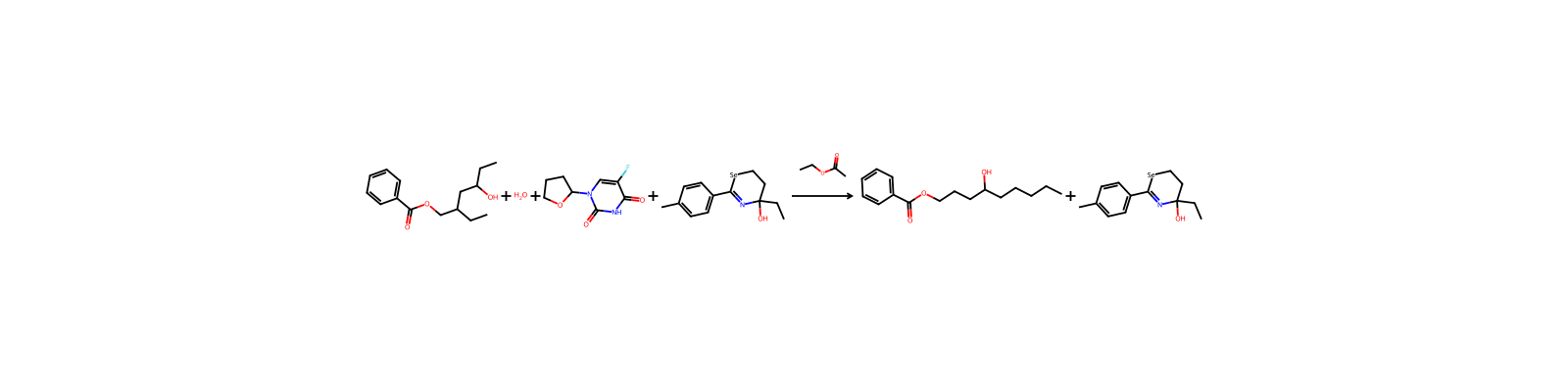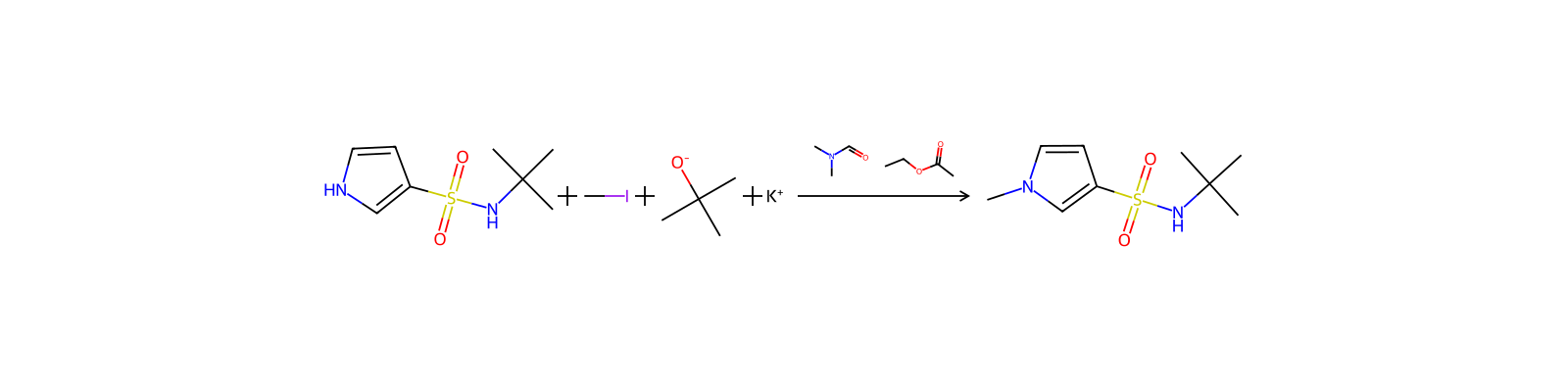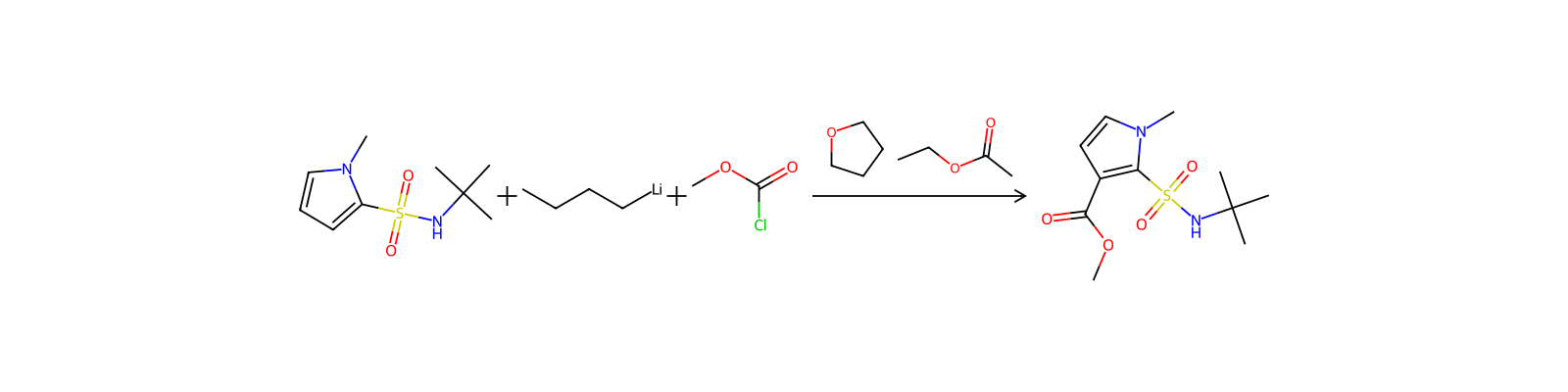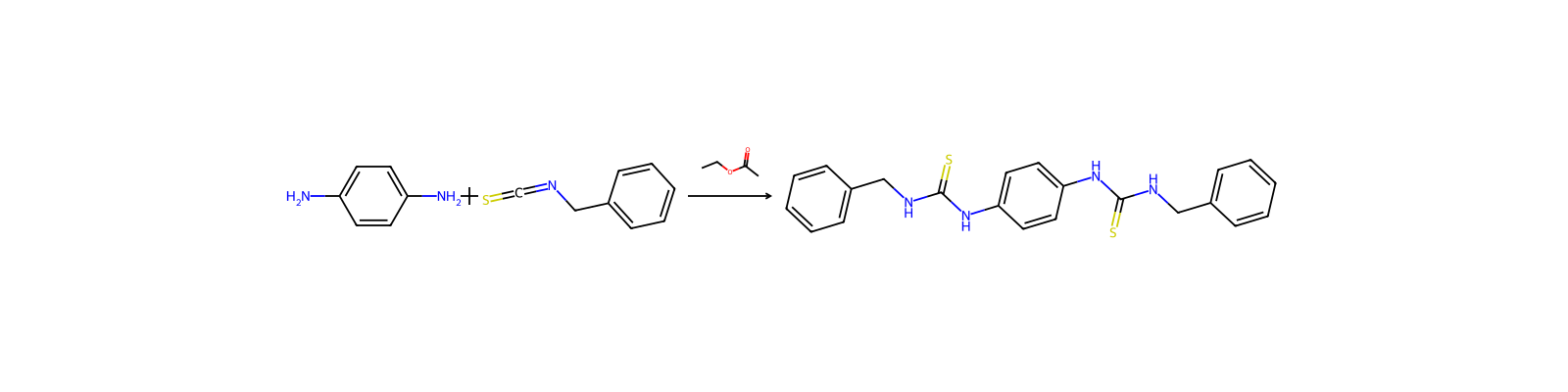
HRID 756As solvent

141-78-6CCOC(C)=OXEKOWRVHYACXOJ-UHFFFAOYSA-NEthyl acetate appears as a clear colorless liquid with a fruity odor. Flash point 24 °F. Less dense than water. Vapors heavier than air.
141-78-6DTXSID1022001CHEMBL14152CHEBI:27750Flammable agents - 3rd degree
Volatile Organic Compound (VOC)
Cosmetic ingredients (Ethyl Acetate) -> CIR (Cosmetic Ingredient Review)
Solvent
log Kow = 0.73
0.73
0.73
0.53
CHARACTERISTIC ETHER-LIKE ODOR REMINISCENT OF PINEAPPLE.
Fragrant odor
Ether-like, fruity odor
Fruity with a brandy note
Safety information is for reference only and does not replace the supplier’s Safety Data Sheet (SDS), applicable regulations, or professional assessment.
Danger
H225: Highly Flammable liquid and vapor [Danger Flammable liquids]
P210, P233, P240, P241, P242, P243, P261, P264+P265, P271, P280, P303+P361+P353, P304+P340, P305+P351+P338, P319, P337+P317, P370+P378, P403+P233, P403+P235, P405, and P501 (click each P-code to see the statement)
This chemical does not meet GHS hazard criteria for < 0.1% (3 of 5233) of reports.
Danger
H225 (> 99.9%): Highly Flammable liquid and vapor [Danger Flammable liquids]
Chemical: Acetic acid, ethyl ester
Regulation (EC) No 1831/2003 (amended)
Acetic acid ethyl ester is listed on the EPA's Chemical Data Reporting (CDR) system. Manufacturers and importers of Acetic acid ethyl ester are required to report information about their production and use of this chemical to the EPA under the Toxic Substances Control Act (TSCA). (40 eCFR Part 711)
REACH registered substance: Ethyl acetate (EC: 205-500-4)
Acetic acid ethyl ester: HSNO Approval: HSR001041 Approved with controls
The New Jersey Worker and Community Right to Know Act requires public and private employers to provide information about hazardous substances at their workplaces. (N.J.S.A. 34:5A-1 et. seq.)
Excerpt from ERG Guide 129 [Flammable Liquids (Water-Miscible / Noxious)]:
· HIGHLY FLAMMABLE: Will be easily ignited by heat, sparks or flames.
Highly flammable. Vapour/air mixtures are explosive. Heating will cause rise in pressure with risk of bursting.
... The current study was aimed at quantitating the extent of metabolism of inspired ethyl acetate in the upper respiratory tract (URT) of the F344 rat and Syrian hamster. Ethyl acetate deposition was measured in the surgically isolated URT of these species under constant velocity unidirectional flow conditions. The degree of metabolism was estimated by mathematic modeling based on a simple venous-equilibration approach and by direct comparison of deposition efficiencies in naive and carboxylesterase-inhibited animals. Ethyl acetate deposition efficiencies averaged between 10 and 35% in the rat URT and 36 and 72% in the hamster. Carboxylesterase inhibition decreased deposition in both species. Both the modeling efforts and the direct comparisons between naive and inhibited animals indicated that significant amounts of the deposited ethyl acetate were metabolized in the URT of both species with the extent of metabolism being more pronounced in the hamster. Specifically, 40-65% of the deposited ethyl acetate was metabolized in the URT of the rat compared to 63-90% in the hamster. This first-pass metabolism (i) increased URT deposition efficiencies; (ii) led to production of high metabolite levels in URT tissues; and (iii) decreased the amount of parent ethyl acetate available for absorption into the bloodstream in the URT.
Because of the abundance of nonspecific esterases, one might expect the common solvent ethyl acetate (EtAc) to be hydrolyzed to ethyl alcohol (EtOH) in vivo. It would then be possible to demonstrate EtOH accumulation following exposure to EtAc vapor. Preliminary studies showed that rat blood incubated at 37 °C does hydrolyze EtAc to EtOH, with a half-time of approximately 65 min. Analyses were done by gas chromatography. To study this reaction in vivo, rats were anesthetized with pentobarbital, and cannulae were inserted into the femoral arteries. EtAc was injected ip as a 25% () solution in corn oil (1.6 g/kg) and blood samples were drawn periodically. Hydrolysis was very rapid in vivo, with a half-time estimated at 5-10 min. Inhalation studies were then carried out by exposing anesthetized rats to several concentrations of EtAc vapor via an endotracheal tube. When EtAc concentrations were increased above 2000 ppm, EtAc absorption exceeded EtOH oxidation, leading to an accumulation of EtOH in the blood. Although blood EtOH concentrations increased steadily to over 0.10 g/100 mL in 5 hr, EtAc remained consistently below 0.01 g/100 mL and did not change throughout the course of the experiment, again indicating rapid hydrolysis. The data indicate that EtOH will accumulate during exposure to EtAc if the ambient concentration of EtAc is sufficiently high.
Pleasant taste when diluted
BITTERSWEET, WINE-LIKE BURNING TASTE.
Ethyl acetate ... contributes a fruity flavor to beer.
0.902 at 68 °F (USCG, 1999) - Less dense than water; will float
0.9003 g/cu cm at 20 °C
DENSITY OF SATURATED AIR (AIR= 1) 1.02; CONVERSION FACTORS: 1 MG/L= 278 PPM; 1 PPM= 3.60 MG/CU M
Relative density (water = 1): 0.9
0.894-0.898
0.9
Headache, irritation of respiratory passages and eyes, dizziness and nausea, weakness, loss of consciousness. (USCG, 1999)
· May cause toxic effects if inhaled or absorbed through skin.
Ethyl acetate is in the list of Some volatile substances which may be abused by inhalation published on the web site of the U.N. International Drug Control Programme, indicating its potential to cause narcosis in workers. [Reference #1] An eye and respiratory tract irritant; Inhalation of high concentrations may cause CNS effects; [ICSC]
1173 129
1173 129
Certification of this color additive when used as a diluent (in inks for marking fruit & vegetables) is not necessary for the protection of the public health and therefore batches thereof are exempt from the requirements of section 706(c) of the Federal Food, Drug, and Cosmetic Act. /Restrictions incl no residue./
Ethyl acetate ... may be safely used in food in accordance with the following conditions: (a) The additive meets the specifications of the Food Chemicals Codex ... (b) The additive is used in accordance with current good manufacturing practice as a solvent in the decaffeination of coffee and tea.
Synthetic flavoring substances and adjuvants /for human consumption/ that are generally recognized as safe for their intended use, within the meaning of section 409 of the Act. Ethyl acetate is included on this list.
Synthetic flavoring substances and adjuvants /for animal drugs, feeds, and related products/ that are generally recognized as safe for their intended use, within the meaning of section 409 of the Act. Ethyl acetate is included on this list.
The feed additive ethyl alcohol containing ethyl acetate meets the requirement of 27 CFR 21.62, being not less than 92.5 percent ethyl alcohol, each 100 gallons having had added the equivalent of 4.25 gallons of 100 percent ethyl acetate. It is used in accordance with good feeding practices in ruminant feed supplements as a source of added energy.
Excerpt from ERG Guide 129 [Flammable Liquids (Water-Miscible / Noxious)]:
Use alcohol-resistant foam, foam, powder, carbon dioxide, fine water spray. In case of fire: keep drums, etc., cool by spraying with water.
Fresh air, rest. Refer for medical attention.
Rinse contaminated clothes (fire hazard) with plenty of water. Remove contaminated clothes. Rinse skin with plenty of water or shower.
Rinse with plenty of water for several minutes (remove contact lenses if easily possible).
Rinse mouth. Seek medical attention if you feel unwell.
· CALL 911. Then call emergency response telephone number on shipping paper. If shipping paper not available or no answer, refer to appropriate telephone number listed on the inside back cover.
· ELIMINATE all ignition sources (no smoking, flares, sparks or flames) from immediate area.
EYES: First check the victim for contact lenses and remove if present. Flush victim's eyes with water or normal saline solution for 20 to 30 minutes while simultaneously calling a hospital or poison control center. Do not put any ointments, oils, or medication in the victim's eyes without specific instructions from a physician. IMMEDIATELY transport the victim after flushing eyes to a hospital even if no symptoms (such as redness or irritation) develop.
General First Aid:
(General first aid procedures)
· Wear positive pressure self-contained breathing apparatus (SCBA).
614.0 [ppm]
200.0 [ppm]
Cool exposed containers with water.
Use carbon dioxide, dry chemical, or alcohol foam.
Wear self contained breathing apparatus for fire fighting if necessary.
Keep tightly closed in cool place.
During transport: stable during transport. Storage temperature: ambient. Venting: open (flame arrester) or pressure-vacuum.
... Containers which are opened must be carefully resealed and kept upright to prevent leakage.
On storage, it is slowly decomposed by water.
ACCIDENTAL RELEASE MEASURES. Personal precautions, protective equipment and emergency procedures: Use personal protective equipment. Avoid breathing vapours, mist or gas. Ensure adequate ventilation. Remove all sources of ignition. Evacuate personnel to safe areas. Beware of vapours accumulating to form explosive concentrations. Vapours can accumulate in low areas.; Environmental precautions: Prevent further leakage or spillage if safe to do so. Do not let product enter drains.; Methods and materials for containment and cleaning up: Contain spillage, and then collect with an electrically protected vacuum cleaner or by wet-brushing and place in container for disposal according to local regulations.
1. Remove all ignition sources. 2. Ventilate area of spill or leak. 3. For small quantities, absorb on paper towels. Evaporate in a safe place (such as a fume hood). Allow sufficient time for evaporating vapors to completely clear the hood ductwork. Burn the paper in a suitable location away from combustible materials. Large quantities can be collected and atomized in a suitable combustion chamber. Ethyl acetate should not be allowed to enter a confined space, such as a sewer, because of the possibility of an explosion.
1. By absorbing it in vermiculite, dry sand, earth, or a similar material.
The following wastewater treatment technologies have been investigated for Ethyl acetate: Concentration process: Biological treatment.
The following wastewater treatment technologies have been investigated for Ethyl acetate: Concentration process: Activated carbon.
Generators of waste (equal to or greater than 100 kg/mo) containing this contaminant, EPA hazardous waste numbers U112 and F003, must conform with USEPA regulations in storage, transportation, treatment and disposal of waste.
SRP: Wastewater from contaminant suppression, cleaning of protective clothing/equipment, or contaminated sites should be contained and evaluated for subject chemical or decomposition product concentrations. Concentrations shall be lower than applicable environmental discharge or disposal criteria. Alternatively, pretreatment and/or discharge to a permitted wastewater treatment facility is acceptable only after review by the governing authority and assurance that "pass through" violations will not occur. Due consideration shall be given to remediation worker exposure (inhalation, dermal and ingestion) as well as fate during treatment, transfer and disposal. If it is not practicable to manage the chemical in this fashion, it must be evaluated in accordance with EPA 40 CFR Part 261, specifically Subpart B, in order to determine the appropriate local, state and federal requirements for disposal.
Incineration: Burn waste material in an approved waste disposal incinerator.
1. By absorbing it in vermiculite, dry sand, earth, or a similar material. 2. By atomizing in a suitable combustion chamber.
For more Disposal Methods (Complete) data for ETHYL ACETATE (6 total), please visit the HSDB record page.
Mother's milk from 4 urban areas in the USA, 1 of 8 samples tested positive for ethyl acetate(1). 7 out of 12 breath samples collected from nine volunteers in Bayonne and Elizabeth, NJ between July and Dec 1980 contained ethyl acetate at unreported concentrations(2). Ethyl acetate was identified as a component in 13.7% of expired air samples from 54 volunteers in the Chicago area at a geometric mean concentration of 0.447 ng/L(3). Ethyl acetate was detected in expired air samples from 5 of 8 male volunteers at levels ranging from 0.30 to 190.0 ug/hr(4). Five out of 8 personal air samples collected from volunteers in Bayonne and Elizabeth, NJ between July and Dec 1980 contained ethyl acetate at unreported concentrations(5).
Study of 30 workers exposed chronically to 15-50 mg of ethyl acetate in addition to 20 to 80 mg of amyl acetate/L of air showed no ... abnormalities in cornea, merely hyperemia of bulbar conjunctiva. ... Prolonged inhalation may be damaging to lung, liver, kidney, & heart. ... No effect on eyes ... known from systemic absorption.
Ethyl acetate in combination with toluene appeared to produce a mixture of lower toxicity than that of either compound alone. Mixing of ethyl acetate with propylene oxide, propylene glycol, or formalin appears to decr its LD50 value, but its toxicity increases in combination with morpholine, ethylene glycol, or ethyl alcohol.
In order to determine the lung disease potential of waterproofing sprays, several components of suspected sprays, as well as a commercial spray, were tested on CD-l-mice. Mice placed in inhalation chambers were exposed to aerosols containing one or more of the suspected components, including n-heptane, ethyl-acetate, fluororesin, silicone, and a commercial spray. An intermittent inhalation methods was used to prevent the solvents from causing anesthetic death. Mice were sacrificed 1 hour after the end of exposure. The lungs of both exposed and control mice were isolated and examined microscopically for any changes. The amounts released of the were similar. Mice exposed to the commercial and fluororesin sprays were cyanotic and depressed for 1 hour, while those exposed to the other sprays were cyanotic for only several minutes. In almost all mice exposed to the commercial spray, significant changes relative to the controls included a thickened pulmonary alveolar septa, cellular infiltration, fused and hemorrhaged alveolar walls, and diminished alveoli. Fluororesin particles were found in the alveolar space. Significantly more pronounced pathological changes were discovered in mice exposed to the fluororesin spray, relative to the commercial spray. In mice exposed to the silicone spray, significant differences were observed in alveolar collapse and hemorrhage, compared to the controls. The lungs of mice exposed to the N-heptane, ethyl-acetate, and fluororesin free sprays were similar to control lungs. In mice exposed to the silicon resin free spray, significant changes, relative to the commercial spray group, included alveolar collapse, hyperemia, hemorrhage and increased thickness and cellular infiltration of the septum. /It was/ concluded that ethyl-acetate and n-heptane contained in waterproofing sprays do not cause pulmonary disorders. Instead, fluororesin is implicated in respiratory disorders caused by such sprays.
LC50; Species: Heteropneustes fossilis (Common Indian catfish); Conditions: /freshwater, static/; Concentration: 212.5 ppm for 96 hr
EC50; Species: Chlorococcales (Green Algae Order); Conditions: freshwater, static; Concentration: 4300000 ug/L for 24 hr; Effect: physiology, assimilation efficiency /formulation/
EC50; Species: Scenedesmus subspicatus (Green Algae) exponential growth phase; Conditions: freshwater, static, 24 °C, pH 8.0-9.3; Concentration: 3300000 ug/L for 48 hr; Effect: population, decreased biomass /formulation/
EC50; Species: Scenedesmus subspicatus (Green Algae) exponential growth phase; Conditions: freshwater, static, 24 °C, pH 8.0-9.3; Concentration: 5600000 ug/L for 48 hr; Effect: decreased population, general population changes /formulation/
For more Ecotoxicity Values (Complete) data for ETHYL ACETATE (13 total), please visit the HSDB record page.
TERRESTRIAL FATE: Based on a classification scheme(1), an estimated Koc value of 18(SRC), determined from a log Kow of 0.73(2) and a regression-derived equation(3), indicates that ethyl acetate is expected to have very high mobility in soil(SRC). Volatilization of ethyl acetate from moist soil surfaces is expected to be an important fate process(SRC) given a Henry's Law constant of 1.34X10⁻⁴ atm-cu m/mole(4). Ethyl acetate is expected to volatilize from dry soil surfaces(SRC) based upon a vapor pressure of 93.2 mm Hg at 25 °C(5). Utilizing the Japanese MITI test, 95% of the Theoretical BOD was reached in 2 weeks(6) indicating that biodegradation is an important environmental fate process in soil(SRC).
AQUATIC FATE: Based on a classification scheme(1), an estimated Koc value of 18(SRC), determined from a log Kow of 0.73(2) and a regression-derived equation(3), indicates that ethyl acetate is not expected to adsorb to suspended solids and sediment(SRC). Volatilization from water surfaces is expected(4) based upon a Henry's Law constant of 1.34X10⁻⁴ atm-cu m/mole(5). Using this Henry's Law constant and an estimation method(4), volatilization half-lives for a model river and model lake are 9 hrs and 6 days, respectively(SRC). According to a classification scheme(6), an estimated BCF of 3(SRC), from its log Kow(2) and a regression-derived equation(3), suggests the potential for bioconcentration in aquatic organisms is low(SRC). Utilizing the Japanese MITI test, 95% of the Theoretical BOD was reached in 2 weeks(7) indicating that biodegradation is an important environmental fate process in water(SRC).
ATMOSPHERIC FATE: According to a model of gas/particle partitioning of semivolatile organic compounds in the atmosphere(1), ethyl acetate, which has a vapor pressure of 93.2 mm Hg at 25 °C(2), is expected to exist solely as a vapor in the ambient atmosphere. Vapor-phase ethyl acetate is degraded in the atmosphere by reaction with photochemically-produced hydroxyl radicals(SRC); the half-life for this reaction in air is estimated to be 9 days(SRC), calculated from its rate constant of 1.6X10⁻¹² cu cm/molecule-sec at 25 °C(3). Ethyl acetate does not contain chromophores that absorb at wavelengths >290 nm(4) and, therefore, is not expected to be susceptible to direct photolysis by sunlight(SRC).
Ethyl acetate forms from the reaction of acetyl coenzyme A with ethanol, and its formation depends greatly on temperature. Maximum formation occurs at 20-25 °C. Therefore, top fermented beers contain higher amounts of this ester.
Ethyl acetate is found in USA lager beer, 25 to 50 ppm(1). It is a component of Orleans vinegar(2) and artificial grape flavoring(3). Ethyl acetate was identified as a volatile component of roasted filberts(4), fried bacon(5), Beaufort cheese(6), blue cheese(7), Idaho Russet Burbank baked potatoes(8), and the edible Korean chamchwi plant(9). Korean salt-fermented anchovy, big-eyed herring, hair tail viscera and shrimp pastes contained ethyl acetate at mean concentrations of 3490, 1660, 2340, and 3750 ng/g, respectively(10). Ethyl acetate was detected in beer at a concentration of 8 ppm(11). Ethyl acetate was identified as a volatile compound in kiwi fruit, comprising 3.9, 4.7, and 1.6% of the components in mature, ripe, and very ripe fruit, respectively(12). It was also identified as a volatile component of pineapple guava at a concentration of 0.11 ug/g(13). Fresh grapefruit juice contained 1.65 ppm ethyl acetate(14). Ethyl acetate was identified in mature and overripe guava fruits at concentrations of 614.1 and 8884.2 ug/kg, respectively(15). It was identified as a volatile flavor component of the strawberry variety Sivetta and in Golden Delicious apples(16).
Ethyl acetate was identified as a volatile component of duck meat, duck fat, Cantonese style roasted duck, and Cantonese style roasted duck gravy at concentrations of <0.05, 2.43, 23.94, and <0.05 ppb wet weight, respectively(1). It was identified as a volatile compound in fried chicken flavor(2), nectarines(3), Concord grape essence(4), three Conn Creek wines(5), Sukiyaki(6), bananas(7), and floured Chickpea seed(8). Ethyl acetate was detected in fresh hand-squeezed (mechanically) unpasteurized orange juice from five different cultivars and one hybrid at concentrations of, ppm: 0.28 (0.15 to 0.25) in Valencia oranges; 0.17 to 0.23 (0.15) in Pineapple oranges; 0.12 to 0.13 in Hamlin oranges; 0.77 in Florida navel oranges; 0.17 in California navel oranges; 0.28 in Pera oranges; and 0.12 (0.082) in Ambersweet oranges(9). Large amounts of ethyl acetate were detected in headspace from Bisbee Delicious apples at the earliest harvests(10).
Ethyl acetate was detected, not quantified as a flavor volatile of Korean red pine (Pinus densiflora) sprout tea and pine needle tea; needles were collected in May to June 1995(1). It is a volatile constituent from the leaves of Callicarpa japonica Thunb. /Japanese beautyberry/, a member of the Verbenaceae family native to Korea, Japan, China and Taiwan(2).
The substance can be absorbed into the body by inhalation of its vapour.
inhalation, ingestion, skin and/or eye contact
Safe in the present practices of use and concentration. Ingredient, concentration, and use information are available in documents discoverable at https://cir-reports.cir-safety.org
IDENTIFICATION AND USE: Ethyl Acetate is a colorless liquid with a smell similar to glue or nail polish that is used as an industrial solvent. Ethyl Acetate is used as a solvent for chemical reactions. Because of its odor it is often used in cosmetics and its smell is associated with nail polishes. Additionally, it is used in confectionery, perfumes, and fruits because it evaporates at a fast rate, leaving but the scent of the perfume on the skin. Ethyl acetate is an effective poison for use in insect collector as its vapors are a respiratory tract irritant whose vapors can kill the insect quickly without destroying it, leaving it intact for study. HUMAN EXPOSURE AND TOXICITY: Short-term exposure to high levels of ethyl acetate results first in irritation of the eyes, nose and throat, followed by headache, nausea, vomiting, sleepiness, and unconsciousness. High concentrations can cause CNS depression and congestion of the liver and kidneys. Chronic poisoning has been described as producing anemia, leucocytosis (transient increase in the white blood cell count), and cloudy swelling, and fatty degeneration. Runners were evaluated after complaining of wheezing coughing, rhinitis, or shortness of breath after practicing in a facility under construction. Investigation revealed levels of ethyl acetate and toluene low enough to meet federal guidelines but apparently sufficient to cause symptoms in the athletes. Its carcinogenic properties are not known. Workers who in earlier years had been exposed to ethyl acetate concentrations of 300 mL/cu m and who were exposed at the time of the investigation to 16 mL/cu m were found to have normal sperm quality. ANIMAL STUDIES: In animals it has a narcotic effect at concentrations of over 5000 ppm. Repeated exposures of rabbits to 4450 ppm for 1 hr daily for 40 days resulted in anemia with leukocytosis, and damage to liver and kidneys. Male rats exposed to a high dose (3600 mg/kg/day) of ethyl acetate by gavage showed significant toxic effects, which resulted in depressed body and organ weights, and depressed food consumption. Female rats exposed to the high dose showed slight but non-significant depression of above parameters compared with controls. Exposure of rats to 750 and 1500 ppm ethyl acetate via inhalation for 6 hr per day, 5 days per week for 13 weeks, diminished behavioral responses to unexpected auditory stimuli during the exposure session and appeared to have an acute sedative effect. There were no signs of acute intoxication 30 min after exposure sessions ended. Rats exposed to 750 and 1500 ppm had reduced body weight, body weight gain, feed consumption, and feed efficiency, which fully or partially recovered within 4 weeks. Reductions in body weight gain and feed efficiency were observed in male rats exposed to 350 ppm. The principal behavioral effect of subchronic exposure was reduced motor activity in the 1500 ppm females, an effect that was not present after the 4-week recovery period. All other functional observation battery and motor activity parameters were unaffected, and no pathology was observed in nervous system tissues. In conclusion, there was no evidence that subchronic exposure up to 1500 ppm ethyl acetate produced any enduring neurotoxic effects in rats. Ethyl acetate is strong inducer of aneuploidy in the yeast Saccaromyces cerevisiae, but was negative for mutagenicity in Salmonella typhimurium assays. The solvent yielded negative result in the micronucleus assay in Chinese hamsters in vivo. In vivo hydrolysis of ethyl acetate to acetic acid and ethanol occurred rapidly. ECOTOXICITY STUDIES: Exposure of the common indian catfish (Heteropneustes fossilus) to 170 ppm of ethyl acetate for 3, 6, 12, 48, and 96 hr induced marked changes in carbohydrate metabolism. Hepatic glycogen levels declined significantly at 3, 48, and 96 hr, but there was no marked alteration in muscle glycogen content at any of the exposure periods. Hyperglycemia occurred at all time intervals. Blood pyruvate levels were elevated at 3, 6, 48, and 96 hr. Hyperlacticemia resulted at 3 and 96 hr, but hypolacticemia occurred at 6 and 12 hr. Impairment of carbohydrate metabolism might be responsible for the toxic action of ethyl acetate.
/AQUATIC SPECIES/ Exposure of the fish /common Indian catfish, Heteropneustes fossilus/ to 170 ppm of ethyl acetate for 3, 6, 12, 48, and 96 hr induced marked changes in carbohydrate metabolism. Hepatic glycogen levels declined significantly at 3, 48, and 96 hr, but there was no marked alteration in muscle glycogen content at any of the exposure periods. Hyperglycemia occurred at all time intervals. Blood pyruvate levels were elevated at 3, 6, 48, and 96 hr. Hyperlacticemia resulted at 3 and 96 hr, but hypolacticemia occurred at 6 and 12 hr. Impairment of carbohydrate metabolism might be responsible for the toxic action of ethyl acetate.
Certification of this color additive when used as a diluent (in inks for marking fruit & vegetables) is not necessary for the protection of the public health and therefore batches thereof are exempt from the requirements of section 706(c) of the Federal Food, Drug, and Cosmetic Act. /Restrictions incl no residue./
Ethyl acetate ... may be safely used in food in accordance with the following conditions: (a) The additive meets the specifications of the Food Chemicals Codex ... (b) The additive is used in accordance with current good manufacturing practice as a solvent in the decaffeination of coffee and tea.
Synthetic flavoring substances and adjuvants /for human consumption/ that are generally recognized as safe for their intended use, within the meaning of section 409 of the Act. Ethyl acetate is included on this list.
Synthetic flavoring substances and adjuvants /for animal drugs, feeds, and related products/ that are generally recognized as safe for their intended use, within the meaning of section 409 of the Act. Ethyl acetate is included on this list.
The feed additive ethyl alcohol containing ethyl acetate meets the requirement of 27 CFR 21.62, being not less than 92.5 percent ethyl alcohol, each 100 gallons having had added the equivalent of 4.25 gallons of 100 percent ethyl acetate. It is used in accordance with good feeding practices in ruminant feed supplements as a source of added energy.
U112; As stipulated in 40 CFR 261.33, when ethyl acetate, as a commercial chemical product or manufacturing chemical intermediate or an off-specification commercial chemical product or a manufacturing chemical intermediate, becomes a waste, it must be managed according to Federal and/or State hazardous waste regulations. Also defined as a hazardous waste is any residue, contaminated soil, water, or other debris resulting from the cleanup of a spill, into water or on dry land, of this waste. Generators of small quantities of this waste may qualify for partial exclusion from hazardous waste regulations (40 CFR 261.5).
F003; When ethyl acetate is a spent non-halogenated solvent, it is classified as a hazardous waste from a nonspecific source (F003), as stated in 40 CFR 261.31, and must be managed according to State and/or Federal hazardous waste regulations.
Residues of ethyl acetate are exempted from the requirement of a tolerance when used in accordance with good agricultural practice as inert (or occasionally active) ingredients in pesticide formulations applied to growing crops only. Use: solvent, cosolvent.
As the federal pesticide law FIFRA directs, EPA is conducting a comprehensive review of older pesticides to consider their health and environmental effects and make decisions about their continued use. Under this pesticide reregistration program, EPA examines newer health and safety data for pesticide active ingredients initially registered before November 1, 1984, and determines whether the use of the pesticide does not pose unreasonable risk in accordance to newer saftey standards, such as those described in the Food Quality Protection Act of 1996. Pesticides for which EPA had not issued Registration Standards prior to the effective date of FIFRA '88 were divided into three lists based upon their potential for human exposure and other factors, with List B containing pesticides of greater concern than those on List C, and with List C containing pesticides of greater concern than those on List D. Ethyl acetate is found on List D. Case No: 4005; Pesticide type: insecticide, herbicide, antimicrobial; Case Status: OPP is reviewing data from the pesticide's producers regarding its human health and/or environmental effects, or OPP is determining the pesticide's eligibility for reregistration and developing the Reregistration Eligibility Decision (RED) document.; Active ingredient (AI): Ethyl acetate; AI Status: The active ingredient is no longer contained in any registered pesticide products ... "cancelled."
This action promulgates standards of performance for equipment leaks of Volatile Organic Compounds (VOC) in the Synthetic Organic Chemical Manufacturing Industry (SOCMI). The intended effect of these standards is to require all newly constructed, modified, and reconstructed SOCMI process units to use the best demonstrated system of continuous emission reduction for equipment leaks of VOC, considering costs, non air quality health and environmental impact and energy requirements. Ethyl acetate is produced, as an intermediate or final product, by process units covered under this subpart.
Persons in charge of vessels or facilities are required to notify the National Response Center (NRC) immediately, when there is a release of this designated hazardous substance, in an amount equal to or greater than its reportable quantity of 5000 lb or 2270 kg. The toll free number of the NRC is (800) 424-8802. The rule for determining when notification is required is stated in 40 CFR 302.4 (section IV. D.3.b).
... Ethyl acetate ... metabolism produces corresponding ethyl alcohol & is partly excreted in exhaled air & urine & partly metabolized.
Metabolic studies in the rat have revealed an approximate 2000 ppm no-effect level. At higher levels, the rate of hydrolysis of ethyl acetate appeared to exceed ethanol oxidation, leading to its accumulation in the vascular system. Also, when it was injected intraperitoneally at 1.6 g/kg, hydrolysis to acetic acid and ethanol occurred rapidly. Intraperitoneal injections of 1 mL/kg to male rats for 8 days increased the blood pyruvic and lactic acid content considerably and also elevated the glycolytic enzymatic activity.
CIR ingredient: Ethyl Acetate
Used as a solvent for organic chemicals and surface coatings; [ACGIH]
Painting (Solvents) [Category: Paint]
Intalagio printing [Category: Hobbies]
For ethyl acetate (USEPA/OPP Pesticide Code: 044003) there are 0 labels match. /SRP: Not registered for current use in the U.S., but approved pesticide uses may change periodically and so federal, state and local authorities must be consulted for currently approved uses./
The active ingredient is no longer contained in any registered pesticide products ... "cancelled."
(1978) 2.88X10+10 G
(1982) 4.99X10+10 G
(1985) 3.53X10+10 g
(1987) 6.8X10+7 lb
(1988) 3.23X10+6 lb
(1978) 2.90X10+9 G
(1982) 5.15X10+9 G
(1985) 4.40X10+9 g
(1986) 9.14X10+6 lb
2023: 100,000,000 - <250,000,000 lb
(1978) 8.26X10+10 G
(1982) 1.07X10+11 G
(1985) 8.71X10+10 g
(1986) 1.92X10+8 lb
For more U.S. Production (Complete) data for ETHYL ACETATE (8 total), please visit the HSDB record page.
SOLVENT FOR: COATINGS (EG, SHELLAC), 65%; PLASTICS (EG, VINYL RESINS), 12%; OTHER SOLVENT USES (EG, INKS), 20%; CHEM INTERMEDIATE, 3% (1983)
Lacquers and enamels, 60%; inks, 15%; miscellaneous, 25% (1983) /estimate/
CHEMICAL PROFILE: Ethyl Acetate. Coatings solvent, 40%; exports, 38%; miscellaneous solvent uses, 12%; plastics, 8%; chemical synthesis, 2%.
CHEMICAL PROFILE: Ethyl acetate. Demand: 1988: 210 million lb; 1989: 210 million lb; 1993 /projected/: 220 million lb. (Includes exports, but not imports, which totaled 30 million lb last year.)
CHEMICAL PROFILE: Ethyl Acetate. Demand, million pounds: 325 in 1996, 335 in 1997, est 400 in 2001 (includes exports of 100 to 125 million pounds; but not imports in the range of 20 million to 30 million pounds annually). Uses: coatings solvent, 60%; process solvent, including pharmaceuticals and organic synthesis, 15%; inks solvent, 15%; miscellaneous solvent uses, including adhesives and cosmetics, 10%.
Ethyl acetate is produced commercially by the Tischenko condensation of acetaldehyde using an aluminum ethoxide catalyst.
Co-product of butane oxidation to acetic acid at 175 °C and 50 atm in the presence of catalytic cobalt and chromium ions; co-product of the ethanolysis of polyvinyl acetate to polyvinyl alcohol.
Acetaldehyde (Tishchenko reaction); ethanol + acetic acid (esterification); polyvinyl acetate + ethanol (transesterification; byproduct of polyvinyl alcohol reaction).
By heating acetic acid and ethyl alcohol in the presence of sulfuric acid and distilling.
Grades: Commercial, 85-88%; 95-98%; 99%; NF /National Formulary/ (99%); FCC /Food Chemical Codex/.
Nail polish remover typically 40 wt% ethyl acetate.
EPA Safer Chemical Functional Use Classes -> Solvents
Safer Chemical Classes -> Green half-circle - The chemical is expected to be of low concern
Fragrance Ingredients
Flavouring Agent -> FLAVOURING_AGENTFood Additives -> CARRIER_SOLVENT -> JECFA Functional Classes
Flavoring Agents -> JECFA Flavorings Index
Flavouring Agent -> FLAVOURING_AGENTFood Additives -> CARRIER_SOLVENT -> JECFA Functional Classes
UsesIndustry Applications Role/Benefit Flavor and essence Food flavor Used largely to prepare bananas, pears, peaches, pineapple and grape scent food flavors, etc Alcoholic essence Used slightly as fragrance volatile Perfume essence Used slightly as fragrance volatile Chemical manufacture Production of acetamide, acetyl acetate, methyl heptanone, etc Organic chemical raw materials Production of organic acid Extracting agent Laboratory Dilution and extraction Supply excellent dissolving capacity Chromatographic analysis Standard material Column chromatography and extractions Main component of mobile phase Reaction solvent Be prone to hydrolysis and transesterification Chemical analysis Thermometer calibration for sugar separation Standard material Determination of bismuth, boron, gold, molybdenum, platinum and thallium Solvent Entomology Insect collecting and study Used as effective asphyxiant to kill the collected insect quickly without destroying it Textile industry Cleaning agent Supply excellent dissolving capacity Printing Flexographic and rotogravure printing Dissolve the resin, control the viscosity and modify the drying rate Electronics industry Viscosity reducer Reduce
DescriptionEthyl acetate (systematically, ethyl ethanoate, commonly abbreviated EtOAc or EA) is the organic compound with the formula CH3COOCH2CH3. This colorless liquid has a characteristic sweet smell (similar to pear drops) and is used in glues, nail polish removers, decaffeinating tea and coffee, and cigarettes (see list of additives in cigarettes). Ethyl acetate is the ester of ethanol and acetic acid; it is manufactured on a large scale for use as a solvent. The combined annual production in 1985 of Japan, North America, and Europe was about 400,000 tons. In 2004, an estimated 1.3M tons were produced worldwide.
OccurrenceAlthough it has been reported present in some natural fruital aromas and in some distillates (rum, rum ether), it has not been reported yet as a constituent of essential oils; it has been identified also in the petals of Magnolia fuscata. Reported found in many foods including fresh and cooked apple, apricot, banana (169 ppm), sweet and sour cherry, citrus peel oils and juices, blueberry, cranberry, black currants, raspberry, blackberry, guava, passion fruit, melon, peaches, papaya, pineapple, cabbage, onion, leek, potato, tomato (3 to 6 ppm), clove, ginger, vinegar, breads, cheeses (0.2 to 0.8 ppm), butter (2 ppm), yogurt, milk, meats, cognac, beer (4 to 64 ppm), whiskies, cider, sherry, grape wines, rum, cocoa, coffee, tea, filberts, peanuts, popcorn, oats, honey, soybeans, coconut, olive oil (0.02 ppm) and olive.
UsesEthyl acetate is used as a solvent for varnishes, lacquers, and nitrocellulose; as anartificial fruit flavor; in cleaning textiles;and in the manufacture of artificial silk andleather, perfumes, and photographic filmsand plates (Merck 1996). Ethyl Acetate is generally used as a solvent in organic reactions. Environmental contaminants; Food contaminants.
UsesPharmaceutic aid (flavor); artificial fruit essences; solvent for nitrocellulose, varnishes, lacquers, and aeroplane dopes; manufacture of smokeless powder, artificial leather, photographic films and plates, artificial silk, perfumes; cleaning textiles, etc.
UsesEthyl acetate is used primarily as a solvent and diluent, being favored because of its low cost, low toxicity, and agreeable odor. For example, it is commonly used to clean circuit boards and in some nail varnish removers (acetone and acetonitrile are also used). Coffee beans and tea leaves are decaffeinated with this solvent.It is also used in paints as an activator or hardener.[citation needed] Ethyl acetate is present in confectionery, perfumes, and fruits. In perfumes, it evaporates quickly, leaving only the scent of the perfume on the skin.3 – 1 - Laboratory uses In the laboratory, mixtures containing ethyl acetate are commonly used in column chromatography and extractions. Ethyl acetate is rarely selected as a reaction solvent because it is prone to hydrolysis and trans esterification. 3 – 2 - Occurrence in wines Ethyl acetate is the most common ester in wine, being the product of the most common volatile organic acid — acetic acid, and the ethyl alcohol generated during the fermentation. The aroma of ethyl acetate is most vivid in younger wines and contributes towards the general perception of "fruitiness" in the wine. 3 – 3 - Entomological killing agent In the field of entomology, ethyl acetate is an effective asphyxiant for use in insect collecting and study. In a killing jar charged with ethyl acetate, the vapors will kill the collected (usually adult) insect quickly without destroying it. Because it is not hygroscopic, ethyl acetate also keeps the insect soft enough to allow proper mounting suitable for a collection.
General DescriptionEthyl acetate, a carboxylate ester, is bio-friendly organic solvent with wide range of industrial applications. Its synthesis by reactive distillation and by acceptorless dehydrogenative dimerization of ethanol has been explored. Its utility as a less toxic alternative to diethyl ether in the formalin-ether (F-E) sedimentation procedure for intestinal parasites has been investigated. Its ability as an acyl acceptor in the immobilized lipase-mediated preparation of biodiesel from crude vegetable oils has been examined. The complete degradation of ethyl acetate to CO2 using manganese octahedral molecular sieve (OMS-2) has been investigated.
PreparationEthyl acetate is made by esterification of acetic acid with ethanol, from acetaldehyde, or by the direct addition of ethylene to acetic acid. BP started a 220,000 tonne/year plant in 2001 to operate the last of these processes, known as AVADA. Ethylene and acetic acid react in the presence of a heteropolyacid catalyst to give ethyl acetate at a claimed high selectivity and 99.97% purity. This is the world’s largest ethyl acetate plant and is motivated by its increasing use as a more “acceptable” solvent than hydrocarbons. In some countries, where ethanol is expensive or there is surplus acetaldehyde capacity, ethyl acetate is made by a Tishchenko reaction. Sasol in South Africa was said to be investigating such a process in the early 2000s. Ethanol is a solvent for surface coatings, cleaning preparations, and cosmetics. Industrial ethanol is aerobically fermented to white vinegar (dilute acetic acid) of the type used for pickling. Gourmet vinegars—wine vinegar, cider vinegar, and so on, made by fermentation of alcoholic beverages—are also available. Ten percent of industrial ethanol production was used for vinegar in the United States in 2001.
DefinitionChEBI: Ethyl acetate is the acetate ester formed between acetic acid and ethanol. It has a role as a polar aprotic solvent, an EC 3.4.19.3 (pyroglutamyl-peptidase I) inhibitor, a metabolite and a Saccharomyces cerevisiae metabolite. It is an acetate ester, an ethyl ester and a volatile organic compound.